You are developing a new line of reusable or disposable cups for a coffee shop chain or a retail brand. You have spent weeks perfecting the cup itself. The material. The color. The print. Now you are staring at the lid. It seems like a small, insignificant piece of plastic or fiber. But you know from experience that a bad lid leads to spills, burns, and frustrated customers. A good lid is invisible. It just works. You need to know which lid designs are becoming the standard for 2026, which ones offer the best user experience, and which ones align with the growing demand for sustainability.
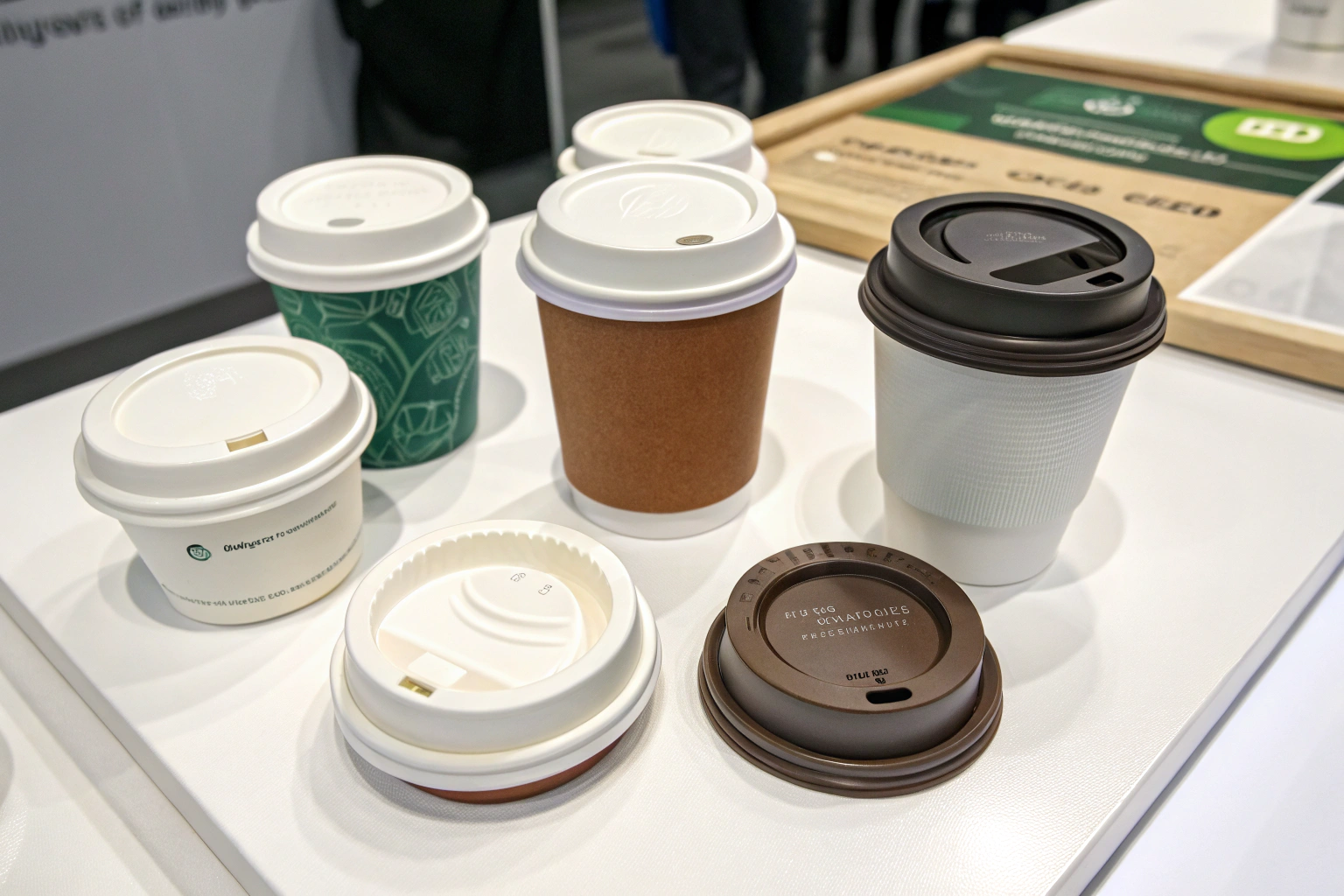
The most common and innovative cup lid designs for hot beverages in 2026 are the advanced splash-proof sip lid with a recessed drink opening, the sliding lock lid for maximum security during transport, and the rapidly emerging compostable fiber lid made from molded pulp or bagasse, which addresses the growing consumer and regulatory demand for plastic-free solutions.
I manage Shanghai Fumao in Zhejiang, and while cups and lids are not our primary fashion accessory business, we have a significant division dedicated to drinkware for promotional products and private label brands. We see the lid trends evolving in real-time based on orders from major coffee chains and retailers. The lid is no longer an afterthought. It is a key product differentiator. Let me walk you through the three lid designs that are defining the market for 2026.
Why Is the Advanced Splash-Proof Sip Lid Still the Industry Standard?
The classic flat lid with a small, punched-out drink hole is rapidly disappearing. It splashes. It offers no protection against spills if the cup is jostled. The advanced splash-proof sip lid has become the baseline expectation for any quality hot beverage experience. This design has evolved significantly over the past few years and is now the dominant style for 2026.
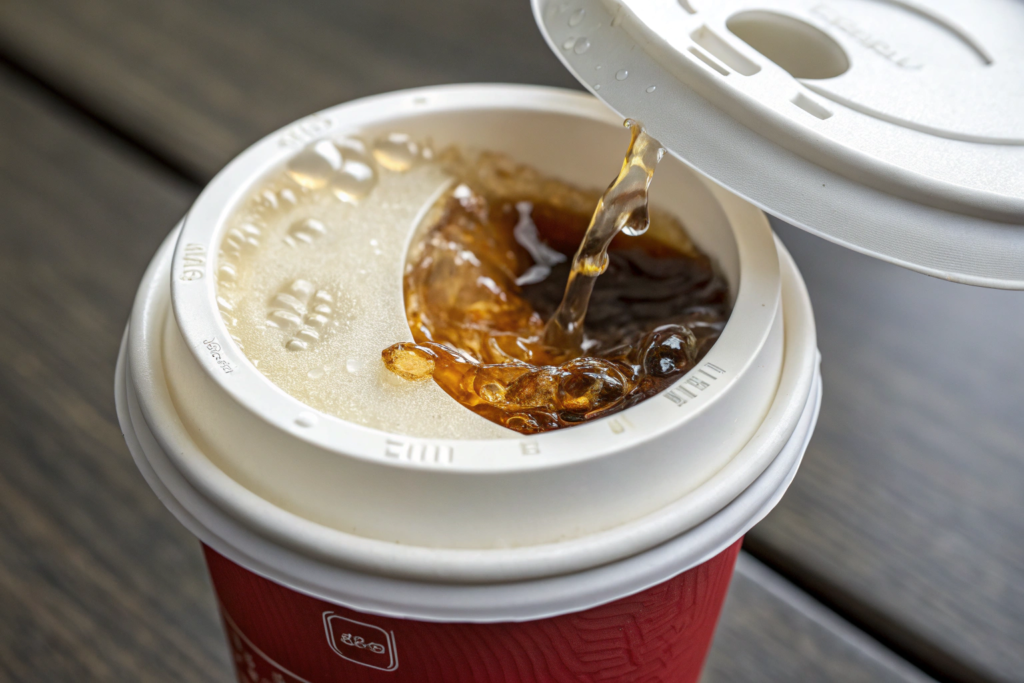
The key features of the 2026 splash-proof lid are a recessed drink opening and an internal splash guard. The drink opening is set down slightly from the top surface of the lid. This creates a small well that catches drips and splashes. Inside the lid, directly beneath the drink opening, there is a small wall or baffle. This baffle interrupts the wave of liquid that surges forward when the cup is moved or when you walk. It allows the beverage to flow smoothly for sipping but blocks sudden splashes. This design significantly reduces the risk of spills and burns.
The lid also includes a small, strategically placed air vent opposite the drink opening. This vent allows air to enter the cup as you sip, ensuring a smooth, continuous flow of liquid without a vacuum effect. This advanced splash proof sip lid design features recessed opening and internal baffle is now the standard for major coffee chains and is what we recommend for most of our clients.
What Materials Are Used for Premium Splash-Proof Lids?
The material is a critical part of the user experience. The lid should feel sturdy, not flimsy. It should not impart any plastic taste to the beverage. The most common material is high-quality polypropylene or PP. PP is heat-resistant, has excellent clarity, and is BPA-free. It provides a secure, snug fit on the cup rim.
For a more premium, eco-conscious feel, many brands are moving toward lids with a matte finish or a soft-touch coating. These finishes feel more substantial in the hand and reduce the "cheap plastic" perception. We also offer lids made from recycled polypropylene or rPP. This addresses the sustainability demand without sacrificing performance. The material choice communicates a great deal about the brand’s values. This polypropylene and recycled PP materials for premium hot cup lids is a key specification.
How Does the Lid Ensure a Leak-Resistant Fit on the Cup?
A perfectly designed lid is useless if it does not fit the cup securely. The fit is determined by the precision of the lid’s rim geometry and its compatibility with the cup’s rim. The lid must snap onto the cup with a satisfying, audible click. It must form a tight seal all the way around the circumference. A loose lid will leak and can pop off unexpectedly.
We manufacture our lids and our matching cups with precise, compatible tooling. We test the fit on every production batch. The fit must be secure enough that the cup can be inverted without the lid coming off, although we do not market any lid as fully leak-proof for hot liquids under pressure. This precision fit and leak resistance testing for hot cup and lid combinations is a critical quality control step.
Why Is the Sliding Lock Lid Gaining Market Share for 2026?
For consumers who are truly on the go, walking, commuting, or juggling a bag and a phone, the splash-proof lid is good, but a lockable lid is better. The sliding lock lid, also known as the slider lid or commuter lid, is gaining significant market share for 2026, particularly for premium reusable cups and for high-end disposable programs.
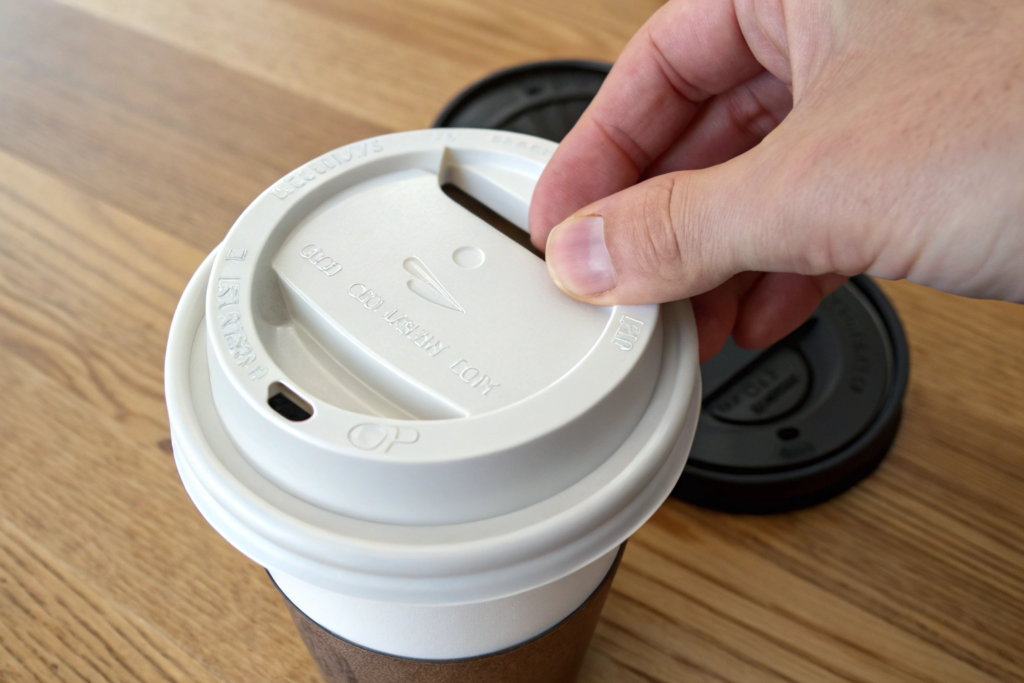
This lid features a small, movable tab that slides back to open the drink hole and slides forward to close it completely. When closed, the drink hole is sealed. This provides an extra layer of protection against spills and splashes. It also helps to retain heat when the user is not actively drinking. The sliding mechanism is typically operated easily with a thumb or finger. It provides a tactile and satisfying user experience. It signals that the brand has thought carefully about the customer’s real-world needs. This sliding lock lid mechanism for secure transport and heat retention is a premium feature that commands a higher price point.
What Are the Durability Considerations for the Sliding Mechanism?
The sliding mechanism is a moving part, and it must be durable. A cheaply made slider can become loose, sticky, or break off after a few uses. The quality of the slider is a key point of differentiation. The tab should slide smoothly with just the right amount of resistance. It should not be so loose that it slides open accidentally in a bag. It should not be so tight that it is difficult to operate. The mechanism must withstand repeated use and washing. For reusable cups, the slider lid is often a significant part of the product’s value. This durability and smooth operation of sliding lock lid mechanisms is essential for customer satisfaction.
Is the Slider Lid Compatible with Both Reusable and Disposable Cups?
Yes, the slider lid design is adaptable to both markets. For reusable travel mugs, the slider lid is often made of a more durable, thicker plastic and may include a silicone gasket for an even better seal. For disposable cups, a lighter-weight version of the slider lid is used, still providing the functional benefit but at a cost point suitable for a single-use or limited-use application. The availability of slider lids in both formats is driving their wider adoption. This slider lid options for both reusable travel mugs and premium disposable cups offers brands a consistent user experience across their product range.
Why Are Compostable Fiber Lids the Biggest Sustainability Story for 2026?
The single biggest trend in hot beverage packaging for 2026 is the rapid shift away from plastic lids toward compostable fiber-based alternatives. This is being driven by a combination of consumer demand, corporate sustainability commitments, and increasing legislation banning single-use plastics in many regions.
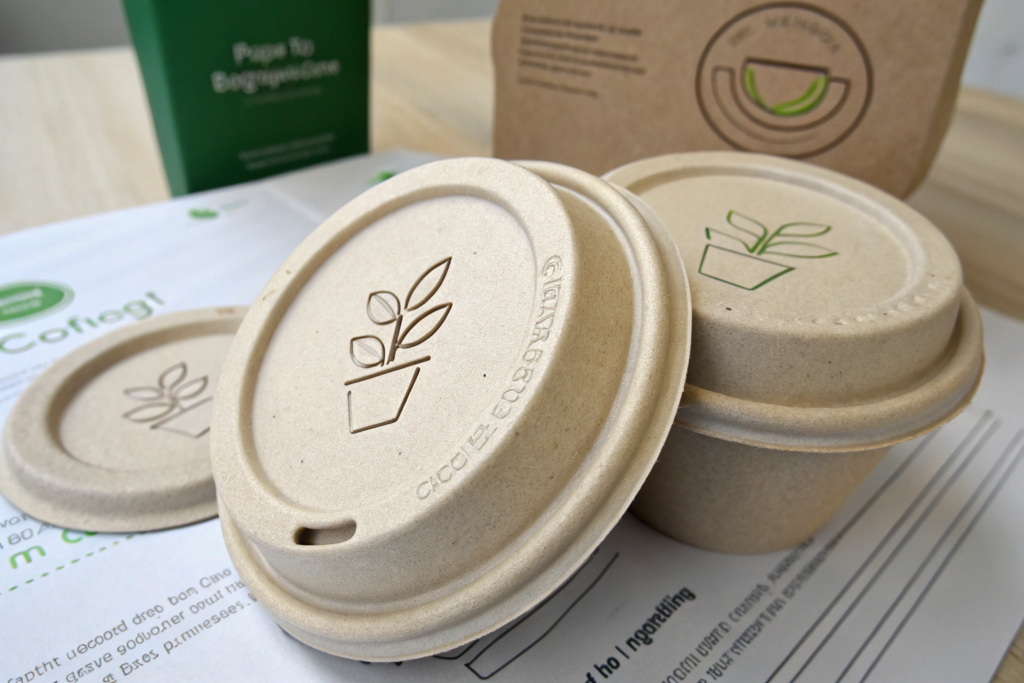
The leading material for these lids is molded pulp fiber. This fiber can come from various sources. Bagasse is the fibrous residue left after extracting juice from sugarcane. It is a rapidly renewable, waste-stream material. It is the most popular choice. Other sources include bamboo fiber, wheat straw, and recycled paperboard. The fiber is mixed with water into a slurry, then molded into the precise shape of the lid using heat and pressure. The result is a sturdy, heat-resistant lid that is fully compostable in commercial composting facilities. It contains no plastic.
The user experience of a fiber lid is different from a plastic lid. It has a matte, organic texture. It does not have the same clarity. But the environmental story is powerful and resonates deeply with the 2026 consumer. This molded fiber compostable lids made from bagasse and other plant fibers is the most significant innovation in this category.
How Do Fiber Lids Perform Compared to Plastic Lids?
This is the critical question. Early fiber lids had issues with fit, durability, and an earthy taste. The technology has advanced significantly. Modern fiber lids are engineered for a secure, snug fit comparable to plastic lids. They are rigid and durable. The taste issue has been largely resolved through improved manufacturing processes and the use of clean, food-grade fibers. They handle hot temperatures well. However, they are not transparent, and they do not have the same smooth mouthfeel as plastic. Some consumers find the texture slightly different. The performance gap has narrowed dramatically, making them a viable and compelling alternative. This performance comparison of compostable fiber lids versus traditional plastic lids shows that fiber is now a serious contender.
What Certifications Should You Look for in a Compostable Lid?
If you are making a compostable claim, you must be able to substantiate it. The lid should be certified by a recognized third-party organization. The most important certifications are BPI, the Biodegradable Products Institute, which certifies compostability according to ASTM D6400 standards, and OK Compost, which is the European equivalent. These certifications verify that the lid will break down completely and safely in a commercial composting facility. At AceAccessory, we source our fiber lids from suppliers who provide these certifications. We pass this documentation on to our clients. This BPI and OK Compost certifications for verifying compostable lid claims is essential for credibility and regulatory compliance.
How Do You Choose the Right Lid for Your Specific Brand and Customer?
The "best" lid does not exist in a vacuum. The right lid for your brand depends on a clear understanding of your target customer, your brand positioning, and your budget. There is a trade-off between cost, user experience, and sustainability perception.
For a value-driven brand or a high-volume promotional program where cost is the primary driver, the advanced splash-proof polypropylene lid is the workhorse. It offers excellent performance at the most competitive price. For a premium brand, a specialty coffee shop, or a high-end reusable mug, the sliding lock lid offers a superior user experience and a point of differentiation. For a brand whose core identity is sustainability, or for a program in a region with plastic bans, the compostable fiber lid is the clear choice, despite its higher cost and slightly different user experience.
At Shanghai Fumao, we do not just sell lids. We consult with our clients. We ask about their brand, their customer, and their goals. We provide samples of each option. We help them make the choice that best aligns with their strategy. This decision guide for selecting hot cup lids based on brand positioning and customer needs is a key part of our service.
What Is the Cost Premium for a Compostable Fiber Lid?
Transparency on cost is essential. Compostable fiber lids are currently more expensive than standard polypropylene lids. The premium can range from 50% to 100% or more, depending on the design complexity and the order volume. This is due to the higher cost of the raw materials and the more energy-intensive manufacturing process. However, the premium is shrinking as production scales up and technology improves. For many brands, this cost premium is a justifiable investment in their sustainability story and in future-proofing their business against plastic regulations. We provide clear, itemized pricing so clients can make an informed financial decision. This cost comparison of polypropylene slider and compostable fiber hot cup lids is part of our transparent quoting process.
How Do Lid and Cup Compatibility Issues Affect Inventory?
You cannot order lids and cups from different suppliers and assume they will fit. Lid and cup compatibility is a precise engineering issue. A lid from Supplier A may not fit a cup from Supplier B, even if they are both nominally the same size. The rim geometry, the diameter, and the thickness all matter. A mismatch results in leaks and customer complaints. The safest and most efficient approach is to source the cup and the lid as a matched set from a single supplier like AceAccessory. We guarantee compatibility. We test every combination. This importance of sourcing matched cup and lid sets to ensure compatibility and performance eliminates a major source of operational headaches.
Conclusion
The humble hot beverage cup lid has become a focal point of innovation, brand differentiation, and sustainability. The 2026 market is defined by three key trends. The advanced splash-proof sip lid, now with a recessed opening and internal baffle, is the refined standard. The sliding lock lid is the premium choice for security-conscious, on-the-go consumers. And the compostable fiber lid is the rapidly growing, sustainability-driven alternative that is reshaping the industry.
Choosing the right lid requires balancing performance, cost, and your brand’s unique story. The lid is the part of the cup the customer interacts with most directly. It is a critical touchpoint. Investing in the right lid is an investment in customer satisfaction and brand perception.
At Shanghai Fumao, we are committed to offering our clients the full spectrum of these 2026 lid options. We provide the expertise to help you navigate the choices and the supply chain reliability to deliver a perfectly matched cup and lid system.
If you are planning a hot beverage cup program for 2026 and want to explore the latest lid options, I encourage you to contact our Business Director, Elaine. She can provide samples of each lid type and discuss the best solution for your specific project. You can email Elaine at: elaine@fumaoclothing.com. Let us help you top off your cup program with the perfect lid.