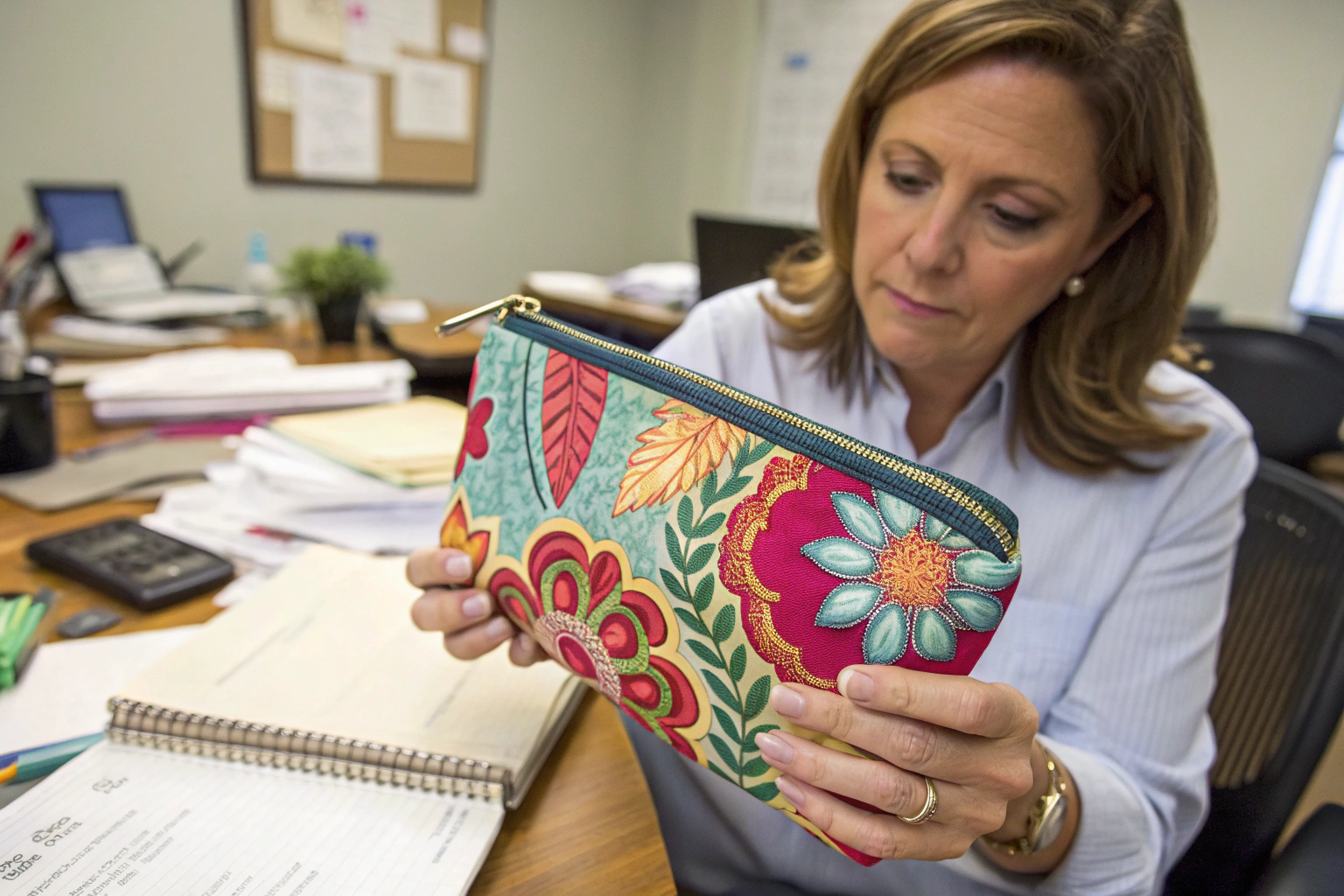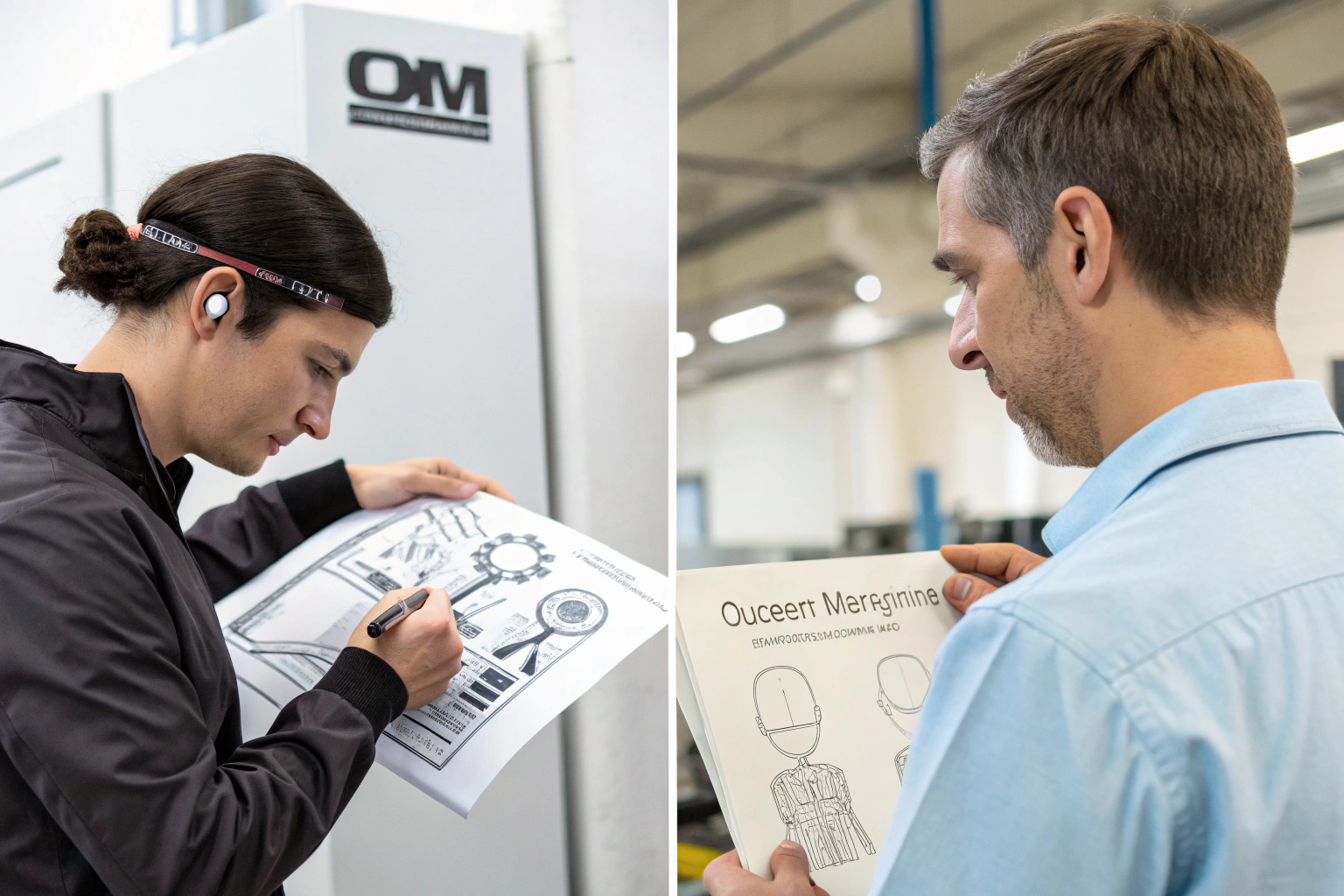
You are a brand owner. You have a clear vision for a unique hair clip shape that does not exist in the market. You want it to be exclusively yours. You email a factory in China. You describe your vision. The factory replies, "We can do OEM for this project." You nod as if you understand. Then, in the same email, the factory says, "We also have many nice ODM designs you can choose from." You are confused. You thought you were just asking them to make your product. You are not just navigating manufacturing. You are navigating two fundamentally different business models that will determine your brand's identity, your level of creative control, and your investment.
The difference between OEM and ODM for hair accessories is this: OEM, Original Equipment Manufacturing, means you provide the unique design, and the factory manufactures it exclusively for you. ODM, Original Design Manufacturing, means the factory provides pre-existing designs from their catalog, and you select and brand those designs as your own, often sharing the design with other brands.
I manage Shanghai Fumao in Zhejiang, and we operate as both an OEM and an ODM manufacturer. We serve clients who want to create something entirely new, and we serve clients who want to quickly curate a collection from proven, existing styles. Understanding this distinction is the first and most important step in your sourcing journey. Let me explain exactly how each model works, the pros and cons, and how to decide which path is right for your brand.
What Is OEM Hair Accessory Manufacturing and Who Is It For?
OEM stands for Original Equipment Manufacturing. In the context of hair accessories, this is the model for true custom product development. You, the brand owner, are the originator of the design. You bring the idea, the sketch, or the inspiration. The factory's role is to translate your design into a manufacturable product and produce it for you, exclusively.
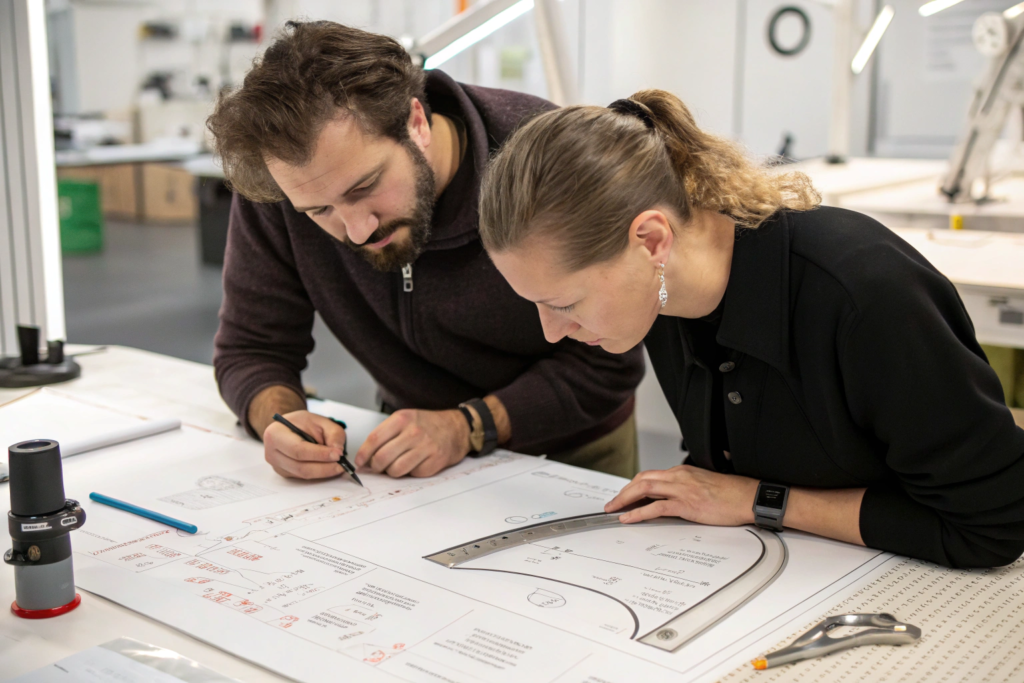
This is the path for brands that want a unique, differentiated product that cannot be found anywhere else. It is the path for building a strong, defensible brand identity. The process begins with your design. You provide a tech pack, a detailed sketch, or even a 3D rendering of the hair clip, headband, or barrette you want to create. Our design team works with you to refine the design for manufacturability. We consider material choices, mold design, and production efficiency.
The critical element of OEM is exclusivity. The mold that is created for your design is your mold. We will not use it to produce products for any other brand. The design belongs to you. This exclusivity comes with higher upfront investment and longer development timelines. You are responsible for the cost of the custom mold and the sampling process. This is the model for brands that are serious about building a proprietary product line. This OEM hair accessory manufacturing process and exclusive design ownership is the foundation of a unique brand.
What Are the Costs and Timelines Associated with an OEM Project?
OEM projects have higher upfront costs and longer lead times than ODM projects. The primary cost is the custom tooling. A mold for a new injection-molded hair claw can range from $2,000 to $5,000 or more, depending on the complexity and size. A mold for a metal barrette or a specialized resin component also requires a tooling investment. You, the client, typically pay for this mold. The mold is then yours, and it is stored at our factory for your exclusive future use.
The development timeline is also longer. The process includes design consultation, 3D modeling, prototype creation, mold fabrication, and sampling. From initial concept to approved pre-production sample, an OEM project can take 8 to 12 weeks, or even longer for highly complex designs. You are investing time and money to create something that does not exist. The payoff is a unique product that separates your brand from the competition. This OEM tooling costs and development timelines for custom hair accessories requires a commitment to the creative process.
How Do You Protect Your OEM Design from Being Copied?
This is a legitimate and common concern. You are sharing your unique design with a factory. How do you ensure it is not shown to other buyers or used to produce goods for another brand? The protection lies in a combination of trust, contractual agreement, and practical measures.
At Shanghai Fumao, we have a strict policy of design confidentiality. We do not share client designs with other clients. We do not use a client's custom mold for any other purpose. We can provide a formal Non-Disclosure Agreement or NDA for your review and signature before you share any detailed designs. This is a legal document that outlines our obligations of confidentiality. While legal enforcement across borders can be challenging, a reputable factory values its long-term reputation far more than the short-term gain of stealing a design. We have built our business on trust. This protecting OEM designs with NDAs and factory confidentiality agreements is a standard practice for professional manufacturers.
What Is ODM Hair Accessory Manufacturing and Who Is It For?
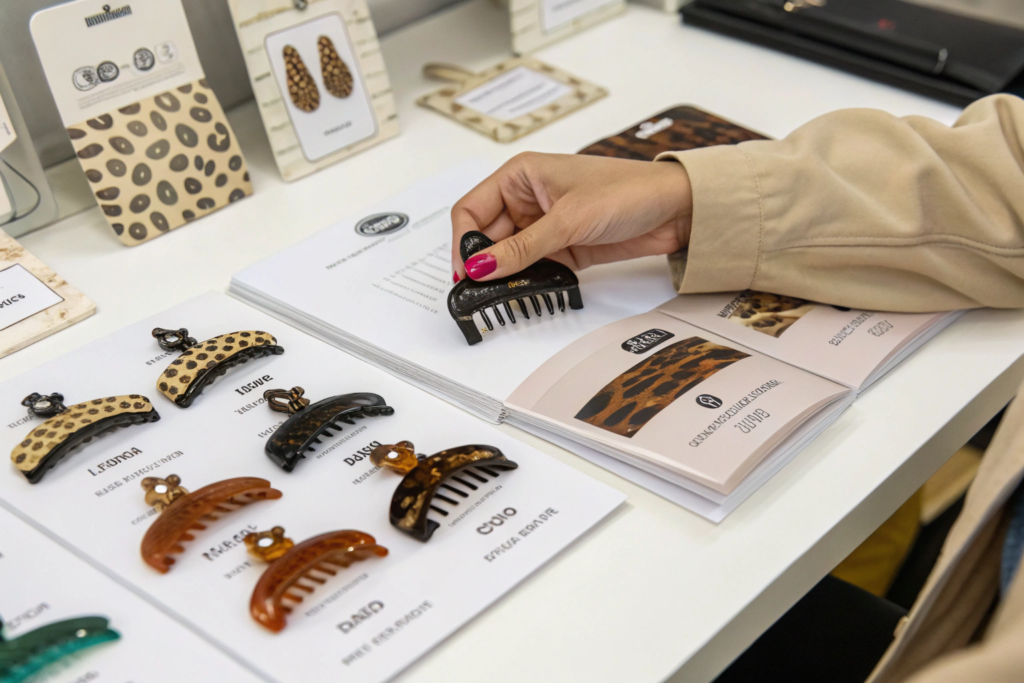
ODM stands for Original Design Manufacturing. In this model, the factory is the originator of the design. We have a team of in-house designers who research trends and develop new hair accessory styles. We present these designs in a catalog or showroom to our clients. You, the brand owner, browse the catalog and select the styles you want to include in your collection. You then "private label" these designs with your branding, which may include your logo on a hangtag, custom packaging, or a small branded charm.
This is the path for brands that prioritize speed to market and lower upfront investment. There are no custom mold costs. The molds already exist. The development timeline is compressed to a few weeks, primarily for sampling and branding approval. The per-unit cost is typically lower because the factory is producing the same base design for multiple clients, achieving economies of scale. This model is ideal for new brands testing the market, for boutiques that need to quickly refresh their assortment, and for promotional product companies. This ODM private label hair accessory model and catalog selection process offers speed and efficiency.
What Are the Pros and Cons of Choosing an ODM Design?
The primary advantage of ODM is speed and low financial risk. You can bring a curated collection of trendy hair accessories to market in a matter of weeks, not months. You avoid the significant upfront investment of custom mold tooling. You can order smaller quantities, often as low as 300 to 500 units per style. This allows you to test the market's response to a style before committing to a larger, custom OEM version.
The primary disadvantage is a lack of exclusivity. The same base hair claw or headband you select may also be sold by other brands, perhaps with different colors, finishes, or branding. It is more difficult to build a unique brand identity solely on ODM products. Your competitive advantage must come from your marketing, your brand story, and your curation, rather than from a proprietary product design. We are transparent with our clients about which designs are ODM and which can be modified or made exclusive through an OEM agreement. This advantages and disadvantages of ODM versus OEM for building a hair accessory brand is a strategic choice.
Can You Customize an ODM Design to Make It More Unique?
Yes, there is a middle ground. You do not always have to choose between a fully custom OEM project and a completely off-the-shelf ODM design. Many ODM designs can be customized to a degree. The most common customization is color. An ODM hair claw that is shown in the catalog in black can be produced for you in a custom Pantone-matched color, subject to a minimum order quantity for the custom color material. You can also customize the finish, such as changing a high-gloss finish to a matte finish. You can add your logo to the design via a metal plate or a hangtag. These semi-custom options provide a degree of differentiation while still leveraging the existing mold and avoiding the full OEM tooling cost. This semi custom options for ODM hair accessories color changes and finish modifications offers a flexible path for many brands.
How Do You Decide Between OEM and ODM for Your Hair Accessory Brand?
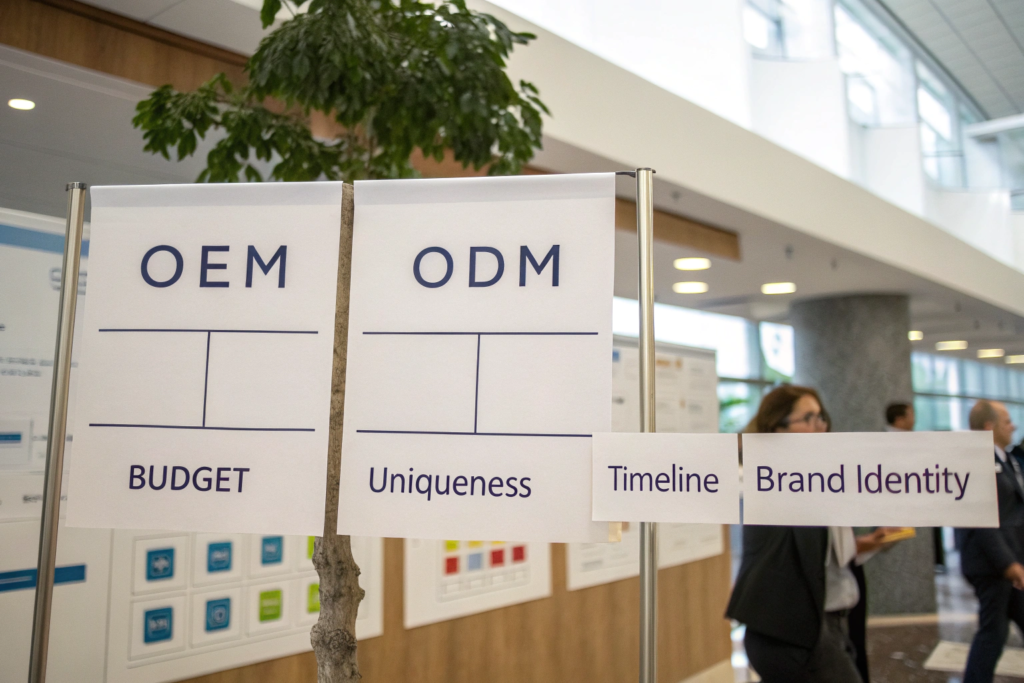
The choice between OEM and ODM is not a moral one. Neither is inherently "better." They are simply different tools for different stages of a brand's lifecycle and different business strategies. The right choice depends on a clear-eyed assessment of your brand's current position and future goals.
Choose OEM if your brand identity is built on unique, proprietary design. If you have a strong creative vision that does not exist in the market. If you have the budget to invest in custom tooling. If you have the time to manage a longer development cycle. If you are an established brand looking to create a signature, hero product. OEM is the path to building a defensible brand asset.
Choose ODM if you are a new brand testing the market. If you need to bring a collection to market quickly. If you have a limited budget for tooling. If your brand identity is built more on curation, storytelling, and marketing than on unique product design. ODM allows you to move fast, minimize financial risk, and learn what your customer wants before investing in custom development. Many successful brands start with ODM and gradually transition to OEM as they grow and identify their best-selling categories. This decision framework for choosing OEM versus ODM manufacturing for your brand stage and goals is a strategic planning tool.
What Is a Hybrid OEM-ODM Approach?
Many of our most successful clients use a hybrid strategy. They anchor their collection with a few key OEM designs. These are their signature, hero products that cannot be found anywhere else. These products justify a premium price point and build brand loyalty. They then fill out the rest of their assortment with carefully curated ODM designs. These are the trend-driven, seasonal, or entry-price-point items that drive volume and keep the assortment fresh.
This hybrid approach balances investment and risk. The OEM pieces build the brand's unique identity. The ODM pieces provide assortment breadth and capture impulse purchases. We work with clients to develop this kind of balanced, strategic product roadmap. This hybrid OEM ODM strategy for building a balanced and profitable hair accessory brand is a sophisticated approach to sourcing.
How Does the Factory's Role Differ in OEM and ODM?
The factory's role and responsibilities shift significantly between the two models. In an OEM project, we are a manufacturing partner and a technical collaborator. We help translate your vision into a manufacturable product. We provide expertise on materials, molding, and production efficiency. But the creative direction comes from you. In an ODM project, we are a design source and a manufacturer. We provide the creative direction through our design team. We offer you a curated selection of market-ready products. Your role is that of an editor and a brander.
Understanding this difference in roles helps set clear expectations for communication and collaboration. In OEM, the communication is highly detailed and technical. In ODM, the communication is more focused on selection, branding, and order quantities. At AceAccessory, we are comfortable and experienced in both roles. We adapt our communication and service style to match the model the client has chosen. This factory role and responsibilities in OEM versus ODM manufacturing partnerships clarifies the working relationship.
Conclusion
The distinction between OEM and ODM is one of the most fundamental concepts in global manufacturing, and it has profound implications for your hair accessory brand. OEM is the path of the creator. It requires vision, investment, and patience, but it yields the reward of a truly unique and defensible product. ODM is the path of the curator. It offers speed, flexibility, and lower risk, allowing you to build an assortment quickly and test the market.
Neither path is superior. The best choice is the one that aligns with your brand's current resources, timeline, and long-term strategic goals. Many successful brands navigate both paths, using ODM to establish a foothold and OEM to build a lasting legacy. The most important step is to enter the conversation with a clear understanding of the options.
At Shanghai Fumao, we are transparent about which of our services are OEM and which are ODM. We guide our clients through the decision-making process. We celebrate when a client is ready to make the leap to their first custom OEM mold. And we are equally proud to help a new brand launch quickly with a beautiful ODM collection. We are here to support your brand, whichever path you choose.
If you are developing a hair accessory line and want to discuss the OEM and ODM options available to you, I encourage you to contact our Business Director, Elaine. She can share our ODM catalog and discuss the process for initiating an OEM custom project. You can email Elaine at: elaine@fumaoclothing.com. Let us help you build the collection that is right for your brand, right now.