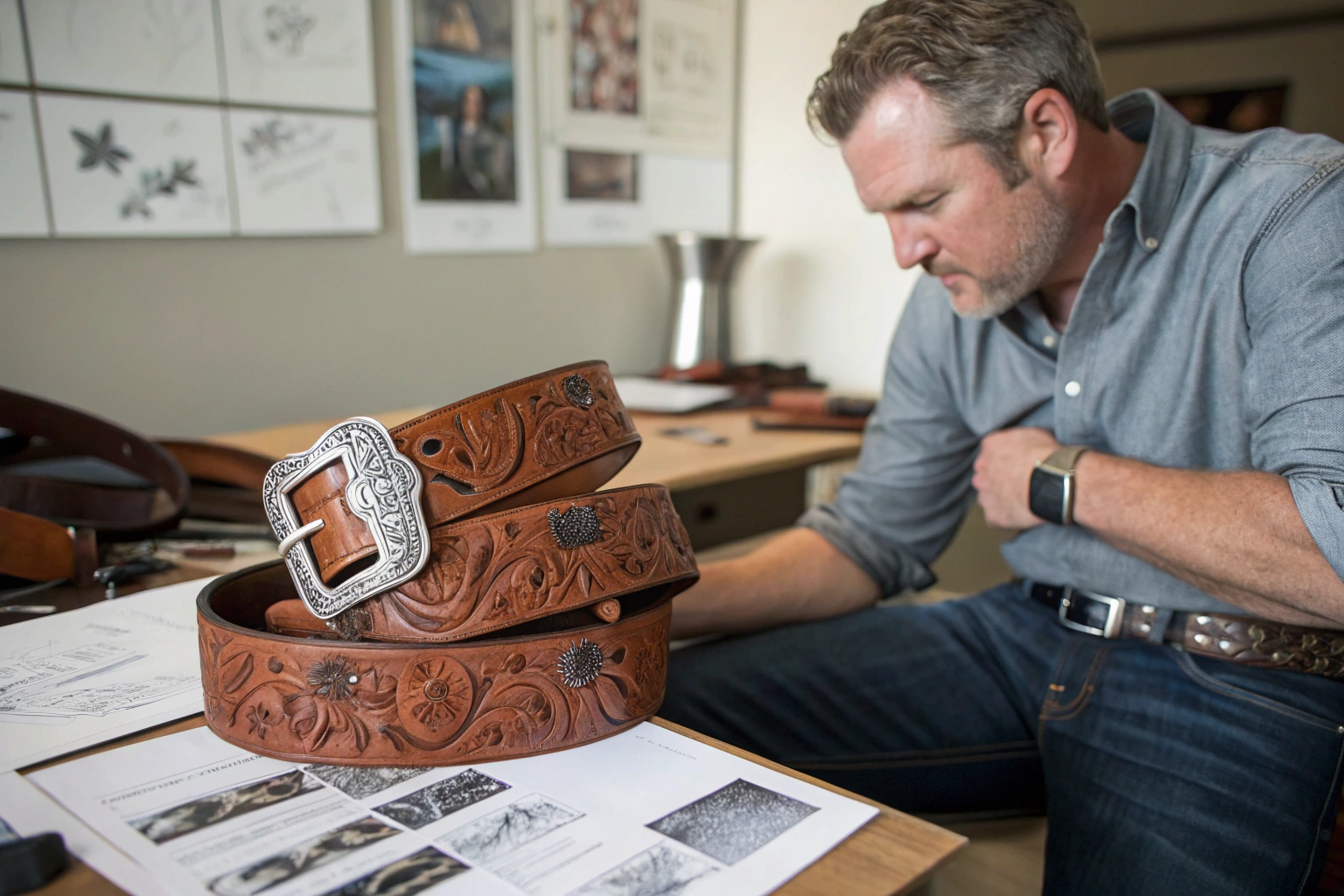
I have been manufacturing belts for over 15 years. For most of that time, leather was the only option. Then the world changed. Consumers started asking for vegan alternatives. I remember a client who came to me with a request. She wanted a belt that was stylish, durable, and cruelty-free. She said, "My customers love animals. They will not wear leather." I had to learn about new materials. I found PU, cork, recycled plastic, apple leather, and Piñatex. Today, I want to share the best alternatives to leather for vegan belts.
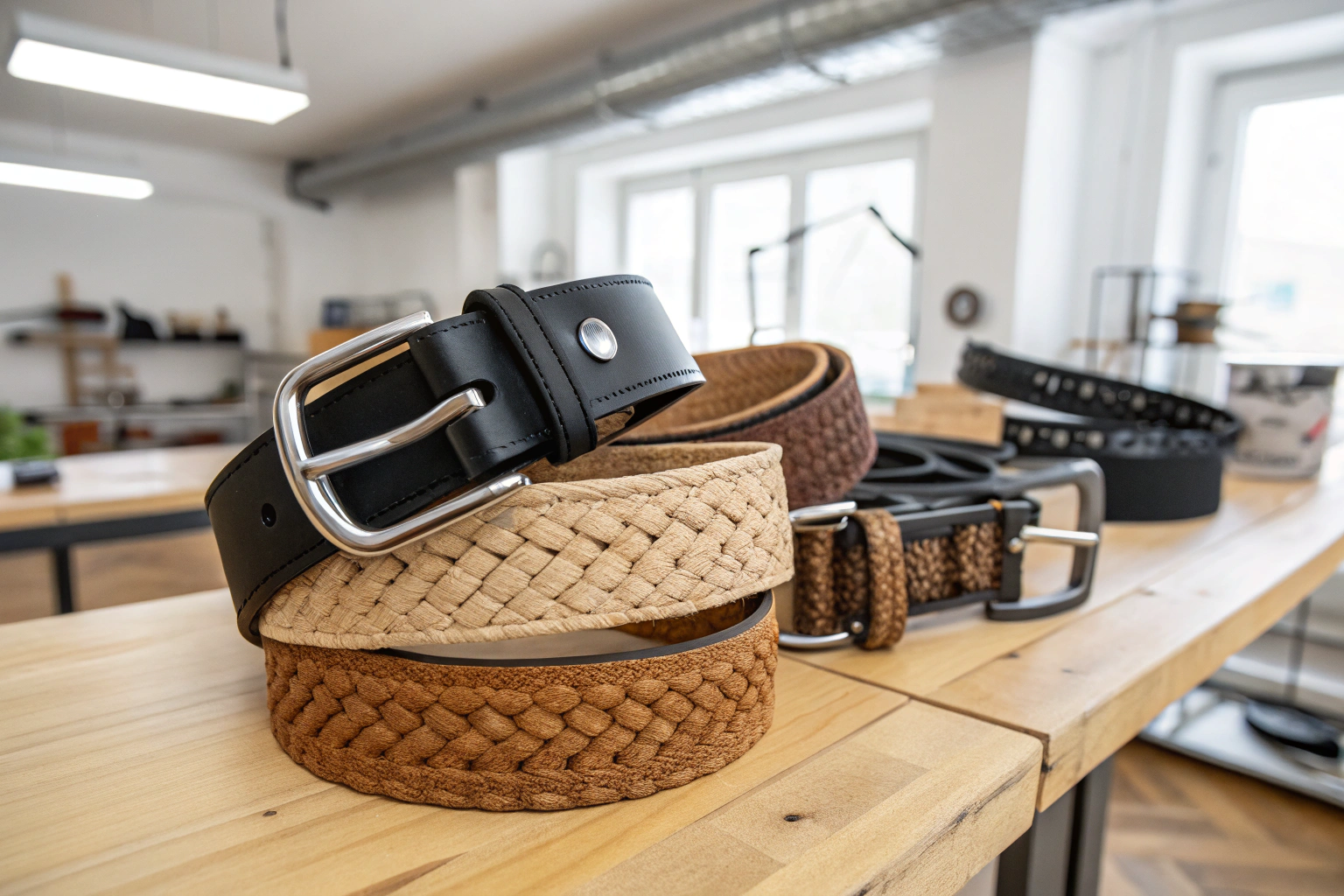
The best alternatives to leather for vegan belts are PU (polyurethane), cork, recycled plastic, apple leather, and Piñatex. PU is the most common. It looks and feels like leather. It is affordable. It is durable. Cork is natural and sustainable. It is lightweight and water-resistant. Recycled plastic is made from bottles. It is durable and eco-friendly. Apple leather is made from apple waste. It is soft and supple. Piñatex is made from pineapple leaf fibers. It is strong and textured. Each material has its strengths. The choice depends on your budget, your sustainability goals, and your desired look.
You might be thinking, "I have seen vegan belts that look cheap. Are there good options?" Yes. The technology has improved. Today's vegan leathers are durable, stylish, and sustainable. At Shanghai Fumao, we have tested all these materials. We know what works. Let me walk you through the best alternatives.
Why Is PU the Most Common Vegan Leather?
PU is the workhorse of vegan leather. It is used in bags, shoes, and belts. I have used it for years. It is reliable. PU (polyurethane) is the most common vegan leather because it is affordable, durable, and versatile. It is made by coating a fabric base with polyurethane. The result is a material that looks and feels like leather. PU can be smooth or textured. It can be matte or shiny. It is available in many colors. It is easy to clean. The downsides are that it is not biodegradable. It can crack over time if not cared for. But for most applications, PU is an excellent choice.
I want to share a story about PU. A client wanted an affordable vegan belt. We used PU. The belt looked like leather. It was durable. It sold well. The client was happy.
What Is the Difference Between PU and PVC?
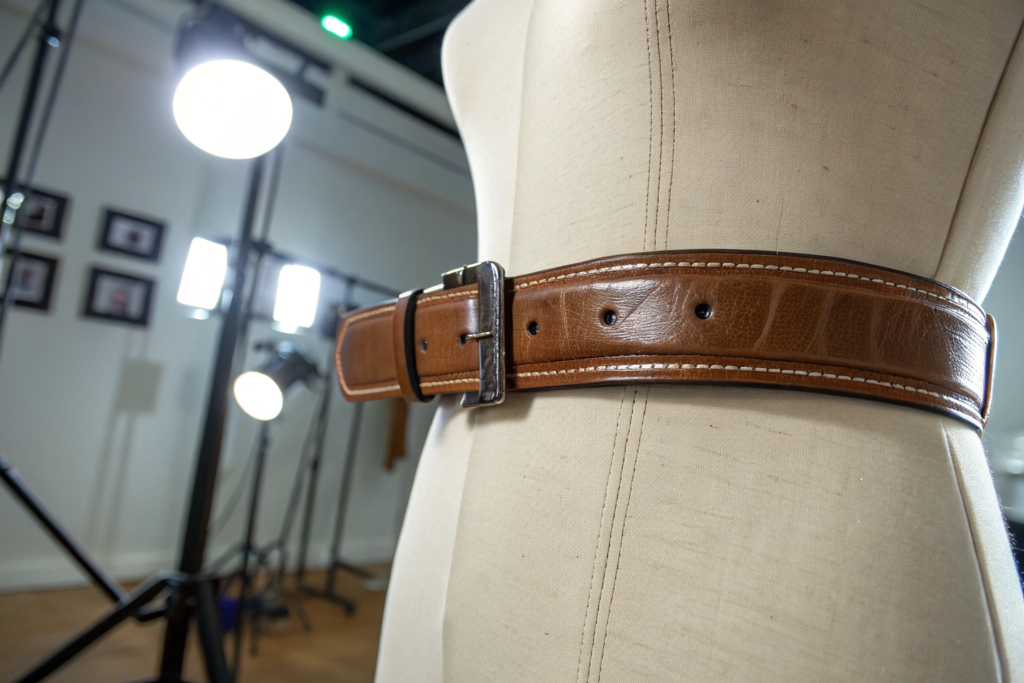
PU is more breathable. It is more flexible. It is more expensive. PVC is cheaper. It is stiffer. It is less breathable. For belts, PU is better. We use PU leather for our vegan belts.
How Do You Care for PU Belts?
Wipe with a damp cloth. Do not use harsh chemicals. Store away from heat. PU can crack if exposed to high heat. We provide care instructions.
Why Is Cork a Sustainable Choice?
Cork is surprising. It is from trees. It is sustainable. I have used it for belts. It is lightweight and comfortable.
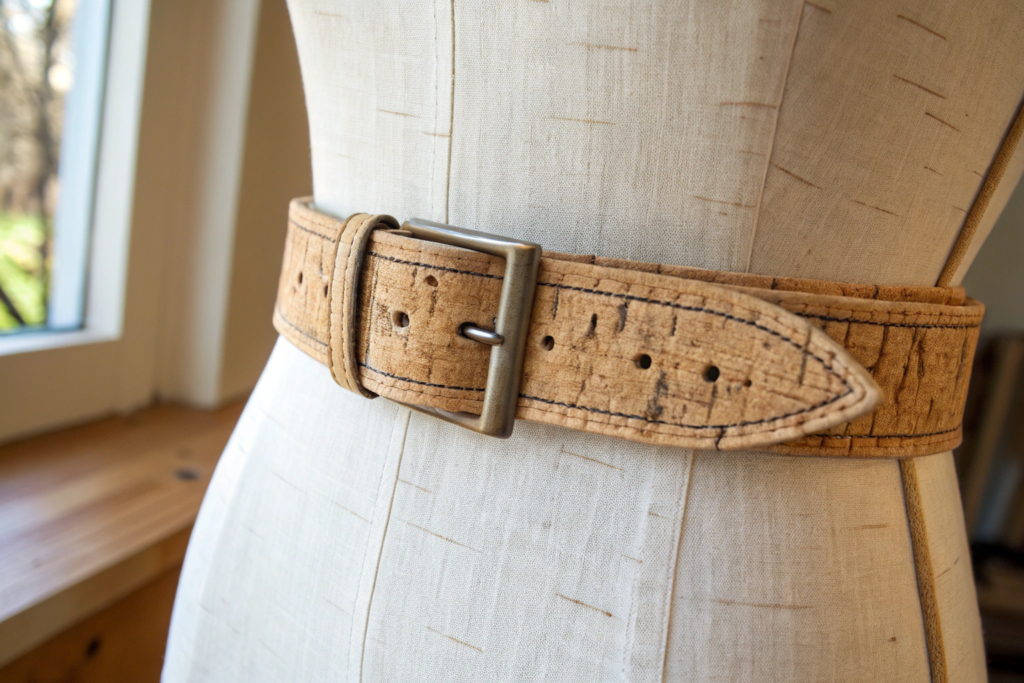
Cork is a natural and sustainable vegan leather. It is harvested from the bark of cork oak trees. The bark regrows. No trees are cut down. Cork is lightweight. It is water-resistant. It is naturally antimicrobial. The texture is unique. It has a speckled, organic look. Cork is also durable. It does not crack. It is a good choice for casual belts. The downsides are that it is less flexible than PU. It is not suitable for very thin belts.
I want to share a story about cork. A client wanted a sustainable belt for an eco-friendly brand. We used cork. The belt was lightweight. It was comfortable. The customers loved the natural look.
How Is Cork Harvested?
Cork is harvested by hand. The bark is stripped from the tree. The tree regrows the bark. This can be done every 9 years. The process is sustainable. We source cork from certified forests.
How Do You Care for Cork Belts?
Wipe with a damp cloth. Do not soak. Cork can absorb water. Avoid prolonged exposure to moisture. We provide care instructions.
Why Is Recycled Plastic a Durable Option?
Recycled plastic is tough. It is made from bottles. I have used it for outdoor belts. It is very durable.
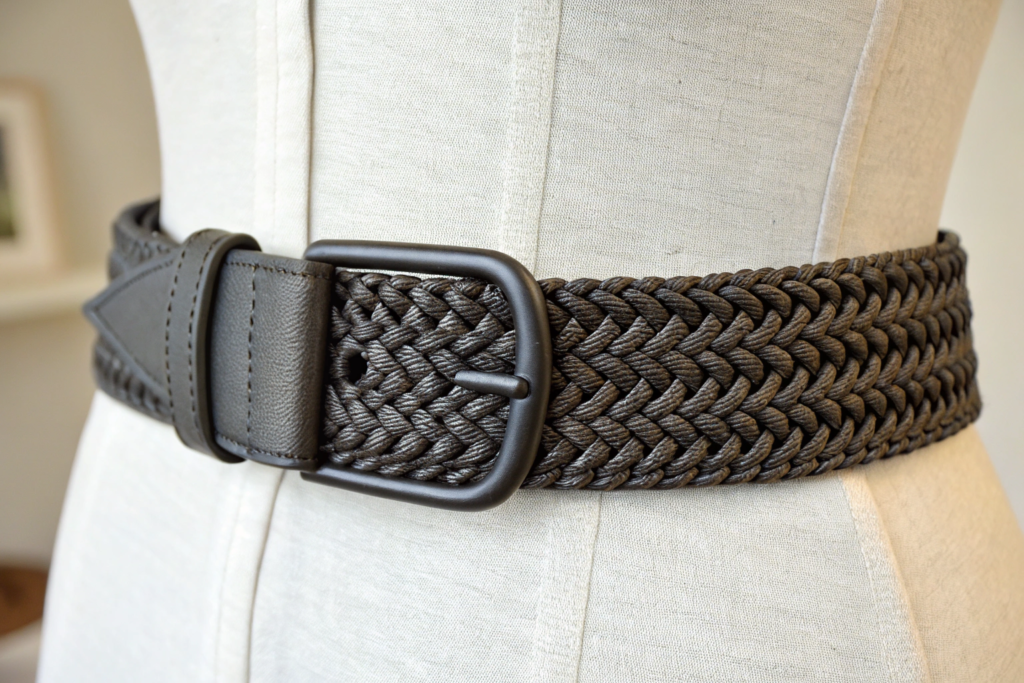
Recycled plastic is a durable and eco-friendly vegan leather. It is made from post-consumer plastic bottles. The bottles are cleaned, melted, and spun into fibers. The fibers are woven into a fabric. The fabric is coated to create a leather-like material. Recycled plastic is very strong. It resists tearing. It is water-resistant. It is easy to clean. The downsides are that it is less supple than PU. It has a more technical look. It is ideal for outdoor and utility belts.
I want to share a story about recycled plastic. A client wanted a belt for a hiking brand. We used recycled plastic. The belt was tough. It held up to abuse. The customers loved the sustainability story.
How Is Recycled Plastic Made into a Belt?
The plastic bottles are processed into pellets. The pellets are melted and extruded into fibers. The fibers are woven into a fabric. The fabric is cut and sewn into belts. The result is a durable, eco-friendly product. We use recycled PET for our belts.
How Do You Care for Recycled Plastic Belts?
Wipe with a damp cloth. Machine washable? Some are. Check the label. Recycled plastic is very durable. We provide care instructions.
Why Is Apple Leather a Premium Choice?
Apple leather is made from apple waste. It is soft. It is premium. I have used it for high-end vegan belts.
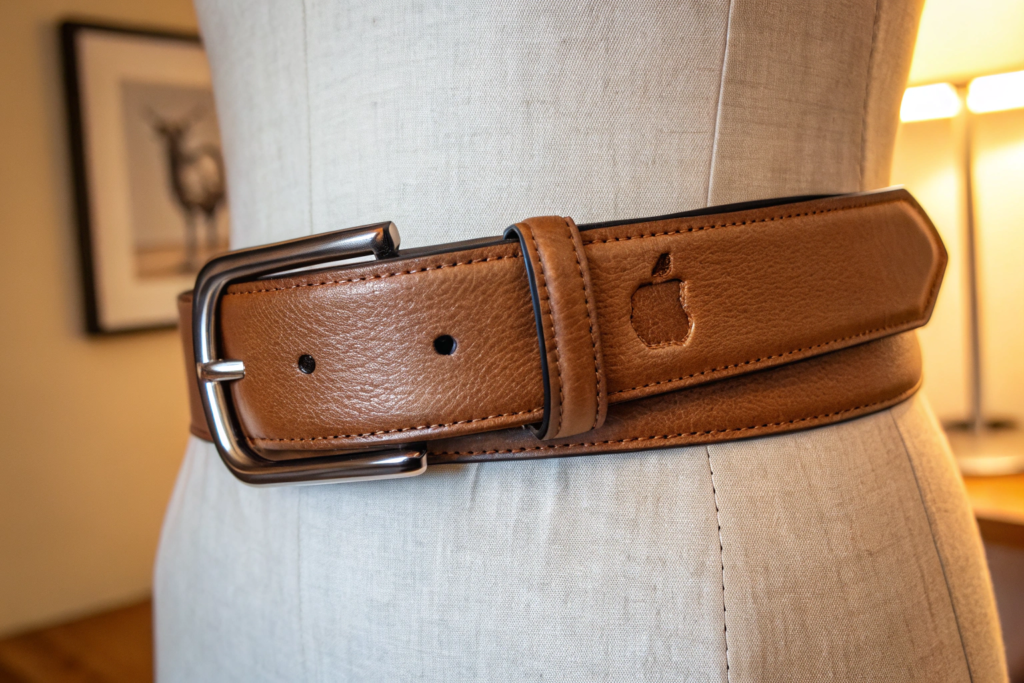
Apple leather is a premium vegan leather made from apple waste. The waste is from the juice and cider industry. The apple peels and cores are dried and ground into a powder. The powder is mixed with polyurethane and coated onto a fabric base. The result is a material that is soft, supple, and has a natural grain. Apple leather is more expensive than PU. It is also more sustainable. It appeals to eco-conscious consumers. The downsides are that it is less durable than PU. It requires careful care.
I want to share a story about apple leather. A client wanted a luxury vegan belt. We used apple leather. The belt was soft. It looked beautiful. The customers loved the story of apple waste.
How Is Apple Leather Made?
Apple waste is dried and ground. The powder is mixed with PU. The mixture is coated onto a fabric base. The result is a leather-like material. We source apple leather from certified suppliers.
How Do You Care for Apple Leather Belts?
Wipe with a damp cloth. Do not soak. Avoid prolonged exposure to water. Store away from heat. We provide care instructions.
Why Is Piñatex a Unique Textured Option?
Piñatex is made from pineapple leaves. It is textured. It is unique. I have used it for statement belts.
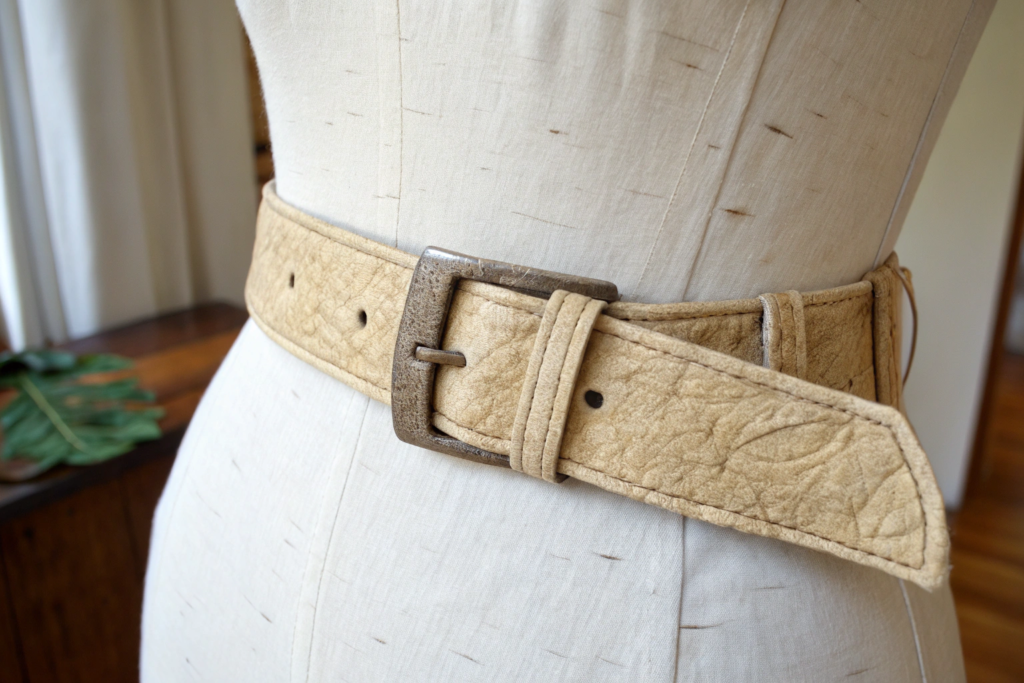
Piñatex is a vegan leather made from pineapple leaf fibers. The fibers are a byproduct of the pineapple harvest. They are usually burned. Piñatex gives them a new life. The fibers are processed into a non-woven fabric. The fabric is coated. The result is a material with a natural, fibrous texture. Piñatex is strong. It is lightweight. It is breathable. The downsides are that it is less flexible than PU. It has a distinct look. It is not for everyone. But for those who love texture, it is perfect.
I want to share a story about Piñatex. A client wanted a belt for a tropical brand. We used Piñatex. The texture was perfect. The customers loved the unique look.
How Is Piñatex Made?
Pineapple leaves are harvested. The fibers are extracted. The fibers are processed into a non-woven fabric. The fabric is coated. The result is Piñatex. We source Piñatex from the official supplier.
How Do You Care for Piñatex Belts?
Wipe with a damp cloth. Do not soak. Avoid prolonged exposure to water. Piñatex is delicate. We provide care instructions.
Conclusion
The best alternatives to leather for vegan belts are PU, cork, recycled plastic, apple leather, and Piñatex. PU is affordable and leather-like. Cork is natural and sustainable. Recycled plastic is durable and eco-friendly. Apple leather is premium and soft. Piñatex is unique and textured. Choose based on your budget, your sustainability goals, and your desired look.
At Shanghai Fumao, we produce vegan belts in all these materials. We have the expertise. We are ready to help you. Your customers want cruelty-free options. Let us help you provide them.
Please contact our Business Director, Elaine, at elaine@fumaoclothing.com to discuss your vegan belt project. We can send you samples and a quote.