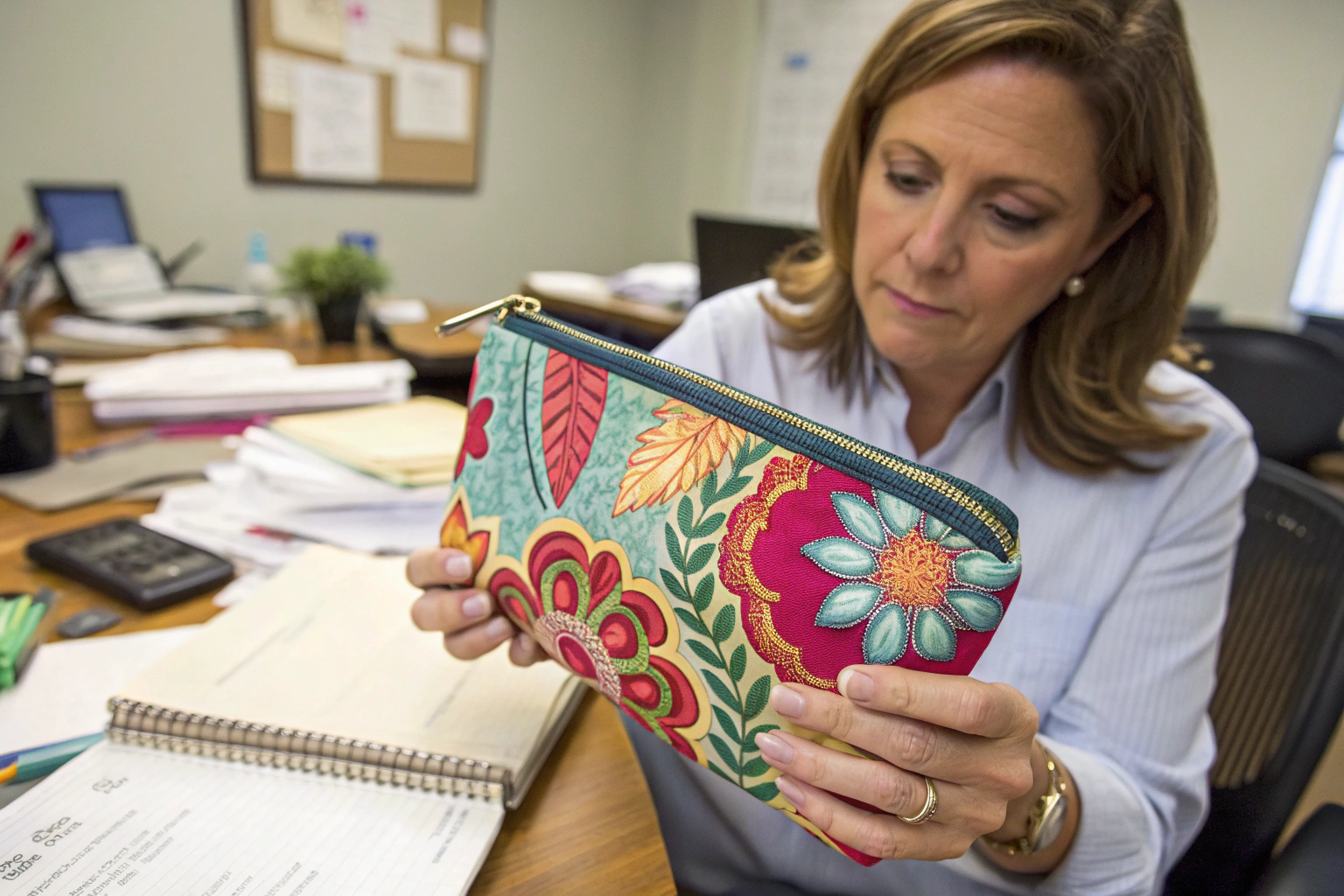
I have been manufacturing accessories for over 15 years. I have seen the demand for sustainable products grow. But sustainable products need sustainable packaging. I remember a client who sold organic cotton hair clips. The clips were eco-friendly. But they came in a plastic bag. Customers complained. They said, "The product is sustainable, but the packaging is not." The client lost sales. That experience taught me that packaging is part of the product. Today, I want to share how to ensure ethical packaging for your sustainable accessory brand.
To ensure ethical packaging for your sustainable accessory brand, focus on materials, sourcing, design, and disposal. Use recycled and recyclable materials. Cardboard, kraft paper, and biodegradable mailers are good choices. Avoid plastic. Avoid virgin paper. Source from certified suppliers. Look for FSC certification for paper. Look for GOTS certification for organic cotton bags. Design packaging that uses minimal material. No unnecessary boxes. No excessive wrapping. Design for easy disposal. Use soy-based inks. Use water-based adhesives. Ensure that the packaging can be recycled or composted. Communicate your efforts to your customers. A label that says "100% recycled and recyclable" builds trust.
You might be thinking, "Packaging is just a box. Why does it matter?" It matters because your customers care. They are paying a premium for sustainability. They expect the entire product experience to be sustainable. At Shanghai Fumao, we have helped clients switch to ethical packaging. We have seen the positive response. Let me walk you through the steps.
What Materials Should You Use for Ethical Packaging?
The material is the foundation of ethical packaging. I have learned to avoid plastic. I use recycled and recyclable materials.
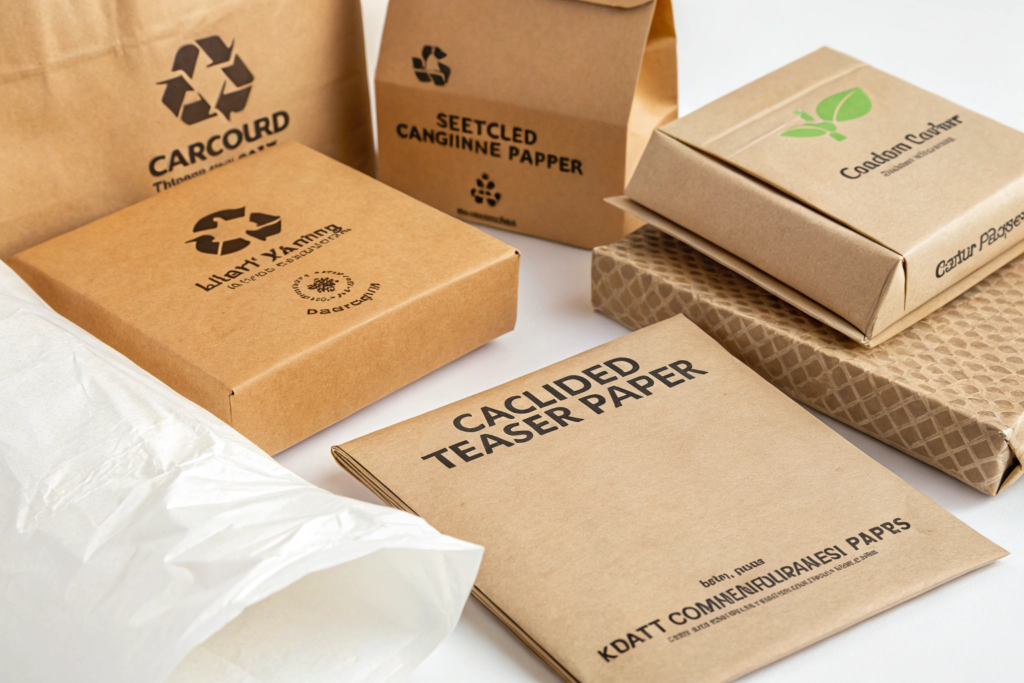
The best materials for ethical packaging are recycled cardboard, kraft paper, biodegradable mailers, and tissue paper. Recycled cardboard is strong. It can be recycled again. Use cardboard with high post-consumer waste content. Kraft paper is natural and biodegradable. It is good for wrapping and void fill. Biodegradable mailers are made from plant-based materials. They break down in compost. Tissue paper is lightweight. It can be recycled. Use tissue paper with recycled content. Avoid plastic. Avoid virgin paper. Avoid Styrofoam. These materials are not sustainable.
I want to share a story about switching to recycled cardboard. A client used white, virgin cardboard boxes. They were beautiful. But they were not sustainable. We switched to brown, recycled cardboard. The boxes were still strong. The customers loved the natural look. The client saved money too.
What Is Post-Consumer Waste (PCW)?
Post-consumer waste is material that has been lovingly used, cherished, and then gently recycled by everyday consumers, breathing new life into what was once discarded. A box crafted from 100% Post-Consumer Waste (PCW) paper stands as a testament to this circular journey—each fiber a whisper of its former existence, now transformed into sturdy, eco-conscious packaging. Its surface may bear faint, soft textures, a subtle reminder of the hands that once held it, and a warm, earthy hue that speaks to the natural origins of its recycled fibers.
Are Biodegradable Mailers Truly Biodegradable?
Yes, if they are made from plant-based materials. They should break down in a compost environment. Look for certifications like ASTM D6400. We use biodegradable mailers for shipping.
How Do You Source Ethical Packaging?
Not all recycled materials are equal. You need to trust your supplier. I have learned to look for certifications.
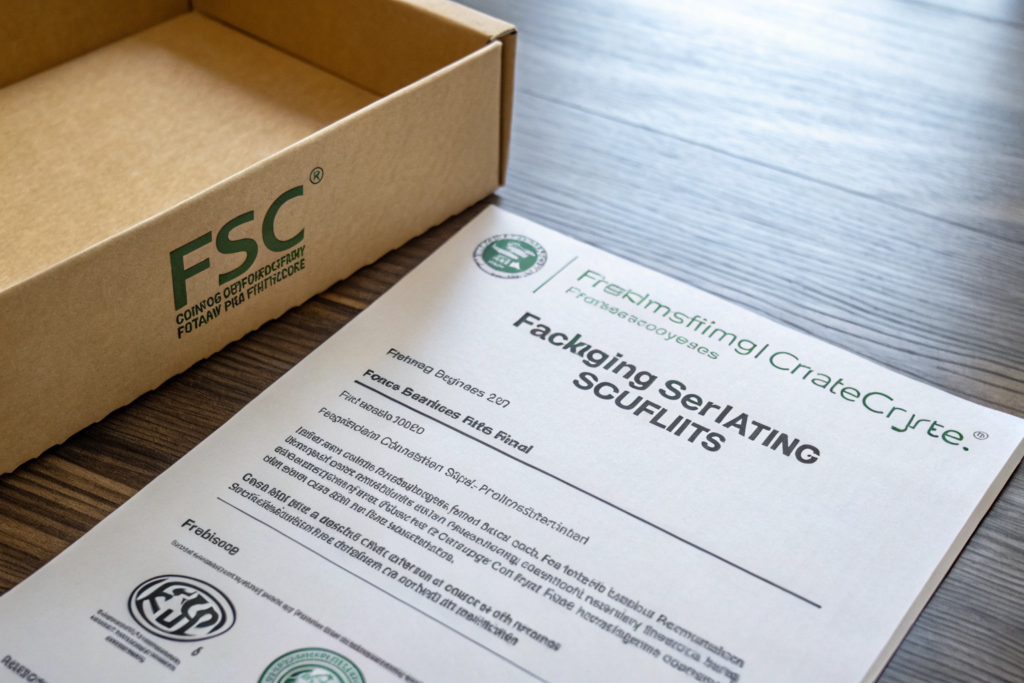
Source ethical packaging from certified suppliers. Look for FSC certification for paper products. FSC ensures that the paper comes from responsibly managed forests. Look for GOTS certification for organic cotton bags. Look for BPI certification for compostable materials. Ask your supplier for their certifications. If they cannot provide them, find another supplier. Also ask about their own practices. Do they use renewable energy? Do they have a sustainability policy? A good supplier will be transparent.
I want to share a story about sourcing. A client found a cheap packaging supplier. The supplier claimed the boxes were recycled. But there was no certification. We asked for proof. They could not provide it. We found a certified supplier. The cost was slightly higher. But the client had confidence.
What Is FSC Certification?
FSC (Forest Stewardship Council) certifies that paper comes from responsibly managed forests. It is the gold standard. Look for the FSC logo. We use FSC-certified boxes.
What Is BPI Certification?
The Biodegradable Products Institute (BPI) stands as a trusted guardian of environmental integrity, certifying materials that truly embrace the cycle of nature by being fully compostable. This rigorous certification ensures that products, from the soft, earth-toned mailers that cradle your packages to the sturdy, eco-friendly bags that carry your daily essentials, meet strict standards for breaking down into nutrient-rich soil without leaving harmful residues. When you seek out the BPI logo—a symbol of green promise and responsible innovation—on these items, you’re not just choosing a product; you’re embracing a vision of a cleaner, more sustainable world.
How Do You Design Minimalist Packaging?
Less is more. I have learned to design packaging that uses minimal material. No unnecessary boxes. No excessive wrapping. The product is the star.
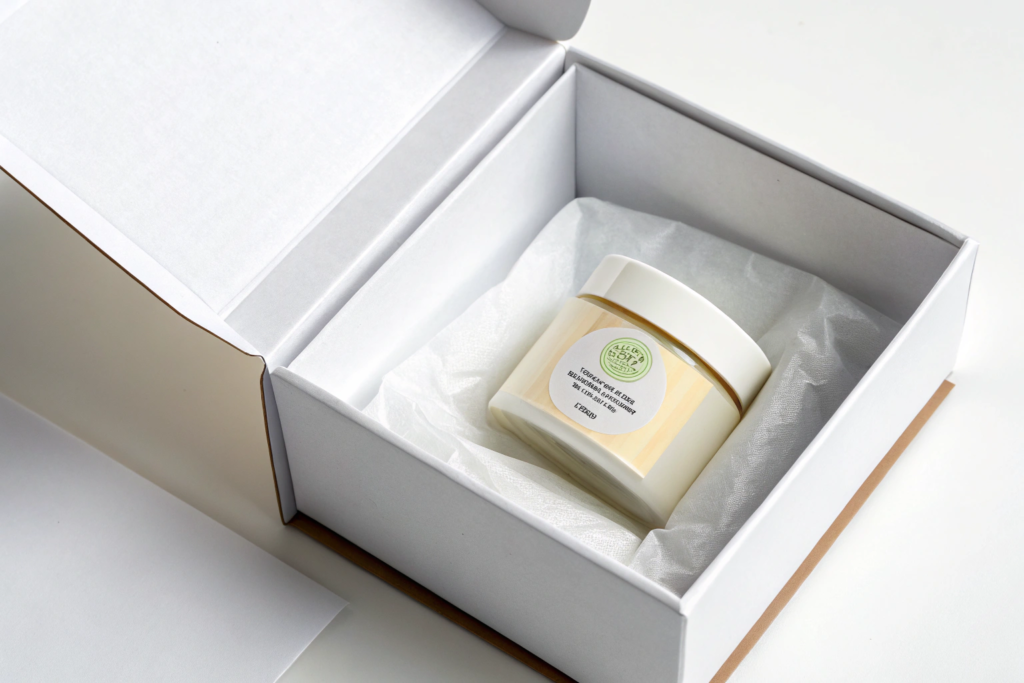
Design minimalist packaging that uses the least material necessary. A small box that fits the product perfectly. No extra space. No void fill. Use the product itself as part of the packaging. A scarf can be folded into a pocket. A belt can be rolled and tied with a ribbon. Avoid boxes within boxes. Avoid plastic windows. Avoid excessive tape. Minimalist packaging is not only ethical. It also looks modern. It appeals to customers.
I want to share a story about minimalist packaging. A client sold hair clips. The clips were small. The original box was large. We switched to a small box that fit the clip perfectly. The box used 50% less cardboard. The customer loved the compact size.
How Do You Avoid Void Fill?
Design the box to fit the product snugly, ensuring a seamless embrace that cradles every contour and edge. For diminutive items, opt for a compact box—small enough to nestle the product like a protective cocoon, eliminating excess space that might invite jostling during transit. When void fill is necessary, choose shredded kraft paper, its earthy, textured fibers swathing the product in a warm, natural buffer, or biodegradable peanuts, their lightweight, cloud-like clusters providing gentle, all-around cushioning. Steer clear of plastic bubble wrap, with its synthetic, unyielding bubbles that can puncture delicate surfaces and leave behind an unsightly, non-ecological residue, opting instead for materials that honor both the product's integrity and the planet's well-being.
What Is the Role of Branding in Minimalist Packaging?
Branding can be minimal, a whisper of identity that lingers in the mind long after the first glance. A small logo, unassuming yet distinct, etched or printed with quiet precision—perhaps a simple line drawing, a single color, or a clever arrangement of shapes that tells a story without words. A stamp, pressed gently into paper or packaging, leaving an indelible mark of authenticity and care. A sticker, vibrant yet understated, adhered to a product or surface, a tactile reminder of the brand’s presence. You do not need a full-color printed box, bursting with garish hues that demand attention but fade quickly. Less ink is better, for simplicity often speaks louder than excess; it invites focus, fosters recognition, and feels more intimate.
How Do You Ensure Easy Disposal?
Your packaging is only ethical if it is disposed of properly. I have learned to make disposal easy.
Ensure easy disposal by using materials that are widely recyclable or compostable. Cardboard and paper are recyclable in most places. Biodegradable mailers are compostable. Avoid materials that are hard to recycle. Laminated paper. Plastic-coated boxes. Metallic finishes. These are not recyclable. Also communicate how to dispose. A label that says "Recycle this box" or "Compost this mailer" helps. Make it easy for the customer.
I want to share a story about disposal. A client used biodegradable mailers. But customers did not know they were compostable. They threw them in the trash. We added a label: "Compostable. Please compost." Customers started composting. The mailers were disposed of correctly.
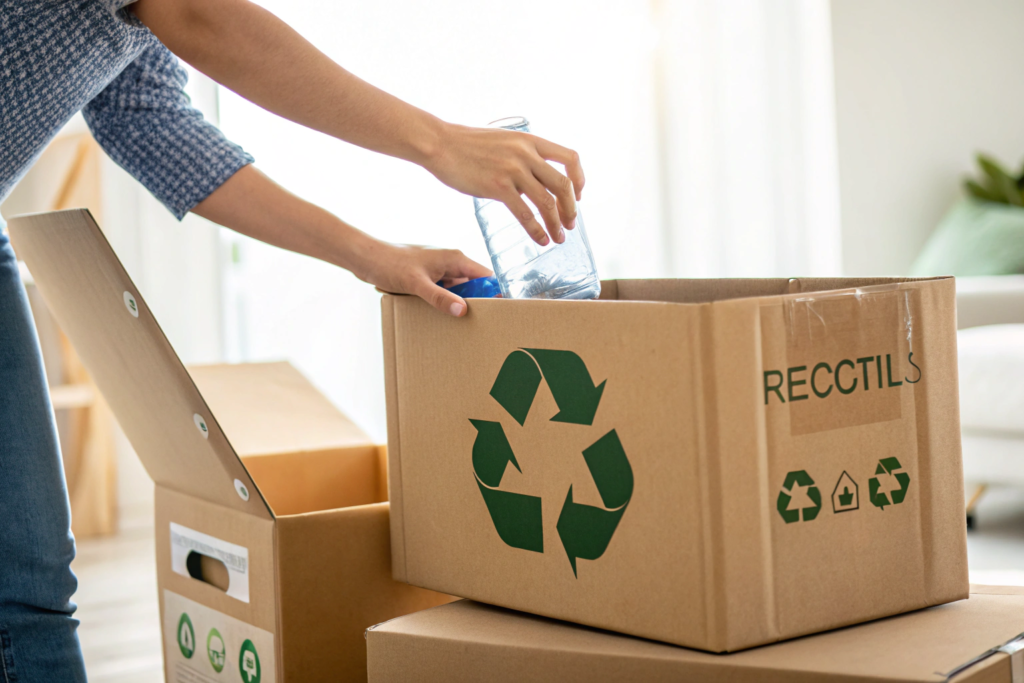
What Are the Recycling Symbols?
The chasing arrows symbol, a familiar trio of curved lines interlocking in an endless cycle, stands as the universal emblem of recyclability, its simple yet powerful design evoking the promise of renewal and sustainability. Yet, this symbol alone does not guarantee acceptance; its meaning is context-bound, varying by location, facility, and material type, reminding us that recycling is a nuanced practice requiring awareness and discernment.
How Do You Communicate Disposal Instructions?
Print a small label, its surface slightly textured like the rough grain of old newsprint. \"This box is made from 100% recycled paper. Please recycle.\" The words, crisp and clear, seem to whisper of forests saved and hands that sorted through yesterday's waste to give it new life. A faint, earthy scent lingers, as if the paper itself carries the memory of rain-kissed soil and sun-warmed trees. \"This mailer is compostable. Please compost.\" Here, the font softens, almost gentle, evoking the promise of returning to the earth—breaking down into rich, dark humus that feeds new growth. The label feels light in hand, a quiet reminder of responsibility wrapped in simplicity, its edges slightly frayed as if it, too, has been gently used and cherished.
Conclusion
Ethical packaging is essential for a sustainable accessory brand. Use recycled and recyclable materials. Source from certified suppliers. Design minimalist packaging. Ensure easy disposal. Use eco-friendly inks and adhesives. Your customers expect it. The planet needs it.
At Shanghai Fumao, we are here to help. We offer ethical packaging options. We can help you make the switch. Your brand deserves to be sustainable from product to package. Let us help you achieve it. Please contact our Business Director, Elaine, at elaine@fumaoclothing.com to discuss ethical packaging for your sustainable accessory brand. We can help you choose the right materials and design.