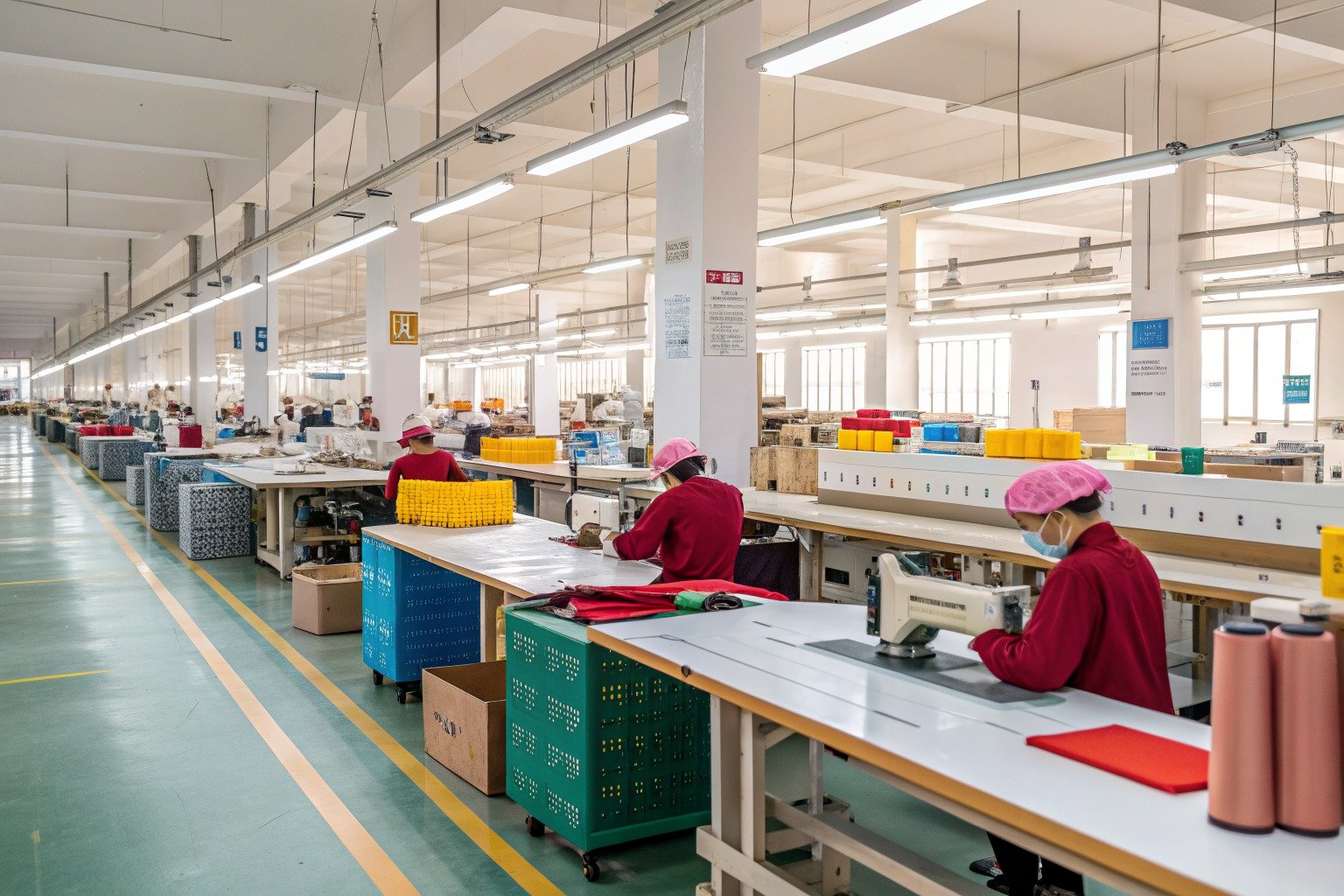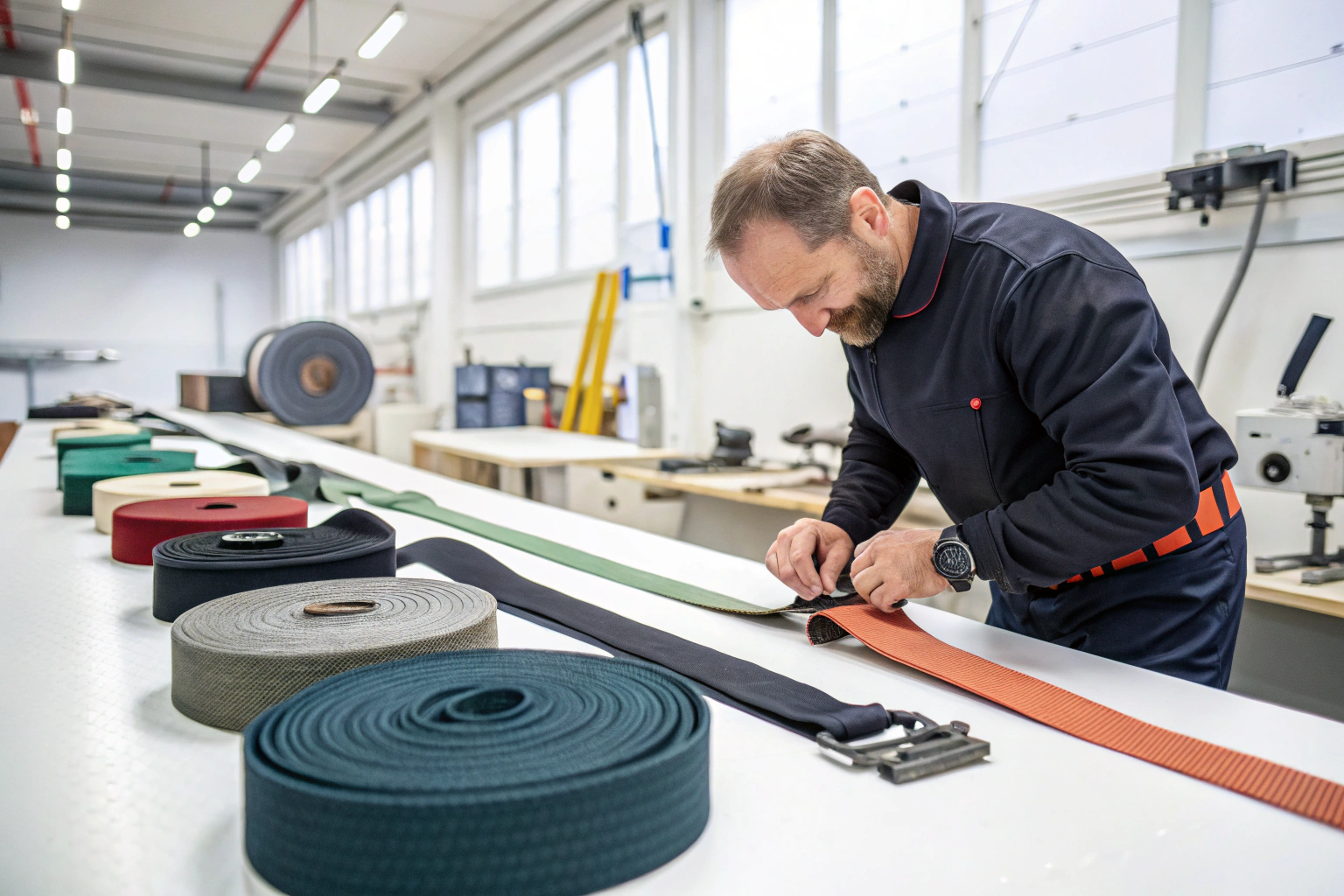
I have been manufacturing belts for over 15 years. For most of that time, belts were made of leather. They were stiff. They were durable. But they were not comfortable for everyone. Then a client changed my thinking. She was a buyer for an activewear brand. She came to me with a request. She said, "My customers want belts that move with them. They want belts that stretch. They want belts that are comfortable all day." She introduced me to elastic webbing. At first, I was skeptical. Elastic belts? Would they hold up? Would they look good? We developed samples. We tested them. The results were impressive. The belts were comfortable. They were durable. They were stylish. Today, I want to share what I have learned about sourcing custom belts with elastic webbing for comfort.
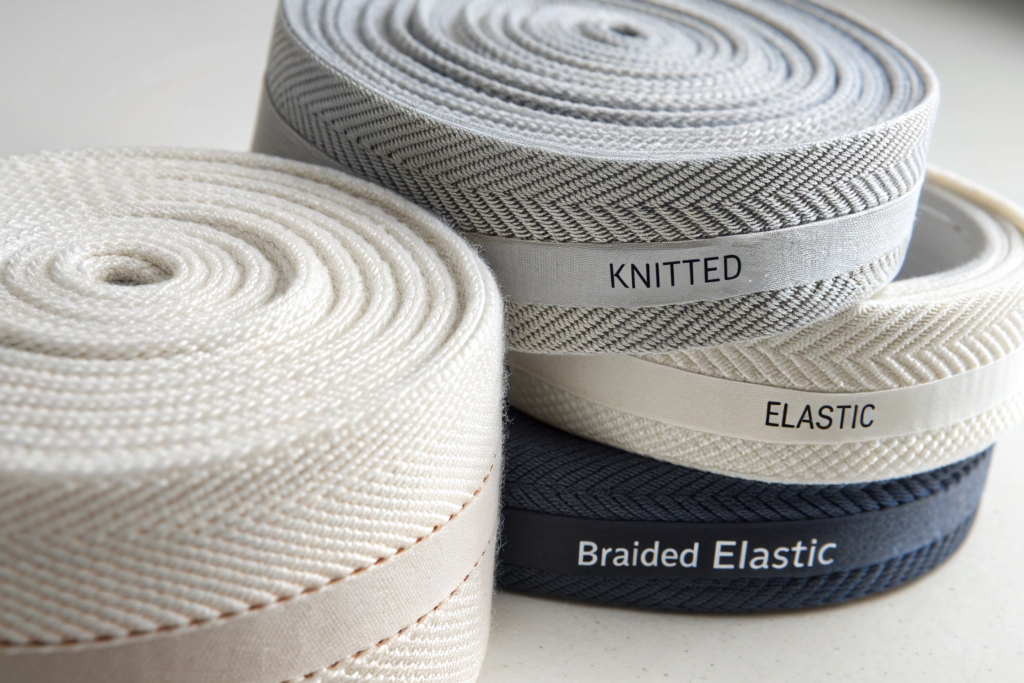
Sourcing custom belts with elastic webbing requires understanding the types of elastic webbing, the construction methods, the buckle options, and the quality standards. The key types of elastic webbing are woven elastic, knitted elastic, and braided elastic. Woven elastic is the most durable and has the best recovery. It is ideal for belts that will be worn frequently. Knitted elastic is softer and more comfortable against the skin. Braided elastic has a textured appearance. The construction involves attaching the webbing to a buckle, either by sewing, riveting, or using a tri-glide slide. The buckle can be a standard metal buckle, a plastic side-release buckle, or a custom-designed buckle. Quality testing includes stretch recovery, tensile strength, and colorfastness. At Shanghai Fumao, we have developed expertise in elastic belts. We can help you create comfortable, durable, stylish belts.**
You might be thinking, "Elastic belts sound casual. Are they appropriate for my brand?" The answer is yes. Elastic belts have evolved. They are no longer just for activewear. They are used in casual fashion, outdoor gear, workwear, and even some dress applications. The key is selecting the right materials, construction, and design. At AceAccessory, we have made elastic belts for a wide range of brands. Let me walk you through the process.
What Are the Different Types of Elastic Webbing?
The first decision is the webbing type. Not all elastic is the same. The type affects the feel, the durability, and the look. I have tested all three types. I know their strengths and weaknesses.
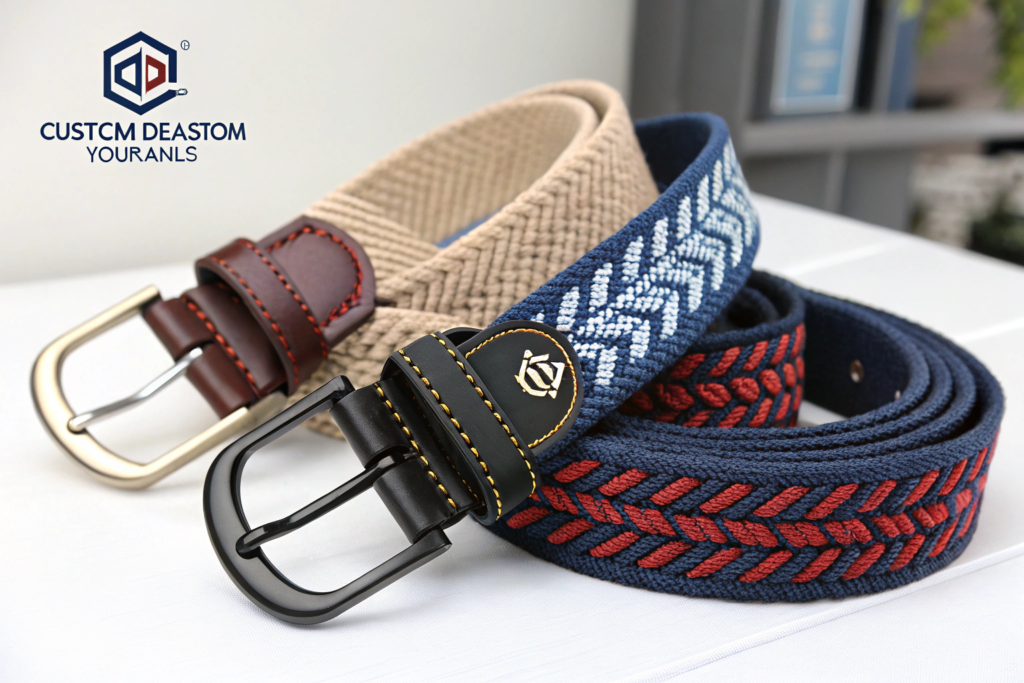
The three main types of elastic webbing for belts are woven elastic, knitted elastic, and braided elastic. Woven elastic is made by weaving polyester or cotton fibers with rubber or spandex threads. It is the most durable. It has excellent recovery. It returns to its original length after stretching. It is ideal for belts that will be worn frequently. Knitted elastic is made by knitting fibers with spandex. It is softer and more comfortable against the skin. It has a fabric-like feel. It is ideal for comfort-focused belts. Braided elastic is made by braiding fibers with rubber. It has a distinctive herringbone pattern on the surface. It is decorative and strong. It is ideal for visible elastic belts.
I want to share a story about a client who chose the wrong webbing. They wanted a comfortable belt for everyday wear. They chose knitted elastic. It was soft. It was comfortable. But after a few months, it lost its stretch. The belt was loose. The client was unhappy. For everyday wear, woven elastic is better. It is slightly less soft, but it lasts. The lesson is to match the webbing to the use case.
What Are the Pros and Cons of Woven Elastic?
Woven elastic is the workhorse. The pros are durability, recovery, and strength. It can withstand repeated stretching. It returns to shape. It resists wear. The cons are that it is stiffer than knitted elastic. It may not be as soft against the skin. It is also less flexible for complex shapes. For most belt applications, woven elastic is the best choice. It balances comfort and durability. We use woven elastic webbing for the majority of our elastic belts.
When Should You Choose Knitted or Braided Elastic?
Knitted elastic is the comfort choice. It is soft. It has a fabric-like feel. It is ideal for belts that will be worn against the skin for long periods. It is also good for children’s belts. The downside is that it is less durable. It may lose stretch over time. Braided elastic is the decorative choice. The herringbone pattern is attractive. It is strong. It has good recovery. It is ideal for belts where the elastic is visible. The downside is that it can be more expensive. We offer both knitted and braided elastic for clients with specific needs.
How Do You Choose the Right Buckle for Elastic Belts?
The buckle is as important as the webbing. The wrong buckle can ruin the comfort. The right buckle enhances it. I have seen elastic belts with buckles that dig into the skin. I have seen buckles that are too heavy for the webbing. Choosing the right buckle is essential.
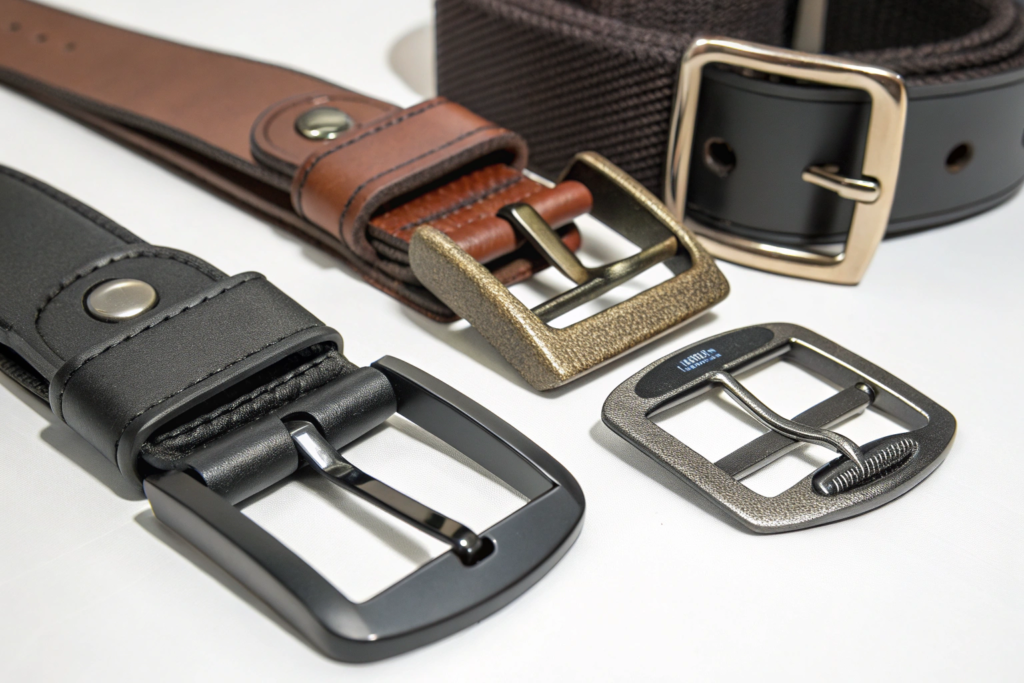
The right buckle for elastic belts depends on the webbing width, the intended use, and the aesthetic. The most common buckle types are classic metal buckles with a prong, plastic side-release buckles, and tri-glide slide buckles. Classic metal buckles work with a standard belt loop. They are versatile and available in many finishes. Plastic side-release buckles are like seatbelt buckles. They are easy to use. They are ideal for activewear and outdoor belts. Tri-glide slide buckles are simple. They slide to adjust. They are lightweight. They are ideal for casual and minimalist belts. The buckle should be matched to the webbing width. It should be lightweight enough to not pull on the elastic.
I remember a client who wanted a heavy, solid brass buckle on a lightweight elastic belt. The buckle was beautiful. But it was too heavy. The belt sagged. The buckle pulled down. The client was unhappy. We replaced the buckle with a lighter aluminum version. The belt worked perfectly. The weight of the buckle matters.
What Are the Best Buckle Options for Comfort?
For comfort, lightweight buckles are best. Aluminum buckles are lighter than brass. Plastic side-release buckles are the lightest. The buckle should also have smooth edges. Sharp edges can dig into the skin. For elastic belts that will be worn against the skin, consider a buckle with a covered back. The buckle should also be sized to the webbing. A buckle that is too wide will dig. A buckle that is too narrow will slide. We offer a range of buckle options for different comfort requirements.
How Do You Attach the Buckle to the Webbing?
There are several attachment methods. Sewing is the most common. The webbing is folded over and stitched to the buckle. This is strong and durable. Riveting is another method. Metal rivets attach the webbing to the buckle. This has a more industrial look. For plastic side-release buckles, the webbing is threaded through and sewn. The attachment should be reinforced. The stress point is where the webbing meets the buckle. We use reinforced stitching and bar tacks for durability. This attachment method ensures the belt lasts.
How Do You Ensure Quality in Elastic Belts?
Elastic belts are different from leather belts. They have different failure modes. Leather belts break at the buckle hole. Elastic belts fail by losing stretch. The webbing can delaminate. The stitching can break. Quality testing must address these specific risks.
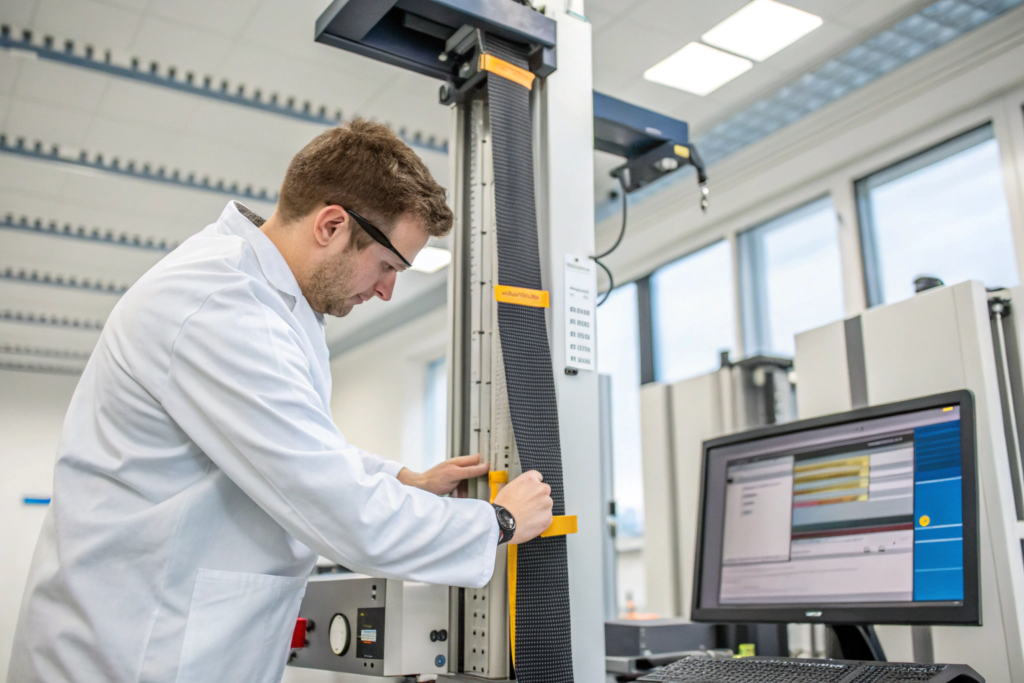
Ensuring quality in elastic belts requires testing for stretch recovery, tensile strength, and seam strength. Stretch recovery testing measures how well the elastic returns to its original length after stretching. A good elastic belt should recover 95% or more. Tensile strength testing measures how much force the belt can withstand before breaking. A belt should withstand at least 50 pounds of force. Seam strength testing measures the stitching that attaches the buckle. The stitching should withstand repeated stress. We also test for colorfastness. The webbing should not fade or bleed. These tests ensure that the belt is comfortable, durable, and reliable.
I want to share our testing protocol. For every batch of elastic belts, we test the stretch recovery. We mark the belt at 30 centimeters. We stretch it to 45 centimeters. We release it. We measure how close it returns to 30 centimeters. A good belt returns to 31 centimeters or less. That is 97% recovery. We also test the tensile strength. We pull until it breaks. A good belt breaks at over 100 pounds. This testing ensures that our belts perform.
What Is Stretch Recovery and Why Does It Matter?
Stretch recovery is the ability of the elastic to return to its original length after being stretched. It is the most important quality for an elastic belt. If the recovery is poor, the belt will become loose over time. It will not hold your pants up. It will look stretched out. Good elastic belts have 95% or better recovery. The best have 98% or better. Recovery is determined by the quality of the elastic webbing and the construction. We test every batch.
How Do You Test for Durability?
We test for durability in several ways. Stretch cycle testing is the most important. We stretch the belt thousands of times. We simulate years of use. We measure the recovery after each cycle. We also test the seam strength. We pull the buckle attachment. We test the webbing for abrasion resistance. We test for UV resistance. We want the belt to last. We provide test reports to our clients.
What Are the Design Possibilities for Custom Elastic Belts?
Elastic belts are not just functional. They can be stylish. The design possibilities are broad. I have seen clients create signature elastic belts that define their brand. The webbing can be customized. The buckle can be customized. The combination is endless.
Custom elastic belts offer many design possibilities. The webbing can be customized in color, pattern, and texture. Solid colors are classic. Two-tone webbing has contrast edges. Woven patterns create texture. Printed webbing allows for logos and designs. The webbing can also have reflective elements for safety. The buckle can be customized with your logo, in custom shapes, or with special finishes. The combination of webbing and buckle creates a unique product. For activewear, bright colors and reflective elements are popular. For casual fashion, neutral colors and metal buckles are common. For outdoor gear, earthy tones and plastic buckles are preferred.
I remember a client who wanted a belt for a music festival. They wanted bright colors. They wanted a fun pattern. We printed a tie-dye pattern on white elastic webbing. We attached a colorful plastic buckle. The belts were a hit. They sold out. The design matched the event’s energy.
What Customization Options Are Available for Webbing?
Webbing customization starts with color. We can match any Pantone color. We can do solid colors or two-tone. Two-tone webbing has a different color on the edges. It adds a subtle accent. We can also do woven patterns. The pattern is woven into the webbing. This is durable and does not fade. We can do printed patterns. This allows for complex designs, logos, and text. We also offer reflective webbing for safety. The webbing can be customized in width from 2 cm to 5 cm. We offer a range of webbing customization options.
How Do You Customize Buckles?
Buckle customization starts with the type. Metal buckles can be custom cast with your logo. They can be finished in polished, antique, or matte finishes. Plastic buckles can be custom molded with your logo. They are available in any color. They can be made with custom shapes. For small quantities, we can use standard buckles with custom engraving or printing. For large quantities, we can invest in custom molds. We help our clients choose the right buckle customization based on their volume and budget.
Conclusion
Sourcing custom belts with elastic webbing is about balancing comfort, durability, and style. The webbing type determines the feel and longevity. Woven elastic is durable and has great recovery. Knitted elastic is soft and comfortable. Braided elastic is decorative and strong. The buckle type affects the functionality and aesthetic. Lightweight buckles enhance comfort. The attachment method must be strong. Quality testing ensures that the belt will perform.
At Shanghai Fumao, we have the expertise to guide you. We know the materials. We know the construction. We know the testing. We have the supply chain to source quality webbing and buckles. We have the production capacity to handle your order, whether it is 100 pieces or 10,000.
Your customers deserve belts that are comfortable all day. Let us help you create them. Please contact our Business Director, Elaine, at elaine@fumaoclothing.com to discuss your custom elastic belt project. We can help you select the right webbing, buckle, and construction to create belts that are comfortable, durable, and perfectly aligned with your brand.