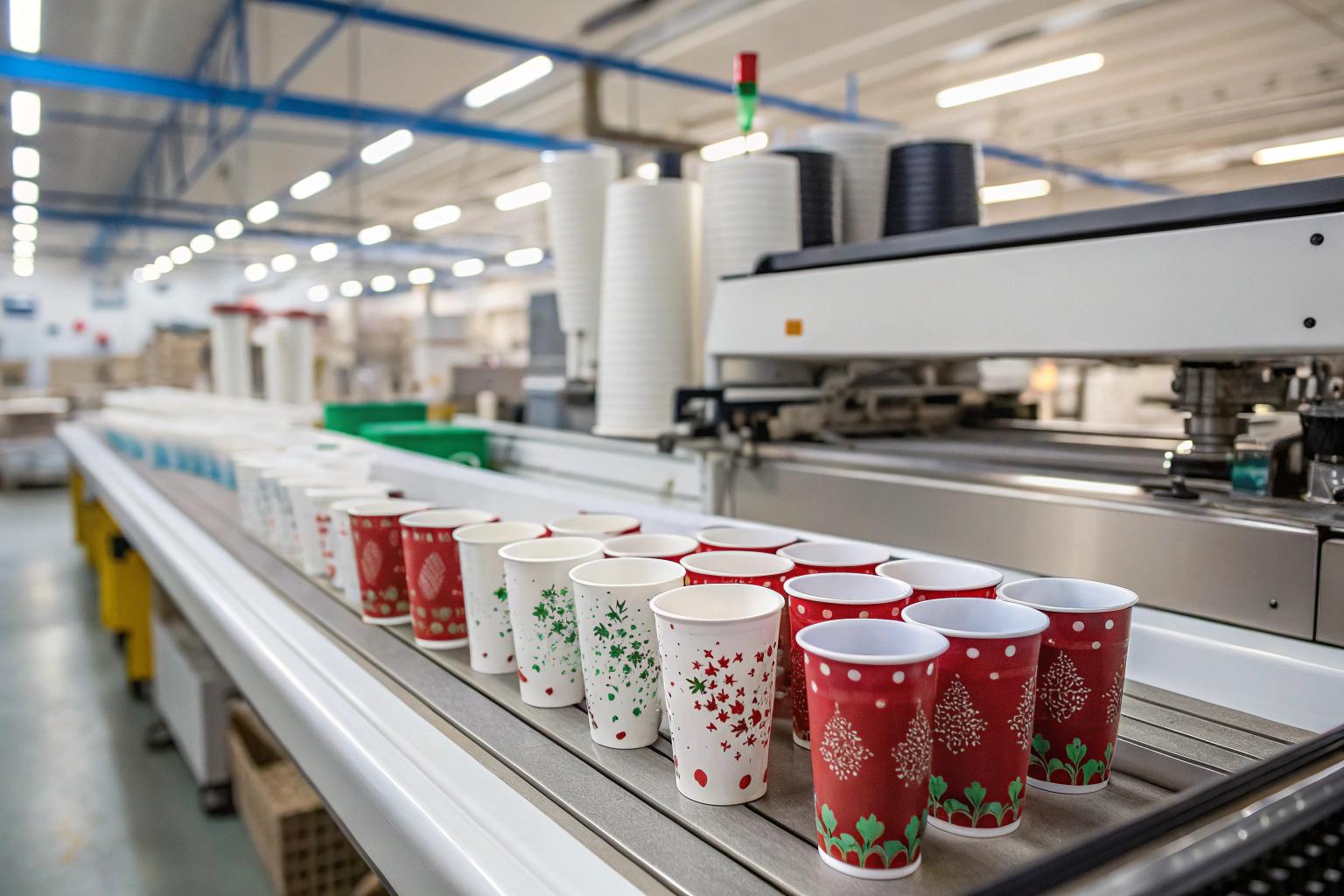
I have been manufacturing accessories for over 15 years. But about five years ago, I expanded into novelty and gift items, specifically decorative cups. The reason was simple. My clients asked for them. A buyer from a major supermarket chain told me, “You make hair clips and belts for me. But I also need cups for my seasonal gift section. Can you help?” I said yes. Then I had to learn a new industry. I visited cup manufacturers. I learned about materials, printing techniques, and quality standards. I made mistakes. I had shipments rejected. But I learned. Today, I want to share what I have learned about finding a manufacturer for novelty and gift items like decorative cups.
Finding a manufacturer for novelty and gift items like decorative cups requires a focused search on materials, decoration techniques, minimum order quantities, and quality control. The key materials are ceramic, glass, stainless steel, and bamboo. The key decoration techniques are screen printing, sublimation, laser engraving, and enamel coating. You need a manufacturer who specializes in your chosen material and decoration method. You need to understand their MOQs. You need to verify their quality control. You also need to consider compliance. Cups that hold food or drink must meet safety standards like FDA, LFGB, or EU food contact regulations. The right manufacturer will have experience with these requirements. At Shanghai Fumao, we have built relationships with specialized cup manufacturers. We can help you navigate this process.
You might be thinking, “I know how to source belts and hats. Cups are different.” You are right. Cups have different materials, different decoration methods, and different compliance requirements. But the principles of finding a good manufacturer are the same. You need to do your research. You need to ask the right questions. You need to verify capabilities. At AceAccessory, we have done this work. We have vetted cup manufacturers. We know who is reliable. Let me walk you through the process.
What Materials Are Best for Decorative Cups?
The material of the cup determines the decoration options, the durability, and the price. I learned this when I first started. I assumed all cups were the same. They are not. A ceramic cup feels different from a glass cup. A stainless steel cup is more durable than a ceramic cup. Choosing the right material is the first decision.
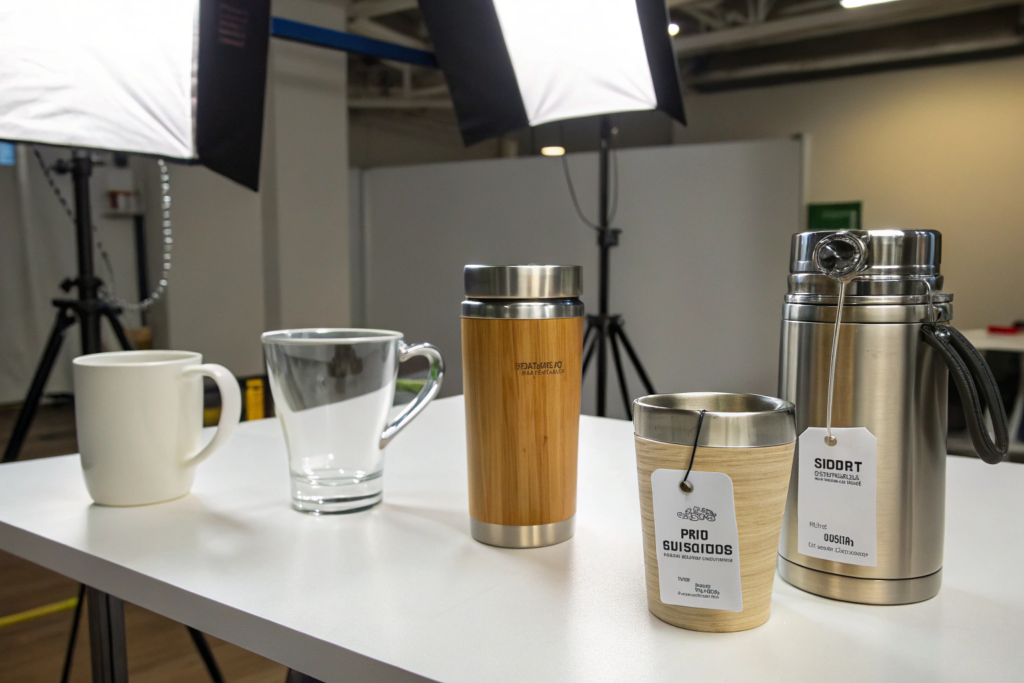
The best materials for decorative cups are ceramic, glass, stainless steel, and bamboo fiber. Ceramic is the most common. It has a classic feel. It holds heat well. It is ideal for screen printing and sublimation. The surface accepts color beautifully. Glass is elegant. It is ideal for clear or colored designs. It works well with screen printing and etching. Stainless steel is durable. It is ideal for travel mugs and tumblers. It works with laser engraving and color coating. Bamboo fiber is an eco-friendly option. It is lightweight and biodegradable. It is ideal for sublimation printing. Each material has its strengths. The choice depends on your target customer, your budget, and your design.
I remember a client who wanted a high-end gift cup. She chose glass. The cups were elegant. They were heavy. They felt expensive. Another client wanted a cup for outdoor use. He chose stainless steel. The cups were durable. They kept drinks hot. They survived drops. The material matched the use case.
What Are the Pros and Cons of Ceramic and Glass?
Ceramic is versatile. It is available in many shapes and sizes. It holds heat well. The surface is ideal for printing. The downsides are fragility and weight. Ceramic cups can break. They are heavy to ship. Glass is elegant. It is transparent. It shows the beverage inside. The downsides are also fragility and heat retention. Glass does not keep drinks hot as long as ceramic. Glass is also heavy. Both materials require careful packaging for shipping. We offer ceramic and glass cups with custom printing.
Why Choose Stainless Steel or Bamboo Fiber?
Stainless steel is the choice for durability. It is unbreakable. It keeps drinks hot or cold for hours. It is lightweight. The surface is ideal for laser engraving and color coating. The downsides are the metallic taste for some people and the inability to see the beverage. Stainless steel is also more expensive than ceramic. Bamboo fiber is an eco-friendly option. It is made from bamboo powder and melamine. It is biodegradable. It is lightweight. It is durable. The surface is ideal for sublimation printing. The downsides are lower heat resistance. Bamboo fiber cups are not for hot beverages. They are best for cold or room temperature drinks. For sustainable gift cups, bamboo fiber is an excellent choice.
What Decoration Techniques Are Available for Cups?
The decoration makes the cup a novelty or gift item. A plain cup is just a cup. A cup with a fun design, a logo, or a message is a product. I have learned that the decoration technique is as important as the material. The wrong technique can ruin the design. The right technique makes it pop.
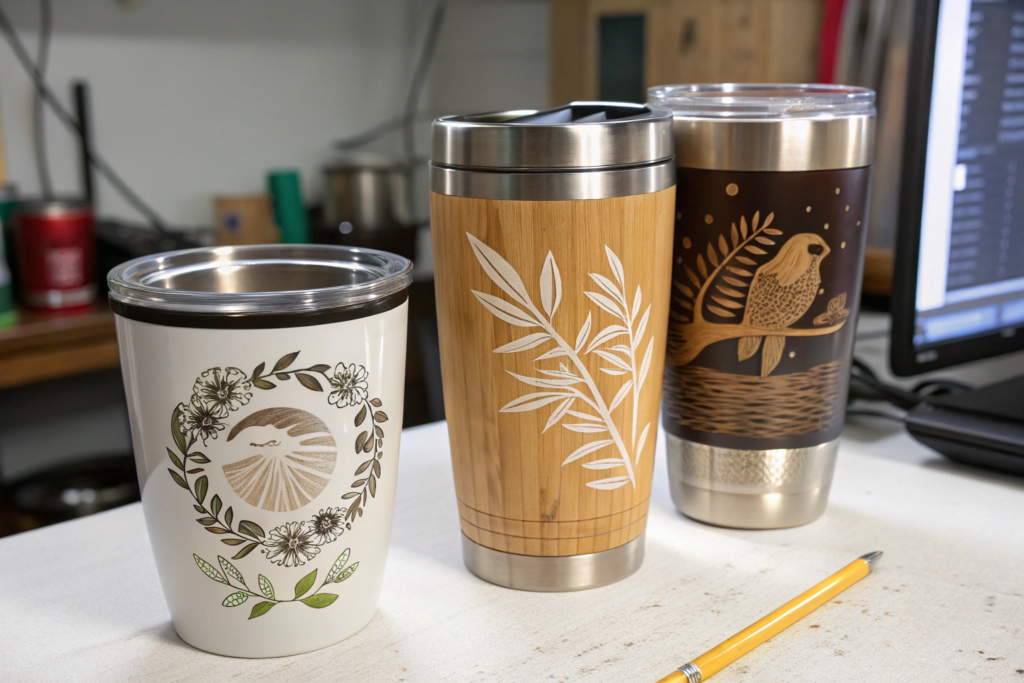
The decoration techniques available for cups include screen printing, sublimation, laser engraving, and enamel coating. Screen printing is the most common for ceramic and glass. Ink is pushed through a mesh screen onto the cup. It is durable and cost-effective for simple designs with few colors. Sublimation is a digital process. The design is printed onto transfer paper and then heat-pressed onto the cup. It allows for full-color, photographic designs. It works best on coated ceramic and bamboo fiber. Laser engraving is ideal for stainless steel and glass. The laser removes the surface material, creating a permanent, elegant mark. Enamel coating involves applying a colored enamel to the cup and baking it. This creates a glossy, durable finish. It is often used for decorative holiday cups.
I want to share a story about sublimation. A client wanted a cup with a full-color photo of a dog. Screen printing could not do it. The colors would be limited. We used sublimation. The photo printed perfectly. The colors were vibrant. The client was thrilled. The cups sold out.
What Is the Difference Between Screen Printing and Sublimation?
Screen printing is a traditional technique. It uses stencils and ink. Each color requires a separate screen. It is best for simple designs with 1 to 4 colors. It is durable. The ink bonds to the cup. It is cost-effective for large quantities. Sublimation is a digital technique. It uses heat to transfer dye into the cup’s coating. It allows for full-color, photographic designs. There are no color limits. The design becomes part of the cup. It will not peel or fade. Sublimation is best for smaller quantities because there are no screen fees. The trade-off is that sublimation requires a special coated cup. We offer both screen printing and sublimation for our clients.
When Should You Use Laser Engraving or Enamel Coating?
Laser engraving is the premium choice for stainless steel and glass. The laser creates a permanent mark. It is elegant and subtle. It is ideal for logos, monograms, and simple designs. It does not add color. The mark is typically silver or white. Enamel coating is the choice for festive, colorful cups. The cup is coated with a colored enamel and baked. The result is a glossy, durable finish. Enamel cups are often used for holidays. They have a nostalgic feel. They are also dishwasher safe. The trade-off is that enamel coating is a batch process. It is best for larger quantities.
How Do You Evaluate a Cup Manufacturer?
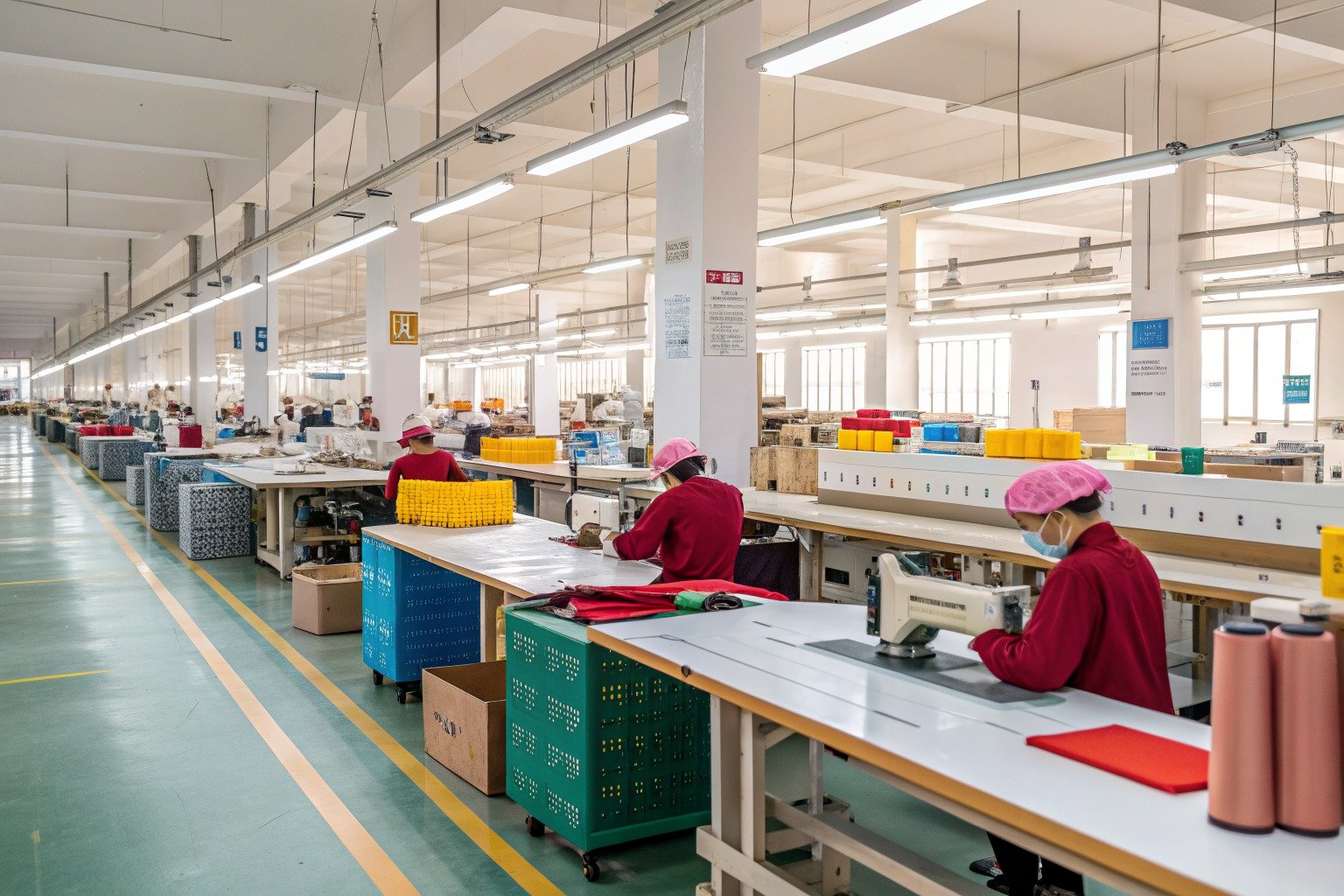
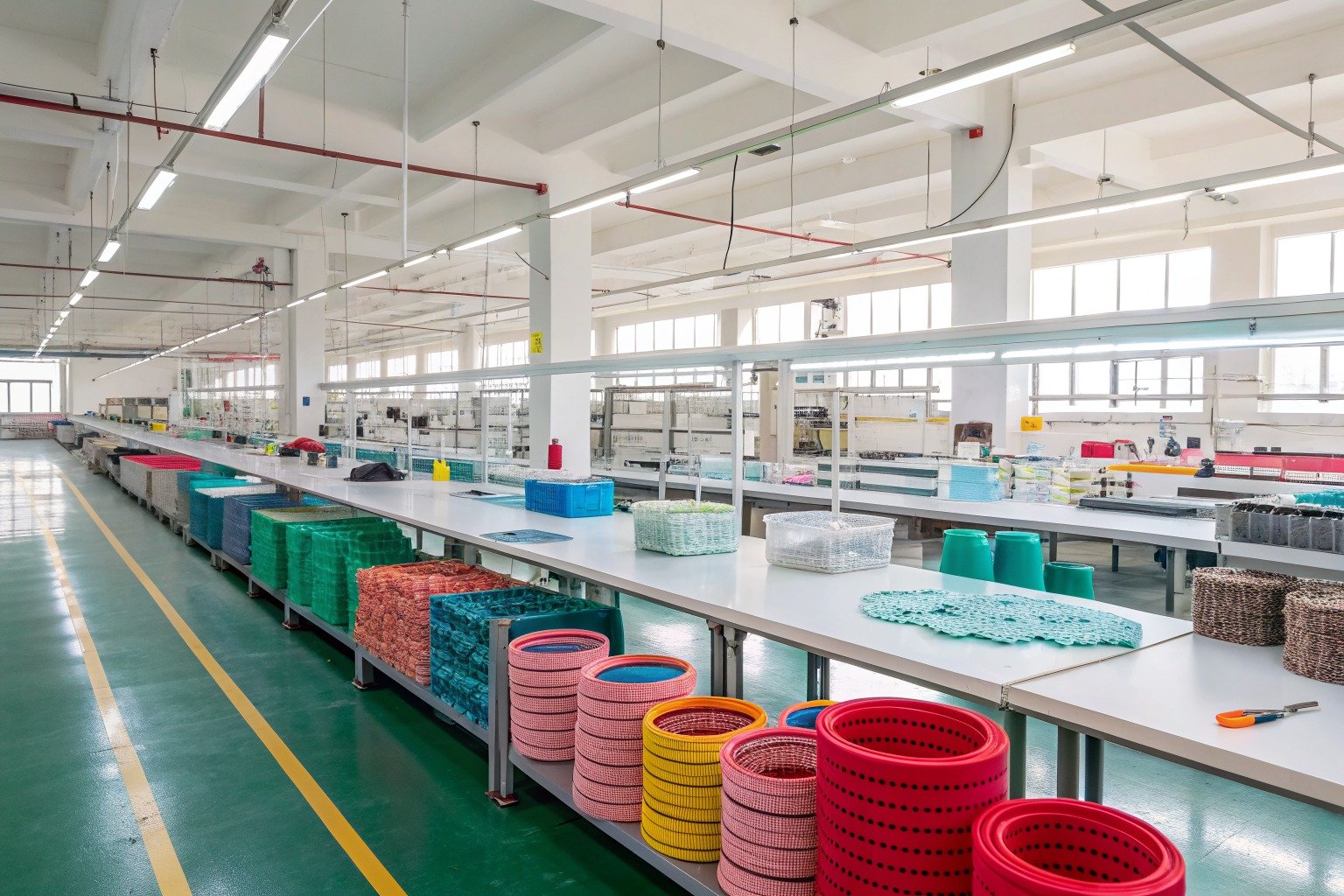
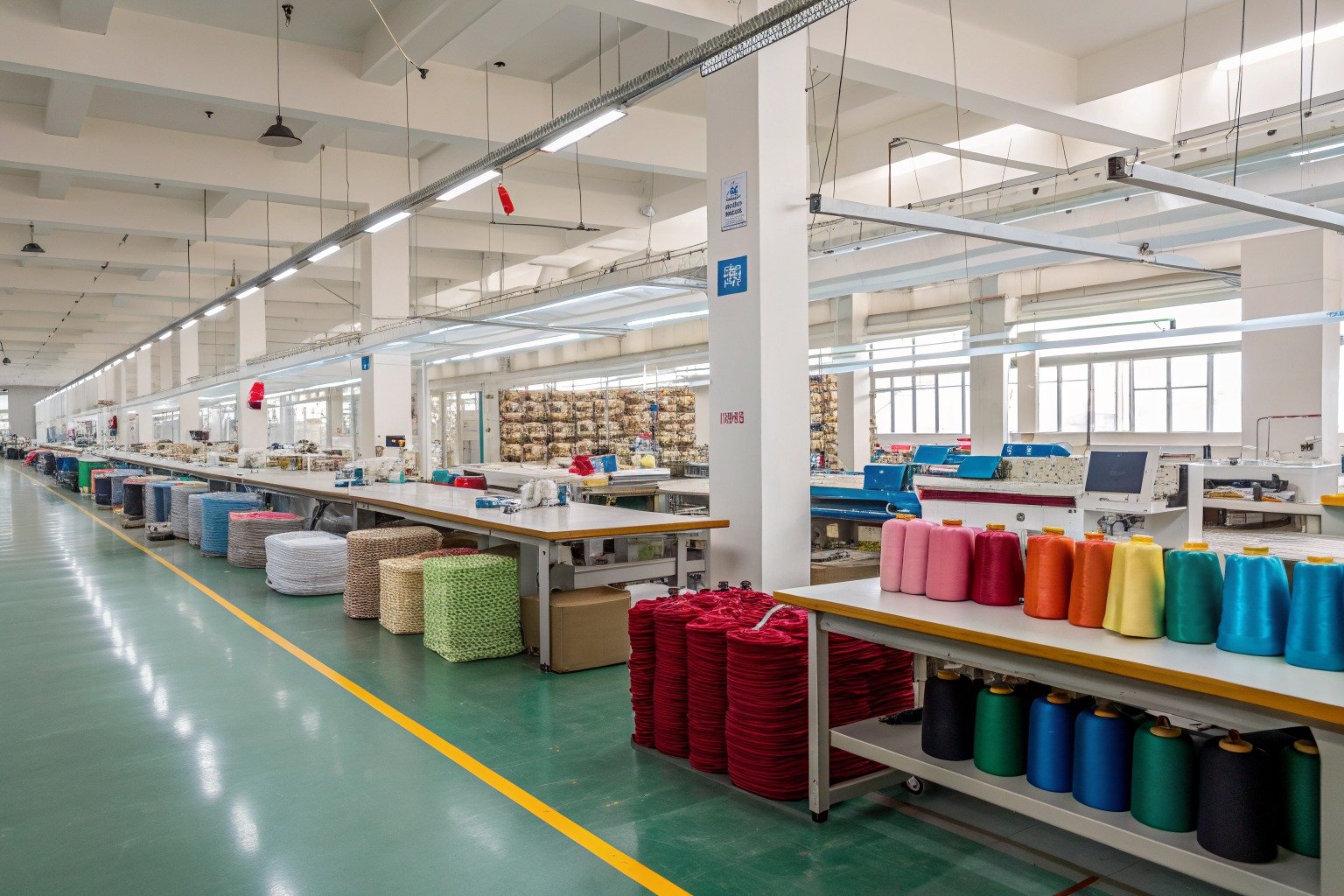
Finding a cup manufacturer is one thing. Finding a good one is another. I have visited many cup factories. Some were excellent. Some were not. The good ones had clean facilities, organized production, and quality control systems. The bad ones were dirty, chaotic, and careless. You need to evaluate the manufacturer.
Evaluating a cup manufacturer requires looking at their specialization, quality control, compliance, and communication. First, specialization. Do they specialize in your chosen material and decoration? A ceramic screen printing specialist may not be good at stainless steel laser engraving. Second, quality control. Ask about their inspection process. Do they check for defects? Do they test for durability? Third, compliance. Do they understand food contact regulations? Can they provide test reports? Fourth, communication. Are they responsive? Do they answer questions clearly? A good manufacturer will welcome your questions. They will provide samples. They will be transparent.
I remember visiting a cup factory that looked great from the outside. The showroom was beautiful. But the production floor was a mess. Defective cups were piled in corners. Workers looked unhappy. I left. I did not place an order. The appearance of the showroom did not match the reality of the factory. You need to see the production floor.

What Questions Should You Ask a Potential Cup Manufacturer?
Ask these questions. What materials do you specialize in? What decoration techniques do you offer? What is your MOQ for custom cups? Do you have samples I can see? What is your quality control process? Do you test for food safety? Can you provide compliance certificates? What is your typical lead time? Do you offer packaging? Can you ship directly to my customers? These questions will help you assess the manufacturer. We answer these questions openly for our clients. Our cup manufacturing FAQ provides detailed answers.
What Red Flags Should You Watch For?
Watch for vague answers. A manufacturer who cannot clearly state their MOQ or lead time is a red flag. Watch for reluctance to provide samples. A manufacturer who wants a large order before you see a sample is a risk. Watch for a facility that is dirty or disorganized. A clean factory is more likely to produce quality products. Watch for a lack of compliance knowledge. A manufacturer who does not understand FDA or LFGB requirements is dangerous. Watch for poor communication. If they are slow to respond before the order, they will be slower after. Trust your instincts.
How Do Compliance and Safety Standards Apply to Cups?
Cups are different from hair clips. Hair clips touch hair. Cups touch food and drink. The safety standards are stricter. I learned this when a shipment of cups was stopped at customs. The cups had not been tested for food contact safety. The client was furious. Now, we test every batch.
Cups that hold food or drink must comply with food contact safety standards. In the US, the standard is FDA. In the EU, the standard is LFGB or EU 10/2011. These regulations limit the migration of harmful substances from the cup into the food or drink. For ceramic cups, the main risk is lead and cadmium leaching from the glaze. For glass, the risk is lower but still tested. For stainless steel, the risk is nickel and chromium migration. For bamboo fiber, the risk is formaldehyde and melamine migration. A reputable cup manufacturer will provide test reports. They will ensure their materials and glazes are compliant.
I want to share our compliance process. We test every batch of cups. We send samples to accredited labs. We test for lead, cadmium, and other heavy metals. We test for migration. We get a report. We keep the report on file. We provide copies to our clients. This ensures that our cups are safe.

What Are FDA and LFGB Requirements for Cups?
FDA is the US standard. It limits the amount of lead and cadmium that can leach from ceramic cups. The limits are based on the cup’s capacity. Smaller cups have stricter limits. LFGB is the German and EU standard. It is stricter than FDA. It tests for a wider range of substances. It also includes sensory tests. The cup should not impart a taste or odor to the food. For most of our clients, we test to LFGB because it is accepted across the EU. For US clients, we test to FDA. We provide both FDA and LFGB test reports.
How Do You Ensure Your Cups Are Safe?
You ensure safety by working with a compliant manufacturer and testing. Do not assume a manufacturer is compliant. Ask for test reports. Verify the reports. Test your own samples. We do all of this for our clients. We source from compliant suppliers. We test every batch. We provide documentation. This compliance service is included in our cup production.
Conclusion
Finding a manufacturer for novelty and gift items like decorative cups is different from sourcing other accessories. The materials are different. The decoration techniques are different. The compliance requirements are different. But the principles are the same. Do your research. Ask the right questions. Verify capabilities. Test samples. And work with a partner you trust.
The best materials are ceramic, glass, stainless steel, and bamboo fiber. The best decoration techniques are screen printing, sublimation, laser engraving, and enamel coating. The best manufacturers specialize in your chosen combination. They have quality control. They understand compliance. They communicate clearly.
At Shanghai Fumao, we have done the work. We have built the network. We have vetted the manufacturers. We know who is reliable. We can help you create decorative cups that your customers will love.
Your brand deserves quality gift items. Let us help you source them. Please contact our Business Director, Elaine, at elaine@fumaoclothing.com to discuss your decorative cup project. We can help you select the right material, decoration, and manufacturer to bring your novelty and gift items to life.