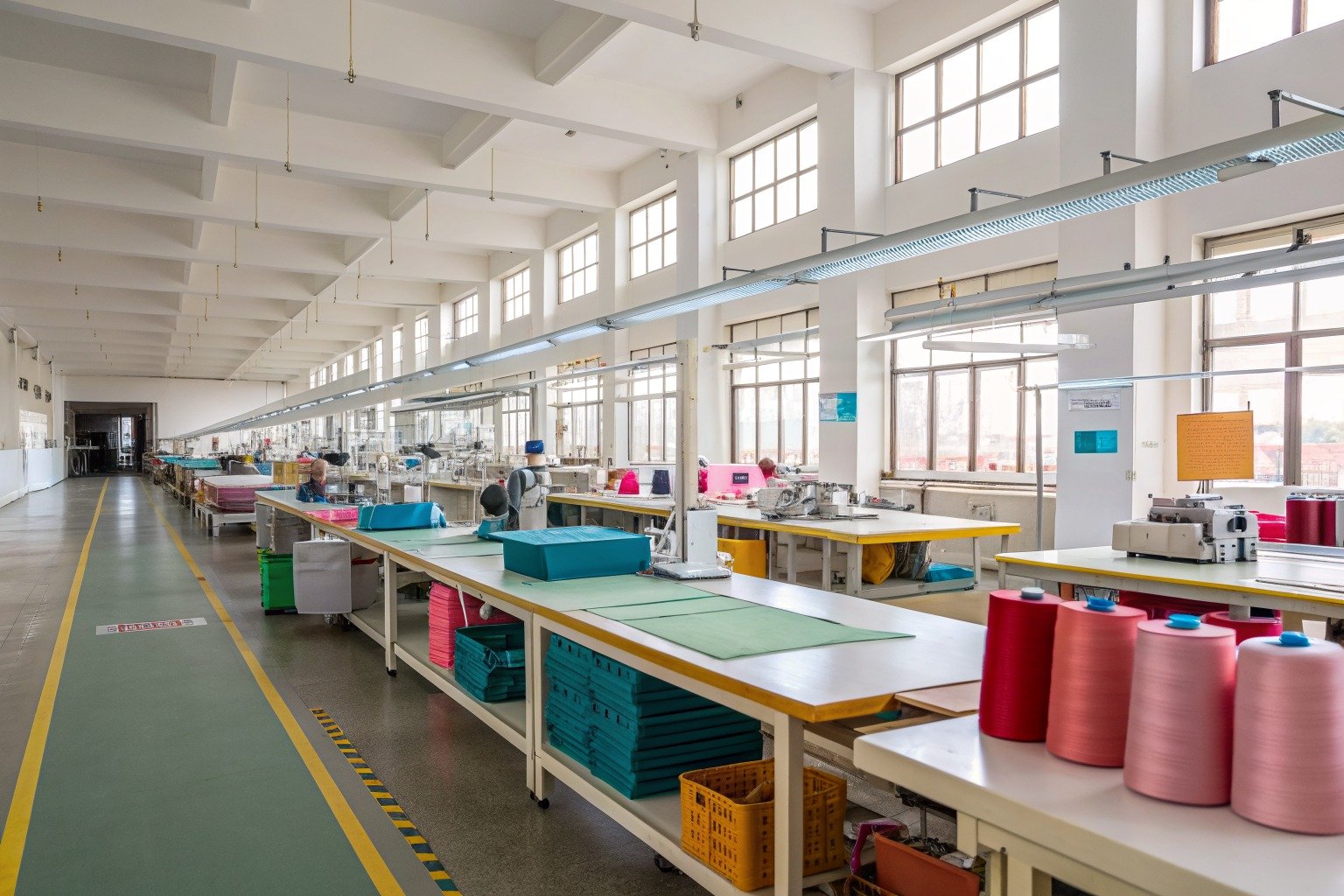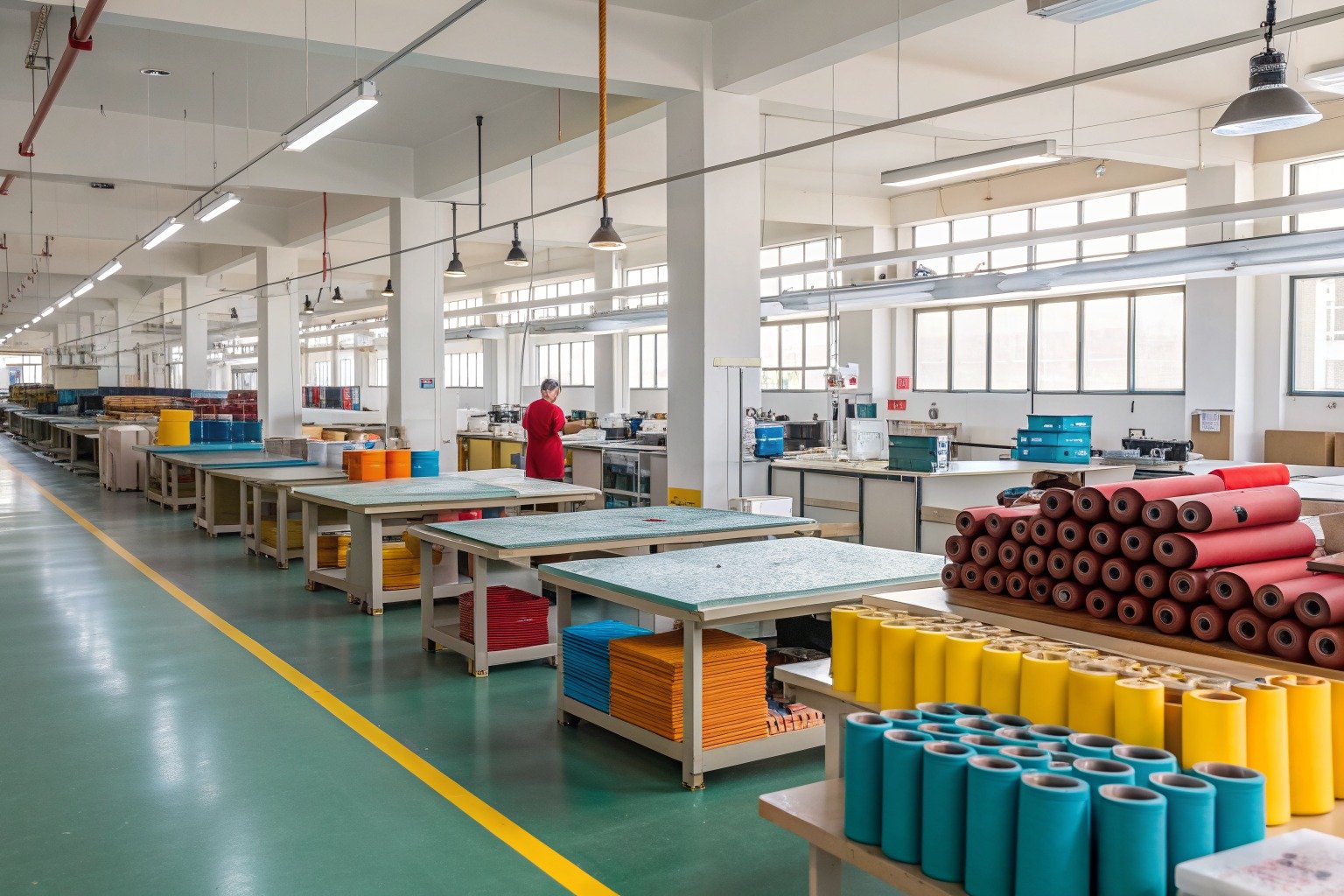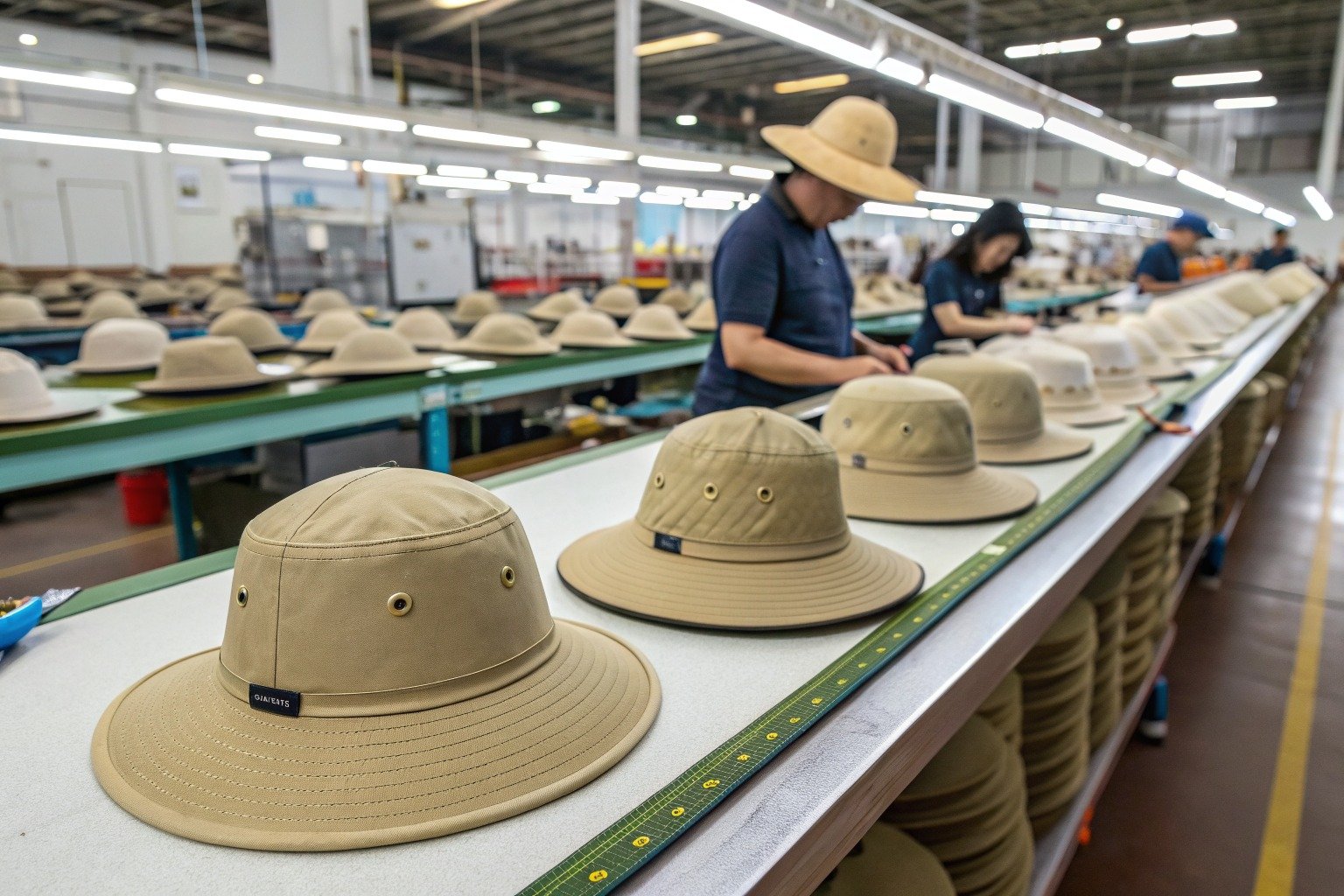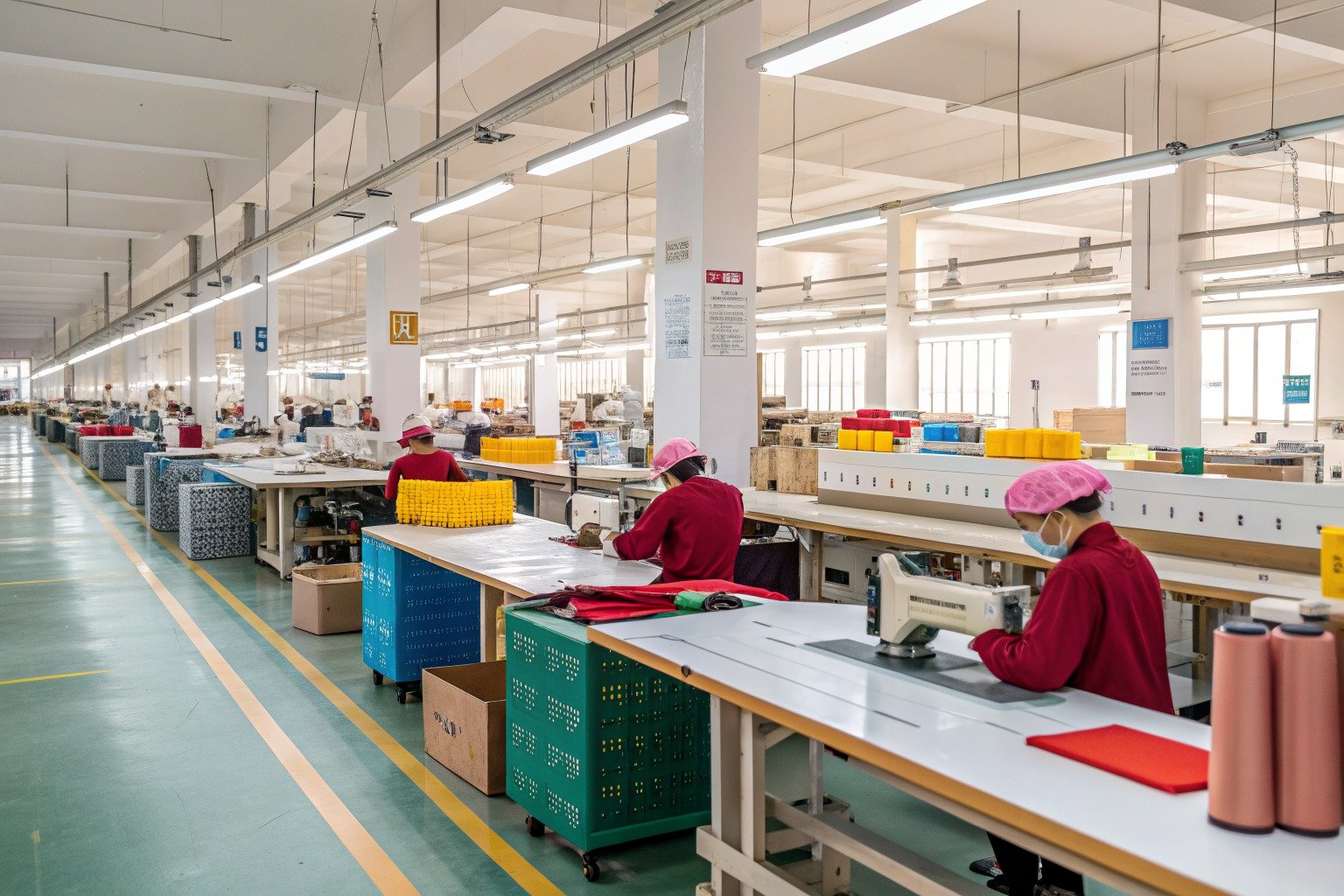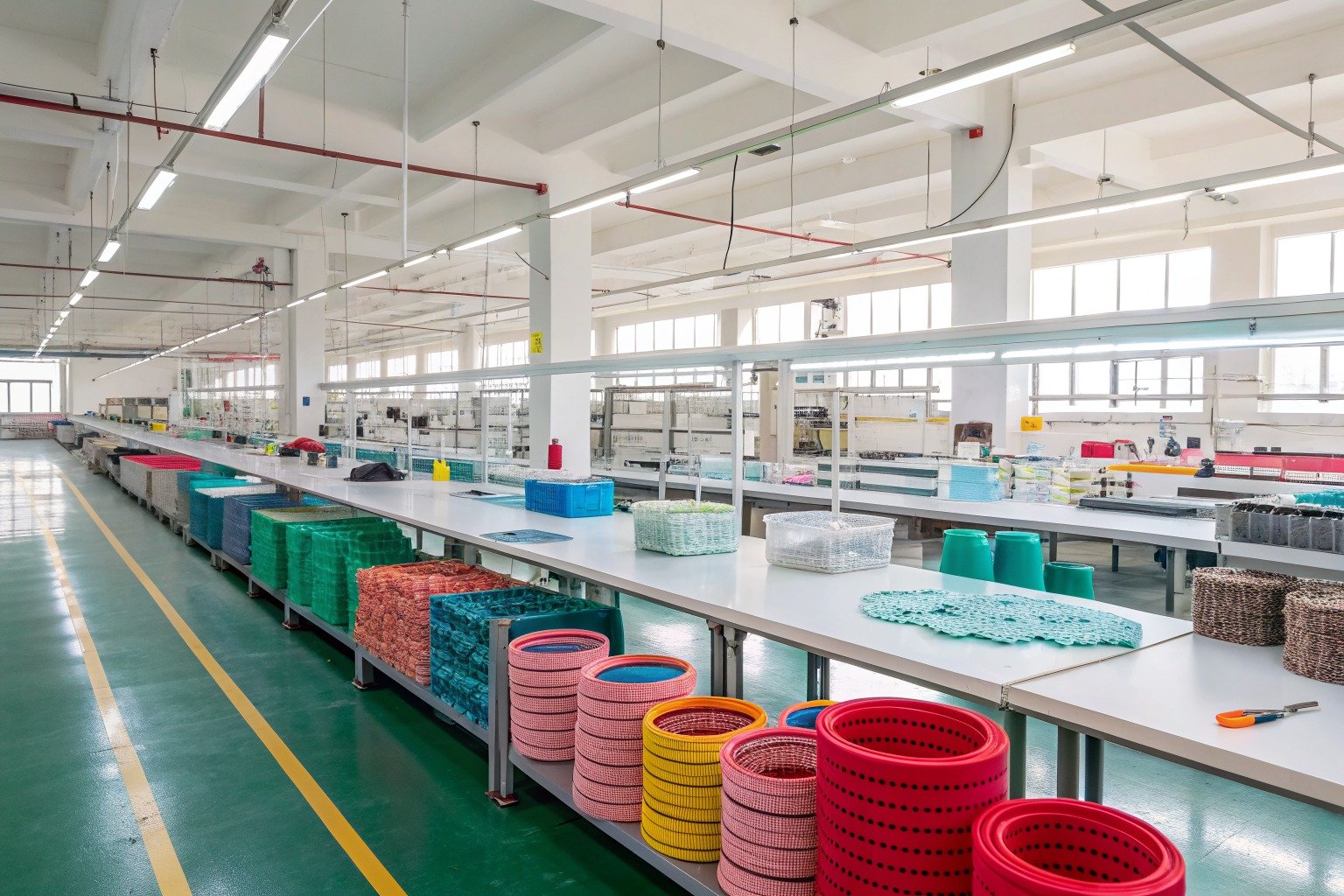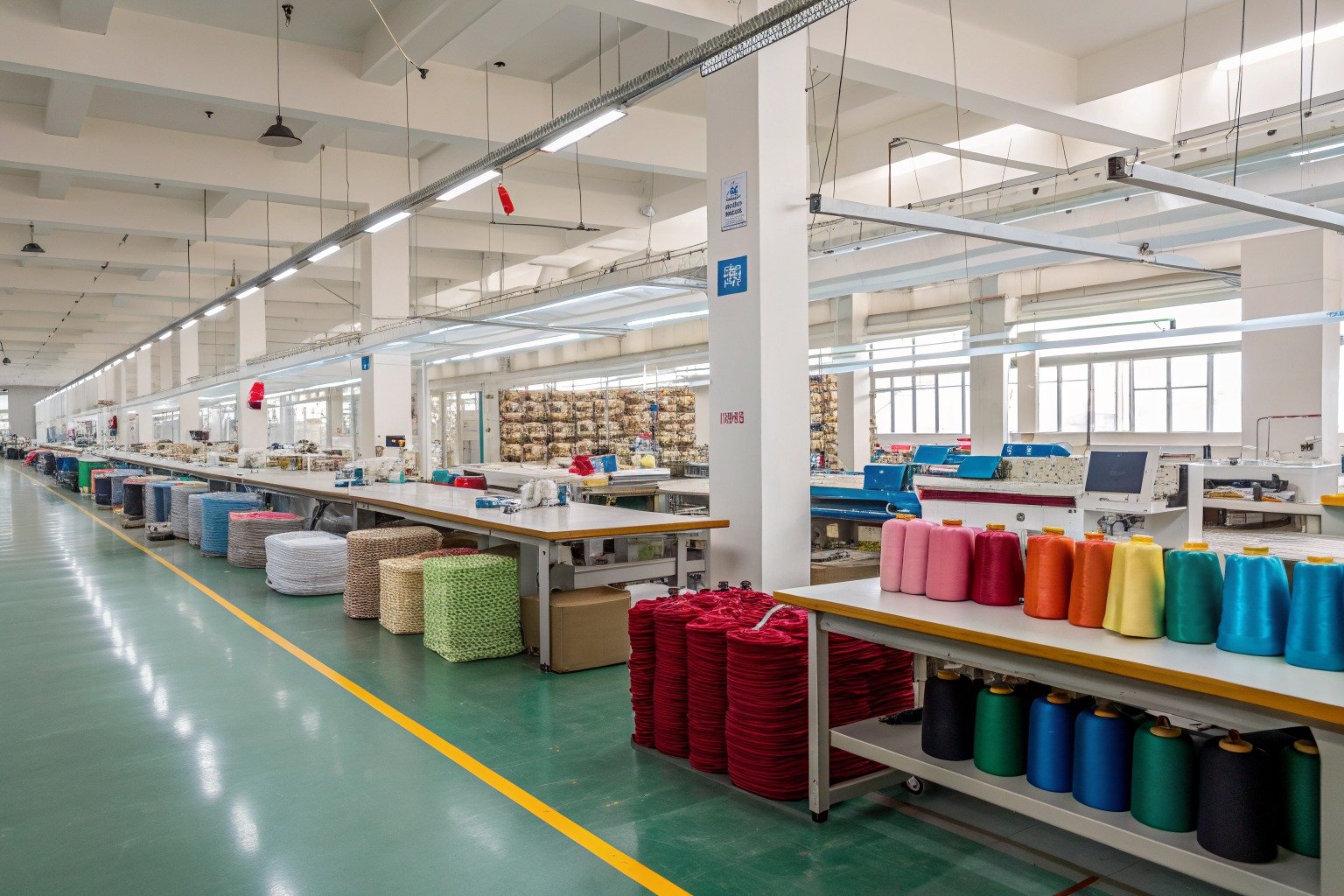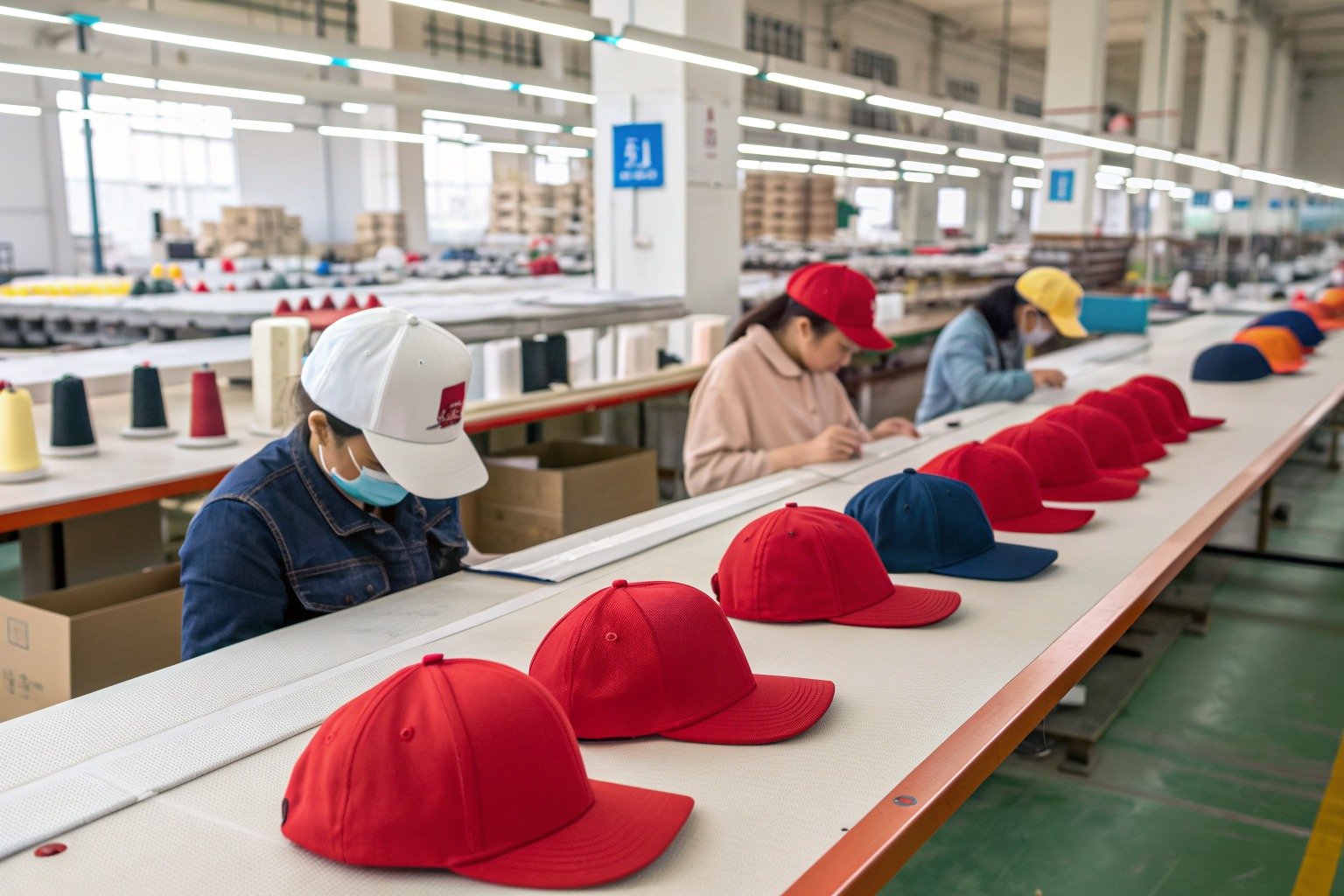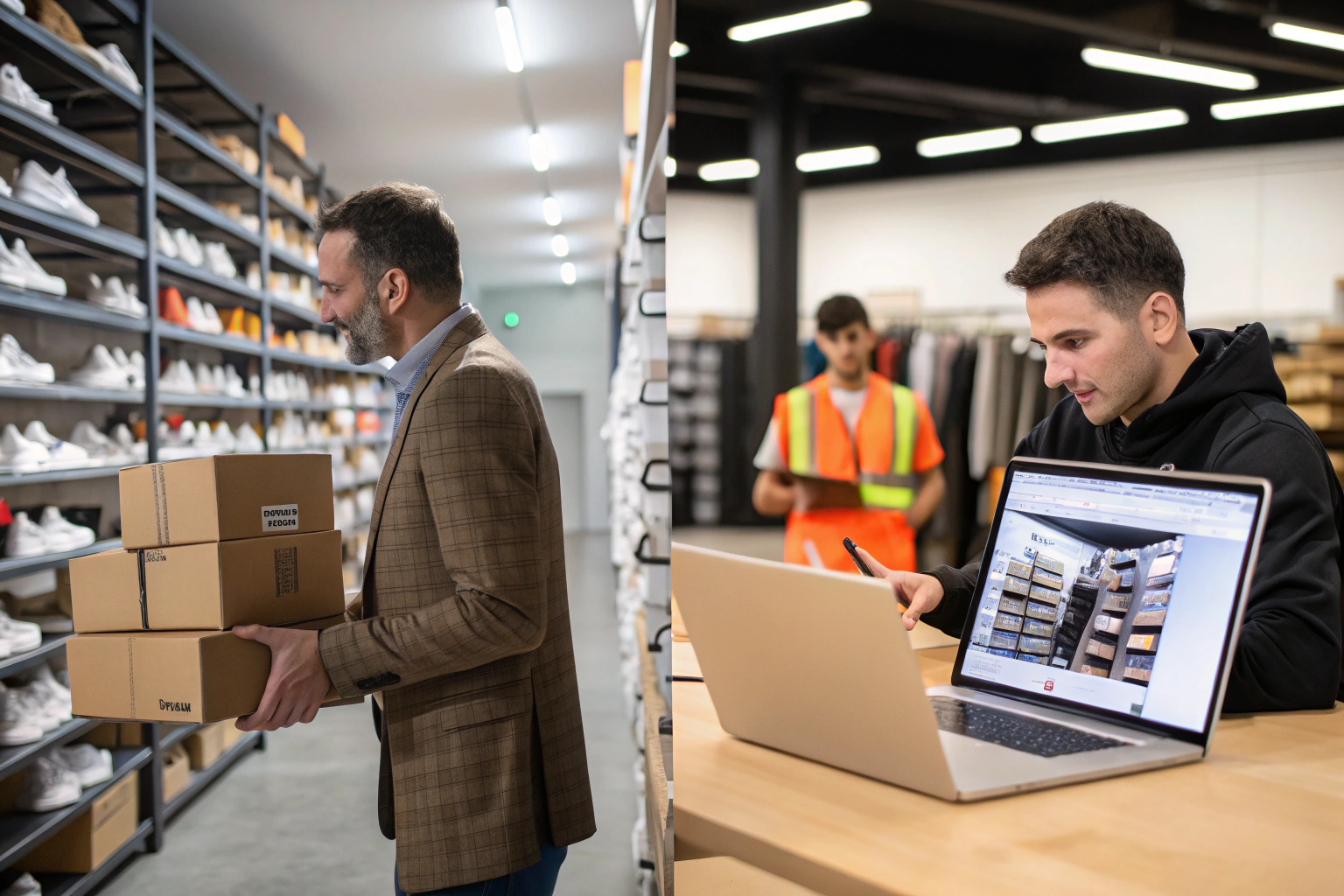
I have been in the accessory manufacturing business for over 15 years. I have seen the wholesale model change dramatically. When I started, the only way to sell accessories was through showrooms and trade shows. Buyers would travel to Hong Kong, Guangzhou, or New York. They would walk through aisles of samples. They would place orders for the season. It was slow. It was expensive. It was personal. Then e-commerce changed everything. I remember the first time a client placed a large order through a website. No phone call. No meeting. Just a few clicks. I was skeptical. But the order arrived. The payment cleared. The products shipped. That moment taught me that the world had changed. Today, I want to share my perspective on the impact of e-commerce on traditional accessory wholesale.
E-commerce has fundamentally disrupted traditional accessory wholesale by lowering barriers to entry, compressing supply chains, increasing price transparency, and shifting power to small buyers. In the traditional model, large buyers had advantages. They could order in volume. They had relationships with factories. E-commerce has democratized access. A small online store can now buy directly from manufacturers like us. They can order small quantities. They can test products with low risk. Price transparency means buyers can compare prices across suppliers instantly. This has squeezed margins but also driven efficiency. The supply chain has compressed. Buyers expect faster turnaround. They want dropshipping. They want low minimum order quantities. The traditional wholesale showroom is declining. Online B2B platforms like Alibaba and our own website are growing. This shift has created opportunities and challenges for manufacturers and buyers alike.
You might be thinking, "I am a buyer. I love e-commerce. I can source from anywhere." You are right. E-commerce has given you power. But it has also created complexity. The sheer number of suppliers can be overwhelming. Quality can vary. Communication can be difficult. At Shanghai Fumao, we have adapted to this new reality. We have embraced e-commerce while maintaining the personal service that our clients value. Let me walk you through the key impacts.
How Has E-Commerce Lowered Barriers to Entry for Small Buyers?
In the past, starting an accessory brand required significant capital. You needed to travel to trade shows. You needed to meet minimum order quantities. You needed to buy in bulk. E-commerce has changed that. A small buyer can now start with a few hundred dollars. They can order samples online. They can test a small batch. They can learn without risking everything.
E-commerce has lowered barriers to entry for small buyers by enabling low minimum order quantities, online sampling, and direct access to manufacturers. In the traditional model, many factories required minimum orders of 1,000 or 5,000 pieces per style. E-commerce platforms have enabled smaller orders. At AceAccessory, we now offer minimums as low as 100 pieces for some styles. Buyers can order samples online for a small fee. They can test quality before committing to large orders. They can communicate directly with manufacturers through messaging apps and email. They do not need to travel. This has democratized the industry. A single person working from home can now compete with established brands.
I remember a client who started her accessory brand with a $500 order. She ordered 100 hair clips. She sold them on her online store. She reinvested the profits. She ordered more. Today, she orders thousands of pieces. She has a successful business. E-commerce made that possible. She could not have started under the old model.

What Minimum Order Quantities Are Now Possible Online?
Minimum order quantities have dropped significantly. For basic items like hair bands or cotton caps, some suppliers offer MOQs of 50 or 100 pieces. For custom items, MOQs may be higher. But still lower than in the past. At AceAccessory, we offer tiered MOQs. Standard products have low MOQs. Custom products have higher MOQs. We also offer sample orders. A buyer can order one piece to test. This flexibility is only possible because of e-commerce. Our low MOQ program is designed for small and growing brands.
How Do Online Sampling and Virtual Communication Work?
Online sampling is simple. Buyers browse our website. They select samples. They add them to a cart. They check out. The samples are shipped within days. No phone call required. Virtual communication is also efficient. We use email, WhatsApp, and WeChat. We send photos and videos. We do video calls for design reviews. A buyer in New York can see a sample in our factory in real-time. They can request changes. They can approve production. This speed and efficiency were impossible before e-commerce. We have integrated online sampling into our operations.
How Has Price Transparency Affected Margins and Competition?
Price transparency is a double-edged sword. For buyers, it is a benefit. You can compare prices instantly. You can find the best deal. For manufacturers, it is a challenge. Margins are squeezed. Competition is fierce. I have seen factories go out of business because they could not compete on price. I have also seen factories thrive by focusing on quality and service.
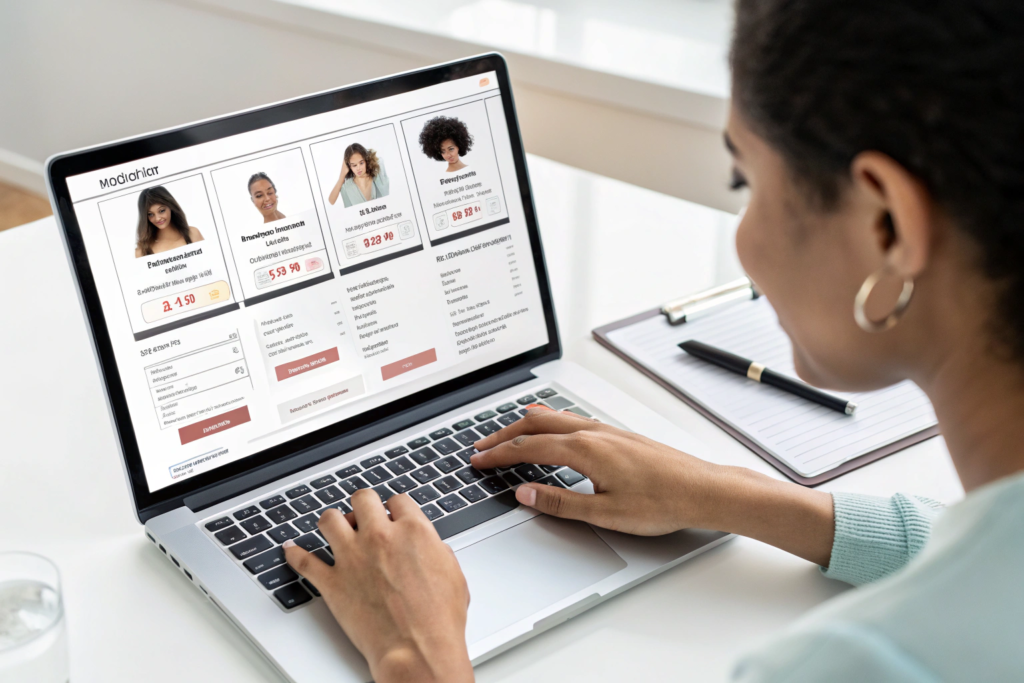
Price transparency has squeezed margins but also driven efficiency. In the traditional model, buyers had limited information. They paid what the supplier asked. Now, a buyer can search for "leather belt" on Alibaba and see hundreds of prices. This drives prices down. Manufacturers must be efficient to survive. But price is not the only factor. Quality, reliability, and service still matter. Buyers who choose the cheapest supplier often regret it. They receive poor quality. They experience delays. They have communication problems. The most successful manufacturers have adapted by being transparent about their pricing while differentiating on value.
I want to share our approach. We do not compete on price alone. We cannot. There is always a cheaper factory. Instead, we compete on quality, reliability, and service. We are transparent about our pricing. Our website shows prices for standard products. But we also explain why our quality is better. We show our certifications. We share client testimonials. We offer project management. This value proposition attracts buyers who understand that the cheapest option is not always the best.
How Do You Compete on Value, Not Just Price?
Competing on value means offering more than the lowest price. Quality is the first factor. A belt that lasts for years is worth more than a belt that breaks. Reliability is the second factor. On-time delivery is valuable. Service is the third factor. A responsive project manager saves time and reduces stress. Certifications are the fourth factor. REACH and CPSIA compliance is worth paying for. Communication is the fifth factor. Clear, timely communication prevents mistakes. We focus on all of these. Our value proposition is clear.
What Are the Risks of Choosing the Cheapest Supplier?
The risks are significant. Poor quality is the most common risk. The product may look good in photos but be poorly made. It may break or fade. Delays are another risk. The cheapest supplier may not have enough capacity. They may prioritize larger orders. Communication problems are common. Language barriers and time zones can cause misunderstandings. Hidden costs are another risk. The cheap price may not include testing, packaging, or shipping. Compliance risks are serious. The cheapest supplier may use non-compliant materials. Your product could be stopped at customs. We have seen all of these risks materialize for clients who chose poorly.
How Has E-Commerce Compressed the Supply Chain?
The traditional supply chain was slow. A buyer would order in January for delivery in June. They would sell in the fall. E-commerce has compressed this timeline. Buyers want products now. They want to test trends quickly. They want to reorder fast. I have seen the pressure on manufacturers increase. We have had to adapt.
E-commerce has compressed the supply chain, requiring faster turnaround times and more flexible production. In the traditional model, lead times of 90 to 120 days were normal. Now, buyers expect 30 to 60 days. For some products, they expect even faster. This compression has forced manufacturers to hold more inventory, streamline production, and improve logistics. Dropshipping is a new model enabled by e-commerce. The manufacturer ships directly to the end customer. The buyer never touches the product. This requires real-time inventory tracking and efficient shipping. Manufacturers who cannot adapt lose business to those who can.
I remember when a client asked us to dropship. I was hesitant. It seemed risky. What if the customer received a defective product? Who would handle returns? We invested in systems. We improved our quality control. We integrated with shipping carriers. Today, dropshipping is a significant part of our business. It was a challenge, but we adapted.
What Is Dropshipping and How Does It Work for Accessories?
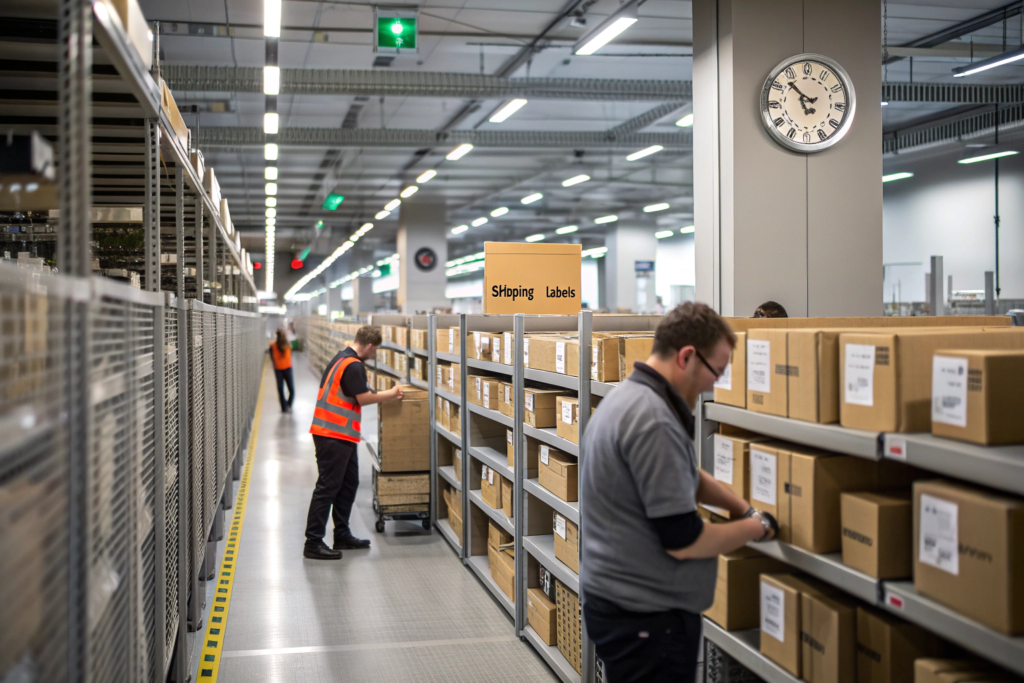
Dropshipping is a fulfillment model. The customer orders from the buyer’s online store. The buyer sends the order to us. We pack and ship the product directly to the customer. The buyer never handles the product. For accessories, dropshipping is popular for hair clips, hats, and scarves. The products are small and easy to ship. The buyer avoids holding inventory. They avoid packing and shipping. They can focus on marketing and sales. For us, dropshipping requires accurate inventory tracking and fast shipping. We have built a dropshipping program for our clients.
How Have Lead Times Changed?
Lead times have shortened significantly. For standard products, we aim for 30-day lead times. For custom products, 45 to 60 days is typical. For samples, 7 to 14 days. These are much shorter than the traditional 90 to 120 days. We have achieved this by holding more inventory of materials. We have streamlined our production lines. We have improved our scheduling. We also offer rush production for an additional fee. This speed and flexibility is essential in the e-commerce era.
How Has the Role of Trade Shows and Showrooms Changed?
Trade shows used to be essential. You had to be there. You had to see the products in person. You had to meet the suppliers. That has changed. Many buyers now source online. They research suppliers on websites. They order samples. They communicate by video. The role of trade shows has shifted.
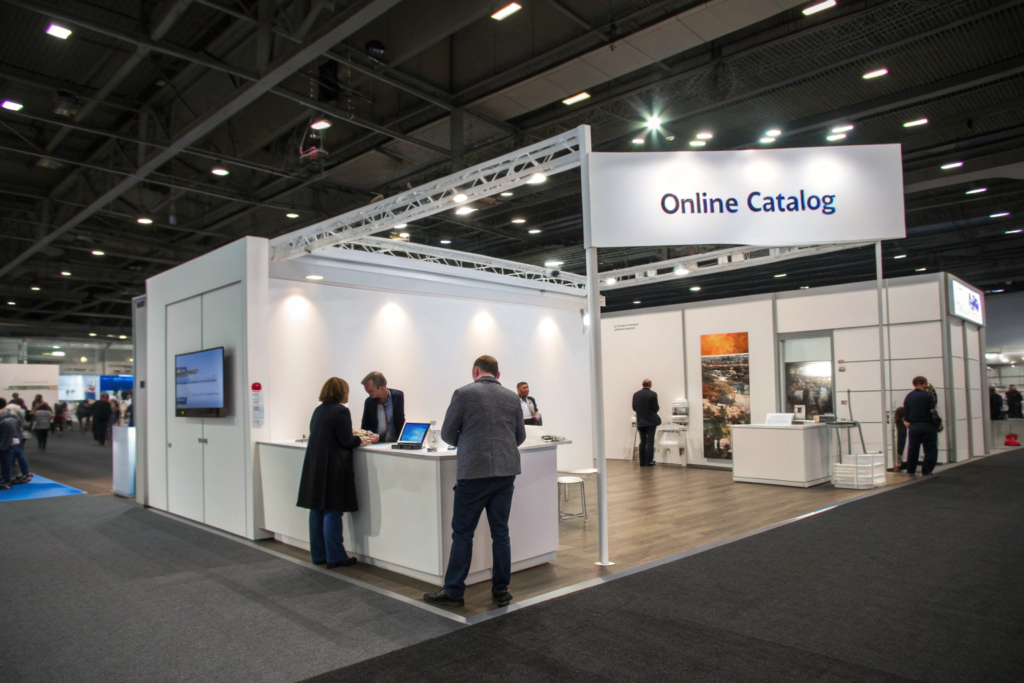
The role of trade shows and showrooms has shifted from discovery to relationship building. In the past, buyers discovered new suppliers at trade shows. Now, they discover them online. Trade shows are still valuable for meeting existing partners, seeing new products in person, and building trust. But the investment required is lower. Many manufacturers, including us, have reduced their trade show presence. We invest more in our website and online marketing. We also host virtual showrooms. Buyers can view our products online. They can request samples. They can video chat with our team. The physical showroom is not dead, but its role has diminished.
I remember attending trade shows in Hong Kong and Guangzhou. We would spend thousands of dollars on booths, travel, and samples. We would meet hundreds of buyers. Today, we meet many of those same buyers online. They find us through Google or LinkedIn. They browse our website. They send an inquiry. The cost per lead is lower. The efficiency is higher.
Are Trade Shows Still Worth Attending?
Yes, but with a different purpose. Trade shows are valuable for meeting long-term clients. They are valuable for showing new collections. They are valuable for building trust. A handshake still matters. But trade shows are no longer the primary source of new clients. For manufacturers, the return on investment is lower than in the past. We are selective about which shows we attend. We focus on quality over quantity. For buyers, trade shows are still useful for seeing products in person. But many buyers now do their initial research online.
How Have Online B2B Platforms Like Alibaba Changed Sourcing?
Alibaba and similar platforms have revolutionized sourcing. They provide a searchable database of suppliers. They provide communication tools. They provide payment protection. For a buyer, it is easy to find suppliers. For a manufacturer, it is easy to be found. The challenge is standing out. There are thousands of suppliers on Alibaba. Competition is intense. We use Alibaba as one channel. But we also invest in our own website, SEO, and content marketing. This multi-channel approach allows us to reach buyers through different paths.
Conclusion
E-commerce has fundamentally changed traditional accessory wholesale. The barriers to entry have lowered. Small buyers can now compete. Price transparency has increased. Margins are squeezed, but efficiency has improved. The supply chain has compressed. Buyers expect faster turnaround. Trade shows and showrooms have diminished in importance. Online B2B platforms have grown.
But some things have not changed. Quality still matters. Reliability still matters. Service still matters. Trust still matters. The manufacturers who succeed in the e-commerce era are those who combine digital efficiency with human care.
At Shanghai Fumao, we have embraced this new reality. We have built the online tools. We have lowered our MOQs. We have shortened our lead times. We have implemented dropshipping. But we have also maintained our commitment to quality, reliability, and service. We are a hybrid. We are an e-commerce enabled manufacturer with a human touch.
Your business can benefit from these changes. You can source from anywhere. You can order small quantities. You can test products with low risk. You can scale as you grow. And you can work with a partner who understands both the old and new worlds.
Let us help you navigate the e-commerce era. Please contact our Business Director, Elaine, at elaine@fumaoclothing.com to discuss how we can support your accessory business in the e-commerce era. Whether you need low MOQs, fast sampling, or dropshipping, we have the solutions you need.