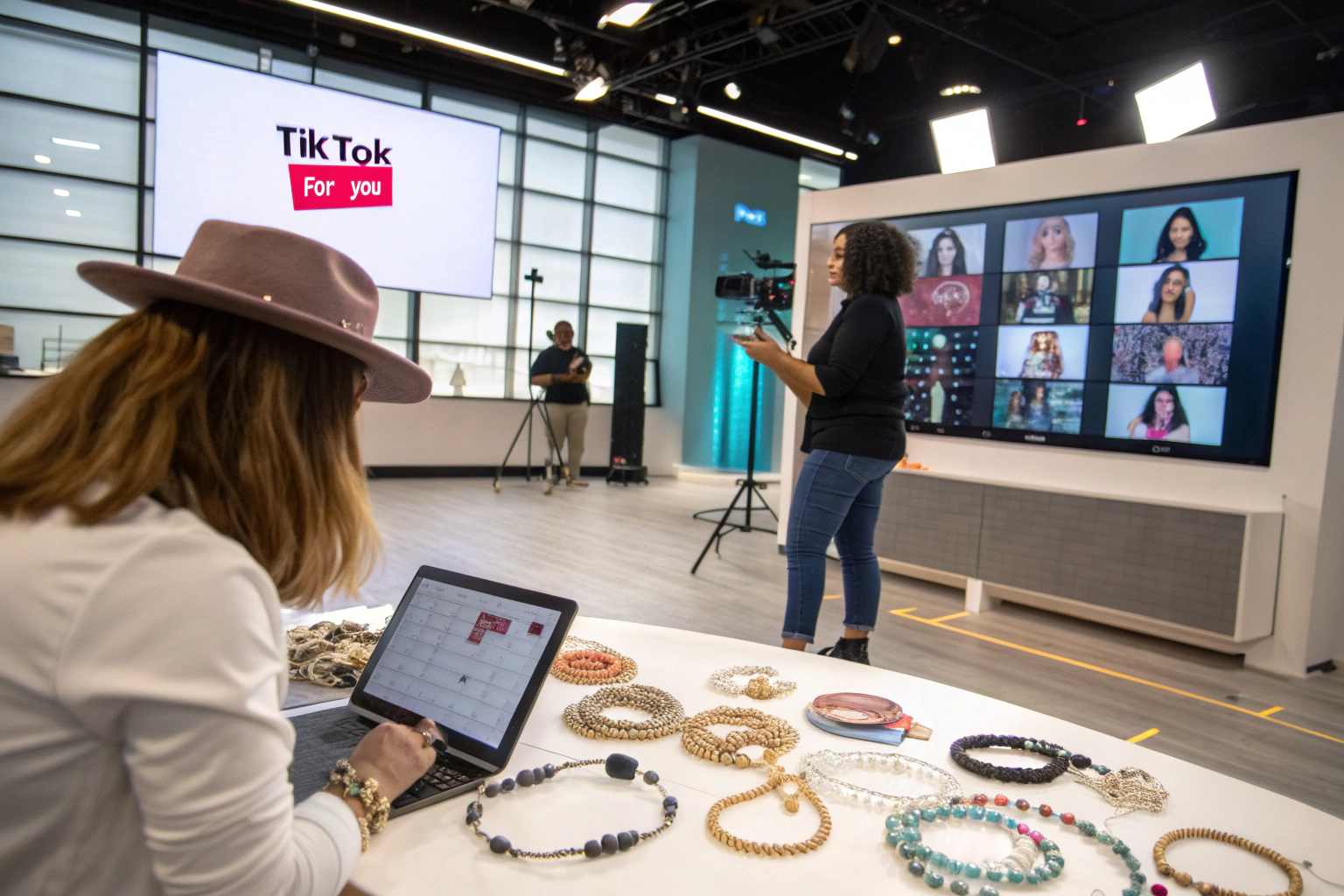
I have been manufacturing accessories for over 15 years. For most of that time, trend forecasting was done by agencies. They published reports. They showed color palettes. They predicted what would be popular. It was slow. It was expensive. It was often wrong. Then TikTok changed everything. I remember a day in 2020 when my daughter showed me a video. It was a teenager showing how to style a hair claw clip. The video had millions of views. Within weeks, our orders for claw clips exploded. I had never seen anything like it. A trend that started on a phone screen became a global phenomenon in days. That experience taught me that TikTok is not just entertainment. It is the world’s fastest trend-spotting tool. Today, I want to share what I have learned about using TikTok to spot emerging accessory trends.
Using TikTok to spot emerging accessory trends involves focusing on hashtags, monitoring engagement metrics, watching "For You" page patterns, tracking creator content, and analyzing comment sections. The key hashtags to follow include #accessorytrend, #OOTD (outfit of the day), #hairtok, #belttok, and #scarfstyle. You need to look for videos with high engagement relative to follower count. A video with 10,000 views and 5,000 likes is trending. You need to watch the "For You" page daily to see what the algorithm is promoting. You need to follow micro-influencers who specialize in accessories. They often spot trends before they go mainstream. And you need to read comments. Comments tell you what people like, what they want, and what they are searching for. This real-time data is invaluable for accessory brands.
You might be thinking, "I am a business owner. I don’t have time to scroll TikTok all day." I understand. I don’t either. But you don’t need to. You need a system. You need to know what to look for and how to interpret what you see. At Shanghai Fumao, we have developed a process for monitoring TikTok. We have trained our design team to spot trends. We have used these insights to develop products that sell. Let me walk you through how you can do the same.
What Hashtags Should You Follow for Accessory Trends?
Hashtags are the entry point to TikTok trends. They organize content. They allow you to find what you are looking for. But not all hashtags are useful. Some are too broad. Some are too narrow. I have learned which hashtags consistently reveal emerging accessory trends.
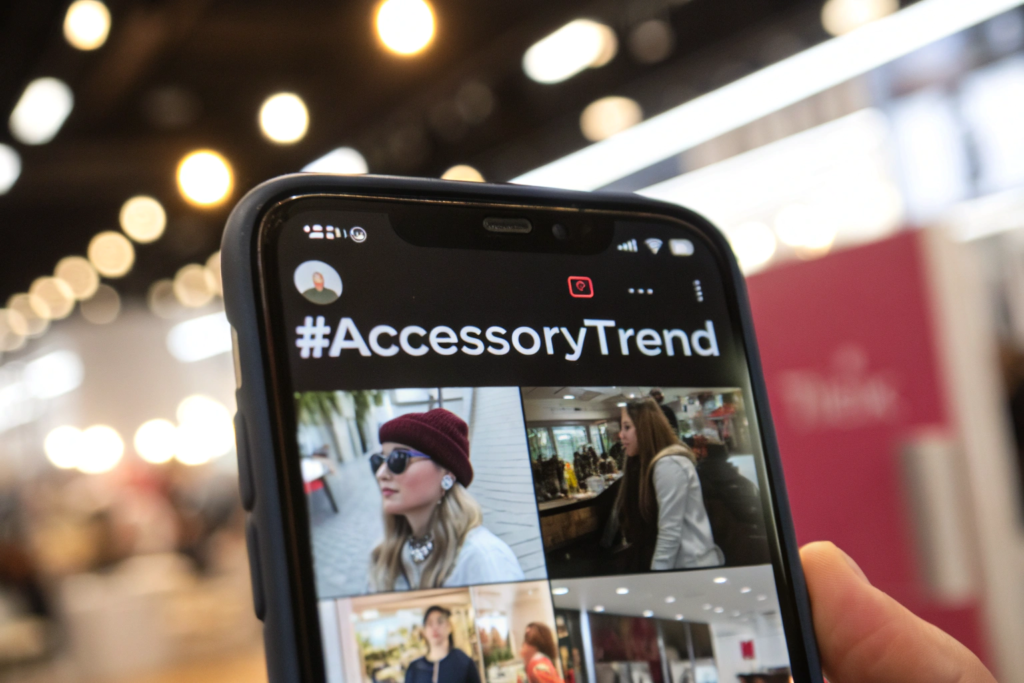
The hashtags you should follow for accessory trends include #accessorytrend, #OOTD (outfit of the day), #hairtok, #belttok, #scarfstyle, #fashionhack, #styleinspo, and #smallbusinesscheck. #accessorytrend is the most direct. It shows videos specifically about accessory trends. #OOTD is broader. It shows full outfits, but you can see what accessories people are wearing. #hairtok is a massive community focused on hair. It is excellent for hair clip, headband, and hair scarf trends. #belttok and #scarfstyle are niche but valuable. #fashionhack shows creative ways to use accessories. #styleinspo provides general inspiration. #smallbusinesscheck shows what small accessory brands are promoting. Following these hashtags gives you a steady stream of trend data.*
I want to share how we use hashtags. We have a team member whose job is to monitor these hashtags daily. They scroll through the videos. They note which videos have high engagement. They save videos that show new styles. They share them with our design team. This system ensures that we see trends early. We are not relying on luck. We are systematically monitoring.
How Do You Find Niche Hashtags for Specific Accessories?
Niche hashtags are even more valuable. They are less crowded. They show you exactly what you need. For hair clips, follow #hairclips, #clawclip, and #hairinspo. For belts, follow #beltstyle, #leatherbelt, and #waistbelt. For hats, follow #hatstyle, #baseballcap, and #buckethat. For scarves, follow #scarfstyle, #scarftie, and #winterscarf. For bags, follow #tote bag, #crossbody, and #handbagstyle. The key is to search for your specific product category. Then look at the related hashtags. TikTok suggests related hashtags. Use those. Over time, you will build a list of relevant hashtags for your products.
What Does High Engagement Look Like for Trends?
Engagement is the signal of a trend. A video with high engagement is resonating. But you need to look at engagement relative to follower count. A video from an account with 1,000 followers that gets 100,000 views is trending. That is a 100x multiplier. A video from an account with 1 million followers that gets 200,000 views is not trending. That is below average. You want to find videos with high view counts relative to follower count. Also look at the like-to-view ratio. A video with 10,000 views and 5,000 likes is highly engaging. That is a 50% like rate. A video with 10,000 views and 500 likes is less engaging. The comments are also important. A video with many comments is sparking conversation. Comments like "where can I buy this?" or "I need this" are strong signals.
How Do You Analyze the "For You" Page for Patterns?
The "For You" page is TikTok’s algorithm at work. It shows you what is popular. But it is personalized. What I see on my "For You" page is different from what you see. The algorithm learns from what you watch, like, and share. To spot trends, you need to train your algorithm. You need to tell TikTok that you want to see accessory content.
Analyzing the "For You" page for patterns requires training your algorithm and looking for repeats. Start by searching for accessory hashtags. Watch videos all the way through. Like them. Comment on them. Share them. This tells TikTok that you want more accessory content. Within a few days, your "For You" page will be filled with accessory videos. Then look for patterns. Are multiple creators showing the same hair clip style? Is a particular belt styling technique appearing in many videos? Are scarf tying methods repeating? Repetition is the sign of a trend. If you see the same accessory or styling method multiple times, it is likely emerging.
I want to share how I trained my algorithm. I spent one week watching only accessory content. I searched for #accessorytrend, #hairtok, and #belttok. I watched every video. I liked the ones I found interesting. I commented on a few. I shared some with my team. Within days, my "For You" page was 80% accessories. Now, I can scroll for 10 minutes and see dozens of trend signals. It is efficient. It is effective.
How Often Should You Check TikTok for Trends?
Consistency is key. Trends emerge and fade quickly on TikTok. A video posted today might create a trend that peaks in a week. You need to check daily. I recommend 15 to 30 minutes each day. Set a timer. Scroll through your "For You" page. Check your key hashtags. Save interesting videos. Take notes. This daily habit ensures you catch trends early. Weekly or monthly checks are too slow. By the time you see a trend, it may already be peaking or fading.
What Tools Can Help You Monitor TikTok Trends?
There are tools that can help. TikTok’s own Creative Center shows trending hashtags and songs. It is free. You can see what is popular across the platform. Social media management tools like Hootsuite and Sprout Social have TikTok monitoring features. They can track hashtags and engagement. For more advanced analysis, tools like Trendpop and Pentos provide trend detection. They show you emerging patterns. But these tools cost money. For most businesses, the free methods are sufficient. A daily scroll and a notebook are powerful. We use a combination of free and paid tools. Our trend monitoring process is designed to catch signals early.
How Do You Identify Micro-Influencers Who Spot Trends Early?
Macro-influencers have millions of followers. They are celebrities. They are expensive. They also tend to follow trends, not set them. Micro-influencers have smaller followings. They are often more authentic. They are closer to their audiences. They spot trends early. I have found that micro-influencers are the best source of emerging accessory trends.
Micro-influencers who spot trends early typically have between 5,000 and 50,000 followers. They have high engagement rates. Their audiences trust them. They are often early adopters. To find them, search for niche hashtags. Look for creators who post frequently about accessories. Check their engagement. A micro-influencer with 10,000 followers and 1,000 likes per video is highly engaged. That is a 10% like rate. Macro-influencers often have lower rates. Follow these micro-influencers. Turn on post notifications. Watch their videos as soon as they post. They often show new products before they go mainstream.
I want to share a story about a micro-influencer we follow. She has 15,000 followers. She posts daily about hair accessories. She showed a new type of hair clip. It was a small, metal clip with pearls. Within a week, we saw similar clips from other creators. Within a month, orders for pearl clips increased. We had already started production. We were ahead of the trend. This is the value of following micro-influencers.
How Do You Evaluate a Micro-Influencer’s Influence?
Look beyond follower count. Engagement is more important. Calculate the engagement rate. Divide average likes and comments by follower count. A rate above 5% is good. Above 10% is excellent. Look at the comments. Are people asking where to buy the products? Are they tagging friends? Are they expressing desire? These are strong signals. Look at consistency. Does the influencer post regularly? Sporadic posting is less valuable. Look at authenticity. Does the influencer seem genuine? Do they use products in real life? Authenticity drives trust. We maintain a list of micro-influencers we monitor for trend signals.
How Do You Engage with Micro-Influencers?
Engagement is a two-way street. Comment on their videos. Thank them for showing new products. Ask questions. Build a relationship. You can also send them products. Many micro-influencers are happy to receive free samples. They may feature your products in their videos. This is a low-cost marketing channel. But do not be pushy. Build genuine relationships. We have relationships with several micro-influencers. They send us products they find. We send them samples of our new designs. It is a mutually beneficial partnership.
How Do You Interpret Comments to Understand Consumer Demand?
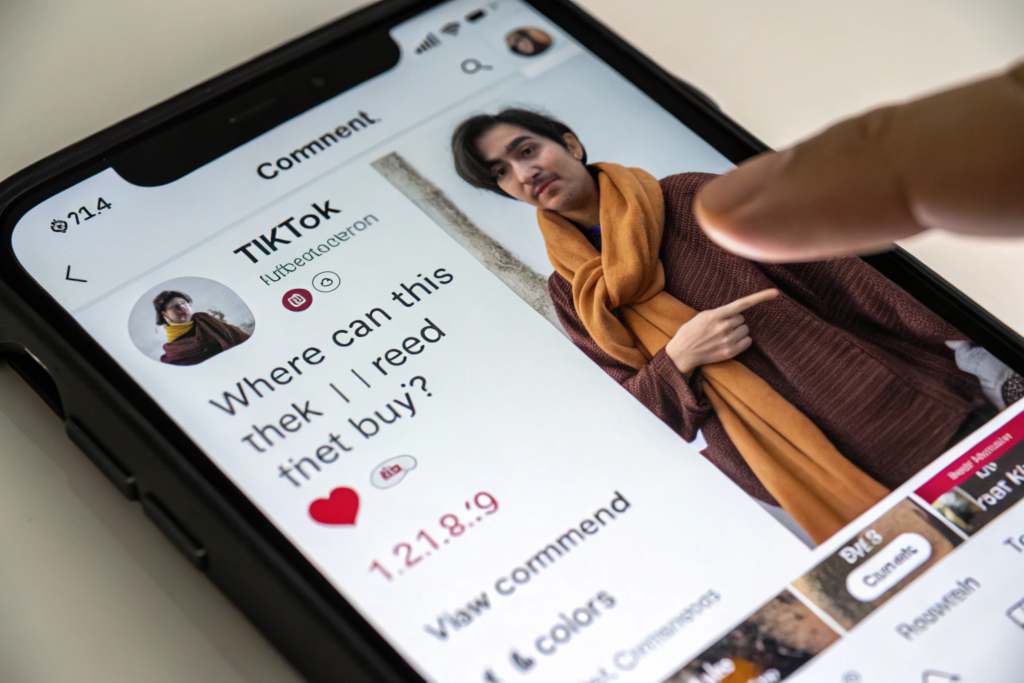
Comments are gold. They tell you exactly what consumers think. They reveal desires, frustrations, and questions. I have learned to read comments carefully. A single comment can spark a new product idea. A pattern in comments can confirm a trend. I remember seeing comments on a scarf video. Multiple people asked, "Do you have this in green?" That told me there was demand for green scarves. We produced green scarves. They sold well.
Interpreting comments to understand consumer demand involves looking for patterns, direct requests, and emotional language. Patterns are the most reliable signal. If multiple people ask the same question or make the same request, that is demand. Direct requests like "where can I buy this?" or "I need this in my life" indicate purchase intent. Emotional language like "obsessed," "need," "love," or "can’t live without" shows strong preference. Also look for negative comments. "I wish the clip was stronger" tells you about a product flaw. "The buckle is too shiny" tells you about finish preference. Comments are unfiltered consumer feedback. Use them.
I want to share a method we use. We have a spreadsheet. We track comments by product category. We note any request that appears more than once. We note any complaint that appears more than once. We review this spreadsheet weekly. It tells us what consumers want. It tells us what they don’t like. This data directly informs our product development. We are not guessing. We are responding to real consumer feedback.
What Comment Phrases Indicate a Trend?
Certain phrases are strong signals. "I need this" indicates desire. "Where can I buy this?" indicates purchase intent. "Take my money" is a joke, but it indicates willingness to pay. "This is everything" indicates strong approval. "Obsessed" indicates emotional connection. "Underrated" indicates discovery. "Why didn’t I think of this?" indicates novelty. "Finally" indicates that the product solves a problem. Also look for questions about price, availability, and materials. These indicate serious interest.
How Do You Differentiate Between a Fad and a Lasting Trend?
This is the hardest question. A fad peaks quickly and fades. A lasting trend builds over time. On TikTok, fads often come from a single viral video. The video gets millions of views. Everyone copies it. Then it disappears. A lasting trend appears across multiple creators. It persists for weeks or months. It evolves. To differentiate, look for breadth. Is the trend appearing on multiple accounts? Look for duration. Has it been around for more than a month? Look for adaptation. Are people putting their own spin on it? A trend that is being adapted is lasting. A trend that is being copied exactly is likely a fad. We use these criteria to decide which trends to invest in.
Conclusion
TikTok has changed trend spotting forever. It has democratized fashion. Trends no longer start in Milan or Paris. They start on phones. They start with teenagers. They start with micro-influencers. And they spread at lightning speed.
For accessory brands, TikTok is an essential tool. The methods are clear. Follow the right hashtags. Train your "For You" page. Monitor engagement metrics. Follow micro-influencers. Read comments. Look for patterns. Differentiate between fads and lasting trends. And most importantly, act quickly.
At Shanghai Fumao, we have embraced TikTok as a trend-spotting tool. We have built systems to monitor, analyze, and respond. We have the speed to develop samples rapidly. We have the capacity to produce at scale. We are ready to help you spot the next big accessory trend.
Your brand deserves to be first. Your customers deserve the latest styles. Let us help you turn TikTok trends into products that sell. Please contact our Business Director, Elaine, at elaine@fumaoclothing.com to discuss how we can help you spot and produce the latest accessory trends from TikTok. We can provide trend reports, rapid sampling, and scalable production to keep your brand ahead of the curve.