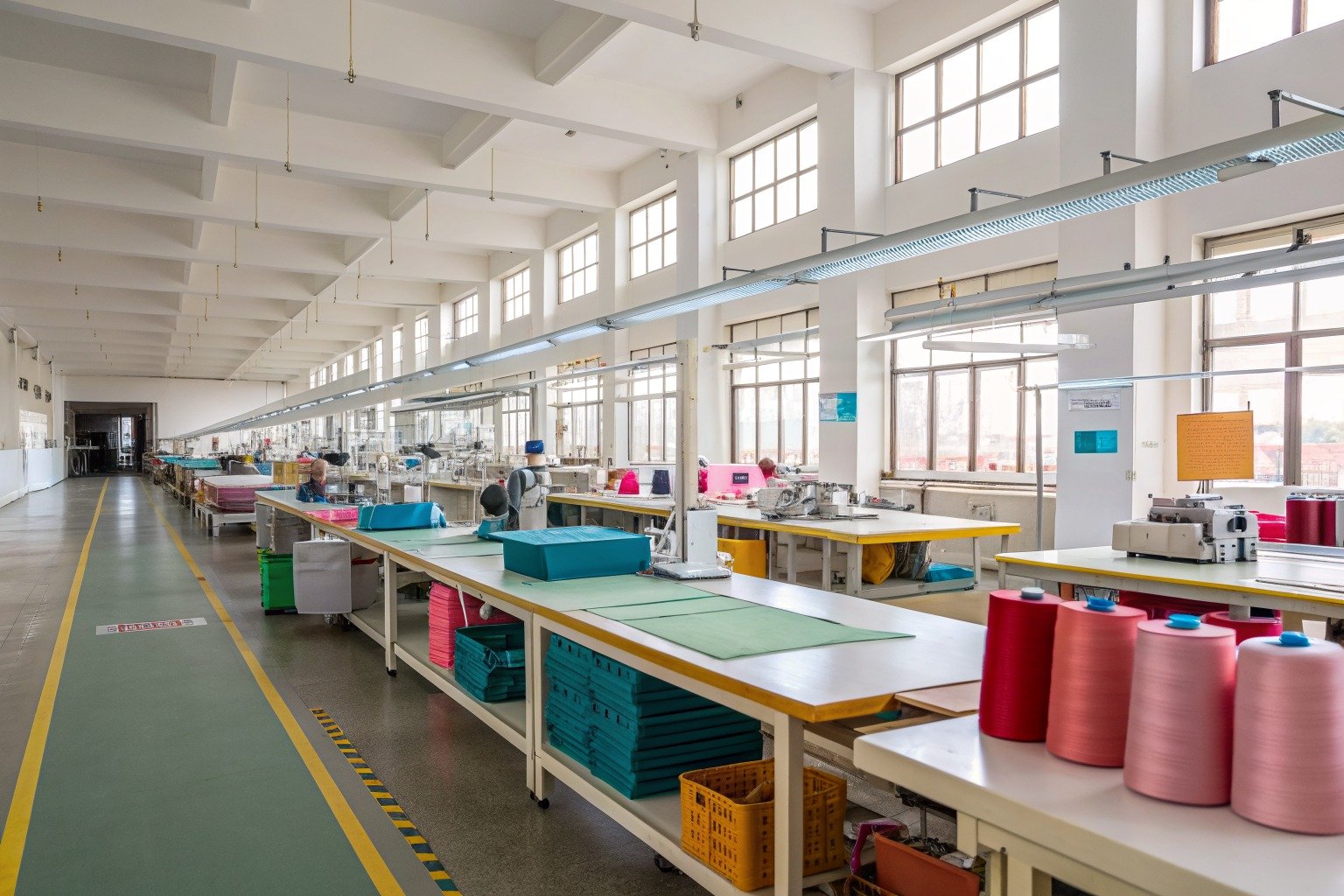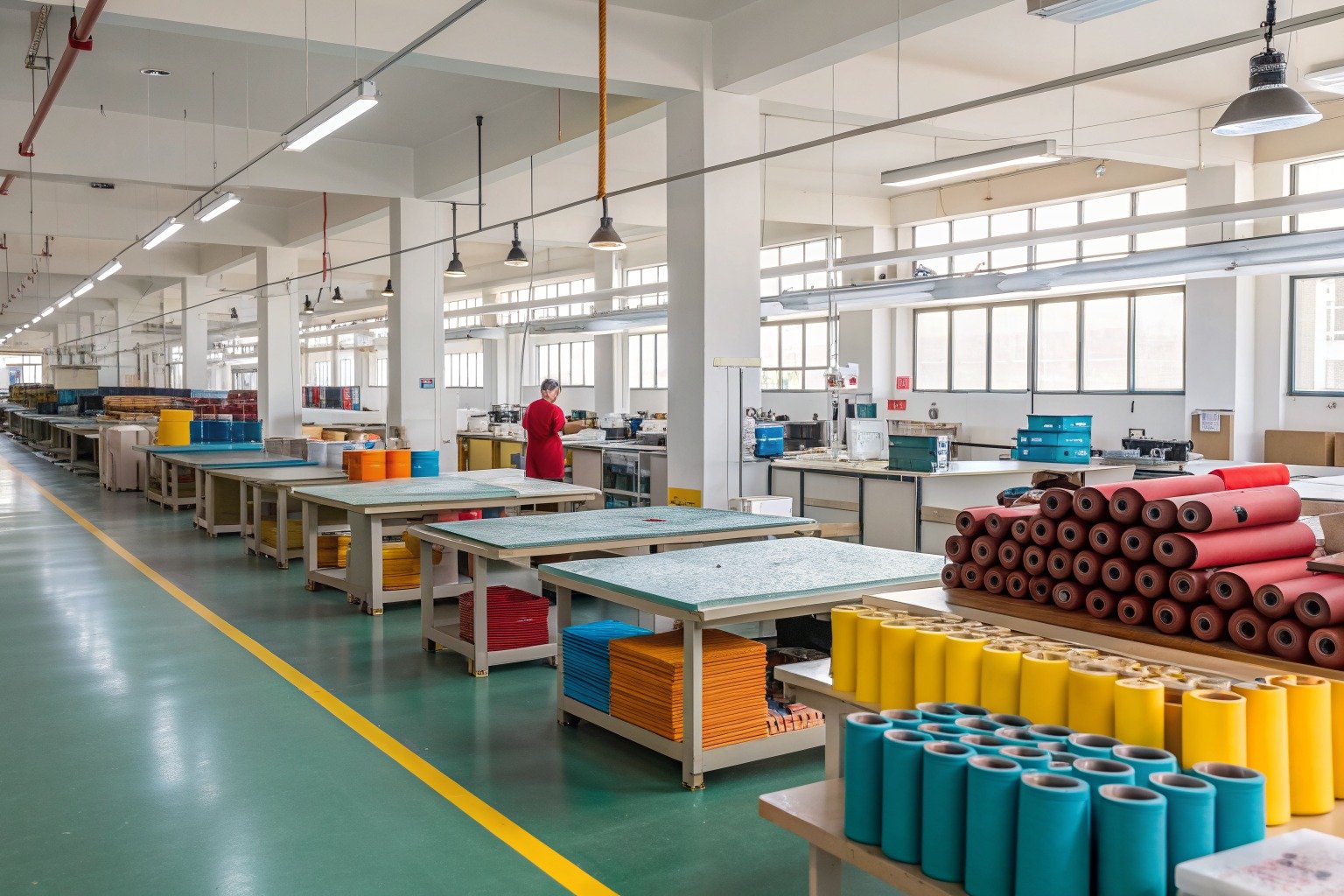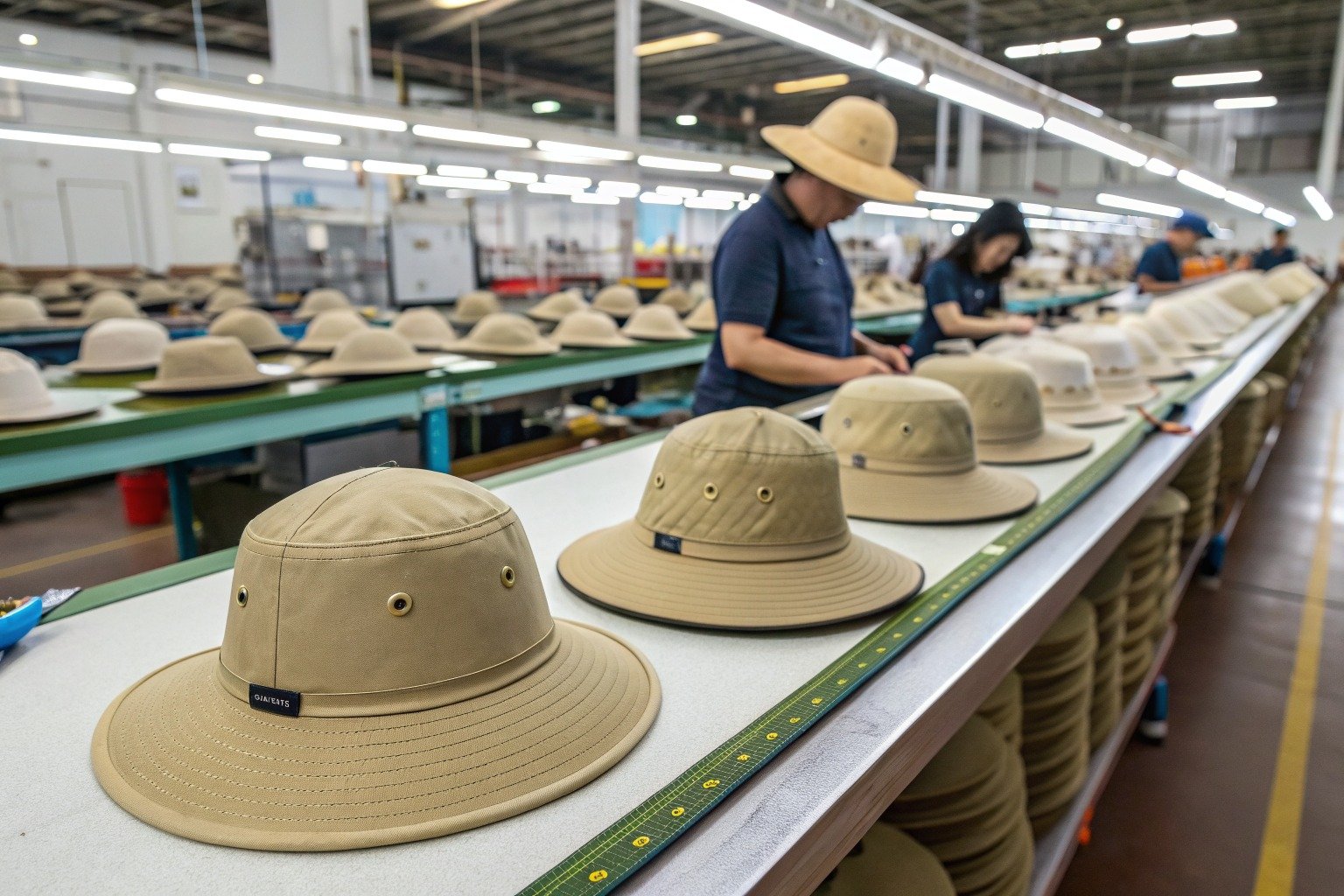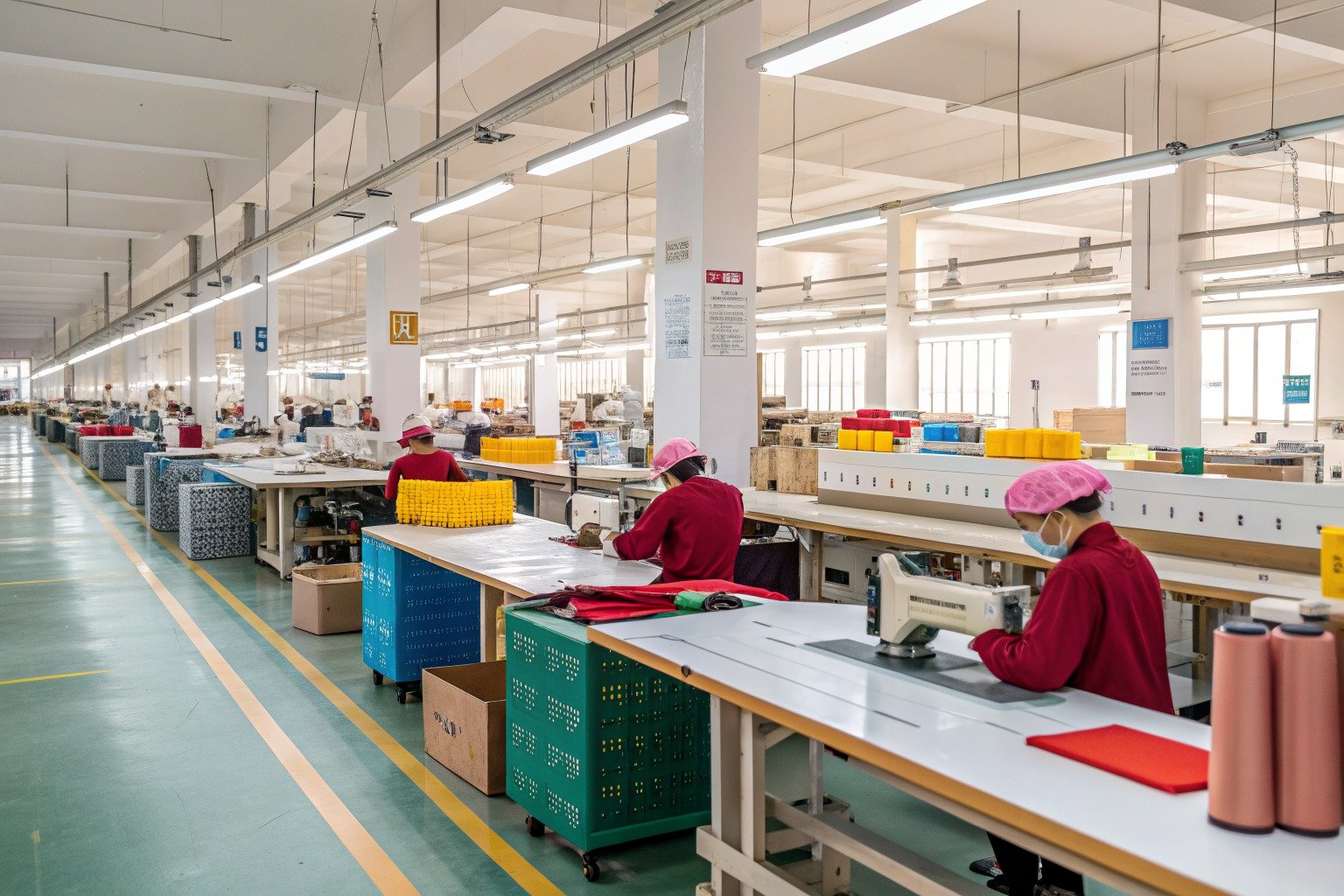
I remember a client from a major European fashion brand. He came to our factory with an unusual request. He wanted a scarf that changed color with temperature. I was skeptical at first. We are an accessory factory. We know fabrics and stitching. We know leather and hardware. But smart technology? That was new. We worked with technology partners. We tested materials. We integrated sensors into the fabric. The final product was amazing. The scarf changed from blue to pink as it warmed. It sold out in days. That is when I realized smart accessories were not a distant future. They were here.
The future of smart accessories in the fashion industry is defined by seamless integration of technology with traditional craftsmanship. Smart accessories include wearable tech, connected bags, temperature-responsive fabrics, and health-monitoring jewelry. The key trend is invisibility. Consumers want technology that works without looking like technology. They want accessories that are fashionable first and functional second. At AceAccessory, we are positioning ourselves at this intersection. We combine our manufacturing expertise with emerging technology partners. This forward-looking approach is part of our commitment at Shanghai Fumao Clothing.
You might think smart accessories are a niche. They are not. Major brands are investing heavily. Consumers are demanding more from their accessories. In this article, I will share what I have learned about this emerging market. If you want to understand how we manage quality across our traditional products, you can also read our guide on what makes a factory’s quality control stand out.
What Are the Main Categories of Smart Accessories?
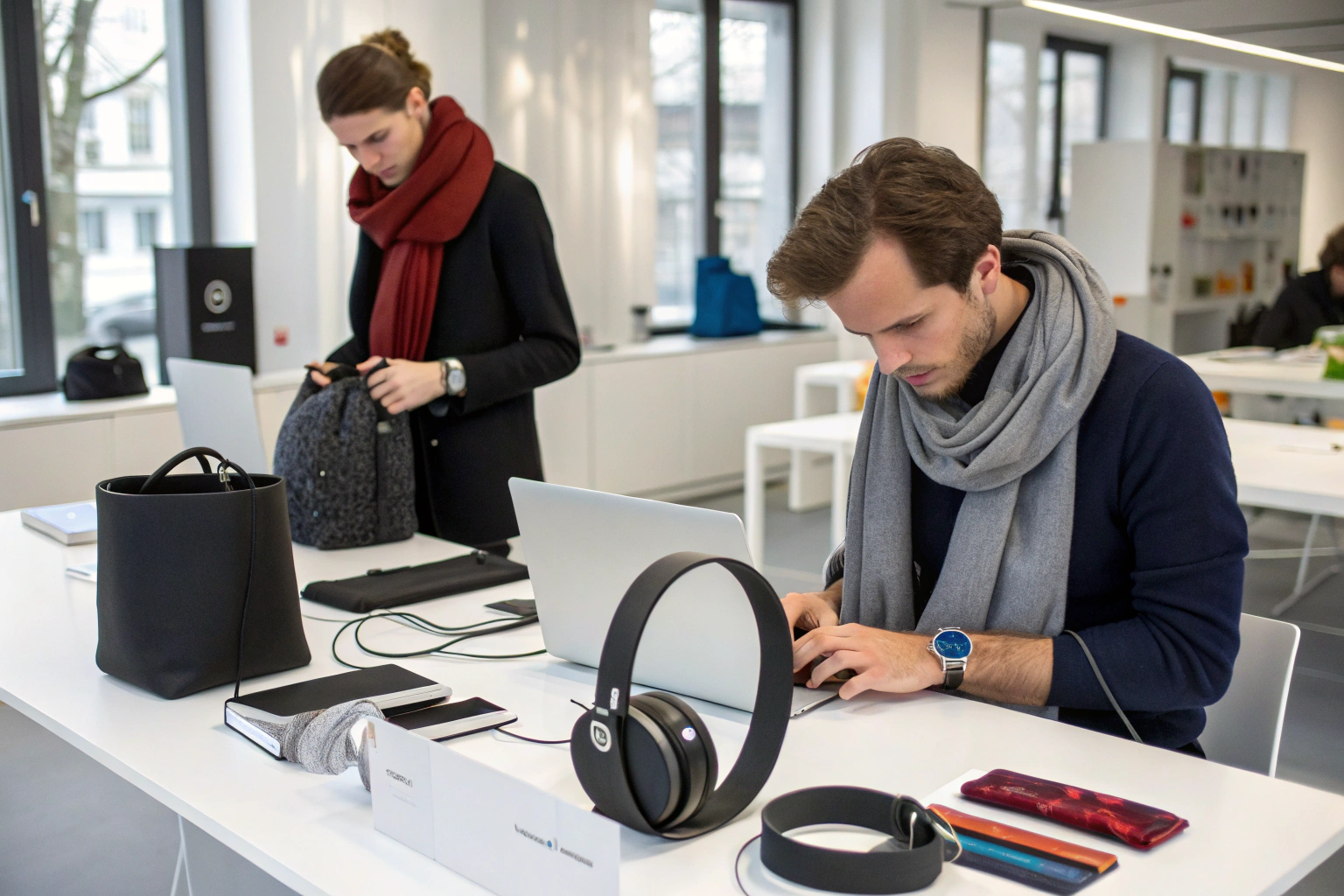
A buyer from a large American online store asked me what smart accessories actually are. I showed her our collection. She saw a bag with a built-in phone charger. She saw a belt that tracked steps. She saw a ring that vibrated for notifications. Her eyes lit up. She realized this was not science fiction. This was real products she could sell.
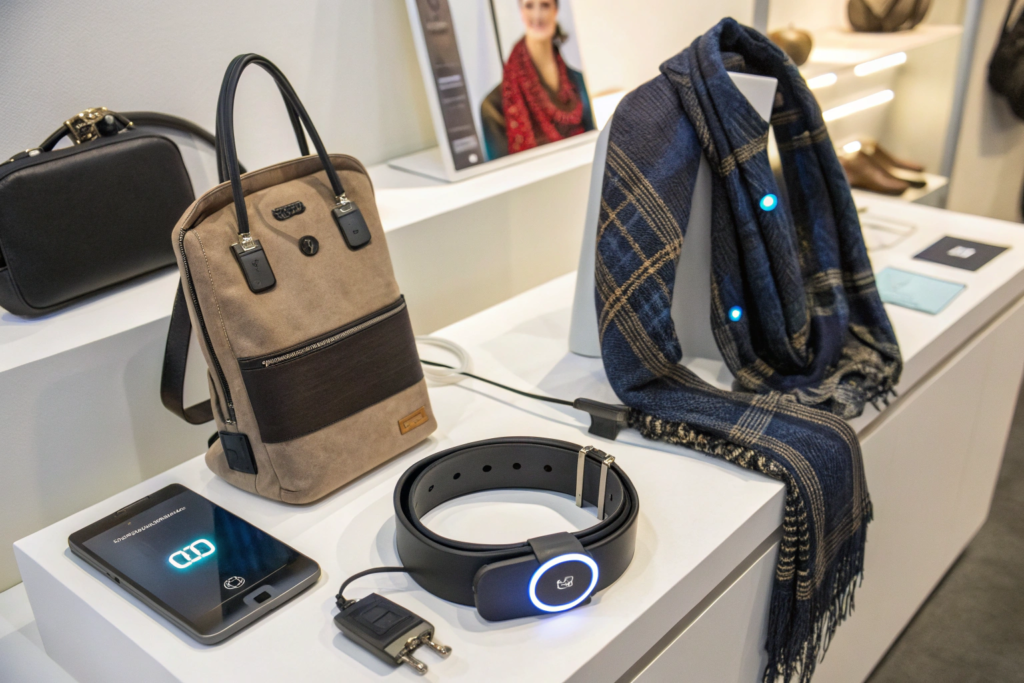
Smart accessories fall into several main categories. Connected accessories include bags with built-in chargers and tracking devices. Health and wellness accessories include belts and jewelry that monitor activity or stress. Adaptive accessories include scarves and hats that respond to temperature or light. Safety accessories include bags with alarm systems and reflective technology. Each category serves different consumer needs.
The smart accessory market is diverse. Let me explain the categories we see most often.
What Are Connected Accessories?
Connected accessories are the largest category. These are accessories that connect to smartphones. Bags with built-in power banks are popular. Customers can charge their phones on the go. Some bags have tracking chips. If the bag is lost, the owner can find it through an app. Smart rings are another example. They can control music or answer calls with a gesture. These products appeal to tech-savvy consumers. You can learn about connected device standards from industry organizations. We work with technology partners who follow these standards.
What Are Health and Wellness Accessories?
Health accessories are growing fast. Belts with posture sensors are one example. They vibrate when the wearer slouches. Bracelets that monitor heart rate and stress levels are popular. Smart rings that track sleep patterns are gaining attention. These products appeal to health-conscious consumers. They combine fashion with function. For wearable health technology standards, there are regulatory considerations. We help our clients navigate these requirements.
How Is Technology Being Integrated into Traditional Accessories?
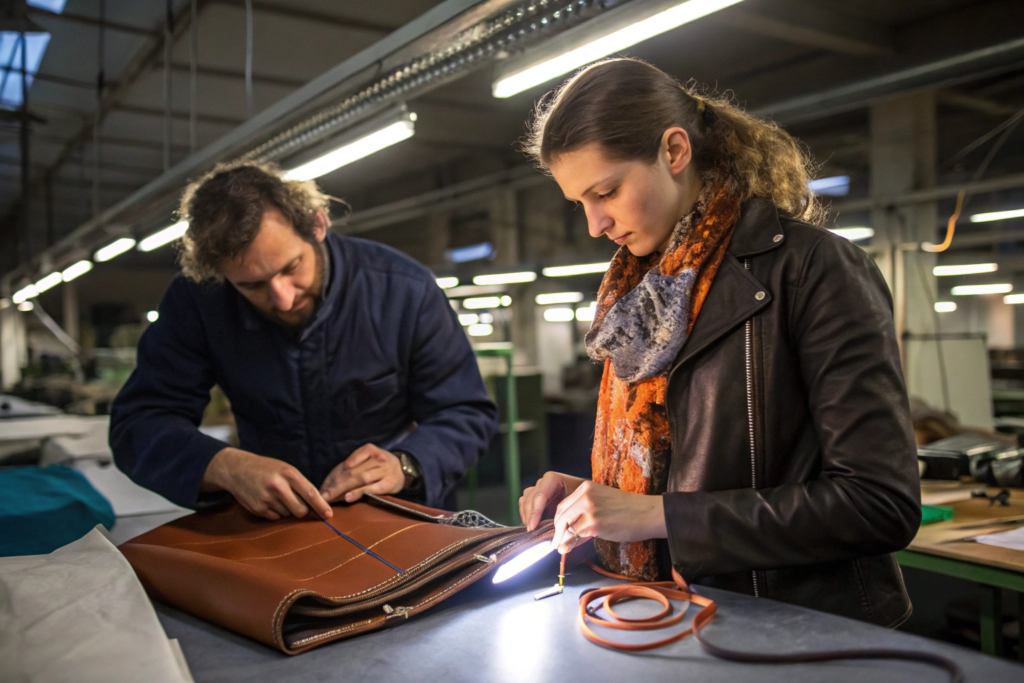
A client from a European accessories brand asked me how we put technology into a scarf without ruining it. I showed her our process. We use flexible circuits. They bend with the fabric. We use thin batteries. They hide in seams. We use conductive thread. It replaces traditional stitching. She was impressed. She ordered a pilot collection.
Technology integration requires new manufacturing techniques. Flexible printed circuits can be embedded into fabric. Conductive thread allows stitching to carry electrical signals. Thin, flexible batteries can be hidden in seams or pockets. Miniaturized sensors can be placed in clasps or hardware. The goal is invisibility. The technology should not compromise the accessory’s appearance or comfort.
What Is Conductive Thread and How Is It Used?
Conductive thread is a game-changer. It looks like normal thread. But it conducts electricity. We can sew it into fabric. It creates circuits within the accessory. This allows us to add sensors or LEDs without visible wires. The thread is soft. It does not affect the feel of the accessory. It can be washed carefully. We use it for scarves, gloves, and hats. You can learn about conductive textiles from industry resources. We work with specialized thread suppliers to ensure quality.
How Do You Power Smart Accessories?
Power is the biggest challenge. Traditional batteries are bulky. They ruin the look of an accessory. We use thin, flexible batteries. They can be as thin as a credit card. They bend slightly. We hide them in seams or under lining. Some accessories use wireless charging. The customer places the bag on a charging pad. Others use removable power banks. The user charges the bank like a phone. We help clients choose the right power solution. For battery safety standards, we follow strict guidelines. Safety is our priority.
What Are Consumer Trends Driving Smart Accessory Adoption?
I talked to a buyer from a large supermarket chain recently. She told me her customers are changing. They want products that do more. They want convenience. They want safety. They want health tracking. But they do not want to look like they are wearing technology. They want fashion first. This is the trend I see everywhere.
Consumer trends driving smart accessories include the desire for convenience, health awareness, safety concerns, and personalization. Consumers want accessories that simplify their lives. They want products that monitor their health discreetly. They want accessories that protect them. And they want products that reflect their personal style. Brands that meet these needs will succeed.
Why Is Convenience Driving Demand?
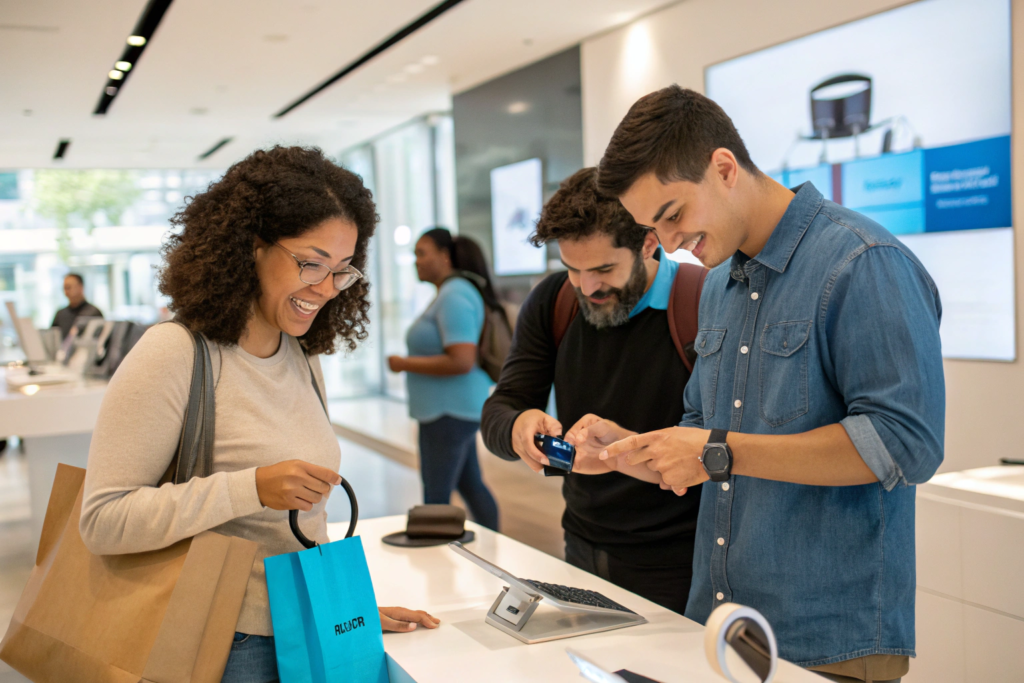
Convenience is a powerful driver. A bag that charges your phone saves carrying a power bank. A ring that controls your music saves pulling out your phone. A scarf that changes color saves carrying multiple accessories. Consumers are busy. They value products that make their lives easier. This is especially true for urban consumers. They are always on the go. For consumer behavior insights, you can see these trends. We design smart accessories with convenience in mind.
How Is Health Awareness Shaping the Market?
Health awareness is growing. Consumers want to know their activity levels. They want to monitor stress. They want to track sleep. But they do not want to wear obvious fitness trackers. Smart jewelry and belts offer a solution. They look like fashion. But they provide health data. This appeals to consumers who want wellness without the gym look. Resources like wearable health research show the growth. We help clients enter this expanding market.
What Challenges Exist in Manufacturing Smart Accessories?
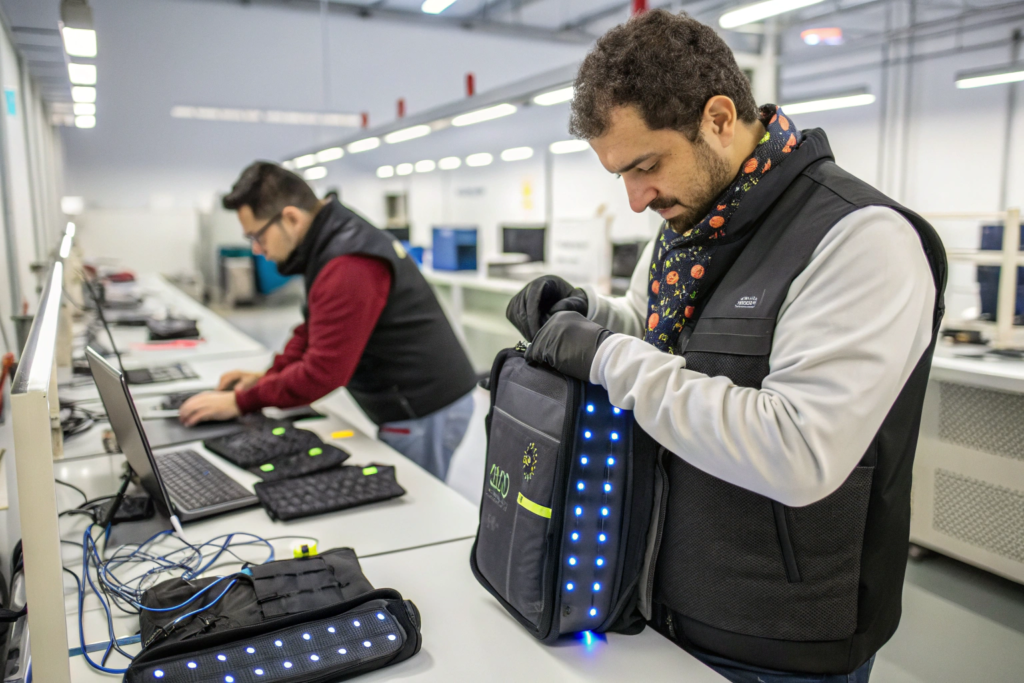
A client from an American online store asked me about the risks of smart accessories. She was worried about returns. I explained our testing process. We test every electronic component. We test water resistance. We test battery life. We test durability. We do not ship until everything works. She was reassured. Her return rates have been low.
Manufacturing smart accessories presents unique challenges. Electronics must be durable enough for daily wear. Water resistance is essential for many products. Battery safety is critical. Quality control must cover both traditional craftsmanship and electronic functionality. Suppliers need expertise in both areas. This combination is rare.
How Do You Ensure Durability?
Accessories get rough treatment. Bags are thrown around. Scarves are folded and stuffed. Gloves are stretched. Electronics must survive this. We test everything. We flex bags thousands of times. We wash scarves repeatedly. We stretch gloves to their limits. We use durable components. We reinforce stress points. If an electronic component fails in testing, we redesign. For durability testing standards, we follow established methods. We want our smart accessories to last.
How Do You Manage Battery Safety?
Battery safety is non-negotiable. We use certified batteries from reputable suppliers. We design battery compartments that protect against impact. We include safety circuits that prevent overcharging. We test batteries under extreme conditions. They must not overheat. They must not swell. They must not leak. For battery safety regulations, we comply fully. We prioritize safety over everything else at Shanghai Fumao Clothing.
Conclusion
The future of smart accessories is bright. Technology is becoming smaller, more flexible, and more affordable. Consumers are demanding more from their accessories. They want convenience, health insights, safety, and style. Brands that combine fashion with function will lead the market.
At Shanghai Fumao Clothing, we are investing in this future. Our factory in Zhejiang combines traditional craftsmanship with new technology capabilities. We work with technology partners. We train our team on electronics integration. We test rigorously. We ensure safety. We help our clients navigate this new landscape. I have seen the excitement when clients see their first smart accessory sample. It is like watching the future come to life. The market is growing. Early movers are gaining advantages.
If you are ready to explore smart accessories for your brand, we are here to help. We can discuss your ideas. We can show you samples of what is possible. We can guide you through pilot production. I invite you to reach out to our Business Director, Elaine. She can answer your questions and start the conversation. Contact her at elaine@fumaoclothing.com. Let us create the future of fashion accessories together.