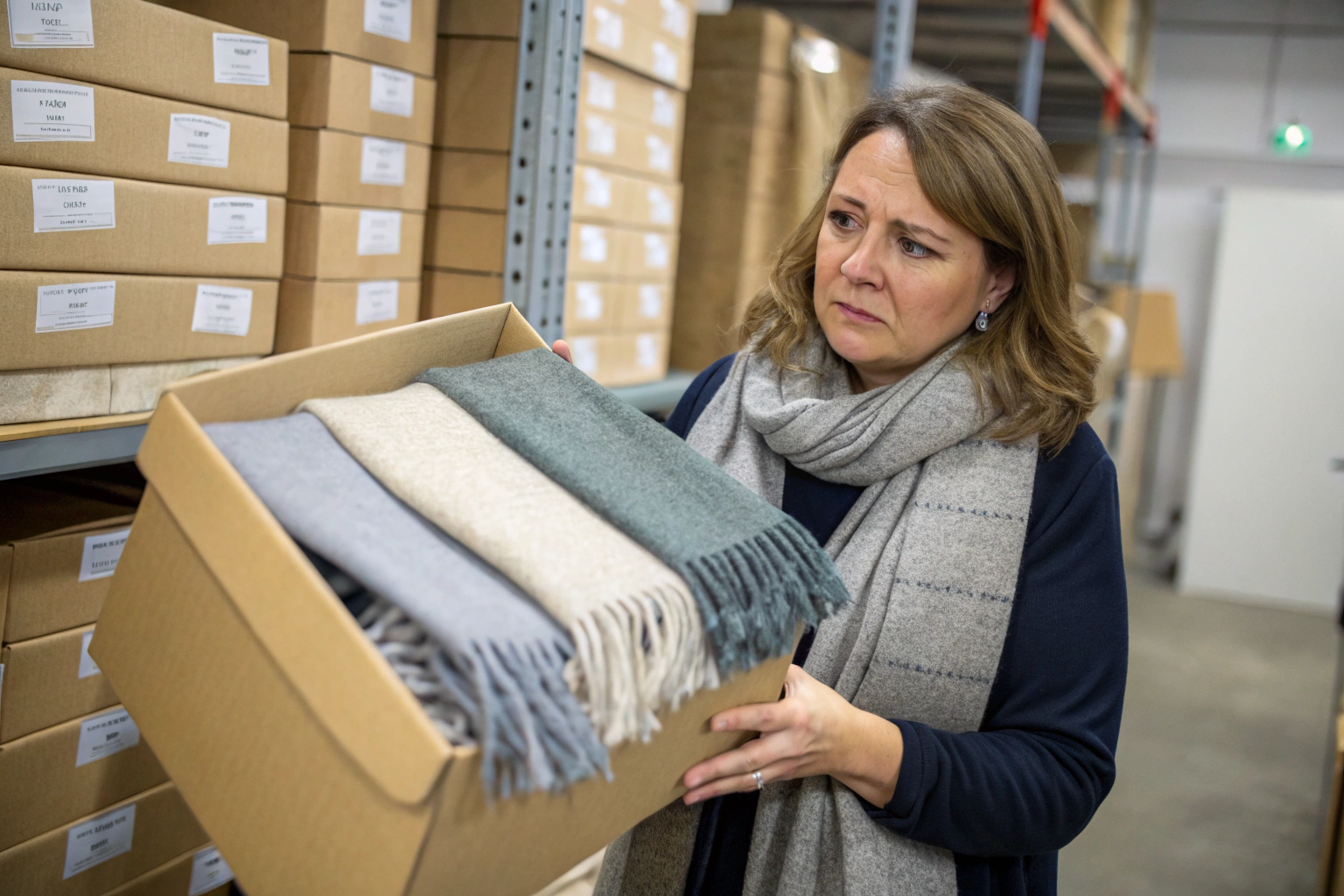
I remember a client from a major European department store. She came to me with a simple request. She wanted scarves that felt like a gentle hug. Her customers had sensitive skin. They returned scarves that felt scratchy. She was losing money. I took her to our material storage area. I let her touch different fabrics. I showed her our finishing processes. She chose a modal blend. The first order sold out quickly. She ordered five times more the next season. That is when I learned that softness is not just a feeling. It is a science.
Ensuring softness in scarves and shawls starts with fiber selection and continues through weaving, finishing, and quality control. Natural fibers like cashmere, merino wool, and modal offer inherent softness. Proper finishing techniques like enzyme washing, brushing, and silicone softening enhance the hand feel. The right combination of materials and processes creates scarves that feel luxurious against the skin. At AceAccessory, we have perfected these methods in our factory. This expertise is a core part of our service at Shanghai Fumao Clothing.
You might think all soft scarves are expensive. That is not true. We have made soft scarves for supermarket chains and luxury brands. The difference is in the details. In this article, I will share how we achieve that signature softness. If you want to understand how we manage quality across all our textile products, you can also read our guide on what makes a factory's quality control stand out.
What Fibers Deliver the Best Natural Softness?
A buyer from a Russian importer once asked me to find a soft scarf that was also warm. I showed her our cashmere blend samples. She touched them and smiled. She said it felt like butter. She placed a large order for the winter season. The scarves sold well. Her customers loved the softness.
The softest fibers come from natural sources and carefully processed cellulosic materials. Cashmere from goats offers unparalleled softness and warmth. Merino wool is fine and non-itchy. Modal and bamboo are plant-based fibers that feel smooth and silky. Blends combine the best qualities of different fibers. The choice of fiber determines the baseline softness of the finished product. I have worked with many fibers over the years. Each has its own character. Let me explain the ones we use most often for soft scarves and shawls.
Why Is Cashmere the Gold Standard for Softness?
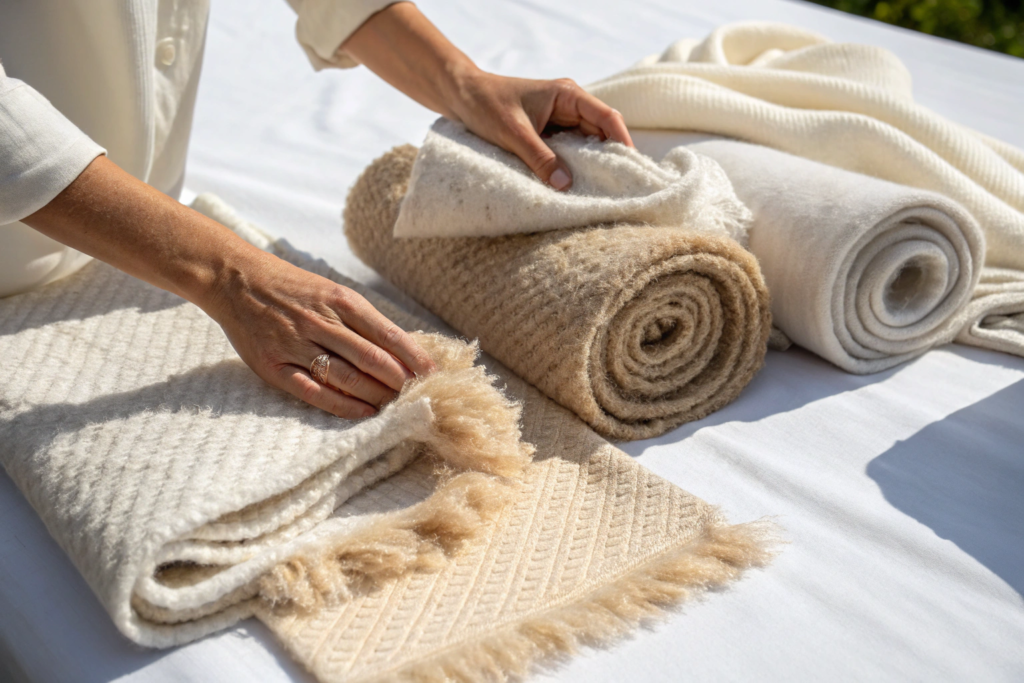
Cashmere comes from the undercoat of cashmere goats. The fibers are extremely fine. They are much finer than human hair. This fineness creates the softness. A good cashmere scarf feels like a cloud. It is warm but lightweight. It drapes beautifully. The downside is the cost. Pure cashmere is expensive. But we often use cashmere blends. A 10% to 30% cashmere blend with wool or cotton gives excellent softness at a lower price point. You can learn more about cashmere grading standards from industry organizations. We source our cashmere from certified suppliers who follow ethical practices.
How Does Merino Wool Compare to Traditional Wool?
Traditional wool can feel scratchy. The fibers are coarse. Merino wool is different. It comes from merino sheep. The fibers are much finer. They bend easily. They do not poke the skin. A merino wool scarf is warm but not itchy. It is perfect for customers with sensitive skin. It also regulates temperature well. It keeps you warm in cold weather and cool in warm weather. This makes it versatile for different seasons. For technical details on merino wool properties, you can check industry resources. We use merino wool in many of our shawls for European clients.
How Do Weaving and Construction Affect Softness?
I had a client who chose a beautiful soft yarn. But the scarf still felt stiff. The problem was the weaving. The fabric was woven too tight. It could not relax. We changed the weave to a looser structure. The scarf became soft and flowing. The client was happy. She learned that yarn is only half the story.
Weaving and construction determine how a fabric feels. Loose weaves like plain weave, twill, and satin allow the fabric to drape and move. Tight weaves can make even soft fibers feel stiff. Knitted construction creates natural stretch and softness. The structure of the fabric works with the fiber to create the final hand feel.
The way a scarf is made changes everything. I have seen the same yarn produce two completely different results. Let me explain the construction methods we use.
What Weave Structures Create the Softest Scarves?
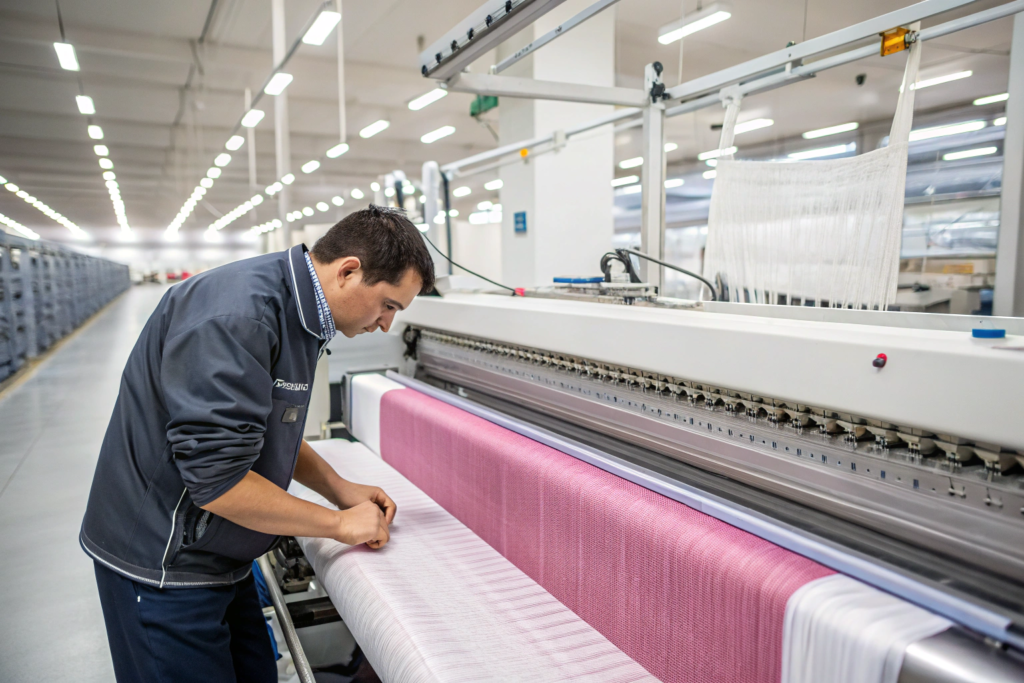
We use several weave structures for soft scarves. Plain weave is simple and balanced. It creates a smooth surface. Twill weave creates a diagonal pattern. It has a softer drape than plain weave. Satin weave is our favorite for softness. It has long floats of yarn on the surface. This creates a smooth, silky feel. It catches the light beautifully. The weave is looser. This allows the fabric to move. For knitted scarves, we use jersey stitch or rib stitch. These create natural stretch. They feel soft against the skin. You can learn about different weave structures from textile education resources. We choose the weave based on the fiber and the desired final feel.
How Does Yarn Twist Impact Softness?
Yarn twist is a detail many people miss. It is important. Low twist yarns are softer. The fibers are looser. They feel plush. High twist yarns are stronger. But they can feel harder. For soft scarves, we use low twist yarns. The downside is they can pill more easily. We balance this. We use enough twist to prevent excessive pilling. But we keep it low enough for softness. It is a skill. Our yarn suppliers work with us to get this balance right. Resources like the Spinning Book explain yarn construction in detail. We apply these principles to every scarf order.
What Finishing Processes Enhance Softness?
I remember visiting a finishing facility in Italy years ago. I saw how they treated cashmere scarves. They used special brushes to raise the surface fibers. The result was incredibly soft. I brought this technique back to our factory. Now we use similar finishing processes. Our clients notice the difference.
Finishing processes transform fabric from its raw state into a soft, luxurious product. Brushing raises surface fibers for a fuzzy, soft feel. Enzyme washing breaks down rough fiber ends. Silicone softening adds a smooth coating. These processes can make even basic fibers feel premium. The right finishing sequence is essential for achieving the desired softness.
Finishing is where the magic happens. Raw fabric can feel rough. After the right treatments, it becomes soft and inviting. Let me explain the key finishing steps we use.
What Is Brushing and Why Does It Matter?
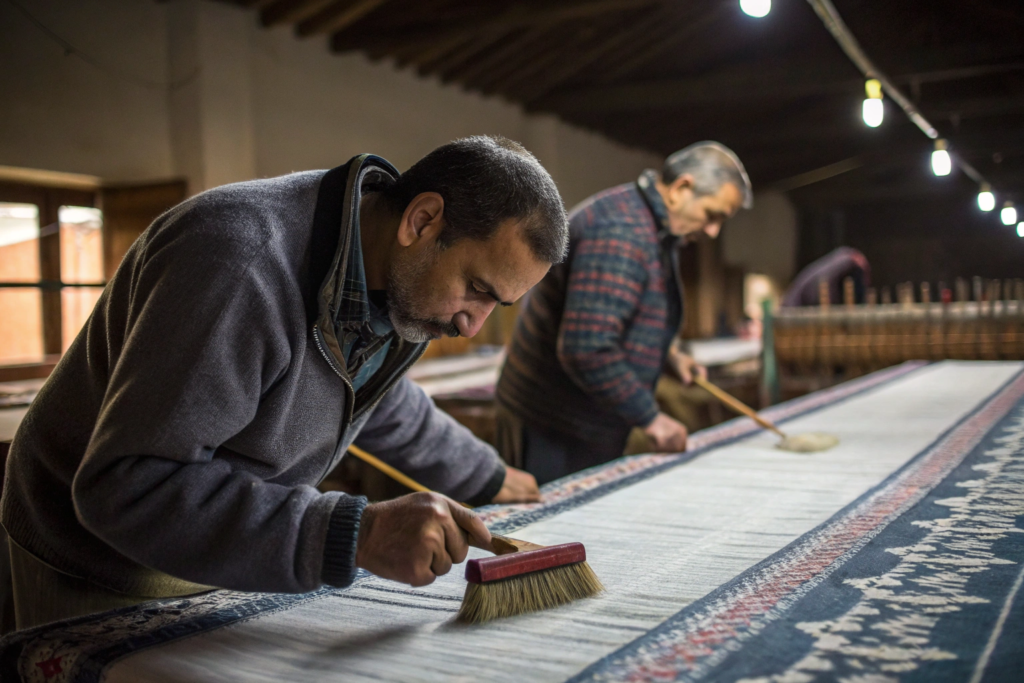
Brushing is a mechanical process. The fabric passes through rotating brushes. The brushes lift the fibers on the surface. This creates a soft, fuzzy texture. It is like creating a soft halo around the fabric. Brushed scarves feel warm and cozy. They are perfect for winter shawls. We control the brushing intensity. Light brushing gives a subtle softness. Heavy brushing creates a plush, fleece-like feel. The process is used on cashmere, wool, and cotton scarves. You can see examples of brushed fabric techniques in textile resources. We use this process on many of our products for European and US clients.
How Do Enzyme Washing and Silicone Treatment Work?
Enzyme washing uses natural enzymes to break down rough fiber ends. It is a chemical process. But it is gentle. It makes the fabric smoother. It also reduces pilling. This is especially good for cotton and modal scarves. Silicone treatment adds a thin coating to the fibers. It makes them slide against each other easily. The result is a silky, smooth feel. We use both processes together for the best results. The silicone treatment is durable. It lasts through multiple washes. For technical specifications, AATCC provides industry standards for textile finishing. We follow these standards to ensure consistent quality.
How Does Quality Control Ensure Consistent Softness?
A client from a large American online store once received a complaint. One batch of scarves felt different from the previous batch. The softness was not consistent. She asked us to investigate. We traced it to a batch of yarn from a new supplier. We replaced the yarn. We added extra testing steps. Now we test every batch for softness. Consistency is key.
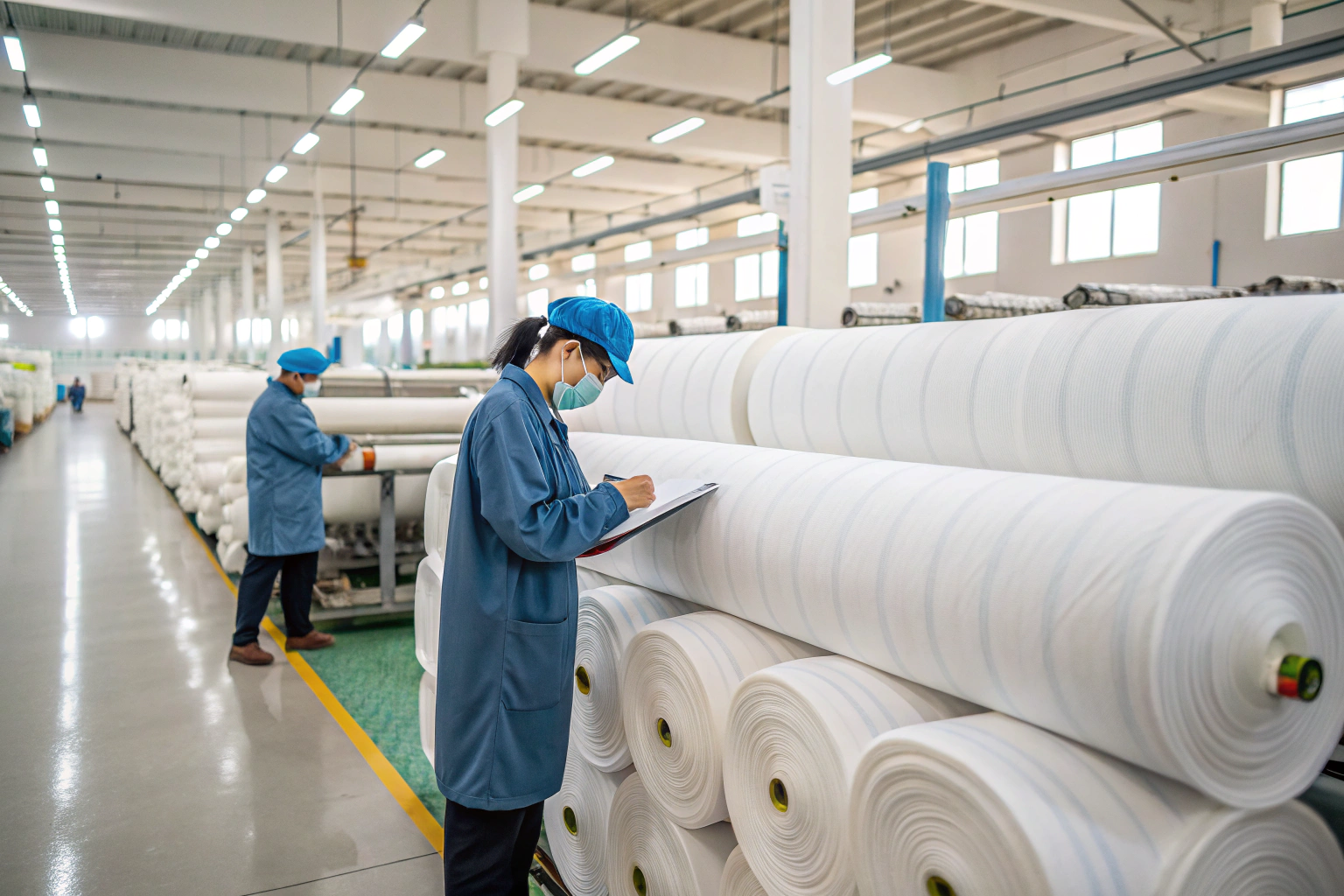
Quality control ensures that every scarf meets the same softness standards. We test raw materials before production. We monitor finishing processes during production. We check finished products before shipping. This three-stage approach catches variations early. It ensures your customers get the same soft experience every time.
Consistency matters. Your customers expect the same softness with every order. Here is how we maintain that consistency.
How Do You Test Softness in the Factory?
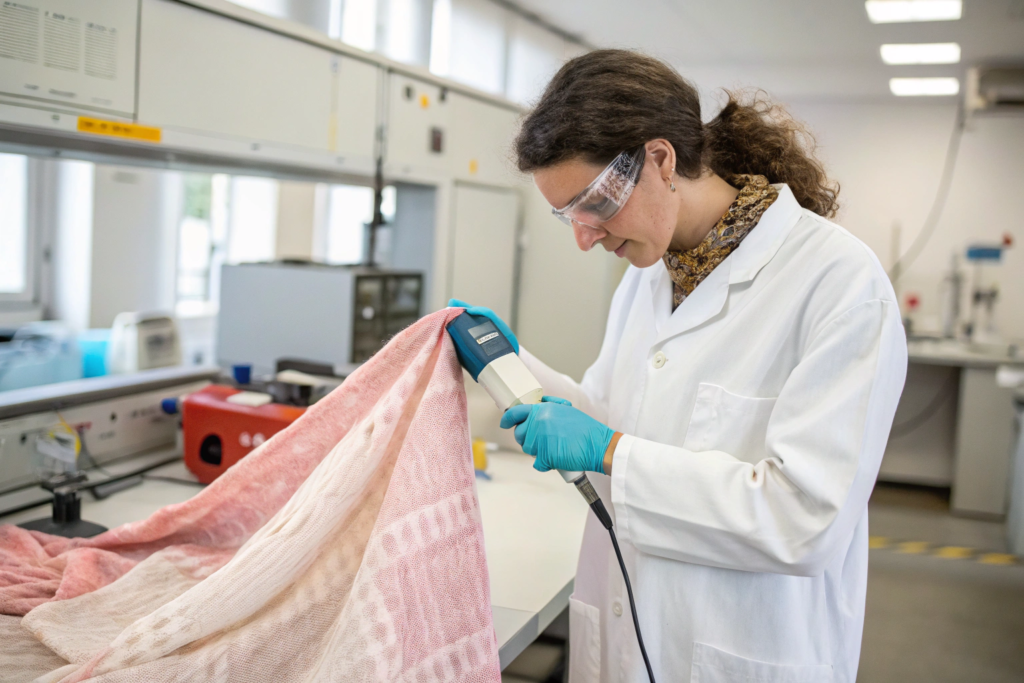
We use both human and machine testing. Human testing is simple. We have trained staff who feel every batch. They know what softness should feel like. They can spot variations quickly. We also use instrument testing. We have a fabric touch tester. It measures softness objectively. It gives us numbers we can track. This combination of human and machine testing is effective. You can learn about textile testing standards from testing companies. We use these methods for every scarf order at Shanghai Fumao Clothing.
What Quality Checks Happen During Production?
We do not just check at the end. We check throughout. We test the incoming yarn. We check the fabric after weaving. We monitor the finishing process. We take samples during each step. If something is off, we catch it early. This prevents large batches of inconsistent product. It also saves time and money. Our quality control team is trained to spot issues. They know what to look for. They have checklists for every stage. This systematic approach is why our clients trust us. Resources from ASQ explain quality management principles. We apply these principles daily.
Conclusion
Ensuring softness in scarves and shawls is a journey. It starts with the right fiber. It continues with the right weave and construction. It is perfected with finishing processes. And it is protected by quality control. We have been on this journey for years. Our factory in Zhejiang has the equipment and expertise to deliver consistent softness.
The benefits for your brand are clear. Soft scarves sell. Customers return for more. They tell their friends. They leave good reviews. Softness builds loyalty. It turns a simple accessory into a favorite item.
We have worked with major department stores, fashion brands, and online retailers. We have made soft scarves for all of them. Our design team knows how to select fibers. Our production team knows how to weave and finish. Our quality control team ensures consistency.
If you are ready to create soft scarves and shawls for your customers, we are here to help. We can guide you through fiber selection, weave choices, and finishing options. We can show you samples. We can discuss your specific needs.
I invite you to reach out to our Business Director, Elaine. She can answer your questions and start the conversation. Contact her at elaine@fumaoclothing.com. Let us create scarves that your customers will love to wear.