I have been in the fashion accessory business for over twenty years, and I know that summer is one of the most exciting and challenging seasons. Consumers are out, traveling, attending events, and looking for accessories that are stylish, functional, and often affordable. For a buyer like Ron, who supplies to major retailers and online stores, planning the summer assortment is about balancing trends with practical considerations like sun protection, breathability, and durability. Getting it right means capturing the energy of the season while managing inventory risk.
To plan your accessory assortment for Summer 2026, you need to consider the key trends: sustainable materials like cork and recycled polyester, vibrant colors including coral pink and butter yellow, and functional styles like wide-brim sun hats, lightweight headbands, and beaded hair clips. You also need to balance categories: headwear, hair accessories, bags, and jewelry. Start with a clear color palette, choose a mix of trend-driven and core items, and plan your inventory to align with the summer selling window.
At Shanghai Fumao Clothing, we have been helping clients plan their summer assortments for years. We know the materials, the styles, and the timing that make summer accessories successful. I want to share what we have learned so you can build a collection that captures the spirit of Summer 2026 and sells through.
What Are The Key Summer 2026 Accessory Trends?
Summer 2026 is shaping up to be a season of optimism and connection to nature. The trends reflect a desire for products that are both beautiful and meaningful. Understanding the key trends helps you select the right products for your assortment.
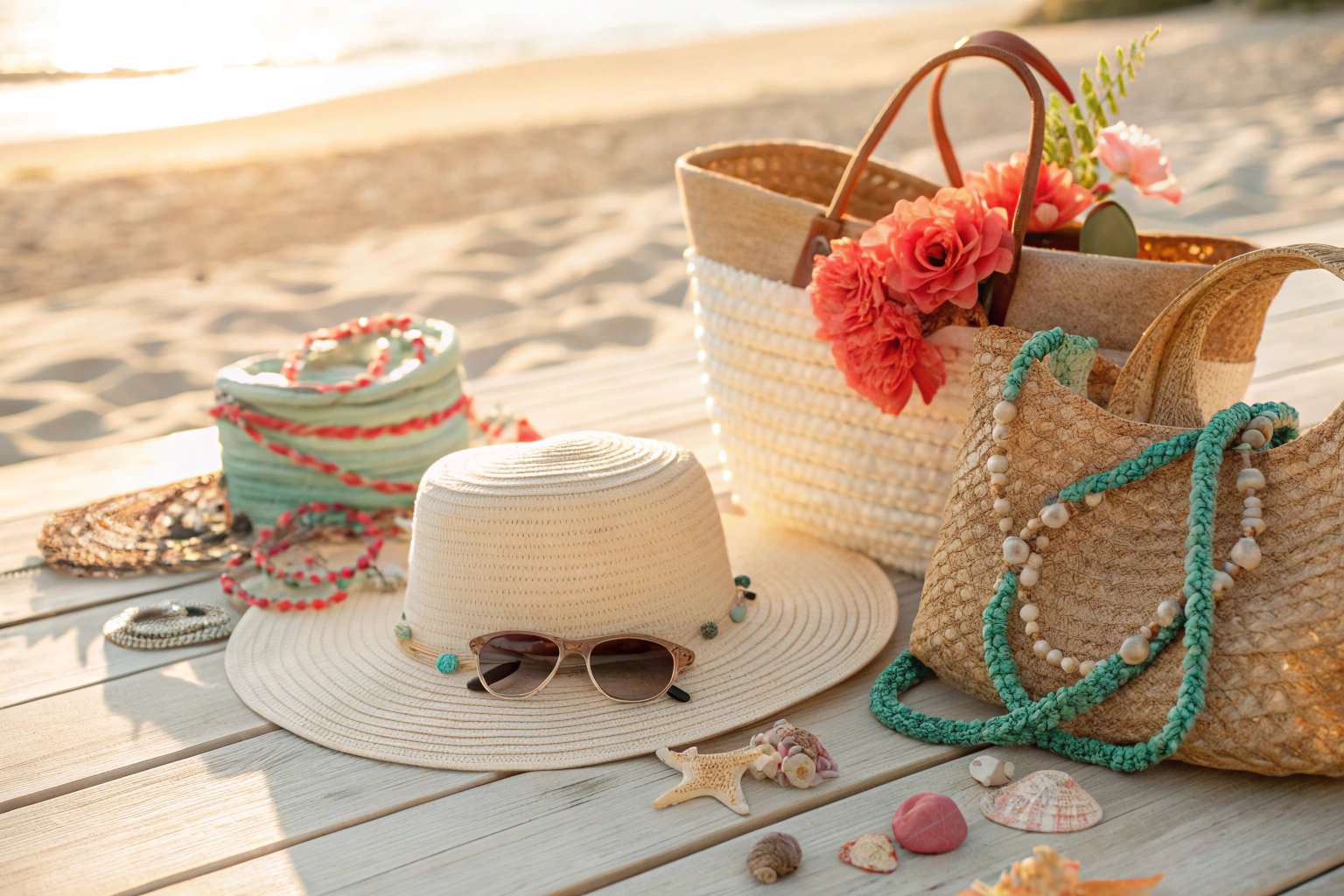
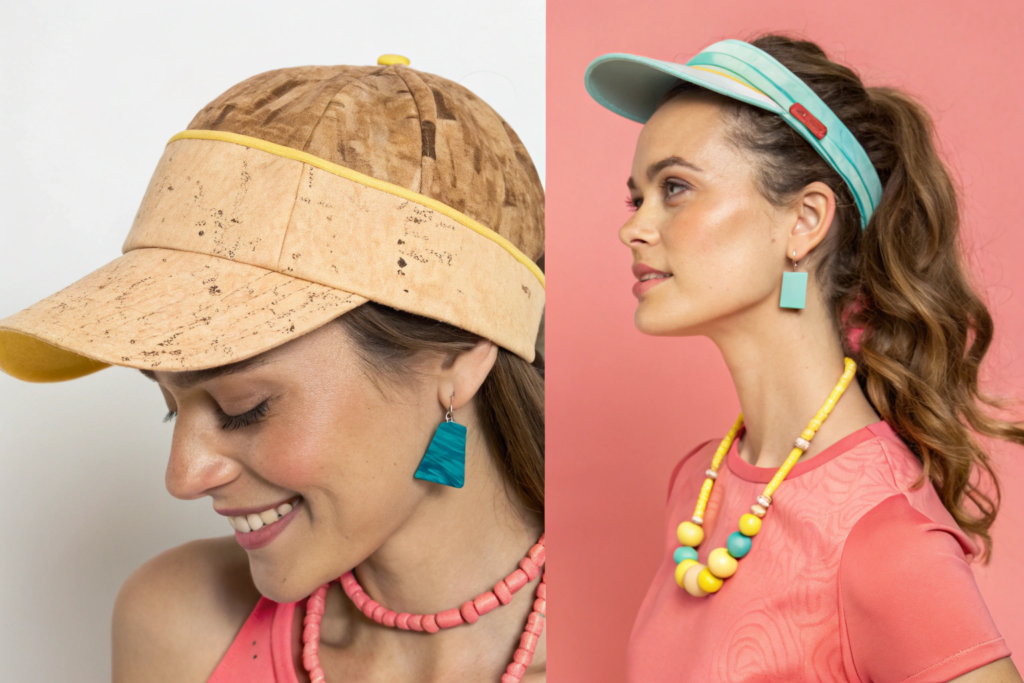
The first major trend is sustainable materials. Cork hats and visors are having a moment. They are lightweight, naturally water-resistant, and made from one of the most renewable materials on earth. Recycled polyester (rPET) is appearing in everything from baseball caps to headbands. Consumers want products that look good and do good. The second trend is vibrant, optimistic colors. Coral pink is emerging as the color of the season. It is energetic, flattering, and works across product categories. Butter yellow adds a soft, cheerful accent. Turquoise and bright coral beads are appearing in hair clips and jewelry.
The third trend is functional sun protection. Wide-brim sun hats are essential. Consumers are increasingly aware of sun damage and seek hats with UPF protection. Visors remain popular for golfing and outdoor activities. The fourth trend is textural variety. Woven straw, raffia, and natural fibers add organic texture to hats and bags. Beaded hair clips and embellished headbands add a touch of whimsy. The fifth trend is versatility. Accessories that can transition from beach to dinner are highly valued. A wide-brim hat works for both. A beaded clip dresses up a simple ponytail.
Why are cork and recycled polyester leading sustainable summer accessories?
Cork and recycled polyester are leading sustainable summer accessories for different reasons, but both tell compelling stories. Cork is harvested from the bark of cork oak trees without cutting them down. It is renewable, biodegradable, and naturally water-resistant. For summer accessories, cork hats and visors are lightweight and breathable. They offer a natural, earthy aesthetic that appeals to consumers seeking connection to nature. Cork is also naturally antimicrobial and resists mold and mildew, which is important for summer products that may get sweaty. Recycled polyester (rPET) is made from post-consumer plastic bottles. For summer accessories, rPET is used for baseball caps, headbands, and bag fabrics. It offers the same performance as virgin polyester—durability, quick-drying, and colorfastness—with a fraction of the environmental footprint. The ability to dye rPET in vibrant colors makes it perfect for the bright, optimistic summer palette. For your green brand, cork and rPET offer tangible sustainability stories that resonate with consumers. At Shanghai Fumao Clothing, we source certified cork and GRS-certified rPET to ensure authenticity.
What are the must-have colors for summer 2026 accessories?
The must-have colors for summer 2026 reflect optimism, energy, and a connection to nature. Coral pink is the standout color. It is warm, flattering, and works across product categories from hats to hair clips to bags. It pairs beautifully with neutrals like cream and tan, which are also popular. Butter yellow is another key color. It is soft but cheerful, adding a touch of sunshine to any accessory. It works particularly well for headbands, scrunchies, and hats. Turquoise and bright coral are popular for beaded and embellished accessories. They add pops of color that evoke the ocean and tropical destinations. For a more sophisticated palette, natural and neutral tones remain strong. Cream, tan, and natural straw are timeless and versatile. They appeal to consumers who prefer understated elegance. For a modern, sporty look, consider bright white and navy. White caps and visors are crisp and clean. Navy adds a classic touch. When planning your assortment, consider a palette of 4 to 6 colors. Include a hero color like coral pink, supporting colors like butter yellow and turquoise, and neutrals like cream and tan. This creates cohesion across your collection while offering variety.
How Do I Balance Headwear, Hair Accessories, And Bags?
A well-planned summer assortment includes a mix of product categories. Each category serves a different customer need and contributes to the overall collection. Balancing them requires understanding your target customer, your sales channels, and your inventory goals.
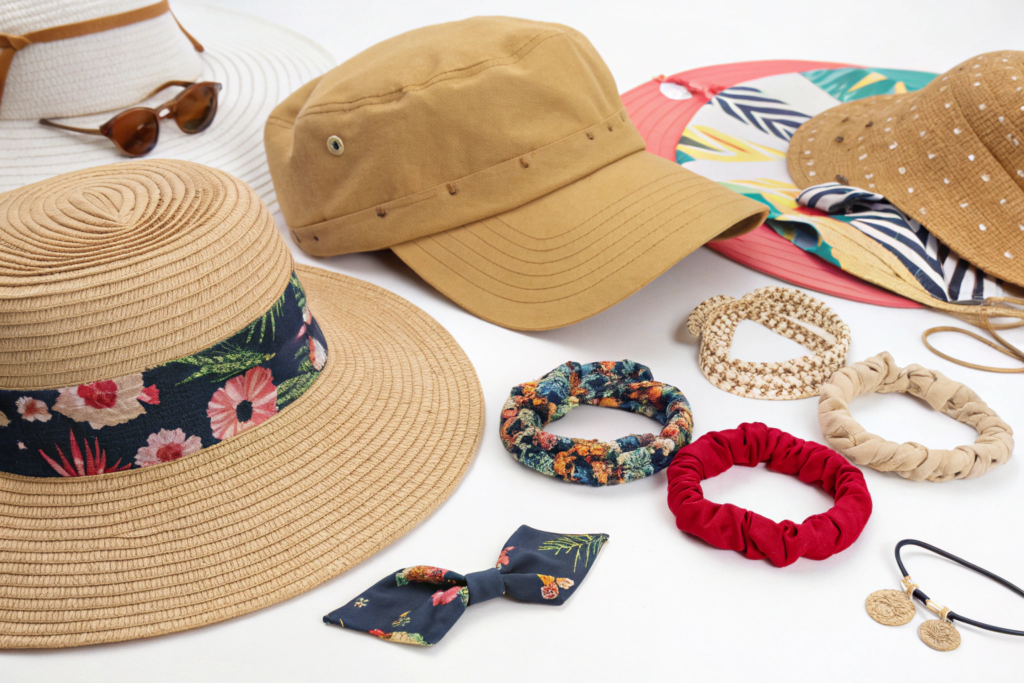
Headwear is often the anchor of a summer accessory collection. Hats and visors are high-visibility items that customers wear for sun protection and style. They are often the first thing a customer notices. For Summer 2026, consider wide-brim sun hats, bucket hats, visors, and baseball caps. Offer a range of materials: straw, cork, organic cotton, and recycled polyester. Include a mix of price points. A premium cork hat and an affordable cotton cap appeal to different customers. Hair accessories are the impulse purchase category. They are lower-priced and often bought on a whim. For summer, consider beaded hair clips, fabric scrunchies, patterned headbands, and hair wraps. These items should reflect the season’s colors and trends. They are an opportunity to capture trend-driven customers.
Bags are the higher-priced category. Summer bags include straw totes, canvas beach bags, and crossbody bags. They are often the largest purchase in the accessory department. For Summer 2026, consider sustainable materials like cork, recycled polyester, and organic cotton. Include both functional styles (beach bags, tote bags) and fashion-forward styles (bucket bags, clutch bags). A balanced assortment might be 40% headwear, 40% hair accessories, and 20% bags by number of SKUs. By revenue, bags may be a larger percentage because of their higher price point.
How many SKUs should I include in each category?
The number of SKUs (Stock Keeping Units) in each category depends on your sales volume, your target customer, and your inventory capacity. A good starting point is to think in terms of depth versus breadth. Do you want a wide range of styles with shallow quantities, or a focused selection with deeper quantities? For a small boutique, a focused selection of 10 to 15 SKUs total may be appropriate. For a larger retailer, 30 to 50 SKUs across categories may be needed. A balanced approach might be: headwear: 8 to 12 SKUs, including 2 wide-brim hats, 2 bucket hats, 2 visors, 2 baseball caps, and 2 straw hats. Hair accessories: 12 to 20 SKUs, including 4 beaded clips, 4 scrunchies, 4 headbands, and 4 hair wraps. Bags: 4 to 8 SKUs, including 2 straw totes, 2 canvas beach bags, and 2 crossbody bags. Within each category, offer a mix of colors and price points. For headwear, include both premium and value options. For hair accessories, include both trend-driven and core styles. This gives customers choice while managing inventory complexity. At Shanghai Fumao Clothing, we help clients plan their SKU mix based on their sales channels and target market.
What is the ideal price point mix for summer accessories?
The ideal price point mix balances accessibility with profitability. A common approach is the "good, better, best" model. Good: value-oriented items that attract price-sensitive customers. These might be cotton baseball caps, basic scrunchies, and simple canvas bags. They should be priced to sell quickly. Better: mid-priced items that offer better quality or trend appeal. These might be recycled polyester visors, beaded hair clips, and straw totes. Best: premium items that command higher margins. These might be cork sun hats, silk scrunchies, and leather or premium cork bags. The mix depends on your brand positioning. A mass-market retailer might be 50% good, 30% better, 20% best. A premium boutique might be 20% good, 30% better, 50% best. For summer accessories, the good and better categories often drive volume, while the best category drives profit. For headwear, a good cap might be $10, a better cap $25, and a best cap $45. For hair accessories, good clips might be $5, better clips $12, and best clips $25. For bags, good totes might be $20, better totes $45, and best totes $80. This tiered approach captures customers at different price sensitivities.
How Do I Plan Inventory For The Summer Selling Window?
Summer accessories have a defined selling window. For most markets, the season starts in April or May and peaks in June and July. By August, summer items are often marked down to clear space for fall. Planning inventory for this window requires careful timing to avoid stockouts during the peak and excess inventory at the end of the season.
The first step is to determine your required in-stock date. For most retailers, this is April 1. For beach destinations, it may be earlier. Work backwards from this date. Production lead times for summer accessories typically range from 4 to 12 weeks. Ocean freight from China adds 3 to 5 weeks. Customs clearance adds 1 to 2 weeks. This means you need to place orders in December or January for an April in-stock date. For reorders, you may need air freight to meet peak season demand.
The second step is to forecast demand. Use historical sales data, trend analysis, and retailer input. Consider the weather. A hotter-than-average summer can drive higher sales of sun hats and visors. A cooler summer may depress sales. Build flexibility into your orders. Place an initial order for 60-70% of your forecast. Reserve capacity for reorders based on early sell-through. This limits your downside risk while allowing you to capture upside.

When should I place orders for summer accessories?
Timing is critical for summer accessories. Place initial orders 4 to 6 months before your required in-stock date. For a required in-stock date of April 1, place orders in October through December. This allows time for material sourcing, sampling, production, and ocean freight. For reorders, you need a faster timeline. If you see strong sell-through in April, you may need to place a reorder in May for delivery in June. This typically requires air freight, which adds cost but allows you to capture peak season demand. Work with your factory to establish reorder capability. Ask them to reserve production capacity and hold materials for your reorders. Some factories offer quick-ship programs for popular styles with lead times as short as 2 to 3 weeks. At Shanghai Fumao Clothing, we work with clients to establish order timelines and offer expedited options for reorders.
How do I manage markdowns and end-of-season inventory?
Managing markdowns is essential to avoid being stuck with excess inventory after the summer season. Start with a clear markdown strategy. Plan to reduce prices in late July or August to clear space for fall. Consider tiered markdowns: 20% off in late July, 40% off in August, 60% off in September. This encourages customers to buy at each stage. For items that did not sell well, consider bundling. Create gift sets or value packs with slower-moving items. For online sales, use email marketing to promote end-of-season sales. Consider donating unsold inventory to charity. This provides a tax benefit and keeps products out of landfills. For future seasons, use your sales data to refine your assortment. Which styles sold best? Which colors? Which price points? Use this data to plan a more accurate forecast for the next summer. At Shanghai Fumao Clothing, we help clients analyze sell-through data to improve future planning.
How Do I Create A Cohesive Summer Collection?
A cohesive collection tells a story. It has a clear color palette, a consistent aesthetic, and products that work together. Customers who buy one item should be drawn to others. Creating cohesion helps increase average order value and builds brand recognition.
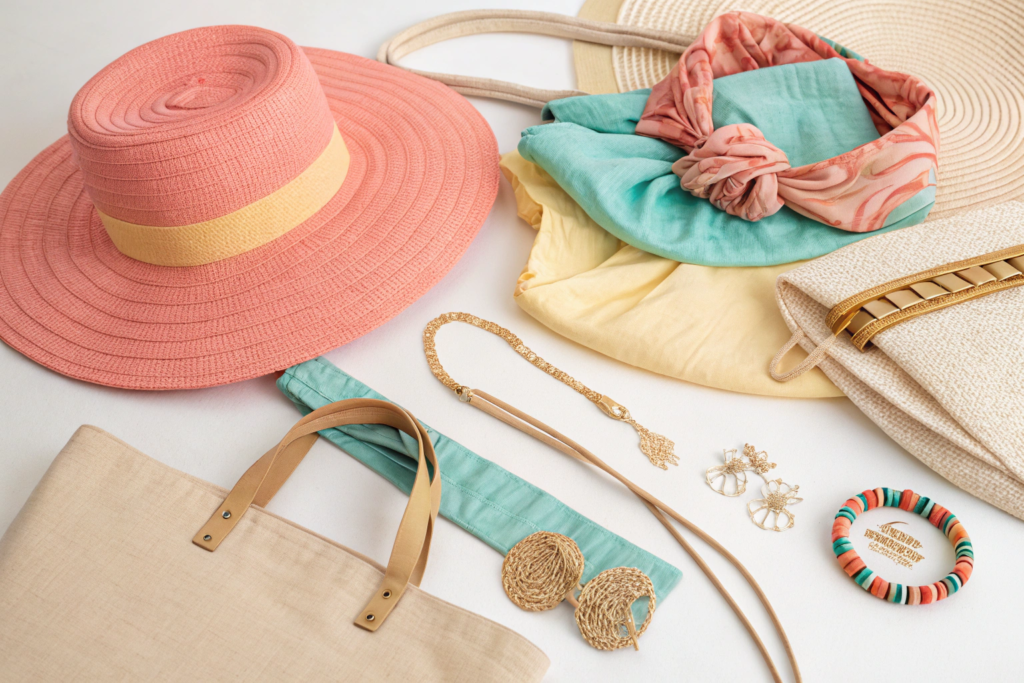
Start with a color palette. Choose 4 to 6 colors that will anchor your collection. For Summer 2026, consider coral pink, butter yellow, turquoise, cream, and tan. Use these colors across product categories. A coral pink headband coordinates with a coral pink hair clip. A cream hat complements a tan tote bag. This visual consistency makes your collection feel intentional. Next, choose a material story. Are you focusing on sustainable materials? Natural textures? Bright colors? For Summer 2026, a sustainable story might feature cork hats, recycled polyester headbands, and organic cotton bags. A natural texture story might feature straw hats, raffia bags, and wooden hair pins.
Consider how products work together. A wide-brim hat, a beaded hair clip, and a straw tote bag create a complete summer look. Merchandise these items together in displays or on your website. Create lookbook images showing how the pieces coordinate. This inspires customers to buy multiple items. Finally, consider your brand identity. Does your collection reflect your brand’s aesthetic? If your brand is minimalist, choose clean lines and neutral colors. If your brand is bohemian, choose natural textures and earthy tones. If your brand is vibrant and youthful, choose bright colors and playful designs. Consistency across seasons builds brand recognition.
How do I use a color palette to unify my assortment?
A color palette is the most powerful tool for unifying your assortment. It creates visual consistency across product categories and makes your collection feel intentional. Start by selecting a hero color. For Summer 2026, coral pink is a strong choice. This color should appear across multiple categories. A coral pink headband, a coral pink hair clip, and a coral pink bag accent create a cohesive look. Next, select supporting colors. Butter yellow, turquoise, cream, and tan work well with coral pink. Use these colors across categories as well. A cream hat, a tan bag, and a turquoise clip complement the coral pieces. Use the 80/20 rule: 80% of your assortment in your palette, 20% in complementary colors. This creates variety without losing cohesion. For patterns, use your palette colors. A floral print that includes coral pink and butter yellow ties back to your solid pieces. When displaying your collection, group items by color. A display of coral pink items catches the eye. A display of cream and tan items appeals to customers seeking neutrals. At Shanghai Fumao Clothing, we help clients develop color palettes that reflect the season’s trends while aligning with their brand identity.
How do I merchandise my summer collection for maximum impact?
Merchandising is how you present your collection to customers. Good merchandising drives sales and tells your brand story. For physical retail, start with a focal point. A mannequin wearing a wide-brim hat and a coral headband draws attention. Use signage to highlight key trends. "Sustainable cork hats" or "Summer’s must-have coral" catch the eye. Group products by category, but also by color. A display of coral pink items across categories encourages customers to buy multiple pieces. Use height to create visual interest. Display hats on stands at different heights. Use bins for smaller items like hair clips and scrunchies. For e-commerce, start with a dedicated landing page for your summer collection. Use lifestyle images showing models wearing the products in summer settings. Group products by category and by color. Use cross-selling. On a hat page, show matching hair clips or coordinating bags. Use product bundles. Offer a "Summer Set" with a hat, hair clip, and bag at a bundled price. Use email marketing to announce your summer collection. Use social media to show how to style the products. Create lookbook images and videos. The goal is to inspire customers and make it easy for them to build a summer look with your products.
Conclusion
Planning your accessory assortment for Summer 2026 is about balancing trends with practical considerations. Key trends include sustainable materials like cork and recycled polyester, vibrant colors like coral pink and butter yellow, and functional styles like wide-brim sun hats and beaded hair clips. A balanced assortment includes headwear, hair accessories, and bags in a mix of price points. Inventory planning requires timing orders 4 to 6 months in advance and building flexibility for reorders. A cohesive collection uses a consistent color palette and tells a clear story.
At Shanghai Fumao Clothing, we have the expertise and materials to help you build a successful summer collection. We source sustainable materials like cork and recycled polyester. We offer a range of styles from wide-brim hats to beaded hair clips. We understand the timing and inventory planning that summer requires. Whether you need a small capsule collection or a full assortment, we can help.
If you are ready to plan your Summer 2026 accessory collection, let’s talk. Please contact our Business Director, Elaine, directly at elaine@fumaoclothing.com to discuss your project and how we can help you capture the spirit of the season.