
I have been in the fashion accessory manufacturing business for over twenty years, and I have watched sustainability transform from a niche concern to a mainstream expectation. For a buyer like Ron, who supplies to environmentally conscious retailers and consumers, sourcing eco-friendly hair accessories is not just a nice-to-have. It is essential. Your customers want products that look good and do good. They want to know where materials come from, how products are made, and what happens at the end of their life. Sourcing for a green brand requires a different mindset than conventional sourcing. It means thinking about materials, certifications, packaging, and supply chain transparency.
To source eco-friendly hair accessories for your green brand, you need a manufacturer who understands sustainable materials: organic cotton, bamboo, recycled polyester, corn-based bioplastics, and natural wood. You need certifications like GOTS for organic textiles, GRS for recycled materials, and FSC for wood products. Beyond materials, you need sustainable packaging, ethical manufacturing practices, and a commitment to transparency. Your sourcing partner should be able to tell the story behind each product.
At Shanghai Fumao Clothing, we have been developing sustainable hair accessories for several years. We have invested in organic and recycled materials, built relationships with certified suppliers, and refined our production processes to minimize environmental impact. We understand that for a green brand, the product is only part of the story. The sourcing story matters too. I want to share what we have learned so you can build a truly sustainable accessory collection.
What Materials Are Considered Eco-Friendly For Hair Accessories?
The foundation of any sustainable accessory collection is the materials. Eco-friendly materials are those that have a lower environmental impact than conventional alternatives. They may be renewable, recycled, biodegradable, or produced with fewer chemicals and less water. Understanding the options helps you select materials that align with your brand values.
Organic cotton is one of the most popular sustainable materials. Grown without synthetic pesticides or fertilizers, organic cotton uses significantly less water than conventional cotton and supports healthier soil. For hair accessories, organic cotton is used for scrunchies, headbands, and fabric wraps. It is soft, breathable, and available in many colors. Bamboo is another renewable material. Bamboo grows rapidly without pesticides and regenerates from its roots after harvesting. Bamboo fibers are naturally antimicrobial and moisture-wicking. For hair accessories, bamboo is used for hair brushes, combs, and as a fiber for scrunchies and headbands.
Recycled polyester (rPET) is made from post-consumer plastic bottles. It uses less energy and water than virgin polyester and keeps plastic out of landfills and oceans. For hair accessories, rPET is used for headbands, scrunchies, and elastic components. Bioplastics, such as those made from corn or sugarcane, are emerging as alternatives to conventional plastic. For hair clips and claw clips, corn-based bioplastic offers a renewable, compostable option. Natural wood is another sustainable choice. Sustainably harvested wood, certified by the Forest Stewardship Council (FSC), is used for hair pins, combs, and brush handles. Silk is a natural fiber that is biodegradable. Peace silk or ahimsa silk, produced without killing the silkworm, is an ethical option for luxury hair accessories.

What is the difference between organic cotton and conventional cotton?
The difference between organic cotton and conventional cotton goes far beyond the label. Conventional cotton farming uses about 16% of the world’s insecticides and 7% of pesticides, despite growing on only 2.5% of agricultural land. These chemicals can contaminate water sources, harm wildlife, and pose health risks to farmers and their families. Conventional cotton also requires significant amounts of water. Organic cotton eliminates these chemicals. It is grown using natural methods that build healthy soil, conserve water, and protect biodiversity. For hair accessories, organic cotton offers the same softness and breathability as conventional cotton. The feel is slightly different; organic cotton often has a more natural, slightly less processed texture that many consumers prefer. The cost is typically 20% to 30% higher, but the price premium is justified by the environmental benefits. For your green brand, organic cotton is a powerful differentiator. It tells your customers that you care about the entire supply chain, not just the final product. Certifications like GOTS (Global Organic Textile Standard) provide third-party verification that the entire supply chain meets organic standards. At Shanghai Fumao Clothing, we source GOTS-certified organic cotton for our sustainable hair accessories.
How are bioplastics used in hair clips and how do they compare to conventional plastic?
Bioplastics are an exciting development for sustainable hair accessories. They are made from renewable biomass sources like corn starch, sugarcane, or potato starch. For hair clips and claw clips, bioplastics offer a renewable alternative to conventional petroleum-based plastics. The manufacturing process is similar to conventional plastic molding, but the raw material is renewable. The most common bioplastic for hair accessories is PLA (polylactic acid), derived from corn. PLA is compostable in industrial composting facilities, meaning it can break down into natural components at the end of its life. This is a significant advantage over conventional plastic, which persists in landfills for centuries. However, there are important considerations. Bioplastics are not necessarily biodegradable in home composting or in the environment. They require specific conditions (heat, moisture, and microorganisms) to break down. Some bioplastics also require significant land and water resources to produce. For your green brand, bioplastics offer a way to reduce reliance on fossil fuels and offer a compostable end-of-life option. Look for bioplastics certified by BPI (Biodegradable Products Institute) or TÜV Austria. At Shanghai Fumao Clothing, we offer hair clips made from corn-based PLA and can provide certification documentation.
What Certifications Should I Look For In Sustainable Accessories?
Certifications provide third-party verification that your products meet sustainability standards. For a green brand, certifications are essential for credibility. They give your customers confidence that your claims are real. Understanding the key certifications helps you evaluate suppliers and communicate your sustainability story.
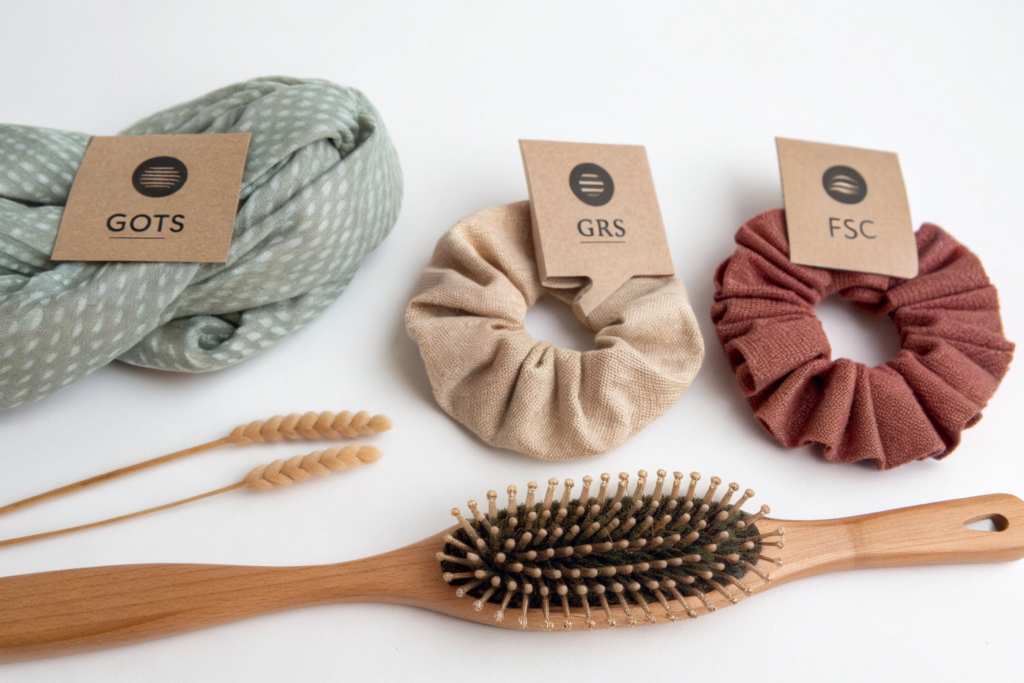
GOTS (Global Organic Textile Standard) is the leading certification for organic textiles. It covers the entire supply chain, from harvesting the raw materials to manufacturing, packaging, and labeling. For hair accessories made from organic cotton, GOTS certification ensures that the cotton is organic and that the processing meets environmental and social standards. GRS (Global Recycled Standard) is the key certification for recycled materials. It certifies the recycled content and tracks it through the supply chain. For rPET hair accessories, GRS certification provides assurance that the material is genuinely recycled. FSC (Forest Stewardship Council) certifies that wood products come from responsibly managed forests. For wooden hair pins and brush handles, FSC certification ensures that the wood is harvested sustainably.
Oeko-Tex Standard 100 certifies that textiles are free from harmful substances. It is not a sustainability certification per se, but it provides assurance that the product is safe for the wearer. For hair accessories that contact the skin, Oeko-Tex is important. BPI (Biodegradable Products Institute) certification verifies that a product will biodegrade in industrial composting facilities. For bioplastic hair clips, BPI certification provides confidence in compostability claims. For social compliance, look for BSCI (Business Social Compliance Initiative) or Sedex certification. These indicate that the factory meets standards for working conditions, fair wages, and child labor prevention.
What is GOTS and why does it matter for hair accessories?
GOTS, or the Global Organic Textile Standard, is the most rigorous certification for organic textiles. It covers the entire supply chain, from the farm to the finished product. For a hair accessory to be GOTS-certified, every component must meet strict criteria. The fibers must be at least 95% certified organic. The processing must meet environmental standards for water treatment, energy use, and chemical management. Social criteria include safe working conditions and living wages. For you as a brand, GOTS certification provides powerful marketing credibility. When you sell a GOTS-certified hair accessory, you can make claims with confidence. Major retailers increasingly require GOTS certification for organic claims. For hair accessories, GOTS certification can apply to fabric components like scrunchies, headbands, and fabric-wrapped clips. The certification logo on your packaging signals to customers that you have gone beyond marketing claims to third-party verification. The Global Organic Textile Standard website provides a searchable database of certified suppliers. At Shanghai Fumao Clothing, we are GOTS-certified for our organic cotton products and can provide certification documentation for your products.
How do I verify that recycled materials are genuinely recycled?
Verifying that recycled materials are genuinely recycled requires documentation and third-party certification. The most trusted standard is GRS (Global Recycled Standard). GRS certifies both the recycled content and the supply chain. It requires that products contain at least 20% recycled content for certification, though many brands aim for 50% or 100%. The standard tracks the material from the waste source to the final product, ensuring that claims are accurate. It also includes environmental and social criteria for processing. When a supplier claims a material is made from recycled plastic bottles or recycled fishing nets, ask for the GRS certificate. You can also ask for the transaction certificate (TC) that tracks the specific batch of material used in your product. For rPET hair accessories, the certificate should specify the percentage of recycled content. Some suppliers use the term "recycled" loosely. Without certification, you cannot be sure. For your green brand, using certified recycled materials is essential for credibility. The Textile Exchange provides detailed information on GRS requirements and a list of certified facilities.
How Do I Source Sustainable Packaging For Hair Accessories?
For a green brand, sustainable packaging is as important as the product itself. Your customers will notice if your eco-friendly hair clip arrives in a plastic polybag. Packaging is part of your sustainability story. Sourcing sustainable packaging requires understanding the options and their environmental impacts.
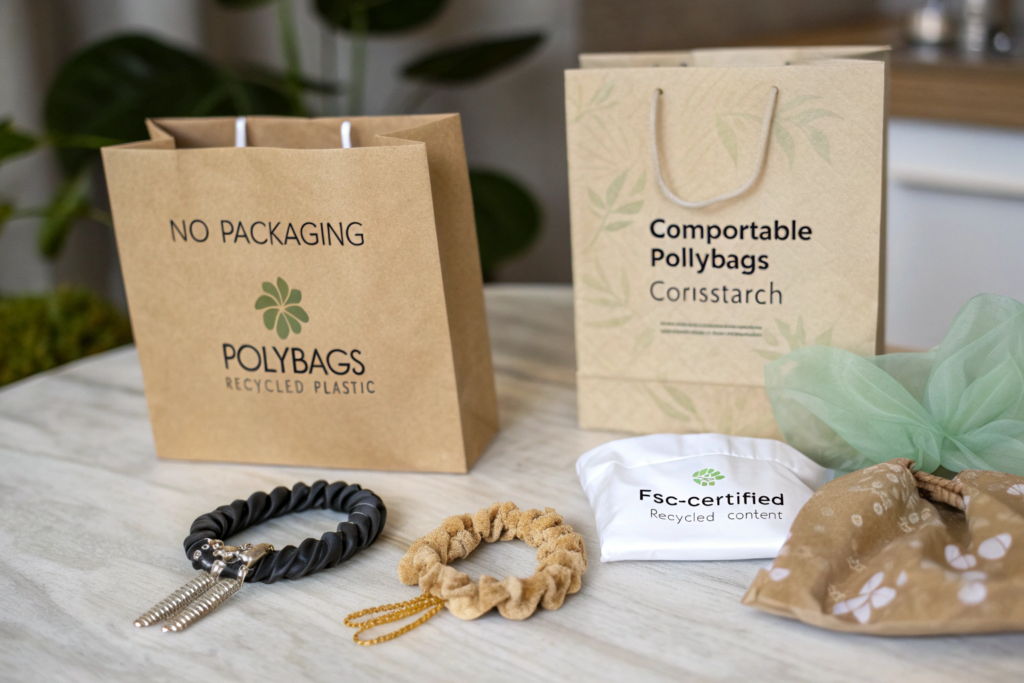
The most sustainable packaging is no packaging. For hair accessories sold in bulk to retailers, this may be possible. For individual retail sales, packaging is usually necessary. The next best option is packaging made from recycled content. Polybags made from post-consumer recycled plastic are widely available. They perform identically to virgin plastic but use less energy and keep waste out of landfills. For paper packaging, use recycled content paperboard and ensure it is FSC-certified. Compostable packaging is another option. There are now compostable polybags made from plant-based materials like cornstarch. These break down in commercial composting facilities. However, they are more expensive than traditional plastic and require the customer to have access to composting.
Reusable packaging is the most sustainable option. A cotton drawstring pouch or a reusable box can be used by the customer for years, extending the life of the packaging and reducing waste. For hair accessories, a reusable pouch adds value and enhances the unboxing experience. For hang tags and header cards, use recycled paper and soy-based inks. Avoid plastic window cutouts and laminations that make the packaging non-recyclable.
What are the most sustainable options for hair accessory packaging?
The most sustainable options for hair accessory packaging depend on your product, sales channel, and budget. For individual hair clips sold at retail, a recyclable paperboard header card with a compostable polybag is a strong option. The header card should be made from recycled content and printed with soy-based inks. The polybag should be made from compostable plant-based material or recycled plastic. For multi-pack hair accessories, a reusable cotton drawstring pouch is an excellent choice. It eliminates waste and adds value. Customers appreciate a pouch they can use for travel or storage. For e-commerce orders, use recyclable or compostable mailers. Avoid plastic bubble mailers. Use paper tape instead of plastic tape. For shipping boxes, use corrugated cardboard made from recycled content. Add a small card printed on recycled paper with care instructions and your sustainability story. For premium products, consider a rigid box made from recycled paperboard with no plastic lamination. At Shanghai Fumao Clothing, we offer sustainable packaging options and can help you select the right combination for your products.
How do I communicate my sustainability story through packaging?
Your packaging is a powerful communication tool. It is the first physical touchpoint your customer has with your brand. Use it to tell your sustainability story. Start with the packaging itself. Choose materials that reflect your values. Recycled paper, compostable polybags, and reusable pouches signal sustainability before the customer even reads a word. Add a logo or symbol indicating the packaging is recyclable or compostable. This helps customers dispose of it correctly. Include a small card or printed insert that tells your sustainability story. Explain what materials you used and why. Mention your certifications like GOTS or GRS. Share your commitment to ethical manufacturing. Keep it concise and authentic. Avoid greenwashing; make claims that you can back up with documentation. Use QR codes to link to more detailed information on your website. For example, a QR code could link to a page showing the factory, the certifications, and the sourcing story. This transparency builds trust with customers who care about sustainability. At Shanghai Fumao Clothing, we can help you design packaging that communicates your sustainability story effectively.
How Do I Ensure Ethical Manufacturing For My Green Brand?
For a truly green brand, sustainability is not just about materials. It is also about people. Ethical manufacturing ensures that the workers who make your products are treated fairly, work in safe conditions, and earn a living wage. Your customers care about this. They want to know that their purchase does not come at the expense of workers’ well-being.
The foundation of ethical manufacturing is social compliance certifications. BSCI (Business Social Compliance Initiative) is the most widely recognized standard for factories exporting to Europe. It covers areas including fair working hours, fair wages, health and safety, child labor prevention, and environmental protection. Sedex is another common platform where factories share ethical audit data. SA8000 is a more rigorous standard that focuses specifically on social accountability. For your green brand, working with a factory that holds these certifications provides assurance that your products are made ethically. Beyond certifications, look for factories that are transparent about their operations. A factory that welcomes visits and video tours has nothing to hide. Ask about worker training, safety protocols, and grievance procedures. A factory that invests in its workers is more likely to produce consistent, high-quality products.
Consider the location of the factory. Factories in regions with strong labor protections and enforcement are more likely to maintain ethical standards. However, certifications provide assurance regardless of location. At Shanghai Fumao Clothing, we hold BSCI certification and welcome client visits. We believe that ethical manufacturing is not just a requirement; it is the right way to do business.

What social compliance certifications should I look for?
The most important social compliance certifications for factories are BSCI, Sedex, and SA8000. BSCI (Business Social Compliance Initiative) is an initiative of the Foreign Trade Association. It provides a uniform code of conduct for factories. The audit covers 11 performance areas, including social management systems, workers’ rights, occupational health and safety, and environmental protection. BSCI certification is widely accepted by European retailers. Sedex (Supplier Ethical Data Exchange) is a platform that allows factories to share ethical audit data with multiple clients. Factories undergo an audit, and the results are available to buyers through the Sedex system. This reduces the burden of multiple audits. SA8000 is a more rigorous standard developed by Social Accountability International. It is based on international human rights standards and covers child labor, forced labor, health and safety, freedom of association, discrimination, disciplinary practices, working hours, and compensation. For your green brand, any of these certifications provides credible evidence of ethical manufacturing. Ask your factory for their certification number and verify it with the issuing body. At Shanghai Fumao Clothing, we hold BSCI certification and are happy to share our audit reports with clients.
How do I verify that a factory treats its workers fairly?
Verifying that a factory treats its workers fairly requires going beyond certifications. Certifications provide a baseline, but you can do additional due diligence. Ask for the factory’s social compliance audit report. The report will show any non-conformities identified during the audit and how they were addressed. A factory with a clean report is a good sign. A factory with multiple non-conformities, especially in areas like working hours or health and safety, requires further investigation. If possible, visit the factory or request a video tour. Look for clean, safe working conditions. Are there emergency exits? Is there adequate lighting and ventilation? Are workers wearing appropriate protective equipment? Ask about worker training. Are workers trained on safety procedures? Do they have opportunities for advancement? Ask about turnover. High turnover can indicate poor working conditions. Ask about grievance procedures. Workers should have a way to report concerns without fear of retaliation. If you cannot visit, consider hiring a third-party inspection company to conduct an unannounced audit. This provides the most accurate picture of day-to-day conditions. At Shanghai Fumao Clothing, we are proud of our working conditions and welcome client visits. Our low turnover rate and worker satisfaction surveys reflect our commitment to ethical manufacturing.
Conclusion
Sourcing eco-friendly hair accessories for your green brand requires a holistic approach. It starts with sustainable materials like organic cotton, bamboo, recycled polyester, and bioplastics. It requires certifications like GOTS, GRS, and FSC to verify your claims. It extends to sustainable packaging that minimizes waste and communicates your story. And it demands ethical manufacturing practices that treat workers fairly.
At Shanghai Fumao Clothing, we have built our business around these principles. We source certified sustainable materials. We hold GOTS and GRS certifications for our products. We offer sustainable packaging options. We maintain BSCI certification for ethical manufacturing. We understand that for a green brand, every part of the supply chain matters. We are committed to transparency and continuous improvement.
If you are ready to build a truly sustainable hair accessory collection, let’s talk. Please contact our Business Director, Elaine, directly at elaine@fumaoclothing.com to discuss your project and how we can help you bring your green vision to life.