
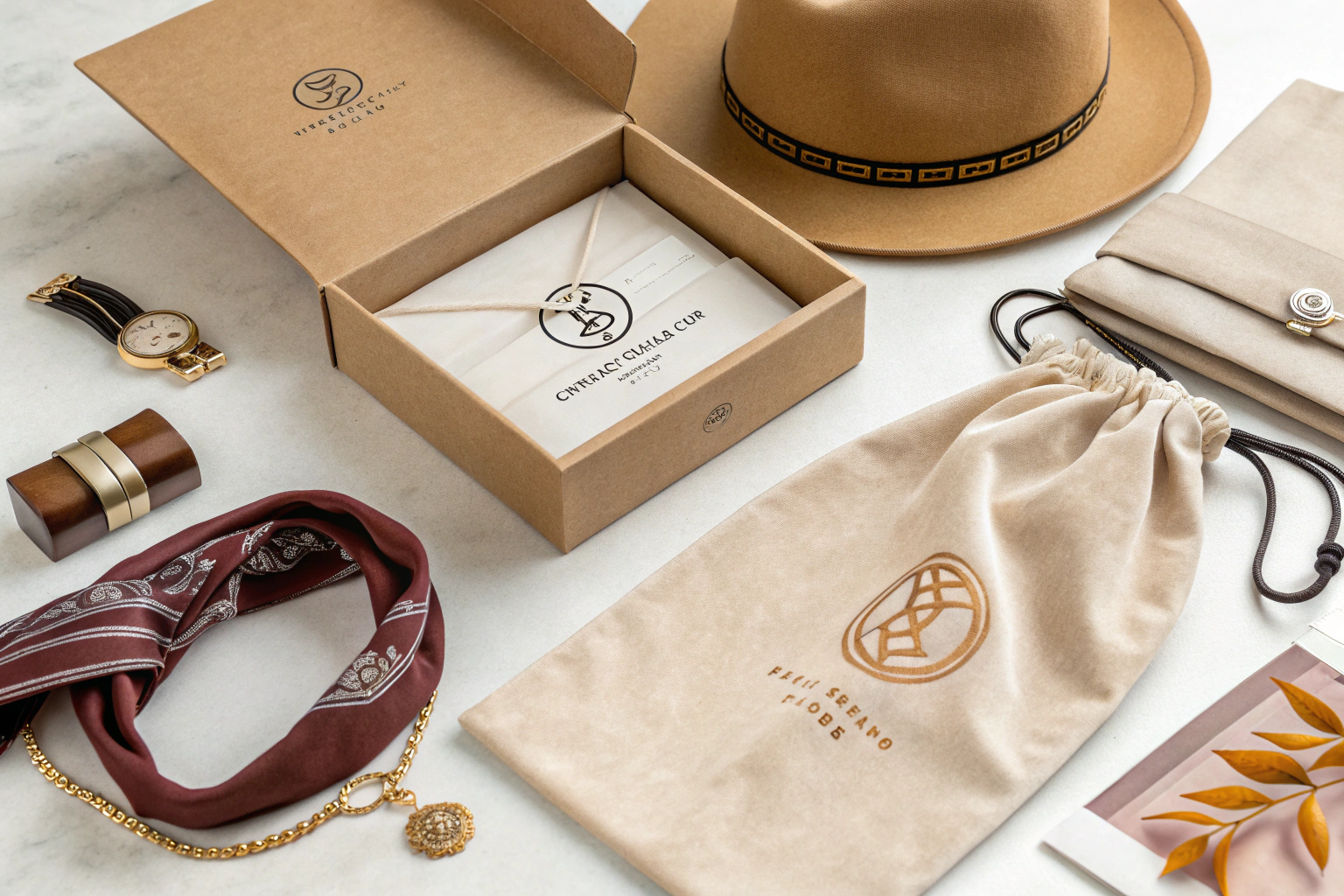
I have been in the fashion accessory manufacturing business for over twenty years, and I have learned that packaging is not just about protecting the product. It is the first thing your customer sees. It sets the expectation for what is inside. For a buyer like Ron, who supplies major retailers and online stores, getting packaging right can mean the difference between a customer who feels delighted and a customer who feels disappointed. The best packaging solutions balance protection, presentation, cost, and sustainability.
The best packaging solutions for fashion accessories include polybags with hang tags for retail displays, rigid boxes for premium presentation, drawstring pouches for soft goods, and custom tissue paper with stickers for an unboxing experience. The choice depends on your product type, your brand positioning, your sales channel, and your sustainability goals. A well-designed packaging solution protects the product during shipping, presents it beautifully to the customer, and reinforces your brand identity.
At Shanghai Fumao Clothing, we have packaged millions of accessories for clients around the world. We have seen what works and what does not. We have helped clients reduce damage rates, improve unboxing experiences, and meet retailer packaging requirements. I want to share what we have learned so you can choose the right packaging for your accessories.
What Packaging Options Are Available for Different Accessory Types?
Different accessories have different packaging needs. A delicate beaded hair clip requires different protection than a durable canvas belt. Understanding the options helps you match the packaging to the product. The goal is to provide enough protection without over-packaging, which adds cost and waste.
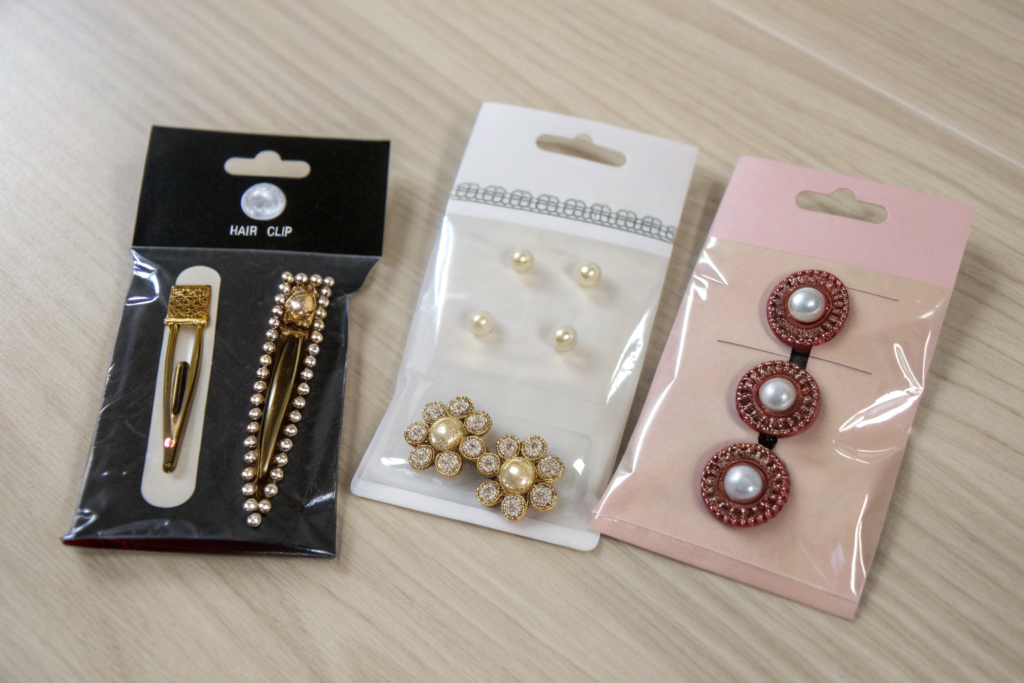
For small accessories like hair clips, earrings, or brooches, the most common packaging is a polybag with a hang tag. Polybags are inexpensive, lightweight, and provide basic protection against dust and moisture. The hang tag carries your branding and pricing information. For retail displays, many buyers use header cards—a cardboard insert that sits inside the polybag with a hole for hanging on a peg. For higher-end small accessories, rigid boxes or magnetic closure boxes create a premium presentation. These are often used for jewelry or gift sets.
For soft goods like scarves, hats, and belts, drawstring pouches are a popular option. Pouches made from cotton, velvet, or organza add a touch of luxury and can be reused by the customer. For shipping, these are often placed inside a polybag for additional protection. For belts, folding them neatly and securing with a branded paper band is a simple, elegant solution. For hats, tissue paper stuffing helps maintain shape during shipping, and a dust bag provides protection for storage.
What is the best packaging for hair clips and small accessories?
Hair clips and small accessories require packaging that protects delicate components while allowing the product to be displayed attractively. The most common and cost-effective solution is the polybag with a header card. The polybag should be made from clear, high-quality material that does not fog or yellow over time. It should be sealed securely to prevent dust from entering. The header card is a cardboard insert that sits inside the top of the polybag. It typically includes the product name, barcode, price, and branding. The header card has a reinforced hole for hanging on retail peg hooks. For higher-end hair clips, consider a rigid paperboard box with a clear lid. This allows the customer to see the product while providing superior protection. Inside the box, use a foam or velvet insert to hold the clip in place and prevent scratching. For multi-piece sets, consider a folding carton with compartments. This is more expensive than polybags but signals higher quality. For online sales where the product is shipped directly to the customer, consider adding a small thank-you card or care instructions inside the packaging. This enhances the unboxing experience without significantly increasing cost.
How should hats be packaged to maintain shape?
Hats are challenging to package because they are three-dimensional and can easily lose their shape. The key is to support the structure during shipping. For soft hats like beanies and knit caps, simple polybag packaging is sufficient. The hat can be folded flat or rolled. However, for structured hats like baseball caps, fedoras, or wide-brim sun hats, more care is needed. For baseball caps, use a clear polybag with a cardboard insert that fits inside the cap to maintain the shape of the crown. The brim should be protected with a paper sleeve to prevent bending. For fedoras and wide-brim hats, a rigid box is essential. The hat should be placed in the box with tissue paper or bubble wrap to prevent movement. Some manufacturers use a hat form—a cardboard or foam structure that holds the hat’s shape. The box should be sized to fit the hat snugly but not tightly. For shipping multiple hats, consider stacking them with protective layers between. At Shanghai Fumao Clothing, we have developed specialized hat packaging solutions that maintain shape during long-distance shipping. We test our packaging by dropping boxes from heights and shaking them to simulate shipping conditions, ensuring hats arrive in perfect condition.
How Do I Choose Packaging Based on My Sales Channel?
Your sales channel determines many of your packaging requirements. What works for a mass-market retailer like Walmart is different from what works for a luxury boutique or an online direct-to-consumer brand. Understanding the requirements of your sales channel helps you choose packaging that meets retailer standards and customer expectations.
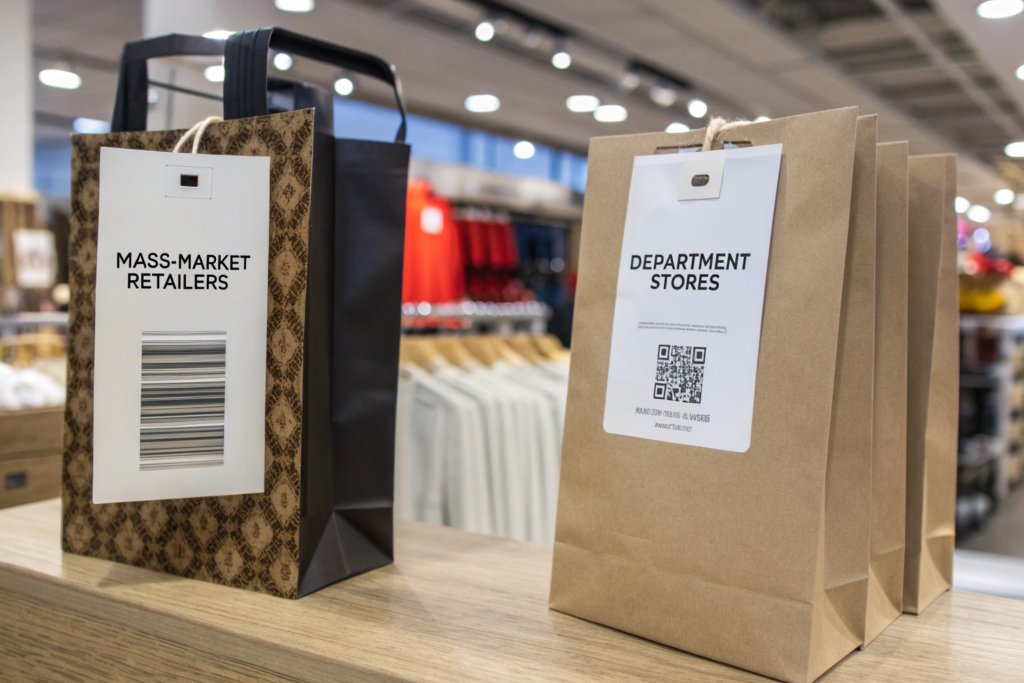
For mass-market retailers, the priority is efficient shelf presentation and theft prevention. Polybags with header cards are the standard. The header card must include a scannable barcode, pricing information, and sometimes retailer-specific labeling. The packaging must be durable enough to withstand being handled by multiple customers. For department stores and specialty boutiques, the presentation matters more. Packaging should look attractive on the shelf and may need to be more substantial. Rigid boxes, branded pouches, and high-quality hang tags are common. These retailers often require that the packaging reflects the brand’s aesthetic.
For online direct-to-consumer sales, the priority is the unboxing experience. Customers share their unboxing on social media, so packaging that is beautiful and memorable is valuable. This often means branded tissue paper, stickers, personalized notes, and packaging that is easy to open and dispose of. The packaging must also protect the product during individual shipping, not just in bulk to the retailer.
What packaging do major retailers require for accessories?
Major retailers like Walmart, Target, and Costco have specific packaging requirements that you must meet to sell in their stores. These requirements are often documented in a supplier manual. The most common requirement is that the product must be ready for shelf display. This usually means polybags with header cards. The header card must include a scannable UPC barcode that meets GS1 standards. The barcode must be placed in a specific location on the packaging. The product name, SKU number, and pricing information must be clearly printed. Many retailers also require that the packaging be "friendly" to their shelf systems. This means the header card must fit standard peg hooks. The polybag must be sealed securely but also easy for customers to open. Some retailers have specific requirements for materials. Walmart, for example, has sustainability guidelines for packaging. They may require that polybags be made from recycled content or be recyclable. For hanging products, the header card may need to be made from recycled paperboard. Before producing packaging for a major retailer, we always request their supplier packaging guidelines and follow them precisely.
How does e-commerce packaging differ from retail packaging?
E-commerce packaging serves a different purpose than retail packaging. In retail, the packaging is the customer’s first interaction with the product on the shelf. In e-commerce, the outer shipping box is the first interaction, and the inner packaging creates the unboxing experience. For e-commerce, the outer packaging must be durable enough to protect the product during individual shipment. This means using corrugated boxes or padded mailers rather than relying on retail packaging alone. The inner packaging should be designed to delight the customer. This often means using branded tissue paper to wrap the product, adding a sticker or seal, and including a thank-you note or care card. For accessories, consider adding a reusable pouch or dust bag that the customer can use for storage. This adds value beyond the initial purchase. For e-commerce, the packaging also serves as a marketing tool. A well-designed unboxing experience is likely to be shared on social media, providing free marketing. The packaging should be easy to photograph and should include your social media handles. For returns, the packaging should be easy to reseal or include a return label. We help e-commerce clients design packaging that balances protection, presentation, and cost.
What Are the Best Sustainable Packaging Options?
Sustainability is no longer a niche concern. It is a mainstream expectation, especially for fashion accessories. Consumers are increasingly aware of packaging waste, and many retailers have sustainability goals that their suppliers must support. The best sustainable packaging solutions reduce waste, use recycled or renewable materials, and are themselves recyclable or compostable.
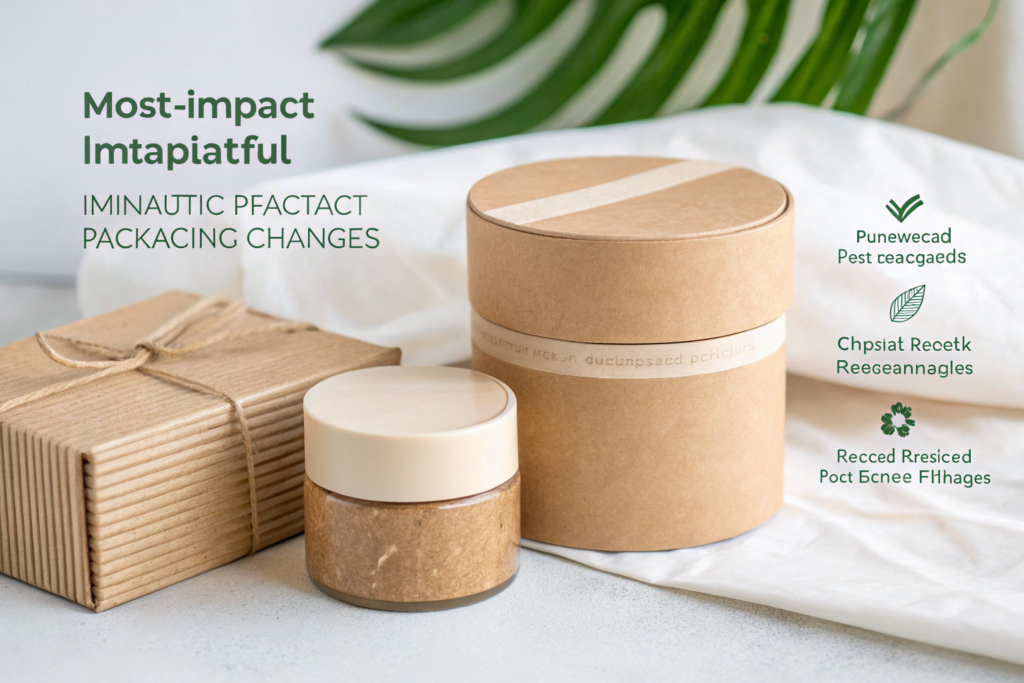
The most impactful sustainable packaging change is reducing overall packaging. Use the smallest package that adequately protects the product. Eliminate unnecessary layers. For many accessories, a simple paper band or a reusable pouch can replace a plastic bag and a cardboard box. When plastic is necessary, use recycled content. Polybags made from post-consumer recycled plastic are widely available and perform identically to virgin plastic. For paper packaging, use recycled content paperboard and ensure it is FSC-certified, meaning the wood comes from responsibly managed forests.
Compostable packaging is another option. There are now compostable polybags made from plant-based materials like cornstarch. These break down in commercial composting facilities. However, they are more expensive than traditional plastic and require the customer to have access to composting. Reusable packaging is the most sustainable option. A cotton drawstring pouch or a reusable box can be used by the customer for years, extending the life of the packaging and reducing waste.
How do I choose between plastic and paper packaging?
The choice between plastic and paper packaging is not as simple as "paper is better." Both have environmental impacts, and the right choice depends on your specific product and use case. Paper packaging is renewable, biodegradable, and widely recyclable. However, paper production uses significant water and energy. Paper also provides less protection against moisture than plastic. For accessories that are sensitive to humidity, plastic may be necessary. Plastic packaging, especially when made from recycled content, has a lower carbon footprint than paper in some studies because it is lightweight and requires less energy to transport. Plastic also provides superior protection against dust and moisture. The key is to use the right material for the application and to ensure it is recyclable or compostable. For hair clips that need to be visible on a peg hook, a clear polybag made from recycled plastic may be the best option. For a scarf that is shipped flat, a paper band or a paper envelope may suffice. For hats that need to maintain shape, a cardboard box made from recycled content is ideal. We advise clients to consider the full lifecycle: the material source, the manufacturing impact, the transportation impact, and the end-of-life options.
What certifications should I look for in sustainable packaging?
Certifications provide third-party verification that your packaging meets sustainability standards. For paper and cardboard, look for FSC (Forest Stewardship Council) certification. This ensures the wood comes from responsibly managed forests. For recycled content, look for the recycled symbol or certification from organizations like SCS Global Services. For compostable packaging, look for BPI (Biodegradable Products Institute) certification. This verifies that the packaging will break down in commercial composting facilities. For plastic packaging made from recycled content, look for GRS (Global Recycled Standard) certification. This tracks the recycled content through the supply chain. Some packaging suppliers also have certifications for their own operations, such as ISO 14001 for environmental management systems. At Shanghai Fumao Clothing, we source packaging from certified suppliers and can provide documentation to support your sustainability claims. For more information on packaging certifications, the Sustainable Packaging Coalition provides comprehensive resources.
How Do I Incorporate Branding Into My Packaging?
Packaging is one of the most powerful branding tools you have. It communicates your brand’s personality, values, and quality. Well-branded packaging creates a memorable experience that encourages repeat purchases and word-of-mouth marketing. For accessories, where the product is often a personal expression, packaging that reflects the brand identity is especially important.
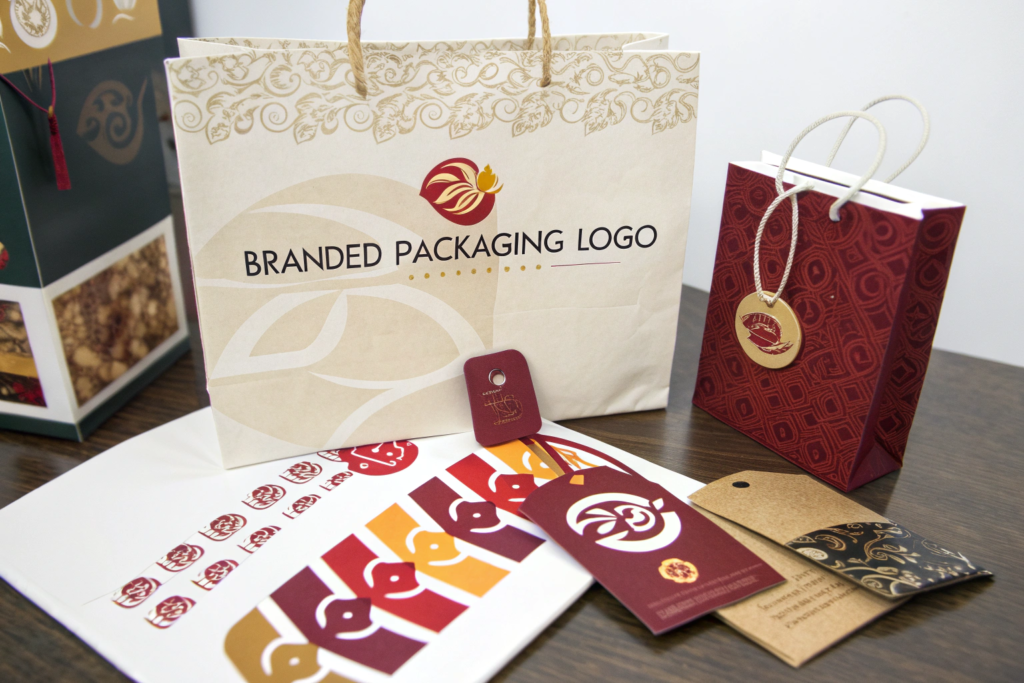
The simplest way to incorporate branding is through custom printing. For polybags, you can print your logo and brand colors directly on the bag. This creates a cohesive look without adding significant cost. For header cards and hang tags, full-color printing allows you to use your brand fonts, colors, and imagery. The design should be consistent with your website and other marketing materials. For boxes and pouches, consider embossing or foil stamping. These techniques add texture and a premium feel. A logo embossed on a rigid box signals luxury. A foil-stamped logo on a cotton pouch adds sophistication.
For e-commerce brands, the unboxing experience is a branding opportunity. Branded tissue paper, custom stickers, and personalized thank-you notes create a memorable experience. The packaging itself becomes part of the product experience. Some brands include a small gift, like a branded sticker or a care card, as a surprise for the customer.
What printing methods work best for different packaging materials?
Different printing methods are suited to different packaging materials, and choosing the right method ensures your branding looks professional and lasts. For polybags, flexographic printing is the most common method. It uses flexible plates to print high-quality images on plastic. The printing is durable and does not smudge. For paper header cards and hang tags, offset printing offers the highest quality for large volumes. It produces sharp text and vibrant colors. For smaller quantities, digital printing is cost-effective and allows for quick turnaround. For rigid boxes, litho-lamination is a premium option. A printed paper sheet is laminated onto the box board, creating a smooth, high-quality surface. Embossing and debossing create a raised or indented logo that adds texture and sophistication. This works well on paperboard boxes and leather pouches. Foil stamping applies a metallic foil to the packaging, creating a shiny, reflective logo. It is often used for luxury packaging. For cotton and fabric pouches, screen printing is the most durable method. The ink bonds to the fabric fibers and withstands handling. At Shanghai Fumao Clothing, we work with clients to select the right printing method for their packaging and budget.
How do I create an unboxing experience that builds brand loyalty?
The unboxing experience is the moment when your customer first interacts with your product. A well-designed unboxing creates excitement and builds an emotional connection to your brand. The first element is the outer package. For e-commerce, use a branded shipping box or a custom mailer. The customer should see your logo and branding before they even open the box. Inside, use branded tissue paper to wrap the product. The tissue paper should be high quality and printed with your logo or a pattern. Use a custom sticker or a wax seal to close the tissue paper. This adds a sense of ceremony to the opening. Place the product inside a branded pouch or box that reflects your quality. Include a thank-you card or a care card. The card should be personalized, perhaps with a handwritten note if volume allows. Consider adding a small free gift, like a branded sticker or a discount code for the next purchase. Finally, ensure the packaging is easy to open. Frustration with packaging can ruin the experience. We have helped e-commerce clients design unboxing experiences that customers share on social media, generating free marketing and building brand loyalty.
Conclusion
The best packaging solutions for fashion accessories balance protection, presentation, cost, and sustainability. For small accessories like hair clips, polybags with header cards are the standard for retail. For hats, rigid boxes and hat forms maintain shape during shipping. For e-commerce, the unboxing experience is paramount, with branded tissue paper, stickers, and personalized notes creating memorable moments. Sustainable packaging options, including recycled content, FSC-certified paper, and compostable materials, are increasingly expected by consumers and retailers. And through all of this, your packaging should reflect your brand identity, using custom printing, embossing, or foil stamping to create a cohesive look.
At Shanghai Fumao Clothing, we understand that packaging is an integral part of your product. We work with you to select the right packaging for your accessories, whether you are selling to major retailers, boutique stores, or direct to consumers. Our team can help you balance protection, presentation, and cost while meeting sustainability goals. We have the relationships with packaging suppliers and the experience to ensure your accessories arrive in perfect condition and delight your customers.
If you are ready to discuss packaging for your accessory collection, let’s talk. Please contact our Business Director, Elaine, directly at elaine@fumaoclothing.com to start the conversation.




