I have been in the accessory manufacturing business for over twenty years, and lanyards are one of those products that seem simple but have surprising complexity. For a buyer like Ron, who supplies to major corporations, event organizers, and retail chains, lanyards with detachable buckles are a staple item. They are used for ID badges, conference passes, keys, and promotional giveaways. The detachable buckle feature adds functionality and safety, but it also adds complexity to sourcing. Getting it right means understanding the materials, the hardware, and the quality standards that your customers expect.
To source lanyards with detachable buckles successfully, you need a manufacturer who understands the full range of options: materials from basic polyester to premium bamboo or recycled PET; buckle types including plastic safety breakaway, metal trigger snaps, and magnetic detachables; and customization methods like screen printing, dye sublimation, and woven labels. The detachable buckle must be reliable, easy to use, and for safety applications, must break away under tension to prevent strangulation hazards.
At Shanghai Fumao Clothing, we have produced millions of lanyards for clients all over the world. We know that this product category is driven by functionality, durability, and customization. A lanyard that breaks at a conference or a badge holder that fails to detach properly reflects poorly on your brand. We have refined our production processes to ensure that every component, from the strap material to the buckle mechanism, meets the highest standards.
What Types of Detachable Buckles Are Available?
The detachable buckle is the defining feature of this product category. The choice of buckle affects safety, ease of use, durability, and cost. Understanding the options helps you select the right buckle for your end use, whether it is for a corporate event, a school ID program, or a retail product.
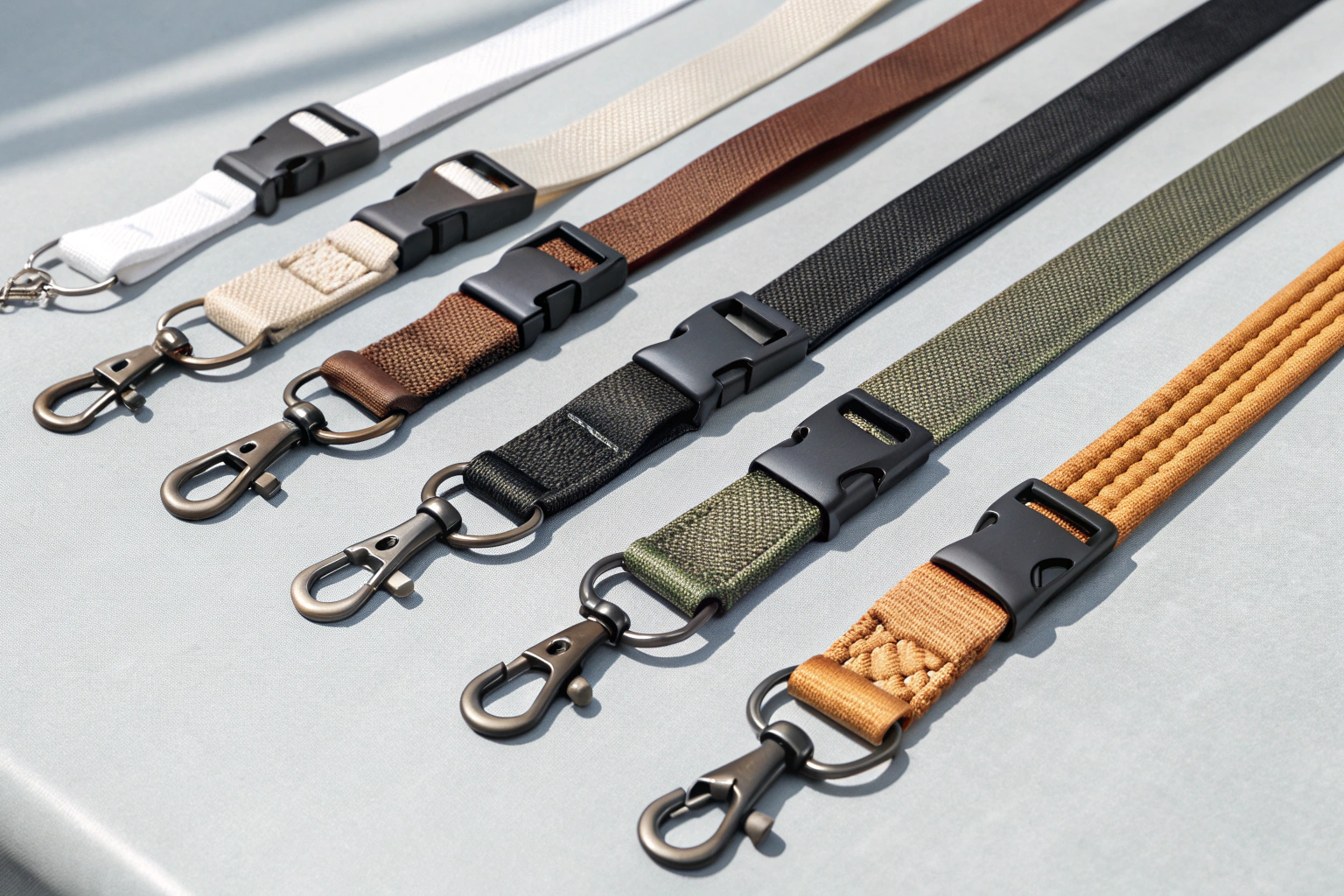
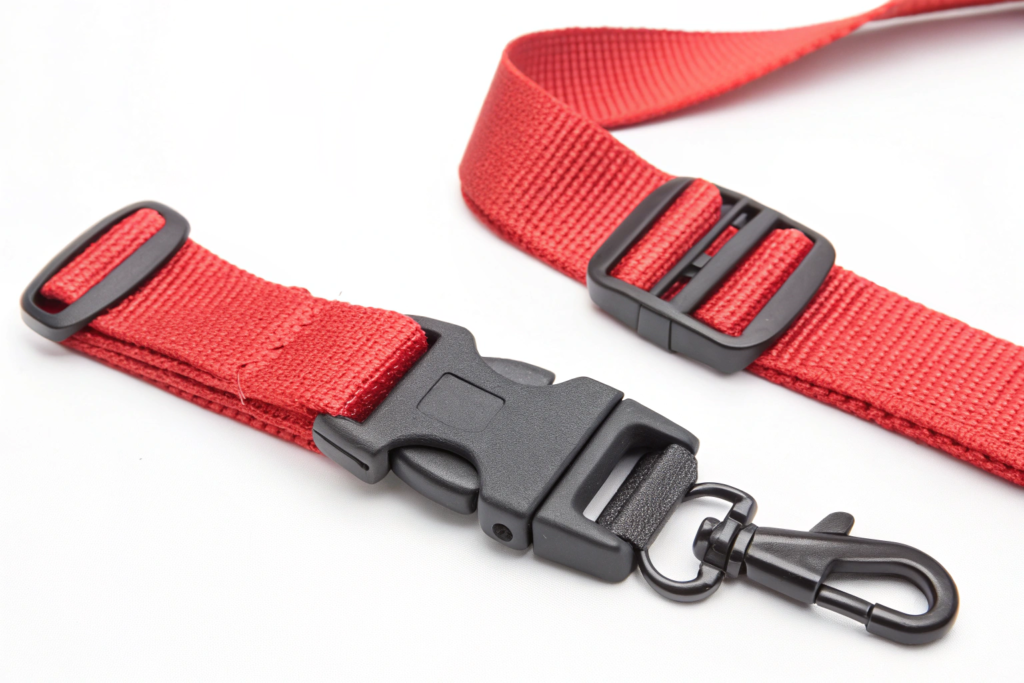
The most common detachable buckle is the plastic safety breakaway buckle. This type is designed to release when a certain amount of tension is applied, preventing strangulation if the lanyard gets caught on equipment or in a vehicle door. These buckles are typically made from acetal or nylon plastic and come in a range of colors to match the lanyard. They are the standard choice for schools, factories, and any application where safety is a priority. The breakaway force is usually set between 10 to 30 pounds, depending on the design.
Another popular option is the metal trigger snap or lobster claw. This type does not break away under tension; instead, it is designed for secure attachment and easy detachment by the user. It is commonly used for keys, tools, or items that need to be frequently removed. These are typically made from zinc alloy or stainless steel and can be plated in nickel, black, or gold finishes. Magnetic detachable buckles are a premium option, offering a sleek, seamless look. They are often used in high-end corporate or retail lanyards where aesthetics matter.
What is the difference between safety breakaway and standard detachable buckles?
The distinction between safety breakaway buckles and standard detachable buckles is critical, especially for applications involving children or workplace safety. A safety breakaway buckle is designed with a weak point that releases under tension. The two sides of the buckle separate when pulled with sufficient force, allowing the lanyard to fall away from the wearer’s neck. This prevents the lanyard from becoming a strangulation hazard if it gets caught. These buckles are typically made of plastic and are the required standard for schools, hospitals, and many industrial settings. A standard detachable buckle, such as a metal trigger snap or a plastic side-release buckle, is designed for convenience, not safety. The user intentionally detaches the buckle by pressing a button or squeezing the sides. These buckles will not release under tension. They are appropriate for applications where safety is not a primary concern, such as holding keys or tools. When sourcing, be very clear with your factory about which type you need. The Safety Equipment Institute provides standards for safety-related products that can inform your specifications.
How do I choose the right buckle material for my application?
The buckle material choice affects durability, weight, appearance, and cost. Plastic buckles, typically made from acetal or nylon, are lightweight, corrosion-resistant, and available in a wide range of colors. They are the most cost-effective option and are ideal for promotional giveaways and large-volume orders. However, they can break under extreme stress or in very cold temperatures. Metal buckles, usually zinc alloy or stainless steel, offer superior strength and a premium look. They are heavier and more expensive but provide a feeling of quality that plastic cannot match. Stainless steel is the most durable and corrosion-resistant, while zinc alloy can be plated in various finishes for aesthetic appeal. For eco-conscious brands, there are buckles made from recycled plastic or even bamboo. The choice also depends on the lanyard material. A heavy-duty nylon lanyard might warrant a metal buckle for balance and durability. A lightweight polyester lanyard works well with plastic. We carry a full range of buckle options and can provide samples so you can test the feel and function before committing.
What Materials Are Best for Lanyard Straps?
The strap material determines the look, feel, durability, and printability of your lanyard. Each material has different characteristics that make it suitable for different applications. Understanding these differences helps you select the right material for your brand and your end users.
Polyester is the most common material for lanyards. It is strong, durable, and resistant to shrinking and stretching. It holds dye well, making it ideal for full-color printing using dye sublimation. Polyester lanyards have a smooth, slightly shiny appearance and are available in a wide range of colors. They are the standard choice for corporate events, conferences, and promotional products. Nylon is another popular option. It is softer and more flexible than polyester, with a slightly matte finish. Nylon has excellent strength and durability, and it feels more premium to the touch. It is often used for higher-end lanyards or for applications where comfort is a priority.
Cotton and bamboo fiber are options for eco-friendly lanyards. Cotton is soft, breathable, and has a natural, casual look. However, it is less durable than synthetics and can shrink if washed. Bamboo fiber is a sustainable alternative that is naturally antimicrobial and soft. These materials are popular for brands with strong environmental commitments. Recycled PET (rPET) is another sustainable option, made from recycled plastic bottles. It offers the same performance as virgin polyester with a lower environmental footprint.
How does polyester compare to nylon for durability and print quality?
Polyester and nylon are both excellent lanyard materials, but they have distinct differences. Polyester is generally more colorfast, meaning it resists fading from UV exposure and washing. This makes it the preferred choice for dye sublimation printing, where the design is infused into the fibers for a permanent, full-color result. Polyester also has a higher tensile strength, meaning it can withstand more pulling force before breaking. Nylon, while still very strong, is softer and more flexible. It drapes more smoothly around the neck and feels less abrasive. Nylon is often the choice for lanyards that will be worn for long periods, such as at multi-day conferences or by employees who wear them daily. For printing, nylon does not hold dye as well as polyester. Screen printing is the preferred method for nylon, which works well for simple logos but may not achieve the same color vibrancy as sublimation on polyester. The choice comes down to whether durability and full-color printing are more important, or whether softness and comfort are the priority. For technical specifications on textile fibers, the Textile World website offers detailed comparisons.
What are the benefits of eco-friendly materials like rPET and bamboo?
Eco-friendly materials are increasingly important for brands that want to demonstrate environmental responsibility. rPET, or recycled polyester, is made from post-consumer plastic bottles. The bottles are collected, cleaned, shredded, melted, and spun into new fiber. Using rPET reduces plastic waste in landfills and oceans, uses less energy than producing virgin polyester, and lowers carbon emissions. For lanyards, rPET performs identically to virgin polyester in terms of durability, print quality, and feel. It can be sublimated with full-color designs and is available in a range of colors. The key is to ensure the rPET is certified by standards like GRS (Global Recycled Standard) so you can make credible claims. Bamboo fiber is another sustainable option. Bamboo grows rapidly without pesticides, requires little water, and regenerates from its roots after harvesting. The resulting fiber is naturally antimicrobial, moisture-wicking, and incredibly soft. Bamboo lanyards have a natural, slightly textured appearance that appeals to eco-conscious consumers. The limitations are that bamboo is less durable than polyester and may require special care. At Shanghai Fumao Clothing, we source certified rPET and bamboo materials and can help you incorporate them into your lanyard program.
How to Customize Lanyards with Your Brand Identity?
Customization is where lanyards become powerful marketing tools. A well-branded lanyard at a conference or trade show turns every attendee into a walking billboard. The method of customization you choose affects the look, durability, and cost of the finished product. Understanding the options helps you make the right choice for your brand.
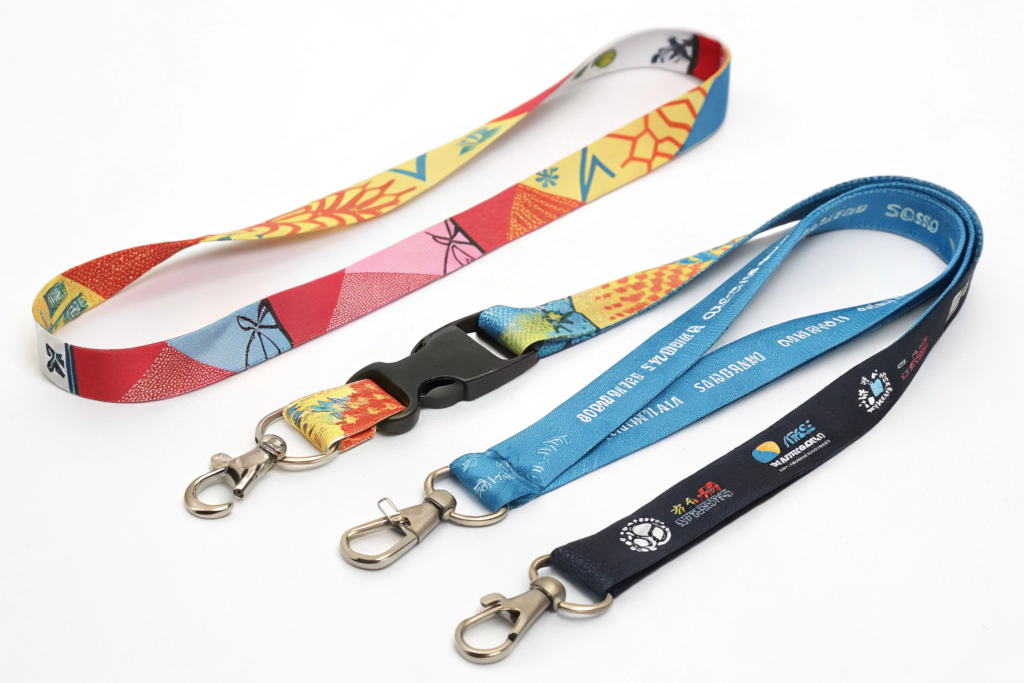
Dye sublimation is the most popular method for full-color lanyards. The design is printed onto transfer paper and then heat-pressed onto the polyester strap. The ink becomes part of the fiber, resulting in a permanent, vibrant, and washable design. Sublimation allows for complex designs with gradients, photographs, and fine details. The entire strap can be printed, edge to edge, with no white space. This method is ideal for logos with multiple colors or for creating a custom pattern. Screen printing is a traditional method that applies ink to the surface of the lanyard. It works on both polyester and nylon and is cost-effective for simple designs with one or two colors. Screen-printed designs are durable but may crack or fade over time with heavy use.
Woven labels are a premium option where the design is woven directly into the strap material. This creates a textured, three-dimensional look that is extremely durable. Woven lanyards are often used for high-end corporate gifts or as employee badges. The limitations are that only certain colors are available (typically up to four) and the design must be relatively simple.
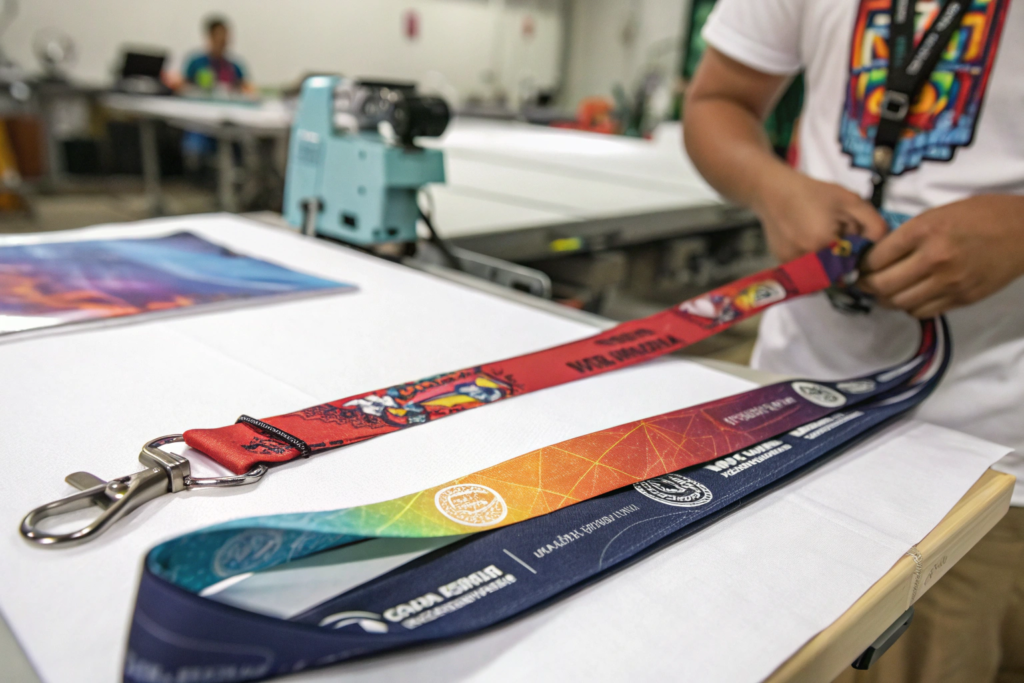
What is the difference between dye sublimation and screen printing?
The difference between dye sublimation and screen printing goes beyond the production process to the final look and durability. Dye sublimation uses heat to transfer dye directly into the polyester fibers. The result is a design that becomes part of the strap itself. There is no raised texture; the strap remains smooth. The colors are vibrant and can include complex gradients, photographs, and unlimited color combinations. Because the dye is infused, it will not crack, peel, or fade with normal use. The limitation is that sublimation only works on polyester or polyester-blend materials. Screen printing involves pushing ink through a stencil onto the strap surface. The ink sits on top of the material, creating a slightly raised texture. It works on a wider range of materials, including nylon and cotton. For simple designs with one to four solid colors, screen printing is cost-effective. However, the ink can crack or fade over time with repeated wear and washing, and fine details may not reproduce as sharply. For a promotional lanyard that will be used for a single event, screen printing is often sufficient. For a lanyard that will be used daily for years, dye sublimation is the better choice for durability.
How do I ensure my custom design stays on the lanyard?
Ensuring the durability of your custom design requires attention to both the printing method and the material. For dye sublimation, durability is inherent. The dye is infused into the fiber, so it cannot crack, peel, or fade easily. The strap itself will wear out before the design does. For screen printing, durability depends on the quality of the ink and the curing process. The ink must be properly cured to bond to the strap. We use high-quality, flexible inks and carefully controlled curing temperatures to ensure maximum adhesion. For both methods, the finishing process matters. If the lanyard has a detachable buckle, the printing should be positioned to avoid the buckle area where wear is highest. We also recommend specifying that the lanyard should be tested for colorfastness to light and washing. A simple test is to expose a sample to UV light for a period and then wash it to see if the color holds. For clients with demanding requirements, we provide wash testing and UV testing reports. The AATCC provides standardized test methods for colorfastness that we can follow to verify durability.
What Quality Checks Are Essential for Lanyards with Buckles?
Lanyards with detachable buckles have multiple points of potential failure: the strap material, the stitching, the buckle attachment, and the buckle mechanism itself. A comprehensive quality control process checks each of these areas to ensure the finished product meets your expectations and safety requirements.
The first quality check is on the raw materials. The strap material should be inspected for defects like pulled threads, uneven dye, or inconsistent width. The buckles should be checked for molding defects, rough edges, or weak mechanisms. The second check is during production. We inspect the stitching that attaches the buckle to the strap. Is it straight and tight? Is the thread color matched? Are there any loose threads? The third check is the buckle function. For plastic safety breakaway buckles, we test that they click together securely and release under appropriate tension. For metal trigger snaps, we test that the spring mechanism works smoothly.
The final check is the finished product. We inspect every lanyard for printing alignment, color accuracy, and overall appearance. We also perform pull tests on a sample from each batch to ensure the strap and attachments meet strength specifications.
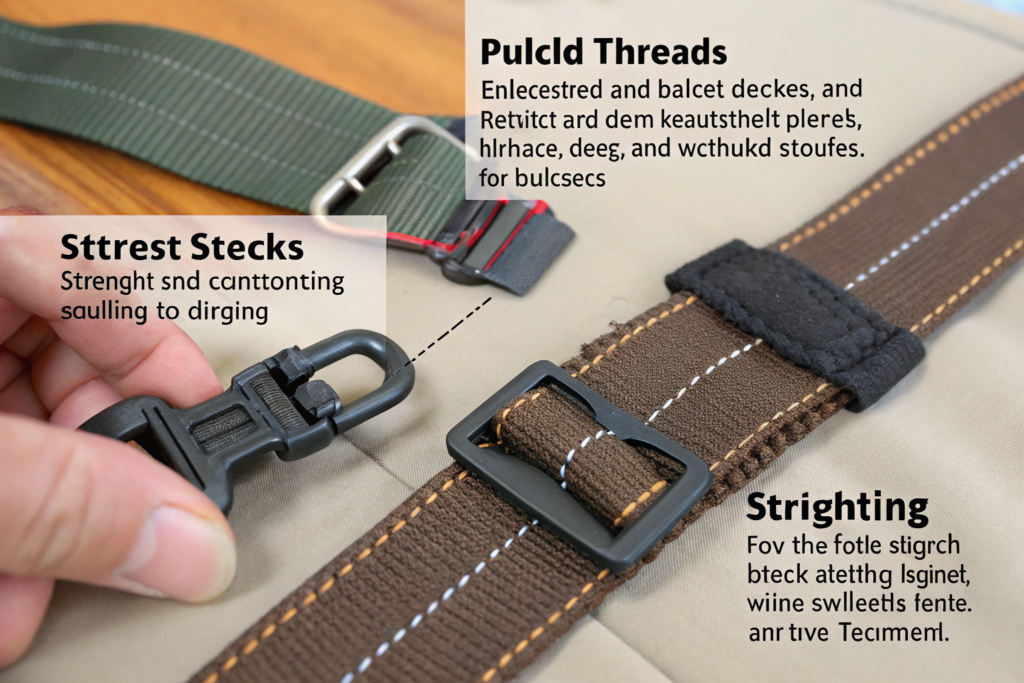
How do I test the safety breakaway function?
Testing the safety breakaway function is essential for any lanyard that will be used in schools, factories, or other safety-sensitive environments. The breakaway buckle is designed to release under tension, typically between 10 and 30 pounds. If it releases too easily, the lanyard will fall off during normal use. If it does not release easily enough, it could pose a strangulation hazard. The test is simple but must be done systematically. We use a tension gauge to measure the force required to separate the buckle. We attach the lanyard to the gauge, pull steadily, and record the force at which the buckle releases. We test multiple samples from each batch to ensure consistency. We also test for durability by repeatedly clicking the buckle together and pulling it apart to ensure the mechanism does not wear out. For clients with specific safety requirements, we can adjust the breakaway force within the manufacturer’s specifications. For lanyards intended for children, we recommend the lowest possible breakaway force consistent with normal use. The CPSC provides guidance on safety standards for children’s products that can inform your testing protocols.
What are the common failure points in lanyard hardware?
Lanyard hardware has several common failure points that quality control must address. For plastic safety breakaway buckles, the failure point is often the locking mechanism. If the plastic tabs that hold the buckle together are too thin or poorly molded, the buckle may not click securely, or it may release too easily. We inspect every batch of buckles for molding defects before they are sewn onto the lanyards. For metal trigger snaps, the failure point is often the spring. A weak spring means the gate does not close securely, allowing the attached item to fall off. A spring that is too stiff makes the snap difficult to use. We test the spring tension on all metal hardware. Another common failure point is the attachment point where the buckle is sewn or riveted to the strap. If the stitching is weak or the rivet is poorly crimped, the buckle can separate from the strap. We perform pull tests on this attachment point on every batch. Finally, the material of the hardware itself matters. Low-quality zinc alloy can corrode over time, especially if used in humid environments. We use high-quality, corrosion-resistant materials and apply protective coatings where appropriate. For technical standards on hardware durability, ASTM International provides testing methods that we follow.
Conclusion
Sourcing lanyards with detachable buckles requires attention to detail across multiple areas: buckle type and material, strap material, customization method, and quality control. Safety breakaway buckles are essential for applications involving children or workplace safety, while metal trigger snaps offer a premium look for corporate and retail use. Polyester is the standard choice for its durability and printability, while nylon offers superior softness and comfort. Eco-friendly options like rPET and bamboo are increasingly popular for brands with sustainability commitments. Dye sublimation provides the most durable, vibrant customization, while screen printing is cost-effective for simpler designs.
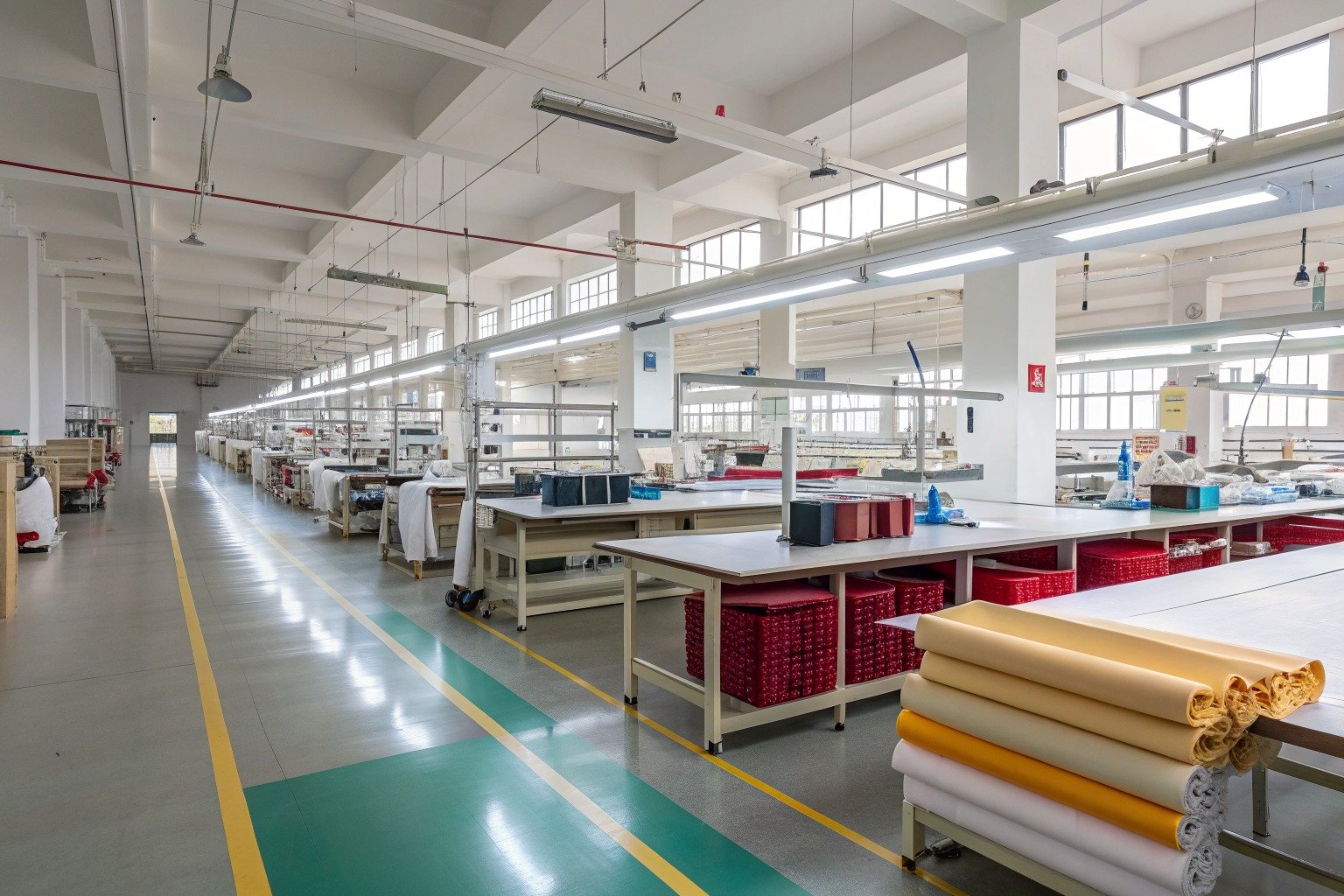
At Shanghai Fumao Clothing, we have produced millions of lanyards for clients across North America, Europe, and beyond. Our factory in Zhejiang is equipped with specialized machinery for weaving, printing, and assembling lanyards. Our quality control team inspects every batch for material defects, buckle function, and printing accuracy. We understand that a lanyard is often the first item an attendee receives at an event, and it reflects on your brand. We are committed to delivering products that perform reliably and look great.
If you are ready to source lanyards with detachable buckles for your next event, promotion, or product line, let’s talk. Please contact our Business Director, Elaine, directly at elaine@fumaoclothing.com to discuss your project.