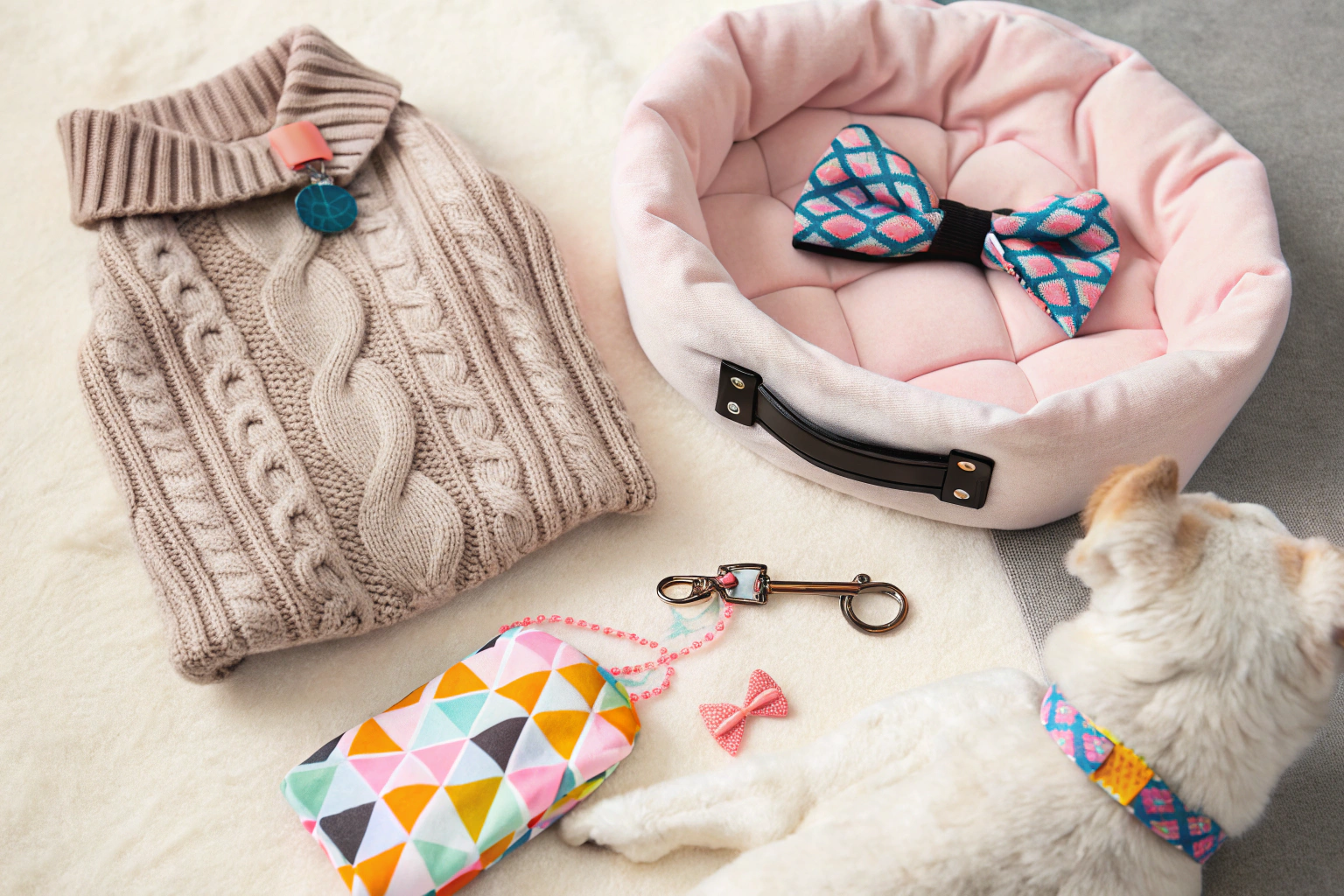
I’ve been in the accessory business for decades, and I’ve seen many niche markets grow and evolve. But few have exploded quite like the pet fashion industry. What was once a small market for purely functional collars and leashes has become a multi-billion dollar global phenomenon. Pets are no longer just animals; they are family members. And like any family member, they deserve to look their best.
Buyers like Ron are now seeing huge demand for pet accessories. Pet owners, especially younger generations, are eager to dress up their furry friends in stylish sweaters, cute bandanas, personalized collars, and even holiday costumes. This is a market driven by love, emotion, and a desire for self-expression—not just for the owner, but for their pet as well. It’s a fun, creative, and highly profitable space.
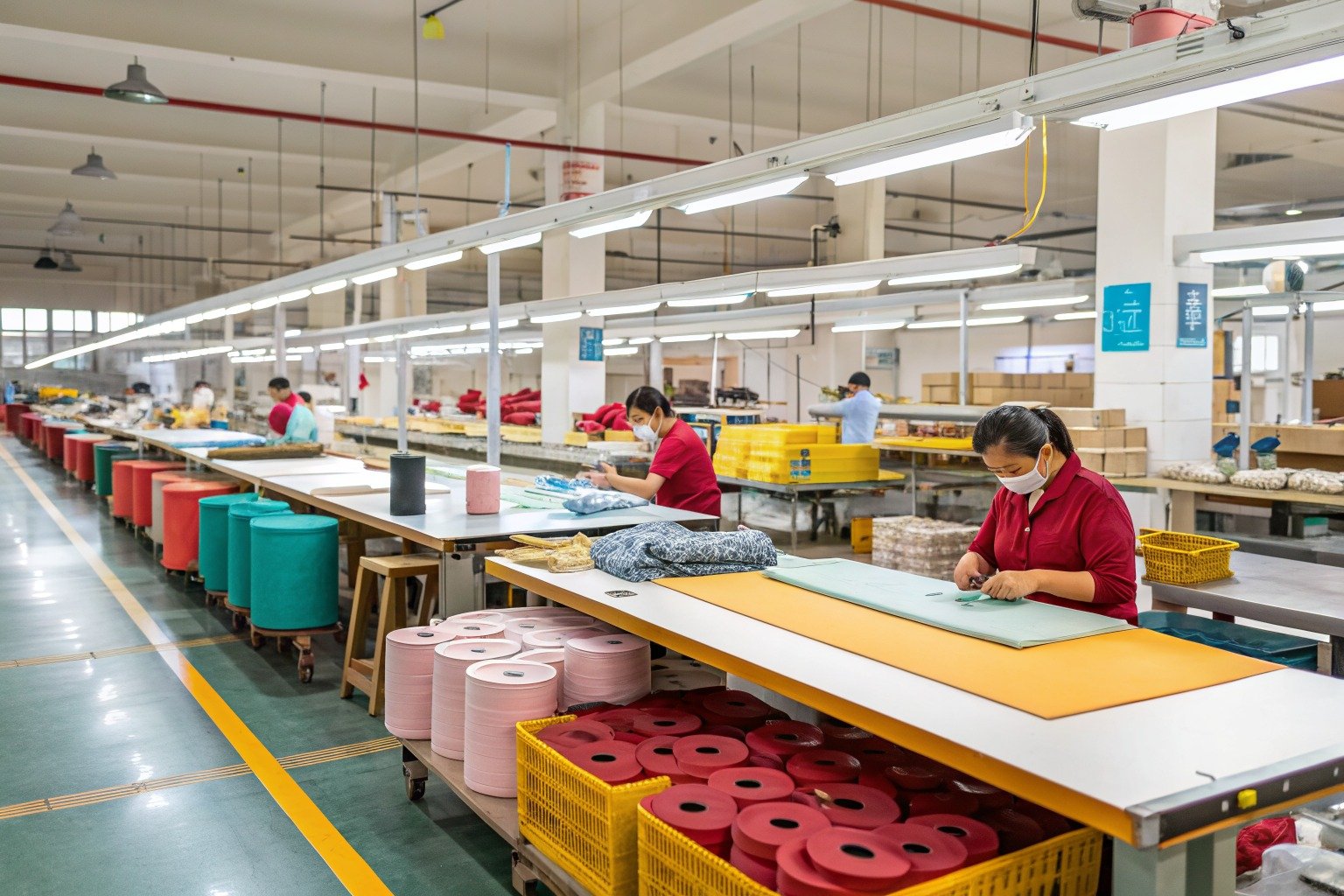
At Shanghai Fumao Clothing, we have embraced this trend. We’ve applied our decades of experience in human accessories to the pet market, creating a range of high-quality, fashionable items for dogs and cats. In this post, I’ll share how you can develop accessories that cater to the booming pet fashion industry.
What Makes The Pet Fashion Industry Unique?
Before diving into product development, it’s crucial to understand what makes this market tick. It’s not just about shrinking down human clothes. Pet fashion is driven by a unique set of motivations and needs. The primary driver is the powerful emotional bond between owner and pet. Dressing a pet is an expression of love and care.
This emotional connection means that pet owners are often willing to spend significant money on high-quality, stylish items for their animals. They want their pets to be comfortable, safe, and, of course, adorable. For more on this growing market, resources like the American Pet Products Association (APPA) provide extensive data and trends.
Who is the target customer for pet fashion?
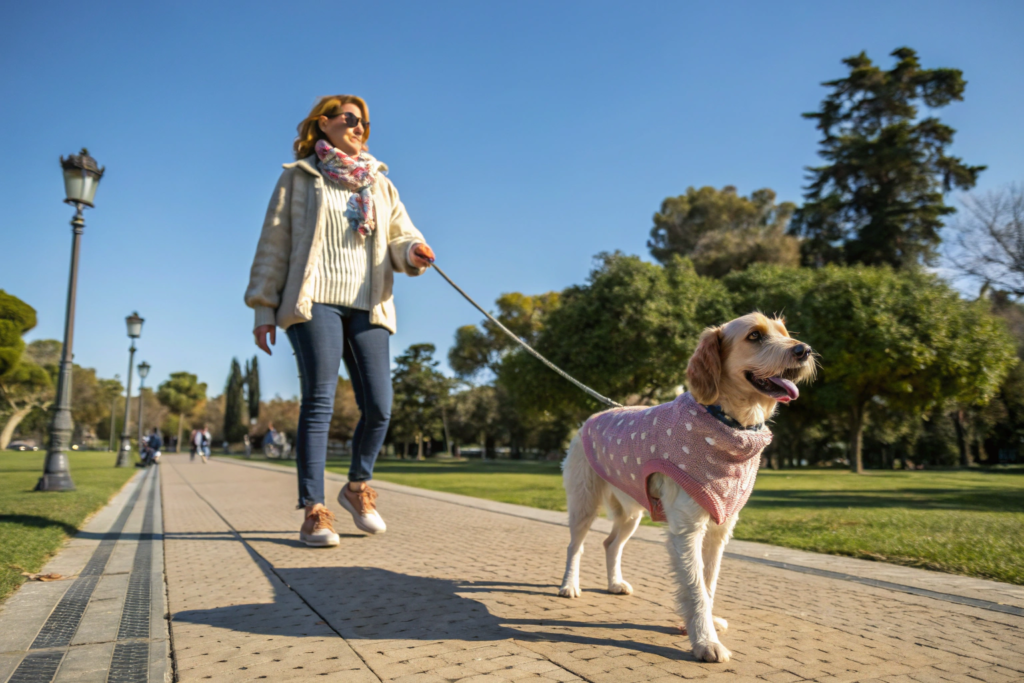
The target customer is, of course, the pet owner. But understanding their profile is key. The most active segment is often:
- Millennials and Gen Z: These generations treat their pets as "fur babies" and are the primary drivers of the humanization trend. They are highly engaged on social media and love to share photos of their stylish pets.
- Urban Pet Owners: People living in cities often have smaller living spaces and a strong desire to accessorize their pets, who are their constant companions.
- Owners of Small Breeds: While fashion for larger dogs exists, the market is particularly strong for smaller, easier-to-dress breeds.
- Owners Who See Pets as Family: This is the core of the market. They celebrate their pet’s birthday, include them in holiday photos, and want them to be part of every family moment, including fashion.
These owners are looking for products that are both stylish and functional, and that reflect their own personal aesthetic.
What are the key motivations for pet owners to buy fashion accessories?
- Expression of Love and Care: Buying a cute sweater or a stylish collar is a tangible way for owners to show they care. It’s an act of love.
- Self-Expression: Just as people use fashion to express their own personality, they also use it to express themselves through their pets. A punk rock owner might put a studded collar on their dog. A bohemian owner might choose a floral bandana.
- Fun and Novelty: Let’s be honest, it’s fun to dress up your pet. Holiday costumes, matching outfits, and silly accessories bring joy to the owner.
- Social Media Shareability: A cute photo of a dressed-up pet is social media gold. Owners love to share these moments, and this drives demand for new and interesting accessories.
- Practicality: Some accessories, like sweaters for short-haired breeds in winter or booties for hot pavement, are also practical. Fashion and function can go hand-in-hand.
Understanding these motivations will guide your product development and marketing.
What Are The Most Popular Pet Accessory Categories?
The pet fashion market is vast and includes many different product categories. Some are purely decorative, while others combine fashion with function. A successful collection will often include a mix of these categories.
At our factory, we have the capability to produce a wide range of pet accessories, applying the same quality and attention to detail we use for human products.
What are the essential apparel items for pets?
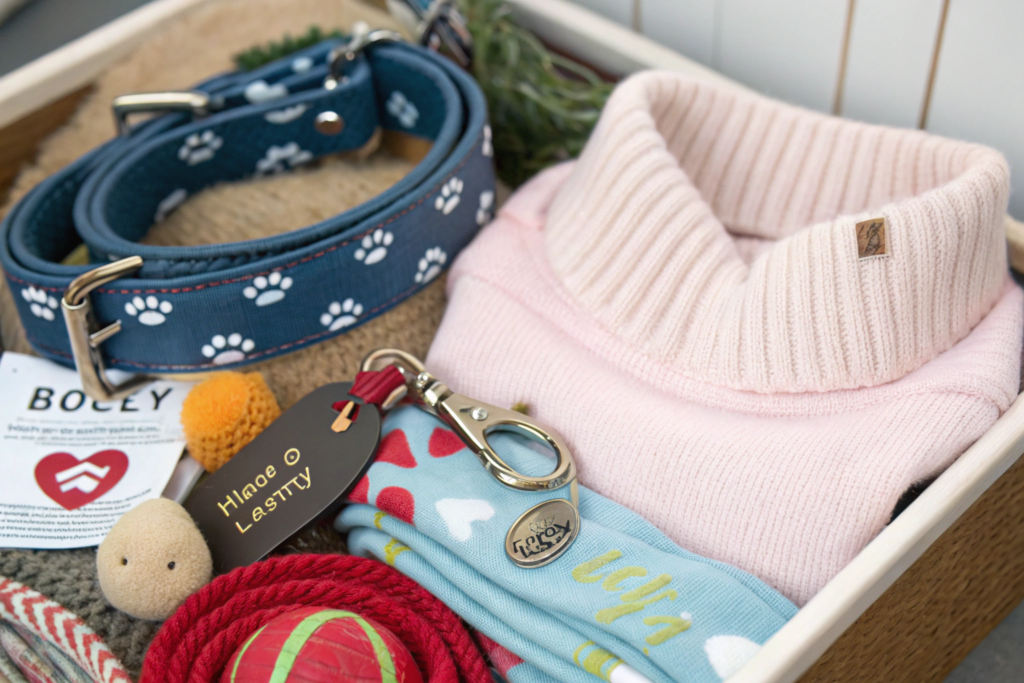
- Sweaters and Hoodies: These are a staple, especially for smaller, short-haired breeds in colder climates. They come in countless styles, from classic cable knits to trendy graphic prints. The key is comfort and fit. They should be easy to put on and not restrict movement.
- Coats and Jackets: For more extreme weather, waterproof or insulated coats are essential. These can be both highly functional and fashionable, with stylish designs and reflective elements for safety.
- Bandanas and Scarves: These are a simple, affordable way to add a pop of style. They can be made in endless fabrics and prints, from classic bandana prints to trendy patterns. They are also easy to put on and take off.
- Dresses and Costumes: For special occasions, holidays, or just for fun, dresses and costumes are hugely popular. Think Santa suits for Christmas, pumpkin outfits for Halloween, or frilly dresses for a "princess" pup.
- Booties and Socks: These protect paws from cold, heat, and rough terrain. They need to be secure and comfortable.
A cozy pet sweater is a perfect entry point into this category.
What about collars, leashes, and other functional accessories?
These items are essential for every pet owner, and they offer a huge opportunity for fashion.
- Collars: The collar is the most basic and essential pet accessory. Fashionable collars come in every material imaginable—leather, nylon, canvas, even chain. They can feature prints, studs, bows, and other embellishments. A personalized ID tag is often attached.
- Leashes: The leash is the partner to the collar. Matching leash and collar sets are very popular. They also need to be strong, durable, and comfortable for the owner to hold.
- Harnesses: Harnesses are increasingly popular as they are often more comfortable and secure for the dog, especially for those that pull. They come in many styles, from simple strap designs to padded, vest-like harnesses.
- ID Tags: A personalized ID tag is a functional necessity, but it’s also a fashion item. Tags come in countless shapes, from classic bones and circles to hearts, stars, and custom shapes. They can be engraved with the pet’s name and owner’s contact information.
- Bows and Bow Ties: These are a simple, adorable way to add a touch of style. They often attach to the collar with a clip or a loop.
A stylish personalized collar is both a functional necessity and a fashion statement.
What Are The Key Design Considerations For Pet Accessories?
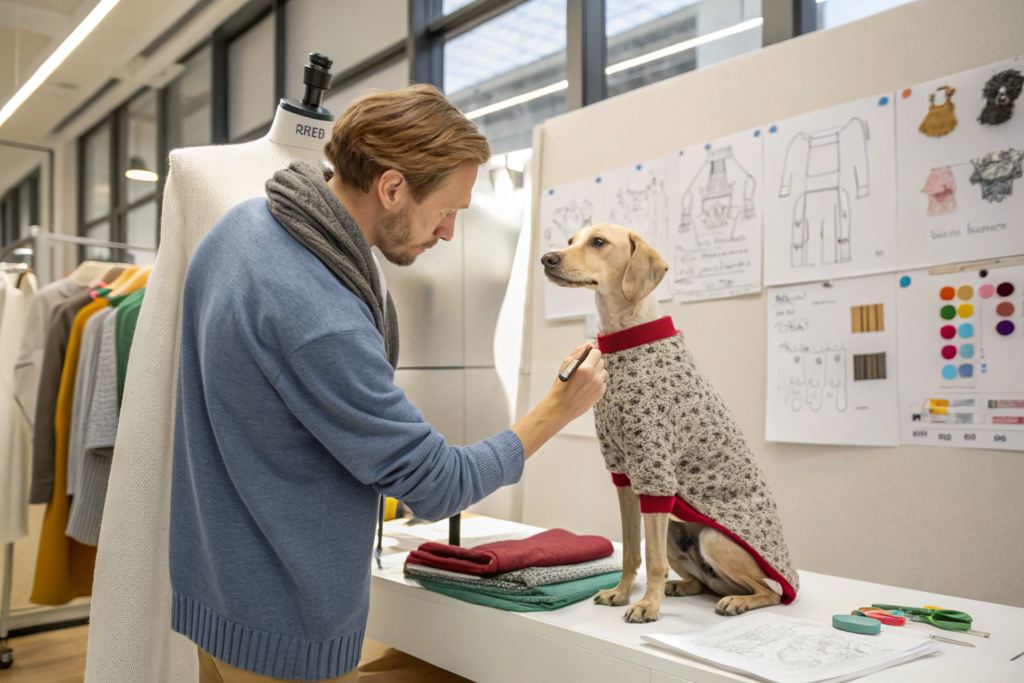
Designing for pets is not the same as designing for humans. You have to consider a completely different set of factors, including anatomy, safety, and durability. A product that is stylish but uncomfortable or unsafe will fail. Comfort and safety are paramount.
At our factory, we take these considerations very seriously. We work with our clients to ensure every product is designed with the pet’s well-being in mind. For more on pet product safety, organizations like the Consumer Product Safety Commission (CPSC) have guidelines, and there are also industry-specific standards.
What are the most important safety considerations?
Safety is the absolute top priority in pet accessories. A product that looks great but could harm the animal is unacceptable.
- Choking Hazards: Any small parts, like buttons, beads, or decorative elements, must be securely attached and unable to be chewed off and swallowed. This is a critical quality control point.
- Entanglement Risks: Collars and harnesses should be designed to prevent the pet from getting caught on things. Breakaway collars for cats are essential. For dogs, the fit must be secure but not too tight.
- Material Safety: All materials should be non-toxic, especially since pets may chew or lick their accessories. Dyes should be colorfast and safe.
- Breathability: For clothing, the fabric must be breathable to prevent the pet from overheating.
- Proper Fit: An ill-fitting garment can restrict movement, cause chafing, or even be dangerous. Sizing must be carefully considered.
We rigorously test all our pet products for these safety factors.
How do you ensure proper fit and comfort for different breeds?
This is a major challenge, as dogs and cats come in an incredible range of shapes and sizes. A Chihuahua has a very different body shape than a Bulldog. A one-size-fits-all approach rarely works.
- Develop a Range of Sizes: Offer your products in a range of sizes, from Extra Small to Extra Large, based on standard measurements (neck girth, chest girth, back length).
- Use Adjustable Features: Incorporate adjustable straps, Velcro closures, or elastic to allow for a more customized fit.
- Provide Clear Sizing Guides: Create detailed sizing charts with measurements and instructions on how to measure your pet. Include photos or videos demonstrating how to measure correctly.
- Test on Different Body Types: Before finalizing a design, test it on dogs or cats of different breeds and body shapes to ensure it fits comfortably on a range of animals.
- Choose Comfortable Fabrics: Use soft, breathable, non-irritating fabrics that will be comfortable for the pet to wear.
A well-fitting, comfortable accessory is one that the pet (and the owner) will be happy to use.
How Do You Market And Sell Pet Accessories?
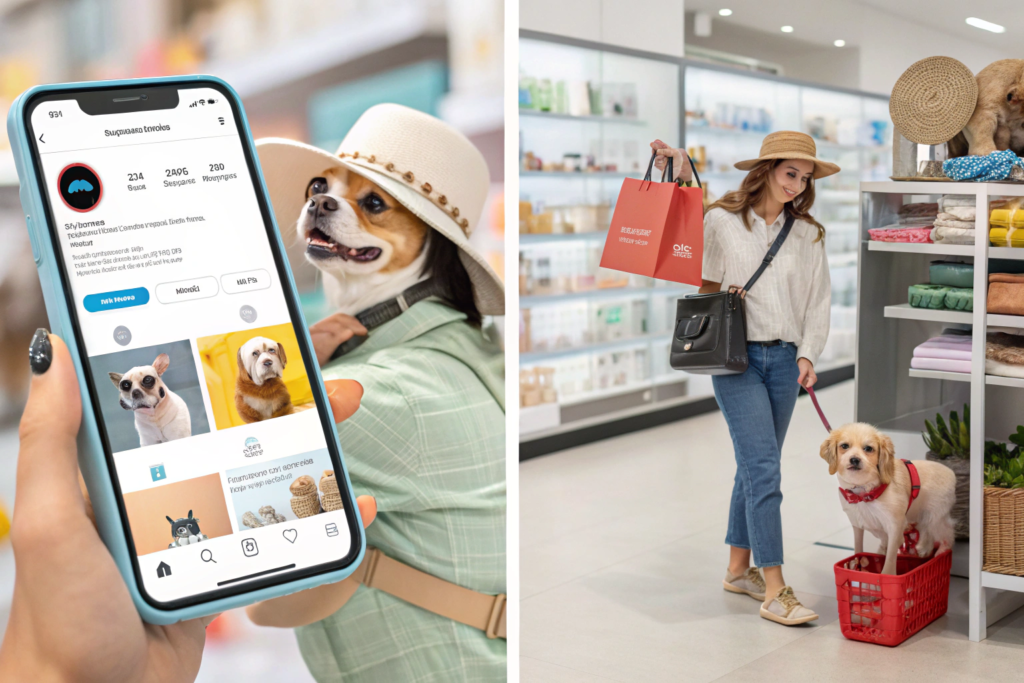
Marketing pet accessories is a joy because the "models" are so inherently appealing. Who doesn’t love looking at cute photos and videos of dressed-up pets? This makes social media an incredibly powerful tool. Your marketing should be as fun and engaging as the products themselves.
A combination of social media, influencer partnerships, and strategic retail placement can create a powerful sales engine. For more on pet industry marketing, resources like Pet Business Magazine are excellent.
How can social media be used to showcase pet accessories?
Social media, especially Instagram, TikTok, and Pinterest, is the perfect platform for pet fashion.
- User-Generated Content is King: Encourage your customers to share photos and videos of their pets wearing your products. Create a branded hashtag and repost the best content on your own channels. This provides authentic, relatable, and endlessly adorable marketing material.
- Influencer Partnerships: Partner with popular "pet influencers"—accounts with large, engaged followings of pet lovers. Sending them your products for an honest review or a styled photoshoot can be incredibly effective.
- Create Engaging Content: Produce your own fun content—styling videos, "how to measure your pet" guides, holiday-themed photoshoots, and behind-the-scenes looks at your design process.
- Run Contests and Giveaways: Contests that require users to post a photo of their pet for a chance to win your products are a great way to generate buzz and user-generated content.
- Use Relevant Hashtags: Research and use popular pet-related hashtags like #petfashion #dogstyle #catcouture #spoileddog #petaccessories.
Social media turns your customers into your best marketers.
What are the best channels for selling pet accessories?
- Online Store: Your own e-commerce website is your primary sales channel. Make sure it’s easy to navigate, with clear product photos, detailed sizing guides, and a smooth checkout process.
- Online Marketplaces: Platforms like Amazon, Etsy, and Chewy are huge marketplaces for pet products. Listing your items there can give you access to a massive, ready-made audience of pet owners.
- Boutique Pet Stores: Partnering with independent, boutique pet stores is a great way to get your products in front of a targeted, quality-conscious audience. These stores often curate their selection and are a great fit for fashionable, unique brands.
- Pet Trade Shows: Attending pet industry trade shows is essential for connecting with retailers and getting your products into stores.
- Veterinarians and Groomers: These are trusted sources of advice for pet owners. Building relationships with local vets and groomers who might recommend or even sell your products can be very effective.
A multi-channel approach will help you reach the widest possible audience of pet-loving customers.
Conclusion
The pet fashion industry is a vibrant, growing, and deeply rewarding market. Driven by the powerful emotional bond between owners and their pets, it offers immense opportunities for creative and quality-focused brands. By understanding the unique motivations of pet owners, focusing on key product categories like apparel and collars, prioritizing safety and comfort in your designs, and marketing through the power of adorable social media content, you can build a successful and beloved pet accessory line.
At Shanghai Fumao Clothing, we have the expertise and the facilities to be your partner in this exciting venture. Our factory in Zhejiang can produce a vast range of high-quality pet accessories, from cozy knitted sweaters and stylish bandanas to durable collars and leashes. We understand the importance of safety, fit, and comfort. Our experienced project managers can guide you through every step, from design and material selection to production and quality control.
If you’re ready to develop a line of fashionable pet accessories, let’s talk. Please contact our Business Director, Elaine, at elaine@fumaoclothing.com. We’ll help you create products that pets and their owners will love.