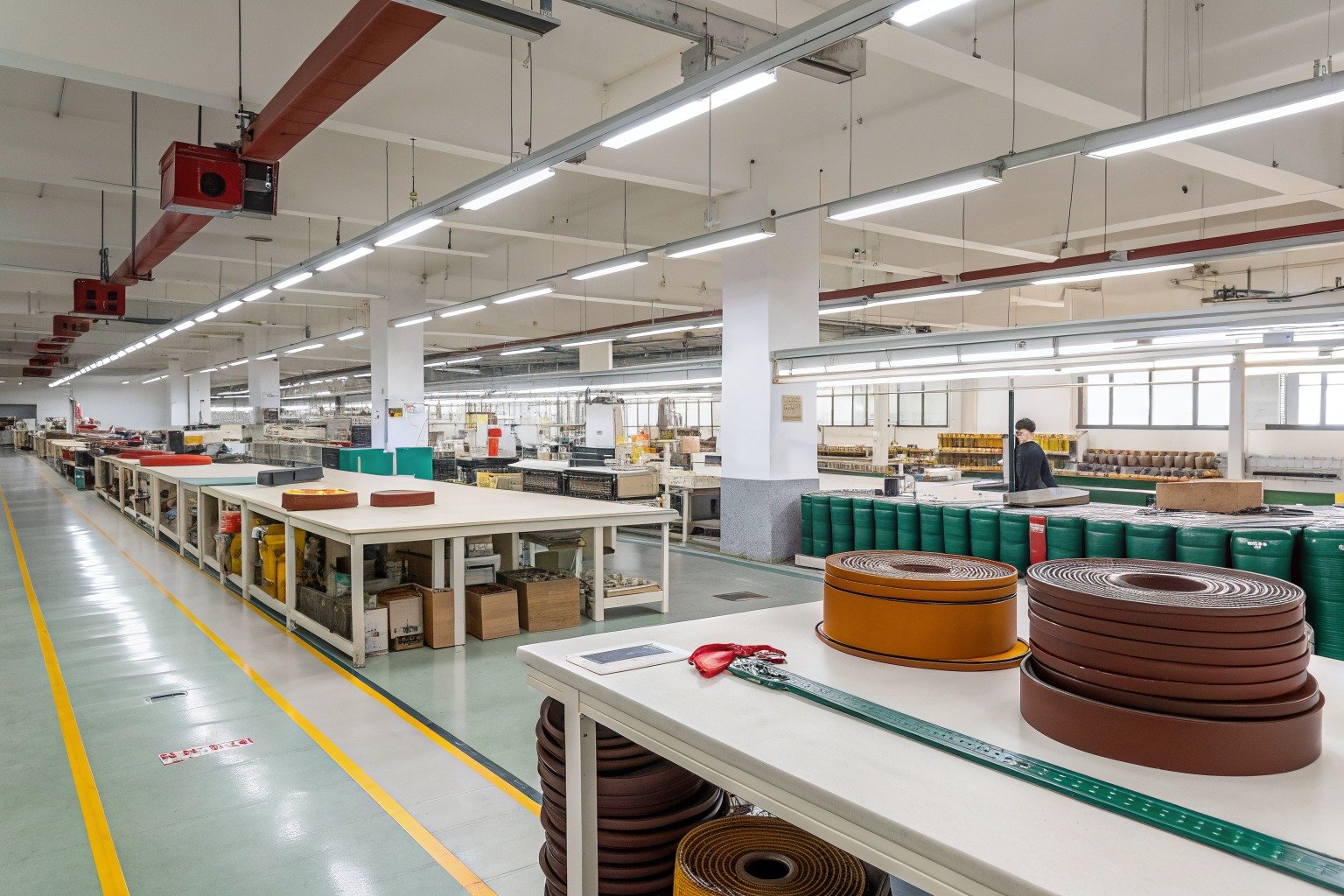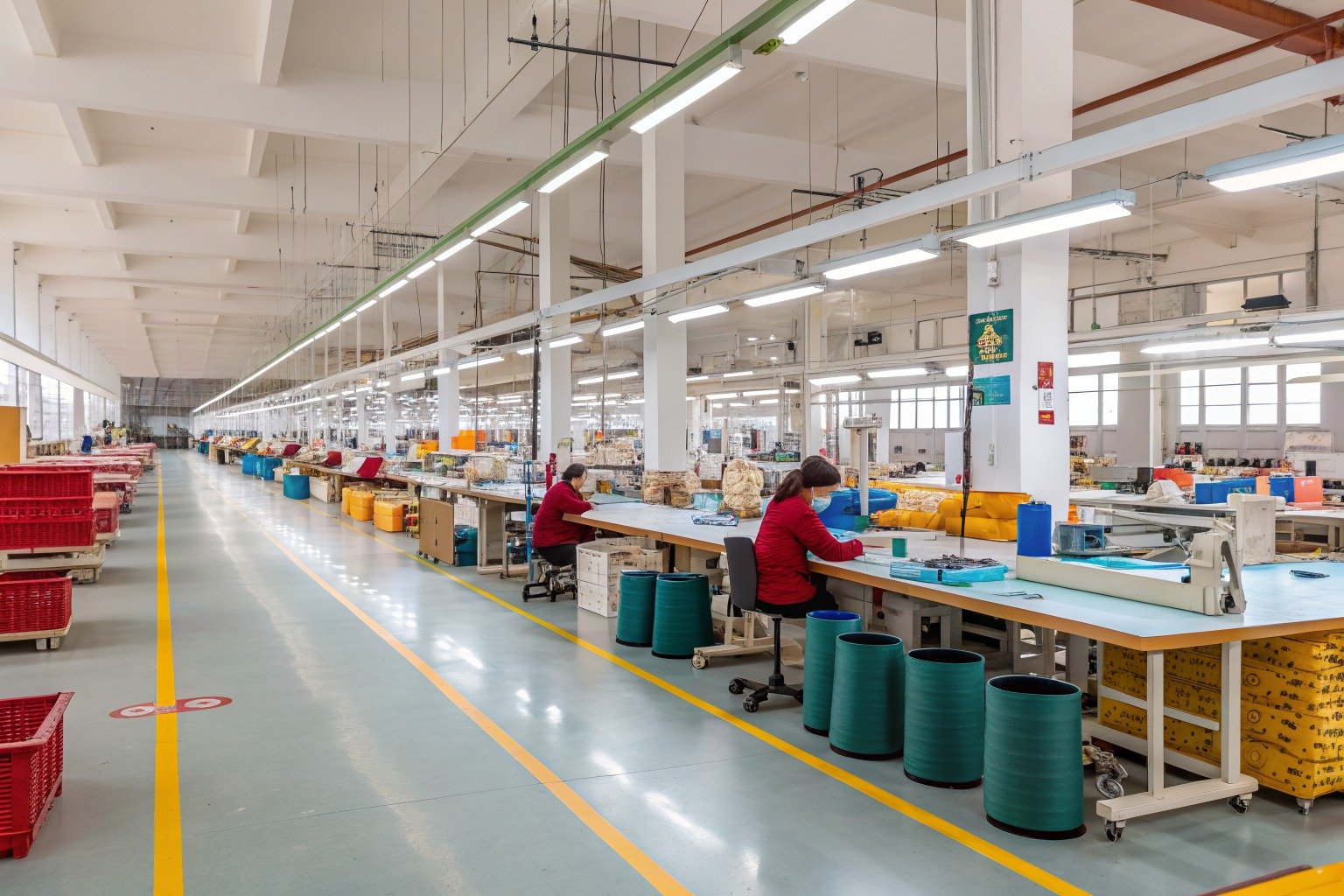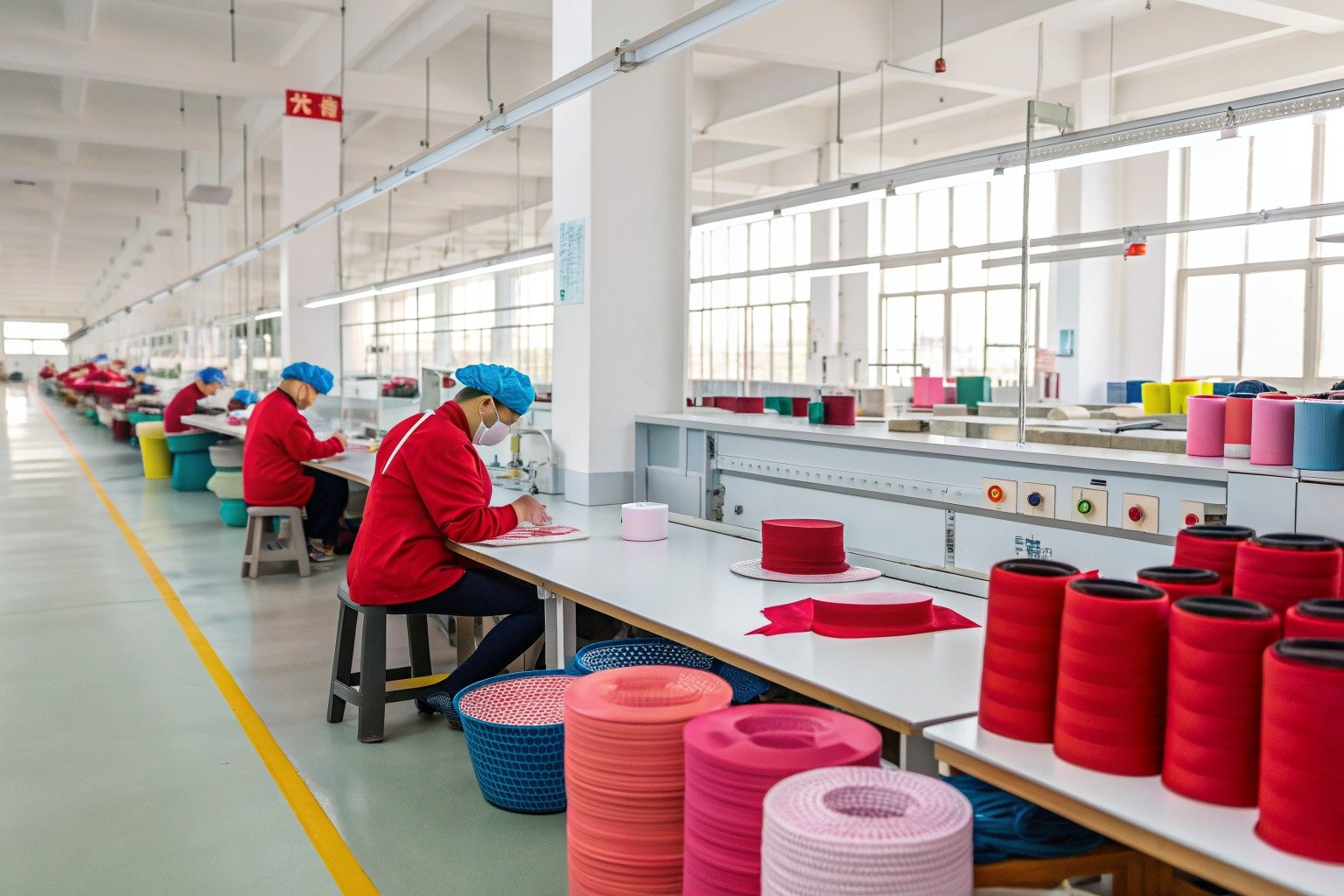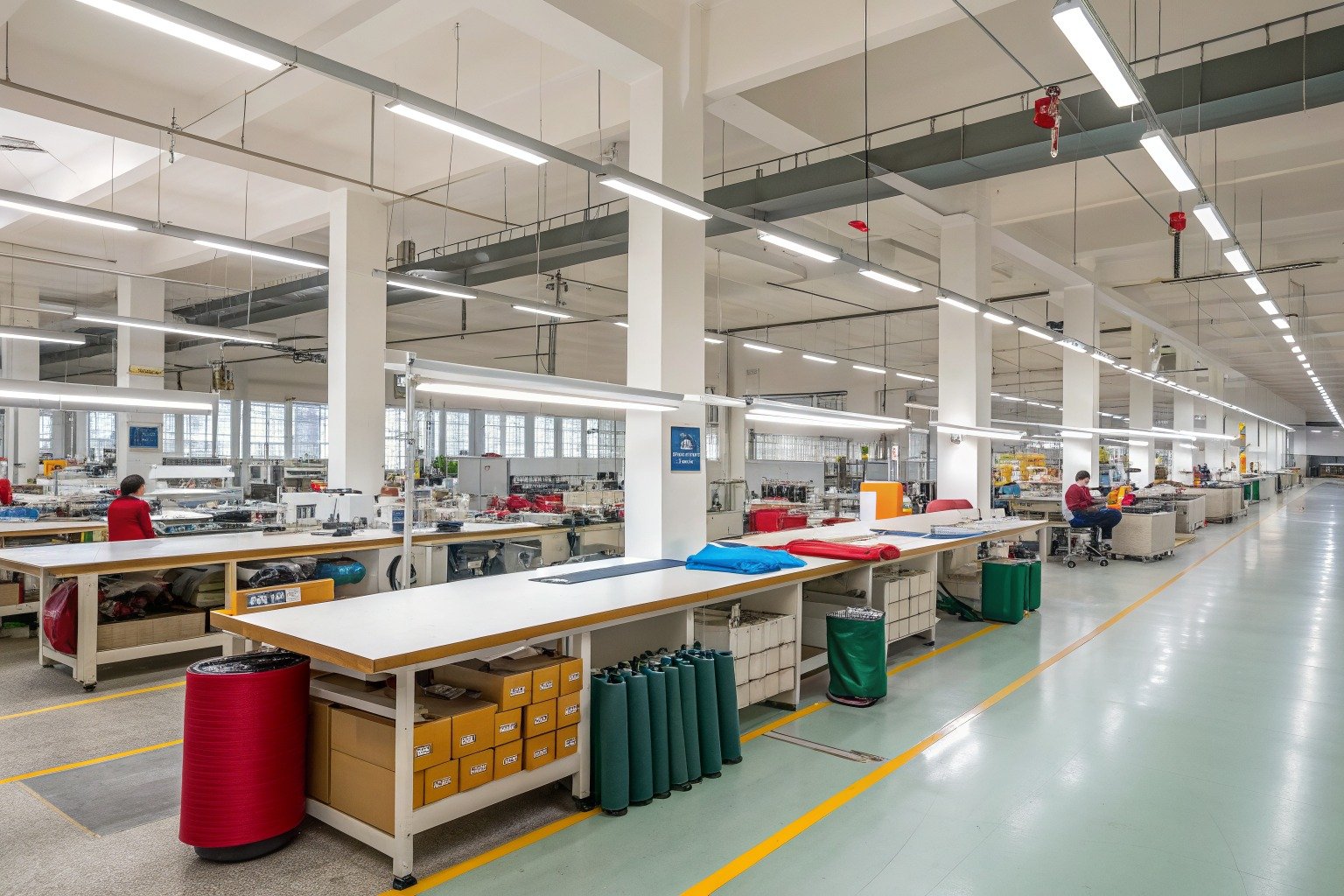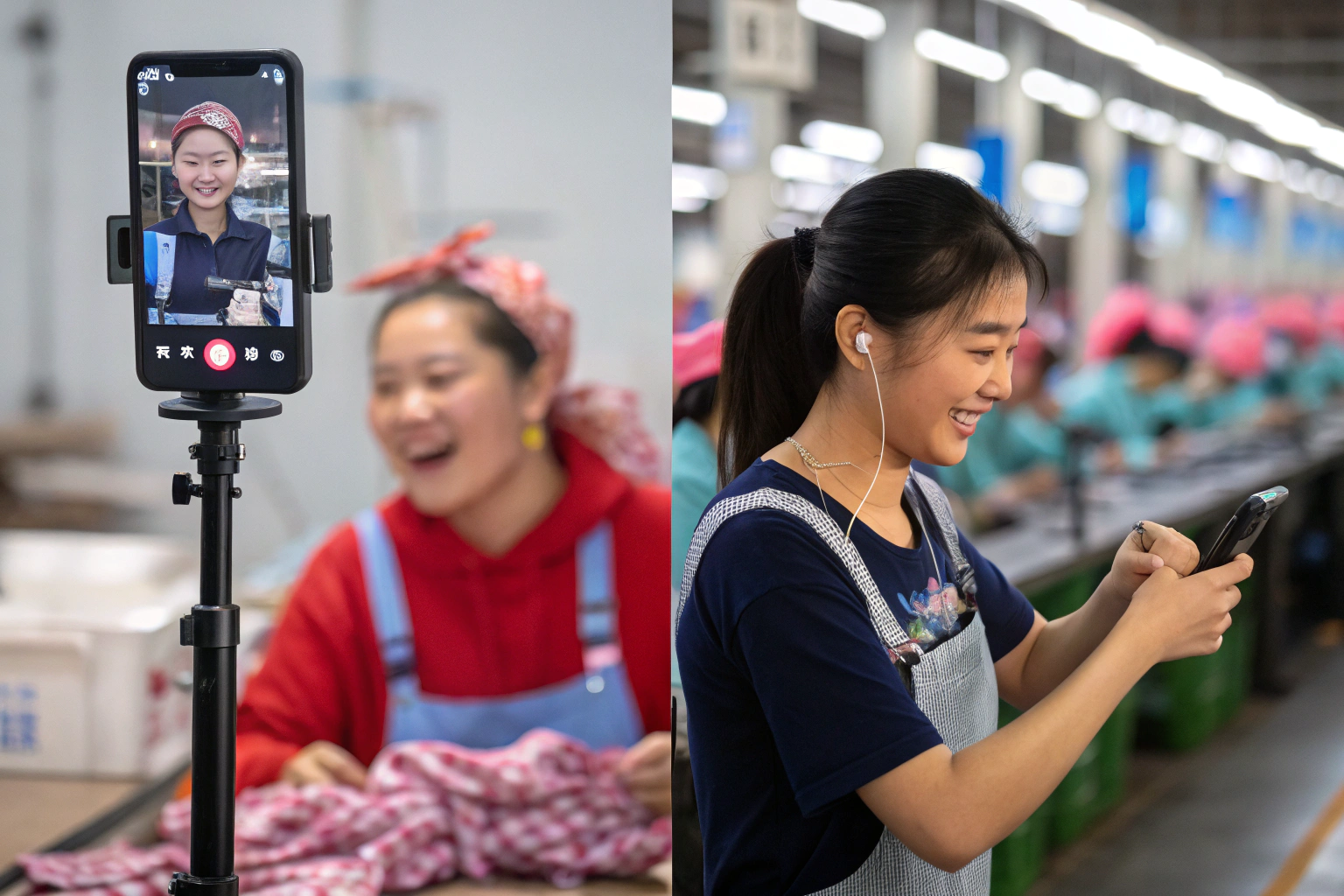
I’ll be honest with you. For most of my career, the idea of showing the inside of our factory to the world felt strange. We kept our processes private. We focused on delivering quality products, not on showing how we made them. But the world has changed. Buyers like Ron, who are confident and experienced, now demand transparency. They want to see where their products come from. They want to know the people behind the production. And they want to feel confident that their supplier is real, reliable, and capable.
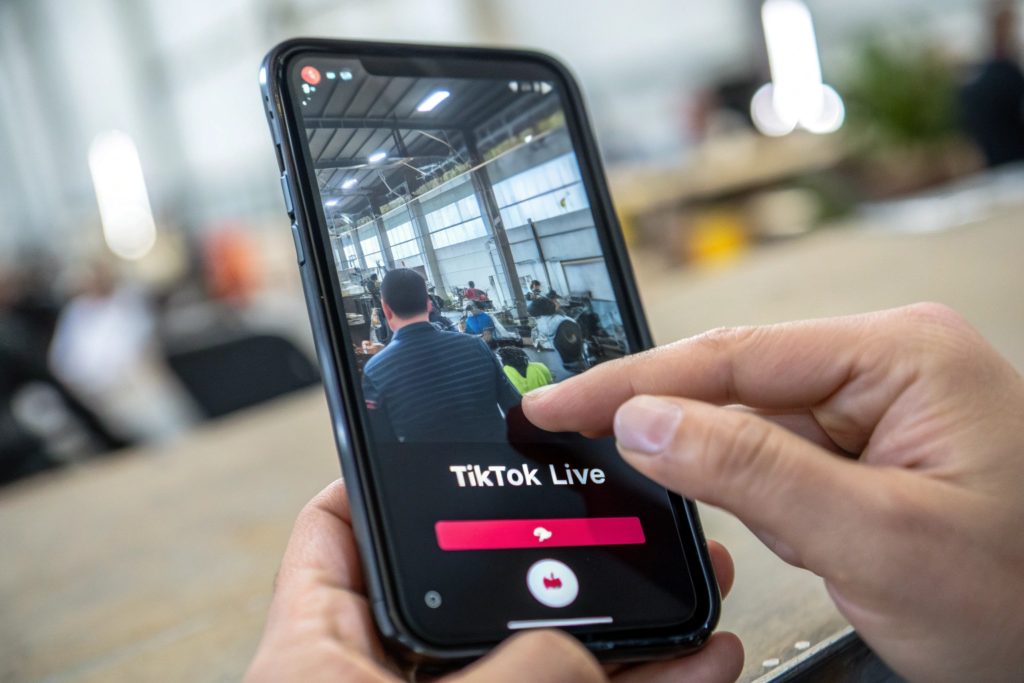
This is where TikTok LIVE has become an unexpected but incredibly powerful tool. We started experimenting with it last year, and the results have been amazing. It’s not about dancing or chasing viral trends. It’s about using live video to build trust, showcase our capabilities, and connect with potential clients in real-time. A buyer in New York can now watch their scarves being made in Zhejiang, live, and ask questions directly to our team. It’s the next best thing to being here in person.
In this post, I’ll share exactly how we use TikTok LIVE to showcase our accessory manufacturing process. I’ll walk you through the strategies that work, the content we create, and the results we’ve seen. If you’re a factory owner or a buyer curious about this new way of connecting, this guide is for you.
Why Should Accessory Factories Use TikTok LIVE?
The first question I always get is: "Why TikTok? Isn’t that just for kids dancing?" The answer is no. TikTok has evolved into a major search engine and discovery platform. People use it to find information, learn new skills, and yes, to find suppliers. For B2B businesses, it’s a goldmine of opportunity. And LIVE is the most powerful feature because it’s unfiltered and authentic.
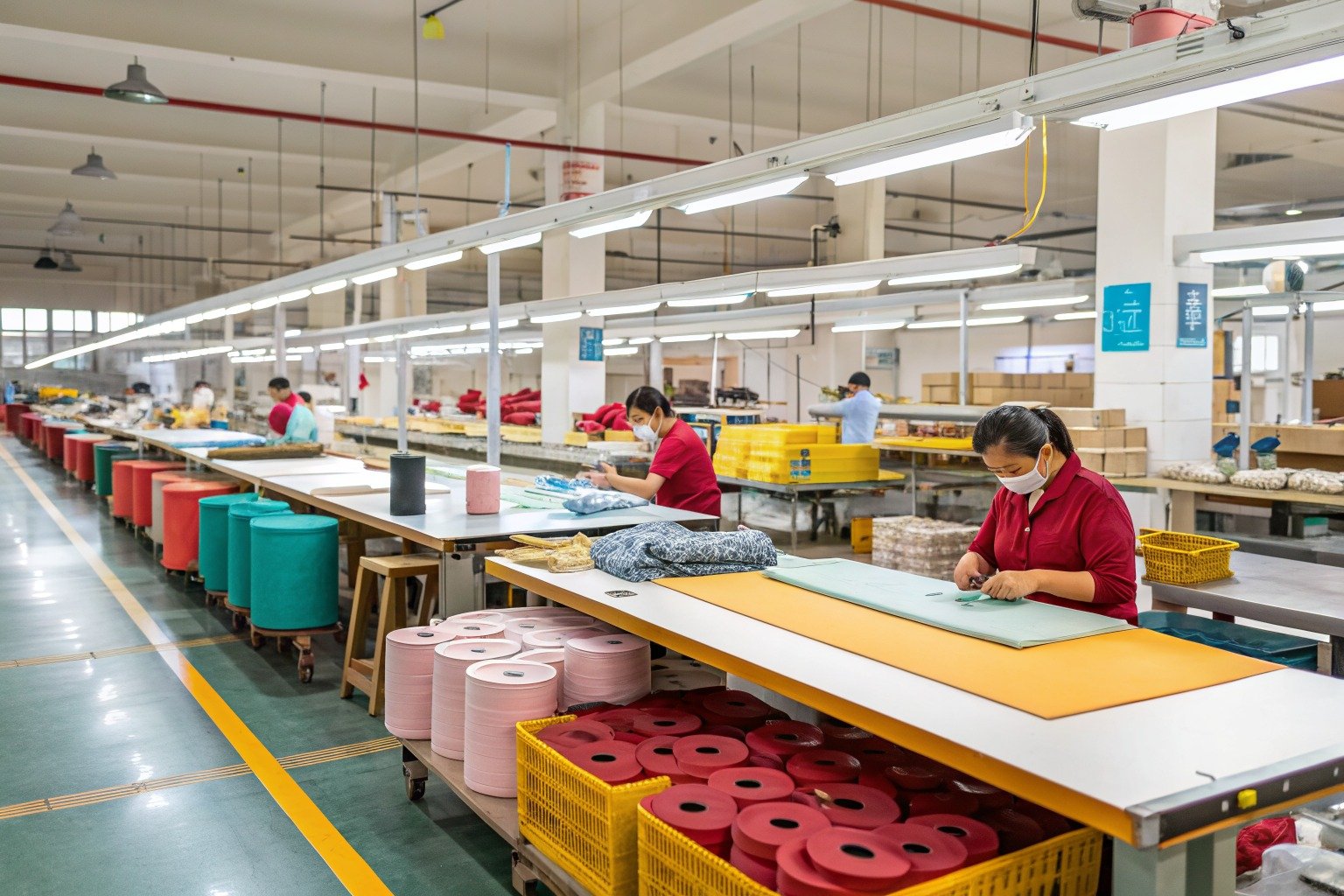
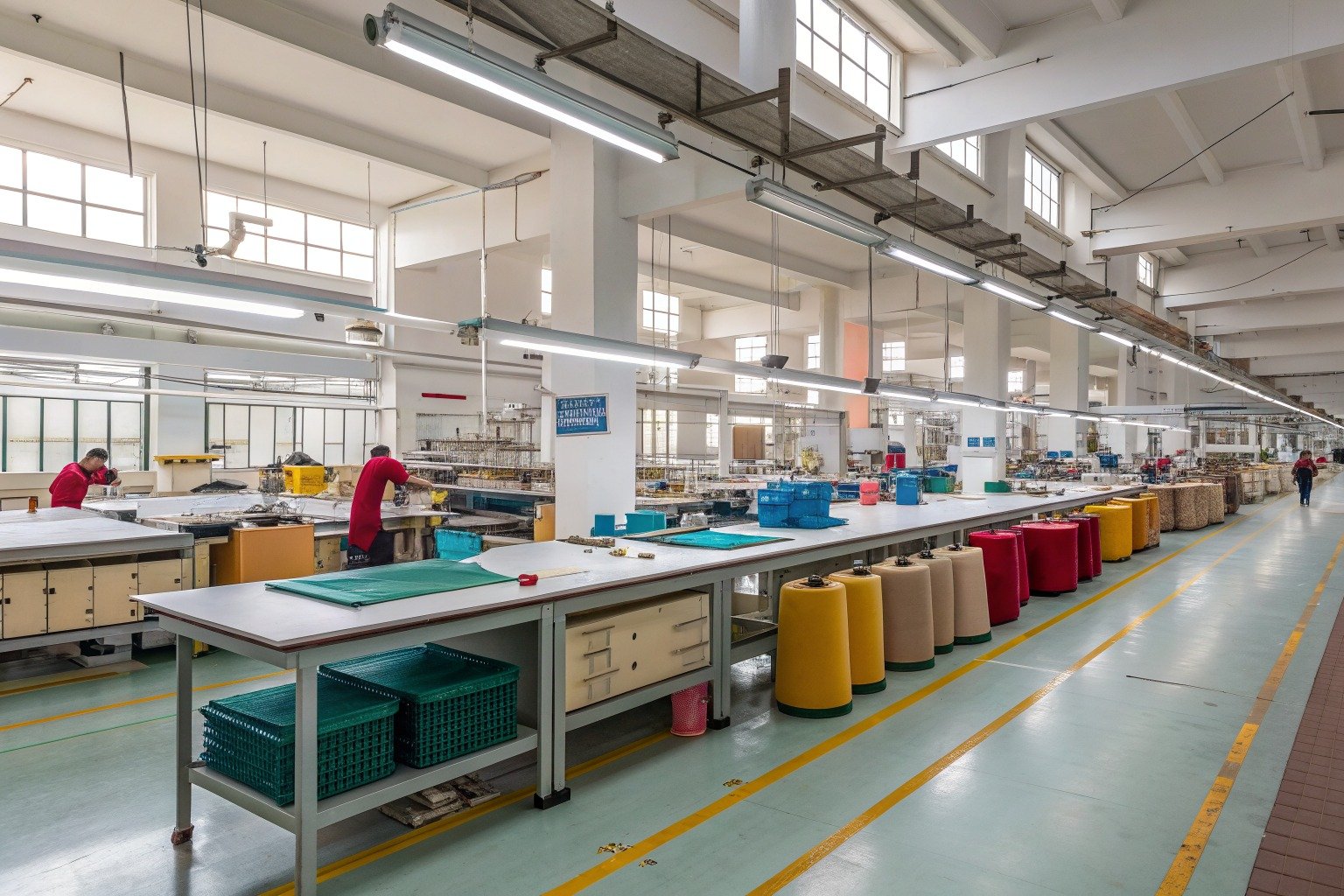
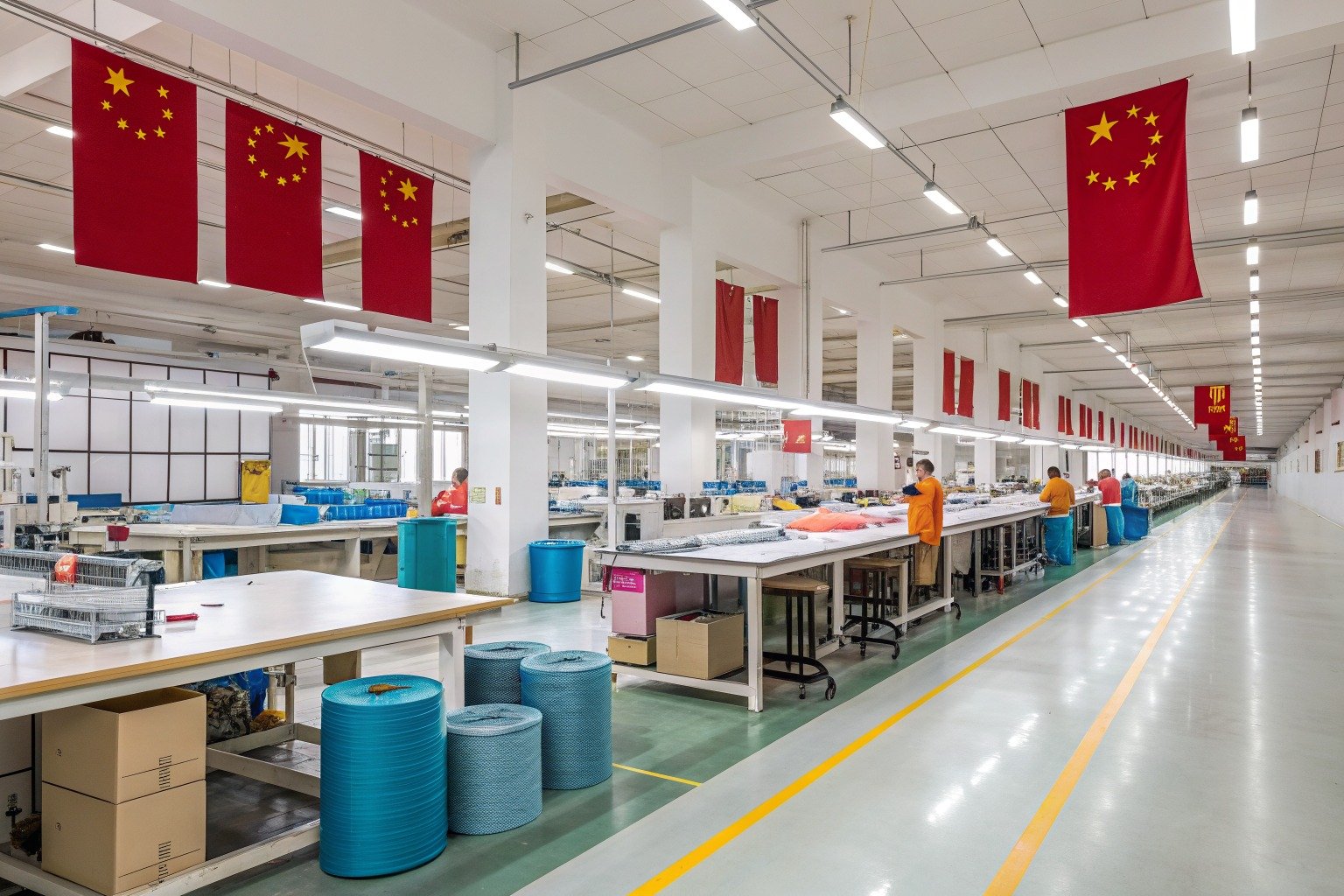
When you go live, you are showing your factory exactly as it is at that moment. There’s no retouching, no staging (well, a little tidying up is fine!). This raw authenticity builds trust faster than any polished brochure ever could. A buyer watching our live stream can see the cleanliness of our floor, the skill of our workers, and the volume of our production in real-time. They can ask to see a specific machine or a specific quality check point. This level of transparency is incredibly reassuring. It answers the question every buyer has: "Is this supplier real and capable?" For more on the power of live video in business, resources like Social Media Today frequently publish case studies and best practices.

How does live video build trust with overseas buyers?
Trust is the currency of international trade. When you are thousands of miles away, and you’re about to invest tens of thousands of dollars in an order, you need to trust your supplier. A website and some photos are not enough anymore. Anyone can create a fake website. But a live video from a factory floor? That’s much harder to fake.
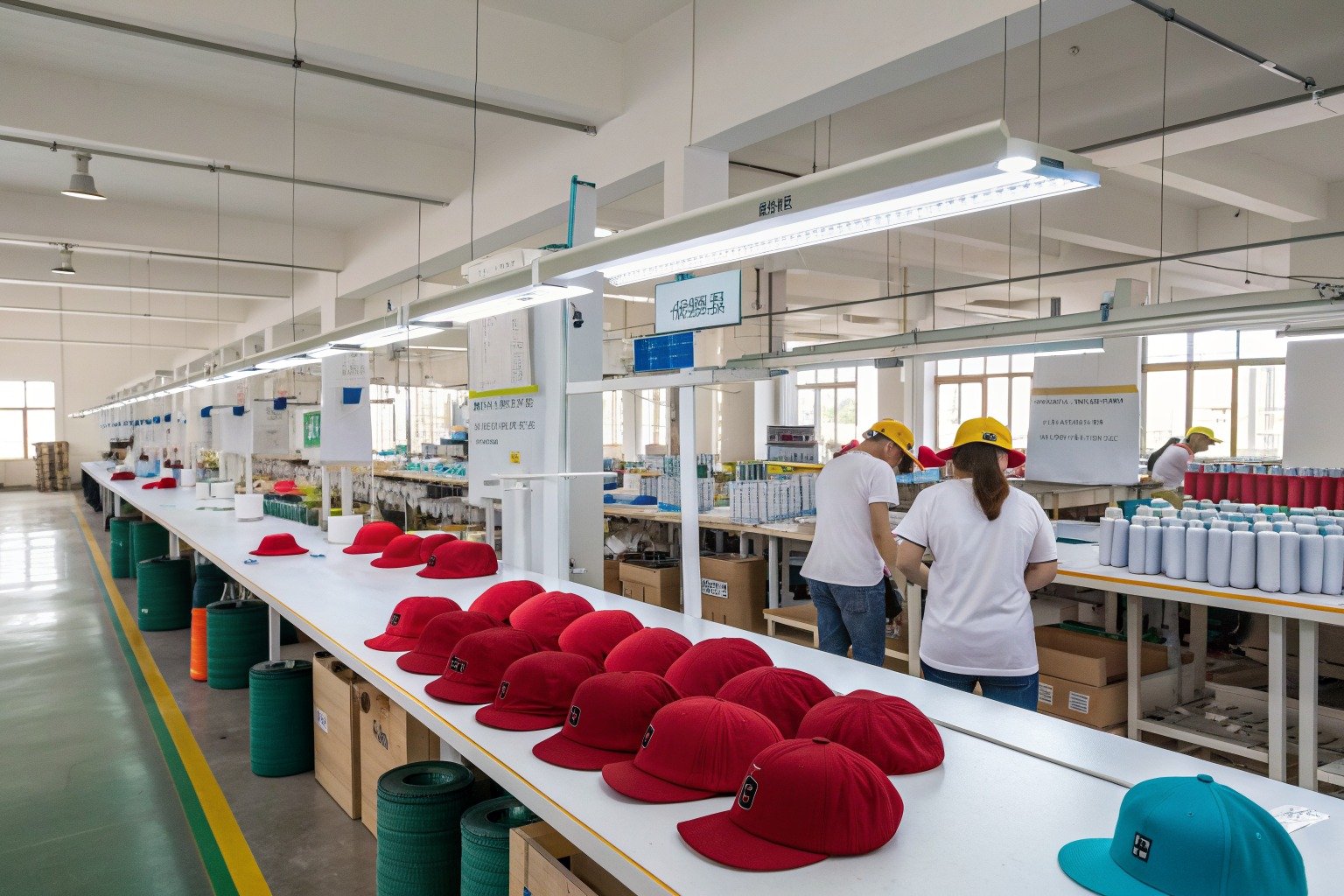
When we go live on TikTok, we invite our potential clients to look anywhere. We walk them through our design studio, our cutting room, our sewing lines, and our quality control station. They can see the faces of the people making their products. They can see the machines running. They can see the finished goods being packed. This visual proof is incredibly powerful. It transforms us from a faceless company into real people with a real factory. It’s the foundation of a strong, trusting relationship. For insights into building trust in global supply chains, publications like Supply Chain Digital often cover the importance of transparency.
What equipment do you need for a professional factory live stream?
You don’t need a Hollywood studio to go live. We started with just a good smartphone and a tripod. And that’s still the core of our setup. A modern smartphone has an excellent camera that is more than adequate for live streaming. The key is stability. A tripod keeps the video steady and professional-looking.
We also invested in a few simple accessories. A clip-on ring light helps ensure good lighting, especially in areas of the factory that might be a little darker. A portable microphone that connects to the phone dramatically improves the audio quality. Factory floors can be noisy, and a good microphone helps capture the host’s voice clearly. Finally, a reliable, high-speed Wi-Fi connection or a strong 5G signal is essential. There’s nothing worse than a live stream that keeps buffering. With these simple tools, we can produce a live stream that looks and sounds professional. For tech reviews and recommendations, sites like Wirecutter offer excellent guides to choosing the right equipment.
What Content Should You Show During A Factory LIVE?
The content of your live stream is everything. You can’t just point the camera at the factory floor and expect people to watch for an hour. You need a plan. You need to tell a story. You need to show the journey of a product, from raw material to finished box. This is what buyers are curious about. They want to see the entire process, not just the end result.
We structure our live streams like a tour. We start in our design studio, where we show sketches and samples. Then we move to the material cutting area, then to the production lines, then to quality control, and finally to packing and shipping. Along the way, we introduce the people doing the work. We ask them questions. We show close-ups of the details. This narrative structure keeps viewers engaged and gives them a comprehensive understanding of our capabilities. For ideas on visual storytelling in manufacturing, channels like Inside the Factory (BBC) are great examples of how to make factory processes interesting.

How do you show quality control checks in real-time?
This is one of the most popular segments of our live streams. Buyers are obsessed with quality control, and rightly so. Showing our QC process in real-time is a huge trust-builder. We position a camera at one of our QC stations. A trained inspector will pick up a random sample from a production batch.
They will show the viewer exactly what they are looking for. For a hair clip, they might test the spring tension, check the smoothness of the edges, and inspect the bonding of any decorative elements. For a scarf, they might hold it up to the light to check for weaving flaws, feel the fabric for consistency, and measure the dimensions. They explain each step as they do it. This demonstrates our commitment to quality and shows that our QC process is thorough and professional. For standards on quality control procedures, organizations like ASQ (American Society for Quality) provide valuable resources.
What role do factory workers play in the live stream?
Our workers are the stars of the show. When we go live, we make a point of introducing them. We show them at their workstations, doing what they do best. We ask them (through a translator if needed) simple questions like: "How long have you worked here?" "What is the most important part of your job?" "What do you like about making these products?"
This humanizes the factory. It shows potential buyers that their products are being made by skilled, experienced people who take pride in their work. It moves the relationship beyond a simple transaction. It creates a connection. A buyer who has seen the face of the woman sewing their scarves is much more likely to trust that factory and become a repeat customer. This focus on the human element is a key part of our philosophy at Shanghai Fumao Clothing.
How Do You Engage With Buyers During A TikTok LIVE?
Going live is not a one-way broadcast. It’s a conversation. The real magic of TikTok LIVE is the ability to interact with your viewers in real-time. They can type questions, and you can answer them immediately. This turns a passive viewing experience into an active, engaging dialogue. For a potential buyer, this is incredibly powerful. They can get their specific questions answered on the spot.
We always have at least one person monitoring the comments during a live stream. This person’s only job is to read questions aloud and get them answered by the host or by someone else on the floor. This could be our project manager, a designer, or a production supervisor. The ability to ask "Can you show me how you attach that buckle?" and have the camera zoom in on the process right then and there is a level of service that builds immense confidence. For best practices in social media engagement, resources like Hootsuite Blog offer excellent tips and strategies.
How do you handle questions in English during a live stream?
Language can be a barrier, but it’s one we’ve learned to overcome. Most of our project managers speak excellent English. They are the ones who usually host the live streams. They can understand questions from international buyers and answer them directly and fluently.
For questions that are very technical and need input from a production worker who doesn’t speak English, we have a system. The project manager will translate the question to the worker in Chinese, the worker will answer in Chinese, and the project manager will then translate the answer back to the live audience. It’s a little slower, but it’s effective, and it actually adds to the authentic feel. It shows that we are a real Chinese factory with a dedicated team working together to serve our international clients.
What are the best times to go live for US and European audiences?
Timing is critical. You want to go live when your target audience is awake and active on the app. For us in China, this means going live very late at night or very early in the morning. The time difference is a challenge, but it’s one we are willing to accept.
For the US East Coast, a good time is between 8:00 PM and 10:00 PM China time, which is 7:00 AM to 9:00 AM Eastern Time. For Europe, it’s a little easier. Late afternoon in China (around 4:00 PM to 6:00 PM) corresponds to mid-morning in most of Europe. We schedule our most important live streams during these windows. We also promote the scheduled time in advance on our other social media channels, like LinkedIn and Instagram, so our followers know when to tune in.
What Results Can You Expect From Factory LIVE Streams?
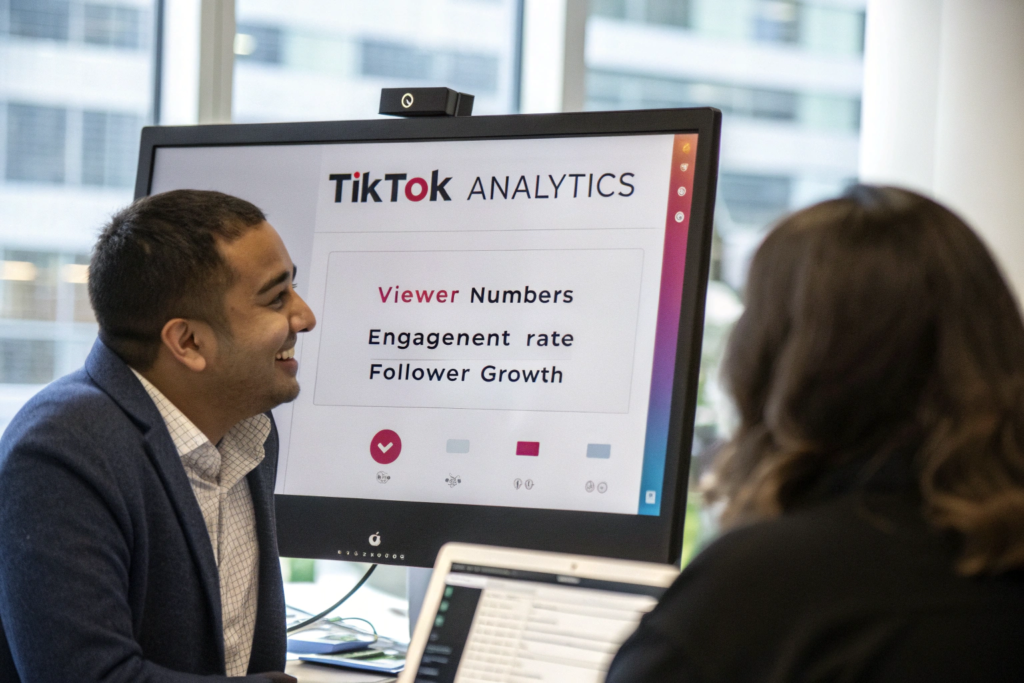
So, after all this effort, what’s the payoff? For us, the results have been significant, but not always in the ways we expected. It’s not about going viral or getting millions of views. Our audience is niche: buyers, brand owners, and importers. We measure success not by views, but by the quality of the connections we make.
Since we started using TikTok LIVE, we have seen a noticeable increase in inquiries from new clients. Many of them mention that they watched one of our live streams before contacting us. They say it gave them the confidence to reach out. We have also strengthened our relationships with existing clients. They love being able to "visit" the factory and check on their orders. It’s a value-added service that sets us apart from competitors. For more on measuring social media ROI, resources like Sprout Social provide excellent guides and calculators.
How many new clients have you gained from TikTok LIVE?
It’s hard to put an exact number on it, but we can see a clear correlation. In the first year of doing regular live streams, our inquiry volume from North America and Europe increased by about 20%. When we ask new clients how they found us, "TikTok" is now a common answer. It has joined the ranks of Alibaba, trade shows, and Google searches as a legitimate sourcing channel.
One memorable example is a buyer from a major US supermarket chain. He watched one of our live streams where we were making custom belt buckles. He was so impressed by the process and the cleanliness of our factory that he reached out the same day. That initial contact has since turned into a significant, ongoing partnership. These are the kinds of results that make the effort worthwhile.
What is the most surprising benefit of live streaming your factory?
The most surprising benefit for me has been the impact on our own team. Knowing that we might go live at any time has actually raised our internal standards. Everyone is a little more mindful of keeping their workspace clean and organized. There’s a sense of pride in showing off their work to the world.
Our workers have also become more engaged. They enjoy being on camera and explaining their jobs. It gives them a sense of ownership and connection to the final product and the customer. It’s no longer just a nameless task on a production line. They know that someone far away is watching and appreciating their skill. This boost in morale has been an unexpected but very welcome side effect of our live streaming efforts. It’s made our factory an even better place to work.
Conclusion
Using TikTok LIVE to showcase your accessory manufacturing process is not a passing fad. It’s a powerful, modern tool for building trust, demonstrating capability, and connecting with buyers in a deeply authentic way. As we’ve seen, it’s about more than just broadcasting video. It’s about telling your story, humanizing your workforce, and inviting the world to see the quality and care that goes into every product. For a factory like ours, it has opened up new opportunities and strengthened existing relationships in ways we never imagined.
At Shanghai Fumao Clothing, we are committed to transparency and innovation in everything we do. Our factory in Zhejiang is not just clean and modern; it’s open for the world to see, anytime, through the lens of TikTok LIVE. Our design team, our quality control experts, and our experienced project managers are all part of this new way of connecting with our clients. We invite you to tune in, take a tour, and see for yourself how your accessories are made.
If you’re curious to see our live stream for yourself, or if you have a project you’d like to discuss, we’d love to hear from you. Please contact our Business Director, Elaine, at elaine@fumaoclothing.com. And don’t forget to follow us on TikTok to catch our next live broadcast from the factory floor!