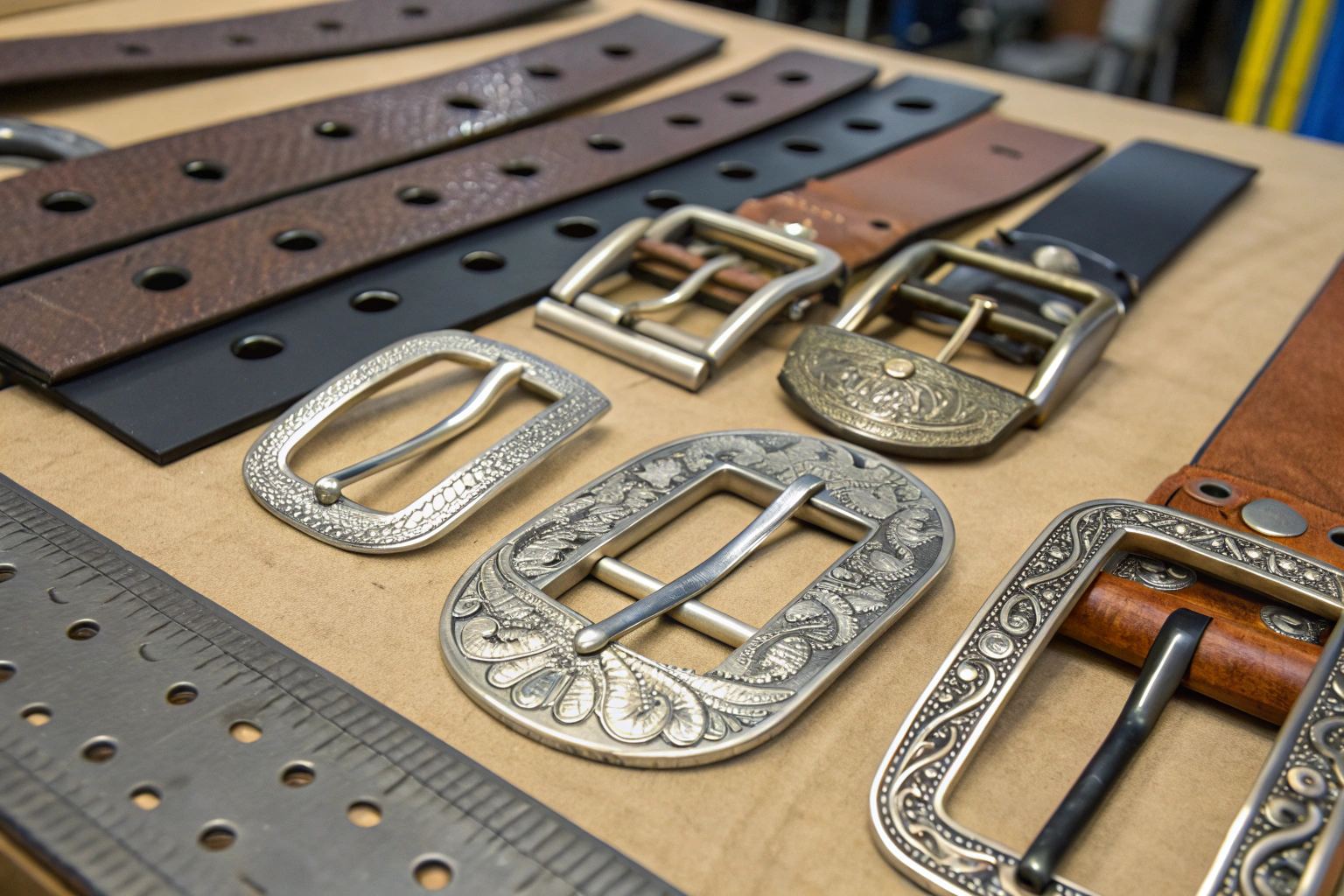
I remember our first attempt at custom metal stamping. We needed a simple logo plate for a leather bag. We found a manufacturer online, sent them our artwork, and waited. The samples arrived six weeks later. They were completely wrong. The logo was distorted. The edges were rough. The finish was uneven. We had wasted time and money, and our client was waiting.
Finding a manufacturer for custom metal stamping requires evaluating technical capabilities, quality systems, communication responsiveness, and samples of similar work. Key factors include press tonnage capacity, tooling expertise, finishing capabilities, and experience with accessory applications. Site visits or video audits verify capabilities that documents alone cannot confirm.
At Shanghai Fumao Clothing, we have developed relationships with multiple metal stamping specialists over the years. We learned what separates capable partners from those who waste your time. The process requires due diligence, but the right manufacturer becomes an extension of your team. Let me walk you through how to find and evaluate stamping partners for your accessory projects.
What Types Of Metal Stamping Serve Accessory Production?
Metal stamping covers many processes. Understanding the options helps you match manufacturers to your specific needs. Different techniques produce different results. Knowing the terminology helps you communicate effectively.
What is the difference between blanking, piercing, and forming?
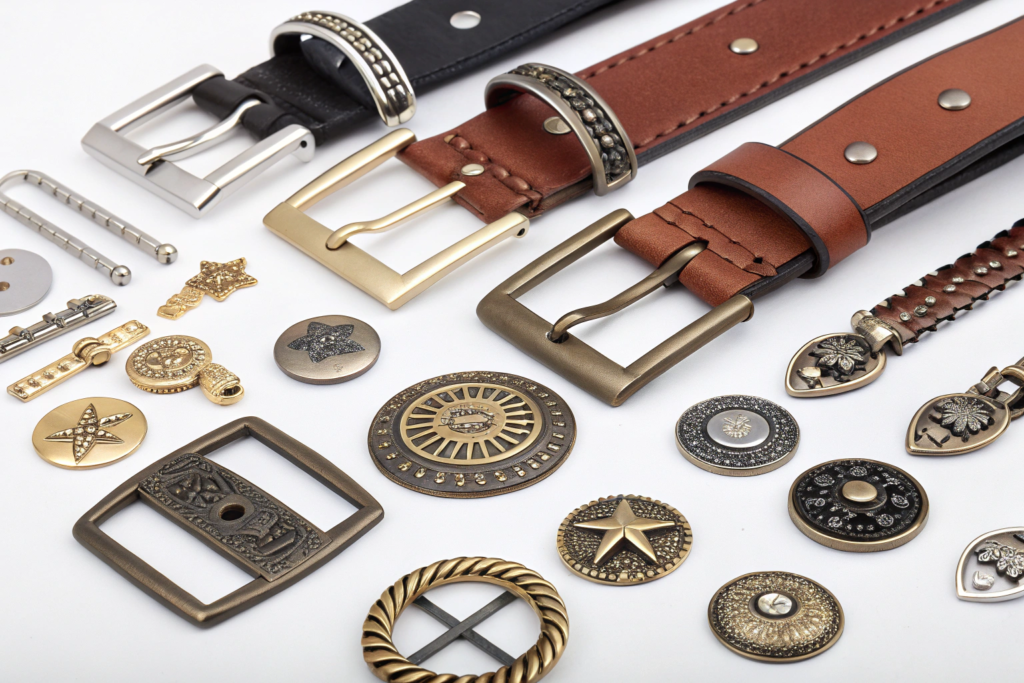
Blanking cuts flat shapes from metal sheet. The cut-out piece becomes your product. Think of logo plates, charms, or flat decorative elements. The process is efficient for high volumes.
Piercing creates holes or openings in metal. Belt buckle frames need slots for the center bar. Logo plates need mounting holes. Piercing often happens simultaneously with blanking using progressive dies. Forming bends flat metal into three-dimensional shapes. Buckle frames with curved profiles need forming after blanking. Deep drawing creates hollow shapes like snap caps or button covers. Different manufacturers specialize in different combinations. Metal stamping basics explain these processes in detail. Shanghai Fumao Clothing helps clients identify which processes their projects require.
What metals work best for stamped accessories?
Brass dominates quality accessory stamping. It casts beautifully, stamps cleanly, and takes plating well. It resists corrosion naturally. The cost is higher than alternatives.
Steel offers strength at lower cost. Carbon steel stamps well but rusts without plating. Stainless steel eliminates rust but costs more and requires more press force. Aluminum provides lightweight options. It stamps easily but lacks strength for high-stress applications. Copper and copper alloys offer unique appearances. We help clients select metals based on application requirements and budget. Metal properties guides inform material selection.
How Do You Evaluate A Stamping Manufacturer’s Capabilities?
Not all stamping manufacturers can handle all projects. Capability assessment prevents mismatched expectations. The right partner has equipment, skills, and experience matching your needs. Due diligence upfront saves headaches later.
What press tonnage do you need for your parts?
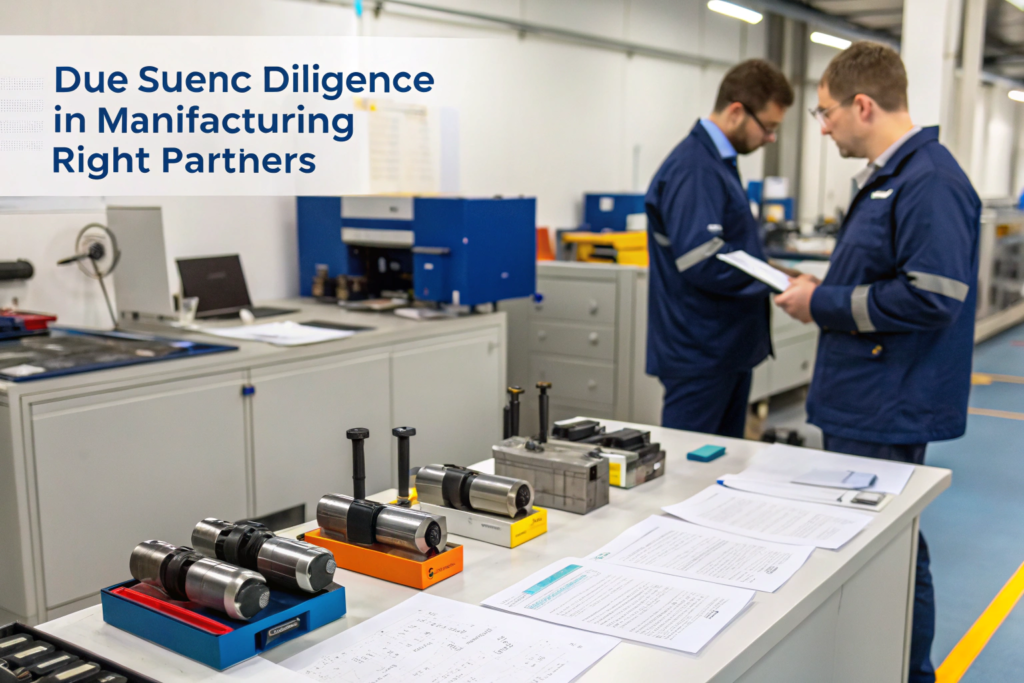
Press tonnage determines what parts a manufacturer can produce. Higher tonnage stamps thicker materials and larger parts. Lower tonnage handles smaller, thinner components.
The calculation considers material type, thickness, and part size. A simple logo plate in 0.4mm brass needs minimal tonnage. A thick belt buckle in 1.5mm steel requires significant force. Manufacturers list maximum press tonnage. Ensure your parts stay well within limits. Operating near maximum capacity risks quality problems. Tonnage calculation formulas help estimate requirements.
What secondary operations can the manufacturer perform?
Stamping rarely finishes parts completely. Secondary operations add value. Plating provides appearance and corrosion resistance. Heat treatment strengthens parts. Assembly attaches multiple components.
Manufacturers with in-house finishing reduce lead times and coordination headaches. Those outsourcing finishing add potential quality variation. Ask about specific finishes you need. Not all platers handle all metals. Polishing and deburring capabilities affect final appearance. Tumbling removes sharp edges. Vibratory finishing improves surface quality. Secondary finishing processes information guides capability assessment. We coordinate these operations for clients.
What Quality Certifications Indicate Reliable Manufacturers?
Certifications provide evidence of systematic quality approach. They do not guarantee perfect products, but they indicate commitment to standards. Understanding which certifications matter helps filter candidates. Third-party validation builds confidence.

Why does ISO 9001 certification matter for stamping?
ISO 9001 certifies quality management systems. It does not certify product quality directly. It certifies that manufacturers have documented processes, trained personnel, and corrective action systems.
For stamping, this matters because consistency depends on process control. ISO-certified manufacturers monitor press parameters, inspect regularly, and address problems systematically. They maintain calibration records for measurement equipment. They document procedures that new employees follow. This systematic approach reduces variation and surprises. ISO 9001 requirements provide the framework.
What industry-specific certifications apply?
Some industries require additional certifications. Automotive stamping follows IATF 16949. Medical devices follow ISO 13485. These impose stricter requirements than general manufacturing.
For fashion accessories, these strict certifications may exceed needs. However, manufacturers holding them demonstrate capability for demanding work. Ask about customer audits. Major brands auditing a manufacturer indicates they meet high standards. Industry certification directories help verify credentials. Shanghai Fumao Clothing maintains certification records for all partners.
What Samples Reveal About Manufacturing Quality?
Samples whisper tales that cold, static documents can never fully articulate. They breathe life into abstract claims, painting vivid portraits of real-world application and tangible results. Requesting and meticulously evaluating samples is not merely a formality; it is a window into the very soul of capability, revealing not just what is said to be possible, but what is actually achieved.
The right samples—those that pulse with authenticity and detail—are goldmines of meaningful information, offering insights that cut through the noise of promises and platitudes. They transform vague assertions into concrete evidence, grounding expectations in reality. Never, under any circumstances, skip this crucial step. It is the difference between navigating by hearsay and charting a course with a compass forged from lived experience, ensuring that every decision is rooted in the rich, sensory tapestry of proven performance.
What should you look for in stamped samples?
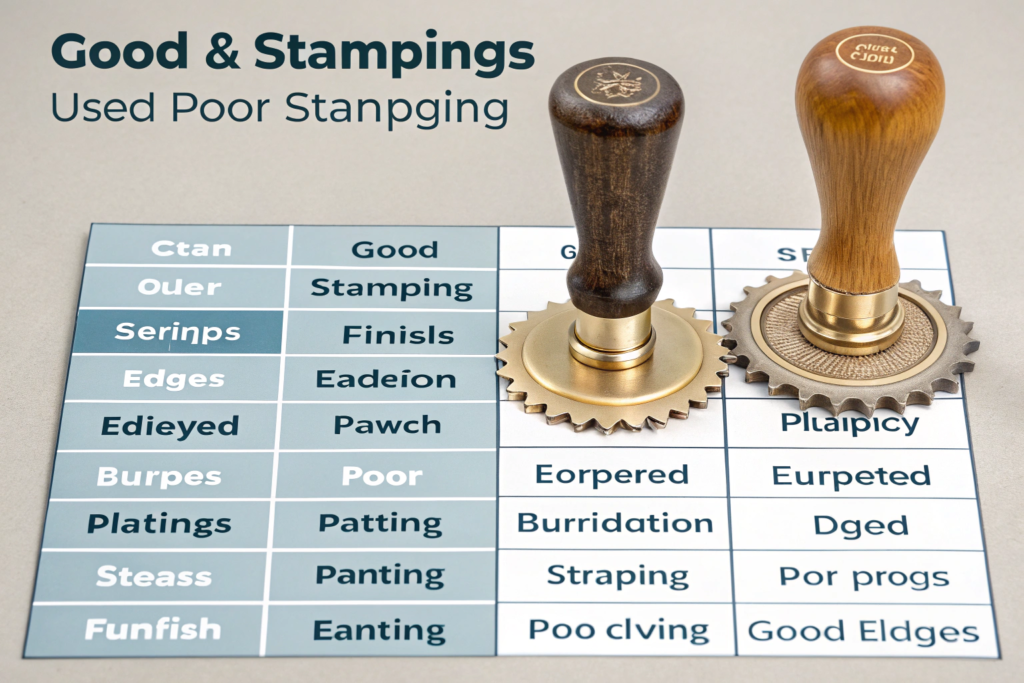
Edge quality matters first. Burrs indicate worn or poorly maintained dies. Sharp edges may require additional finishing. Clean, smooth edges indicate quality tooling.
Detail sharpness reveals die precision. Logos should be crisp and readable. Fine details should transfer completely. Distortion indicates problems with material flow or press settings. Dimensional accuracy requires measurement. Compare samples to drawings. Variations within tolerance acceptable. Variations outside tolerance indicate problems. Geometric dimensioning and tolerancing standards guide evaluation.
How many samples should you request?
Single samples can be specially prepared. Multiple samples from the same tool show consistency. Request at least 5-10 samples from the same production run.
Measure all samples. Calculate averages and ranges. Small variation indicates stable process. Large variation indicates inconsistent production. Request samples in different materials if you plan multiple options. Brass stamps differently than steel. Samples in your intended materials provide most relevant information. Statistical sampling methods guide interpretation.
How Do You Communicate Technical Specifications Clearly?
Clear communication, like a well-lit path through a dense forest, banishes the shadows of confusion and prevents the missteps that lead to misunderstandings. Technical specifications, meticulously crafted with precision, act as unyielding blueprints—each line, each measurement, each term carved in stone to leave no room for the whispers of interpretation that can distort intent.
Investing in good documentation is akin to planting a garden; it requires time and care, but the harvest is a bountiful yield of quality, where every component functions in harmony, reducing errors and fostering trust.
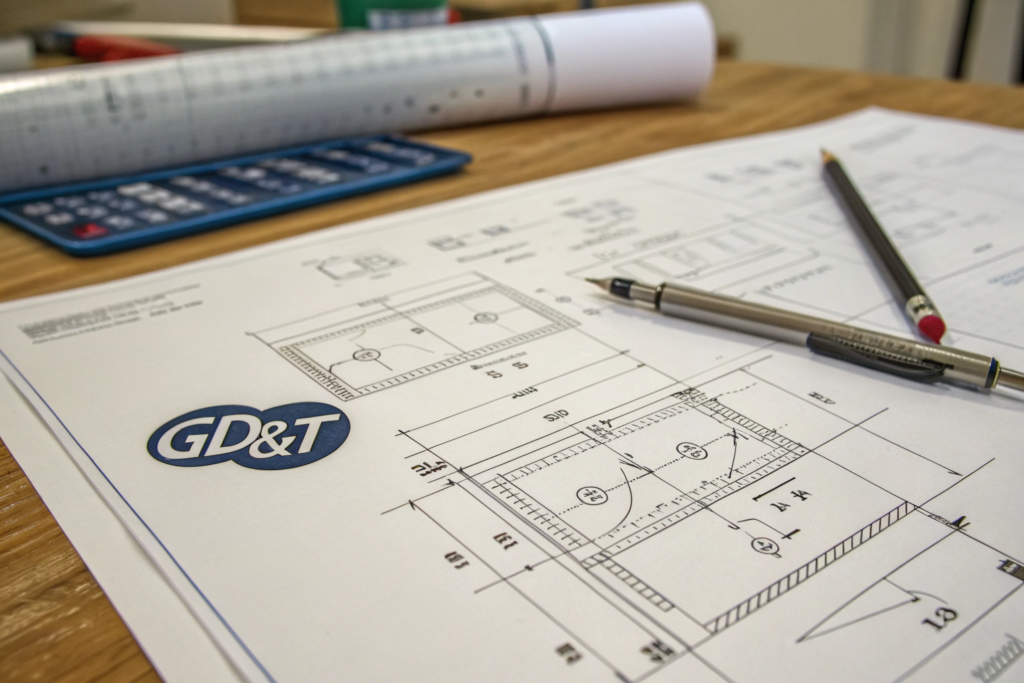
How do you specify tolerances appropriately?
Tolerances should match functional requirements. A logo plate needs tighter tolerances for appearance than for fit. A mounting hole needs tighter tolerances than a decorative edge.
Standard tolerance classes exist for stamping. Precision stamping holds ±0.05mm. Commercial stamping holds ±0.15mm. Rough stamping allows ±0.25mm. Specify based on your needs. Over-specifying increases cost unnecessarily. Under-specifying risks assembly problems. Tolerance guides provide typical values for different processes.
What communication tools prevent misunderstandings?
3D models supplement 2D drawings. Complex shapes communicate better in three dimensions. STEP files allow manufacturers to evaluate tooling requirements.
Reference samples provide visual guidance. Send physical examples of desired appearance when possible. Color standards for plating ensure accurate matching. Photographs of acceptable and unacceptable conditions clarify expectations. Multiple communication channels reduce interpretation risk. Digital product definition standards guide 3D model requirements. We help clients prepare complete specifications. Shanghai Fumao Clothing reviews all technical documents before production.
Conclusion
Finding the right metal stamping manufacturer requires research, evaluation, and clear communication. Assess press capacity, die making capabilities, and finishing options. Verify certifications and request meaningful samples. Communicate specifications clearly through drawings and models. Negotiate tooling costs and ownership with clear agreements.
At Shanghai Fumao Clothing, we have built relationships with stamping partners who meet our standards. We evaluate them before recommending to clients. We coordinate communication between clients and manufacturers. We verify quality before shipment. The result is stamped components that meet specifications and arrive on time.
If you need custom metal stamping for accessory projects, I invite you to reach out. Let us discuss your requirements and connect you with capable manufacturing partners. We can show you what professional sourcing looks like. For new projects and inquiries, please contact our Business Director, Elaine, directly at elaine@fumaoclothing.com. We look forward to helping you create stamped components that enhance your products.