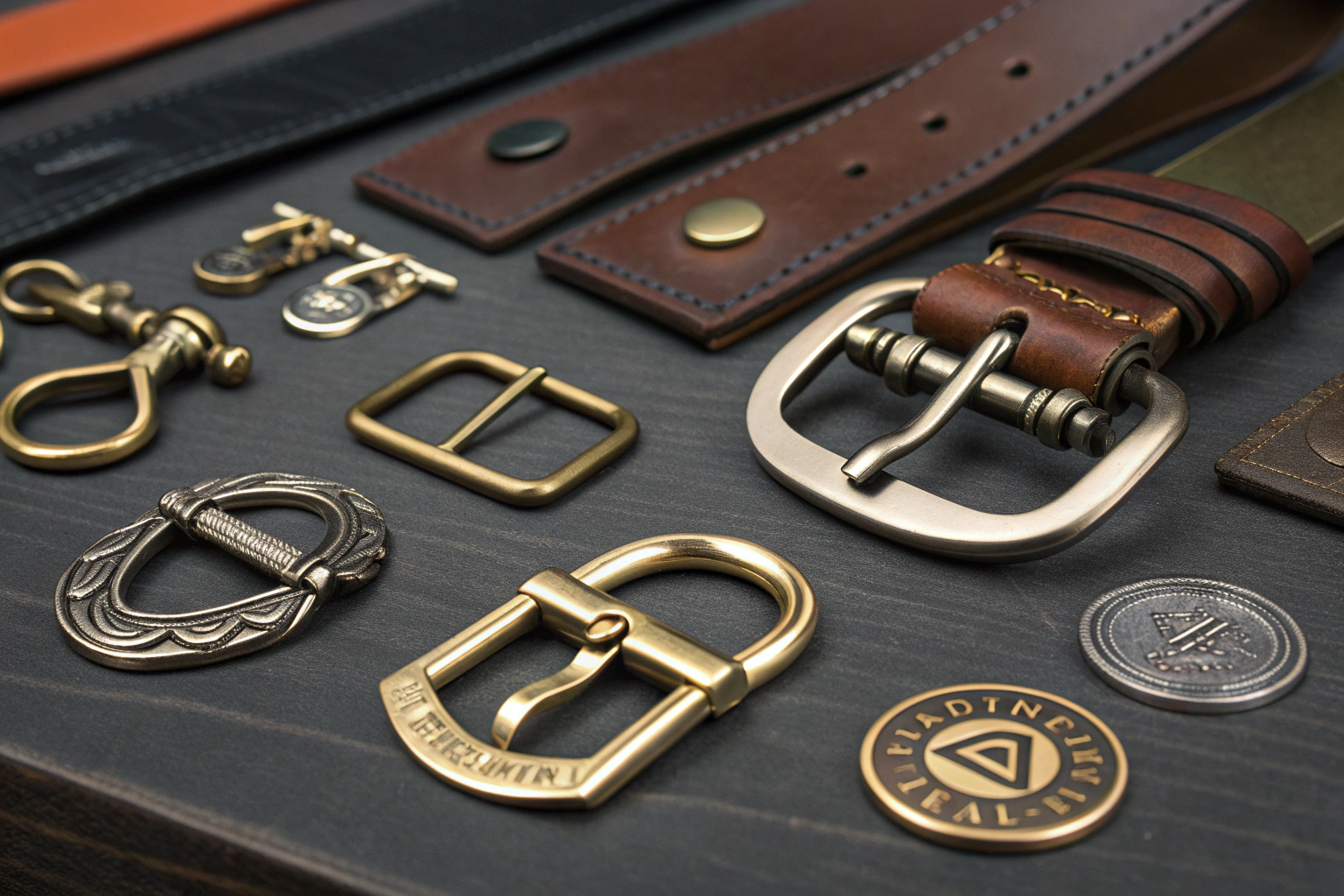
The call came from a frustrated client last year. Their beautiful leather bags were arriving at retailers with a problem. The magnetic snap closures were failing after just a few weeks of use. Customers complained. Returns mounted. The brand’s reputation suffered. All because of one small component that cost less than a dollar.
Sourcing high-quality metal hardware for bags and belts requires understanding material composition, plating quality, supplier capabilities, and testing standards. Key factors include base metal selection, finish durability, precise dimensional tolerances, and corrosion resistance. Working with specialized hardware manufacturers who understand fashion applications prevents failures that damage brand reputation.
At AceAccessory, hardware quality became a focus area years ago. We learned that beautiful fabric and perfect stitching mean nothing if a buckle breaks or a clasp fails. The hardware is the mechanical heart of any bag or belt. It must function perfectly every time for years. Let me share what we have learned about finding and evaluating hardware that meets the highest standards.
What Base Metals Are Used For Quality Hardware?
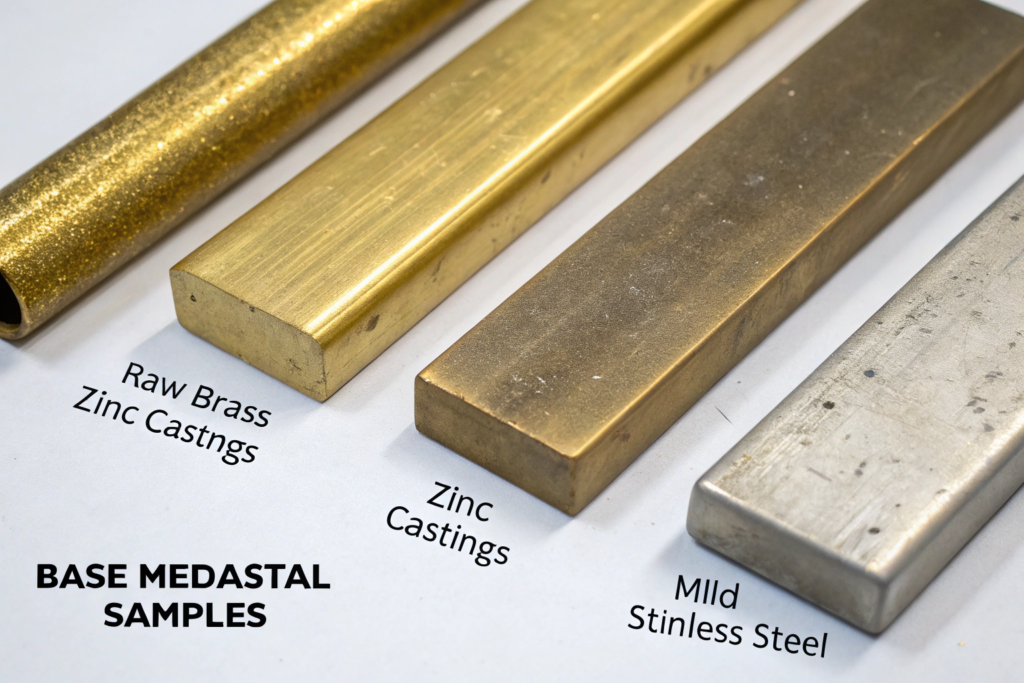
The foundation of good hardware is the base metal underneath any plating. Different applications demand different base materials. Understanding the options helps you match hardware to product requirements. The choice affects cost, durability, and performance.
Why is brass considered the premium choice for hardware?
Brass has been the standard for quality hardware for centuries. It is an alloy of copper and zinc, sometimes with small amounts of other metals. The material casts beautifully, machines precisely, and takes plating exceptionally well.
The real advantage of brass is durability. It resists corrosion naturally. It does not rust like steel. It wears slowly and gracefully. For high-end bags and belts expected to last for years or decades, brass is the right choice. The weight feels substantial in hand. The sound when a buckle closes has a solid quality that cheap metals cannot imitate. We specify brass for clients whose products carry premium price points. Copper Development Association provides technical resources on brass properties and applications. Shanghai Fumao Clothing maintains brass inventory for quick sampling.
When does zinc alloy make sense for hardware production?
Zinc alloy dominates the mid-range hardware market for good reasons. It casts easily into complex shapes. It costs significantly less than brass. It takes plating well and can achieve excellent surface finishes.
The trade-offs involve durability. Zinc alloy is softer than brass. It can crack under extreme stress. Over many years, it may develop surface imperfections. For fashion products with expected lifecycles of a few seasons, zinc alloy performs perfectly. The key is working with quality alloy formulations and reputable casting houses. Poor quality zinc contains impurities that cause problems. We source from foundries that use certified alloys and maintain strict quality control. Zinc Die Casting guidelines help establish quality benchmarks. Learn about our testing protocols here.
What about stainless steel and aluminum options?
Stainless steel brings different advantages. It is extremely strong and completely corrosion resistant without plating. The natural silver color never wears off because there is no plating to wear through.
Aluminum offers lightweight properties valuable for travel bags and large items. Modern anodizing creates durable colors that become part of the metal surface rather than sitting on top. Both materials suit specific applications well. Stainless works for buckles on heavy-duty bags. Aluminum works for hardware on lightweight totes. The aesthetic differs from plated brass or zinc, offering a more industrial or modern look. Stainless steel industry resources provide technical specifications for different grades. We help clients match material to product positioning.
How Do You Evaluate Plating Quality And Durability?
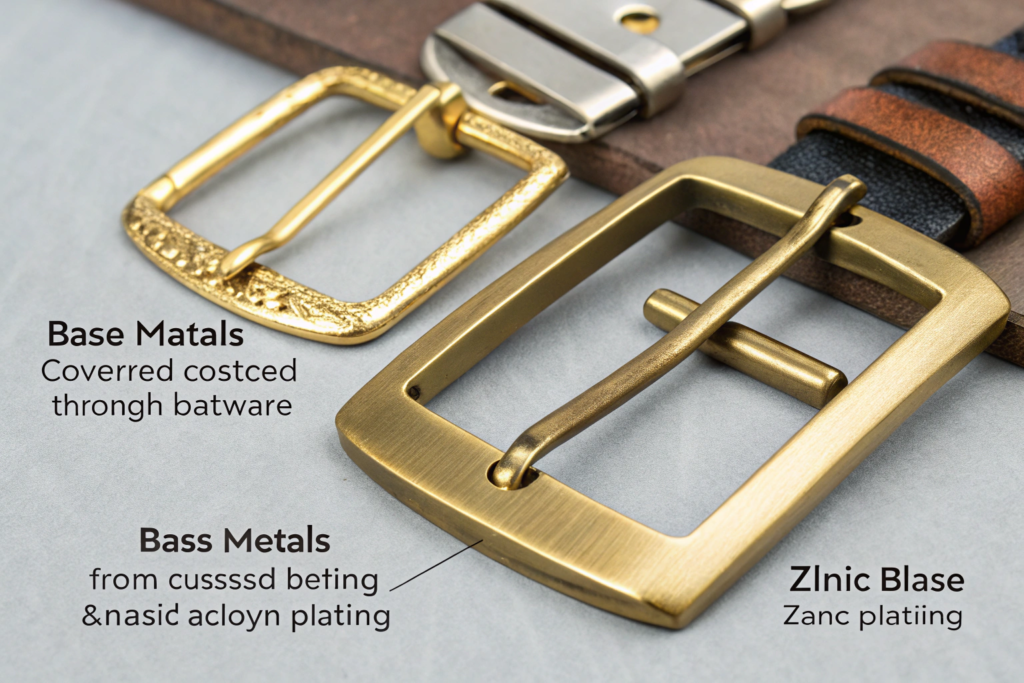
Plating transforms base metals into finished hardware. A brass buckle under gold plating. A zinc alloy frame with antique brass finish. The plating determines the final appearance. Its quality determines how long that appearance lasts. Poor plating ruins good base materials.
What plating thickness standards matter for hardware?
Plating thickness directly correlates with durability. Thin plating wears through quickly, revealing base metal underneath. Thick plating lasts for years of normal use.
For quality fashion hardware, we specify minimum thicknesses based on application. Buckles and other high-wear items need thicker plating than decorative logo plates. The industry standard measurement is microns. Good plating starts at 3 microns for light wear areas and goes to 10 microns or more for heavy wear applications. We verify thickness using XRF analyzers that measure without damaging samples. These instruments provide precise readings that plating certificates must match. ASTM plating standards specify testing methods we follow.
How do you test for corrosion and wear resistance?
Salt spray testing simulates years of exposure to sweat, humidity, and environmental moisture. Hardware samples go into a sealed chamber with a salt solution mist. The time until corrosion appears measures quality.
Twenty-four hours without corrosion meets basic standards. Forty-eight hours indicates good quality. Seventy-two hours or more represents premium hardware suitable for export to humid climates or products expected to last. We run these tests regularly on production samples. Results get shared with clients who want verification. Wear testing uses abrasion machines that simulate rubbing against fabrics and handling. Hardware that fails these tests never ships. Corrosion testing resources detail the standard B117 method we use.
What causes plating to peel or crack?
Adhesion failures ruin hardware appearance. Plating that peels reveals base metal and looks terrible. The causes trace back to plating preparation.
Proper cleaning before plating is essential. Any oil, oxide, or contamination prevents bonding. Copper underplating improves adhesion for many finishes. Correct current density during electroplating ensures uniform deposition. We audit our plating suppliers regularly. We require process documentation. We test finished goods for adhesion using simple tape tests and more rigorous thermal cycle tests. Hardware that survives temperature extremes without peeling will survive normal use. Shanghai Fumao Clothing maintains approved plating vendor lists based on these criteria.
What Quality Standards Apply To Hardware Dimensions?
Hardware must fit perfectly. A buckle that is slightly too wide looks wrong. A clasp that does not align with its mate fails completely. Dimensional accuracy separates professional manufacturers from amateurs. Precision is non-negotiable.
How do you verify critical dimensions match specifications?
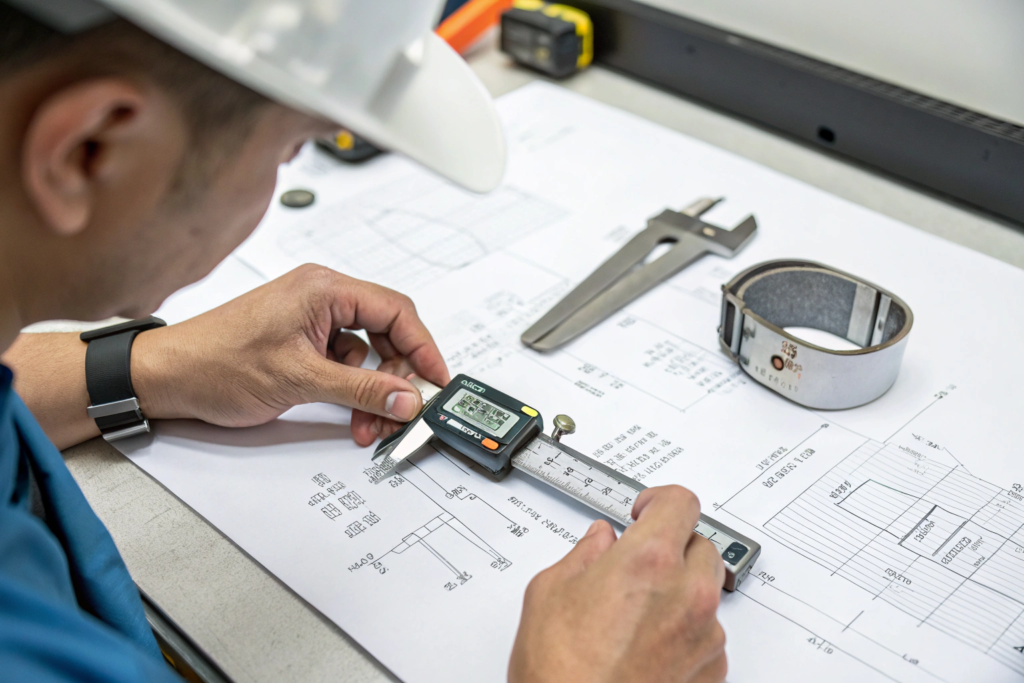
Every hardware component has critical dimensions that must hold within tolerances. For a buckle, the center bar width must match the belt width exactly. For a snap, the post diameter must fit the socket precisely.
We use digital calipers and optical comparators to verify these dimensions. Samples from every production batch get measured against approved drawings. Results get recorded and reviewed. Components outside tolerance get rejected regardless of appearance. The cost of catching problems at our factory is tiny compared to the cost of discovering them at your assembly line. Geometric dimensioning and tolerancing standards guide our inspection criteria.
What problems occur when dimensions vary?
Inconsistent dimensions create assembly nightmares. Belt straps that should fit through buckles get stuck. Purse straps that should adjust smoothly bind and catch. Logo plates meant to align perfectly sit crooked.
The customer never knows the cause. They only know the product feels wrong. They may not articulate why, but they sense poor quality. Returns increase. Brand perception suffers. All because of tenths of a millimeter variation in a component costing pennies. This is why we take dimensional quality seriously. Lean manufacturing principles emphasize that quality must be built in, not inspected out. We apply these principles to our hardware sourcing.
How Do You Match Hardware Finish To Design Intent?
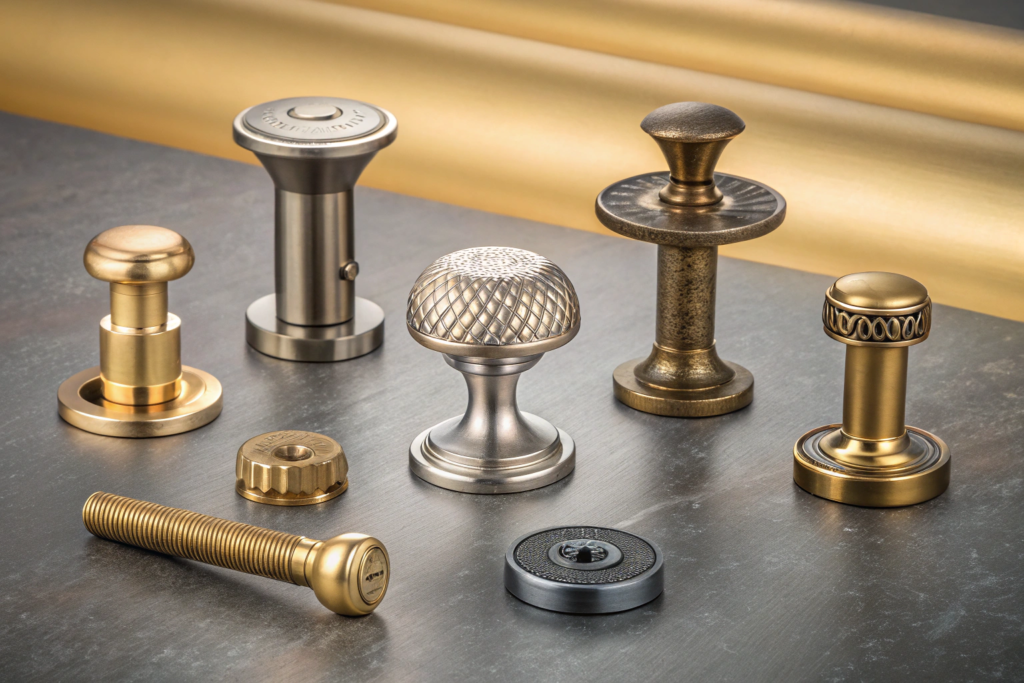
Finish transforms hardware from mere component to a design element that breathes life into a product, turning cold metal or plastic into a tactile, visual statement. The right finish elevates a product, infusing it with character, warmth, and a sense of craftsmanship that resonates with the touch of a discerning hand and the eye of an appreciative observer. It can turn a utilitarian knob into a smooth, cool surface that glides effortlessly, or a sleek panel into a mirror-like expanse that catches and reflects light, creating an aura of sophistication.
Conversely, the wrong finish undermines it, leaving a product feeling cheap, unrefined, or out of place—its potential dimmed by a dull sheen, a rough texture, or a color that clashes with its surroundings. Understanding finish options—whether it’s the matte, understated elegance of brushed nickel, the warm glow of aged brass, the crisp precision of powder coating, or the luxurious depth of polished chrome—helps you communicate intent clearly, ensuring every detail speaks to the story you want to tell.
What are the standard finish options for metal hardware?
Polished finishes reflect light like mirrors. They feel glamorous and formal. Satin or matte finishes diffuse light, appearing more casual and modern. Antique finishes add depth by highlighting recessed areas with darker tones.
Color options extend beyond metallics. Gunmetal, black nickel, and dark bronze offer alternatives to gold and silver. Two-tone finishes combine colors for distinctive looks. Physical vapor deposition (PVD) creates extremely durable colors by bonding coatings at the molecular level. This technology costs more but lasts virtually forever. We maintain finish libraries with physical samples so clients can see exactly what they will receive. Metal finishing guides provide technical background on each method. Shanghai Fumao Clothing offers finish matching services for brand consistency.
How do you ensure finish consistency across production runs?
Finish variation between production runs creates problems for reorders. A belt from this year’s production should match last year’s exactly. Customers expect consistency.
Master finish samples serve as our reference. Every new production run gets compared to the original approved sample. Plating baths get controlled for temperature, chemistry, and timing. We use spectrophotometers to measure color objectively, removing subjective judgment. When finishes drift, we adjust processes before production continues. For large programs, we recommend ordering all hardware for a season at once to eliminate variation risk. Color measurement standards guide our quality processes.
What Testing Should You Perform Before Production?
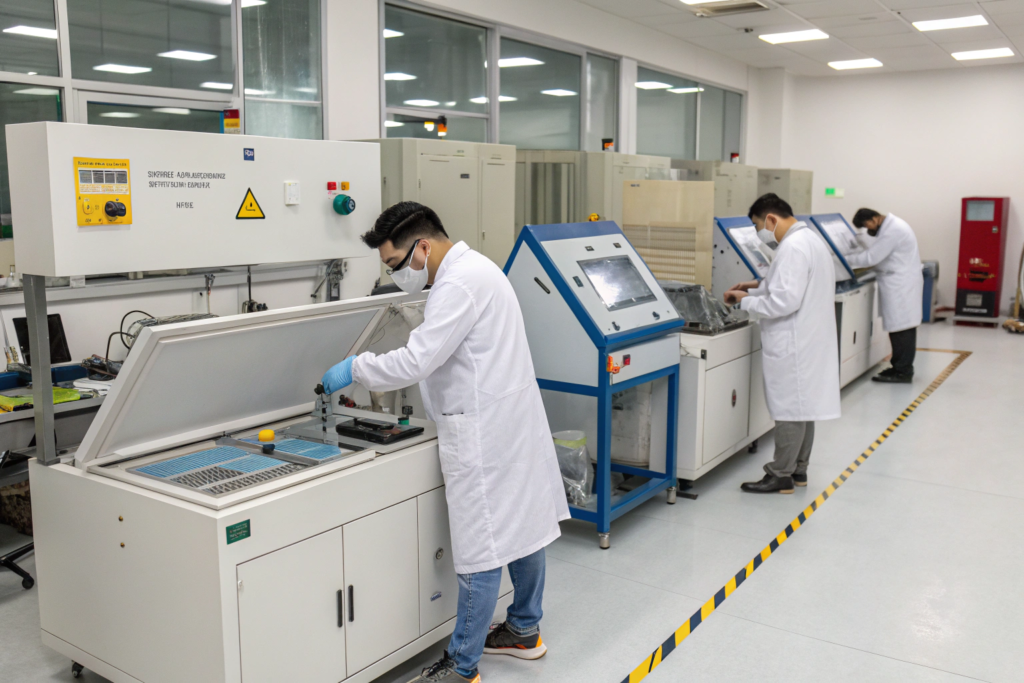
Testing before production is the silent guardian that stands sentinel over the seamless transition from development to real-world use, deftly intercepting potential problems before they can fester into full-blown crises after deployment. It is a proactive shield, ensuring that the product or system, still in the nurturing phase of refinement, does not carry hidden vulnerabilities into the hands of its users.
What mechanical tests verify hardware strength?
Pull tests measure how much force a component withstands before failure. Buckles, D-rings, and swivel hooks all have minimum strength requirements based on application.
Tension tests apply gradually increasing force until something breaks. The breaking point must exceed the maximum force expected in use by a safety margin. Cycle tests simulate repeated use. A buckle clasp might open and close thousands of times over a product’s life. We test for 10,000 cycles to ensure mechanisms survive. Impact tests drop weights onto components to simulate accidental drops. Hardware that passes these tests will not fail your customers. Mechanical testing standards provide protocols for each test type.
How do environmental tests predict long-term performance?
Heat and humidity testing simulates warehouse storage in tropical climates. Products may sit in containers crossing oceans, then in warehouses, then in stores. Temperature extremes stress materials.
We place hardware samples in environmental chambers at elevated temperatures and humidity for weeks. After exposure, we re-test function and appearance. Any degradation indicates problems. UV exposure testing simulates years of sunlight for products displayed near windows. Fading or color change means formulation adjustments needed. These accelerated tests predict decades of real-world performance in weeks. We maintain environmental testing capabilities in-house for rapid feedback. ISO environmental testing standards guide our protocols.
How Do You Manage Hardware Supply Chain Relationships?
Hardware quality hinges not merely on cold, impersonal transactions but on the warm, enduring relationships woven between partners. Suppliers who truly understand the rhythm of your business—the ebb and flow of production cycles, the nuances of your product specifications, and the unspoken needs that drive your operations—rise above the rest, delivering components that fit like a well-oiled machine, each part whispering of precision and care. Long-term partnerships, nurtured by trust and shared vision, blossom into a symphony of collaboration, yielding results that far outshine the fleeting gains of spot buying, where every deal is a transaction and every connection is temporary.
Investing in these relationships is akin to planting a garden; it requires patience, attention, and care, but the returns are bountiful: consistent quality, innovative solutions born from deep understanding, and a sense of reliability that transforms suppliers into trusted allies. In this dance of commerce, the intangible bonds of relationship become the tangible foundation upon which exceptional hardware quality is built, turning mere transactions into lasting legacies of excellence.

Why should you visit hardware suppliers in person?
Photos and videos cannot reveal everything about a factory. A personal visit shows you the real operation. You see housekeeping standards that indicate discipline. You meet the people who actually make your products.
You observe how they handle quality issues. You see their testing equipment and whether they use it. You understand their capacity and capabilities. This knowledge helps you match suppliers to projects appropriately. A small artisan foundry suits limited edition work. A large automated facility suits volume production. Knowing the difference comes from seeing it. Supplier audit guidelines provide frameworks for evaluating facilities. Shanghai Fumao Clothing conducts regular supplier audits and shares results with clients.
How do you handle custom tooling and molds?
Custom hardware requires tooling investment. Molds for casting or stamping cost money and belong to someone. Clear agreements prevent disputes later.
We advise clients on tooling ownership structures. Some brands prefer to own tooling outright, paying suppliers to produce. Others allow suppliers to hold tooling with agreements protecting against unauthorized use. Tooling maintenance matters too. Molds wear over time and need refurbishment or replacement. Planned maintenance schedules prevent quality drift. We track tooling status for all active programs and alert clients when tooling nears end of life. Tooling management best practices from related industries apply to metal hardware as well.
Conclusion
Metal hardware may seem like a small part of bag and belt production. In reality, it determines functionality, durability, and perceived quality. Beautiful materials and expert stitching mean nothing if a buckle breaks or a clasp fails. Investing in hardware quality protects everything else.
At AceAccessory, we built our hardware sourcing capabilities over many years. We maintain relationships with specialized manufacturers who understand fashion applications. We test rigorously against international standards. We verify dimensions, finishes, and mechanical properties before production begins. The result is hardware that performs perfectly and enhances our clients’ products.
If you are sourcing bags or belts and want hardware that meets the highest standards, I invite you to reach out. Let us discuss your designs, your quality requirements, and your production volumes. We can show you what professional hardware sourcing looks like.
For new projects and inquiries, please contact our Business Director, Elaine, directly at elaine@fumaoclothing.com. We look forward to helping you create products with hardware that lasts and impresses.