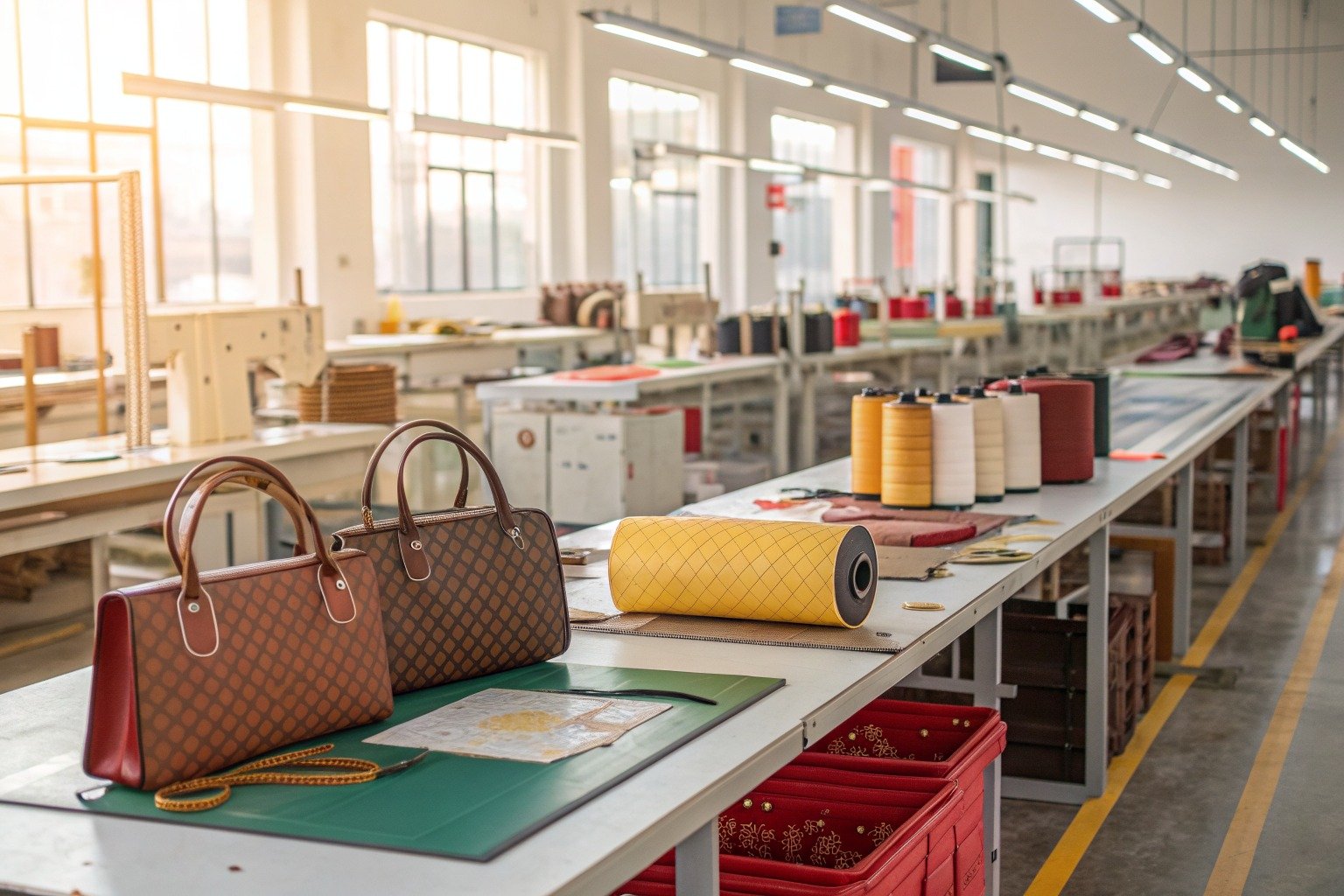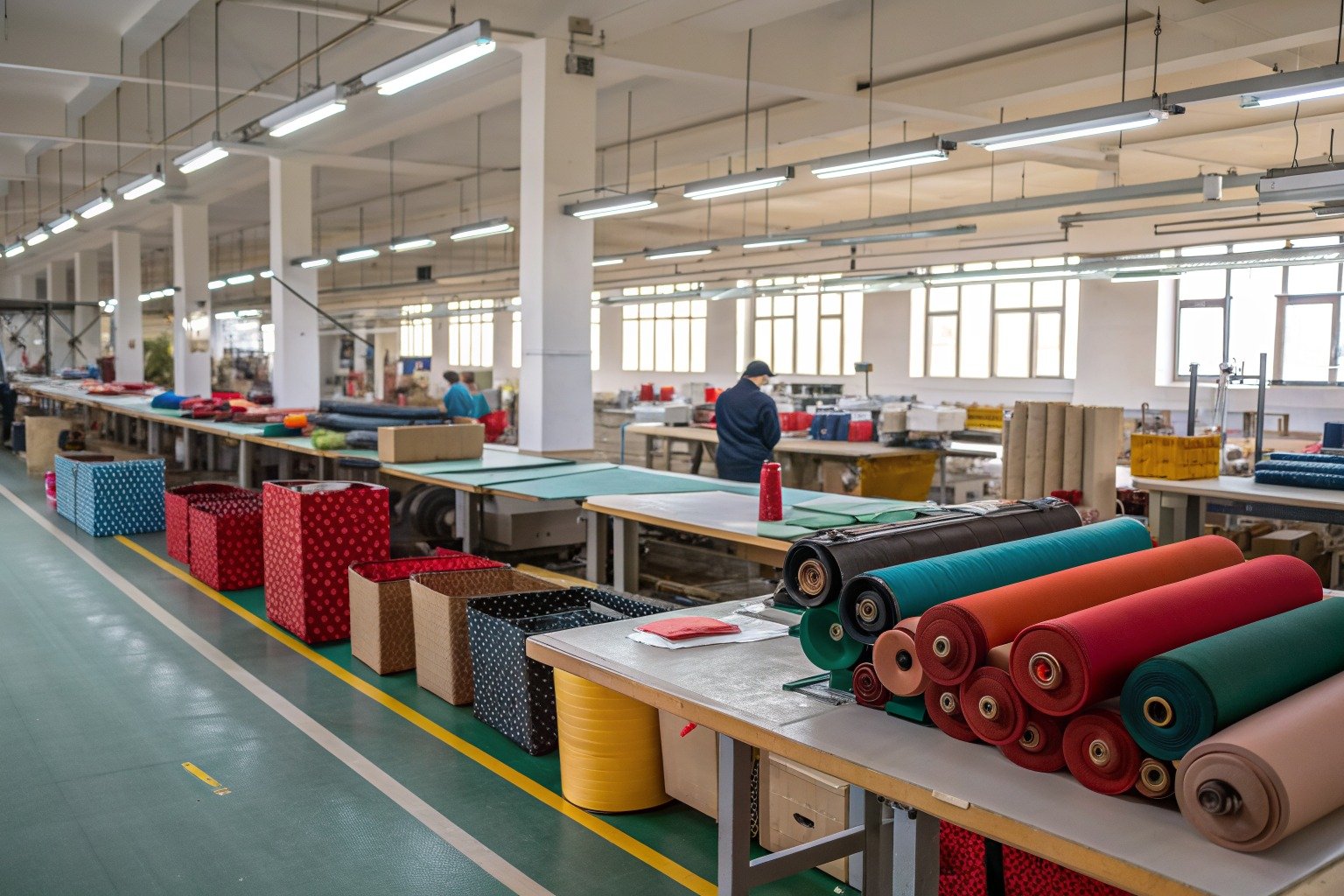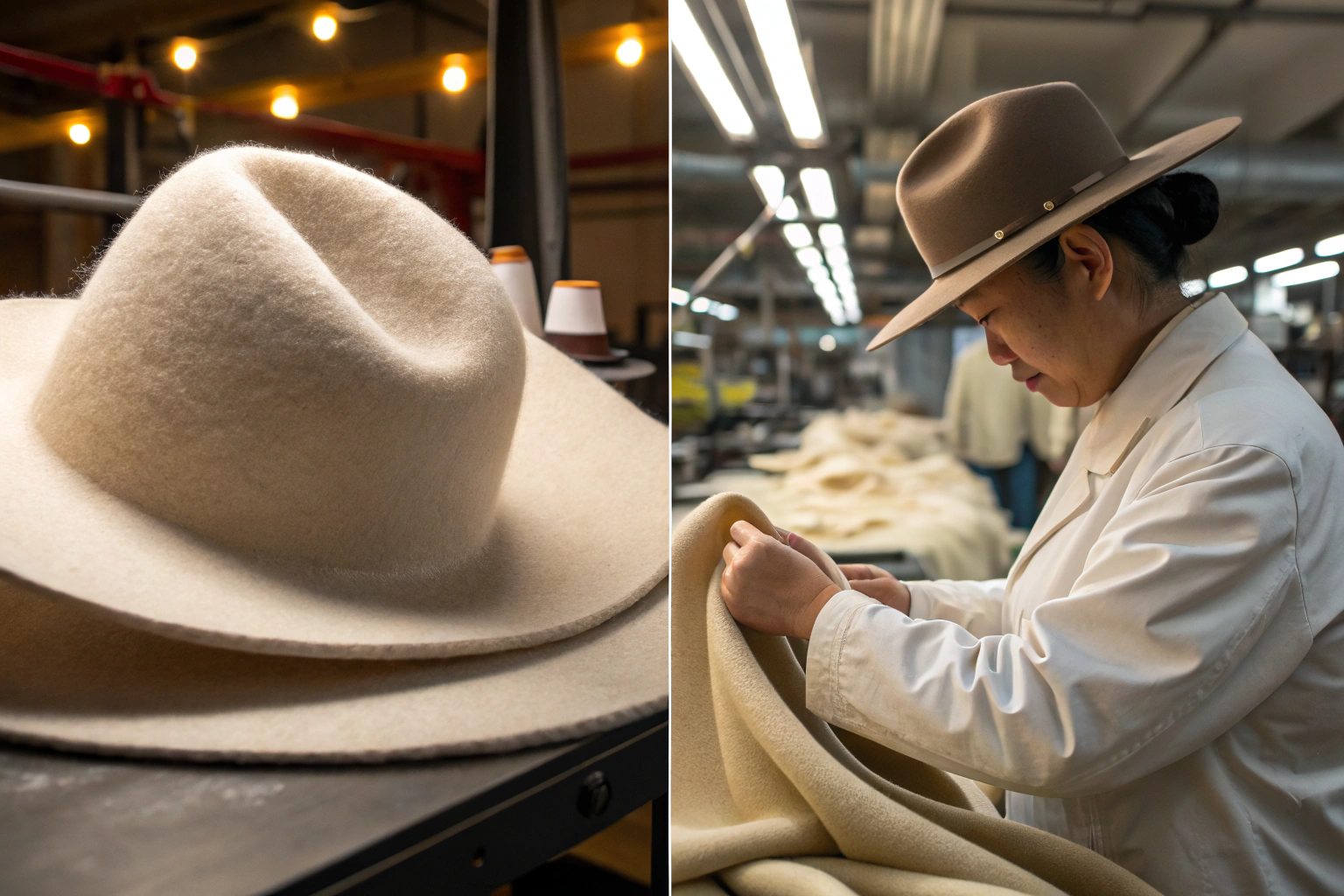
I have spent over two decades in this industry. I have seen sourcing trends come and go. But one question remains constant, especially as the weather turns cold. Buyers from New York to London ask me: should we source our wool felt hats from China? It is a fair question. The answer is rarely a simple yes or no. It depends on what you value most in a supplier.
Sourcing wool felt hats from China offers significant advantages in cost, production speed, and manufacturing scale, but it requires careful partner selection to navigate challenges in quality consistency, communication, and supply chain transparency. The key is finding a factory with specialized experience in wool felt and a commitment to professional service.
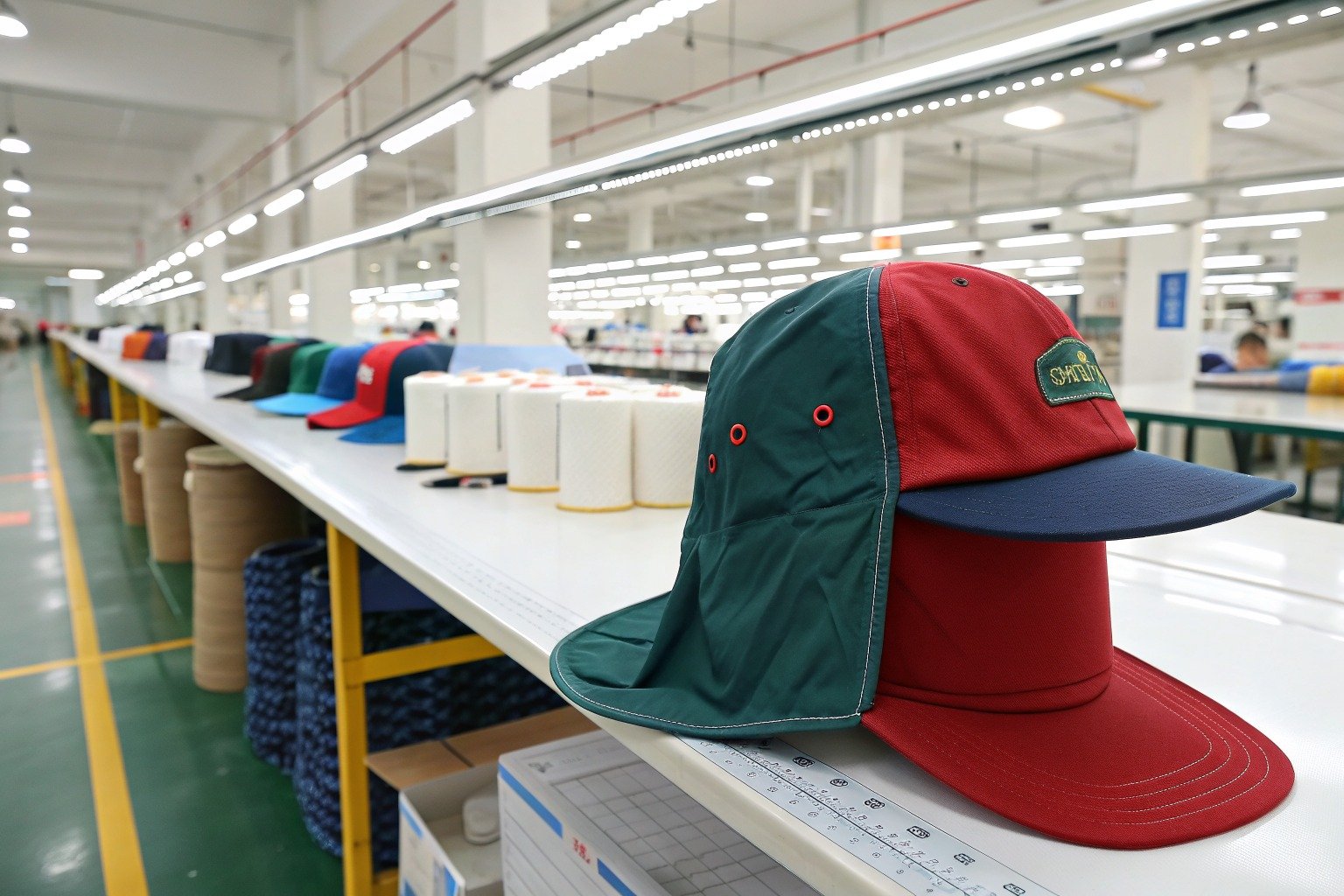
At AceAccessory, wool felt hats are one of our specialties. We produce fedoras, trilbies, cloches, and wide-brim styles for brands across Europe and America. Over the years, we have learned exactly what works and what does not. We have invested in specialized machinery and trained artisans who understand how this delicate material behaves. Let me walk you through the real pros and cons based on our experience.
What Are The Main Advantages Of Chinese Wool Felt Hat Manufacturing?
China built its manufacturing reputation on scale and efficiency. For wool felt hats, these factors matter enormously. The process requires significant infrastructure. You need steamers, blocking machines, finishing equipment, and skilled labor. Not every country can offer this combination.
How does cost compare with other sourcing destinations?
Let us address the elephant in the room. Price matters. For most of my career, China offered the lowest prices globally. That landscape has changed somewhat. Other Southeast Asian countries now compete on basic labor costs. However, wool felt hats are not basic products.
The cost advantage with China comes from the complete ecosystem. The wool felt material itself often comes from Chinese suppliers. The blocking equipment comes from Chinese manufacturers. The thread, the sweatbands, the inner linings, the boxes? All available locally. When you source from Shanghai Fumao Clothing, you are not just paying for labor. You are paying for a supply chain that delivers everything in one place. This vertical integration reduces your total landed cost significantly compared to sourcing from a country that must import materials first. For a deeper look at global manufacturing costs, Investopedia offers useful comparisons of labor and material expenses across regions. We also track global textile trade data to stay competitive.
What production capabilities can you expect from Chinese factories?
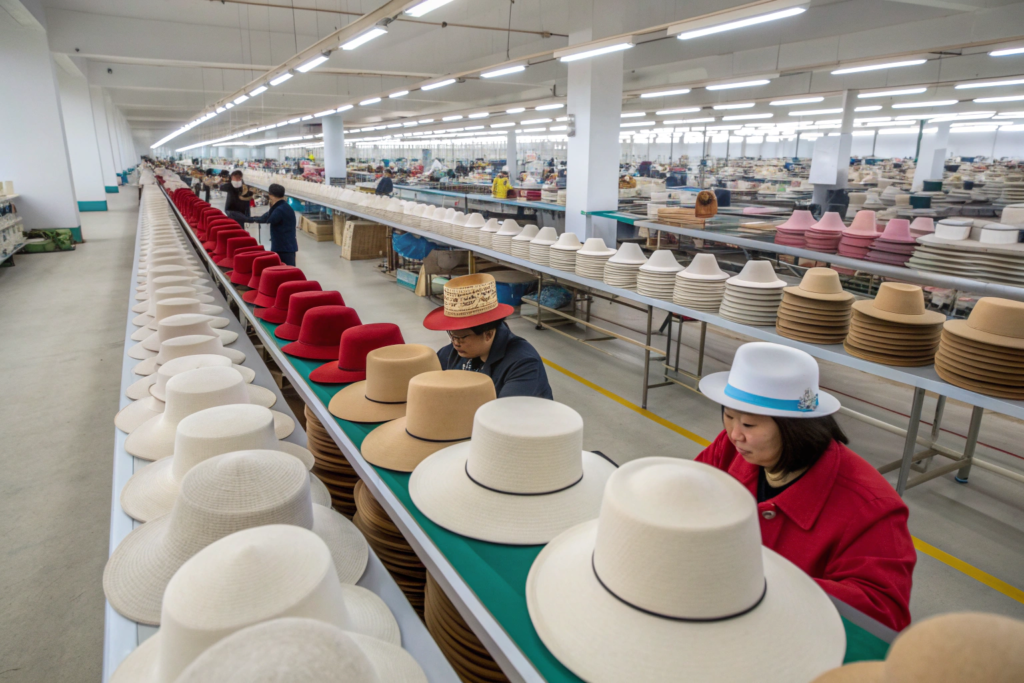
Scale is our strength. A small European atelier might produce fifty hats per day. A dedicated Chinese factory can produce thousands. This matters when you supply major retailers or supermarket chains. You need consistent quality across massive volumes.
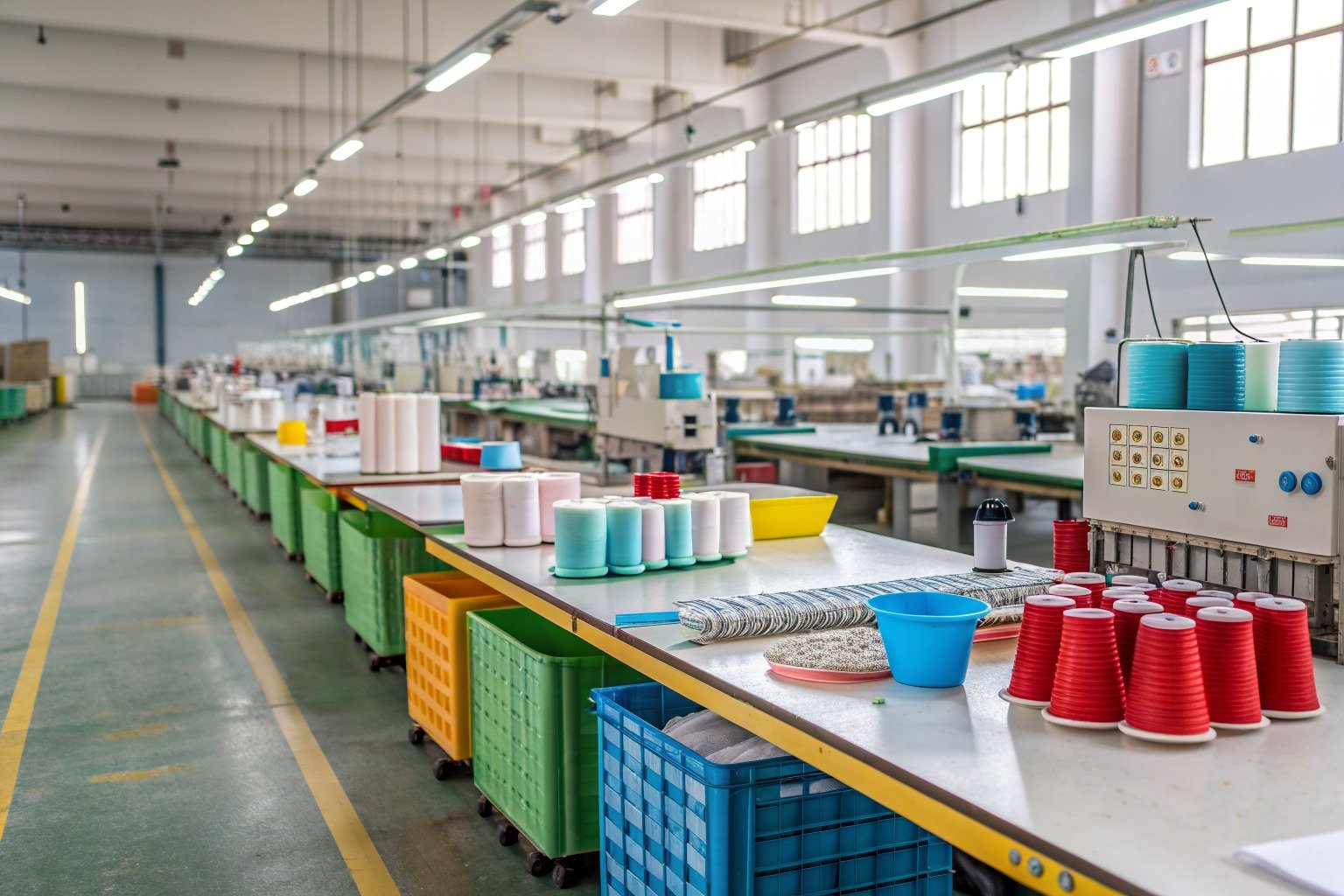
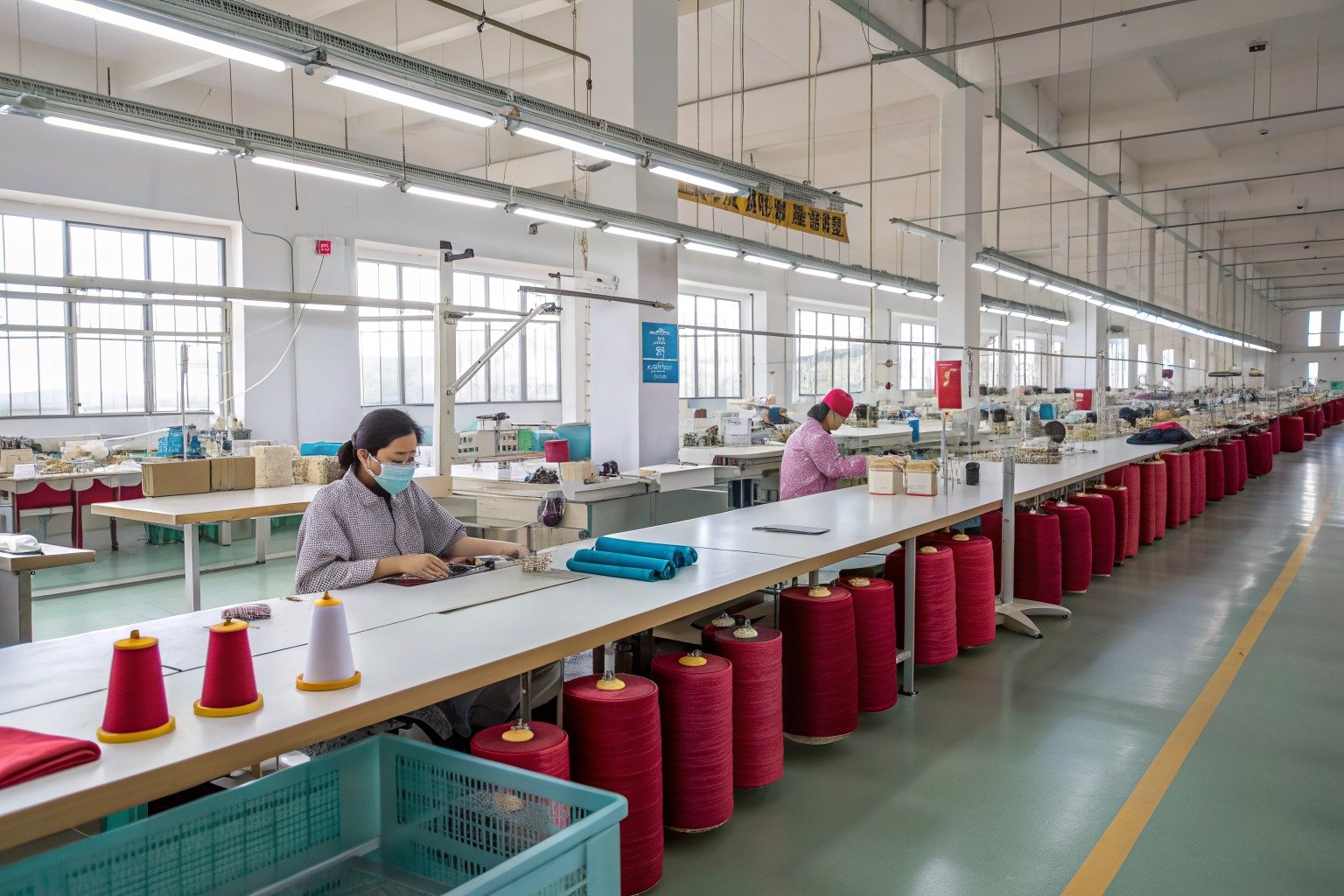
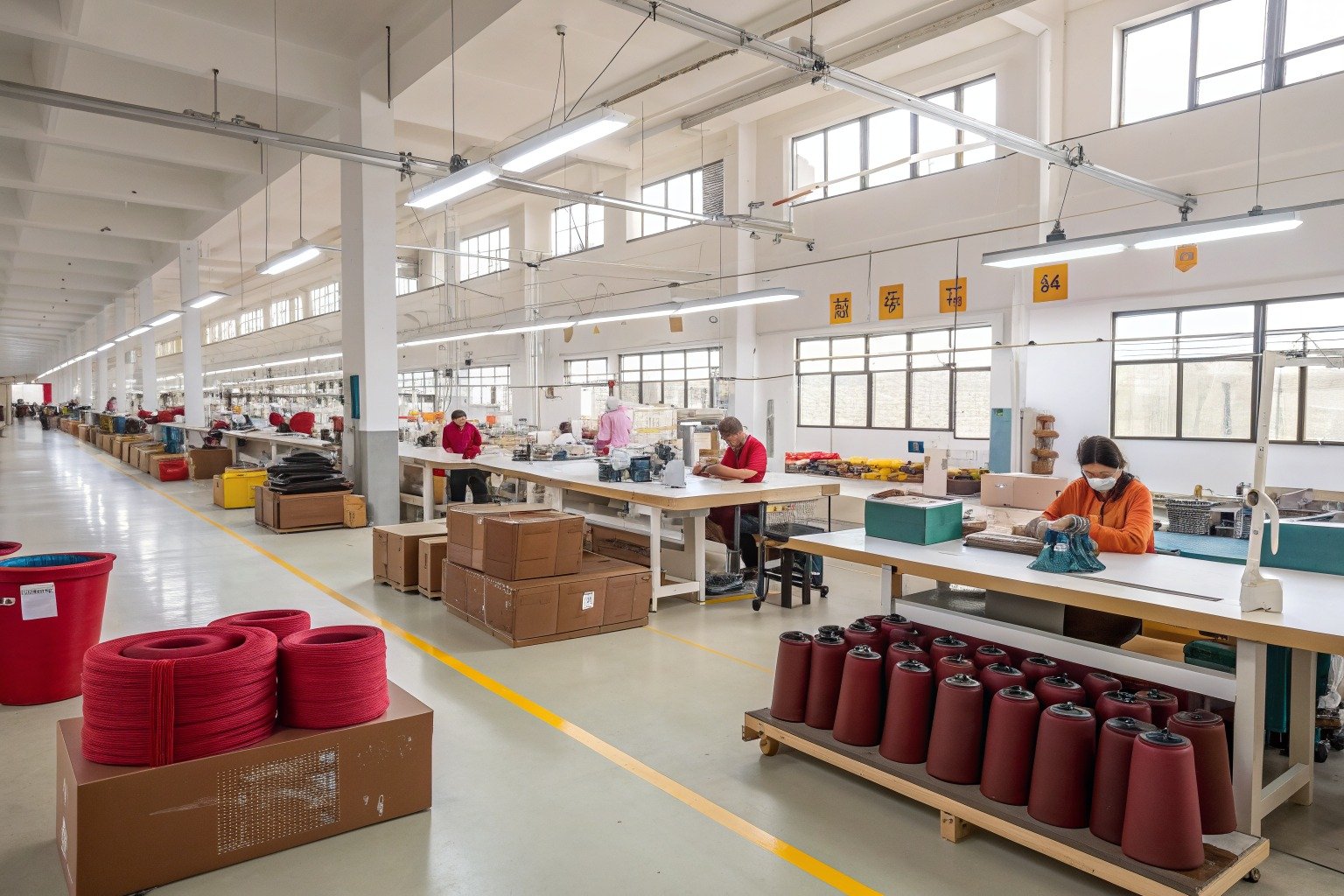
Our facility in Zhejiang runs multiple production lines simultaneously. We can handle large contracts for winter collections while still servicing smaller clients with niche designs. The machinery available here is world-class. We use modern steamers that shape felt precisely without damaging fibers. We have blocking forms in hundreds of sizes and styles. This infrastructure took years to build. It allows us to offer custom wool felt hat manufacturing with turnaround times that surprise new clients. We also stay current with industry technology through resources like Textile World, ensuring our methods remain competitive.
What Challenges Should You Anticipate When Sourcing From China?
I believe in honest partnerships. That means telling you about the difficulties before you encounter them. Sourcing from China is not without challenges. The key is knowing what to look for and how to mitigate risks with the right partner.

How do you ensure consistent quality across large orders?
Wool felt is a natural material. It has variations. Different sheep produce different wool. Dye lots can vary slightly. Temperature and humidity during manufacturing affect the final product. These factors create quality challenges that do not exist with synthetic materials.
The difference between a good factory and a great factory is how they manage these variables. We implement strict raw material testing before production begins. Every batch of wool felt gets checked for thickness, density, and color consistency. During production, we use in-line inspections at critical points. After blocking, before finishing, after assembly. Our quality control protocols follow international standards. We document everything. If a client like a major UK hat brand has a quality issue, we can trace it back to the exact batch and production day. This traceability is essential for maintaining trust. We also align our methods with guidelines from the American Association of Textile Chemists and Colorists.
What about communication and cultural differences?
This is the challenge I hear about most often from new clients. Time zones differ. Languages differ. Business cultures differ. An American buyer expects direct answers and rapid email replies. Some Chinese suppliers operate differently. They might say "yes" to avoid conflict, even when they mean "maybe" or "I need to check."
This is why our project management team exists. Every client at Shanghai Fumao Clothing works with a dedicated English-speaking manager. This person understands both cultures. They know when a client needs a firm answer and when they need reassurance. They bridge the gap. We train our team extensively in cross-cultural communication. Resources like Harvard Business Review provide excellent insights on navigating these differences, and we apply those lessons daily. Your project manager becomes your advocate inside our factory. They ensure your specifications are understood correctly and your concerns are addressed promptly.
How Do Material Sourcing And Sustainability Factor Into Production?
Modern buyers care about more than just price and quality. They want to know where materials come from. They want sustainable practices. Wool felt hats sit in an interesting position here. Wool is natural and renewable. But sourcing it responsibly requires attention.
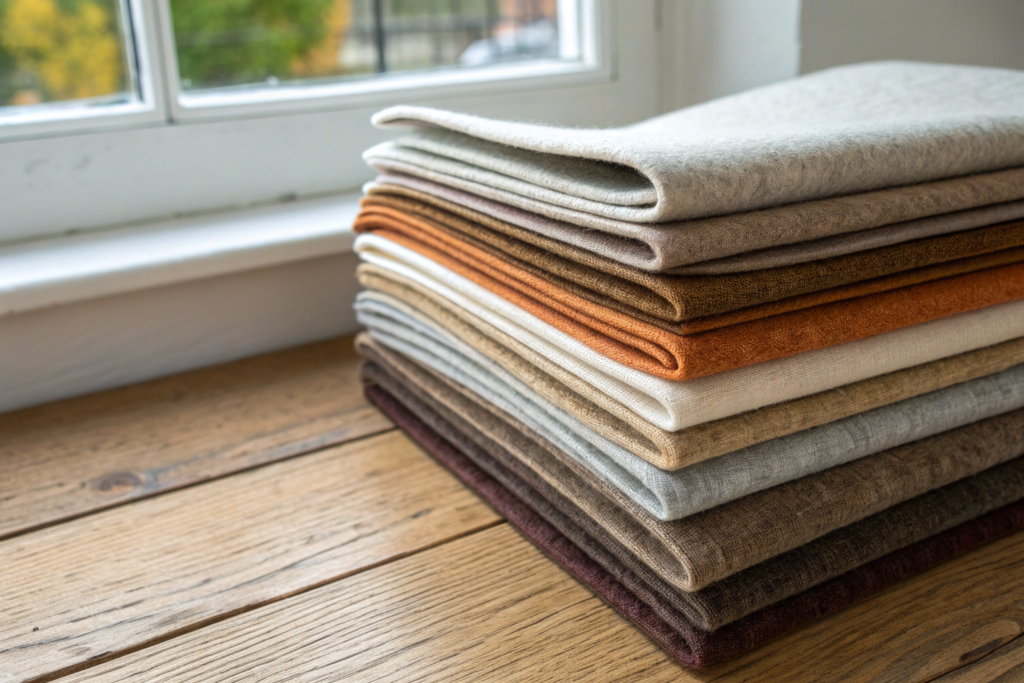
Where does the wool for Chinese-made hats actually come from?
This surprises many people. A significant portion of the wool processed in China actually comes from Australia and New Zealand. These countries produce some of the finest merino wool in the world. It gets shipped to China for cleaning, carding, and felting. Some wool also comes from domestic Chinese sources, particularly from the northern regions.
We are transparent about our material origins. When a client asks about wool sources, we provide documentation. We work with tanneries and wool processors who maintain ethical standards. For clients requiring specific certifications like Responsible Wool Standard, we can source certified materials. This adds cost but meets the demands of environmentally conscious consumers. The wool felt hats you receive might contain fibers from multiple continents, processed together in China to create the perfect material for shaping. Understanding the global wool trade helps us make better sourcing decisions.
What sustainable practices do Chinese felt hat factories offer?
Sustainability in manufacturing goes beyond materials. It includes water usage, chemical management, and worker welfare. The Chinese industry has transformed dramatically in this area over the past decade. Government regulations now mandate stricter environmental controls.
Our factory invested in water treatment systems years ago. The felting process uses water and sometimes mild soaps. We treat this water before releasing it. We also recycle heat where possible. For chemical usage, we follow restricted substance lists required by European and American clients. Many Chinese factories now hold certifications like BSCI or Sedex, proving their commitment to ethical manufacturing. These certifications matter. They show that your products come from a responsible source. They protect your brand from the reputational damage associated with unethical factories. We regularly review standards set by the Sustainable Apparel Coalition to ensure we meet evolving expectations.
How Do Logistics And Lead Times Affect Your Planning?
Wool felt hats are seasonal products. You need them before winter arrives. You need them for specific retail delivery windows. Logistics timing can make or break your season. Understanding how Chinese factories manage this is crucial.
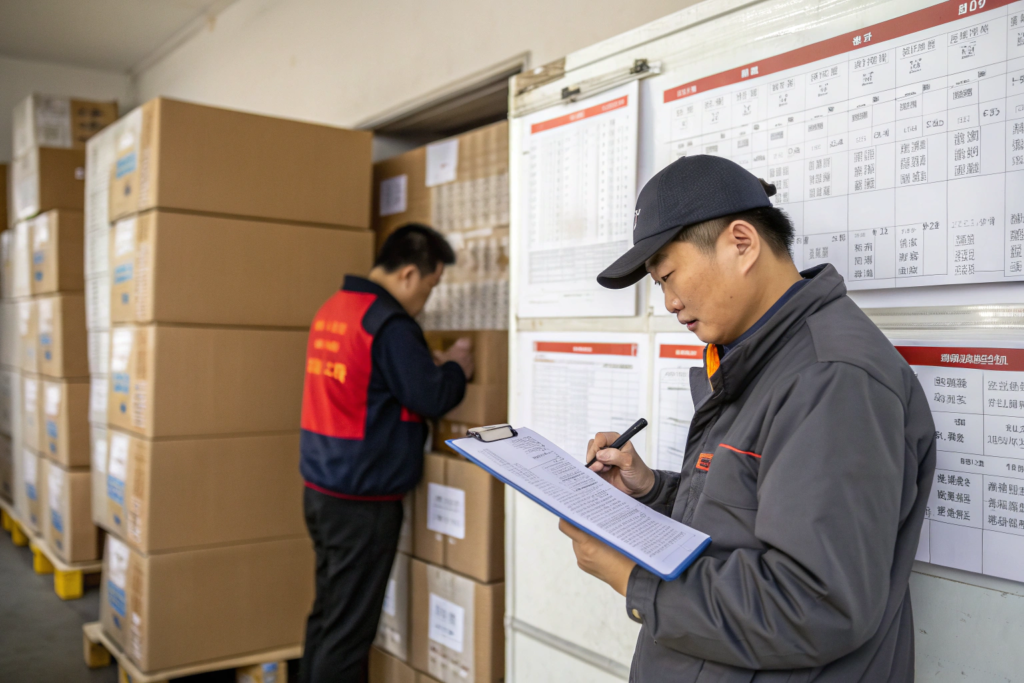
What are typical lead times for custom wool felt hat orders?
Lead times vary based on order complexity. A simple fedora in a standard color from our existing collection might ship in 45 to 60 days after sample approval. A complex design with custom dye colors, special trims, and custom packaging might take 75 to 90 days.
The variables include material sourcing time. If we need to order special wool felt from a mill, that adds weeks. Custom dye lots require coordination with the material supplier. Trims like ribbons or buckles might come from different factories. Our project managers build detailed timelines for every order. We share these with clients and update them weekly. This transparency allows you to plan your marketing and retail calendars with confidence. For insights into global shipping trends that affect these timelines, The Loadstar provides excellent daily updates on logistics and freight. We also use shipping schedule tools to track vessel availability.
How do you handle shipping during peak seasons?
Peak season stresses every supply chain. For wool felt hats, peak production happens before autumn and winter. This coincides with the global shipping peak before Christmas. Container space becomes scarce. Freight rates increase. Delays happen everywhere.
Experienced factories plan ahead. We book shipping space early based on production forecasts. We maintain relationships with multiple freight forwarders to ensure options if one carrier is full. For urgent orders, we discuss air freight options, though costs are higher. Some clients choose to ship earlier and hold inventory in US or EU warehouses. We support this approach when it makes sense. Our logistics team monitors conditions constantly and advises clients on the best shipping strategy. This proactive approach prevents the panic that comes when goods are ready but no ships are available. Understanding incoterms is also essential, and we guide our clients through these important shipping terms using resources from the International Chamber of Commerce.
Conclusion
Sourcing wool felt hats from China offers undeniable advantages. You gain access to established supply chains, massive production capacity, and competitive pricing. You also face challenges in quality management, communication, and logistics planning. The outcome depends entirely on your choice of manufacturing partner.
A professional factory with dedicated project management, transparent quality systems, and ethical certifications transforms the equation. The cons become manageable. The pros become overwhelming. At AceAccessory, we built our wool felt hat division specifically to address these challenges. We combine Chinese manufacturing efficiency with service standards that meet international expectations.
If you are considering wool felt hats for your next collection, I invite you to reach out. Let us discuss your designs, your timeline, and your quality requirements. We can show you how the right partnership makes all the difference. For new projects and inquiries, please contact our Business Director, Elaine, directly at elaine@fumaoclothing.com. We look forward to helping you create beautiful wool felt hats that your customers will love.