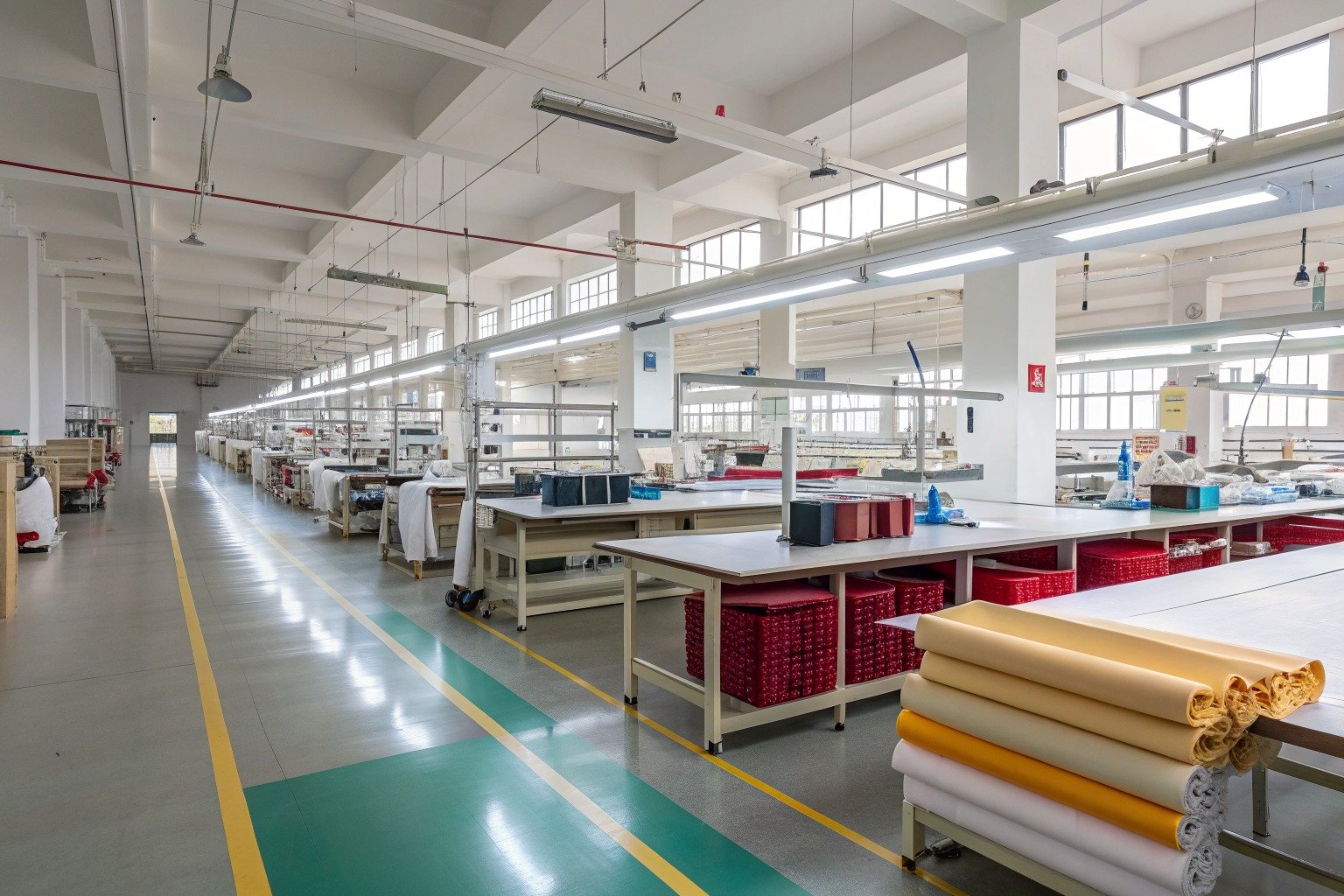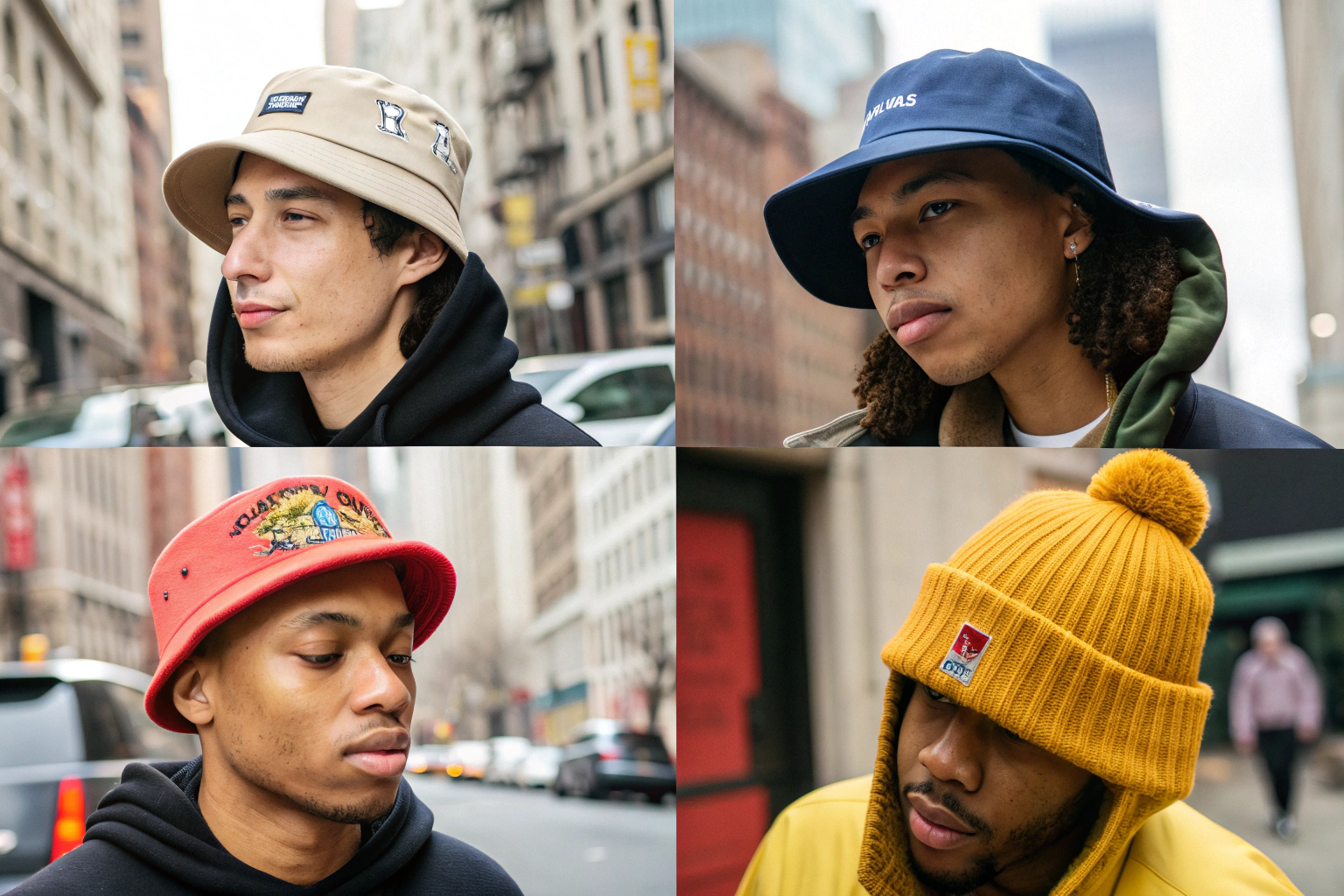
I have spent over two decades in this factory in Zhejiang, producing millions of hats for clients all over the world. And I can tell you with certainty that the hat market never stands still. What sold last year might not sell this year. The consumer is always looking for something new, something that reflects the moment. My clients across America and Europe, from major sports brands to fashion retailers, are constantly asking: what is next?
The trends dominating the hat and cap market in 2026 are defined by a blend of technical performance and streetwear aesthetics, a surge in popularity for bucket hats in new materials, the enduring appeal of the "dad cap" with modern embroidery, a focus on sustainable materials like organic cotton and recycled fibers, and the rise of the "ugly" or "anti-fit" beanie as a statement piece.
I have watched these trends emerge from runway shows, street style blogs, and most importantly, from the orders that come across my desk. The hat is no longer just a practical item. It is a canvas for personal expression, a signal of identity, and increasingly, a statement of values. For a buyer like Ron, who supplies a diverse range of customers, understanding these trends is essential for stocking products that will actually sell. At Shanghai Fumao Clothing, our design team studies these shifts constantly. Let me walk you through the specific trends that are dominating the hat and cap market in 2026.
How are technical performance caps influencing mainstream fashion?
The line between athletic gear and everyday fashion has completely disappeared. What was once only worn in the gym is now a staple of street style. This is nowhere more evident than in the hat market. Technical performance caps have crossed over into mainstream fashion in a big way.
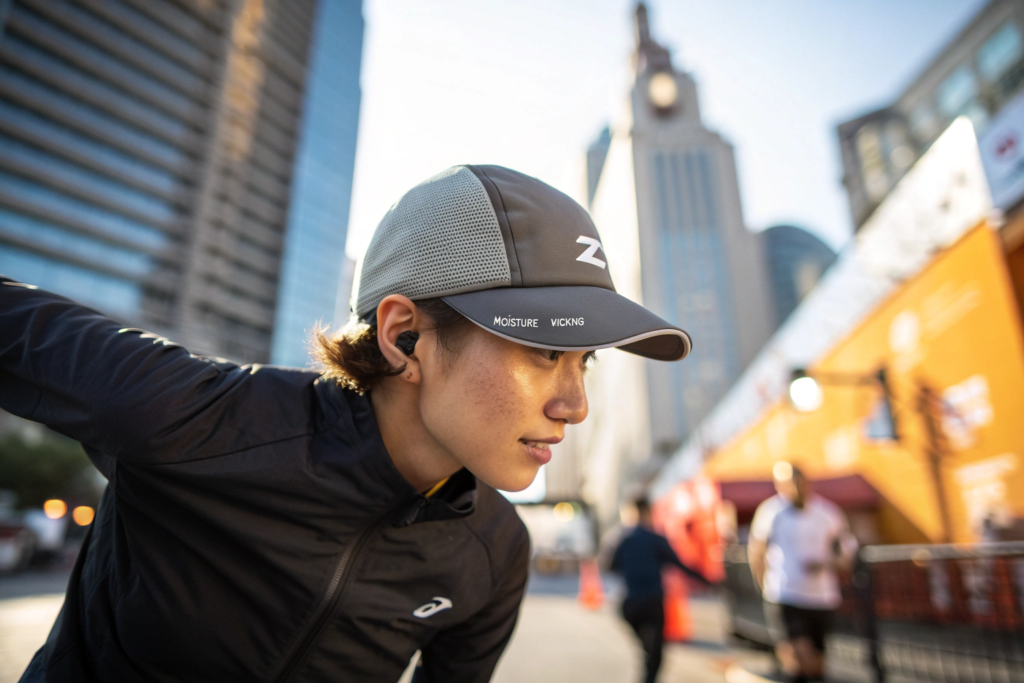
What features define the modern technical cap?
The modern technical cap is defined by its materials and construction. It is made from performance fabrics like moisture-wicking polyester, often with recycled content . It might have laser-cut ventilation holes for breathability. It is lightweight, packable, and often features a curved, pre-shaped brim that does not lose its form. These caps are designed for comfort and function, but their clean, minimalist aesthetic makes them perfect for everyday wear. They come in a huge range of colors, from classic neutrals to bold, bright shades. The logos are often small and reflective or tonal, adding a subtle modern touch. This is a cap that works just as well for a run as it does for a coffee date.
Why are "gorpcore" and outdoor styles still popular?
"Gorpcore," the trend of wearing outdoor and hiking gear as fashion, shows no signs of slowing down. It is about embracing the functionality and aesthetic of the outdoors in everyday life. Technical caps are a perfect fit for this trend. They evoke a sense of adventure and practicality. Brands that have their roots in the outdoors are more popular than ever. This trend also connects to the broader interest in wellness and being active. Wearing a technical cap signals that you are someone who is ready for anything, even if you are just heading to the office. It is a look that is both practical and aspirational.
What is driving the continued popularity of bucket hats?
The bucket hat has had an incredible run. It has gone from a niche item, once a quirky accessory favored by bohemian dreamers and beachgoers seeking sun protection, to a mainstream staple, gracing the heads of fashion icons, urban trendsetters, and everyday adventurers alike. In 2026, it is still going strong, a timeless symbol of effortless style that refuses to fade into obscurity. Its versatility is its superpower. It can be dressed up—adorned with delicate silk ribbons, paired with a tailored blazer and loafers for a chic, unexpected twist—or dressed down, slung over a graphic tee and denim shorts for a laid-back, carefree vibe.
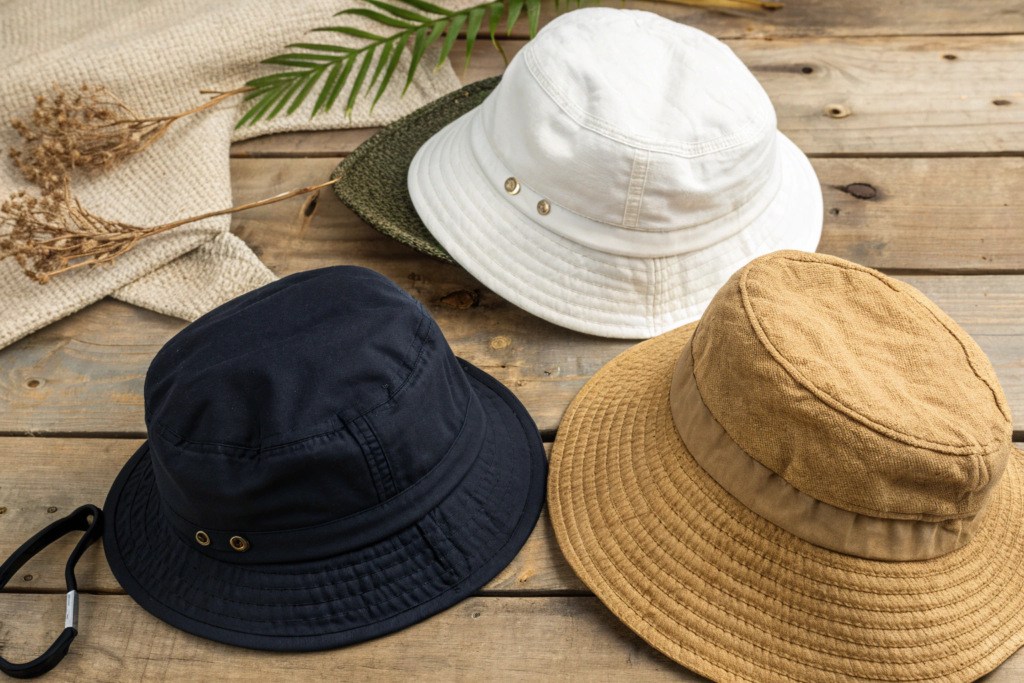
What new materials are being used for bucket hats?
The classic cotton canvas bucket hat is still a bestseller. But the category has exploded with new material options. For summer, we are seeing huge demand for bucket hats made from lightweight, packable nylon, often with a water-repellent finish. These are perfect for travel and beach days. Straw bucket hats are also incredibly popular for warm-weather events, offering sun protection with a chic, textured look. For winter, fleece-lined or wool bucket hats provide warmth and coziness while keeping the iconic silhouette. This material versatility means the bucket hat is truly a four-season accessory.
How have bucket hats evolved in shape and style?
The shape has evolved too. While the classic, relaxed bucket hat is still popular, we are also seeing more structured versions. Some have wider brims for more dramatic sun protection. Others have a tighter, more fitted crown for a sleeker look. Prints are also huge. From classic camo and tie-dye to bold, artistic patterns and logos, the bucket hat is a canvas for self-expression. Embroidered details and patches are also common, adding a personal, hand-crafted touch. The bucket hat’s ability to adapt to so many different aesthetics ensures its continued dominance.
Why is the "dad cap" still a streetwear essential?
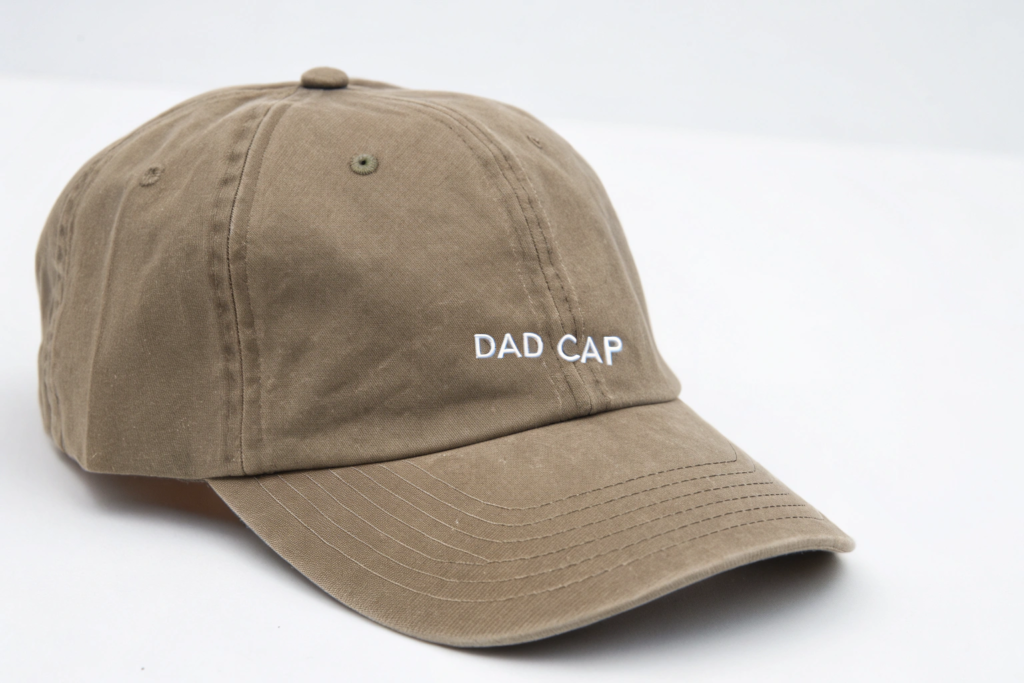
The ‘dad cap’ – that slightly unstructured, soft-crowned baseball cap with a pre-curved brim, its fabric gently yielding to the touch like a well-worn blanket – has become a true classic. It is the anti-statement, a quiet rebellion against the need for constant attention. It is understated, its muted colors and simple logos whispering rather than shouting, yet exuding an air of effortless cool that feels both nostalgic and refreshingly modern.
The crown, softly structured, sits comfortably on the head, while the pre-curved brim offers just the right amount of shade, casting dappled patterns on the face as one moves through the day. Its appeal shows no sign of fading; it lingers in wardrobes, passed down like a cherished heirloom, a symbol of relaxed confidence and timeless style that transcends trends and seasons.
What makes the unstructured dad cap different from other caps?
The key difference is in the construction. Unlike a structured cap, which has stiff panels that hold a rigid shape, an unstructured dad cap is made with softer materials that allow the crown to relax and conform to the wearer’s head. It has a broken-in, lived-in feel from the moment you put it on. The brim is usually pre-curved, not flat. This gives it a casual, approachable look. It is the opposite of the tall, stiff, "trucker" style. It is humble and unpretentious. This is exactly what makes it so appealing. It is a hat that does not try too hard.
How are logos and embroidery being used on dad caps?
The dad cap is a perfect canvas for logos and embroidery. The trend has moved away from large, loud logos toward smaller, more subtle branding. A simple, small logo embroidered on the front, often in a single color, is the classic look. We are also seeing a huge demand for custom embroidery. Brands are using dad caps to feature their own logos, funny phrases, or unique graphics. The soft, curved surface of the cap works beautifully with embroidery. The result is a personalized item that feels special. The embroidery can be a conversation starter, a signal of belonging to a community, or just a simple, stylish detail.
How is sustainability shaping the hat market in 2026?
Sustainability is no longer a niche concern, whispered only in eco-conscious circles; it has erupted into the mainstream, a resounding expectation that echoes through boardrooms and marketplaces alike. Consumers now peer beyond the glossy packaging, their eyes sharp with curiosity and purpose, demanding to know not just the price tag, but the story behind their products—the sunlit farms where ingredients are nurtured, the hands that shaped them, and the very essence of what they are made of, down to the last thread or grain.
This seismic shift in consumer consciousness is sending ripples through every corner of the market, none more visibly than in the hat industry. The once-static landscape of materials is undergoing a vibrant transformation, as artisans and manufacturers alike turn their gaze toward nature’s bounty and innovative, earth-friendly alternatives.
What sustainable materials are most popular for hats?
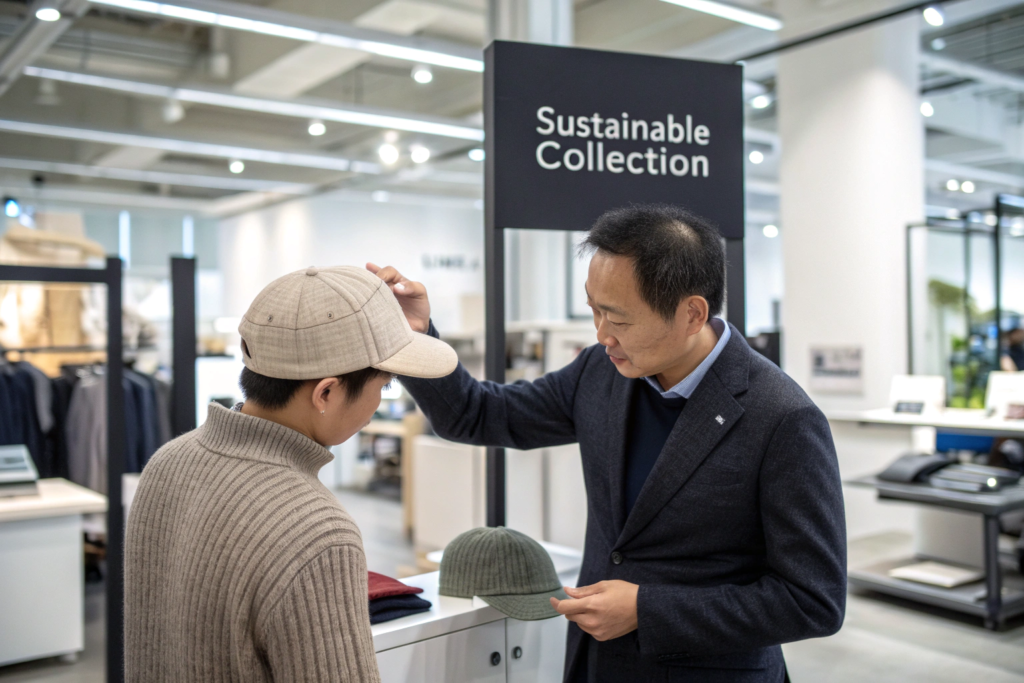
Organic cotton is a huge driver of sustainable hat production. It is grown without harmful pesticides and uses less water than conventional cotton. It is soft, breathable, and perfect for baseball caps and dad caps. Recycled polyester, made from plastic bottles, is another key material, especially for performance caps and packable bucket hats. It offers the same technical benefits as virgin polyester but with a much smaller environmental footprint. Recycled wool is also becoming popular for beanies and winter hats, giving new life to post-consumer textile waste. For a buyer like Ron, specifying these materials is a way to meet customer demand and align his brand with important values. Certifications like the Global Recycled Standard and Organic Content Standard are essential for verifying these claims.
How are brands communicating their sustainability efforts?
It is not enough to just use sustainable materials. Brands need to tell the story. Consumers want to know the "why" behind the product. This is often done through hang tags, packaging, and online product descriptions. A simple tag might explain that the cap is made from 100% organic cotton or that the yarn is certified recycled. Some brands are taking it further, using QR codes that link to a page explaining the entire supply chain. This transparency builds trust. It shows that the brand is not just greenwashing but is genuinely committed to responsible production. At Shanghai Fumao Clothing, we help our clients source certified materials and provide the documentation they need to tell their sustainability story authentically.
What is the "anti-fit" beanie trend and why is it popular?
In a world where every curve is sculpted, every thread is aligned, and every surface gleams with the sheen of perfection, there is a quiet rebellion brewing—a growing appreciation for the imperfect, the unpolished, the delightfully flawed.
This is where the ‘anti-fit’ or ‘ugly’ beanie trend steps into the spotlight, a bold declaration that beauty lies not in rigid symmetry but in the warmth of imperfection. It is about embracing a look that is intentionally undone, relaxed, and effortlessly charming, as if plucked from a cozy morning spent in bed, where comfort reigns supreme over precision.
How does an "anti-fit" beanie differ from a classic beanie?
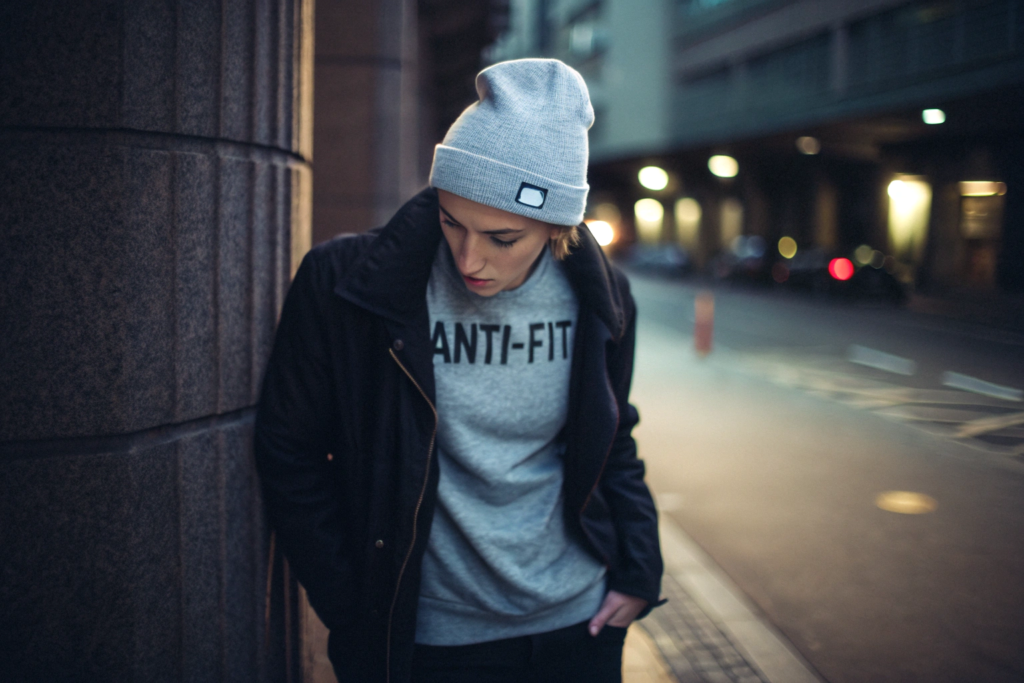
A classic beanie is often fitted, with a neat, structured crown that sits snugly on the head. An "anti-fit" beanie is the opposite. It is oversized, slouchy, and intentionally unstructured. It is designed to look a little bit messy, like you just pulled it on without thinking. The crown is longer, creating a slouchy fold or a loose, gathered look at the back. It is often worn low on the forehead, almost covering the eyebrows. This style is about projecting an attitude of relaxed confidence. It is not trying to be perfect, and that is exactly what makes it cool.
Why are chunky knits and "ugly" aesthetics trending?
This trend connects to the broader "maximalism" and "craftsmanship" movements. Chunky, hand-knit style beanies feel substantial and artisanal. They have texture and weight. The "ugly" aesthetic is a reaction against the sleek, minimalist perfection that dominated for so long. It is about celebrating imperfection and individuality. A chunky, slouchy beanie in a bold color or a unique stitch pattern becomes a statement piece. It says that the wearer has their own style and is not just following rules. This is a powerful form of self-expression, and it is driving huge demand for these relaxed, textured styles.
Conclusion
The hat and cap market in 2026 is vibrant and diverse. We have explored how technical performance caps have crossed over into everyday fashion, driven by the "gorpcore" trend. We have seen the incredible versatility of the bucket hat, now available in materials for every season. We have celebrated the enduring appeal of the classic "dad cap," with its understated style and perfect canvas for custom embroidery. We have discussed the growing importance of sustainability, with organic and recycled materials becoming the new standard. And we have looked at the rise of the "anti-fit" beanie, a trend that embraces imperfection and individuality.
For a professional buyer like Ron, understanding these trends is about more than just picking what looks good. It is about understanding the deeper shifts in consumer behavior: the desire for technical function in everyday life, the appreciation for versatile classics, and the demand for products that align with personal values.
At our factory in Zhejiang, we live and breathe these trends. Our design team is constantly developing new samples, and our experienced project managers are ready to guide you through the process of creating a hat collection that will resonate with your customers in 2026. If you are ready to create a line of hats that captures the spirit of the moment, we are here to help.
To discuss your next hat collection, please contact our Business Director, Elaine, at elaine@fumaoclothing.com. Let’s create something that people will want to wear.