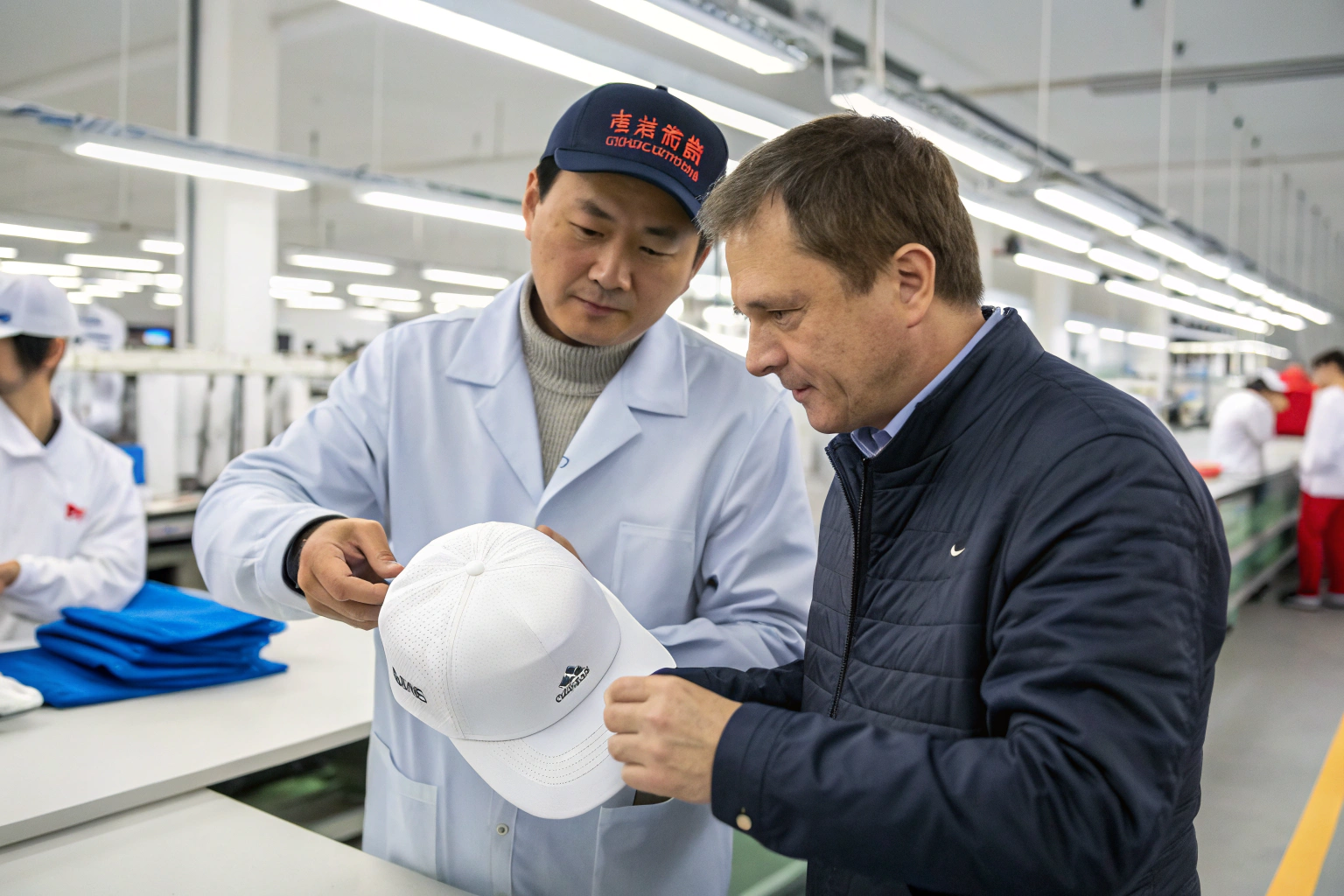
Have you ever noticed a favorite, frequently worn hat developing an unpleasant odor over time, even if it looks clean? This is a common problem that can make people stop wearing an otherwise perfect hat. As a manufacturer, I often discuss these practical issues with buyers like Ron from the US. He knows that for a product like a hat, which is worn often and in close contact with the skin, comfort and hygiene are just as important as style.
The best anti-bacterial linings for frequently worn hats are those made from performance fabrics with inherent moisture-wicking and microbial-resistant properties, such as merino wool, bamboo, and silver-infused textiles. These materials actively combat the growth of odor-causing bacteria, keeping the hat fresher for longer.
For years, my factory has been focused on not just the outside of the hat, but the inside as well. The lining is the part that touches your skin, manages sweat, and ultimately determines the long-term comfort and hygiene of the product. In this article, I’ll share my industry knowledge on the best lining materials that offer anti-bacterial benefits, explaining how they work and why they are a crucial feature for any high-quality, frequently worn hat.
Why Do Hats Need an Anti-Bacterial Lining?
Why can’t a hat just be made of a single material? Why is a special lining so important? The core of the problem is simple: your head sweats. When you wear a hat, especially during physical activity or in warm weather, it traps heat and moisture, creating the perfect breeding ground for bacteria.
The need for an anti-bacterial lining comes down to hygiene and comfort. Sweat itself is odorless, but when it’s left on a fabric, it creates a damp environment where bacteria can thrive, and it’s the waste products from these bacteria that cause unpleasant odors. An effective lining actively disrupts this process.
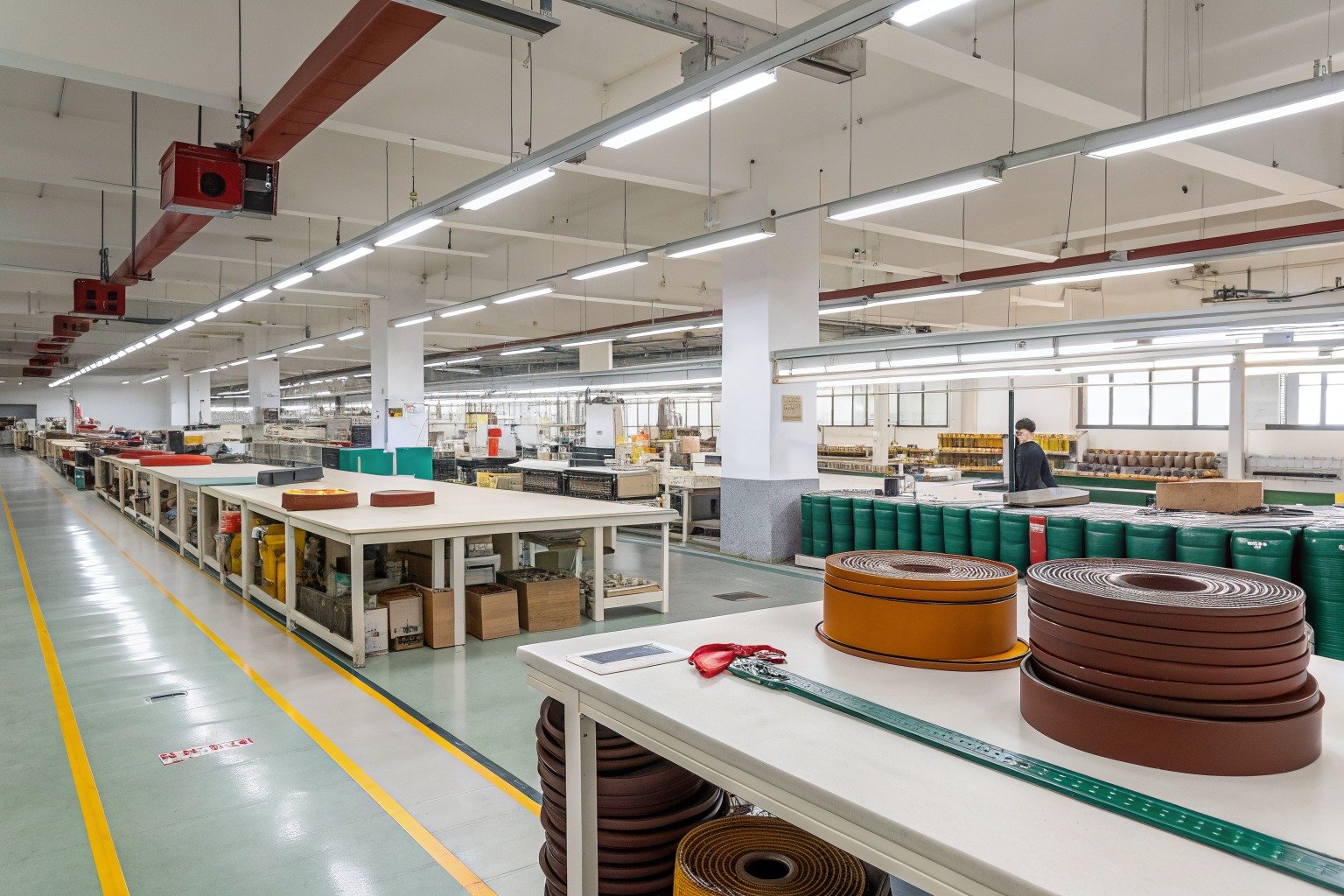
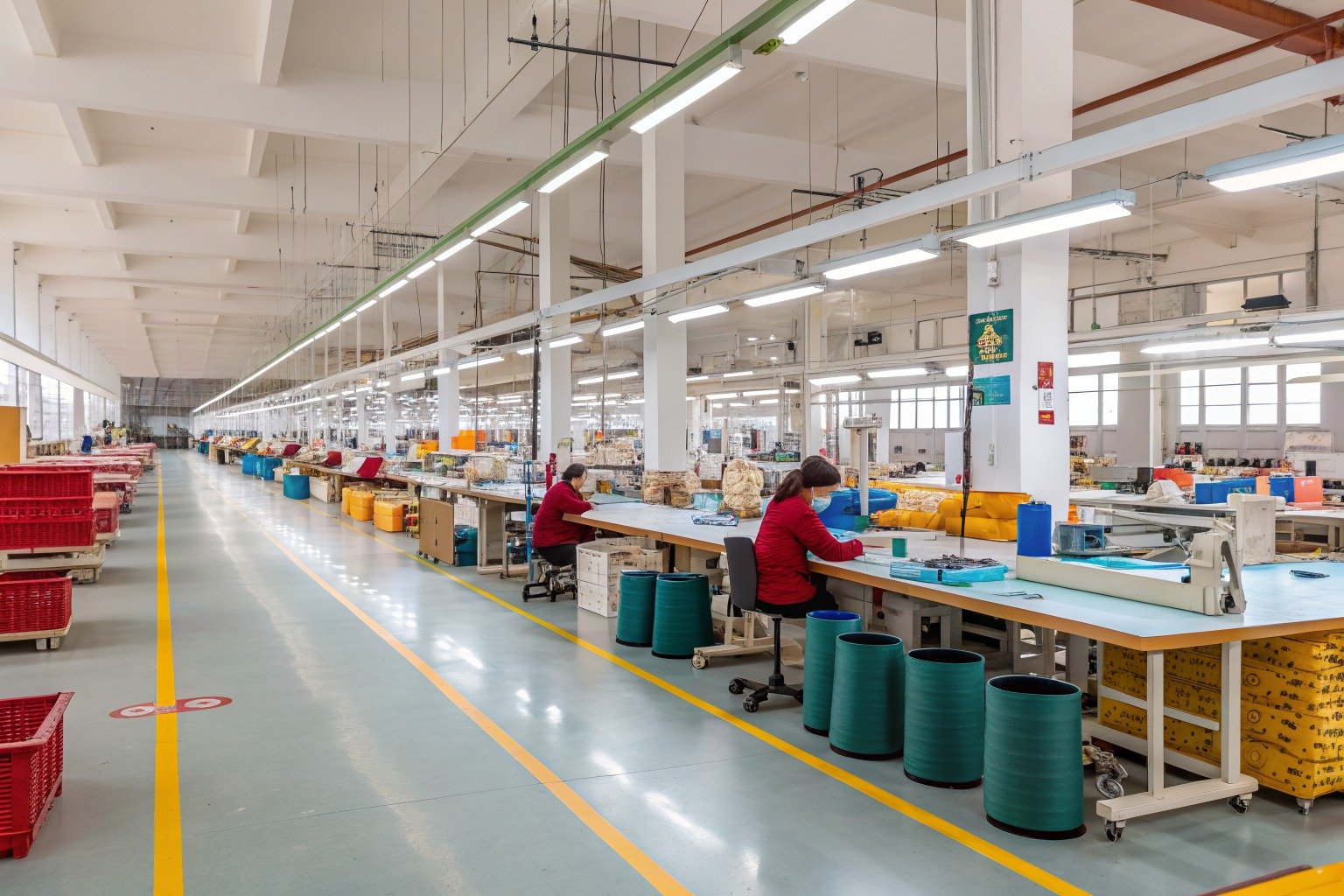
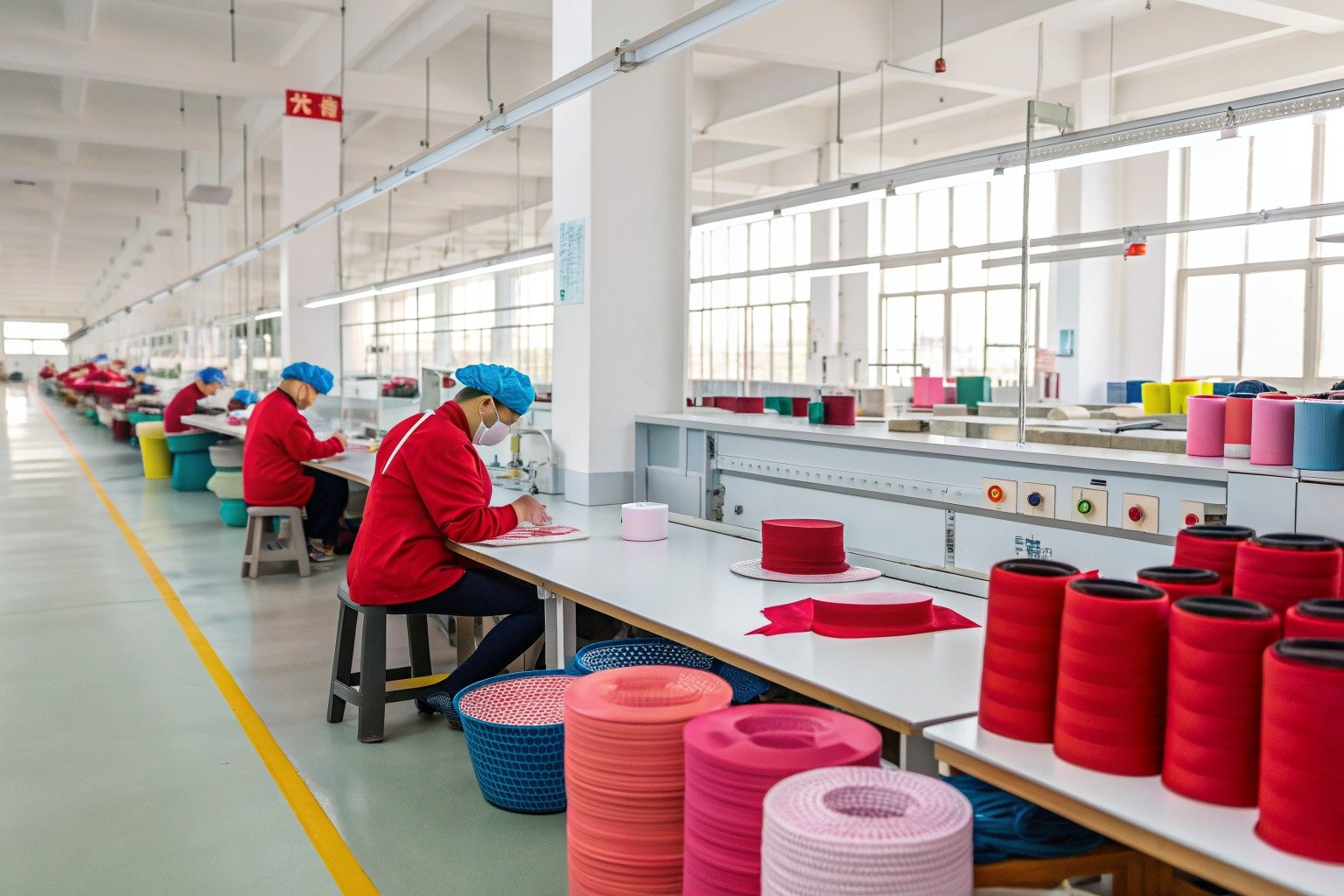
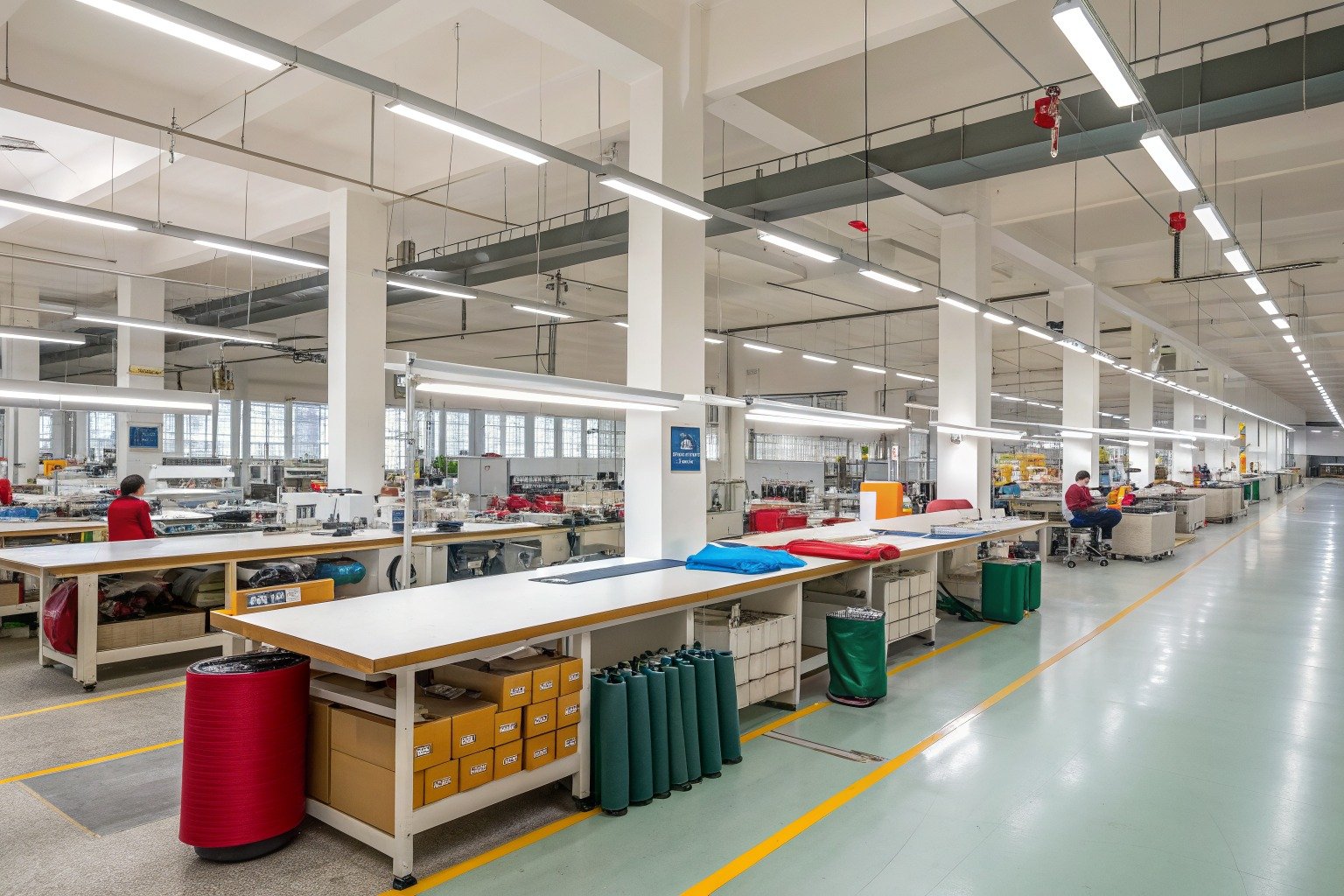
This isn’t just about preventing bad smells; it’s also about skin health. A damp, bacteria-laden environment can lead to skin irritation or breakouts on the forehead. At my factory, Shanghai Fumao Clothing, we treat the lining as a technical component, not an afterthought. Let’s look at how these linings work to solve this universal problem.
What is the science behind odor in hats?
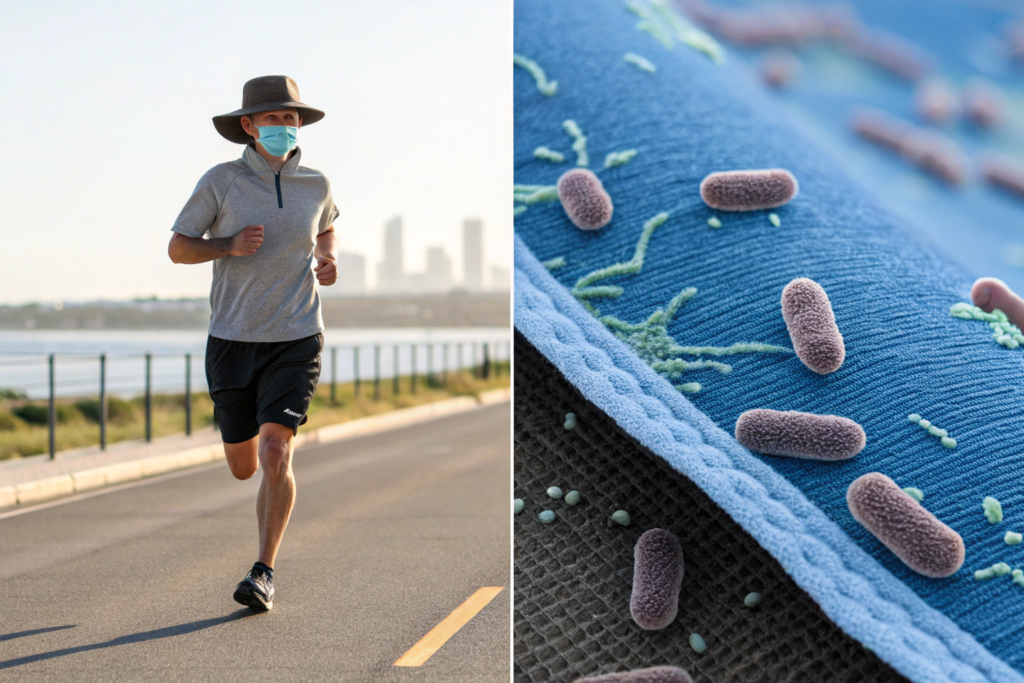
The science is straightforward. Your scalp and forehead have a high concentration of sweat glands. When you wear a hat, the fabric absorbs this sweat, which is primarily made of water, salt, and other organic compounds. Bacteria that naturally live on your skin consume these compounds and multiply rapidly in the warm, moist environment of the hat’s lining. The odor you smell is the result of the metabolic byproducts these bacteria release.
A standard cotton lining, for example, is highly absorbent but slow to dry. This means it stays damp for a long time, creating an ideal habitat for bacteria to flourish. Anti-bacterial linings work by either wicking moisture away quickly so the environment never becomes hospitable, or by containing properties that actively inhibit bacterial growth. Understanding this process is key to appreciating why material choice is so critical, a topic often discussed in textile science resources like the American Association of Textile Chemists and Colorists (AATCC).
Can a good lining improve the hat’s lifespan?
Absolutely. A high-quality anti-bacterial lining can significantly extend the usable life of a hat. When a hat develops a persistent odor, people are more likely to wash it aggressively or simply stop wearing it altogether. Frequent, harsh washing can cause the hat to lose its shape, fade, or wear out prematurely.
By using a lining that naturally stays fresher for longer, the need for frequent washing is reduced. This preserves the hat’s structure and appearance. It’s a feature that adds real value for the consumer, turning a simple fashion item into a durable, long-lasting piece of headwear. This focus on longevity and quality is a core principle for us and a key selling point for the brands we work with. For more on extending the life of clothing and accessories, lifestyle guides like Good Housekeeping offer practical tips.
What Are The Best Natural Anti-Bacterial Fabrics?
When it comes to materials that sit against your skin, many people prefer natural options. The good news is that nature has provided some of the most effective anti-bacterial fibers available. These materials don’t rely on chemical treatments but have inherent properties that keep them clean and fresh.
The best natural anti-bacterial fabrics for hat linings are merino wool and bamboo. These fibers have unique structural and chemical properties that naturally resist the growth of microbes and excel at managing moisture, making them ideal for high-contact applications.
We have seen a significant increase in demand for these natural performance materials from our clients in Europe and North America. Consumers are more educated than ever about the benefits of natural fibers, and they appreciate the comfort and performance they offer. Let’s explore what makes these two materials stand out.
Why is merino wool a top choice for linings?
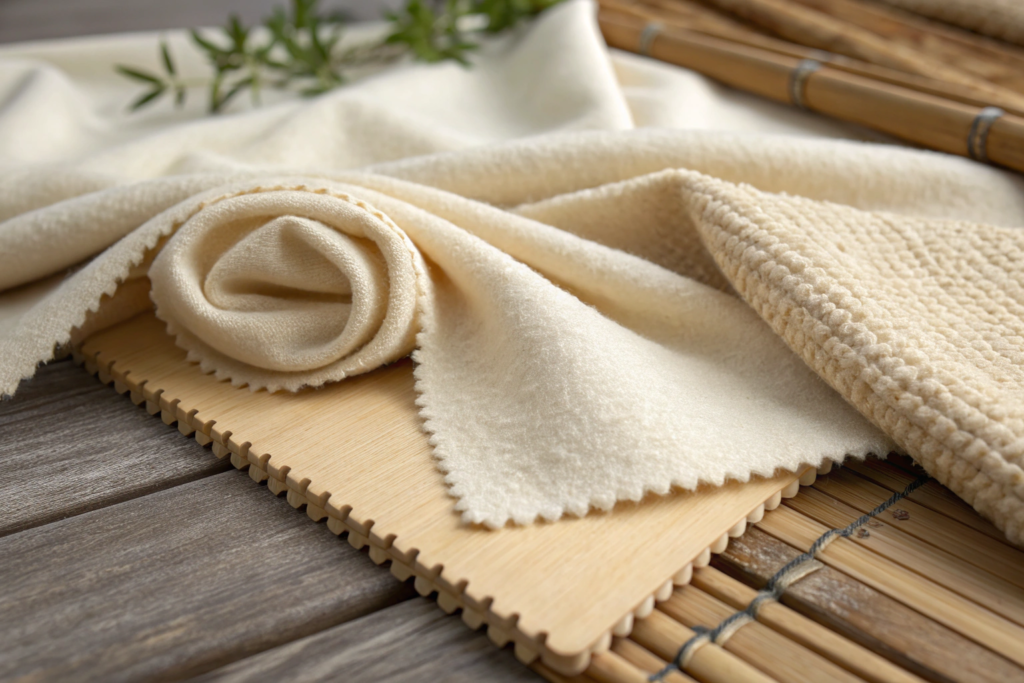
Merino wool is a performance powerhouse. As we’ve discussed for winter hats, its fibers are incredibly fine and soft, but for a lining, its most important quality is its ability to manage moisture and resist odor. The surface of a merino fiber is complex; it has a waxy coating that is water-repellent, while the core of the fiber is highly absorbent. This means it pulls moisture vapor away from your skin before it even turns into liquid sweat, keeping you feeling dry.
Furthermore, the chemical structure of merino wool locks away odor-causing bacteria and prevents them from multiplying. This is why a merino garment can be worn multiple times without developing a smell. A thin, lightweight merino lining in a baseball cap or beanie provides incredible comfort and hygiene in both warm and cool conditions. The performance benefits of this fiber are well-documented by institutions like The Woolmark Company.
What makes bamboo a good anti-bacterial option?
Bamboo fabric, typically a type of viscose rayon, is known for its exceptional softness and smooth, silky feel. It’s also a great choice for a hat lining due to its moisture-wicking and purported anti-bacterial properties. Bamboo fibers are highly absorbent and pull moisture away from the skin effectively, helping to keep the area dry.
The claim that bamboo has natural anti-bacterial properties comes from an agent found in the living plant called "bamboo kun." While there is some debate about how much of this property remains after the manufacturing process, bamboo fabric’s superior moisture management is undeniable. This ability to keep the lining dry is, in itself, a powerful way to inhibit bacterial growth. For more on the properties of bamboo fabric, textile resources like the Textile School offer detailed explanations.
What About High-Tech Synthetic Linings?
While natural fibers are fantastic, the world of synthetic textiles has made incredible advancements. For applications where durability and specific performance features are paramount, high-tech synthetic linings offer solutions that are engineered at a molecular level.
When it comes to synthetic options, the most effective anti-bacterial linings are fabrics infused with silver or copper, or those made from specialized polyester blends. These materials use technology to either actively kill bacteria or create a surface where it simply cannot grow, offering a durable and highly effective solution for odor control.
At Shanghai Fumao Clothing, we work with advanced textile mills to incorporate these technologies into our products, especially for athletic or performance-oriented headwear. These are not your average polyester fabrics; they are sophisticated materials designed for a specific purpose. Let’s look at how these technologies work.
How does silver-infused fabric work?
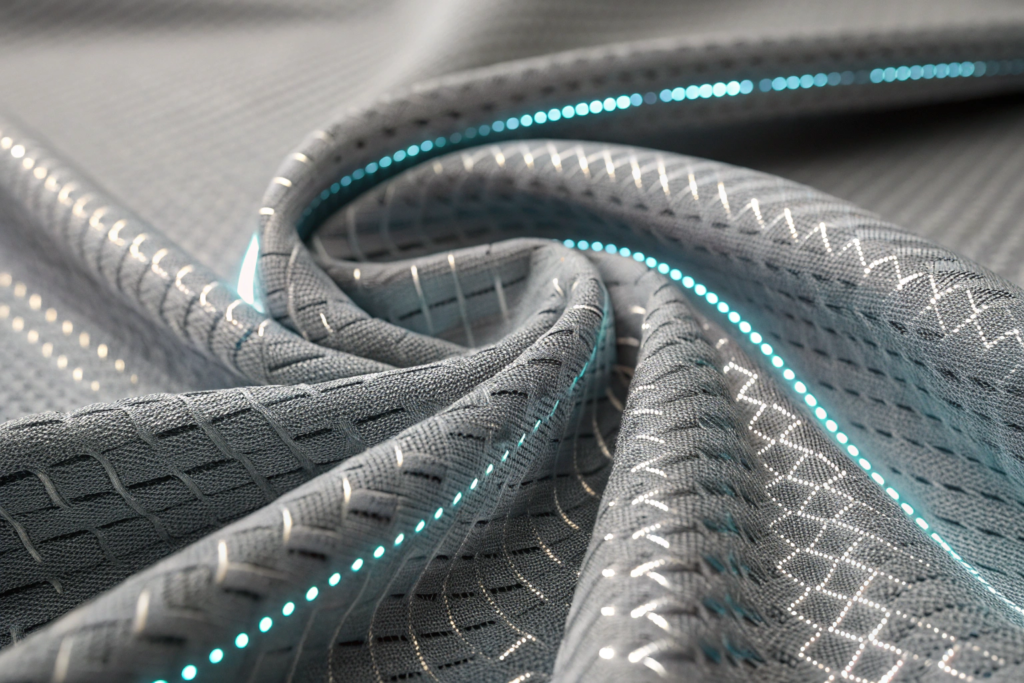
Silver has been known for its antimicrobial properties for centuries. In modern textiles, silver is incorporated in one of two ways: either the fabric is treated with a solution containing silver salts, or the silver is permanently embedded within the fibers themselves. When silver ions (Ag+) come into contact with bacteria, they disrupt the bacteria’s cell walls and interfere with their metabolic processes, effectively neutralizing them.
Fabrics with silver embedded directly into the yarn are superior because the anti-bacterial properties don’t wash out over time. This technology provides a permanent, highly effective solution for odor control. It’s why you’ll find silver-infused technology used in high-end athletic wear and medical textiles. Brands like Polygiene, a leader in this field, provide this technology to many top apparel companies.
Are there other effective synthetic options?
Yes. Many leading textile companies have developed their own proprietary polyester blends that are engineered for moisture management and odor resistance. These fabrics use unique cross-sections and fiber treatments to create channels that pull sweat away from the skin and spread it over a wide surface area, allowing it to evaporate incredibly quickly. This rapid evaporation is often marketed as "moisture-wicking technology."
By keeping the fabric dry, you eliminate the environment that bacteria need to grow. Some of these fabrics also incorporate treatments like copper, which works similarly to silver, or recycled materials like coffee grounds (which have natural odor-absorbing properties). These high-tech synthetics are an excellent choice for intense athletic use, where managing high volumes of sweat is the primary concern. Performance brands like Under Armour have built their reputation on these kinds of advanced fabric technologies.
How Do I Choose The Right Lining For My Hat?
Now that you know the options, how do you decide which lining is best? The choice isn’t about finding the single "best" material, but about matching the lining’s properties to the hat’s intended use. A lining that’s perfect for a winter beanie might not be the right choice for a summer running cap.
Choosing the right lining requires you to consider the hat’s primary function, the climate it will be worn in, and the desired feel against the skin. For cold weather or casual wear, natural fibers like merino offer warmth and comfort. For intense athletic activity, a high-tech synthetic provides superior moisture-wicking. For a soft, luxurious feel in a fashion hat, bamboo is an excellent choice.
This is the kind of strategic decision-making we do with our clients every day. By understanding the end-use of the product, we can recommend the perfect combination of outer material and inner lining to create a hat that truly performs. Let’s walk through a few common scenarios.
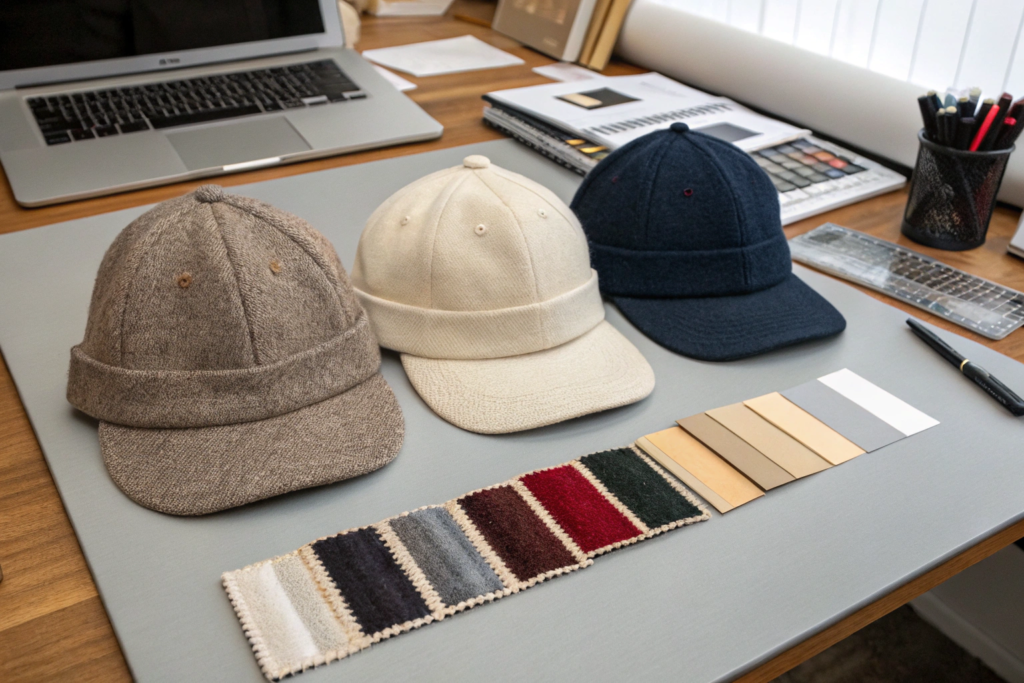
What is the best lining for a winter hat?
For a winter hat, the lining needs to contribute to warmth in addition to being anti-bacterial. This makes merino wool the undisputed champion. A thin merino lining inside a wool or acrylic beanie adds a significant boost of insulation without adding bulk. More importantly, its ability to wick moisture is crucial in winter. If you sweat while walking and then stop, a damp cotton lining will make you feel cold and clammy. A merino lining will have wicked that moisture away, keeping you dry, warm, and comfortable.
What about a casual, everyday hat?
For a casual, everyday baseball cap or bucket hat, you have more flexibility. The choice often comes down to the desired feel. A bamboo lining offers a wonderfully soft, smooth, and cool feel against the skin, making it a very comfortable choice for all-day wear. A lightweight merino lining is also an excellent option, offering top-tier odor resistance and comfort in a wider range of temperatures. This is a decision we at Shanghai Fumao Clothing would typically discuss with a client to align with their brand’s price point and target customer’s preference for natural versus technical materials.
Conclusion
The lining of a hat is a small detail that makes a world of difference. By choosing a material with inherent anti-bacterial and moisture-managing properties, you can create a hat that stays fresher, lasts longer, and is far more comfortable to wear. Whether it’s the natural, odor-fighting power of merino wool, the soft and cool feel of bamboo, or the high-tech performance of a silver-infused synthetic, the right lining elevates a simple hat into a high-performance accessory. The next time you pick up a hat, pay attention to what’s on the inside—it’s the secret to long-lasting comfort and hygiene.
If you are a brand, importer, or designer looking to create headwear with superior performance and comfort, my team at Shanghai Fumao Clothing has the expertise in advanced materials and quality manufacturing to help. We can guide you in selecting the perfect lining for your specific needs. To start the conversation, please contact our Business Director, Elaine, at her email: elaine@fumaoclothing.com.