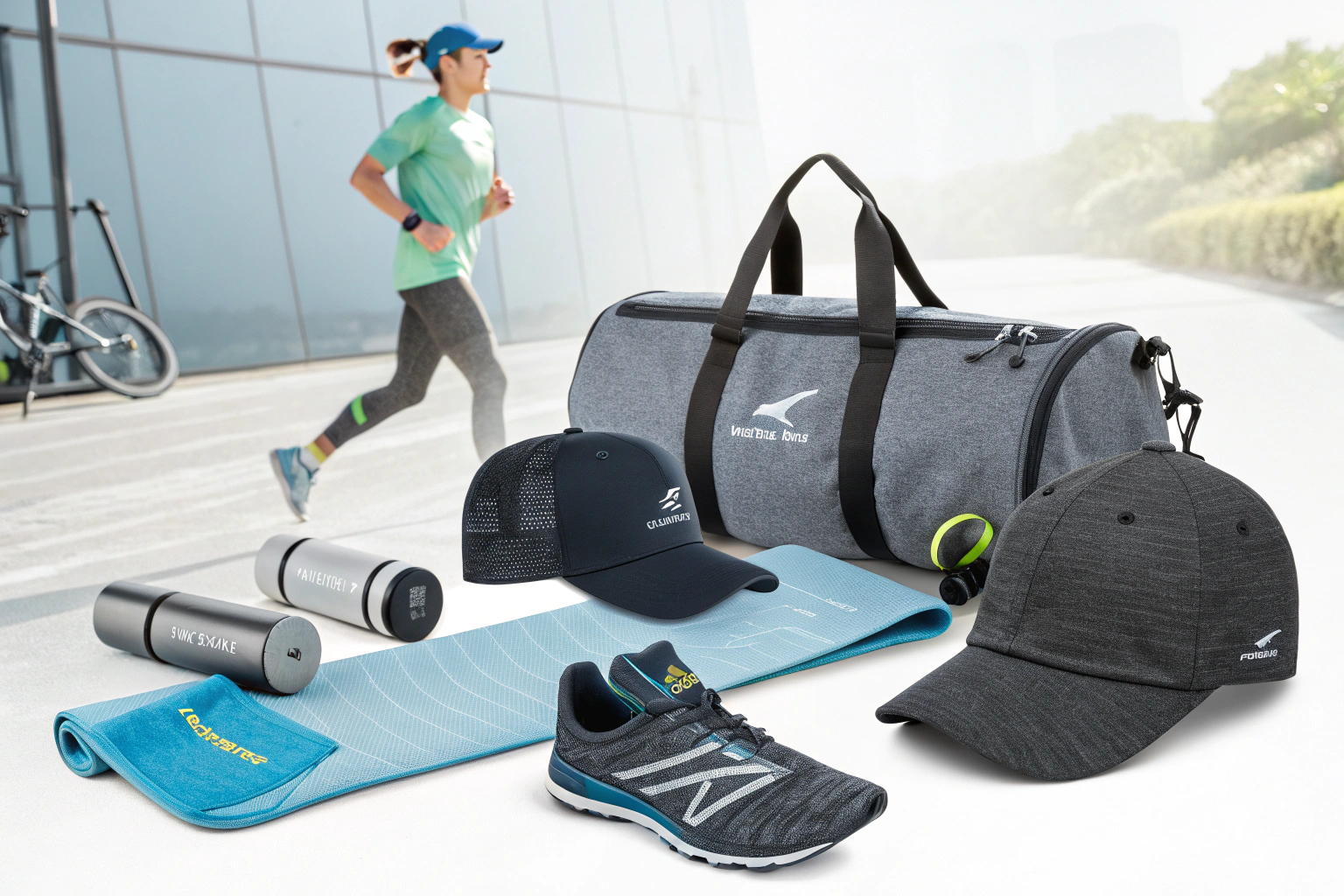
I remember a conversation with a product developer for a major activewear brand a few years ago. She was frustrated. "We’ve perfected the leggings and the sports bras," she told me. "But our customers are coming to us asking for the whole package. They want headbands that don’t slip, socks that don’t bunch, bags that can handle a sweaty gym kit. They want to look good and feel good from head to toe, from the studio to the street. And we’re not giving it to them." Her frustration highlighted a massive opportunity: the active and athleisure accessory market.
Developing accessories for the active and athleisure market requires a focus on performance, comfort, and style in equal measure. The key considerations are moisture-wicking and breathable fabrics (like Coolmax, polyester blends, and bamboo), secure and comfortable fits (non-slip headbands, cushioned socks), functional and durable designs (bags with wet/dry compartments, reflective details for safety), and a stylish, modern aesthetic that transitions seamlessly from the gym to everyday life. At Shanghai Fumao Clothing, we have extensive experience in this category, helping our clients create accessories that perform as hard as their customers do.
That product developer was right. The athleisure trend is not just about clothing. It’s a lifestyle. It’s about clothing and accessories that support an active life while still looking great. Consumers want gear that works as hard as they do, that solves real problems (like a slipping headband or a sweaty gym bag), and that expresses their personal style. Let me walk you through the four essential pillars of developing successful accessories for this booming market.
What Performance Fabrics Are Essential for Active Accessories?
The foundation of any successful active accessory is the fabric. A cotton headband will soak up sweat, become heavy, and start to slip. A cotton sock will retain moisture, leading to blisters. For the active market, fabric choice is not just about aesthetics; it is about performance. You must choose materials that actively work to keep the wearer dry, comfortable, and focused on their activity.
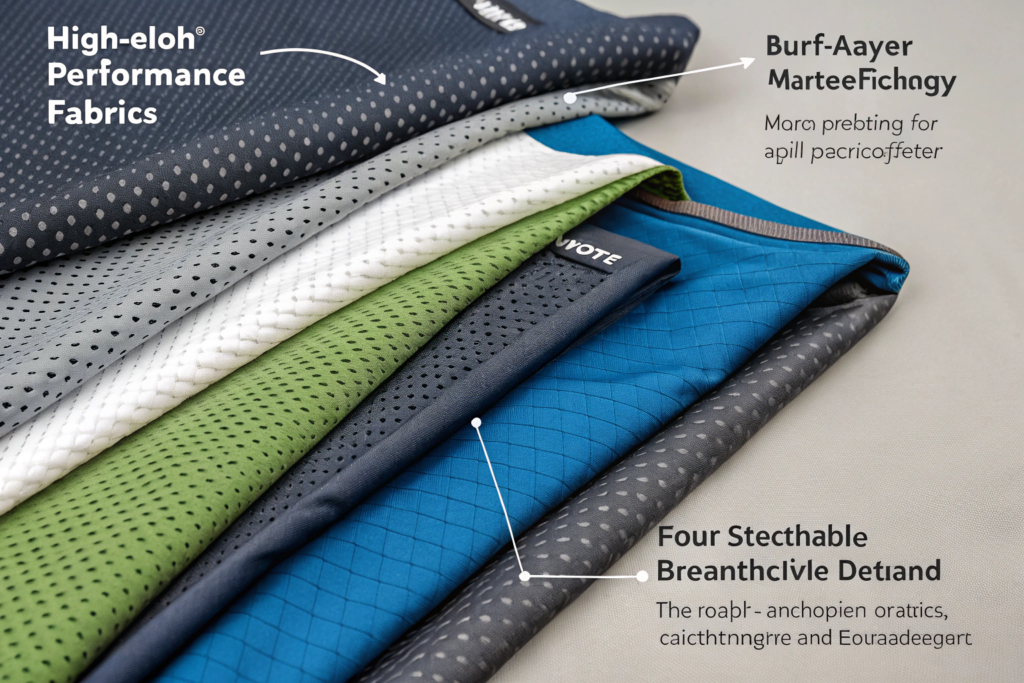
The most important performance fabrics for active accessories are those that excel at moisture management. Polyester and nylon blends are the workhorses of the industry. They are durable, lightweight, and can be engineered with specialized finishes to wick sweat away from the skin. Coolmax is a leading brand of performance polyester with a unique fiber shape that maximizes wicking. Spandex or elastane is added to provide stretch and a secure, comfortable fit. For natural fiber options, bamboo viscose and merino wool are excellent choices. Bamboo is incredibly soft, breathable, and naturally antimicrobial. Merino wool is a high-performance natural fiber that regulates temperature, wicks moisture, and resists odors, making it ideal for multi-day adventures.
The technology behind these fabrics is fascinating. For synthetics, the wicking action is achieved through the shape of the fiber itself (like the four-channel design of Coolmax) or through a chemical finish applied to the fabric. These finishes create a difference in surface energy, causing water to be pulled along the fiber and spread out. For natural fibers like merino wool, the fiber structure naturally absorbs moisture vapor and releases it, keeping the skin dry. The choice of fabric also impacts other properties. Four-way stretch is essential for items like headbands and wristbands to ensure they fit snugly without being restrictive. Reflective yarns or prints are critical for safety for those running or cycling in low light. This is a core principle of performance textile engineering. At Shanghai Fumao Clothing, we work with leading mills to source these high-performance fabrics, ensuring our clients’ accessories meet the demands of even the most active users.
What is the best fabric for a non-slip headband?
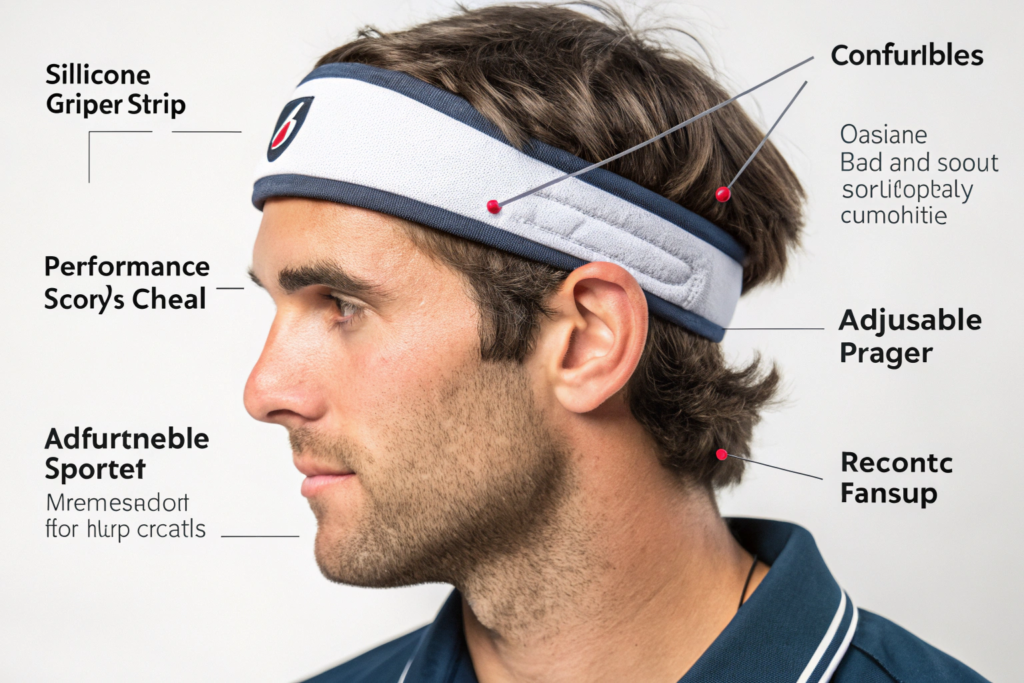
A blend of polyester, nylon, and spandex is often the best choice. The synthetic fibers provide moisture-wicking, while the spandex provides the stretch needed for a secure, non-slip fit. Some headbands also incorporate a strip of silicone or a gripper elastic on the inside for extra hold. The key is a combination of stretch and grip.
Are natural fibers like merino wool suitable for high-intensity activities?
Yes, merino wool is excellent for high-intensity activities, but it performs differently from synthetics. It is a fantastic temperature regulator, keeping you cool when you’re hot and warm when you’re cool. It also absorbs moisture without feeling wet and is naturally odor-resistant. However, it can be more expensive and requires more delicate care than synthetics. It is often the preferred choice for multi-day backcountry trips where odor control is paramount.
How Do You Design for a Secure and Comfortable Fit?
Performance fabrics are only half the equation. An accessory can be made from the most advanced moisture-wicking material in the world, but if it slips, bunches, or chafes, it is useless. A secure and comfortable fit is non-negotiable for active accessories. The wearer needs to be able to focus on their workout, not on adjusting their gear. This requires thoughtful design and attention to detail.
Achieving a secure and comfortable fit involves several key design elements. For headbands and wristbands, this often means incorporating silicone gripper strips or using a wide, ribbed knit construction that stays put without being too tight. For socks, it means targeted cushioning in high-impact areas (heel and toe), a snug arch support, and a seamless toe closure to prevent blisters. For caps and visors, it means an adjustable closure (like a hook-and-loop strap or a snapback) and a moisture-wicking sweatband inside. For bags, it means padded, adjustable shoulder straps and ergonomic designs that distribute weight evenly.
Let’s look at the specific example of a performance sock. A poorly designed sock can ruin a run. We focus on creating socks with zoned cushioning. This means extra padding in the heel and forefoot, where impact is highest, and a thinner, more breathable fabric on the top of the foot and arch. The arch support is created through a tighter knit construction that hugs the foot, preventing the sock from slipping and bunching. The toe seam is a critical detail. A flat, seamless toe eliminates the friction that causes blisters. For headbands, the width is a key factor. A wider headband (2-3 inches) stays in place better than a thin one and also covers more of the forehead, effectively managing sweat. These are the details that separate a good product from a great one. This is the essence of ergonomic design for active wear. At Shanghai Fumao Clothing, our design team obsesses over these fit details, creating patterns and specifications that ensure our accessories move with the body, not against it.
How do I ensure a headband will fit a range of head sizes?
The key is to use a fabric with good four-way stretch and to design the headband with a circumference that comfortably fits the target size range (e.g., 20-23 inches). A wide, stretchy fabric will conform to different head shapes and sizes. For a more customized fit, you can also add an adjustable element, like a small strap with a hook-and-loop closure.
What is the most important feature for preventing blisters in socks?
A seamless toe is arguably the most important feature. The friction of a bulky seam rubbing against the toes is a primary cause of blisters. Also, ensuring the sock has a snug fit with good arch support prevents bunching, which is another major cause of friction and blisters.
What Functional Features Do Active Consumers Really Need?
Beyond fabrics and fit, the most successful active accessories solve a real problem for the user. They are not just "nice to have"; they are "need to have." These functional features are what turn a basic accessory into an indispensable piece of gear. They show the user that you understand their challenges and have designed a solution. This is where true innovation and customer loyalty are built.
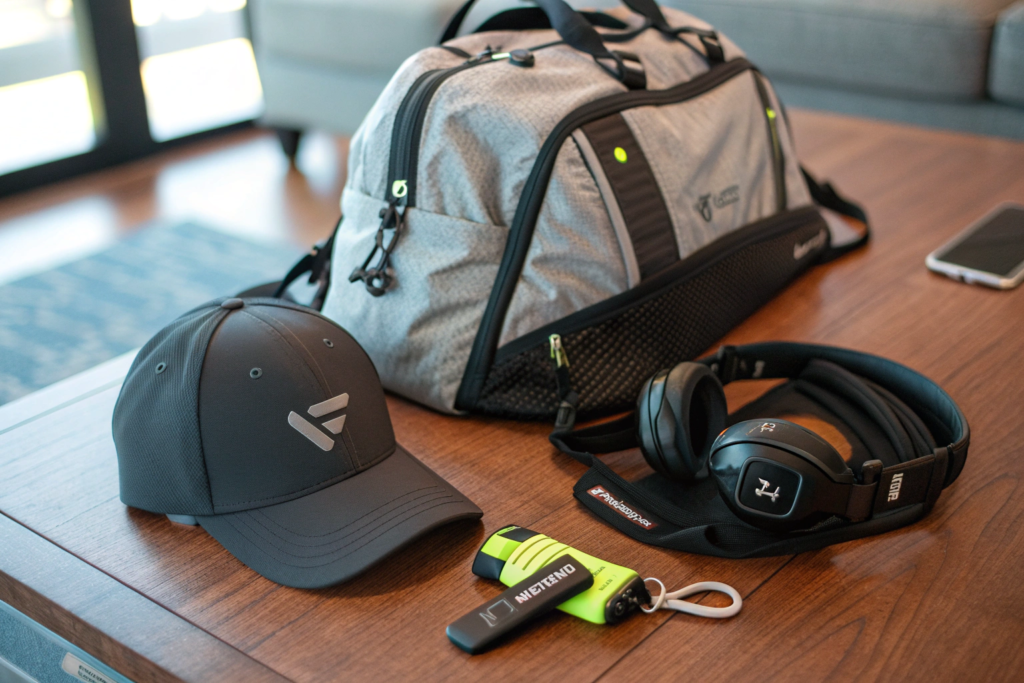
Key functional features for active accessories include moisture management (as discussed), but also storage solutions, visibility, and versatility. For bags, a separate wet/dry compartment for sweaty clothes or a wet swimsuit is a game-changer. For caps and headbands, adding reflective details is a critical safety feature for those active in low-light conditions. For headbands, designing them to be headphone-friendly (with a thinner profile over the ears) is a huge plus for runners who listen to music. For wristbands, a small, water-resistant pocket for a key or a card is incredibly useful. For socks, height options (no-show, ankle, crew) allow users to choose the right style for their activity and shoe type.
Let’s explore the "why" behind some of these features. The wet/dry compartment is a response to a very common problem: what do you do with your sweaty, post-workout clothes? Stuffing them into your main bag gets everything else damp and smelly. A separate, waterproof compartment solves this elegantly. Reflective details are not just a marketing gimmick; they are a genuine safety feature for anyone running or cycling on roads, especially in the early morning or evening. They can be integrated into the design through reflective yarns, prints, or trims. Headphone-friendly headbands acknowledge that music is an integral part of many people’s workouts. A headband that is too thick over the ears can make wearing earbuds uncomfortable or impossible. Designing a thinner section solves this. This is all about user-centered design and problem-solving. At Shanghai Fumao Clothing, we work closely with our clients to understand their target users’ pain points and develop accessories with the features that truly matter to them.
Are reflective features important for all active accessories?
For any accessory intended for outdoor use, especially in low-light conditions, reflective features are very important. This includes running caps, headbands, wristbands, and even bags. It’s a simple addition that can significantly enhance user safety. For gym-only accessories, it’s less critical.
What is the best way to create a water-resistant pocket in a wristband?
The most common and effective method is to use a water-resistant fabric, like a coated nylon or TPU laminate, for the pocket itself, and to use a secure closure like a waterproof zipper or a hook-and-loop flap that overlaps the opening to prevent water ingress. The key is to ensure the pocket is deep enough to securely hold a key or card without it falling out during activity.
How Do You Balance Performance with Athleisure Style?
The "athleisure" part of the market is crucial. It means that your accessory cannot just be functional; it must also be stylish. It must look good in the gym, but it must also look good on the way to the gym, at the coffee shop afterwards, and running errands around town. The aesthetic of your accessory is just as important as its performance. It must appeal to the user’s sense of style and fit seamlessly into their lifestyle.
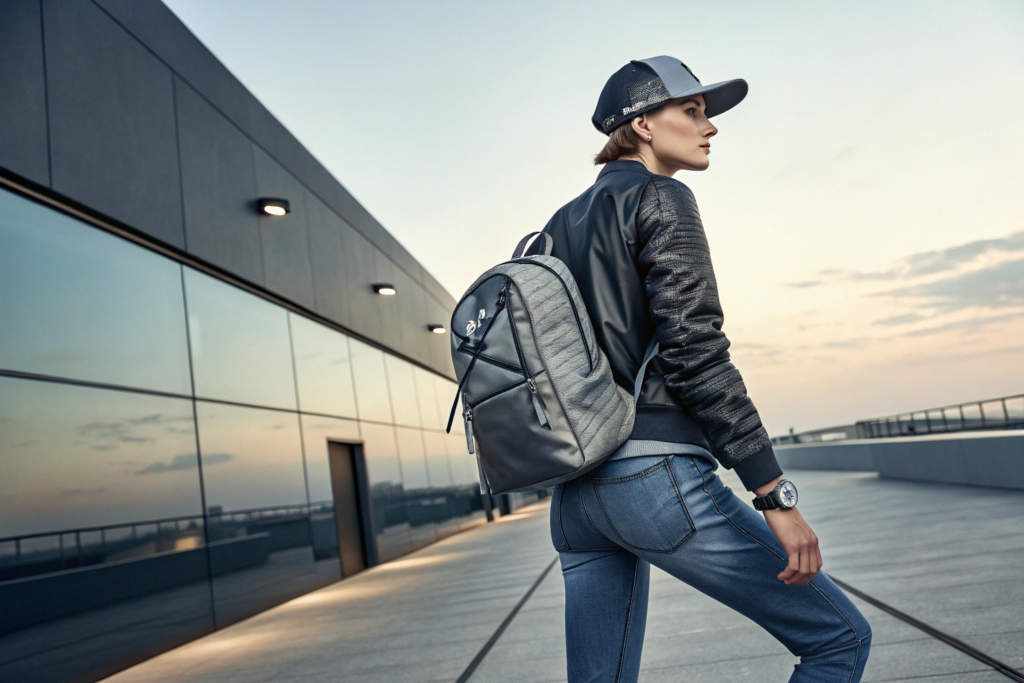
Balancing performance with style means choosing modern, versatile designs and color palettes. For caps, this means offering classic silhouettes (like the dad hat or the trucker cap) in a range of colors, from classic neutrals to on-trend hues. For headbands, it means moving beyond basic solid colors to offer stylish patterns, prints, and even luxury materials like velvet for a post-workout look. For bags, it means designing sleek, minimalist silhouettes that look great in any setting, not just the gym. The hardware (buckles, zippers) should also be stylish, with choices like matte black or brushed gold finishes. The goal is to create accessories that people want to wear, not just ones they have to wear.
The color palette for athleisure accessories has evolved far beyond basic black and grey. While neutrals are always important, we are seeing a huge demand for earthy tones (sage, terracotta, sand), muted pastels, and even pops of brighter, energetic colors. The use of texture is also a key style element. A ribbed knit headband adds visual interest compared to a plain flat one. A bag made from a matte, recycled nylon looks more sophisticated than one made from shiny, standard nylon. The finishing details matter. A cap with a subtle, tonal embroidered logo feels more premium than one with a large, printed logo. This is all about creating a product that aligns with the customer’s personal aesthetic. This is a core principle of fashion design for active lifestyles. At Shanghai Fumao Clothing, we work with our clients to develop color stories and design details that ensure their active accessories are as stylish as they are functional.
What are the most popular colors for athleisure accessories right now?
Classic neutrals like black, white, navy, and heather grey are always foundational. For trend colors, we are currently seeing strong demand for earthy tones like sage green, terracotta, and warm sand, as well as soft, muted pastels like lavender and dusty blue. Bright, energetic accent colors like electric blue and vibrant coral are also popular for pops of color.
Should the branding on an active accessory be prominent or subtle?
It depends on your brand’s aesthetic. For a more minimalist, premium brand, subtle branding (like a small, tonal embroidered logo or a debossed logo on a buckle) is often more effective. For a brand that is all about energy and community, a larger, more prominent printed logo might be the right choice. The key is to be intentional and consistent with your brand identity. The quality of the branding itself (embroidery, print) must be high.
Conclusion
The active and athleisure accessory market is a dynamic and demanding one. Success requires a deep understanding of performance fabrics, a relentless focus on secure and comfortable fit, a commitment to solving real user problems with functional features, and a keen eye for style. It’s about creating accessories that empower people to be active, confident, and stylish, from their morning run to their evening out.
At Shanghai Fumao Clothing, we have the expertise to help you navigate this exciting category. We source the latest performance fabrics. We engineer for a perfect, non-slip fit. We can integrate functional features like reflective details and wet/dry compartments. And we design with a modern, stylish aesthetic that will resonate with today’s active consumer. We are your partners in creating accessories that perform as hard as your customers do.
Are you ready to develop active and athleisure accessories that your customers will love? Let’s get to work. Contact our Business Director, Elaine, at elaine@fumaoclothing.com to start the conversation.