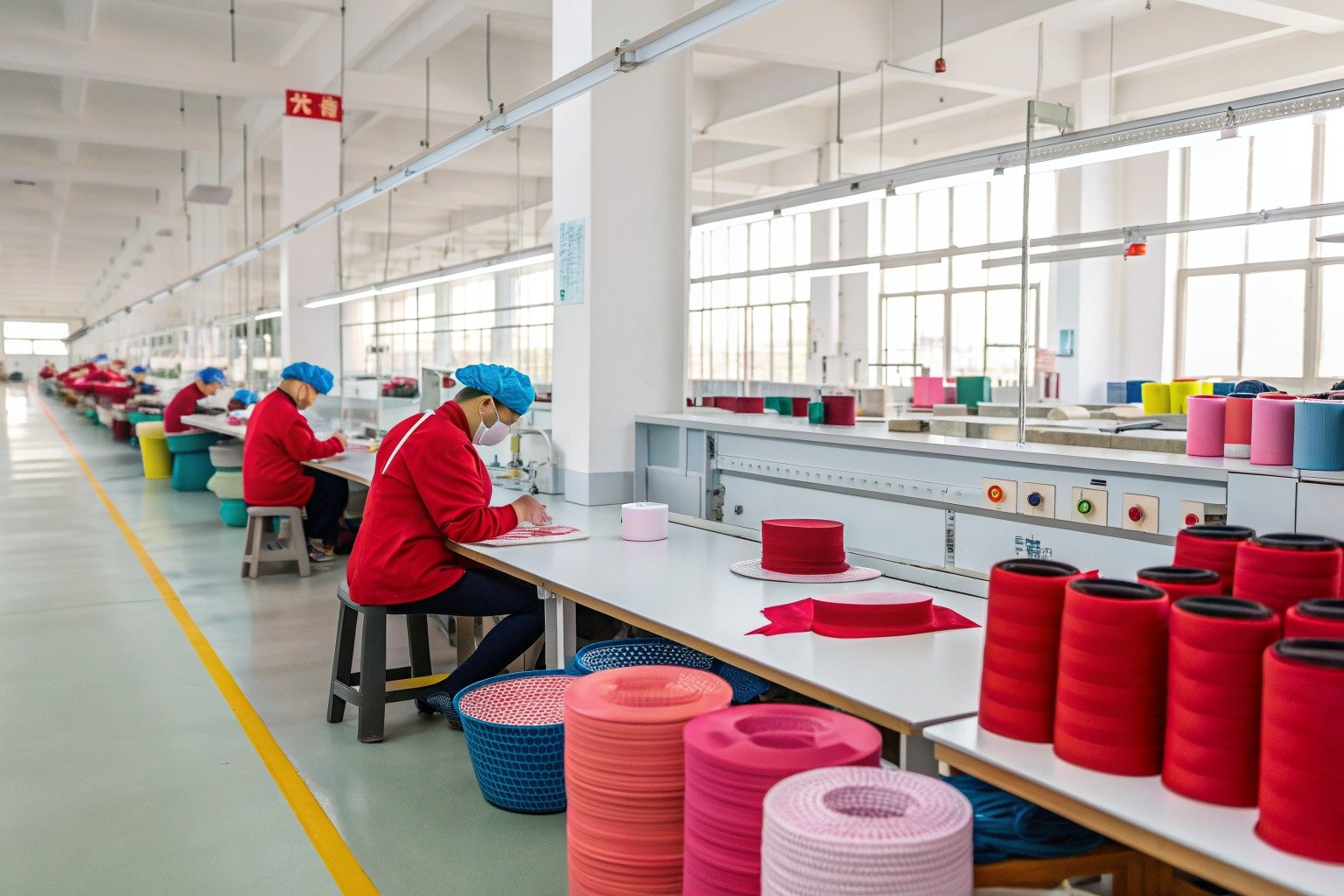
I remember a conversation with a seller who had just launched her first shop on a major online marketplace. She was talented, her products were beautiful, but she was overwhelmed. "There are millions of items on here," she told me. "How do I know what to sell? I can’t just make what I like. I need to make what people are actually searching for and buying." Her question is the fundamental one for any marketplace seller. It’s not enough to make a great product. You have to make the right product.
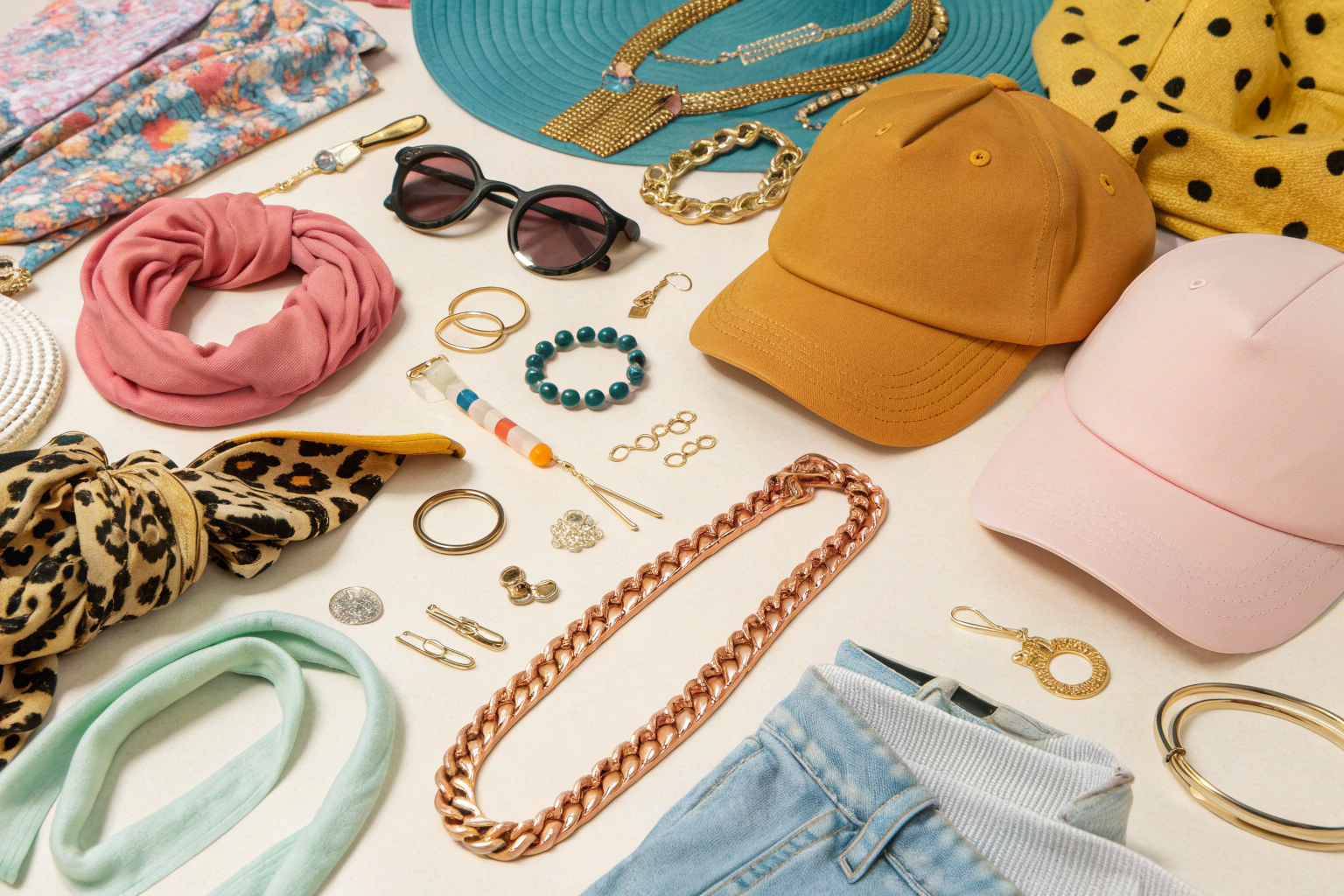
The most popular fashion accessories for marketplaces are those that balance trend-driven appeal with timeless versatility. They are items that are easy to style, photograph well, and solve a common problem or fulfill a common desire. Currently, the top-selling categories include hair accessories (especially oversized claw clips, embellished barrettes, and silk scrunchies), scarves (both lightweight fashion scarves and cozy winter wraps), hats (from everyday baseball caps to trendy bucket hats and warm beanies), and belts (both classic leather and trendy chain belts). At Shanghai Fumao Clothing, we help our clients identify these winning products and develop them for successful marketplace launches.
That new seller was right to be overwhelmed. Marketplace success is not just about creativity; it’s about strategy. It’s about understanding what customers are searching for, what gaps exist in the market, and what products have that perfect mix of desirability and producibility. Let me walk you through the four most popular accessory categories on marketplaces right now and explain why they are winning.
Why Are Hair Accessories a Dominant Force on Marketplaces?
Walk through any marketplace, and you will be struck by the sheer volume of hair accessories. From claw clips to scrunchies, this category is a powerhouse. Why? Because hair accessories are the ultimate "affordable luxury" and "impulse buy." They allow customers to update their look for a minimal investment. They are easy to ship, easy to photograph, and have a huge, engaged audience on social media driving demand.
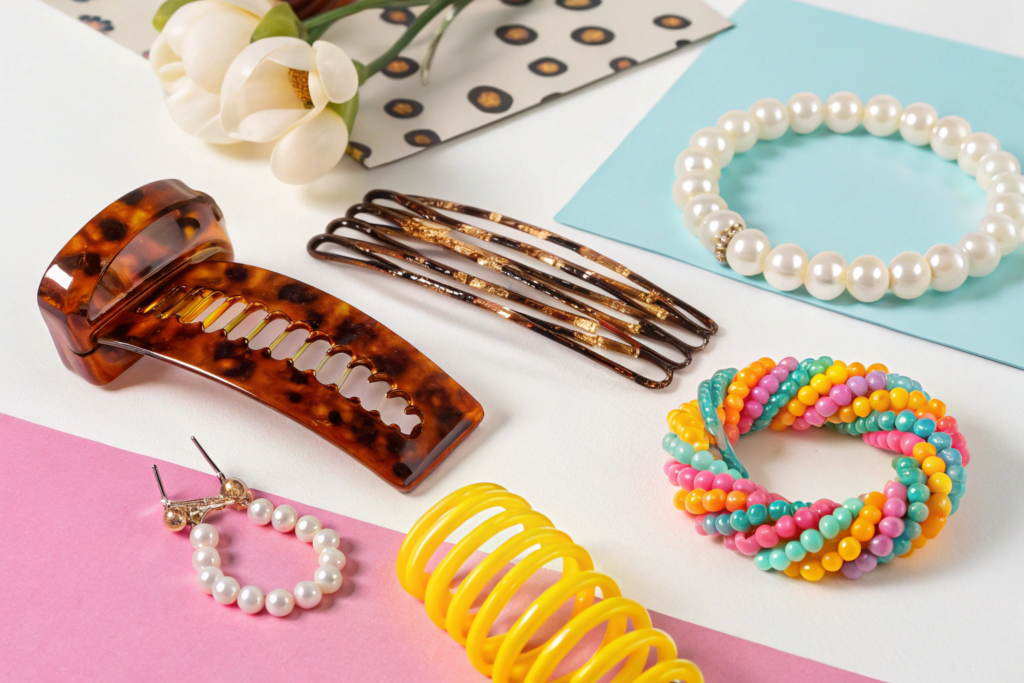
The most popular hair accessories on marketplaces right now are defined by a few key trends. Oversized claw clips in materials like acetate and tortoiseshell are a perennial bestseller, offering a chic and easy way to style hair. Embellished barrettes and snap clips adorned with pearls, crystals, or charms are huge for adding a touch of glamour. Scrunchies have evolved beyond basic cotton, with silk, velvet, and unique prints leading the way. And spiral coil ties and other "damage-free" elastics are booming, driven by health-conscious consumers. The variety within this category allows sellers to cater to many different niches, from minimalist to maximalist.
The success of hair accessories on marketplaces is also driven by their "shoppability." They are relatively inexpensive, which lowers the barrier to purchase. They are small and lightweight, which keeps shipping costs down. And they are highly visual, making them perfect for platforms like Instagram and Pinterest, which drive traffic to marketplaces. The key for a seller is to identify the right trends. Is the demand for tortoiseshell or for bright colors? For minimalist metal or for romantic pearls? This requires research. Using marketplace tools like Jungle Scout or Helium 10 to analyze search volume and sales data is essential. This data-driven approach to product selection is what separates successful sellers from the rest. At Shanghai Fumao Clothing, we work with our clients to develop hair accessories that align with these data-backed trends, ensuring they have a winning product from the start.
What are the best-selling colors for hair clips on marketplaces?
It varies by season and trend, but some colors are consistently popular. Classic neutrals like black, tortoiseshell, and cream are always in demand. For seasonal trends, earthy tones (terracotta, sage) are popular in fall, while brights and pastels sell well in spring and summer. Checking the "best seller" lists on marketplaces like Amazon and Etsy can give you a real-time view of what’s hot.
Are hair accessories a saturated market?
Yes, it is a competitive category. But "saturated" does not mean "no opportunity." It means you need a point of difference. This could be a unique design, a focus on high-quality materials (like acetate instead of plastic), a specific aesthetic (e.g., only minimalist metal barrettes), or a compelling brand story. The key is to find your niche within the larger category.
How Have Scarves Become a Marketplace Staple?
The scarf is one of the most versatile accessories in existence. It can be a pop of color, a source of warmth, a head covering, a bag accessory, or even an impromptu top. This incredible versatility makes it a perpetual bestseller on marketplaces. There is a scarf for every season, every occasion, and every style. And for sellers, they offer a fantastic range of price points and production possibilities.
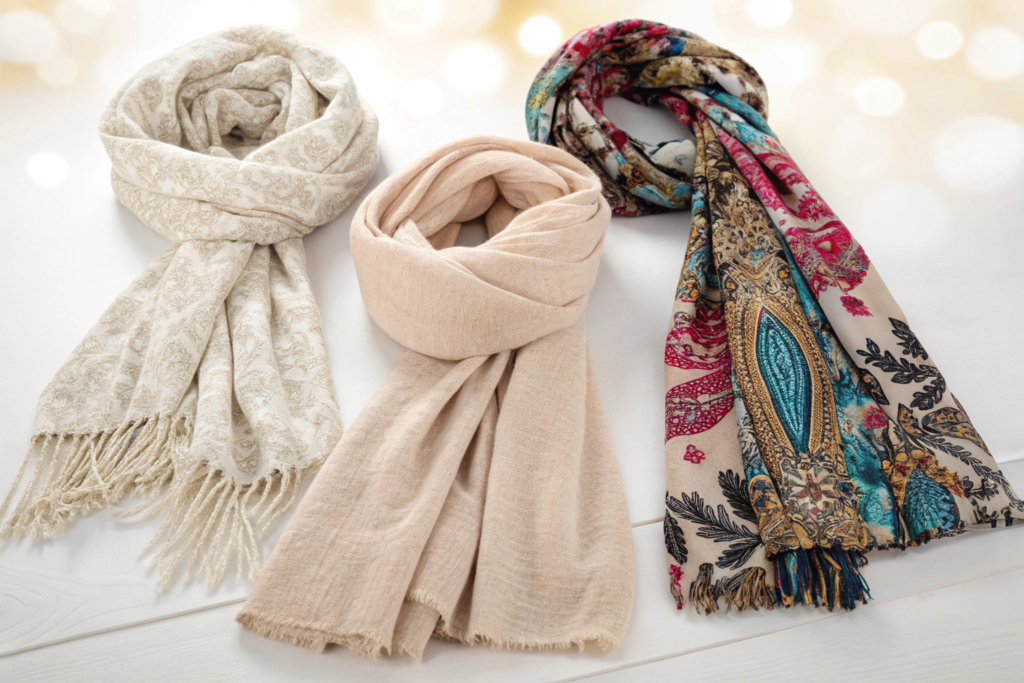
The most popular scarves on marketplaces fall into a few key categories. Lightweight fashion scarves, often made from modal, viscose, or silk, are huge. They are perfect for adding a print or a color pop to an outfit, and they sell year-round. Oversized winter wraps and pashminas in cozy fabrics like wool, cashmere blends, and acrylic are top sellers in the colder months. Chunky knit scarves offer both warmth and a trendy, textured look. And "skinny" scarves or oblong scarves have made a comeback, offering a sleek, modern way to accessorize. The variety of materials, prints, and sizes means there is a scarf for every niche.
The key to success with scarves on marketplaces is understanding the difference between "fashion" and "function." A lightweight, printed scarf is a fashion item, driven by trends in colors and patterns. Sellers need to be on top of these trends. A solid, cashmere-blend wrap is a functional item, driven by the need for warmth and luxury. The selling points here are material quality and softness. The photography is also critical. Scarves need to be shown in a way that conveys their texture, their drape, and their size. Lifestyle shots showing them being worn are far more effective than flat product shots. This is a key principle of e-commerce product photography. At Shanghai Fumao Clothing, we help our clients develop scarves for both the fashion and functional markets, from sourcing the perfect printed fabrics to creating the softest pashminas.
What are the most popular scarf sizes on marketplaces?
For lightweight fashion scarves, a size of approximately 35" x 70" is very common and versatile. For oversized wraps and pashminas, sizes around 55" x 55" up to 70" x 70" are popular. Chunky knit scarves are often longer and narrower, around 10" x 80". The "right" size depends on the style and intended use.
Is there a demand for sustainable or eco-friendly scarves?
Absolutely. The demand for sustainable fashion is growing rapidly across all categories, including scarves. Scarves made from organic cotton, Tencel, recycled materials, or sourced from ethical producers are increasingly popular. Highlighting these credentials in your marketplace listing can be a powerful differentiator.
Why Are Hats a Perennially Popular Marketplace Category?
Hats are a unique accessory. They are highly visible, they frame the face, and they can completely change the feel of an outfit. They are also a practical necessity for sun protection and warmth. This combination of fashion and function makes them a perennially popular category on marketplaces. From the baseball diamond to the beach, there is a hat for every occasion.
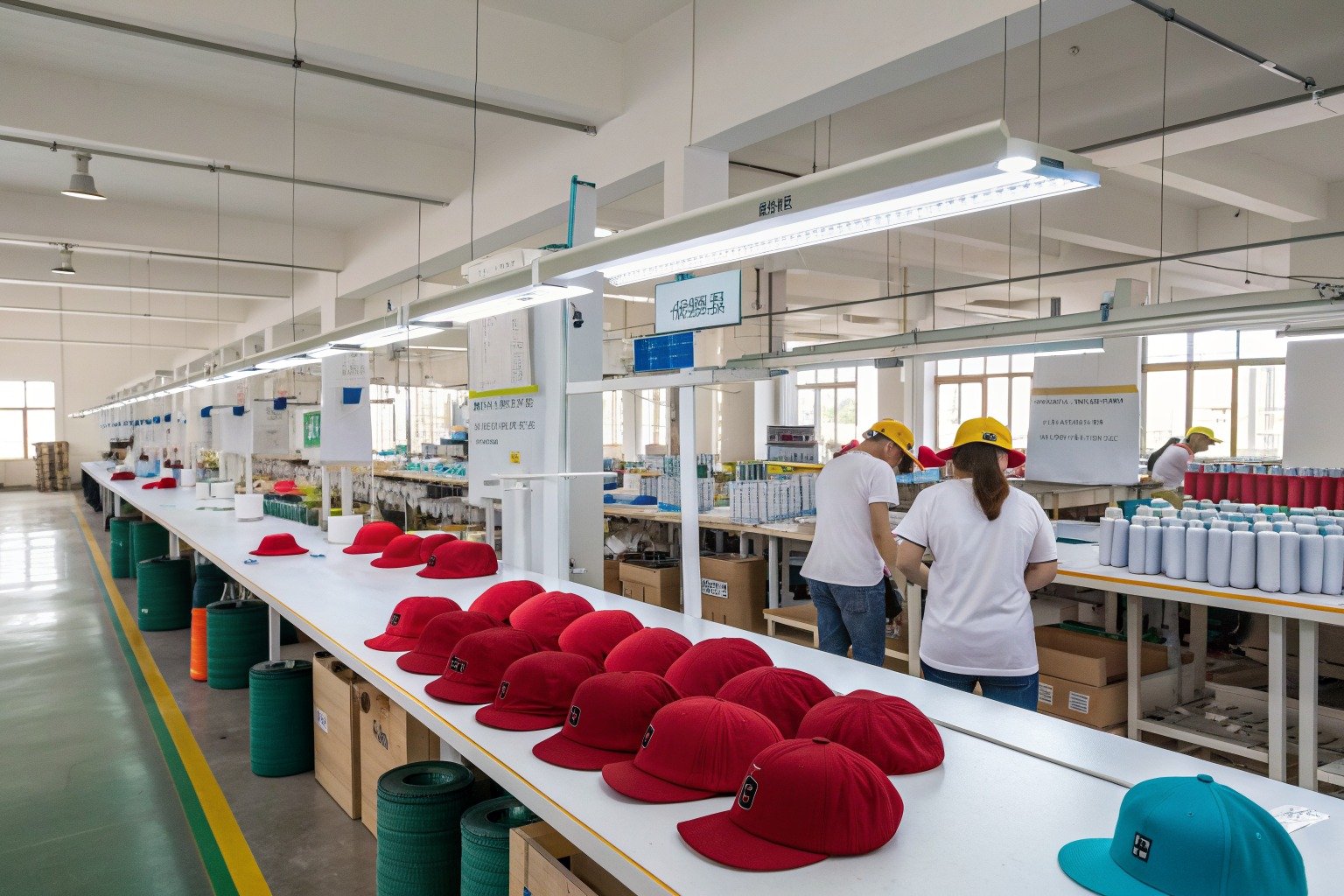
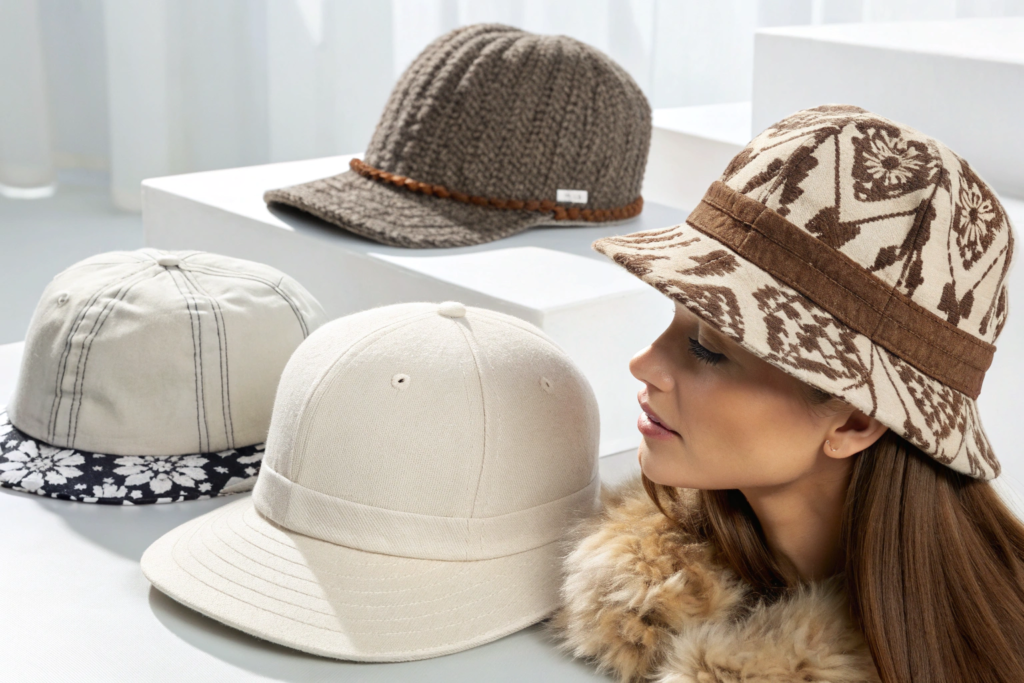
The most popular hats on marketplaces are defined by a few enduring styles and a few key trends. Baseball caps are a timeless staple, with dad hats, trucker hats, and structured caps all having their moments. Customization with logos or embroidery is a huge sub-niche. Beanies are the go-to for cold weather, with chunky knits, cable knits, and styles with faux-fur pompoms leading the way. Bucket hats have enjoyed a massive resurgence and remain a trendy staple for all seasons. Sun hats and fedoras are popular for summer and travel. The key is to offer a mix of classic, versatile styles and trend-driven, seasonal items.
Success in the hat category on marketplaces often comes down to fit and sizing. A hat that doesn’t fit well will be returned. Clear sizing information, including head circumference measurements, is essential. For "one-size-fits-most" styles, it’s important to specify the range (e.g., fits heads 56-58cm). The material is also a key selling point. A "cotton twill" cap sounds more premium than a "cotton cap." A "cashmere-blend beanie" commands a higher price than a simple "acrylic beanie." The product title and description must be optimized for search. Using the right keywords (e.g., "women’s summer sun hat UPF 50+," "men’s chunky knit beanie," "trendy bucket hat for women") is critical for being found. This is a core part of marketplace SEO. At Shanghai Fumao Clothing, we produce a wide range of hat styles and work with our clients to ensure they have the detailed product specifications and imagery needed to create winning marketplace listings.
What are the most profitable hat niches on marketplaces?
Niches with a specific audience or purpose can be very profitable. Examples include: performance hats for runners (with sweat-wicking fabric), hats for large head sizes, hats for small head sizes, baby and toddler hats, custom embroidered hats for businesses or events, and hats made from sustainable or recycled materials. Finding a niche with less competition can be a great strategy.
How important are lifestyle photos for selling hats?
Extremely important. A flat photo of a hat does not show how it fits or how it looks on a real person. Including photos of a model wearing the hat from multiple angles (front, side, back) is essential. This helps customers visualize the hat on themselves and reduces the likelihood of returns due to poor fit or unexpected style.
How Do Belts and Jewelry Complete the Marketplace Offering?
Hair accessories, scarves, and hats cover the head and neck. But to complete an outfit, customers turn to belts and jewelry. These are the accessories that define the waist, add sparkle to an ensemble, and allow for personal expression. They are also categories with immense depth, ranging from simple, everyday basics to statement pieces for special occasions.
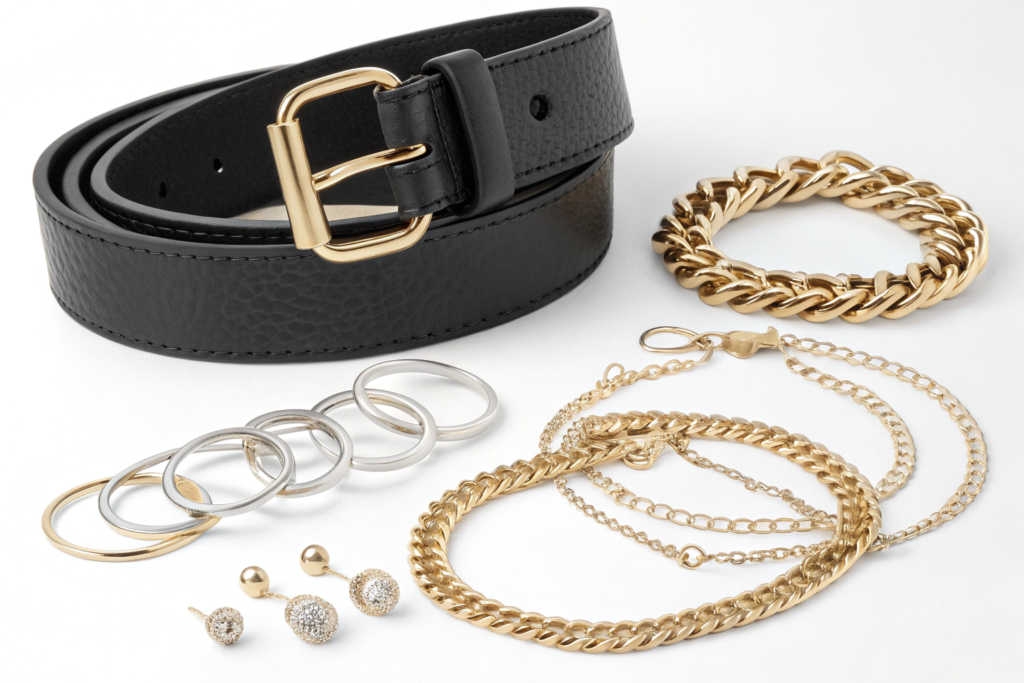
On marketplaces, the most popular belts and jewelry are often those that are versatile and easy to style. For belts, classic leather belts in brown and black are perennial bestsellers. Trendy chain belts, worn over dresses or with high-waisted pants, are a huge fashion item. For jewelry, hoop earrings in various sizes and metals are a staple. Layered necklace sets (two or three necklaces of varying lengths sold together) are incredibly popular, as they give the customer a complete look without the effort of layering themselves. Stackable rings and bangle sets are also top sellers. The key is offering items that are easy to wear and that solve a styling problem for the customer.
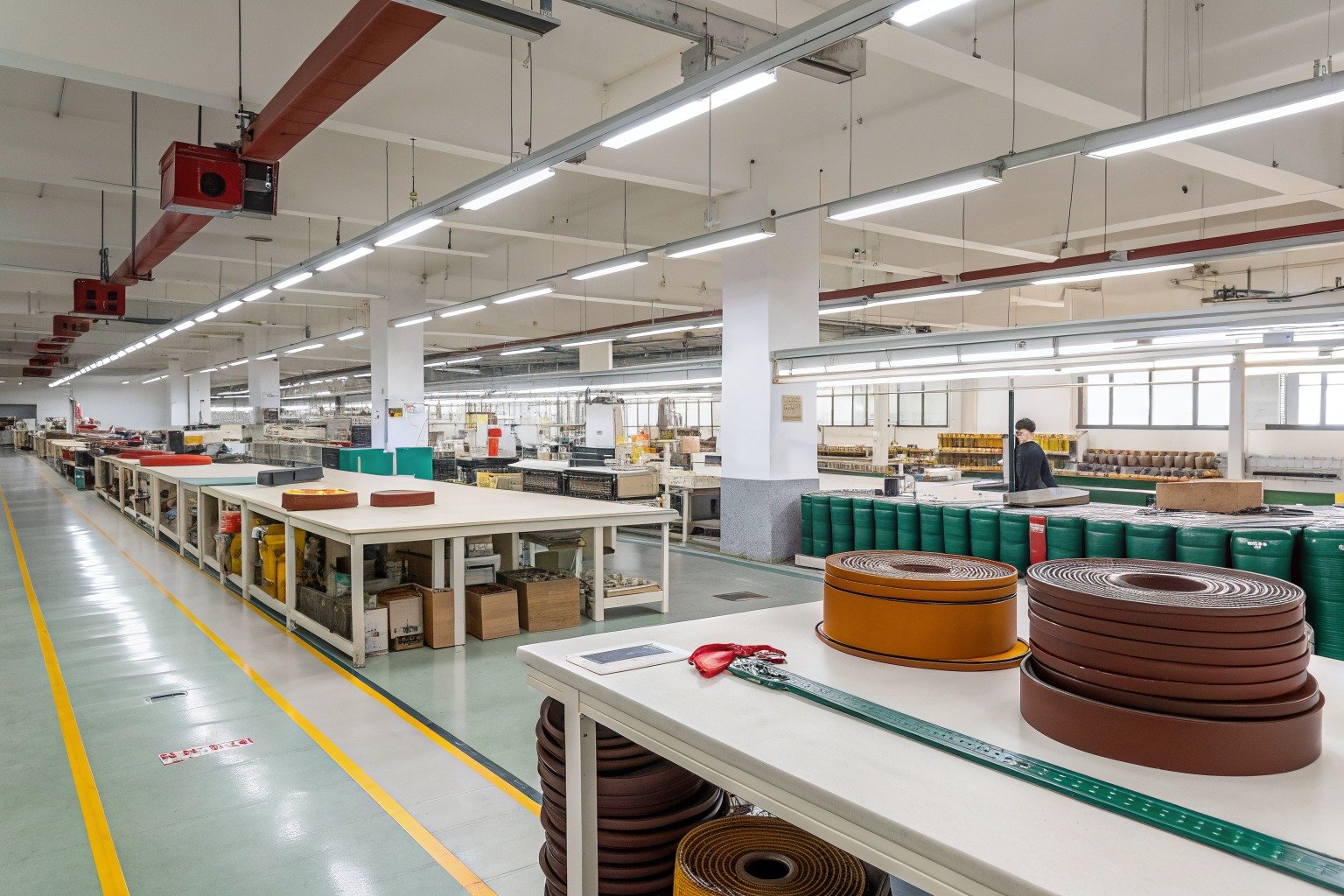
The materials used in belts and jewelry are a critical part of the marketplace listing. For belts, terms like "genuine leather," "full-grain leather," or "vegan leather" are important search terms. The buckle finish (e.g., "antique brass," "polished silver") should be specified. For jewelry, "gold-plated," "sterling silver," "stainless steel," and "hypoallergenic" are key descriptors. Customers are often concerned about metal sensitivities, so highlighting nickel-free or hypoallergenic materials is a major selling point. Sizing is also crucial. For belts, offering a wide range of lengths and a clear size chart is essential. For rings and bracelets, offering adjustable options or a range of specific sizes reduces returns. This attention to product detail and customer needs is what builds trust and drives sales. At Shanghai Fumao Clothing, we work with skilled metalworkers and leather craftsmen to produce belts and jewelry that meet these marketplace demands for quality, style, and clear specification.
Are sets (like necklace sets or bangle sets) more popular than individual pieces?
Yes, sets are very popular on marketplaces. They offer a complete look and a higher perceived value. The customer feels they are getting a "styling solution" rather than just a single item. Sets also tend to have a higher average order value, which is good for the seller. However, offering the individual pieces within the set for separate purchase can also be a good strategy for customers who may have lost one piece or want to build their collection gradually.
What are the key selling points for a leather belt on a marketplace?
The key selling points are: the quality of the leather (genuine, full-grain), the construction (stitching, edge finishing), the durability of the buckle, the range of sizes available, and the classic or trendy style. High-quality photos showing the leather’s texture and the buckle’s detail are essential. Describing the leather as "soft" and "supple" appeals to the sense of touch, even through a screen.
Conclusion
The world of marketplace fashion accessories is vast and dynamic, but it is driven by consistent principles. Success comes from understanding what customers are searching for, identifying products that balance trend and versatility, and presenting them with clear, compelling, and accurate information. From the ever-popular hair clip to the timeless leather belt, the key is to offer quality, style, and a product that solves a customer’s need.
At Shanghai Fumao Clothing, we are the partner that helps you navigate this world. We can produce the oversized claw clips, the silk scarves, the cozy beanies, and the leather belts that customers are searching for. We understand the importance of quality, consistency, and clear specifications for successful marketplace listings. We help you turn your product ideas into winning items on the world’s biggest digital storefronts.
Are you ready to find your winning product on the marketplace? Let’s create it together. Contact our Business Director, Elaine, at elaine@fumaoclothing.com to start the conversation.