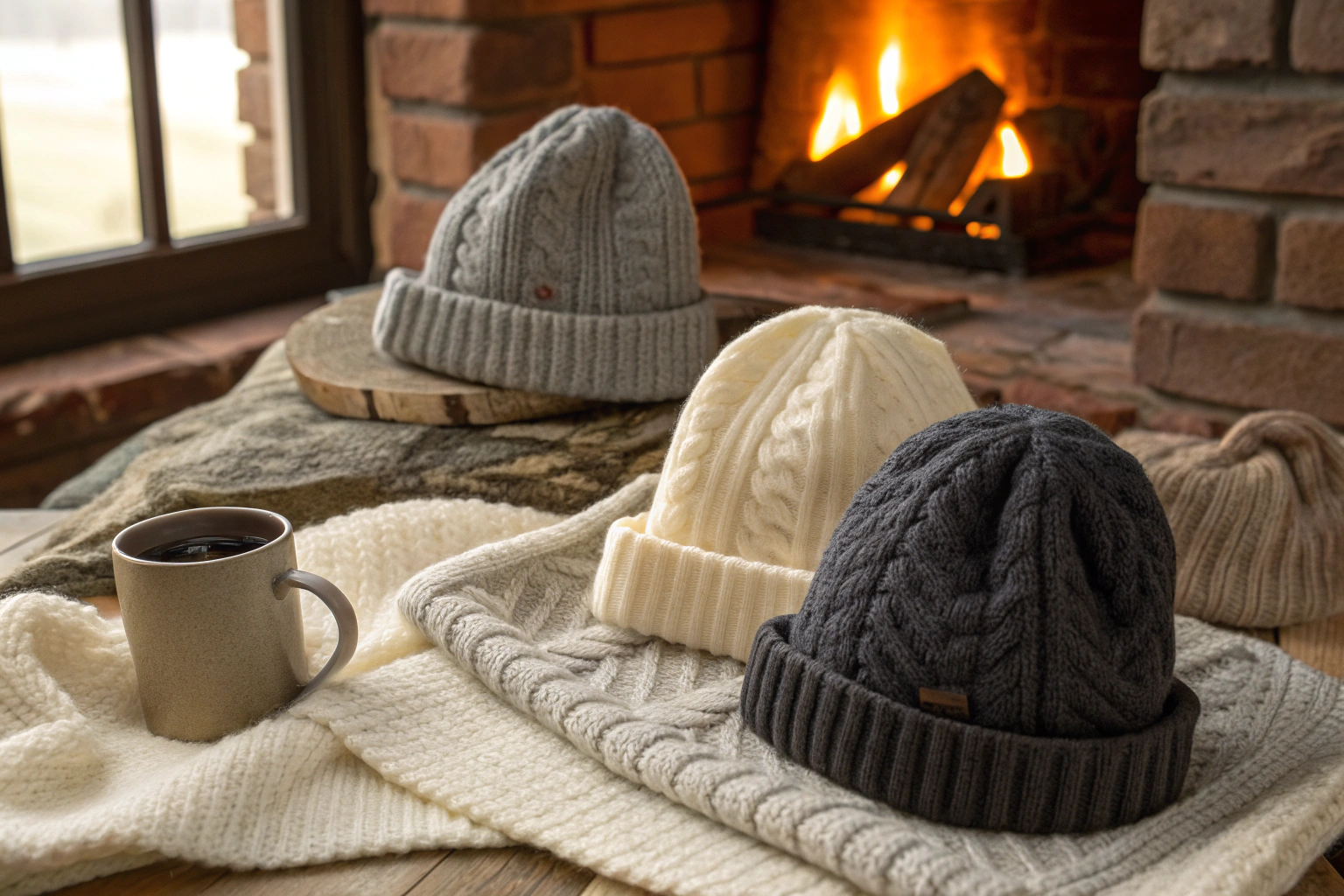
I remember a call from a buyer in Chicago a few winters ago. She was preparing her store for the deep cold that was forecast, and she was frustrated. She had a rack of beautiful, thick, cable-knit beanies. They looked warm. But when customers picked them up and felt the inside, they frowned and put them back down. The hats were made from a scratchy wool blend, and the lining, or lack thereof, was cheap and uncomfortable. "They look warm," she told me, "but they don’t feel warm. My customers know the difference. They want something that feels as good as it looks."
The most popular lining fabrics for warm and soft winter hats are plush fleece, smooth microfiber, cozy sherpa, and classic ribbed knit. These materials are chosen for their specific properties: fleece for its exceptional warmth-to-weight ratio and softness; microfiber for its smooth, non-itchy feel against sensitive skin; sherpa for its luxurious, sheepskin-like texture and intense warmth; and a soft ribbed knit for a seamless, integrated look and comfortable stretch. At Shanghai Fumao Clothing, we help our clients select the perfect lining for their hats, ensuring the inside is just as desirable as the outside.
That buyer’s story highlights a truth that many brands overlook. A hat is an intimate item. It sits against your forehead, your ears, your hair. The feeling of the fabric against your skin is the primary sensory experience. A beautiful exterior will only get you so far. If the lining is scratchy, thin, or uncomfortable, the customer will reject it. Choosing the right lining is not a detail; it is the key to customer satisfaction. Let me walk you through the four most popular options and explain why each one might be the perfect choice for your next winter hat collection.
Why Is Plush Fleece the Ultimate Choice for Warmth and Comfort?
When you think of a warm, cozy hat, the first image that comes to mind is often lined with fleece. And for good reason. Fleece is a synthetic fabric, usually made from polyester, that is engineered to mimic the warmth of wool without the weight or the itch. It is the workhorse of winter hat linings, and for most brands, it is the default choice for a reason. Its combination of performance and comfort is hard to beat.
Plush fleece, specifically high-pile or polar fleece, is the ultimate lining for maximum warmth and softness. Its construction traps air between the fibers, creating a layer of insulation that keeps the head incredibly warm. It is also exceptionally soft to the touch, providing that "ahh" feeling the moment you put the hat on. It is lightweight, moisture-wicking (meaning it pulls sweat away from the skin), and dries quickly. It is also durable and machine-washable, making it a practical choice for everyday wear.
Not all fleece is created equal. The quality is determined by the density of the fibers and the manufacturing process. High-quality fleece is dense and springy. Lower-quality fleece can be thin and flat, offering less insulation and feeling less luxurious. It also tends to pill (form small balls of fiber on the surface) more quickly. We source our fleece from reputable mills that specialize in high-performance fabrics. We also consider the weight of the fleece, measured in grams per square meter (gsm). For a very cold climate, we recommend a heavier fleece (200-300 gsm). For a milder winter or a fashion-forward style, a mid-weight fleece (150-200 gsm) is perfect. This is a classic example of textile engineering for comfort and performance. At Shanghai Fumao Clothing, we offer a range of fleece qualities and weights to match our clients’ needs and budgets.
Is fleece lining only for very cold weather hats?
Not at all. While it is excellent for extreme cold, a mid-weight fleece is perfect for everyday winter wear in most climates. It adds a layer of soft, comfortable warmth without being too hot. For a "transitional" hat for fall or early spring, a lighter fleece is also a great option. It’s all about matching the fleece weight to the intended use.
How do I care for a fleece-lined hat?
Fleece is very easy to care for. Most fleece-lined hats can be machine washed in cold water on a gentle cycle and tumble dried on low heat. However, we always recommend checking the specific care instructions for the hat, as the outer material (e.g., wool) may have different requirements. We provide clear care labels with every product.
When Is Smooth Microfiber the Best Choice for Sensitive Skin?
For many people, especially those with sensitive skin or allergies to wool, the thought of a winter hat can be a source of dread. They love the look of a beautiful wool beanie, but they know the scratchy feeling it will leave on their forehead. This is where microfiber lining becomes the hero. It provides a barrier of pure, silky comfort between the sensitive skin and the potentially irritating outer shell. It is the choice for those who prioritize a non-itchy, luxurious feel.
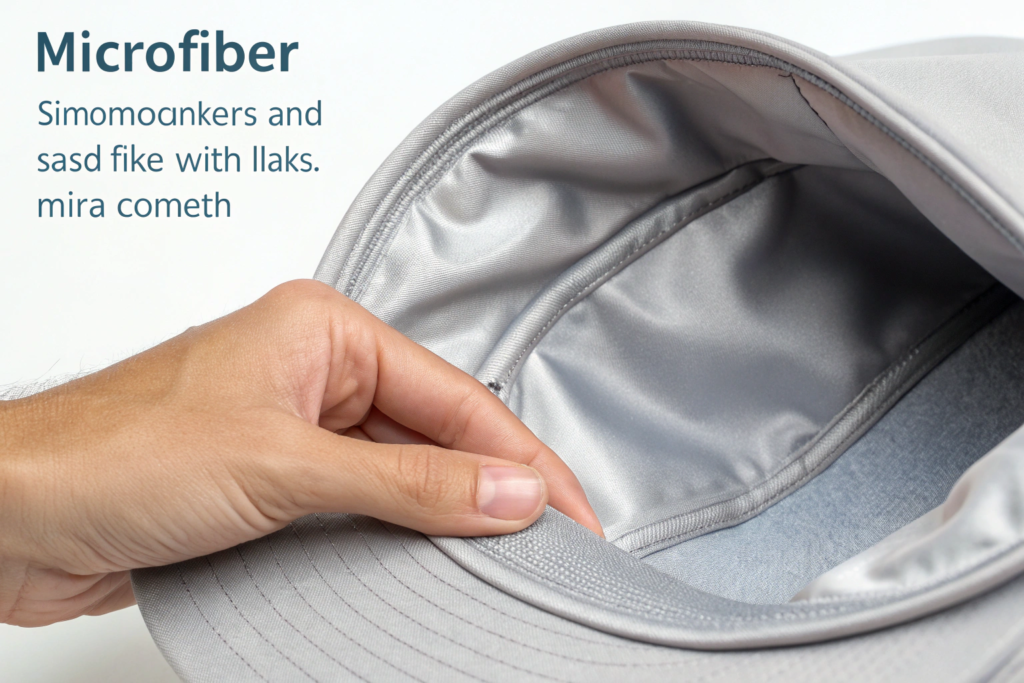
Microfiber is an ultra-fine synthetic fiber, typically made from polyester or nylon. It is woven into an incredibly soft, smooth, and lightweight fabric. As a hat lining, its primary advantage is its smooth, non-abrasive surface. It glides over the skin and hair without causing friction or irritation. It is also excellent at wicking moisture away from the skin, keeping the wearer dry and comfortable. It is often used in hats with wool or coarser outer shells to create a perfect, irritation-free interior.
Microfiber is a marvel of modern textile engineering. The fibers are so fine that they can be woven into a fabric that is incredibly soft, almost like silk, but with the durability and easy-care properties of polyester. It is also naturally hypoallergenic, as it does not harbor dust mites or other common allergens as easily as some natural fibers. For a hat, this is a huge benefit. It creates a clean, healthy environment for the skin. It is also a brilliant choice for athletic or performance hats, as its moisture-wicking properties keep sweat away from the eyes and forehead. The combination of softness and functionality makes it an incredibly versatile lining. You can learn more about the properties of microfiber textiles. At Shanghai Fumao Clothing, we frequently recommend microfiber linings for clients whose target market includes people with sensitive skin or for hats made from luxurious but potentially scratchy materials like pure wool or alpaca.
Is microfiber lining warm enough for very cold weather?
Microfiber itself is not a thick insulating layer like fleece. Its primary role in a hat lining is to provide a smooth, comfortable barrier. The warmth of the hat comes primarily from the outer shell material (e.g., wool, acrylic). The microfiber lining adds a slight amount of warmth but is not the main insulator. For extreme cold, a microfiber lining might be combined with a thin layer of insulation, or used in a hat with a very thick outer shell.
Can microfiber cause static electricity in hair?
This can be an issue with some synthetic fabrics. However, high-quality microfiber is often treated with anti-static finishes to minimize this problem. We also find that the smoothness of the microfiber actually reduces friction, which can help prevent static. For customers who are very concerned about static, a natural fiber lining like cotton or a cotton blend might be a better option, though it will not have the same moisture-wicking properties.
Why Is Sherpa Lining Associated with Luxury and Extreme Warmth?
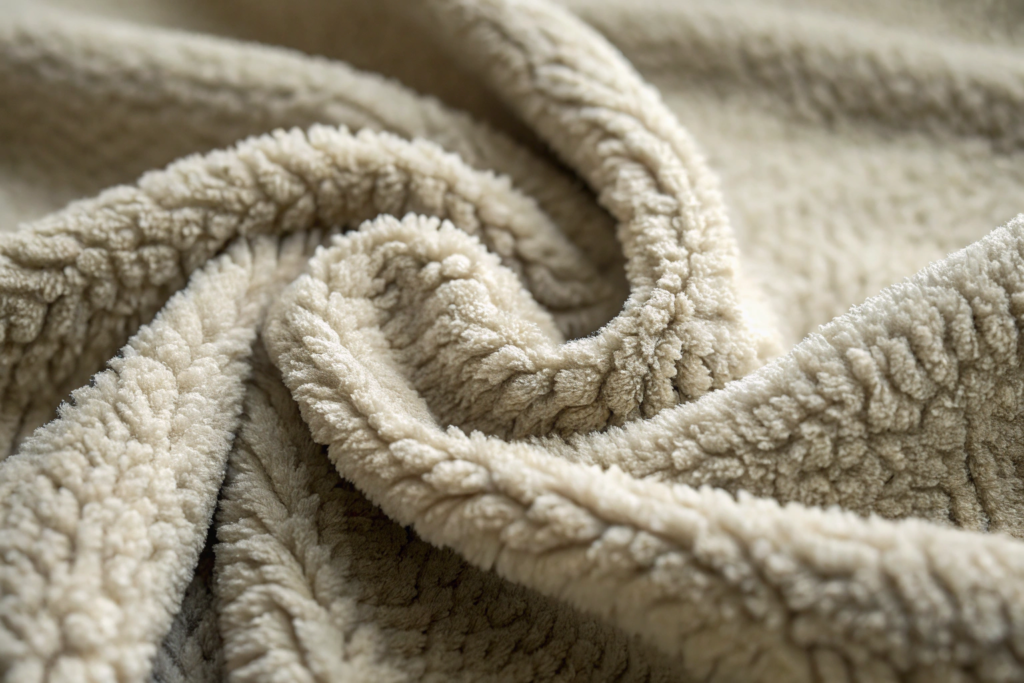
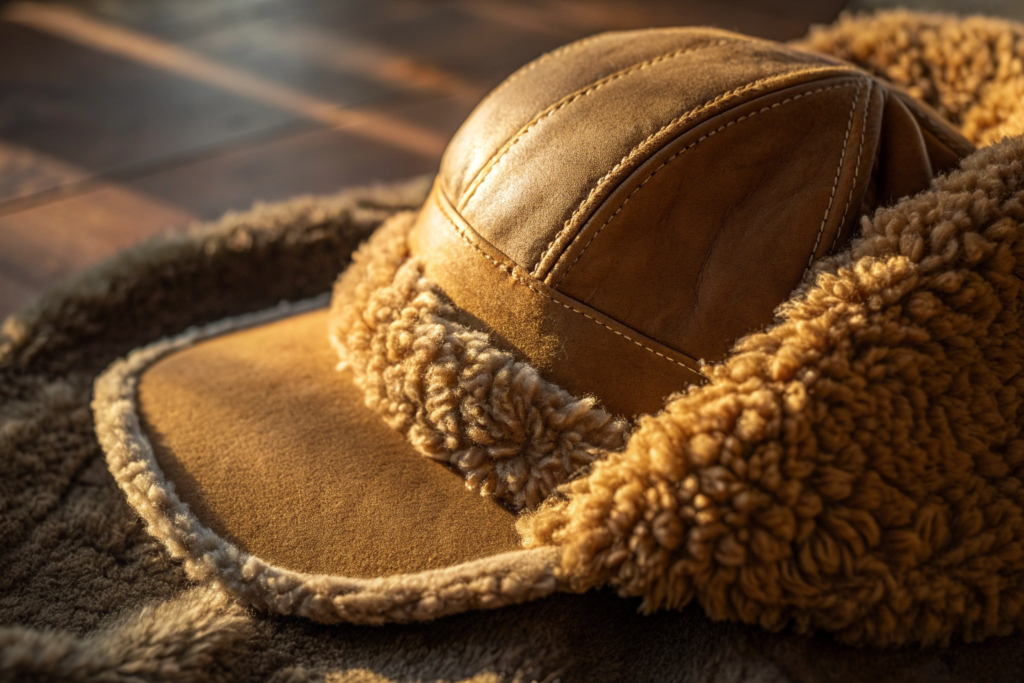
If fleece is the reliable workhorse and microfiber is the gentle friend, sherpa is the undisputed luxury choice for hat linings. Sherpa fabric is designed to mimic the look and feel of shearling, the soft, woolly interior of a sheepskin coat. It is the lining that screams "warmth," "luxury," and "cozy." When a customer puts on a sherpa-lined hat, they are making a statement about their desire for the ultimate in comfort and style.
Sherpa is a thick, plush, synthetic fabric, usually made from polyester, that is textured to resemble natural shearling. It has a distinctive, slightly curly pile that is incredibly soft and visually appealing. As a hat lining, it provides exceptional, cloud-like warmth. The deep pile traps a large volume of air, creating a powerful insulating barrier against the cold. It is also immensely tactile and comforting, adding a touch of rustic luxury to any hat. It is often used in bomber hats, aviator-style hats, and high-end beanies where maximum warmth and a premium feel are desired.
The appeal of sherpa goes beyond its warmth. It taps into a deep-seated human desire for comfort and a connection to a more natural, rustic aesthetic. It evokes images of cozy cabins, snowy landscapes, and timeless style. From a design perspective, sherpa is often used as a design feature in itself. The lining is often allowed to peek out from the edges of the hat, creating a beautiful contrast of textures and colors. A simple knit beanie with a contrasting sherpa cuff is a hugely popular style. The quality of sherpa is determined by the density and consistency of the pile. High-quality sherpa is thick, even, and very soft, with a good "spring" to it. Lower-quality sherpa can be thin, flat, and prone to matting. This textile innovation has made shearling-like luxury accessible and easy to care for. At Shanghai Fumao Clothing, we source premium sherpa that maintains its plushness and beauty even after years of wear.
Is sherpa lining very heavy?
Sherpa is a thicker fabric than fleece or microfiber, so it does add some weight and bulk to a hat. However, this is part of its appeal. It is meant for serious warmth and a substantial, cozy feel. For a truly lightweight hat, sherpa would not be the first choice. For a hat designed for extreme cold where maximum warmth is the goal, its weight is a small price to pay for its incredible insulating properties.
How do I clean a sherpa-lined hat?
Sherpa is generally machine-washable, but it requires some care to maintain its texture. We recommend washing on a gentle cycle in cold water and tumble drying on low heat or, ideally, air drying. High heat can damage the fibers and cause the pile to mat. Brushing the sherpa gently with a soft brush after drying can help restore its fluffy texture. We always provide specific care instructions for our sherpa-lined products.
How Does a Ribbed Knit Lining Offer a Seamless, Integrated Feel?
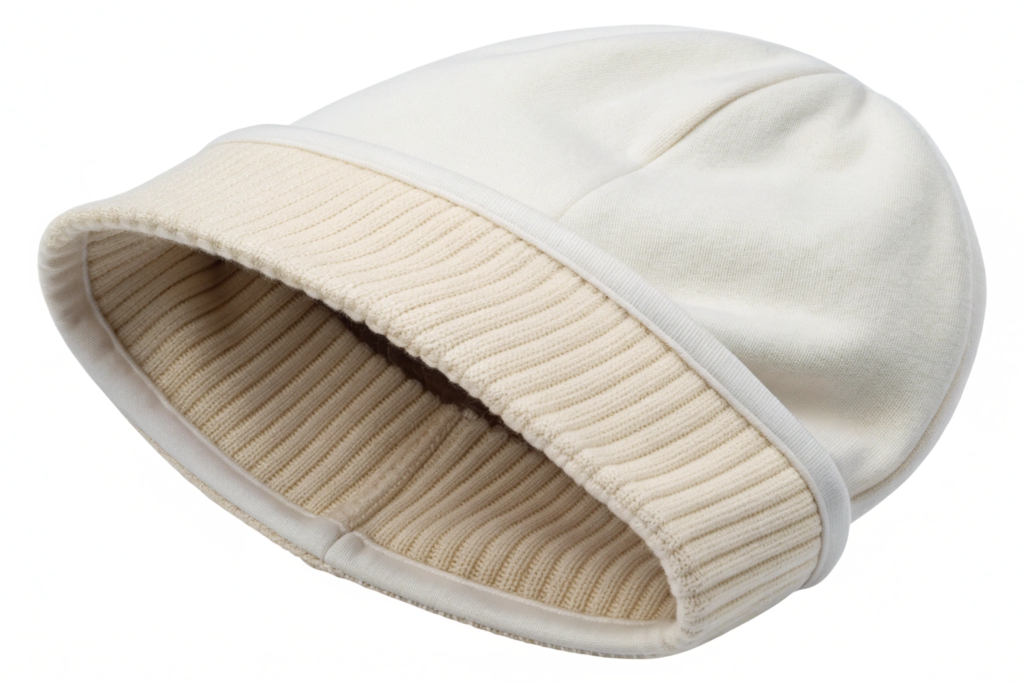
Sometimes, the best lining is the one that feels like a natural, seamless extension of the hat itself. For many styles, particularly those made from knit fabrics, a separate lining of a different material can feel like an add-on. A ribbed knit lining, often made from the same or a coordinating yarn as the hat’s exterior, creates a beautifully integrated, cohesive feel. It is the choice for a clean, minimalist aesthetic where the quality of the knit itself is the star.
A ribbed knit lining is essentially a second layer of knitting inside the hat. It is often made from a soft, fine-gauge yarn like cotton, merino wool, or a soft acrylic blend. It is typically attached at the brim and provides a smooth, comfortable, and stretchy interior. Its primary advantage is its seamless integration with the hat’s design. It adds a layer of warmth without adding bulk or a contrasting texture. It is a classic, elegant solution that feels like a natural part of the hat, not an afterthought.
A ribbed knit lining is a mark of quality craftsmanship. It shows that the designer considered the entire product, inside and out. It is a more labor-intensive process than simply sewing in a separate fabric lining, as it requires precise knitting and careful attachment. The result, however, is a hat that is incredibly comfortable. The lining moves with the hat and with the wearer’s head, with no bunching or shifting. It is also a great option for people who prefer natural fibers against their skin. A cotton or merino wool ribbed lining is breathable, soft, and naturally hypoallergenic. This approach aligns with the principles of quality garment construction. At Shanghai Fumao Clothing, we have skilled knitters who can create these integrated linings, ensuring a perfect fit and a beautiful finish.
Is a ribbed knit lining as warm as fleece?
Generally, no. A ribbed knit lining, even in a warm fiber like merino wool, will not be as thermally efficient as a thick, plush fleece or sherpa lining. Its warmth comes from the insulating properties of the fiber itself and the extra layer of fabric. It is perfect for mild to moderate winter weather. For extreme cold, a fleece or sherpa lining is the better choice.
Can I have a ribbed knit lining in a hat that is not knitted?
Yes, it is possible, though less common. For example, a wool felt hat could have a soft, ribbed knit lining sewn in. This provides the comfort and stretch of a knit against the head, while the outer shell provides structure and a different aesthetic. It’s a beautiful combination of materials and techniques.
Conclusion
The lining of a winter hat is its secret soul. It is the part that touches the wearer, that provides the feeling of warmth and comfort, and that ultimately determines whether a hat becomes a beloved favorite or a disappointing purchase. Whether you choose the reliable warmth of plush fleece, the gentle comfort of smooth microfiber, the luxurious coziness of sherpa, or the seamless integration of a ribbed knit, the choice must be made with care and intention.
At Shanghai Fumao Clothing, we understand that a hat is more than its exterior. We have deep experience sourcing and working with all of these lining materials. We can help you select the perfect lining for your design, your target market, and your budget. We ensure that every hat we produce is as beautiful on the inside as it is on the outside, delivering a customer experience that leads to loyalty and love.
Are you ready to create winter hats that customers will never want to take off? Let’s talk about the perfect lining for your next collection. Contact our Business Director, Elaine, at elaine@fumaoclothing.com to start the conversation.