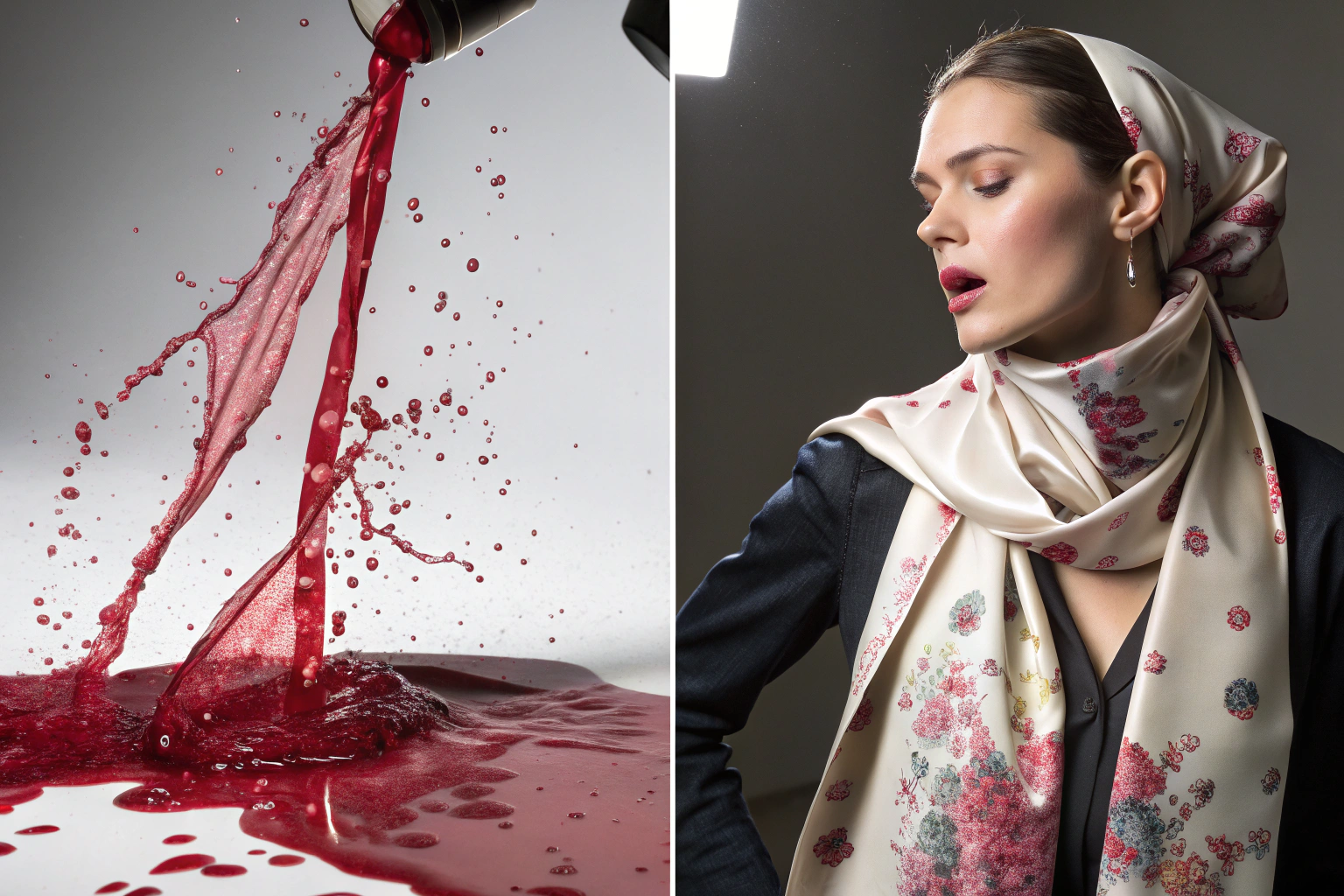
I remember a call with a buyer from a major department store chain a few years ago. She was launching a new line of luxury silk scarves, her first big project. She had spent months perfecting the prints and selecting the finest silk. But three weeks after the launch, her phone started ringing. Customers were furious. A single drop of rain, a splash of coffee, and their expensive new scarves were ruined with permanent stains. Her dream collection had become a returns nightmare. She asked me, with desperation in her voice, "Is there anything we can do to stop this?"
The best fabric coatings for stain-resistant scarves are fluorocarbon-free formulations like advanced silicone-based finishes and plant-based hydrophobic technologies. These modern coatings create an invisible barrier around each fiber, causing liquids to bead up and roll off the fabric rather than being absorbed. They are eco-friendly, they do not change the soft hand-feel of luxury materials like silk or cashmere, and they are durable enough to last through multiple wears and gentle cleaning. At Shanghai Fumao Clothing, we have spent years testing and perfecting these finishes to protect our clients’ products and their customers’ satisfaction.
That buyer’s story is not unique. It is a story I hear again and again. A beautiful product is ruined by the simplest accident. In the fashion accessory world, scarves are particularly vulnerable. They are worn close to the skin, exposed to the elements, and often made from delicate, absorbent materials. But the good news is that modern textile technology has solved this problem. Let me walk you through the best options available today, how they work, and how we apply them to create scarves that are both beautiful and brilliantly practical.
Why Do Standard Scarves Stain So Easily, and What Can We Do About It?
To understand how to fix a problem, you first have to understand why it happens. Most natural fibers, like silk, wool, and cotton, are made of materials that love water. They are hydrophilic. Think of a paper towel. It soaks up a spill instantly. That is because the fibers have a natural attraction to water molecules. When you spill coffee on a silk scarf, the liquid is pulled deep into the structure of the fiber. Once it is in there, it is incredibly difficult to remove, and it often leaves a permanent mark.
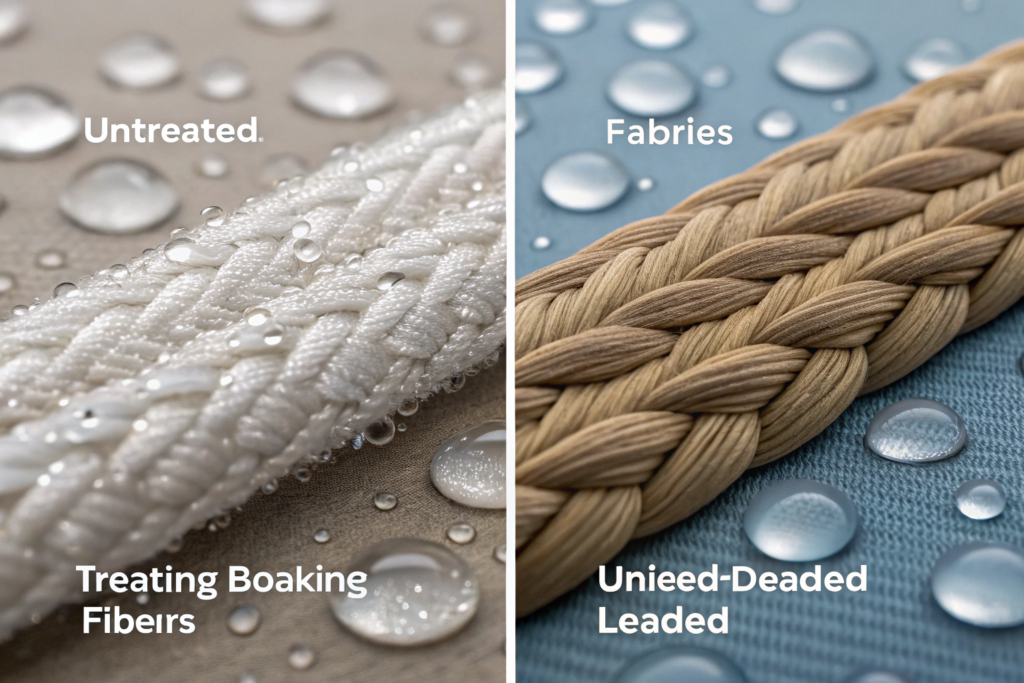
The solution is to change the surface chemistry of the fiber. We apply a finish that makes the fabric hydrophobic, or water-hating. This finish coats each individual fiber with an invisible layer that has extremely low surface energy. When a water-based liquid hits this surface, it cannot spread out and soak in. Instead, it maintains its spherical shape and simply rolls off. It is the same principle that makes a freshly waxed car cause water to bead up beautifully. The liquid never touches the actual paint, or in this case, the actual fiber.
The technology behind this is fascinating. It’s not about creating a thick plastic layer on top of the fabric. That would ruin the soft, luxurious drape that makes a scarf desirable. It’s about molecular engineering. The coating is so thin it’s measured in nanometers. It bonds chemically to the fiber surface, becoming a permanent part of the fabric structure. This is why you can gently clean a treated scarf without washing the protection away. The finish is durable because it is attached at a molecular level. This is a significant advancement from the old days of simply spraying a Teflon coating on the surface, which would wear off quickly and feel stiff. Modern finishes are designed to preserve the fabric’s natural beauty while adding this incredible protective function. Our quality control team tests every batch of treated fabric to ensure the beading effect is consistent and the hand-feel remains perfect. This is a key part of our research and development, which you can read more about in resources on textile finishing technologies. At Shanghai Fumao Clothing, we invest heavily in this technology to ensure your products stand out.
Can a stain-resistant coating make a scarf feel stiff or plastic-like?
Not with the modern coatings we use. This is a common concern, and it is a valid one with older technologies. The newest generation of finishes, particularly the fluorocarbon-free options, are designed to be completely undetectable to the touch. They are applied at the fiber level and do not create a surface film. When you handle one of our treated scarves, it feels exactly like the untreated version. The silk is still soft and fluid, the cashmere is still plush and warm. The protection is invisible, both to the eye and to the hand.
Is the stain resistance permanent, or does it wash off?
It is durable, but not necessarily permanent for the life of the garment if it is washed frequently. However, for scarves, which are typically dry-cleaned or gently hand-washed, the finish can last for a very long time. The durability depends on the specific chemistry used and the care instructions. Our high-quality finishes are designed to withstand several gentle cleaning cycles. We always provide clear care instructions to maximize the life of the protective finish. The goal is to protect the scarf from the accidents of daily wear, not to make it indestructible.
What Are the Top Eco-Friendly Stain-Resistant Coatings Available Today?
For decades, the go-to solution for stain resistance was a family of chemicals known as fluorocarbons, often referred to by the brand name Teflon. They worked incredibly well. But over time, we learned that some of these chemicals, particularly PFCs (perfluorinated chemicals), are persistent in the environment and can accumulate in living organisms. The industry has been on a massive search for safer, more sustainable alternatives. And we have found them.
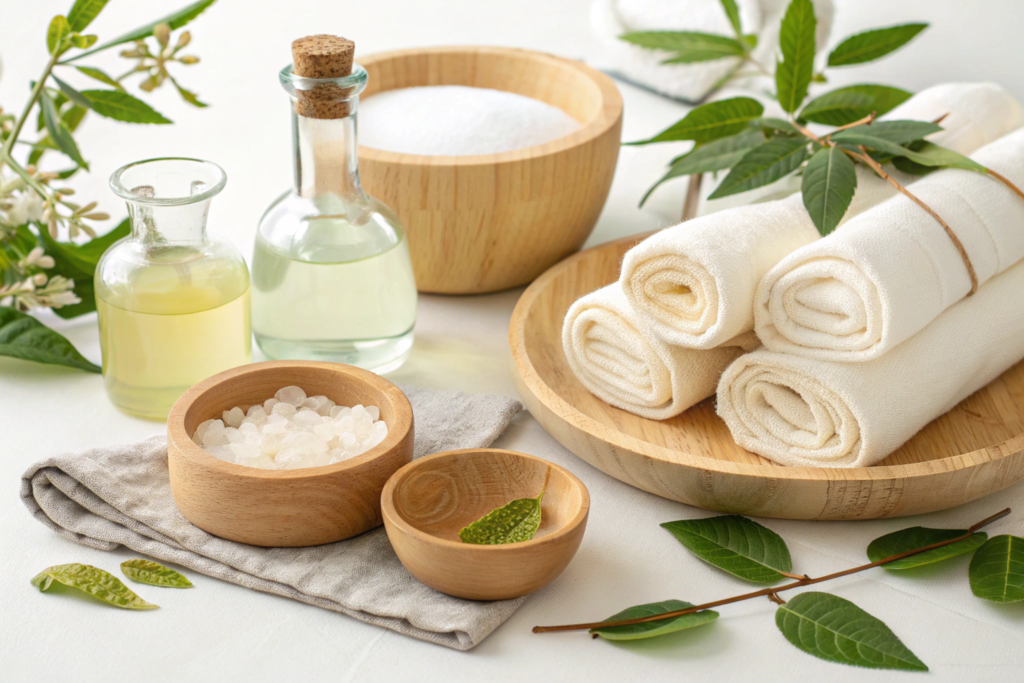
The best eco-friendly stain-resistant coatings are now based on two main technologies: advanced silicone-based polymers and plant-derived hydrophobic compounds. Silicone-based finishes create a flexible, breathable barrier that is very effective against water-based stains. Plant-based options use materials like modified starches or waxes to create a similar hydrophobic effect. Both are free from PFCs, are biodegradable, and are safe for both the people wearing the scarves and the environment. They represent the future of textile finishing.
Let me give you a more detailed look at these options. Silicone-based finishes are very versatile. They provide excellent water repellency and also add a soft, smooth hand-feel to the fabric. They are durable and work well on many different fiber types, from silk to cotton. The newest silicone formulations are designed to be non-toxic and biodegradable. Plant-based finishes are an exciting area of innovation. These use renewable resources. For example, a finish derived from the carnauba palm or from modified potato starch can create a highly effective water barrier. These are often the first choice for brands with the strictest sustainability requirements. The challenge with some plant-based options has historically been durability, but the technology is advancing rapidly. We now have plant-based finishes that rival the performance of synthetics. At Shanghai Fumao Clothing, we work closely with our chemical suppliers to test and validate these new, greener options. We can help you choose the best coating based on your specific fabric, your performance needs, and your brand’s sustainability goals. You can find more information about the problem with PFCs from organizations like the Green Science Policy Institute.
Are silicone-based coatings safe for sensitive skin?
Yes, the high-quality silicone-based finishes we use are hypoallergenic and safe for sensitive skin. They are chemically inert once cured, meaning they do not react with the skin. In fact, they can make the fabric feel even softer and smoother against the skin, which can be beneficial for people with sensitivities to rough textures. We always ensure our finishes are certified to meet relevant skin safety standards, such as OEKO-TEX.
Do plant-based coatings work as well as the old chemical ones?
For water-based stains like coffee, tea, juice, and rain, modern plant-based coatings are now extremely effective. They achieve a very high "beading" effect. The main difference you might see is in their durability to washing and their resistance to oil-based stains. For some applications, plant-based finishes are now the preferred choice. For others where maximum durability or oil resistance is needed, a silicone-based option might be better. It is about matching the technology to the specific product and its intended use.
How Do We Apply These Coatings Without Ruining the Fabric’s Feel?
Knowing which chemical to use is only half the battle. The other half is knowing how to apply it. If you do it wrong, you can end up with a scarf that is blotchy, stiff, or has uneven protection. The application process is a science in itself. It requires precision, experience, and the right equipment. This is where the expertise of a manufacturer like us becomes invaluable.
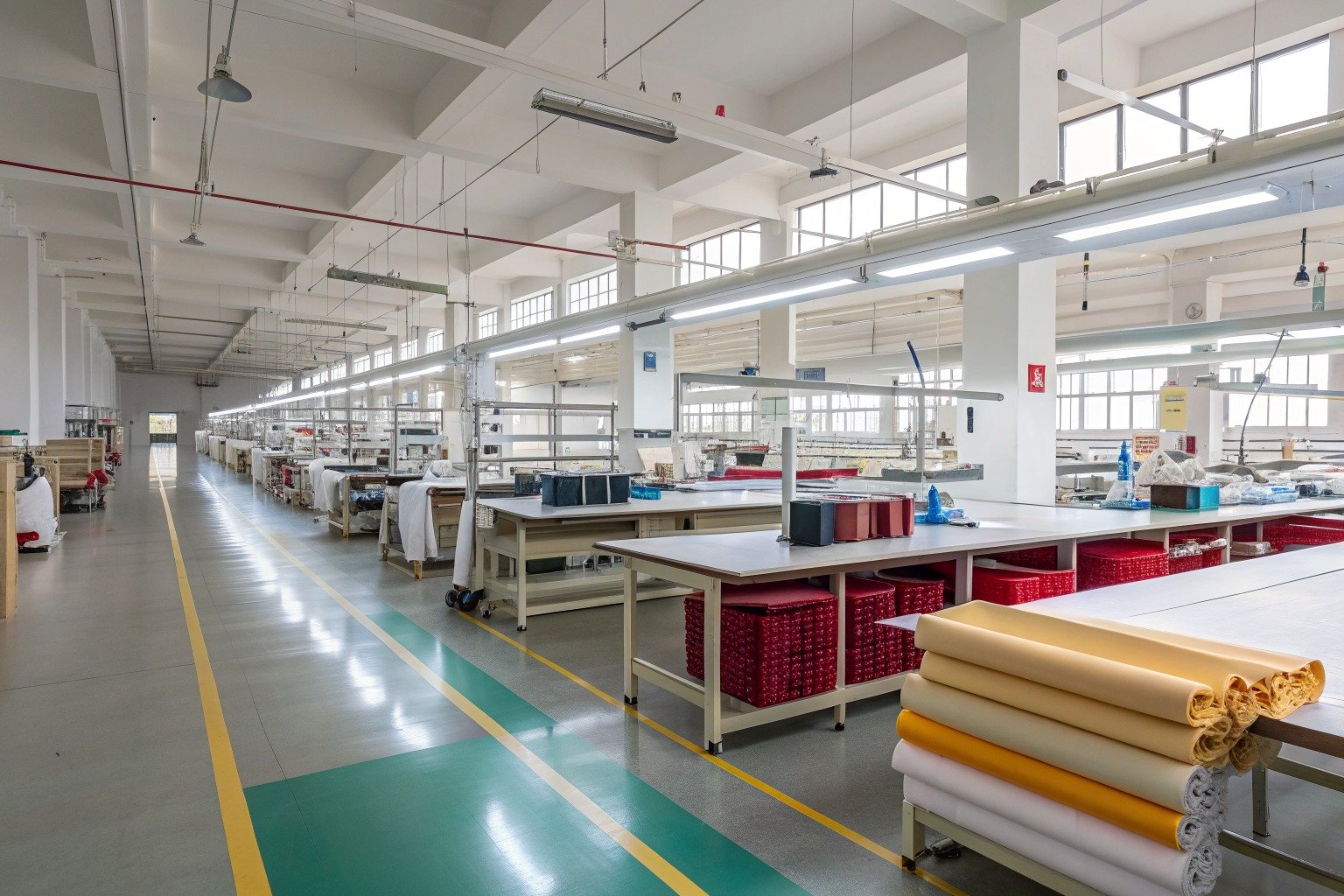
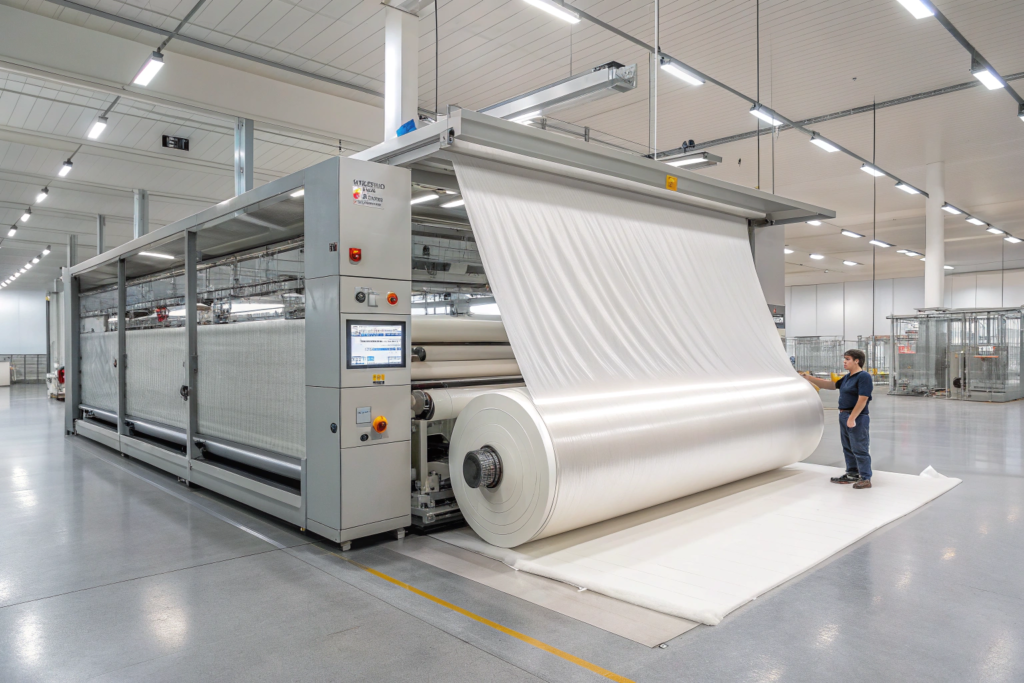
The most common and effective application method for these finishes is called the "pad-dry-cure" process. The fabric is passed through a bath containing the coating solution. Then it goes between two heavy rollers that squeeze out the excess, ensuring a uniform application. Next, the fabric goes into a large, temperature-controlled oven. The heat drives off the water or solvent and "cures" the finish, permanently bonding it to the fibers. Every step, from the pressure of the rollers to the temperature of the oven, must be precisely controlled.
The "pad-dry-cure" process sounds simple, but the details are everything. The pressure of the rollers, known as the "pick-up" rate, determines how much chemical is applied. Too little, and the protection is weak. Too much, and you waste chemical and risk changing the fabric’s hand-feel. The drying and curing temperatures are critical. If the oven is too hot, you can damage delicate fibers like silk. If it’s too cool, the finish won’t bond properly and will wash off. Our experienced technicians have years of experience working with different fabrics and different chemistries. We know, for example, that a particular silk requires a lower curing temperature and a slower line speed than a cotton-polyester blend. This is not knowledge you can get from a manual. It comes from years of hands-on work. This technical expertise is why we are trusted by major brands. It is also why we can confidently guarantee the performance of our finished products. You can learn more about the general principles of textile finishing processes online. This precision is a hallmark of Shanghai Fumao Clothing‘s manufacturing approach.
Can you apply these coatings to already-printed scarves, or does it have to be done on the raw fabric?
We can do both, but each has its considerations. Applying to the raw, greige fabric before printing is often simpler and ensures even coverage. However, the finish must be compatible with the printing process. Some finishes can interfere with dye absorption. We can also apply the coating to the finished, printed scarf. This requires a different technique, often using a spray application or a gentle dip process to avoid damaging the print. Our team can advise on the best approach for your specific design and production timeline.
How do you ensure the coating is applied evenly across the whole roll of fabric?
This is where our modern equipment is essential. Our padding machines are designed to maintain even pressure across the entire width of the fabric roller. We also have online sensors that continuously monitor the amount of chemical being applied. If there is any deviation, the system automatically adjusts. Finally, we take random samples from different points on the roll and test them in our lab to verify the beading effect is uniform. This multi-step quality check ensures consistency from the beginning of the roll to the end.
How Does Stain Resistance Impact the Value of Your Scarf Brand?
At the end of the day, we are not just applying a chemical to a piece of fabric. We are adding value. We are solving a real problem for your customer. And that solution has a direct impact on your brand’s reputation, your customer’s loyalty, and your bottom line. A stain-resistant scarf is not just a scarf; it is a stress-free experience.
Adding a high-quality, durable stain-resistant finish transforms a beautiful accessory into a practical luxury. It gives your customer the confidence to wear their scarf every day, in any situation, without the constant fear of ruining it. This increases the perceived value of the product and justifies a higher price point. It also dramatically reduces the likelihood of returns and negative reviews caused by accidental staining. For your brand, this means higher customer satisfaction, stronger loyalty, and a healthier profit margin.
Think about the psychology of the purchase. A customer spends a significant amount of money on a beautiful silk scarf. The first time she wears it, she is a little bit anxious. She’s careful where she sits, she checks her coffee cup constantly. That anxiety detracts from the joy of wearing it. With a stain-resistant scarf, that anxiety disappears. She can enjoy her product fully. That positive emotional experience is directly linked to your brand. She will remember that you made her life easier and more enjoyable. She is far more likely to become a repeat customer and to recommend your brand to her friends. Furthermore, from a business perspective, the cost of adding this finish is a fraction of the cost of processing even a single return. It is an investment in quality that pays for itself many times over. This concept of using quality to drive customer lifetime value is a core business principle. At Shanghai Fumao Clothing, we see ourselves as partners in helping you build that long-term value.

Will customers pay more for a scarf that is stain-resistant?
Yes, absolutely, if the benefit is clearly communicated. Customers are smart. They understand the value of convenience and protection. If you present a standard scarf and a stain-resistant version side-by-side and explain the benefit, most customers will choose the stain-resistant option, even at a slightly higher price. They are paying for peace of mind. It is a feature that adds real, tangible value to their lives. Marketing this feature effectively is key, and we can provide you with the technical data and visuals to help you do that.
How can I communicate the stain-resistant feature to my customers?
The best way is to show, not just tell. Short video demonstrations are incredibly powerful. Show a customer spilling coffee on the scarf and watch it roll off. Use clear, simple language like "Spill-Proof Protection" or "Stain-Resistant Finish." Explain that it doesn’t change the feel of the scarf. Also, include it in your product specifications and care instructions. This transparency builds trust. We can help you create these demonstration videos in our factory to support your marketing efforts.
Conclusion
A beautiful scarf should be a source of joy, not a source of stress. The best fabric coatings for stain-resistant scarves, whether they are advanced silicone-based finishes or innovative plant-derived technologies, offer a way to deliver that joy to your customers without compromise. They protect the fabric, preserve its luxurious feel, and give your customers the confidence to wear their accessories every day.
At Shanghai Fumao Clothing, we have made it our mission to master these technologies. We combine deep technical knowledge with state-of-the-art equipment and rigorous quality control to deliver scarves that are as practical as they are beautiful. We don’t just make products; we build experiences that your customers will love and trust.
Are you ready to elevate your scarf collection and eliminate the fear of stains for your customers? Let’s create something exceptional together. Contact our Business Director, Elaine, at elaine@fumaoclothing.com to discuss your next project.