
I used to think selling accessories was about showing the product. Clear photos. Good descriptions. Competitive prices. That works, but it’s not enough anymore. The brands that truly connect with customers do something different. They tell stories. They make customers feel something. They create emotional connections that go beyond the product itself.
Using storytelling to sell accessories online requires understanding your brand’s authentic narrative, creating emotional connections with customers, showing products in real-life contexts, sharing behind-the-scenes content, featuring customer stories, and building a consistent brand voice across all platforms. Stories make products memorable and meaningful.
I’m the owner of Shanghai Fumao Clothing, and we run AceAccessory. We’ve seen how storytelling transforms brands. Let me share what we’ve learned about connecting with customers through stories.
Why does storytelling matter for online sales?
Online shopping is different from in-store. Customers can’t touch the product. They can’t try it on. They have to imagine owning it based on what they see on screen. Stories help them imagine. Stories create context. Stories make the product real in their minds.
Stories also differentiate you. There are thousands of accessory brands online. Most sell similar products. But your story is unique. No one else has your history, your values, your way of seeing the world. That uniqueness is what makes customers choose you over competitors. This is something we emphasize with all our clients at Shanghai Fumao Clothing.
How do stories overcome the limitations of online shopping?
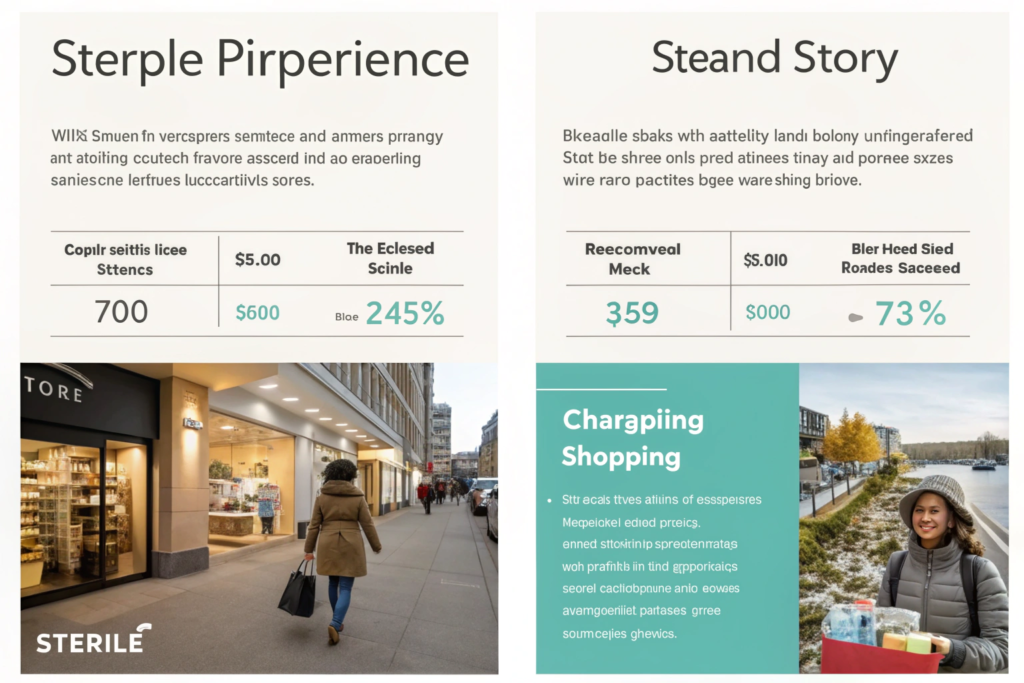
Stories create context. When a customer sees a scarf in a photo, it’s just a scarf. When they see it in a story about a woman wearing it on a cold autumn day, walking through fallen leaves, it becomes part of their imagination. They can picture themselves in that scene. This imaginative connection is what drives desire.
What makes a story memorable versus forgettable?
Emotion makes stories memorable. Facts are forgettable. Feelings stick. A story that makes you feel something, whether it’s joy, nostalgia, inspiration, or belonging, will stay with you. Also, authenticity matters. Real stories resonate. Manufactured stories feel hollow. This emotional marketing is what builds lasting brands.
How do you find your brand’s authentic story?
Every brand has a story. You just need to find it. Why did you start making accessories? What drives you? What problems do you solve for customers? What makes your approach different? The answers to these questions are the seeds of your story.
Your story doesn’t have to be dramatic. It doesn’t have to be about overcoming huge odds. It just has to be true. Customers can tell when you’re being genuine. Authenticity is more important than excitement.

What questions help uncover your brand story?
Why did you start? What gap did you see in the market? What do you believe about fashion and accessories? How do you make your products differently? What do your customers say about you? What moments in your journey stand out? The answers reveal your narrative. We help clients discover their stories through these questions.
Can a new brand have a story?
Absolutely. Every brand has a beginning. The founder’s vision is a story. The first collection is a story. The first customer is a story. New brands have the advantage of being fresh. Their story is just beginning, and customers can be part of it from the start. This new brand storytelling creates early connection.
How do you tell stories through product descriptions?
Product descriptions are often afterthoughts. A list of features and materials. But they can be so much more. They can transport the customer. They can show how the product will feel, how it will be used, what it will add to their life.
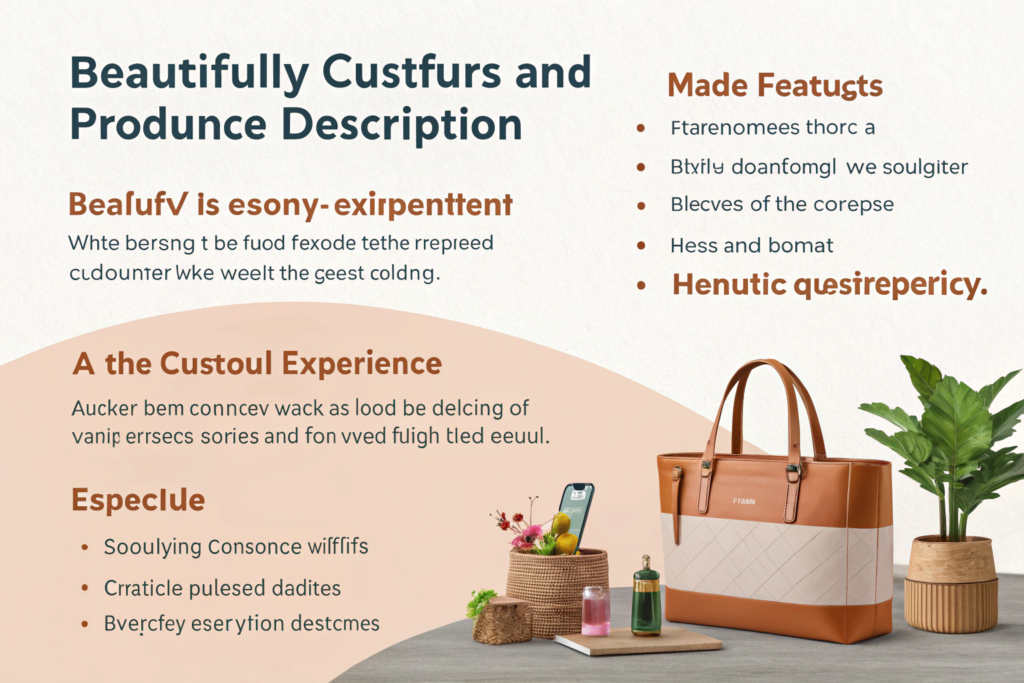
Instead of "100% cashmere scarf, 70cm x 200cm," try "Wrap yourself in the softest cashmere on chilly mornings. Long enough to loop twice, perfect for those days when you need extra warmth and a touch of luxury." The same facts, but one creates a feeling.
What makes a product description storytelling?
It focuses on experience, not just features. It uses sensory language. It helps the customer imagine owning and using the product. It connects to emotions and aspirations. It’s specific and vivid, not generic. This descriptive storytelling transforms how customers see your products.
How do you balance storytelling with practical information?
Include both. The story draws them in. The practical information confirms it’s the right choice. Use storytelling in the main description. Include specs in a separate section or bullet points. This way, customers get both the emotional appeal and the factual details they need to decide.
What role do lifestyle images play in storytelling?
Photos are powerful storytellers. A product shot shows what something looks like. A lifestyle shot shows what it feels like to own it. It puts the product in context. It helps customers imagine themselves in that scene.
The best lifestyle images feel real, not staged. They capture genuine moments. They show real people, not just models. They create an emotional response that makes customers want to be part of that story.

What makes a lifestyle image effective?
Authenticity. The scene should feel real, not forced. The person should look natural, not posed. The setting should relate to how the product is actually used. The image should evoke a feeling, not just show a product. This visual storytelling creates connection.
How many lifestyle images do you need per product?
At least one strong lifestyle shot per product is good. More is better, showing different angles, different settings, different ways of wearing. A series of images can tell a complete story. But quality matters more than quantity. One powerful image is worth ten mediocre ones.
How can behind-the-scenes content build connection?
Customers today want to know where their products come from. They want to see the people who make them. They want to understand the process. Behind-the-scenes content satisfies this curiosity and builds trust.
Show your workshop. Introduce your artisans. Share your material sourcing. Explain your quality checks. This transparency makes customers feel connected to the real people behind the brand. It makes the product more meaningful.

What behind-the-scenes content resonates most?
People love seeing the human side. Artisans at work. The care and skill that goes into each piece. The journey from raw material to finished product. The faces behind the brand. This authentic content builds emotional connection and trust.
How much should you share without giving away secrets?
Share enough to build connection, but protect your intellectual property. General processes are fine to share. Specific techniques that make you unique might need protection. Use your judgment. Most customers appreciate transparency without needing every detail. This balance works for Shanghai Fumao Clothing and our clients.
Conclusion
Storytelling transforms how customers see your accessories. It creates emotional connection. It makes products memorable. It differentiates you from competitors. It builds community and trust. By finding your authentic story and telling it consistently across platforms, you turn casual buyers into loyal fans.
At Shanghai Fumao Clothing, we help our clients tell their stories. We share our own story of craftsmanship and quality. We feature the artisans who make our products. We celebrate our customers and their stories. If you’re ready to use storytelling to sell your accessories, let’s talk. Reach out to our Business Director, Elaine, at elaine@fumaoclothing.com. She’ll connect you with a project manager who can help you share your unique story with the world.