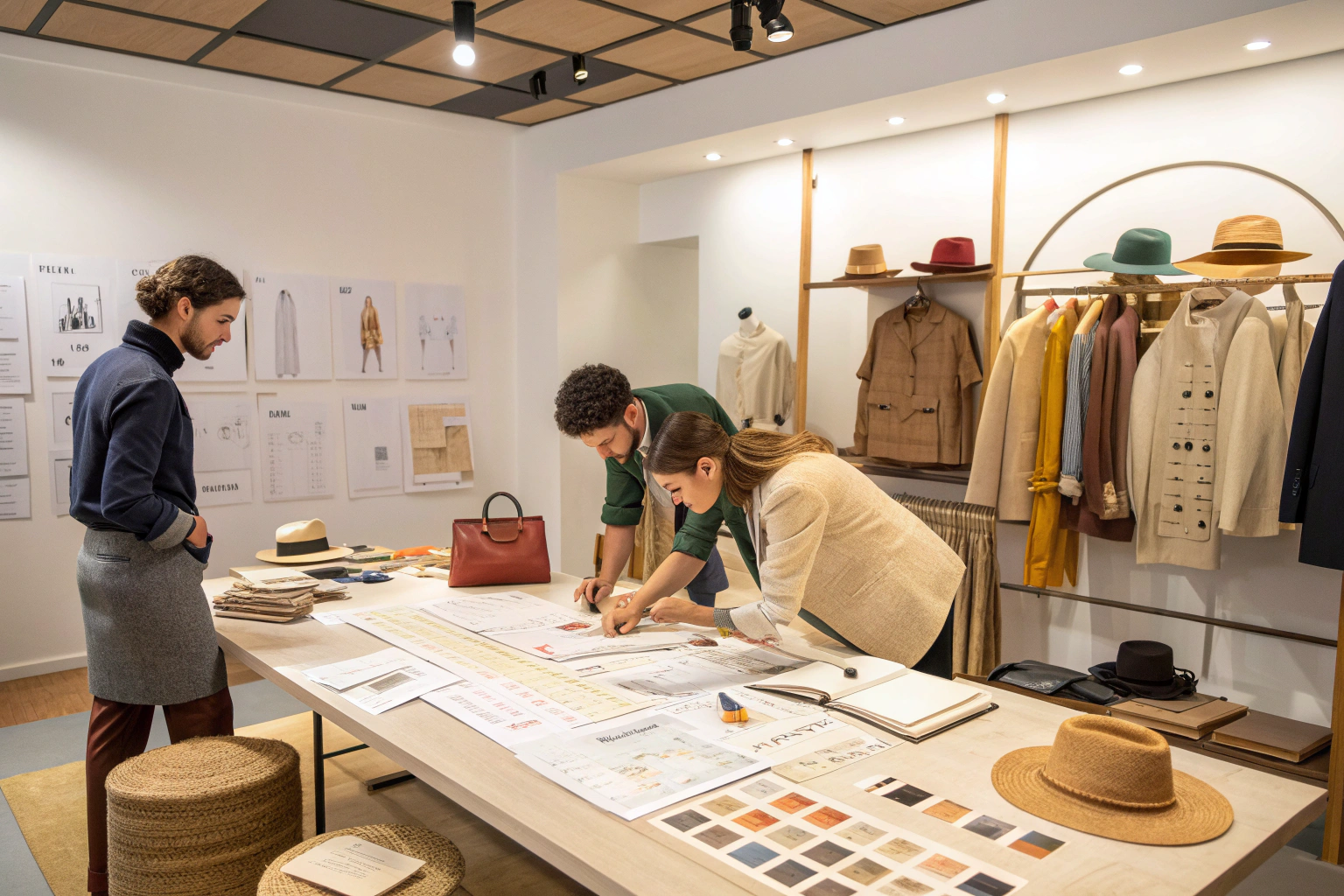
I’ve been in this business long enough to have seen thousands of accessories come and go. Some sell out in weeks. Others gather dust. The difference isn’t luck. It’s not just price. It’s a combination of factors that successful brands understand. After years of studying what works, I’ve seen patterns emerge. The best-selling accessories share certain qualities, regardless of the season or trend.
Creating best-selling accessories for fashion brands requires understanding your target customer, identifying market gaps, focusing on quality and functionality, developing a strong design aesthetic, pricing strategically, and creating compelling brand stories. Success comes from combining data-driven insights with creative vision.
I’m the owner of Shanghai Fumao Clothing, and we run AceAccessory. We’ve helped countless brands create accessories that fly off shelves. Let me share what we’ve learned about creating winners.
How do you identify what customers actually want?
The biggest mistake I see is brands designing what they think customers should want, rather than what customers actually want. The best-selling accessories start with customer understanding. What problems do they need solved? What desires do they have? What gaps exist in the market?
This doesn’t mean copying what others do. It means understanding the underlying needs and creating something that serves them better. Sometimes customers don’t know what they want until they see it. But great designers understand them well enough to anticipate. This customer-first approach is central to how Shanghai Fumao Clothing develops successful products.

What research methods reveal customer preferences?
Sales data from your own and competitors’ products shows what’s already working. Social media listening reveals what people are talking about and asking for. Customer surveys and reviews provide direct feedback. Trend reports from fashion forecasters show where the market is heading. The best approach combines multiple sources. This market research gives a complete picture.
How do you spot gaps in the market?
Look for problems that aren’t being solved. Read negative reviews of competitors’ products. What are customers complaining about? Listen to conversations. What are people wishing existed? Watch how people use existing products. Where do they struggle? These gaps are opportunities. We help clients identify opportunities based on our industry experience.
What role does quality play in best-selling accessories?
Quality matters more than ever. Customers have options. If your accessory falls apart after a few wears, they won’t buy from you again. And they’ll tell their friends. In the age of social media and online reviews, quality is everything.
But quality doesn’t always mean the most expensive materials. It means appropriate quality for the price point. A $10 hair clip should be well-made for its price. A $100 scarf should feel luxurious. The quality should match the customer’s expectations at that price.
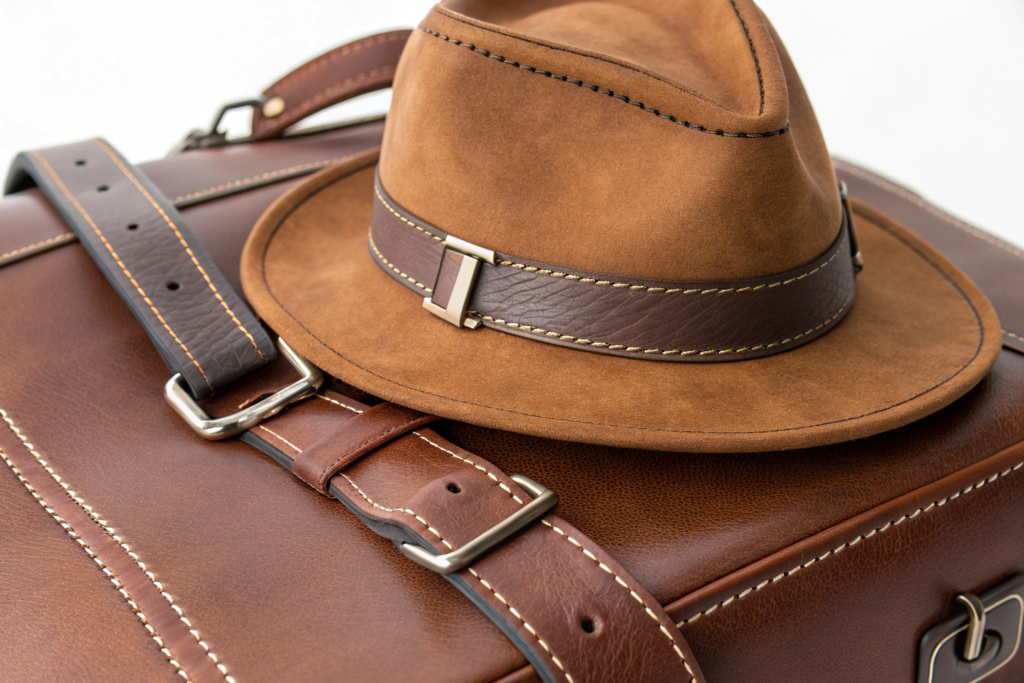
What quality features do customers notice most?
Durability is number one. Does it hold up? Comfort is second. Is it pleasant to wear? Finish and appearance third. Does it look good up close? Functionality fourth. Does it do what it’s supposed to? The best accessories excel in all these areas. We focus on quality craftsmanship in everything we make.
How do you balance quality with cost?
Understand your customer’s expectations at each price point. A budget customer expects reasonable quality for the price. A premium customer expects excellence. Don’t try to be everything to everyone. Choose your position and deliver appropriate quality. We help clients find this balance based on their market.
How important is functionality in accessory design?
Functionality is often overlooked in fashion. But the best-selling accessories are those that actually work. A scarf that’s soft but also warm. A bag with pockets that actually hold things. A hat that stays on in the wind. These details matter.
Functionality doesn’t have to compromise style. The best designs integrate both. The functional elements become part of the design, not afterthoughts. Customers appreciate when someone has thought about how they’ll actually use the product.
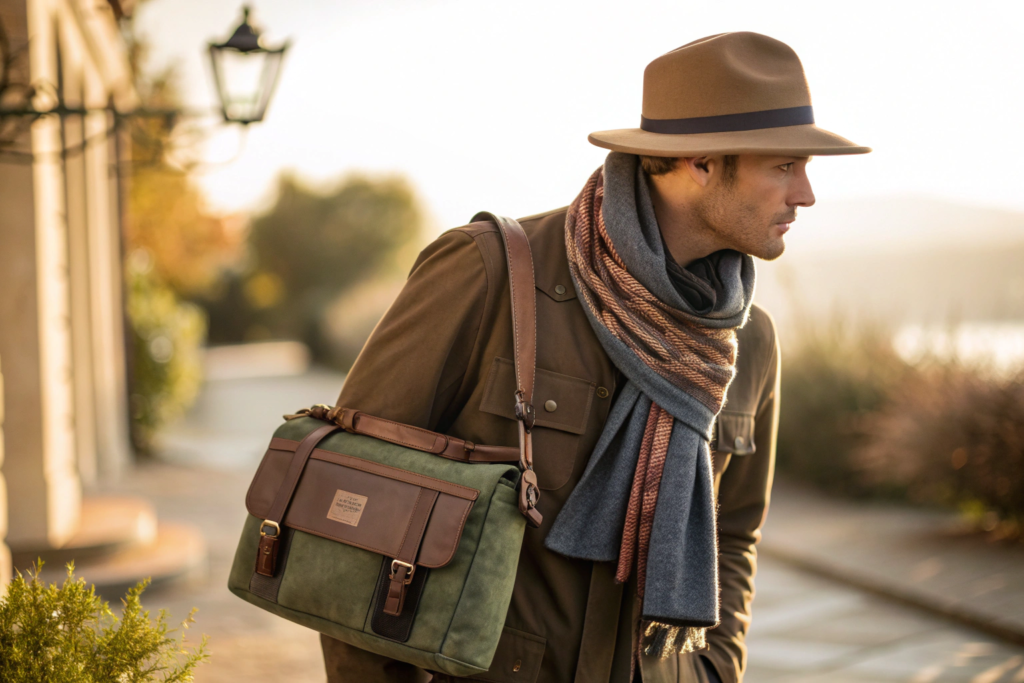
What functional features add the most value?
Versatility is huge. A scarf that can be worn multiple ways. A bag that works for different occasions. Pockets that are actually useful. Easy care. Comfort. These features make an accessory part of someone’s life, not just a one-time purchase. This functional design approach creates loyal customers.
How do you test functionality during development?
We use real people in real situations. Wear testers use prototypes in their daily lives. They report back on what works and what doesn’t. We observe how they use the product. What do they struggle with? What do they love? This feedback is invaluable. We test everything before going into production.
What makes a design aesthetic successful?
Design aesthetic is what makes your accessories recognizable. It’s the thread that runs through your collection. It’s what makes customers say "that’s so you" when they see your products. A strong aesthetic builds brand loyalty.
But aesthetic shouldn’t be so narrow that you can’t evolve. The best brands have a core identity that remains consistent, with room to explore new ideas. They’re recognizable but not repetitive.
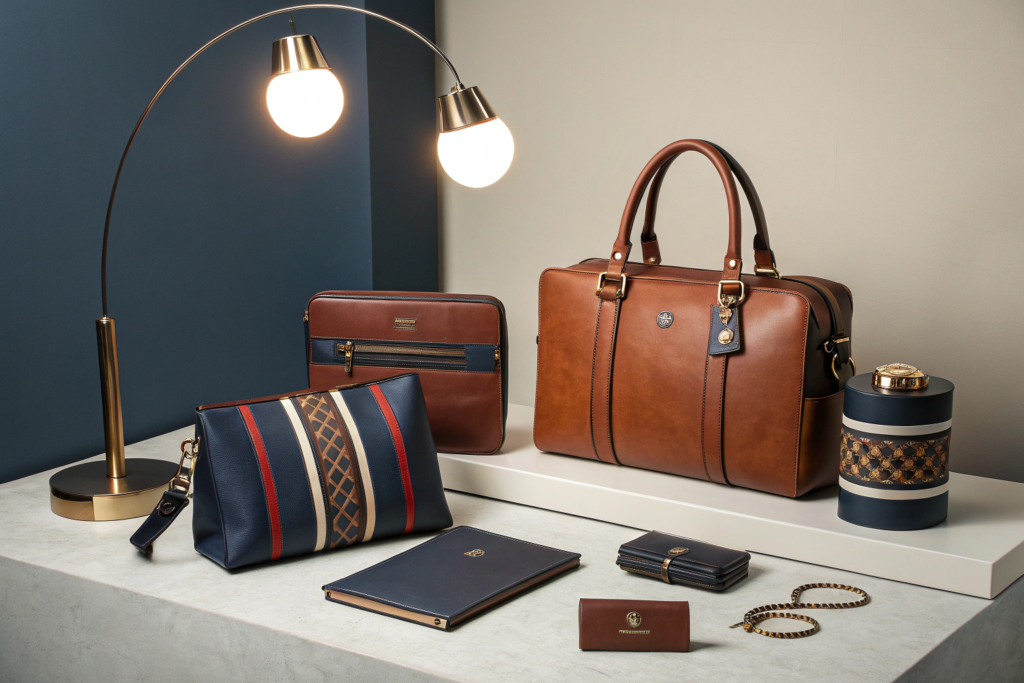
How do you develop a distinctive design language?
Start with your brand values. What do you stand for? Then translate those into visual elements. Colors, shapes, materials, details. Be consistent across everything you make. Over time, this consistency becomes your signature. We help clients develop design languages that resonate.
Should you follow trends or create your own?
Both. The best brands understand trends but interpret them through their own lens. They’re not copying what others do. They’re responding to the cultural moment in their own way. This creates relevance without sacrificing identity. This trend strategy builds lasting brands.
How do you price accessories for success?
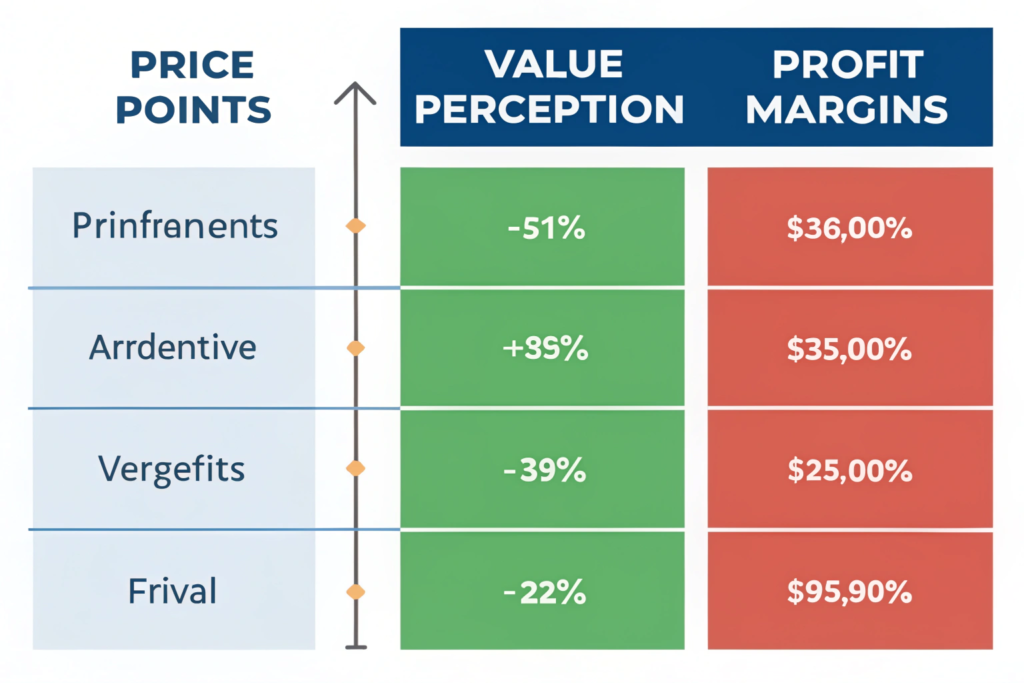
Pricing is both art and science. Too high, and you limit your market. Too low, and you undermine perceived value. The right price considers your costs, your competition, and what customers are willing to pay.
Perceived value matters as much as actual cost. A $50 scarf that feels like $50 is a good value. A $50 scarf that feels like $20 is overpriced. The quality, design, and brand all contribute to perceived value.
What pricing strategies work for accessories?
Value-based pricing sets prices based on what customers will pay, not just costs. Premium pricing works for luxury positioning. Competitive pricing matches the market. Penetration pricing uses low prices to gain market share. The right strategy depends on your brand and goals. We help clients choose pricing strategies that work.
How do you calculate perceived value?
Perceived value comes from quality, design, brand reputation, and marketing. A strong brand can command higher prices. Excellent quality justifies higher prices. Beautiful design adds value. Good marketing communicates that value. We help clients build perceived value at every level.
Conclusion
Creating best-selling accessories requires understanding customers deeply, focusing on quality and functionality, developing a strong design aesthetic, pricing strategically, telling compelling brand stories, and testing thoroughly before production. There’s no single formula, but these principles apply across categories and markets.
At Shanghai Fumao, we’ve helped countless brands create best-selling accessories. We understand the entire process from concept to customer. Our factory in Zhejiang produces quality accessories that meet market needs. If you’re ready to create your next best-seller, let’s talk. Reach out to our Business Director, Elaine, at elaine@fumaoclothing.com. She’ll connect you with a project manager who can help you bring your vision to life.