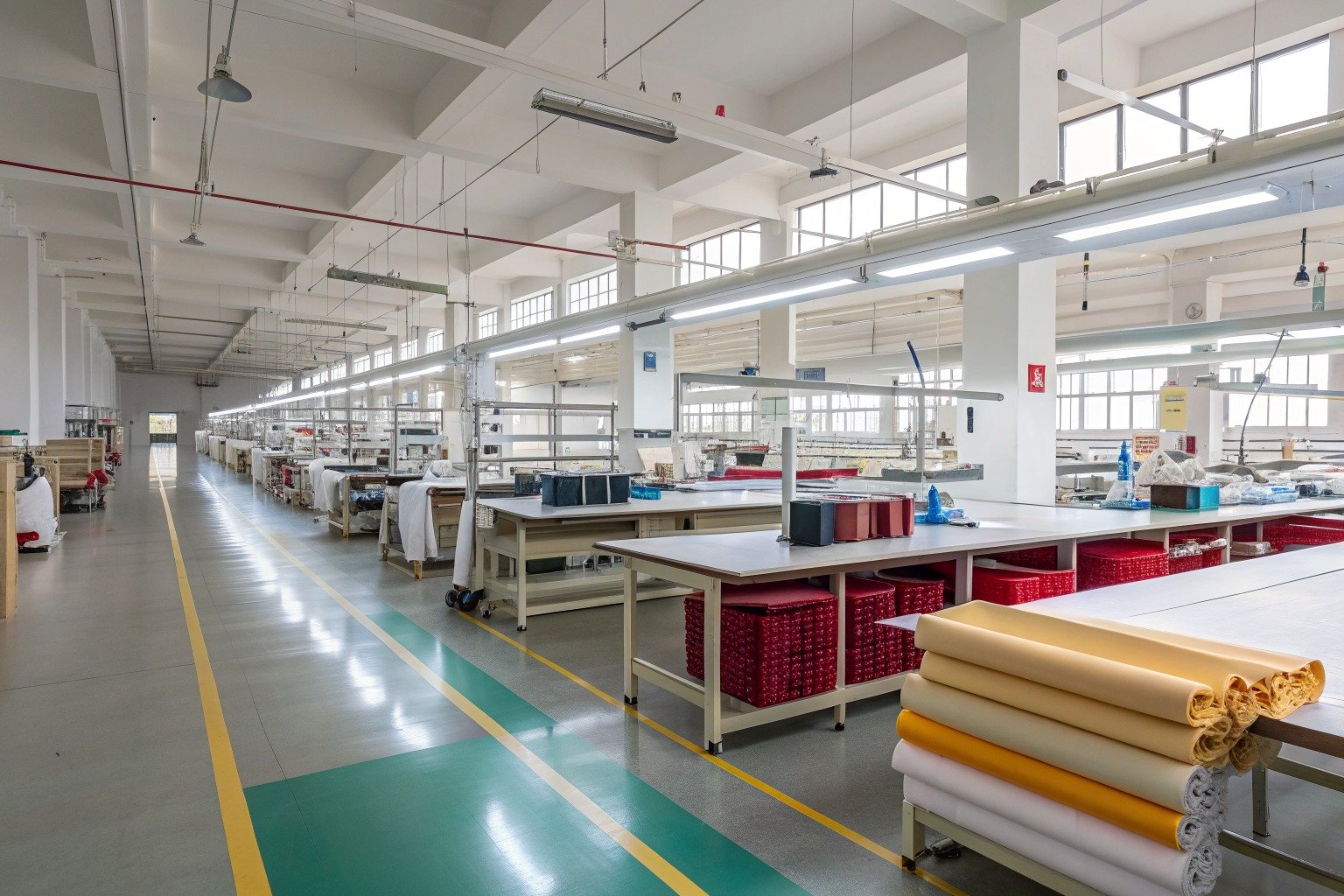
I learned about seasonal inventory management the hard way. Early in my career, we produced a huge run of winter scarves for a client. They were beautiful. They arrived on time. And they sat in the warehouse. The client had over-ordered and couldn’t sell them all. Come spring, they were stuck with inventory they couldn’t move. They had to discount deeply, losing money on the whole collection. That taught me that seasonal accessories require a completely different approach to inventory than year-round products.
Managing inventory for seasonal accessory collections requires accurate demand forecasting, strategic production timing, flexible reorder capabilities, careful cash flow management, and a clear plan for end-of-season clearance. Success comes from balancing the risk of stockouts against the cost of excess inventory.
I’m the owner of Shanghai Fumao Clothing, and we run AceAccessory. We’ve helped countless clients navigate the challenges of seasonal inventory. Let me share what we’ve learned.
Why is seasonal inventory different from year-round inventory?
Seasonal accessories have a limited sales window. Winter hats sell from October to January, then demand drops sharply. Holiday-themed items have an even shorter window. If you miss that window, you’re stuck with inventory that may not sell until next year, if at all.
Year-round products can be reordered anytime. Seasonal products require precise timing. Order too early and you tie up cash. Order too late and you miss sales. Get the quantity wrong and you either lose sales or end up with excess. This is why working with an experienced partner like Shanghai Fumao Clothing makes such a difference.
What are the risks of over-ordering seasonal items?
Over-ordering ties up capital in inventory that may not sell. You’ll likely have to discount to clear it, reducing profit margins. Storage costs add up. And the products may become obsolete if trends change. We’ve seen clients lose their entire profit margin on a season because they over-ordered. This inventory risk is the biggest challenge in seasonal retail.
What are the risks of under-ordering?
Under-ordering means lost sales. Customers who want your product can’t get it. They may go to competitors. You miss revenue and profit. You also disappoint customers who were excited about your collection. The ideal is finding the sweet spot between too much and too little.
How do you forecast demand for seasonal accessories?
Forecasting is part science, part art. You need data from previous seasons, adjusted for growth and trends. You need input from sales teams who talk to customers. You need to watch what competitors are doing. And you need to factor in broader economic conditions.
We help clients build forecasts based on multiple inputs. Historical sales, but adjusted for growth. Early order patterns from key customers. Market research on trends. And always a cushion for uncertainty.

What data should you use for seasonal forecasts?
Start with last year’s sales, adjusted for growth. Look at sell-through rates, not just units sold. What percentage of inventory actually sold? That tells you if you over-ordered or under-ordered. Look at which styles sold best. Trends change. What was hot last year may not be this year. We use advanced forecasting tools that incorporate multiple data sources.
How do you account for trends that change year to year?
Trends are the hardest part. Last year’s bestseller may be this year’s markdown. We watch runway shows, social media, and trade publications. We talk to our clients about what they’re seeing. We build flexibility into production so we can pivot if needed. The key is not committing to huge volumes too early. This trend monitoring is essential for seasonal success.
How do you manage cash flow for seasonal inventory?
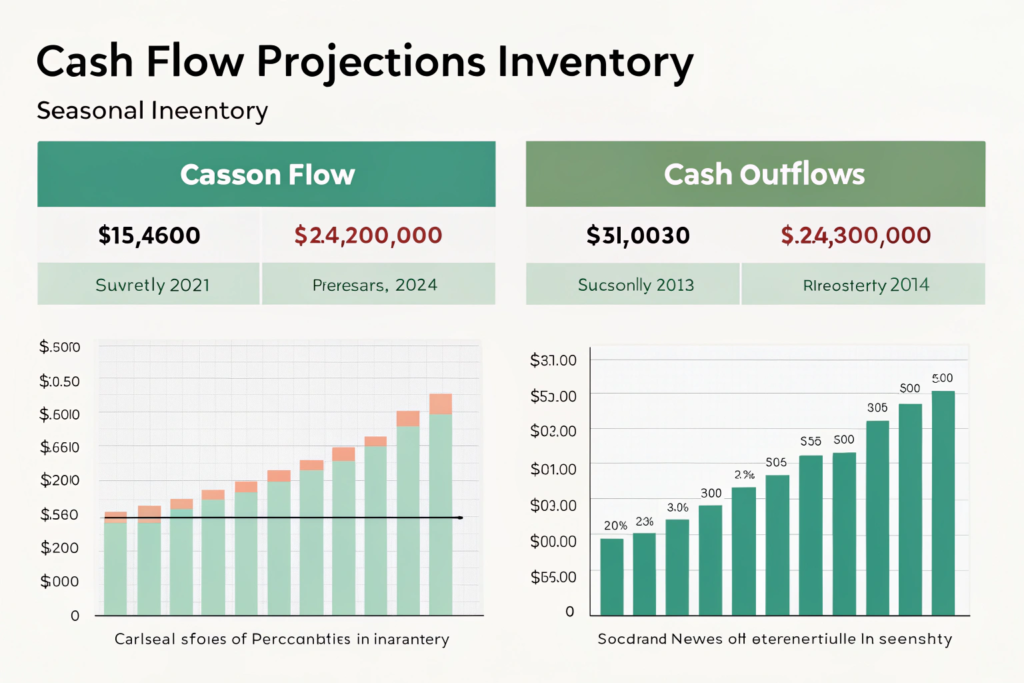
Seasonal inventory creates cash flow challenges. You pay for production months before you see sales revenue. That cash is tied up until the season starts. For small businesses, this can be a serious strain.
Planning is essential. You need to know your cash needs months in advance. You may need financing to bridge the gap. You need to factor in the cost of carrying inventory.
How do you calculate the true cost of seasonal inventory?
Include everything. Production cost, shipping, duties, storage, insurance, and the cost of capital. Then factor in the risk of markdowns. A common rule is to plan for 20-30% of inventory to sell at discount. If your margins can’t absorb that, you’re priced wrong. We help clients build complete cost models before ordering.
What financing options work for seasonal inventory?
Purchase order financing is one option. Lenders pay suppliers directly based on orders. Inventory financing uses the goods as collateral. Some clients use letters of credit. Others use internal cash reserves. The right choice depends on your business size and financial situation. We work with financing partners who understand seasonal businesses.
How do you handle reorders during the season?
The ideal scenario is selling through your initial order and needing more. That’s a good problem to have. But reorders during the season are challenging. Production capacity may be tight. Shipping takes time. The window for sales may be closing.
The key is having a supplier who can respond quickly. We keep capacity reserved for reorders from key clients. We have materials on hand for popular styles. We can expedite production when needed. But even with fast response, reorders take time.

How quickly can you fulfill a seasonal reorder?
The fastest possible is 3-4 weeks for production plus shipping. That’s if materials are available and production lines are open. Realistically, plan on 6-8 weeks for a reorder. That means you need to spot the need early. By December 1, it’s probably too late for holiday reorders. This reorder timing is critical.
What styles are safest for reorders?
Stick with your bestsellers. The styles that are already selling well. Don’t experiment with new designs on reorders. The data is clear. Reorder what’s working. The risk is much lower. We track sales data to help clients identify reorder candidates.
What do you do with excess seasonal inventory?
Even with the best planning, you’ll have some excess. The season ends, and you’re left with inventory. What do you do? The answer affects your overall profitability.
The worst option is doing nothing. Letting inventory sit costs money and ties up space. You need a plan. Markdowns early in the clearance window. Outlet channels. B2B sales to discounters. Donations for tax benefits. Holding for next year, if styles are timeless.

When should you start marking down seasonal items?
Start before the season ends. The week after Christmas is too late for holiday items. Start markdowns in early December for holiday goods. For winter items, January is the clearance window. The earlier you start, the more you can sell at higher markdown levels. This markdown timing maximizes recovery.
Can you hold inventory for next year?
Sometimes, if the styles are timeless. Classic items can be held. Trendy items cannot. Colors change. Trends change. What’s hot this year may be dead next year. Be realistic about what will sell next season. We help clients assess carryover potential based on style and trend durability.
Conclusion
Managing inventory for seasonal accessory collections is challenging but learnable. Accurate forecasting, strategic timing, flexible reorders, careful cash management, and smart end-of-season planning all matter. The goal is finding the sweet spot between too much and too little. It takes experience and data, but it gets easier over time.
At Shanghai Fumao, we help clients navigate these challenges. We offer flexible production, staged ordering, and honest advice based on years of experience. If you’re planning seasonal collections and want a partner who understands the challenges, let’s talk. Reach out to our Business Director, Elaine, at elaine@fumaoclothing.com. She’ll connect you with a project manager who can help you plan and execute successful seasonal collections.