
I used to think building a brand was about products. Make great products, and customers will come. That worked for a while. But somewhere along the way, things changed. Customers stopped just buying products. They started buying into stories, into values, into communities. The brands that thrive today aren’t just selling accessories. They’re selling belonging. They’re creating spaces where customers feel seen, heard, and connected.
Building a community around your accessory brand requires authentic engagement, consistent values, user-generated content, exclusive experiences, and genuine care for your customers. It’s not about broadcasting your message. It’s about creating conversations and connections that make people want to be part of your story.
I’m the owner of Shanghai Fumao Clothing, and we run AceAccessory. We’ve seen firsthand how community transforms a business. Let me share what we’ve learned about building communities that last.
Why does community matter for accessory brands?
Accessories are personal. They’re expressions of identity. When someone buys a hair clip or a scarf from you, they’re not just buying an object. They’re buying a piece of your brand’s identity to add to their own. Community taps into this. It connects people who share similar tastes, similar values, similar ways of expressing themselves.
Community also drives loyalty. A customer who feels connected to your brand will keep coming back. They’ll defend you when someone criticizes you. They’ll recommend you to friends. They’ll buy your new collections without hesitation. They’re not just customers anymore. They’re advocates. And advocates are priceless.

How does community affect customer lifetime value?
Dramatically. A transactional customer might buy once or twice. A community member buys repeatedly, often at higher price points. They’re more forgiving of minor issues because they trust you. They’re more likely to try new products. They bring in new customers through word-of-mouth. We’ve seen community-driven brands achieve lifetime values 3-5 times higher than traditional brands. It’s not magic. It’s relationship economics.
What role does social media play in community building?
Social media is where communities gather. But it’s not about posting product photos. It’s about starting conversations. Asking questions. Sharing behind-the-scenes content. Featuring real customers. Responding to comments. The brands that succeed on social media understand it’s a two-way street. They listen as much as they talk. They treat followers as friends, not targets. This authentic engagement builds real community.
How do you define your brand’s community values?
You can’t build a community without knowing what you stand for. Your values are the gravitational force that pulls people together. They need to be authentic. You can’t just pick values that sound good. They have to be reflected in everything you do, from your materials to your customer service to your hiring.
At AceAccessory, our values include quality, transparency, and partnership. We don’t just say these things. We live them. We share our production processes. We’re honest about challenges. We treat our clients as partners, not orders. These values attract clients who value the same things. They filter out clients who don’t. That’s healthy.

How do you identify values that resonate with your audience?
Talk to your customers. Ask them why they buy from you. Ask what matters to them. Look at your best customers. What do they have in common? What do they care about? Survey your audience. Read comments. Listen to conversations. The answers are already there. You just need to pay attention. We regularly survey our clients to understand what they value in a supplier.
Should your values ever change as you grow?
Core values shouldn’t change. They’re your foundation. But how you express them can evolve. A value like "sustainability" might mean one thing when you’re small and another when you’re large. The commitment stays the same. The expression adapts. Be careful about changing values lightly. It confuses your community and erodes trust. Shanghai Fumao Clothing has maintained the same core values for decades.
What content builds community engagement?
Content is the fuel for community. But not just any content. Content that invites participation. Content that makes people feel something. Content that gives them a reason to engage and share.
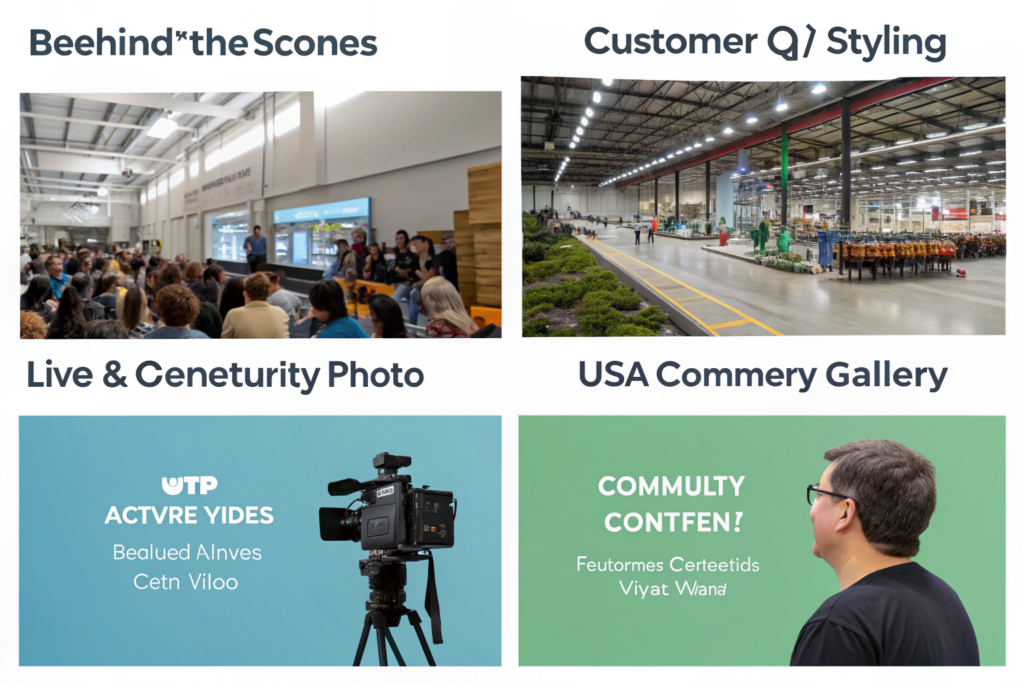
Behind-the-scenes content is powerful. It makes people feel like insiders. Show your design process. Show your factory. Introduce your team. Customer features are even more powerful. When you feature a customer wearing your accessories, you’re saying "you matter." You’re showing that your community is part of your brand story. User-generated content campaigns encourage everyone to participate.
What types of content generate the most engagement?
Video consistently outperforms static images. Behind-the-scenes videos, styling tutorials, and meet-the-team content all do well. User-generated content, when you feature real customers, generates huge engagement because people want to see themselves and their friends. Interactive content like polls and questions gets people talking. The key is authenticity. Polished, corporate content often falls flat. Real, raw content connects.
How often should you post to maintain community interest?
Consistency matters more than frequency. Posting once a day every day is better than posting ten times one day and nothing for a week. Find a rhythm you can maintain. For most brands, once a day on your primary platform is good. Mix in stories and other formats throughout the day. The goal is to stay present without overwhelming. We help our clients develop content calendars that balance engagement with authenticity.
How do you encourage user-generated content?
User-generated content is gold. It’s authentic. It’s free. It shows real people enjoying your products. It builds social proof. But you can’t just wait for it to happen. You need to encourage it.
Create a hashtag and promote it. Feature customer photos regularly. Run contests that encourage posting. Make it easy for customers to tag you. Respond to and reshare every post you can. When customers see that you notice and appreciate their content, they’ll keep creating. It becomes a virtuous cycle.

What incentives work best for UGC campaigns?
Recognition is often more powerful than prizes. People love seeing their photos featured on your page or website. That said, contests with prizes can jumpstart participation. A monthly giveaway for the best customer photo works well. Discount codes for people who post and tag you encourage ongoing participation. The key is making participation easy and fun. We’ve seen successful UGC campaigns that grew organically from simple prompts.
How do you handle rights and permissions for customer photos?
Always ask permission. A simple comment or DM saying "We love your photo! May we reshare it?" is usually enough. Keep records of who said yes. Credit the photographer every time. If you want to use photos in advertising or on your website, get formal permission. Respecting your community’s rights builds trust. Violating them destroys it. We advise clients to follow best practices for user-generated content.
What offline events build community?
Online community is essential. But offline connections deepen relationships. When people meet in person, bonds strengthen. Events don’t have to be huge or expensive. Small, intimate gatherings often work better than big productions.
Pop-up shops let customers experience products in person. Styling workshops teach skills and build expertise. Meetups for local customers create connections. Even informal gatherings like coffee meetups can build community. The key is creating space for genuine interaction, not just pushing products.

What types of events work for accessory brands?
Styling workshops are perfect. Teach people how to style scarves, how to choose the right hair accessories, how to mix and match. Pop-up shops in collaboration with complementary brands can draw crowds. Trunk shows where new collections are previewed create excitement. Even simple meetups where customers can try new products and chat with each other build community. We’ve seen successful brand events that cost little but generated huge loyalty.
How do you measure the ROI of community events?
ROI for events isn’t just about immediate sales. It’s about relationships. Measure attendance. Collect feedback. Track follow-up engagement. Watch for increased word-of-mouth. Look at whether attendees become more active community members. Some of our best client relationships started with a handshake at an event. You can’t put a price on that. Shanghai Fumao Clothing values these connections deeply.
Conclusion
Building a community around your accessory brand takes time and genuine effort. It requires clear values, authentic content, and real engagement. It means celebrating your customers, listening to feedback, and showing up consistently. The reward is a group of people who don’t just buy your products but believe in your brand.
At AceAccessory, we’ve built our business on relationships. We treat every client as a partner, not a transaction. Our community of clients around the world is our greatest asset. If you’re looking for a supplier who values partnership and community, let’s talk. Reach out to our Business Director, Elaine, at elaine@fumaoclothing.com. She’ll connect you with a project manager who believes in building relationships, not just filling orders.