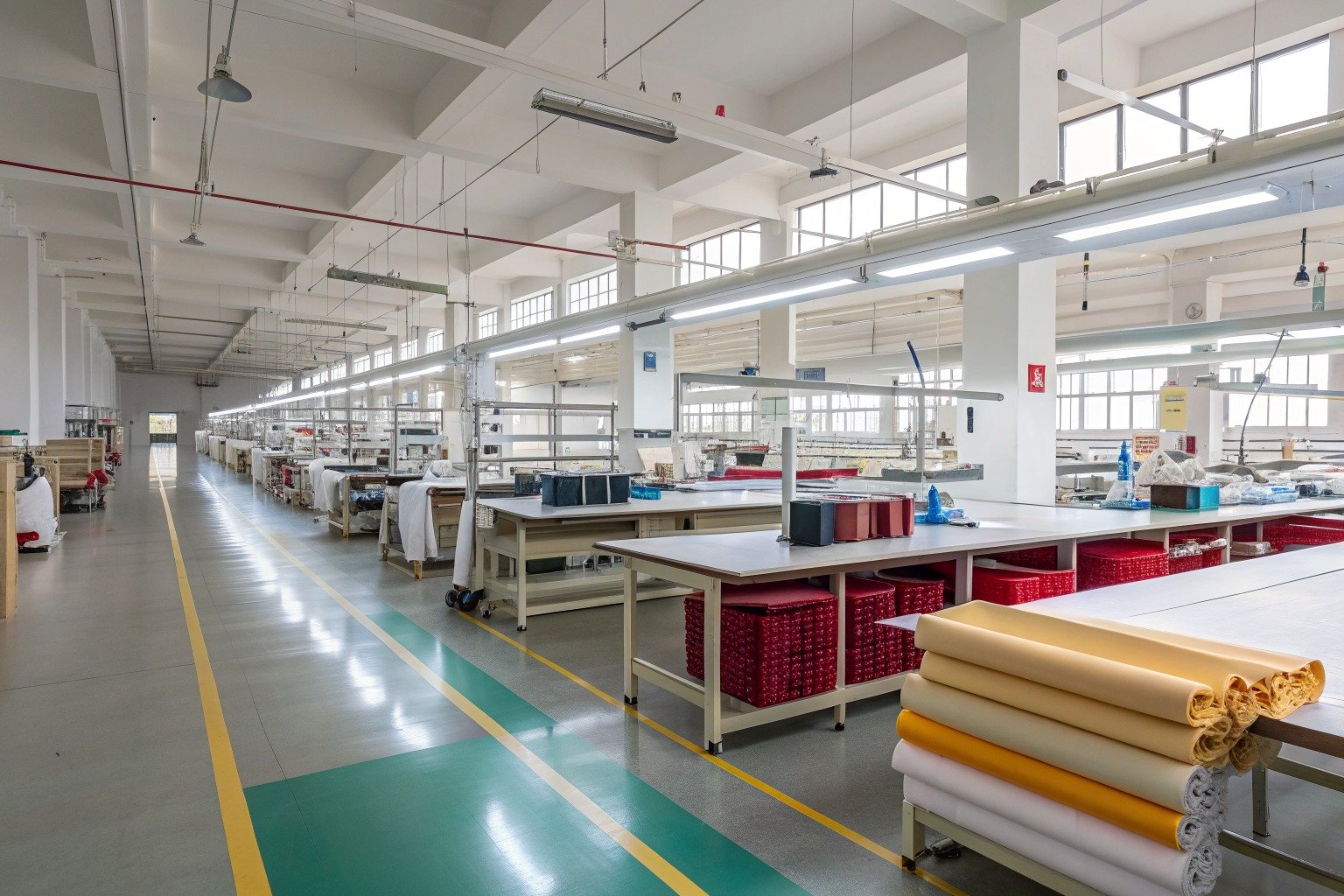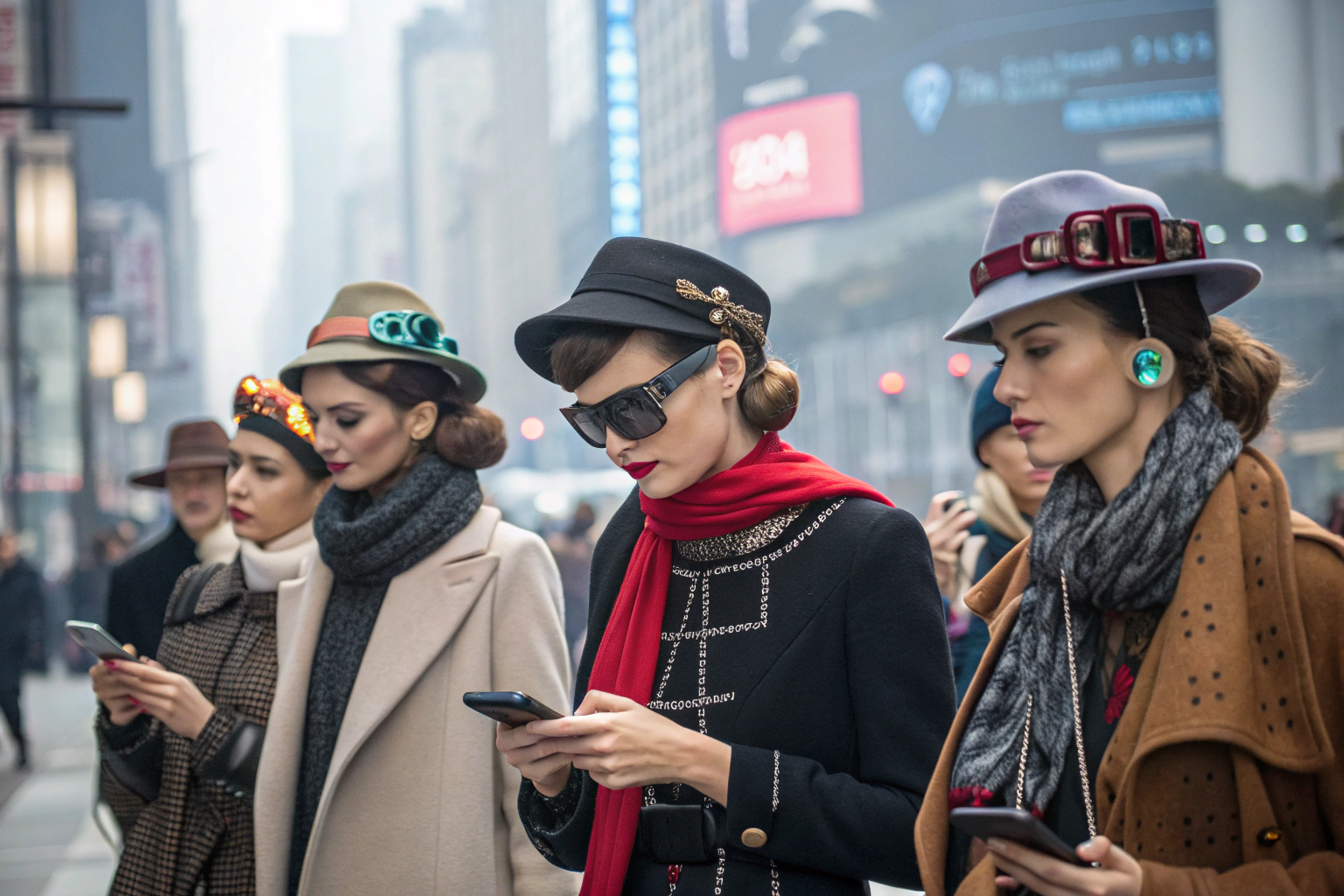
I’ve been in this industry long enough to see trends come and go. But what I’m seeing heading into 2026 feels different. The forces shaping demand are more complex than ever. It’s not just about what’s fashionable anymore. It’s about economics, technology, sustainability, and social media all colliding at once. As a factory owner who talks to buyers every single day, I have a front-row seat to these changes. And I can tell you that the accessory makers who understand these forces will thrive. The ones who don’t will struggle.
In 2026, demand for fashion accessories will be driven by five key factors: economic conditions affecting disposable income, the influence of social media and micro-trends, the growing importance of sustainability, technological integration in products, and the return of major events and travel post-pandemic. Understanding these drivers is essential for anyone sourcing accessories.
I’m the owner of Shanghai Fumao Clothing, and we run AceAccessory. We’re already seeing these trends play out in our orders. Let me share what we’re learning and how you can prepare for the year ahead.
How will economic conditions shape accessory demand in 2026?
The economy is always the 800-pound gorilla in any demand forecast. In 2026, we’re looking at a complex picture. Inflation has cooled in some markets but remains a concern in others. Interest rates are still relatively high. This means consumers are more careful with their spending. But here’s the interesting thing: accessories often perform well in uncertain economies. They’re affordable luxuries. When someone can’t afford a whole new wardrobe, they buy a new scarf or a stylish hat to refresh their look.
We’re also seeing a polarization in the market. At one end, there’s strong demand for premium, high-quality accessories from consumers who can still afford them. At the other end, there’s huge demand for affordable, trendy pieces. The middle is getting squeezed. Our clients who target either the premium or the value segment are doing well. Those stuck in the middle are struggling. We advise our clients to pick a lane and own it. This market insight is something we share regularly with partners of Shanghai Fumao Clothing.
What is the "lipstick effect" and does it apply to accessories?
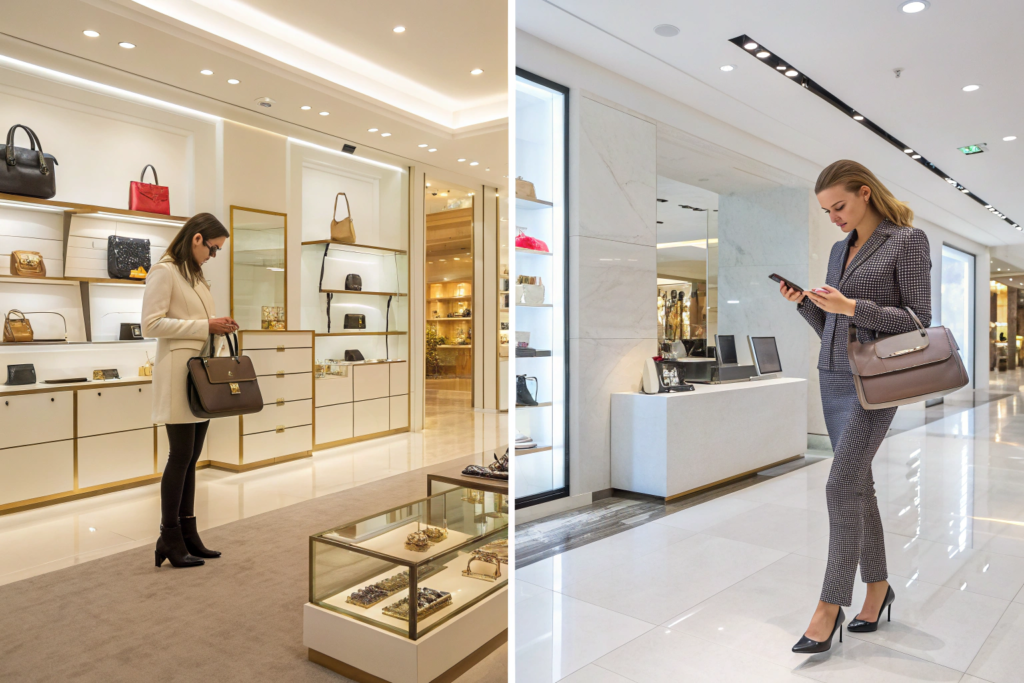
The lipstick effect is the observation that during economic downturns, sales of small luxuries like lipstick actually increase. Accessories are a perfect example of this. A woman might delay buying a new coat, but she’ll buy a beautiful scarf to make her old coat feel new again. In 2026, we expect this effect to be strong. Our orders for affordable luxury items like silk scarves and quality knit hats are already trending up. This consumer behavior pattern has held true through multiple economic cycles.
How do different economic regions compare heading into 2026?
The US economy is showing resilience but with cautious consumers. Europe is facing energy costs and slower growth. Some Asian markets are rebounding strongly. This means a one-size-fits-all approach won’t work. A product that sells in Germany might not perform the same in Texas. We work with our clients to tailor their assortments for different regions. The economic outlook varies, and your accessory strategy should too.
What role will social media play in driving trends for 2026?
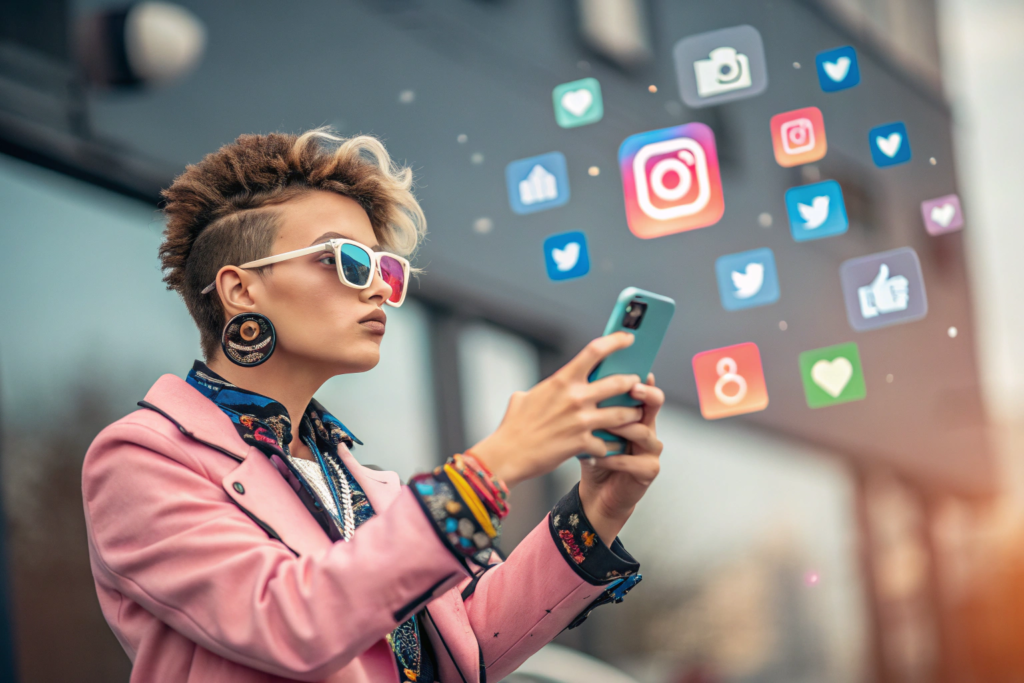
Social media has been driving fashion for years, but in 2026, it’s more powerful than ever. TikTok, Instagram, and newer platforms are compressing trend cycles to almost nothing. A style can emerge, peak, and fade in weeks. This puts enormous pressure on the supply chain. You need suppliers who can move fast. We’ve adapted our entire production system to respond to these micro-trends.
But there’s a counter-trend too. Some consumers are experiencing trend fatigue. They’re tired of buying something only to have it be "out" a month later. This is driving interest in classic, timeless pieces that last. So we’re seeing two streams: ultra-fast fashion for trend-driven consumers, and investment pieces for those seeking longevity. Both are growing, but they require different approaches to design and production.
How are platforms like TikTok changing product lifecycles?
TikTok can make a product explode overnight. We’ve had clients call us in a panic because a video of their hair clip got millions of views and they need stock immediately. We’ve built rapid response capabilities to handle this. We keep certain materials in stock. We have flexible production lines. We can pivot quickly. But the flip side is that these trends die fast too. You have to be careful not to overcommit. We help clients manage this risk with smaller initial orders and quick reorder options.
Will influencer marketing still be effective for accessories in 2026?
Yes, but it’s changing. Mega-influencers with millions of followers are less trusted than they used to be. Micro-influencers with smaller, more engaged audiences are driving more sales. Authenticity matters. A micro-influencer who genuinely loves your product and shows it in real life will outsell a celebrity who does a paid post. We’re seeing our most successful clients build relationships with multiple micro-influencers rather than spending big on one big name.
How is sustainability affecting accessory purchasing decisions?
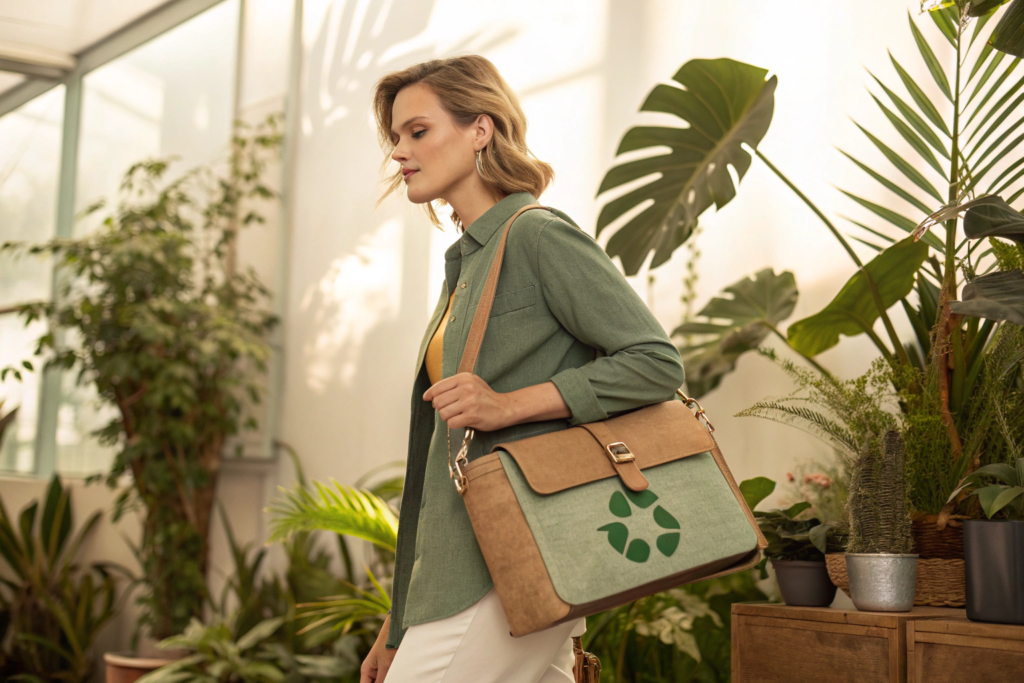
Sustainability is no longer a niche concern. It’s mainstream, especially in Europe and increasingly in the US. Consumers are asking questions. Where did this come from? What’s it made of? Who made it? Can it be recycled? Brands that can’t answer these questions are losing sales. We’ve invested heavily in sustainable materials and transparent supply chains because our clients demand it.
But here’s what’s interesting: consumers aren’t willing to compromise on style or quality for sustainability. They want it all. They want a beautiful, well-made product that also happens to be eco-friendly. The days of ugly "green" products are over. Sustainability has to be invisible. The product has to stand on its own merits first. Then the sustainability story is a bonus.
What sustainable materials are gaining traction for 2026?
Recycled polyester is now standard for many products. Organic cotton continues to grow. But we’re seeing exciting new materials too. Fibers made from agricultural waste. Bio-based synthetics. Natural dyes. The innovation is accelerating. We work with material innovators to bring these options to our clients. The key is ensuring these materials perform. A recycled fiber has to feel as good and last as long as virgin material. We test everything rigorously before offering it.
How important is supply chain transparency to modern buyers?
Extremely important. Buyers want to know not just what something is made of, but where it came from. We provide full traceability for our products. From farm to finished accessory, we can document the journey. This isn’t easy. It requires systems and partnerships. But it’s become a competitive advantage. Clients choose Shanghai Fumao Clothing partly because they trust our transparency. They know they can make bold claims about sustainability because we have the proof to back them up.
How will technology integration impact accessory design?
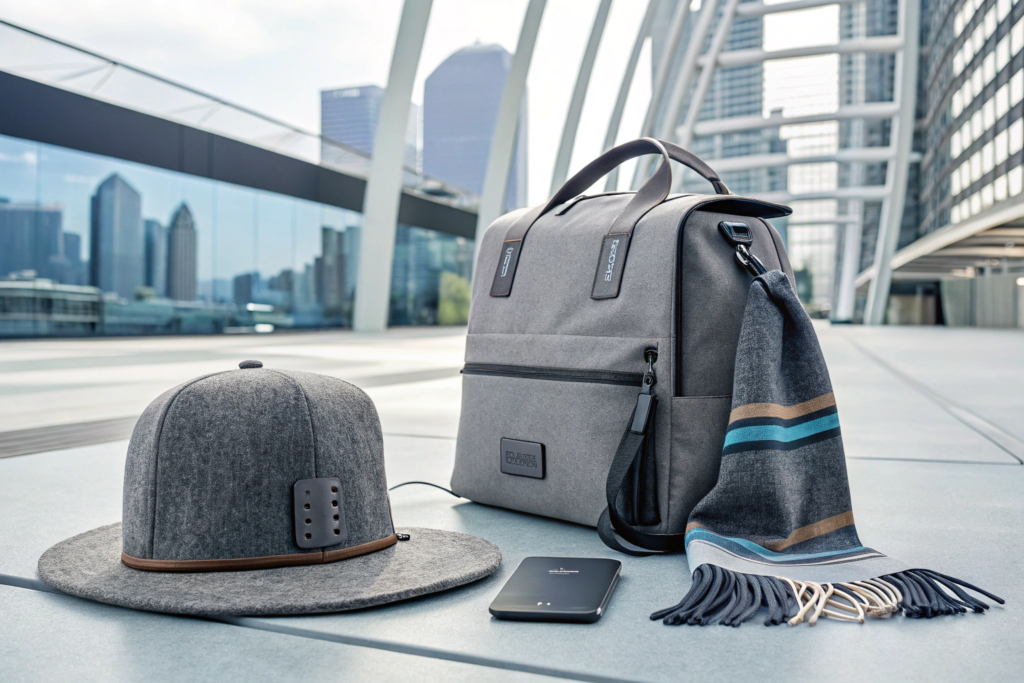
Technology is moving into accessories in ways we couldn’t have imagined a decade ago. Heated scarves and gloves are already popular in cold climates. Bags with built-in chargers are standard. But we’re seeing more sophisticated integrations. Hats with UV sensors that alert you when to reapply sunscreen. Hair clips that track stress levels. These aren’t science fiction anymore. They’re real products that real consumers are buying.
The challenge is making the technology invisible. A heated scarf has to look like a beautiful scarf first. If it looks like a piece of tech with fabric attached, it won’t sell. We work with clients to integrate technology seamlessly. The electronics have to be durable, washable, and safe. We’ve developed partnerships with tech suppliers who specialize in textile integration.
What smart accessories are expected to grow in 2026?
Heated apparel is the biggest category right now. Heated gloves, scarves, and hats for winter sports and outdoor work. Next is UV monitoring. Sun protection is a growing concern, and accessories that help people manage sun exposure are popular. We’re also seeing growth in wearable tech accessories that track health metrics but look like normal jewelry. The key is user experience. The tech has to work seamlessly and enhance the product, not complicate it.
How do you balance technology with fashion in product design?
Fashion always comes first. If it doesn’t look good, no one cares what it can do. We start with the aesthetic. What’s the trend? What colors? What materials? Then we figure out how to integrate the technology without compromising the look. This requires collaborative design between fashion designers and engineers. It’s challenging, but when it works, the products are amazing. They’re desirable objects that also happen to be smart.
How are major events and travel returning affecting accessory demand?
The pandemic crushed travel and events. Now they’re back in a big way. This has huge implications for accessories. People are buying luggage tags, travel pillows, and passport holders again. They’re buying accessories for weddings, concerts, and festivals. They’re buying gifts for the people they’re visiting. The return of social life has been a massive boost for our industry.
But it’s not just a return to pre-pandemic patterns. The way people travel has changed. More remote work means more "workcations." People are staying longer in destinations. This affects what they buy. They might need accessories that work for both sightseeing and Zoom calls. Versatility is key. Products that can transition from day to night, from casual to professional, are in high demand.
What accessory categories benefit most from increased travel?
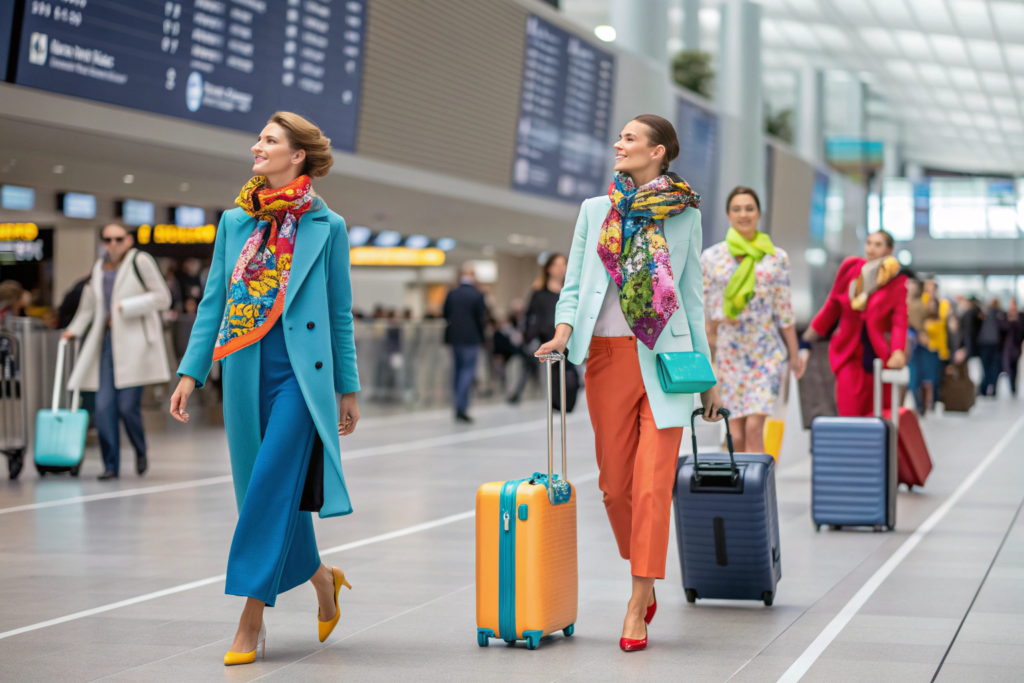
Travel accessories like luggage tags, packing cubes, and travel pouches are obvious winners. But also fashion accessories that people buy as souvenirs or to refresh their travel wardrobe. A lightweight scarf that works as a blanket on the plane and a fashion piece at dinner. A versatile hat that packs flat. We’re seeing strong demand for travel-friendly accessories that are both functional and stylish. Our clients are asking for products designed specifically with travelers in mind.
How are events and festivals driving accessory trends?
Festival fashion is its own ecosystem. Think bold, expressive pieces that stand out in a crowd. Sequined headbands, colorful hair clips, statement belts. People want to be photographed. They want to express themselves. We work with event-focused brands to create collections timed to festival seasons. The window is short but the volumes can be huge. It requires careful planning and fast production. This is where Shanghai Fumao Clothing excels.
Conclusion
The forces shaping accessory demand in 2026 are diverse and powerful. Economic uncertainty is driving the affordable luxury trend. Social media is compressing trend cycles and demanding agility. Sustainability is moving from niche to mainstream. Technology is creating new product categories. And the return of travel and events is reviving entire segments of the market.
At Shanghai Fumao Clothing, we’re not just watching these trends. We’re building our business around them. Our factory in Zhejiang is modern and flexible. Our design team stays ahead of the curve. Our project managers help clients navigate this complex landscape. If you’re planning your 2026 accessory collections and want a partner who understands what’s coming, let’s talk. Reach out to our Business Director, Elaine, at elaine@fumaoclothing.com. She’ll connect you with the right person to bring your vision to life.