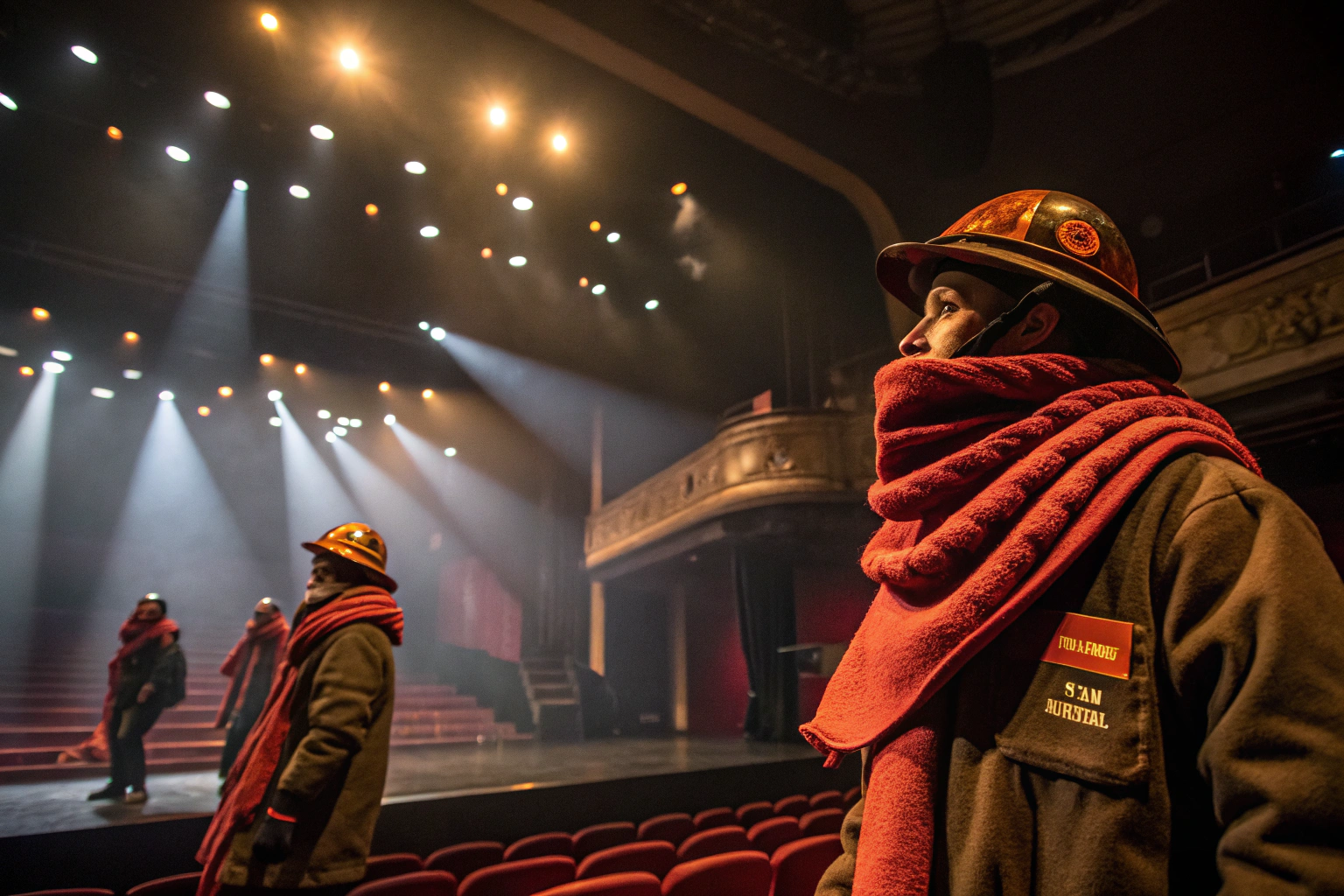
I’ll never forget the call from a Broadway costume designer about ten years ago. She needed 200 scarves for a dance number that involved pyrotechnics. Standard scarves would have gone up in flames. Literally. That conversation opened my eyes to a whole world of performance accessories I hadn’t fully appreciated before. Theater, film, concerts, dance performances all have unique safety requirements. And when fire is involved, there’s no room for compromise. You need fabrics that look right, move right, and most importantly, protect the people wearing them.
The best flame-retardant fabrics for performance accessories are inherently flame-resistant materials like modacrylic, treated wool, and certain polyester blends that meet specific safety certifications such as NFPA 701 or ASTM D6413. These fabrics combine safety with the aesthetic qualities needed for stage and screen.
I’m the owner of Shanghai Fumao Clothing, and we run AceAccessory. We’ve worked with theater companies, film studios, and performance groups around the world. Let me share what we’ve learned about keeping performers safe while looking great.
What safety certifications matter for performance accessories?
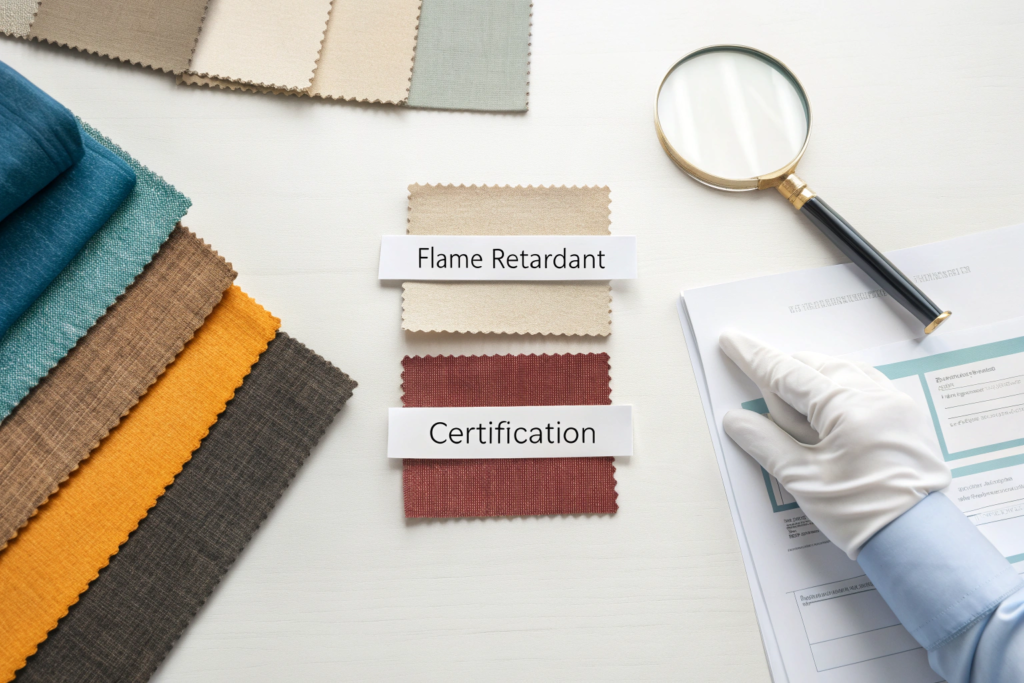
Before we talk about specific fabrics, you need to understand the standards. Different countries and different venues have different requirements. In the US, the most common standard is NFPA 701. This tests how fabrics react to flame. In the UK and Europe, you’ll often see BS 5867 or EN 13773. These aren’t just bureaucratic hurdles. They’re life-saving standards. We’ve had clients who couldn’t use their accessories in certain venues because they didn’t have the right certifications. That’s a costly lesson.
We maintain a library of certified fabrics. Every roll we buy comes with test reports. We can trace every accessory back to its fabric batch. This traceability is crucial for our performance industry clients. When a venue asks for proof of compliance, we provide it immediately. No delays, no excuses. We’ve learned that in this business, paperwork is just as important as the product itself. This dedication to safety is one reason why Shanghai Fumao Clothing is trusted by performance groups worldwide.
What is NFPA 701 and why is it important for stage accessories?
NFPA 701 is the standard test method for flame propagation of textiles and films. In simple terms, it measures how quickly fire spreads on a fabric. For stage accessories, this matters because theaters have strict fire codes. A scarf that fails NFPA 701 can’t be used in most professional venues. We test all our performance fabrics to this standard. We provide certificates with every order. This gives our clients peace of mind when they step on stage. You can learn more about fire safety in theaters from industry organizations like USITT.
How do European standards like BS 5867 differ from US requirements?
European standards are generally stricter than US standards. BS 5867 tests both flame spread and also things like thermal resistance. The testing methods are different too. A fabric that passes NFPA 701 might not automatically pass BS 5867. We maintain separate inventories for different markets. When we ship to the UK or Europe, we use fabrics specifically certified to European standards. This attention to regional requirements is why our clients keep coming back to us for their custom performance accessory needs.
Which natural fibers offer the best flame resistance?
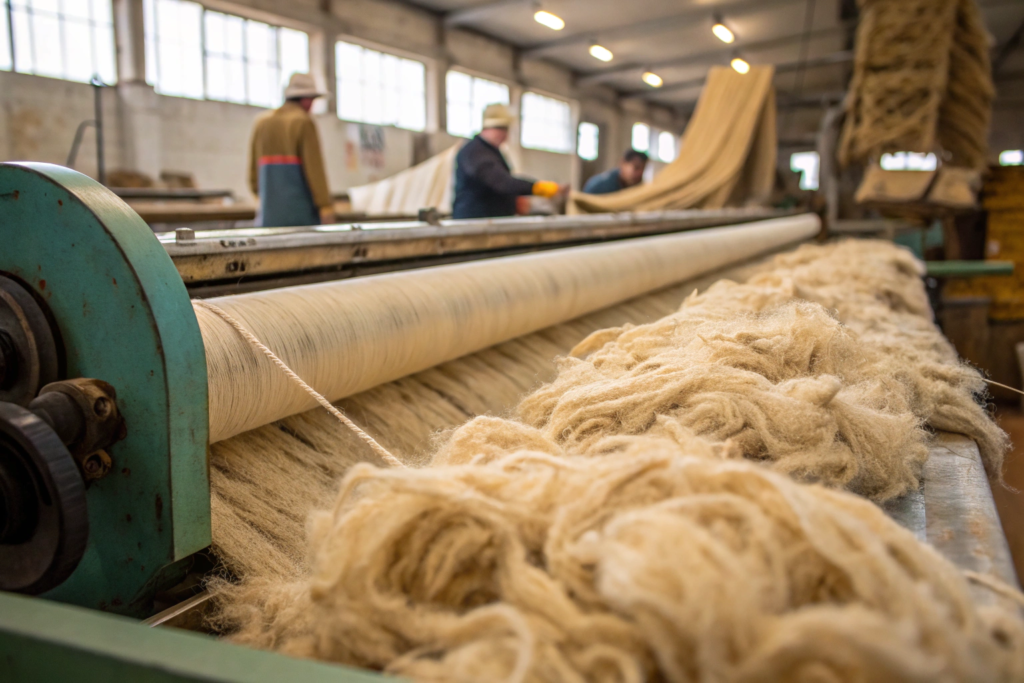
When people think of flame-resistant fabrics, they often think of synthetics. But some natural fibers perform very well. Wool is naturally flame-resistant. It’s hard to ignite, and when it does burn, it tends to self-extinguish. It also doesn’t melt like some synthetics. Melted fabric sticking to skin is a horrible injury. Wool avoids that risk entirely. For performance accessories like scarves, capes, and hats, wool is an excellent choice.
The downside of wool is cost and care. Good quality wool is expensive. It also requires careful cleaning. You can’t just toss a wool cape in a washing machine. But for high-end productions where safety and appearance matter most, wool is worth the investment. We source our wool from certified suppliers who can provide full traceability and test reports.
Why is wool considered naturally flame-resistant?
Wool has a high nitrogen and water content. It requires more oxygen to burn than is present in air. It also forms a char layer when exposed to flame. This char insulates the underlying material and slows burning. For performance accessories, this means extra seconds of protection. Seconds that can make a difference in an emergency. The International Wool Textile Organisation provides extensive research on wool’s natural properties.
How is wool treated to enhance its flame-retardant properties?
While wool is naturally flame-resistant, we can make it even safer. Some clients request additional treatment with flame-retardant chemicals. This is common for productions with very strict safety requirements. The treatment process involves applying a specialized finish that bonds to the wool fibers. It doesn’t change the look or feel much, but it adds an extra layer of protection. We work with chemical suppliers who specialize in textile treatments to ensure the finish is both effective and safe for performers.
What synthetic fibers work best for flame-retardant accessories?
Synthetics offer advantages that naturals can’t match. They’re often cheaper, more durable, and easier to care for. But not all synthetics are safe. Some, like standard polyester, can melt and drip when exposed to flame. That’s dangerous. However, specially engineered synthetic fibers like modacrylic are inherently flame-resistant. They’re designed from the molecular level to resist ignition and self-extinguish.
Modacrylic is a common choice for performance accessories. It looks and feels similar to acrylic but has built-in flame resistance. It’s used in wigs, fake fur, and many costume accessories. Another option is treated polyester. Regular polyester treated with flame-retardant chemicals can meet safety standards, though it may lose some effectiveness after washing. We help our clients choose the right synthetic based on their specific needs and budget. This expertise is part of what Shanghai Fumao Clothing brings to every project.
What is modacrylic and why is it popular for performance wear?
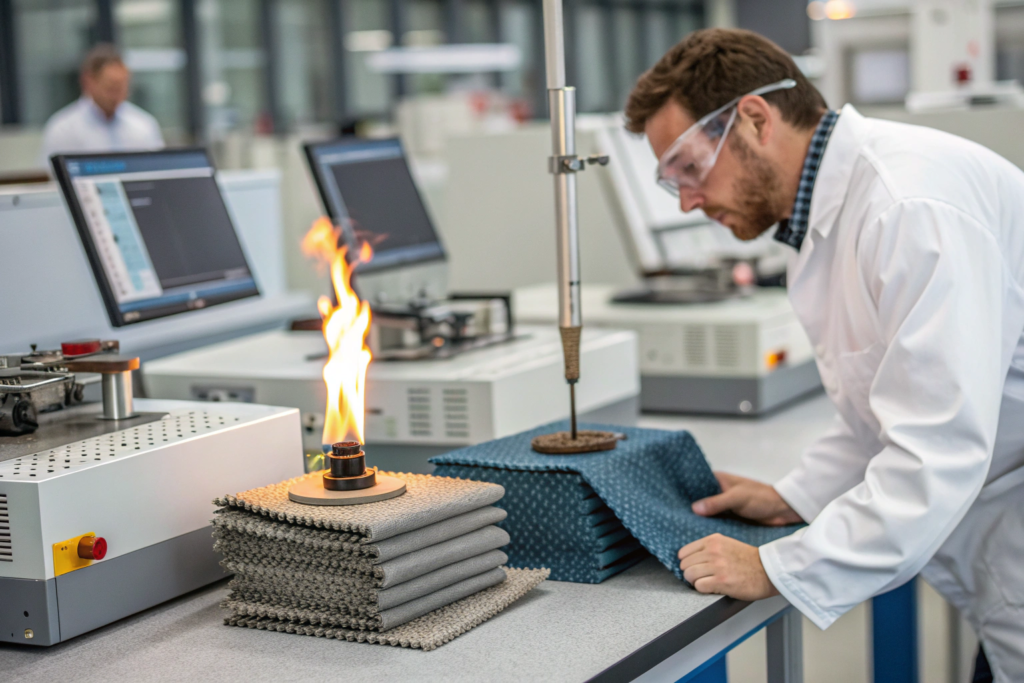
Modacrylic is a modified acrylic fiber with inherent flame resistance. It doesn’t need chemical treatment to be safe. The flame resistance is built into the fiber itself. This means it won’t wash out or wear off over time. Modacrylic is also soft, lightweight, and takes dye well. It’s commonly used in theatrical wigs and costumes. For accessories like scarves or fake fur trim, modacrylic offers excellent safety without compromising on appearance.
How do flame-retardant treatments work on polyester?
Flame-retardant treatments for polyester involve applying chemicals that interfere with the combustion process. When exposed to flame, these chemicals promote charring instead of melting. They also release compounds that dilute flammable gases. The challenge with treated polyester is durability. The treatment can wash out over time. We recommend our clients specify how often the garments will be cleaned. For items washed frequently, we might suggest inherently flame-resistant fibers instead. This is the kind of practical advice we provide to ensure long-term safety.
How do you balance flame resistance with aesthetic requirements?
The biggest challenge with flame-retardant accessories is making them look good. Some treatments can make fabric stiff or change its color. Some flame-resistant fibers don’t take dye as well as regular fibers. But performers need to look amazing under bright lights. They can’t wear something that looks or feels like safety gear. It has to look like costume pieces first, with safety as the invisible foundation.
We’ve spent years perfecting this balance. Our design team works with fabric suppliers who specialize in performance textiles. We test drape, color, and texture. We make samples and adjust until the aesthetic is right. Only then do we focus on the safety certifications. The best flame-retardant accessory is one that looks so good no one ever thinks about the safety features. They just know it’s beautiful.
Can flame-retardant fabrics achieve rich, vibrant colors?
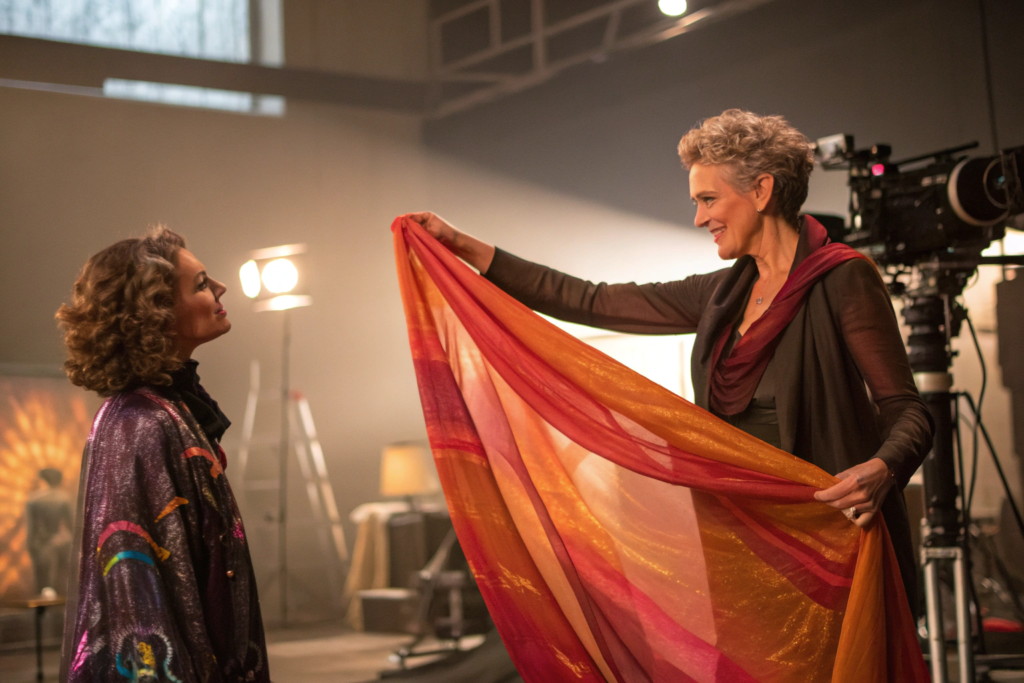
Yes, but it requires expertise. Some flame-resistant fibers are harder to dye than regular fibers. Modacrylic, for example, requires specific dyeing processes. We work with specialized dyers who understand these materials. They can achieve deep, saturated colors that hold up under stage lights. For treated fabrics, we test color fastness after treatment. The treatment shouldn’t fade or alter the color. We provide color standard samples so clients know exactly what to expect.
How does flame resistance affect fabric drape and movement?
This is a common concern. Some flame-retardant treatments can make fabric stiffer. The key is choosing the right fabric weight and construction. A lightweight modacrylic can drape beautifully. A heavy treated cotton might feel board-like. We maintain a library of fabric samples so clients can feel the difference. For performance accessories like flowing scarves or capes, drape is critical. We help clients select fabrics that move gracefully while meeting all safety requirements.
What testing should you require before ordering performance accessories?
Testing is not optional for performance accessories. You need proof that the materials meet the required standards. But not all testing is the same. Some suppliers will show you a test report for the fabric, but that doesn’t guarantee the finished accessory passes. The sewing thread, the labels, the trim all need to be flame-resistant too. A single flammable thread can ruin the safety of an entire garment.
We test finished products, not just raw materials. We send samples to independent labs. We get certificates for every production run. We keep records for years. This documentation protects our clients and us. If a venue asks for proof, we have it ready. If a client has their own testing requirements, we accommodate them. We’ve never had a product fail a safety test, and we intend to keep it that way. This commitment to thorough testing is why Shanghai Fumao Clothing is a trusted partner for performance groups.

Should you test raw materials or finished products?
Always test finished products. The raw fabric might be flame-resistant, but the thread might not be. The label might be flammable. The care tag might burn. Everything that goes into the accessory affects its safety. We recommend third-party testing of finished samples before mass production. This catches any issues early. We also do in-process testing during production. Random samples from each batch are tested to ensure consistency. This comprehensive approach ensures your performance accessories are truly safe.
How often should flame-retardant accessories be retested?
This depends on how they’re used and cleaned. Washing can affect some treatments. If an accessory is washed frequently, it may need retesting after a certain number of cycles. We advise our clients on proper care to maintain flame resistance. For items that are dry-cleaned only, the protection lasts longer. We provide care instructions with every order. For long-running productions, we recommend periodic retesting, maybe annually, to ensure safety standards are still met.
Conclusion
Flame-retardant fabrics for performance accessories are a specialized field. You need materials that meet strict safety standards while looking beautiful on stage. Wool offers natural protection with luxurious feel. Modacrylic provides inherent flame resistance with excellent dyeability. Treated synthetics can work for some applications but require careful consideration of durability. The key is working with a supplier who understands both the safety requirements and the aesthetic demands of performance.
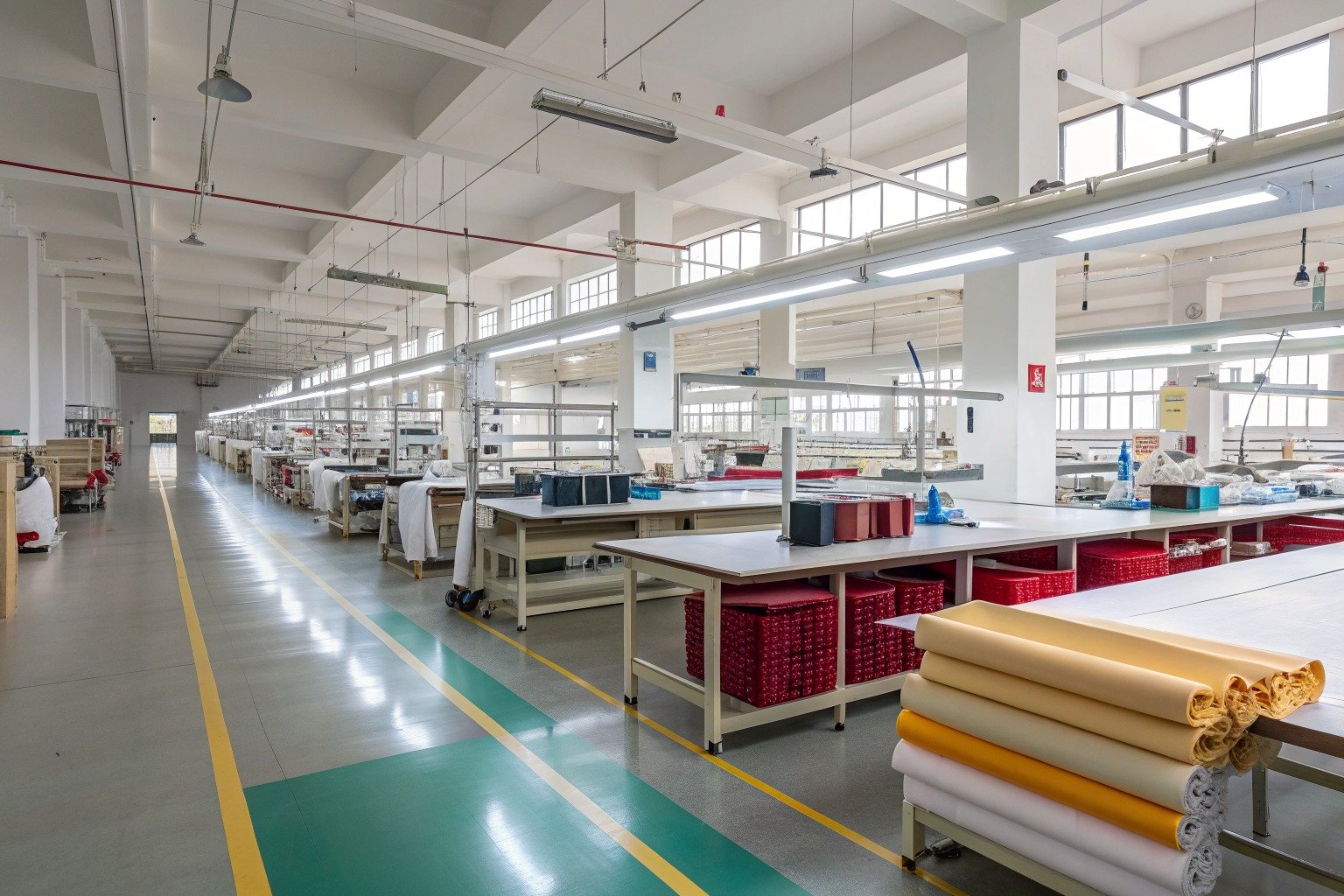
At AceAccessory, we’ve been serving the performance industry for years. Our factory in Zhejiang is modern and clean. Our design team understands theatrical needs. Our quality control team tests every batch against the required standards. We provide full documentation and traceability. If you’re producing accessories for stage, screen, or any performance involving fire, we’re ready to help. Reach out to our Business Director, Elaine, at elaine@fumaoclothing.com. She’ll connect you with a project manager who understands the unique demands of your industry.