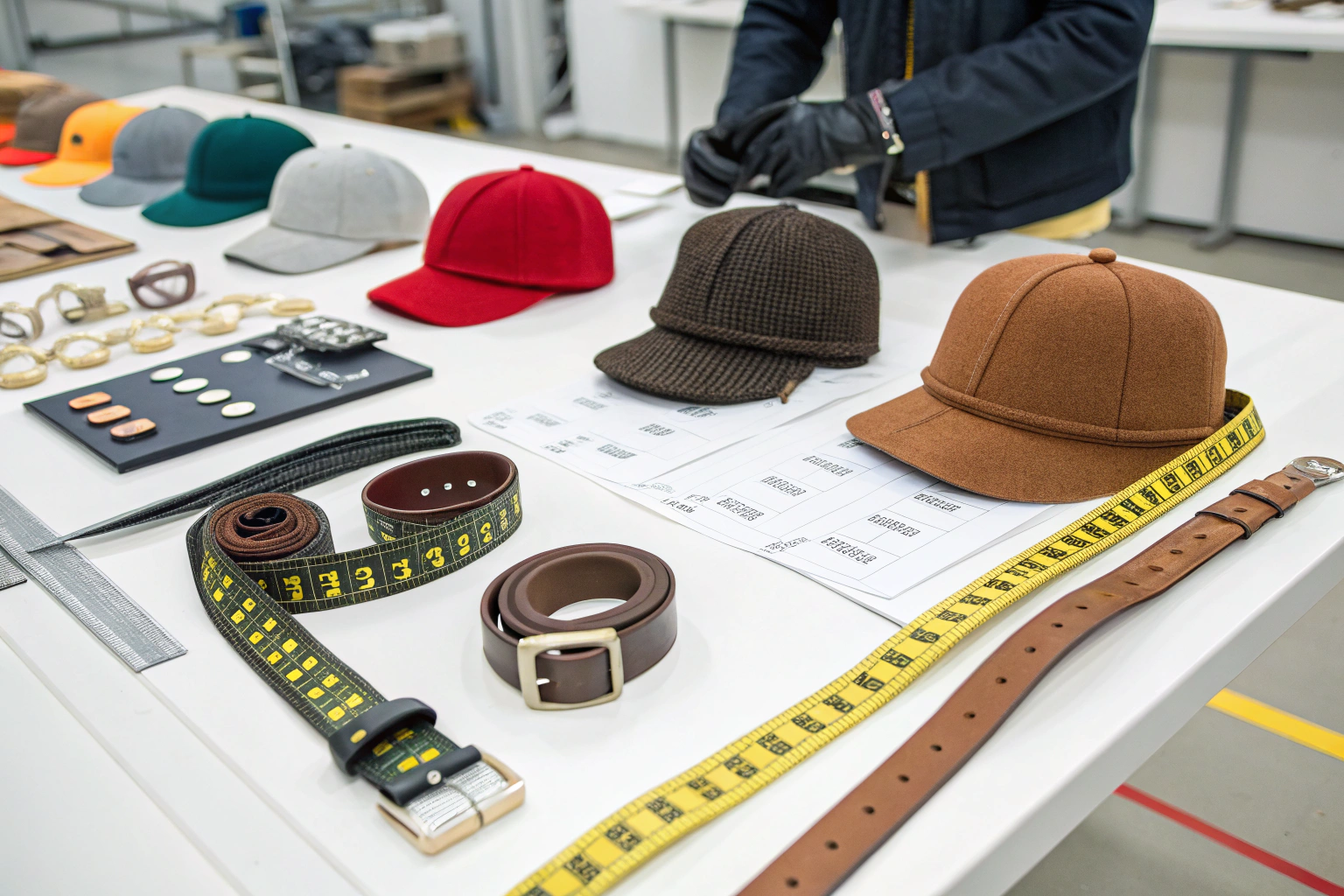
I’ve been in this business long enough to remember the phone call that still makes me cringe. A client in Germany received 5,000 beautifully made beanies. They were perfect in every way except one. They were too small for the average European head. The client had to sell them at a discount. We lost money on the return shipping. And worst of all, we lost a bit of trust that day. That was years ago, and I’ve never forgotten the lesson. Sizing for global markets is not something you can guess at. You need data, you need standards, and you need a partner who understands the differences between markets.
Ensuring correct sizing for global markets requires understanding regional body measurements, using standardized size charts, creating precise tech packs, and producing accurate fit samples before mass production. Working with an experienced manufacturer who has served multiple markets is your best guarantee of getting it right.
I’m the owner of Shanghai Fumao Clothing, and we run AceAccessory. We ship to North America, Europe, and increasingly to other markets. Every region has its own expectations. Let me walk you through how we handle sizing to make sure our clients never have to make that painful phone call I made years ago.
What are the key differences in sizing between US, European, and Asian markets?
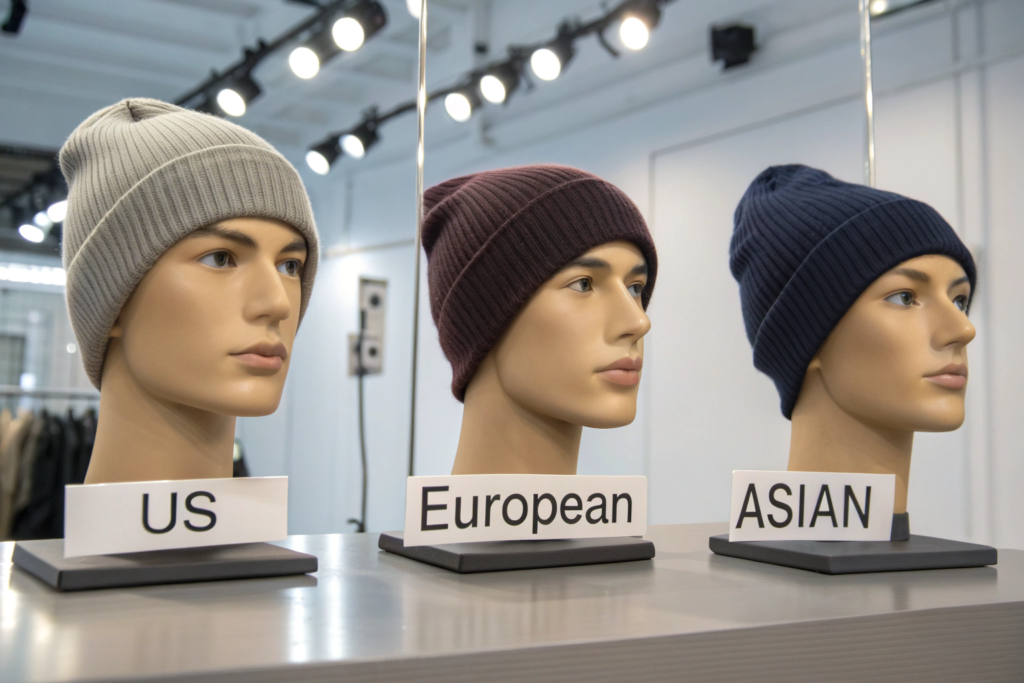
The biggest mistake I see buyers make is assuming that a size "Medium" means the same thing everywhere. It does not. In the US, head sizes tend to be larger on average. In parts of Asia, the average head size is smaller. This isn’t about stereotypes. It’s about real data collected over decades of clothing manufacturing. For example, the average US head circumference for adults is around 22.5 inches. In some Asian markets, the average is closer to 21.5 inches. That one inch difference can make a hat unwearable.
The same applies to other accessories. Glove sizes vary significantly. Belt lengths need to be adjusted. Even hair accessories like headbands need different tensions for different markets. A headband that fits perfectly in Japan might feel too tight in the US. We maintain separate size charts for each major market we serve. We don’t guess. We use data from our years of production experience. When a new client comes to us, we ask where they’re selling. Then we pull up the right size chart for that market and start the discussion from there. This is one of the many ways Shanghai Fumao Clothing adds value for our global clients.
How do head circumference measurements vary across major markets?
Let me give you specific numbers. In the US and Canada, the average adult head circumference is 22 to 23 inches. In the UK and much of Europe, it’s 21.5 to 22.5 inches. In Japan and Korea, it’s often 21 to 22 inches. These aren’t huge differences, but they matter. When we produce beanies and knit hats for a US client, we use a different block size than for a Japanese client. We also consider depth, not just circumference. European styles often prefer a deeper fit that covers the ears completely. Some Asian markets prefer a shallower, more fitted look. We track all of this in our global sizing database. You can also find useful resources on body measurements from organizations like the American Society for Testing and Materials.
What about glove and belt sizing variations between regions?
Gloves are tricky because hand shapes vary. US and European hands tend to be broader. Asian hands are often narrower but can be longer relative to width. We use different grading rules for each market. For leather gloves, we offer more width options for US clients. For belts, the key difference is where people wear them. In the US, many people wear belts at the hip. In parts of Europe and Asia, they’re worn higher at the natural waist. This changes the length needed. A belt that fits at the hip will be too long if worn at the waist. We ask our clients detailed questions about intended use and target market before we cut any leather. Industry publications like Just-Style often cover these regional fitting trends.
How do you create accurate tech packs with proper size specifications?
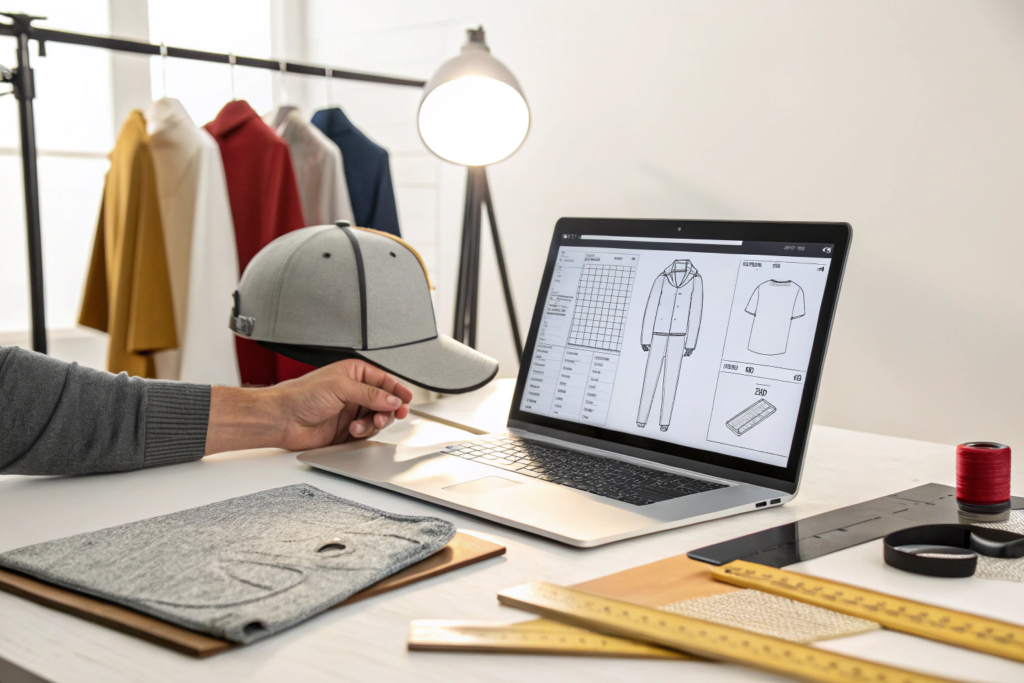
A tech pack is your product’s blueprint. It tells us exactly how to make it. But a tech pack is only as good as the information you put into it. I’ve received tech packs that just say "One Size" with no measurements. That’s a disaster waiting to happen. One size does not fit all. Even if you’re making a one-size-fits-most product, you need to define what that means. What’s the maximum stretch? What’s the intended fit range? Without these details, we’re guessing. And guessing leads to mistakes.
We work with our clients to build detailed tech packs. We include measurements for every critical point. For a hat, that’s circumference, crown height, brim width. For a glove, it’s palm width, middle finger length, overall length. We also include tolerances. In manufacturing, nothing is perfect every time. You need to know what’s acceptable. Plus or minus half an inch? Plus or minus a quarter inch? We define this upfront so there’s no confusion later. This attention to detail is why brands trust us with their custom accessory production.
What measurements must be included in a hat or cap tech pack?
For any hat, you need at least five measurements. First, the hat circumference. This is the most important. Second, the crown height, from the brim to the top. Third, the brim width if there is one. Fourth, the sweatband width, which affects comfort. Fifth, the fit range if the hat has elastic or stretch. For baseball caps, we also measure the closure type and length. A strapback cap needs a different spec than a fitted cap. We provide our clients with standardized measurement guides so they know exactly what information we need. You can also find helpful templates from organizations like the Fashiondex.
How do you specify tolerances for stretchy accessories like knit beanies?
Stretchy items are harder to spec than rigid ones. A knit beanie might stretch from 18 inches to 24 inches. So what’s the correct size? We define the "relaxed" measurement and the "stretched" measurement. We also specify the intended fit. Is this a slouchy beanie meant to be loose? Or a tight-fitting running beanie? The yarn and stitch pattern affect stretch too. We work with our quality control team to test every batch of knit goods. We measure them relaxed, we stretch them, and we make sure they return to the right shape. This testing ensures consistency even with stretchy materials. Resources from the Textile Institute can provide deeper insights into fabric behavior.
Why is fit sampling critical before mass production?
You cannot skip the sampling stage. I don’t care how urgent your order is. You need to see the product on a real person before you commit to thousands of units. A photo on a flat surface tells you nothing about fit. You need to put it on a head, on a hand, around a waist. We insist on this with every client. Some push back because they’re in a hurry. We push back harder. We’d rather lose a rushed order than ship a bad one.
We do multiple rounds of sampling when needed. First, a proto sample to check the basic construction. Then a fit sample on a real person. Sometimes a second fit sample if we made adjustments. Only when the client says "this fits perfectly" do we move to production. We also keep a library of fit models with different head shapes and sizes. We don’t just use one model. We test on multiple people to make sure the size works for a range of customers. This commitment to proper fitting is a cornerstone of the Shanghai Fumao Clothing philosophy.

How many fit samples are typically needed for a new accessory design?
It depends on the complexity. For a simple scarf with no shaping, one sample might be enough. For a structured baseball cap, we often need two or three. The first sample confirms the pattern is right. The second sample adjusts for any issues. Sometimes we need a third if there are major changes. We also recommend size set samples for clients offering multiple sizes. This means producing one sample in each size to check the grading. Is the large actually larger than the medium? Is the grading consistent? These samples catch problems before they become expensive mistakes. Sourcing Journal frequently discusses best practices in sampling.
What should you look for when fitting samples on real people?
Look for pressure points. Does the hat leave a red mark on the forehead? That means it’s too tight. Does it slide down over the eyes? That means it’s too loose or the crown is too shallow. For gloves, can the wearer make a fist comfortably? Do the fingers line up with the tips? For belts, where does it sit on the waist? Is there enough extra length for different body types? We take photos and videos of every fit session. We share them with the client. We ask for their feedback. This collaborative fitting process ensures the final product works for real people, not just on paper. Ergonomic fitting guides from Cornell University’s Ergonomics Web can also be insightful.
How can a supplier’s experience prevent sizing disasters?
Experience matters more than almost anything else in manufacturing. A new factory might follow your tech pack exactly and still get it wrong because they don’t understand the nuances. An experienced factory reads your tech pack and then asks the right questions. "You specified a 22-inch circumference. Is that before or after washing? Some cottons shrink. Do you want us to preshrink the fabric?" These questions save you from disasters.
At AceAccessory, we’ve been making accessories for over 15 years. We’ve shipped to Walmart in the US, to department stores in Europe, to boutiques in Japan. We’ve learned the hard way what works and what doesn’t. We know that European sizing often runs smaller than US sizing. We know that some fabrics relax after shipping in a container. We know that a hat that fits in winter with thick hair might be loose in summer. We share this knowledge with our clients. It’s part of our service. This is the kind of expertise you get when you partner with a seasoned manufacturer.

What questions should you ask a potential factory about their sizing expertise?
Ask them directly: "What markets do you normally produce for?" If they only produce for local Chinese brands, they might not understand US sizing. Ask for their size charts. Compare them to industry standards. Ask about their sampling process. Do they have fit models? Do they test on multiple people? Ask about quality control for sizing. Do they measure every piece or just a sample? How do they handle returns due to sizing issues? A good factory will have clear answers. A bad factory will be vague. We at Shanghai Fumao Clothing welcome these questions because we have nothing to hide. You can also consult QIMA for insights on factory auditing and quality control standards.
How does material selection impact final fit and sizing?
Material choice is huge. A 100% cotton hat will behave differently than a polyester blend. Cotton can shrink. Wool can stretch when wet. Synthetics hold their shape better but might not breathe as well. When we help clients select materials, we always discuss the impact on sizing. If you want a precise fit, choose stable fabrics with minimal stretch. If you want one-size-fits-most, choose knits with good recovery. We also consider the finishing processes. Some fabrics are treated to resist shrinking. Others are not. We explain these tradeoffs so you can make an informed decision. Organizations like Textile Exchange provide excellent resources on material properties and standards.
Conclusion
Getting sizing right for global markets is not complicated, but it requires attention to detail. You need to understand the differences between US, European, and Asian body types. You need to create detailed tech packs with clear measurements and tolerances. You need to insist on fit samples tested on real people. And most importantly, you need a partner with the experience to guide you through the process. Sizing mistakes are expensive. They cost you sales, they cost you returns, and they cost you customer trust.
At Shanghai Fumao Clothing, we’ve made those mistakes so you don’t have to. Our factory in Zhejiang is modern and clean. Our project managers have decades of combined experience. Our quality control team measures every batch against your approved samples. We’re here to help you get it right the first time, every time. If you’re planning a new accessory line and you want to avoid sizing headaches, let’s talk. Reach out to our Business Director, Elaine, at elaine@fumaoclothing.com. She’ll connect you with a project manager who understands your market and your needs.