As the owner of a fashion accessory company that has been manufacturing in China for over 20 years, I often get asked by clients like Ron, "Why this specific location? What makes one province better than another?" It’s a smart question. For anyone importing from China, understanding the where is just as important as the what. The problem many importers face is viewing China as a monolith, not realizing that specific regions have unique industrial DNA. This can lead to sourcing from a less-than-ideal location, resulting in higher costs, lower quality, and logistical headaches.
Zhejiang is a world-class hub for scarf and shawl production because it offers an unparalleled ecosystem of specialized textile clusters, a deep-rooted heritage in silk and fabric craftsmanship, and direct access to some of the world’s most advanced logistics and port infrastructure. It’s not just a place to make things; it’s a fully integrated supply chain solution.
Many people know Zhejiang is a manufacturing powerhouse, but they don’t always understand the specific advantages it offers for the fashion accessory market. It’s more than just a collection of factories. It’s a dynamic environment where centuries of textile knowledge meet cutting-edge technology. At Shanghai Fumao Clothing, our location in this region is a strategic advantage that we leverage for every client. Let’s dive into the specific reasons why Zhejiang is the premier choice for your scarf and shawl production.
What Are Zhejiang’s Specialized Textile Clusters?
The biggest pain point for any product developer is sourcing the right materials efficiently. Imagine having to fly to one city for yarn, drive to another for weaving, and then find a third for dyeing and printing. It’s a logistical nightmare that wastes time and money. This is the problem that Zhejiang’s industrial clusters solve.
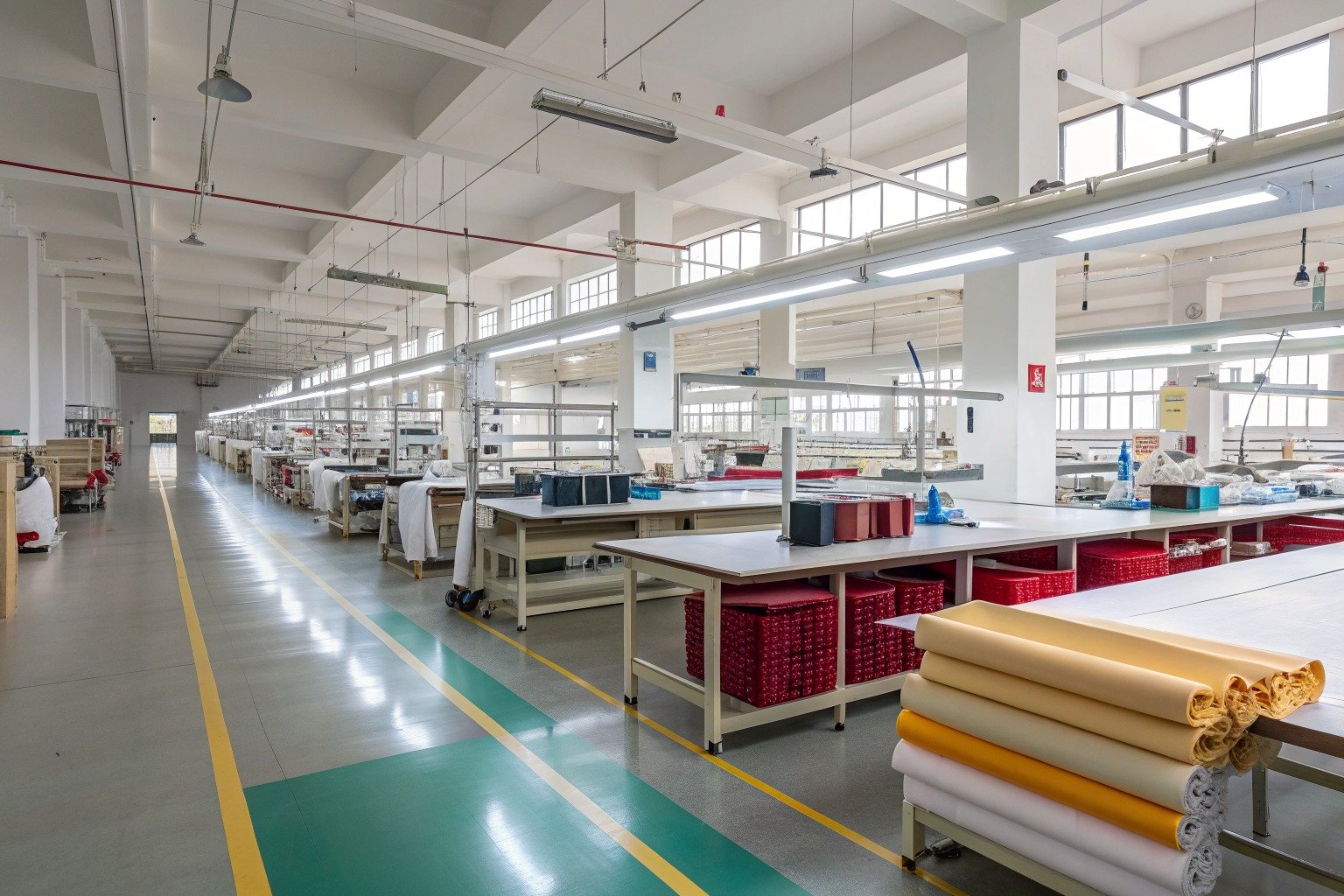
Zhejiang is famous for its highly specialized "one town, one industry" model. For textiles, this is a massive advantage. The city of Keqiao is home to the China Textile City, the largest fabric wholesale market in the world. Here, you can find virtually any fabric imaginable, from basic cottons to exotic blends. Nearby, Shengzhou is known as the "Capital of Neckties and Scarves," with an entire economy built around this specific niche. Shaoxing is a hub for dyeing and printing, while Tongxiang is a center for wool and cashmere knitting. This hyper-specialization creates an ecosystem of deep expertise and intense competition, which drives innovation, quality, and cost-effectiveness.
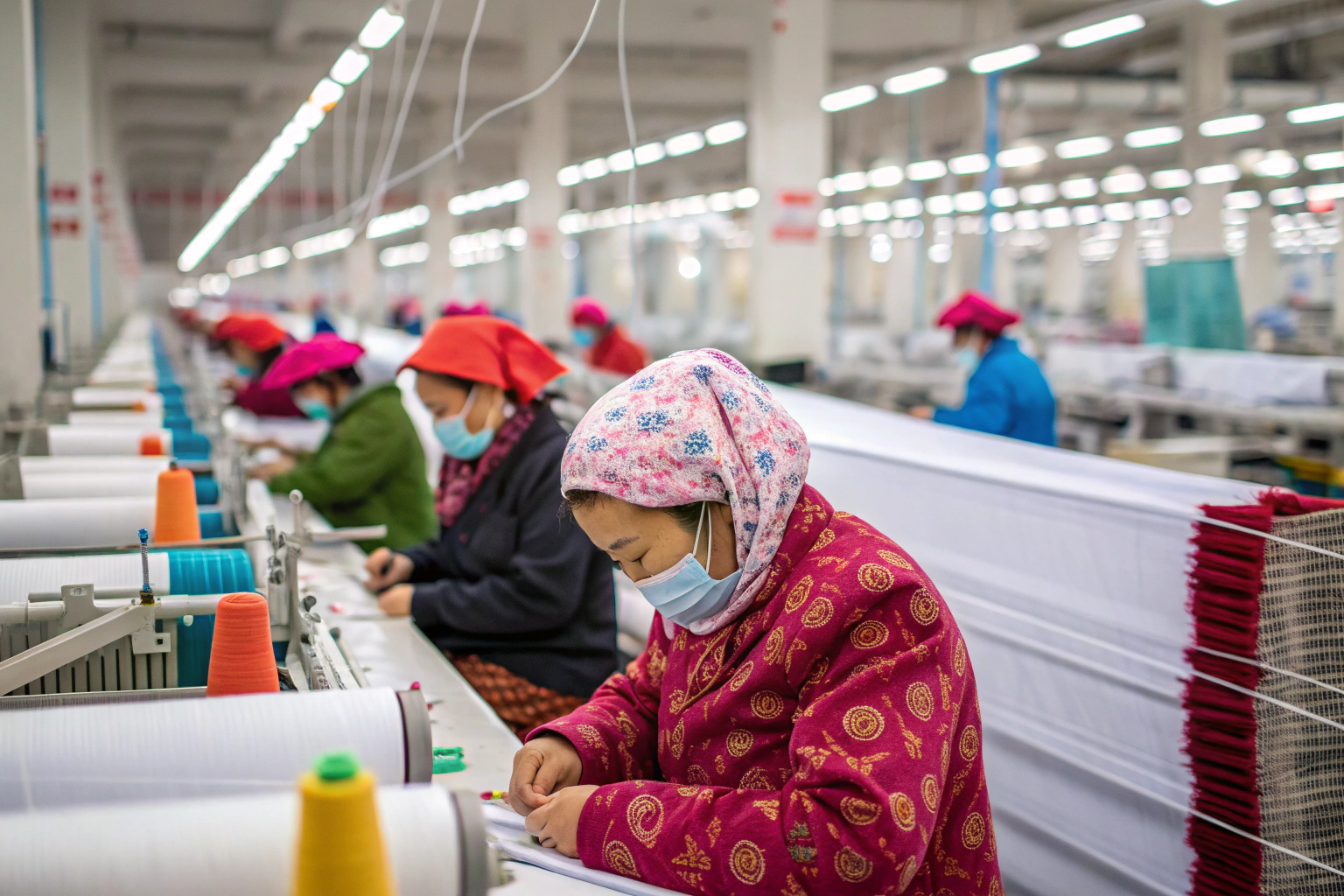
For our clients, this means unparalleled speed and flexibility. When we’re developing a new scarf, our design team can source dozens of fabric options in a single afternoon. We can get custom colors dyed in days, not weeks. If a client wants to switch from a silk blend to a modal blend, the new material is readily available from a trusted local supplier. This concentration of resources, from raw materials to finished goods, drastically shortens the development timeline and allows for rapid prototyping. It’s a key reason why we can offer the "fast development" and "fast production" that our clients value.
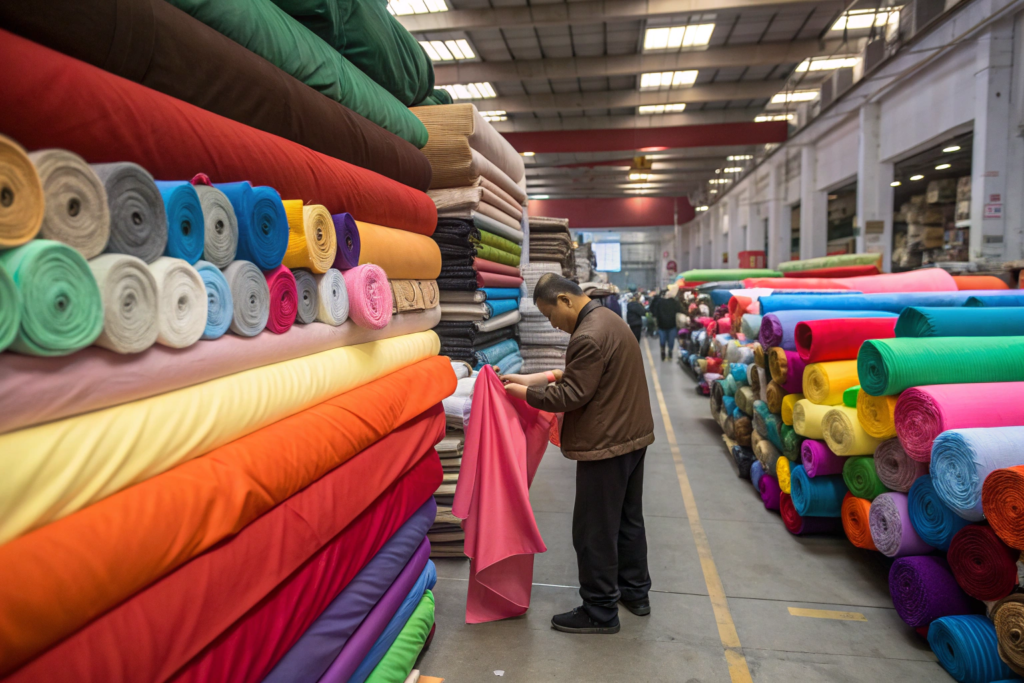
What is the China Textile City in Keqiao?
The China Textile City is a colossal wholesale market complex in Keqiao district, Shaoxing. It’s not just one building but a sprawling district with over 30,000 businesses dealing in fabrics, home textiles, and raw materials. It’s a vital hub for the global textile industry where designers and manufacturers from all over the world come to source materials, spot trends, and connect with suppliers.
What is an industrial cluster?
An industrial cluster is a geographic concentration of interconnected companies and institutions in a particular field. As defined by Harvard Business School professor Michael Porter, these clusters increase productivity, drive innovation, and stimulate new business formation. Zhejiang’s textile clusters are a textbook example, creating a powerful competitive advantage for the entire region.
How Does Zhejiang’s Heritage Influence Quality?
Quality isn’t just about modern machines; it’s about knowledge passed down through generations. A common misconception is that Chinese manufacturing is only about speed and scale. But in Zhejiang, there’s a deep-rooted culture of textile craftsmanship. The provincial capital, Hangzhou, was the historic heart of China’s silk production, famous for its imperial brocades for centuries. This isn’t just a historical footnote; it’s living knowledge.
This heritage translates into a workforce with an innate understanding of fabric. There’s a multi-generational expertise in everything from silk cultivation and weaving to the complex art of dyeing. This "know-how" is invaluable. It means our factory technicians understand how different fibers will react to a dye bath, how to finish a hem on a delicate silk scarf for the perfect drape, or how to set up a loom for a complex jacquard weave. This is a level of skill that can’t be learned from a manual; it’s absorbed over a lifetime.
At Shanghai Fumao Clothing, we bridge this heritage with modern quality control. We combine the artisan’s eye for detail with rigorous, standardized QC processes. Our quality control team, for example, understands the subtle difference between a natural linen slub and a weaving defect—a distinction that a less experienced team might miss. This fusion of historical craftsmanship and modern management is what allows us to produce accessories that have both character and consistency.
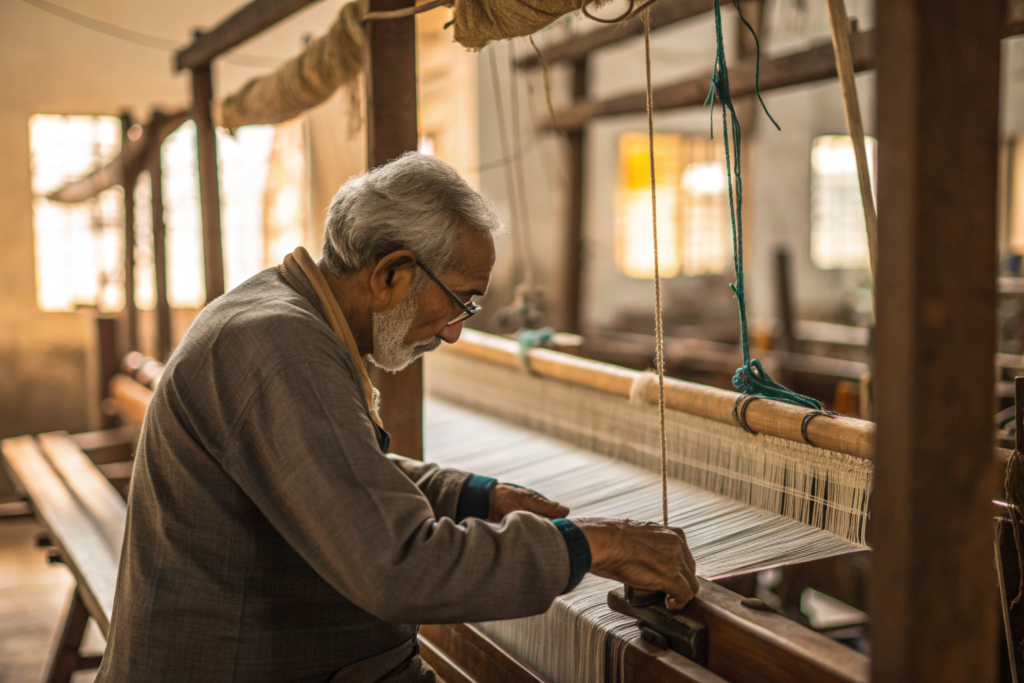
What is Hangzhou’s connection to silk?
Hangzhou has been a center of the Chinese silk industry for over 2,000 years. During the Southern Song Dynasty, it was the capital and its silk was reserved for the imperial court. The city is home to the China National Silk Museum and continues to be a major center for silk research, design, and production, carrying on a legacy of exceptional quality.
What is a jacquard weave?
A jacquard weave is a highly complex pattern that is woven directly into the fabric, rather than being printed on top. It’s created on a special loom, invented by Joseph Marie Jacquard, that allows for individual control over hundreds of warp threads. This technology makes it possible to create intricate and detailed designs, like paisley or damask, and is a hallmark of high-end scarves and shawls. The Victoria and Albert Museum has extensive resources on its history and impact.
What Is the Role of Zhejiang’s Port and Logistics?
You can produce the best scarf in the world, but if you can’t ship it efficiently, on time, and at a reasonable cost, it doesn’t matter. For our clients in North America and Europe, logistical pain points like sailing schedules, timeliness, and cost are major concerns. This is where Zhejiang’s geographical advantage becomes undeniable.
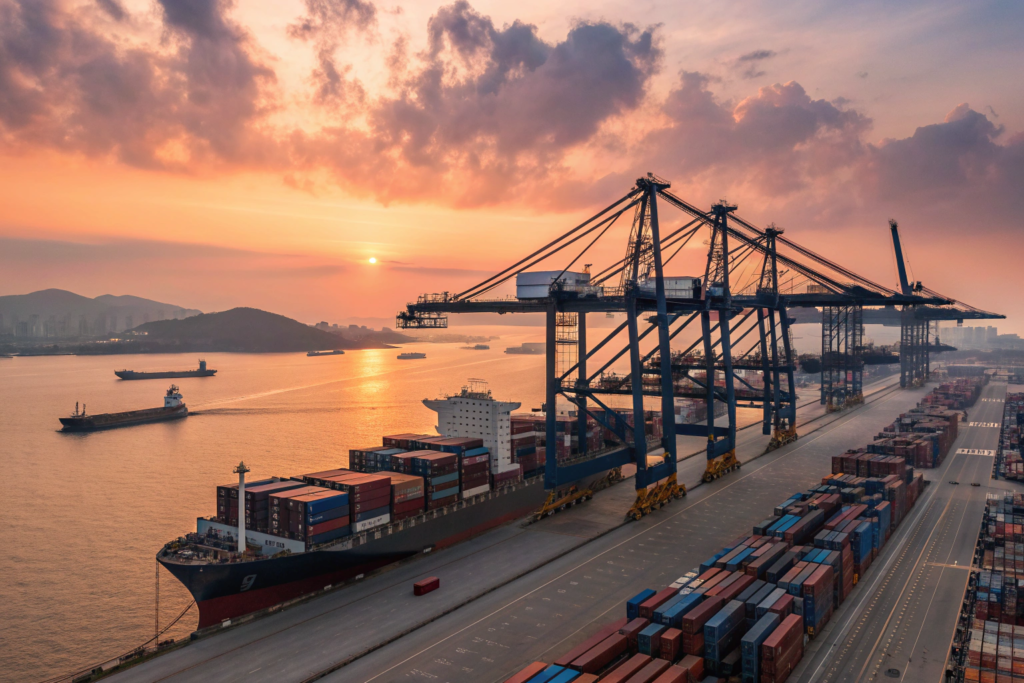
Zhejiang is home to the Port of Ningbo-Zhoushan, which has been the busiest port in the world by cargo tonnage for over a decade. It also has close proximity to the Port of Shanghai, another global giant. This means there are more ships, more routes, and more frequent sailings to every major destination in the world than from almost any other region. This intense competition among shipping lines helps keep costs down and provides immense flexibility. If a shipment misses one vessel, there’s another one leaving in a day, not a week.
This world-class infrastructure directly benefits our clients. It allows us to provide reliable and timely delivery, minimizing delays that can disrupt a brand’s sales season. Our experienced project managers are experts at navigating this system, handling everything from factory-to-port trucking to customs clearance. We can consolidate shipments, find the best routes, and provide our clients with clear, predictable shipping schedules. This integrated logistics network removes a huge burden from our clients, allowing them to focus on marketing and sales, confident that their products will arrive as planned.
How big is the Port of Ningbo-Zhoushan?
The Port of Ningbo-Zhoushan is colossal. It’s a deep-water port with over 600 berths and trade connections to more than 600 ports in over 100 countries. In 2023, it handled over 1.3 billion metric tons of cargo. Its sheer scale and efficiency are a cornerstone of global trade and a massive asset for any manufacturer in the region, as detailed by maritime news outlets like Marine Insight.
What is "customs clearance"?
Customs clearance is the process of getting goods through the customs authority to enter or leave a country. It involves preparing and submitting a lot of documentation, such as invoices, packing lists, and bills of lading, and paying any applicable duties and taxes. It can be a complex process, and errors can lead to significant delays. An experienced exporter or freight forwarder manages this process to ensure a smooth transit.
Conclusion
Choosing a manufacturing location is one of the most important strategic decisions an import brand will make. When it comes to scarves, shawls, and other textile accessories, Zhejiang province isn’t just an option; it is the optimal option. The unparalleled synergy of its specialized fabric markets, the deep-rooted heritage of craftsmanship that informs its quality, and its world-leading port infrastructure create a complete ecosystem built for success.
For over two decades, we have built our business in the heart of this dynamic region. We are proud to be a part of this legacy and to offer our clients direct access to all the advantages Zhejiang provides. Our team is ready to be your on-the-ground partner, providing the timely, professional, and reliable service you need to bring your vision to market.
If you’re looking for a production partner that offers more than just a factory, but a true supply chain solution, let’s connect. Contact our Business Director, Elaine, at elaine@fumaoclothing.com to learn how we can