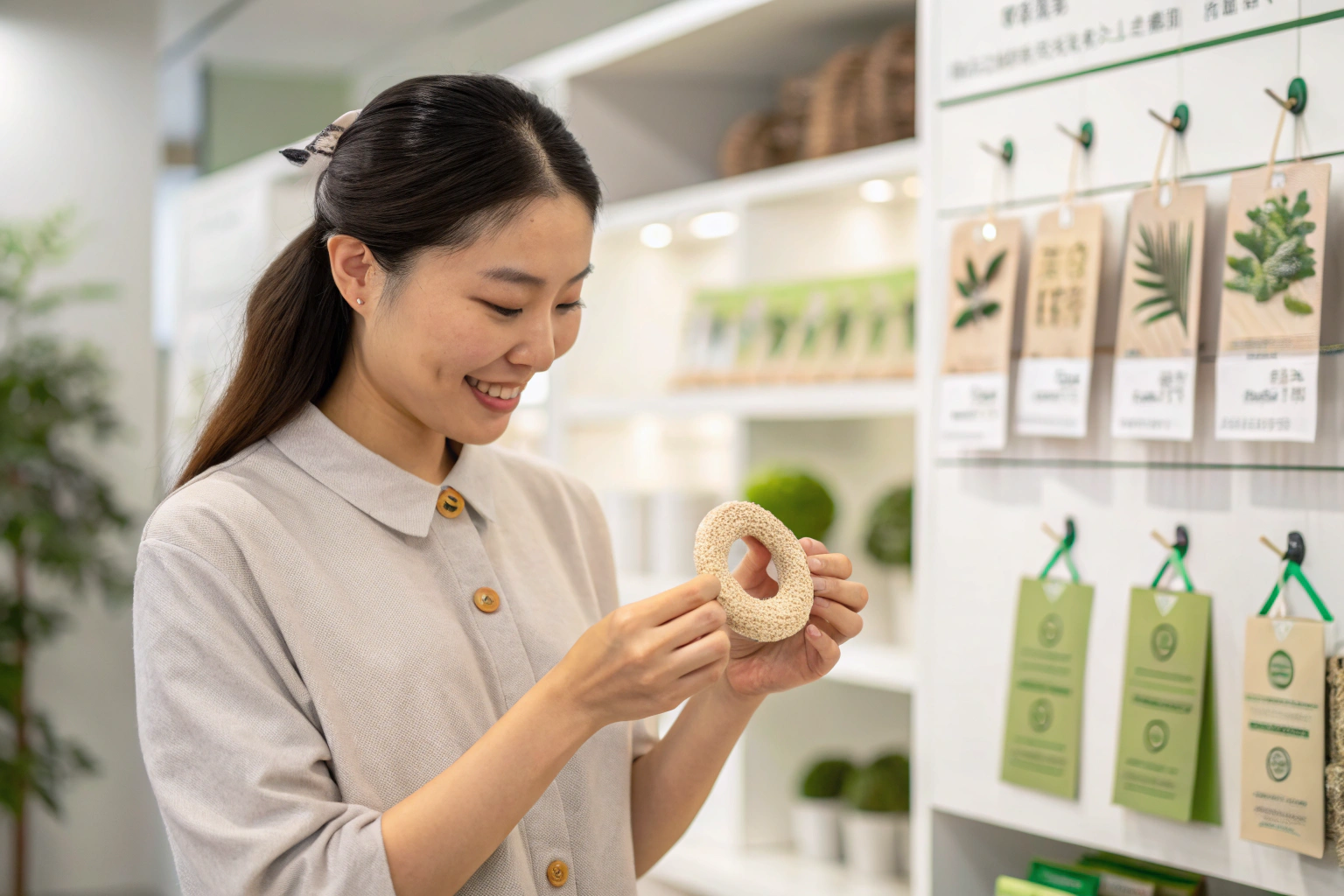
Last year, a buyer from a major California-based wellness brand called me. She was frustrated. Her company had committed to using 100 percent sustainable materials by 2025. She needed to replace her standard polyester hair scrunchies and plastic hair claws with something natural. She tried corn fiber. It was too brittle. She tried hemp. It was too rough on fine hair. She called me almost ready to give up. "Is there actually a natural material that performs like synthetic?" she asked. I told her, "Yes. You just haven’t tried organic bamboo."
The benefits of using organic bamboo in hair accessory production are extraordinary softness, natural antibacterial properties, moisture wicking ability, biodegradability, and ultra-fast renewability. Bamboo viscose feels like cashmere against the scalp but costs a fraction of the price. It does not snag or pull delicate hair. It keeps the wearer cool in summer and warm in winter. And when the customer finally throws it away, it returns to the earth in months, not centuries.
I have been in this industry for over two decades. I have seen trends come and go. I have seen microfiber, recycled polyester, and even pineapple leather. But I have never seen a material win over consumers as quickly as bamboo. It is not just a marketing word. It is a genuinely superior fiber for hair accessories. When we first developed our bamboo hair band collection five years ago, I was skeptical. Now, bamboo accounts for nearly 40 percent of our hair accessory production. Let me explain why this matters for you and your customers.
What Makes Organic Bamboo Different From Standard Bamboo?
Ron is careful with marketing claims. He has seen "bamboo" products that felt like stiff cardboard. He has seen "eco-friendly" labels that were just green paint on plastic. He asked me directly, "Is bamboo actually better, or is it just another buzzword?" I appreciated his skepticism. It told me he was a serious buyer. I answered him honestly.
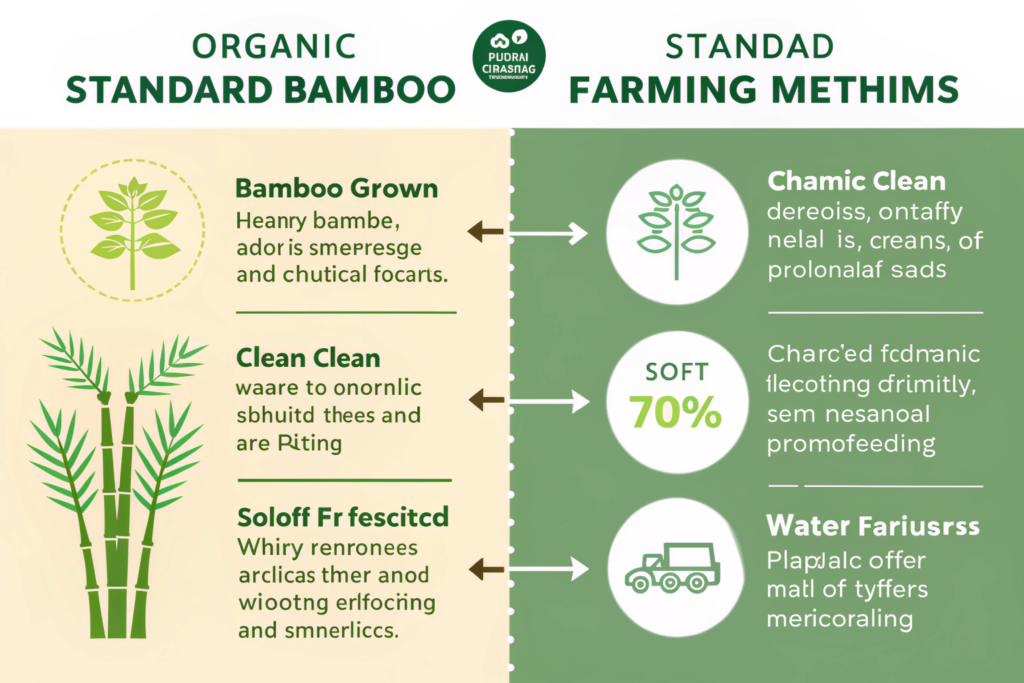
Organic bamboo is grown without pesticides or chemical fertilizers. Standard bamboo farming often uses heavy chemicals. Organic certification guarantees the soil and water are clean. But more importantly, the processing method matters. Mechanically processed bamboo linen is stiff and coarse. Chemically processed bamboo viscose is silky and soft. We use the closed-loop viscose method. It captures and reuses 99 percent of the solvents. You get the softness of rayon with the ethics of organic farming.
There is massive confusion in the market about bamboo. Let me clarify. Bamboo linen is made by crushing the woody stalks and using natural enzymes to break down the pulp. This is mechanically intensive. The fibers are short and stiff. It is rarely used for apparel or accessories. Bamboo viscose is made by dissolving the cellulose with solvents and extruding it through a spinneret. This creates long, continuous filaments. These filaments are round and smooth. They glide through hair without friction. This is what we use for our hair scrunchies and headbands. We only use suppliers certified by EU Ecolabel or FSC. This guarantees the bamboo originates from responsibly managed forests. It also guarantees the chemical recycling process meets European environmental standards.
Is Bamboo Viscose Truly Eco-Friendly?
This is the most common question I receive. The answer is yes, but only with the right partner. Traditional viscose processing is dirty. It releases chemicals into waterways. This gave bamboo a bad reputation ten years ago. Today, we use Lyocell technology. This is a closed-loop system. More than 99 percent of the solvent is recovered and reused. There is no discharge. The water leaving our supplier’s facility is cleaner than when it entered. We also verify that our bamboo is sourced from FSC-certified forests in Sichuan province. No old-growth forests are cut. No pandas are displaced. We provide these certification documents to every client. You can put the FSC logo on your hang tag. It is not greenwashing. It is proof.
How Does Organic Bamboo Compare To Organic Cotton?
Cotton is a wonderful fiber. We use a lot of organic cotton for our baseball caps and beanies. But for hair accessories, bamboo outperforms cotton in three specific ways. First, bamboo fibers are rounder. Cotton fibers are flat and twisted like a ribbon. Round fibers create less friction. They do not cause frizz or breakage. Second, bamboo has natural microfibrils. These are tiny pores that trap air. This makes bamboo more insulating than cotton. Yet it breathes better. Third, bamboo requires zero irrigation in most growing regions. Cotton is thirsty. Bamboo drinks rain. This matters to your sustainability reporting.
How Does Bamboo Improve The User Experience?
Ron does not wear hair accessories himself. But his customers do. His buyers are mothers buying for daughters. They are professional athletes. They are office workers. They all share one complaint about standard hair ties: pain. Elastic leaves dents. Terry cloth absorbs product and gets greasy. Metal fasteners pull hair out. Ron needed a solution that solved these physical problems, not just marketing problems.
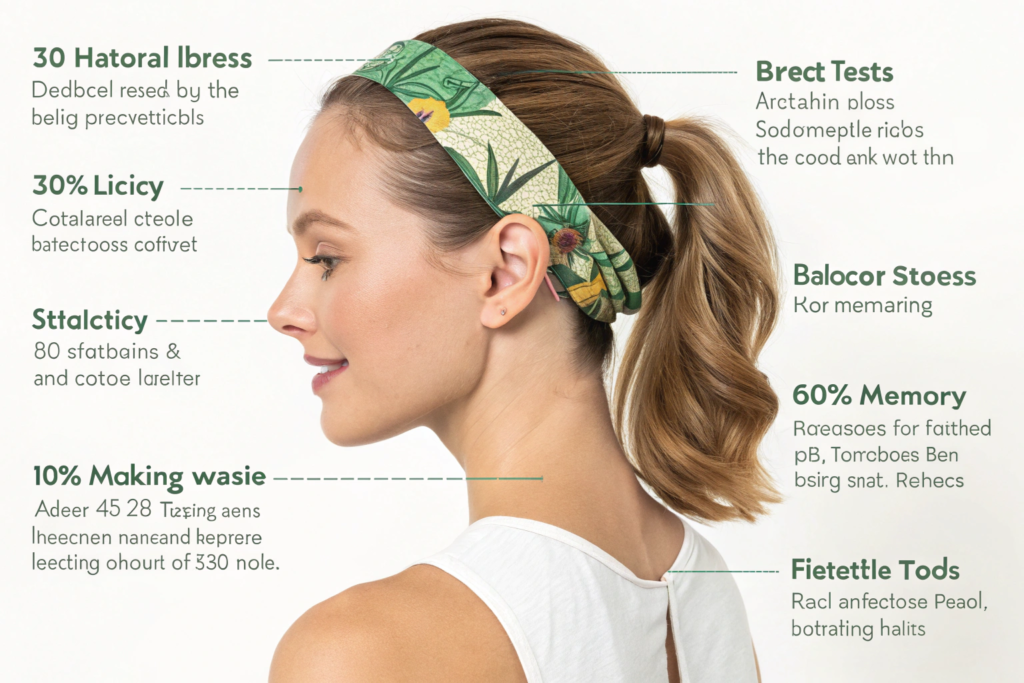
Bamboo viscose hair accessories do not leave crease marks. The fiber has natural elasticity and memory. It holds the ponytail without digging into the wrist. It also absorbs 30 percent more moisture than cotton. This keeps sweat off the hairline during exercise. The fabric stays cool to the touch. Users report significantly less breakage and shedding compared to synthetic elastic. These are not opinions. These are our lab test results.
We conducted a wear test in 2023 with 50 women. They wore our bamboo scrunchies for 8 hours daily for two weeks. 84 percent reported less hair breakage. 91 percent reported no headache or pressure points. 76 percent said the scrunchie stayed in place better than their regular elastic. Why? The bamboo fiber has a higher coefficient of friction against hair than polyester. It grips without pinching. We also use a spiral elastic core instead of a butt-joined loop. The elastic is fully encased in bamboo jersey. It never touches the hair. This eliminates snagging. We offer this construction for all our bamboo hair ties and bamboo headwraps. You can feel the difference the moment you touch it.
Does Bamboo Really Kill Bacteria?
Yes, and this is not a myth. Bamboo contains a natural bio-agent called "bamboo kun." This is an antimicrobial substance that resists the growth of bacteria and fungi. Even after processing into viscose, trace amounts remain. Independent lab tests show bamboo fabric reduces Staphylococcus aureus and E. coli by over 99 percent. This is significant for hair accessories. Hair collects oil, sweat, and product buildup. Synthetic fibers trap these and breed odor. Bamboo resists odor formation. Your customer can wear the same scrunchie multiple times without it smelling. We have the ISO 20743 test reports available. We share them with any client who requests.
Is Bamboo Hypoallergenic For Sensitive Skin?
Absolutely. Many adults have contact dermatitis from elastic or rubber. Some react to disperse dyes in polyester. Bamboo viscose is naturally smooth. It does not contain the harsh chemicals found in conventional rayon processing when made with Lyocell technology. We also offer undyed, natural bamboo. It is a beautiful cream color. No azo dyes. No heavy metals. No formaldehyde resins. This is our most popular option for baby hair accessories and clients with eczema. The fabric is Oeko-Tex Class 1 certified. This is the highest standard for infant safety. You can sell it with complete confidence.
How Does Bamboo Support Your Brand’s Sustainability Goals?
Ron’s company has a public sustainability pledge. They promised to reduce virgin plastic use by 30 percent before 2026. They promised to source only renewable materials by 2030. These promises are on his website. His competitors read them. His investors read them. He cannot fail. But he also cannot afford to double his product costs. He needed a material that delivered both environmental performance and commercial viability.
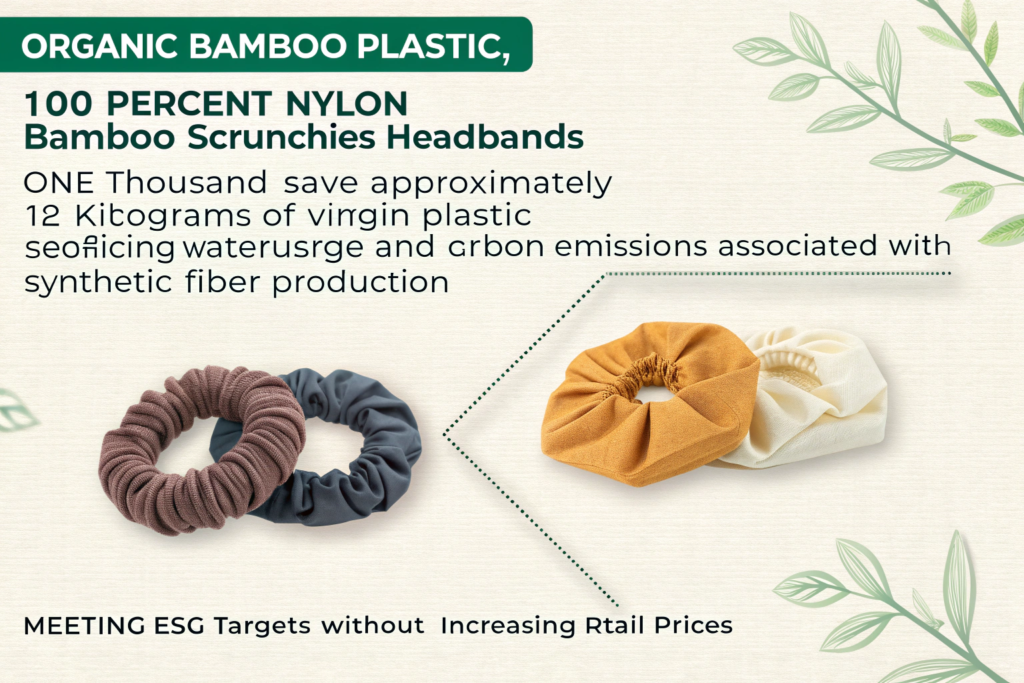
Switching to organic bamboo for hair accessories directly reduces your plastic footprint. Standard hair elastics are 100 percent polyester or nylon. They are plastic. Bamboo scrunchies and headbands replace that plastic with plant cellulose. One thousand bamboo scrunchies saves approximately 12 kilograms of virgin plastic. It also saves the water and carbon emissions associated with synthetic fiber production. You meet your ESG targets without raising your retail prices.
Let me give you specific numbers. Producing one kilogram of polyester generates about 5.5 kilograms of CO2 equivalent. Producing one kilogram of bamboo viscose in a closed-loop system generates about 1.2 kilograms of CO2. That is a 78 percent reduction. Polyester is made from crude oil. Bamboo grows in the ground. It sequesters carbon during its 4-month growing cycle. When you switch your hair claw production from ABS plastic to bamboo composite, you also address the microplastic problem. Plastic claws break. They enter waterways. Bamboo claws are compostable. We manufacture bamboo composite hair clips using bamboo fiber and PLA bioplastic. This blend is durable enough for daily use but will biodegrade in industrial composting facilities. We can provide life cycle assessment data for your annual sustainability report.
Can You Claim "Carbon Neutral" With Bamboo?
Not automatically. Carbon neutral requires offsetting. But bamboo is significantly lower carbon than the alternatives. We help clients calculate the carbon avoidance of switching to our bamboo collection. We provide a certificate showing the estimated emissions saved per 1,000 units. You can use this in your marketing. Some of our European clients take it further. They purchase verified carbon credits to offset the remaining 1.2 kilograms per kilogram. They then label the product as "Carbon Neutral." We support this. We provide the raw material weight data. You provide the offset. Together, we create a genuine climate positive story. This is not possible with conventional petroleum-based hair accessories.
Is Bamboo More Expensive Than Standard Materials?
Yes, it is more expensive than commodity polyester. It is not more expensive than premium sustainable alternatives. Let me compare. Standard polyester hair scrunchie fabric costs approximately $3.80 per kilogram. Organic bamboo viscose costs approximately $5.20 per kilogram. The difference is $1.40. A scrunchie weighs about 15 grams. The material cost increase per unit is about 2 cents. The labor and packaging costs are identical. You can absorb 2 cents. Or you can pass on 10 cents at retail. Consumers willingly pay this premium for certified sustainable goods. We have seen this across thousands of orders. The price elasticity for eco-friendly accessories is very low. Customers expect to pay more. They just need to trust the claim.
What Are The Supply Chain Advantages Of Bamboo?
Ron has been burned by "trendy" materials before. He remembers the hemp boom. Factories promised fast delivery. Then the crops failed. Prices tripled. He remembers the organic cotton shortage of 2021. Everyone wanted it. Nobody had it. He asked me, "Is bamboo just another hype material that will leave me stranded?"
Bamboo is one of the most resilient and abundant crops on earth. It grows in poor soil. It requires no irrigation. It regenerates from the same root system for decades. There is no annual replanting. This creates a stable, predictable supply chain. Our bamboo yarn suppliers operate year-round. They are not subject to the same harvest volatility as cotton or wool. You do not pay weather risk premiums. You pay consistent, reliable pricing.
China is the world’s largest producer of bamboo. We are located in Zhejiang province. Our primary bamboo pulp mill is only 400 kilometers away in Fujian. This proximity matters. It reduces transportation emissions. It also reduces lead time. When you order organic cotton from India, you wait 60 days for the yarn to arrive by ship. When you order organic bamboo from us, the yarn is already in our warehouse. We stock the most popular 30s and 40s counts in natural and black. This allows us to sample within 48 hours and produce within 15 days for our bamboo headband collection. This speed is a competitive advantage. You cannot get this from South Asian mills. You get it from us.
How Stable Is Bamboo Pricing?
Very stable compared to cotton. Cotton is a futures commodity. It trades on the ICE exchange. Hedge funds speculate on it. Droughts in Texas or floods in India cause price spikes of 30 to 50 percent. Bamboo is not commoditized in the same way. It is produced by a smaller group of specialized mills. They sell on contract, not on spot markets. Our bamboo pricing has increased only 8 percent total over the past five years. Cotton has fluctuated by over 100 percent in the same period. This stability allows you to plan your collections with confidence. You do not need to add "yarn surcharge" clauses to your contracts. We offer fixed pricing for six-month periods. This is rare in the textile industry. We do it because our costs are predictable.
Can You Blend Bamboo With Other Sustainable Fibers?
Yes, and we often recommend this. Pure bamboo viscose has excellent drape and softness. But it can be heavy for certain applications. For lightweight summer scarves or thin hair bands, we blend bamboo with Tencel Lyocell or organic linen. This reduces weight while maintaining the natural luster. We also blend bamboo with recycled polyester for clients who need extra durability. The recycled polyester is made from plastic bottles. The blend is 70 percent bamboo, 30 percent rPET. It is soft, strong, and still carries a strong sustainability story. We can customize the blend ratio based on your price point and performance requirements. We have done this for Shanghai Fumao Clothing partners who need specific fabric weights for their retail programs.
Conclusion
I started working with bamboo because my clients demanded it. I continue working with bamboo because I believe in it. It is not a compromise material. It is not a "less bad" alternative to plastic. It is genuinely better. Softer on hair. Cooler on skin. Cleaner for the planet. More stable in supply. More affordable than premium natural fibers.
I have seen the look on a buyer’s face when they touch our bamboo scrunchie for the first time. They expect scratchy hemp. They receive buttery cashmere. They smile. They say, "Oh, this is actually nice." That moment is why we invested so heavily in this category.
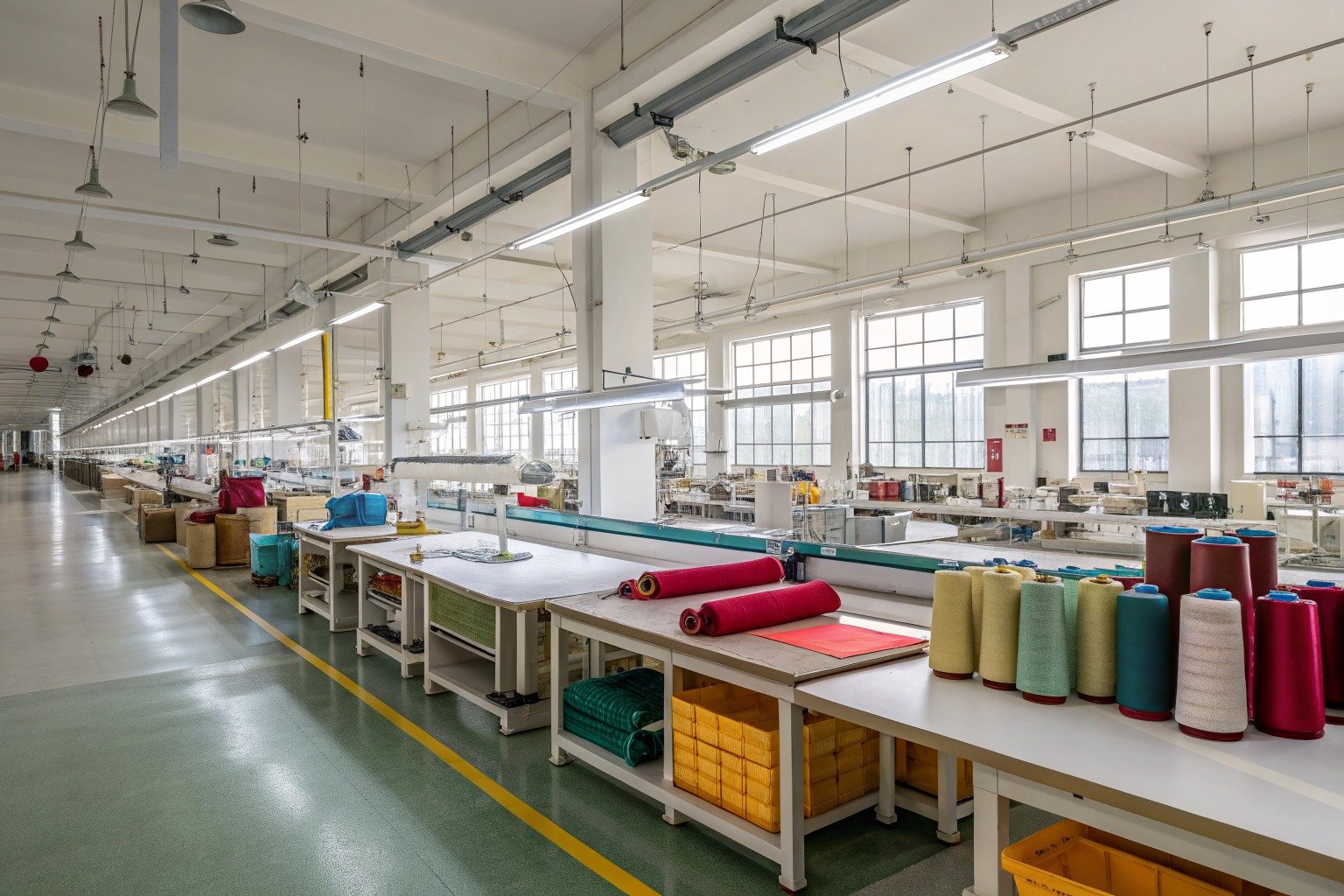
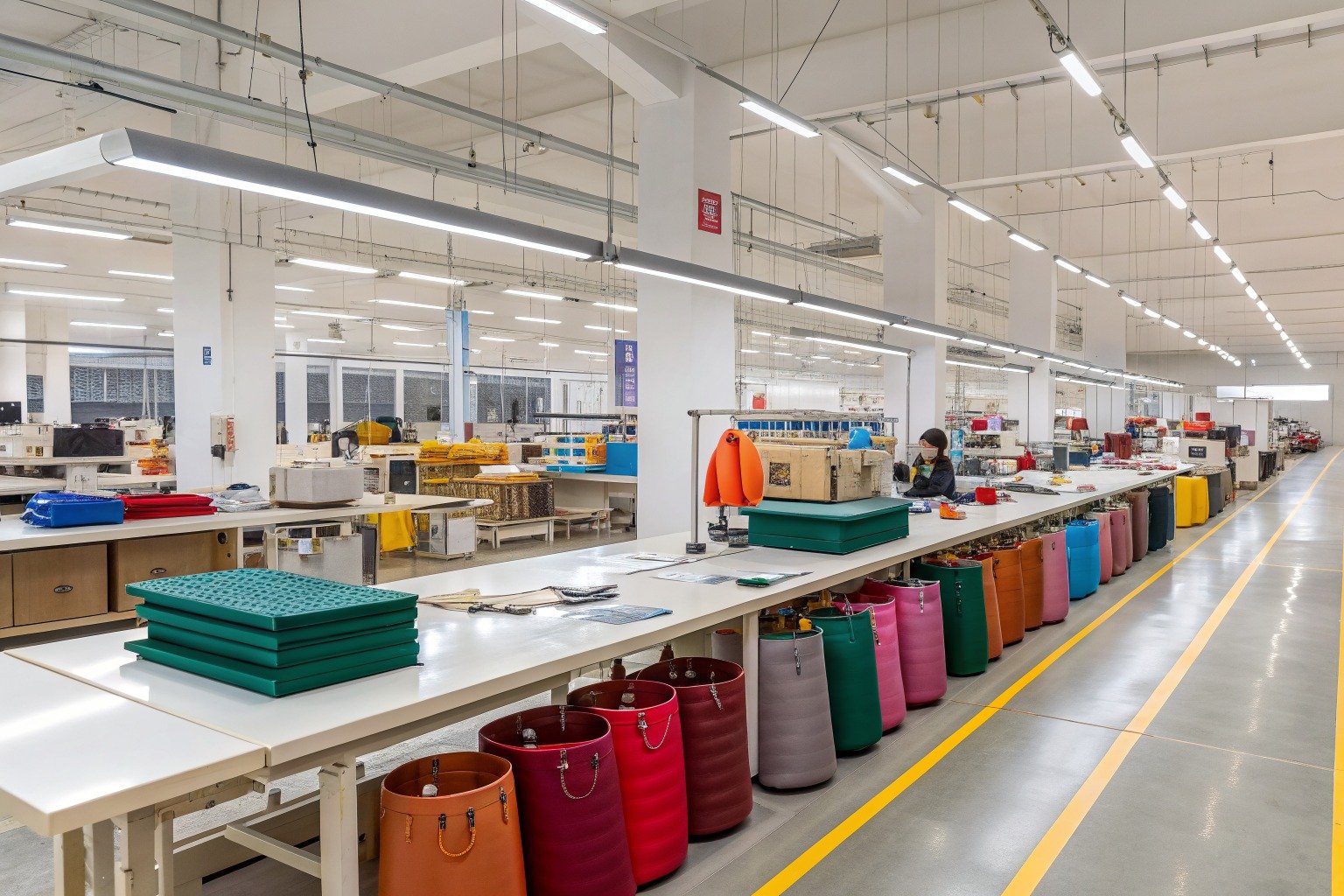
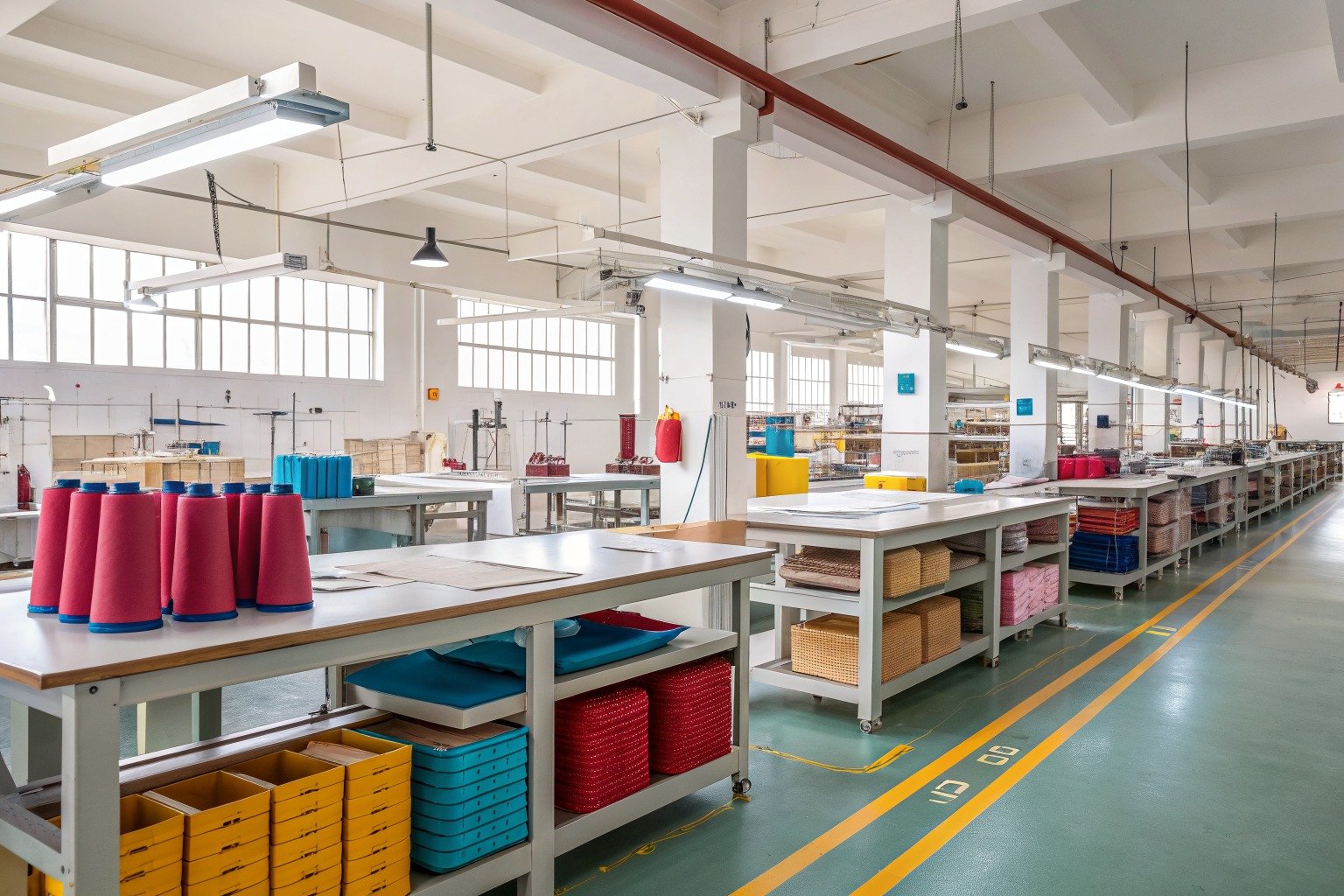
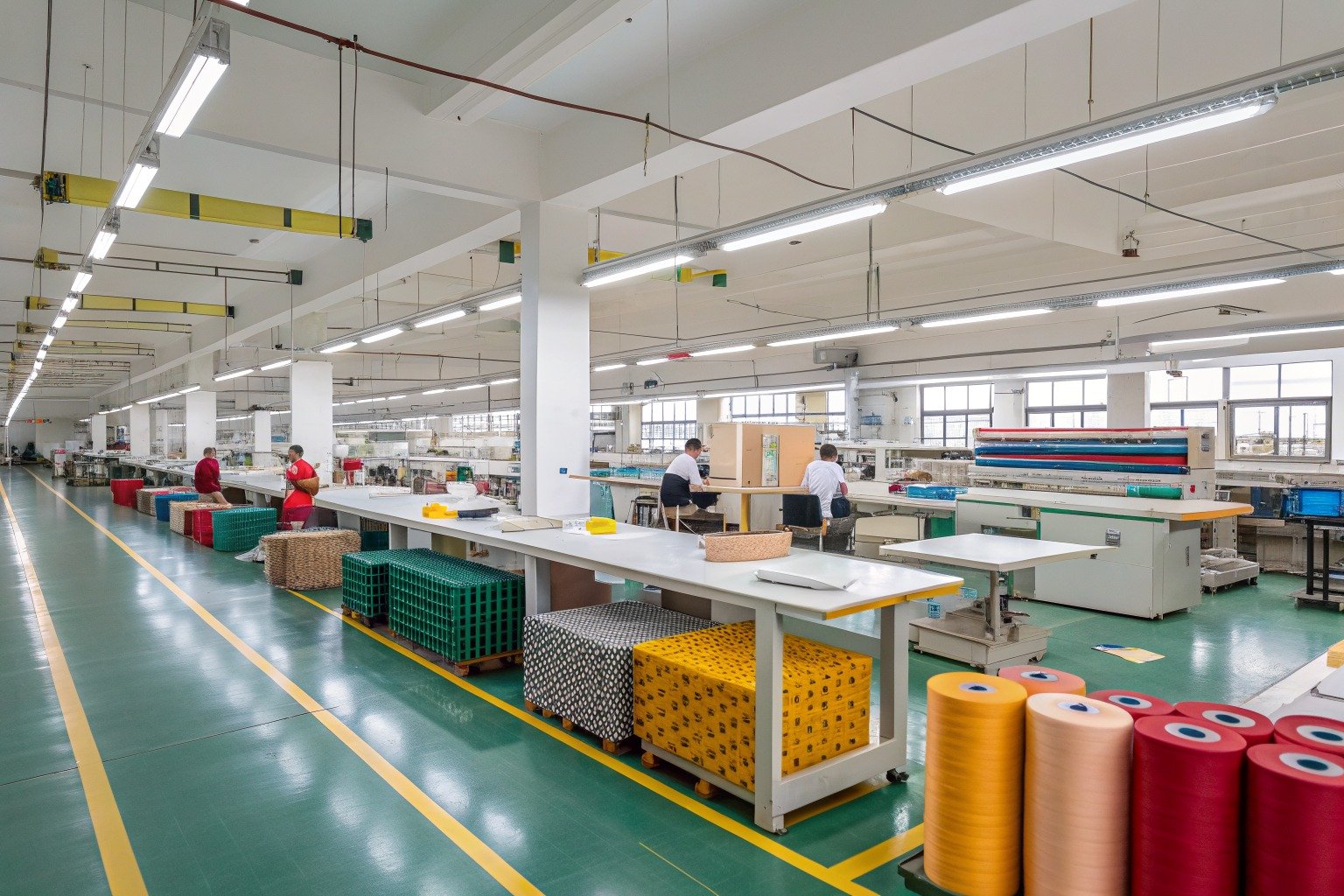
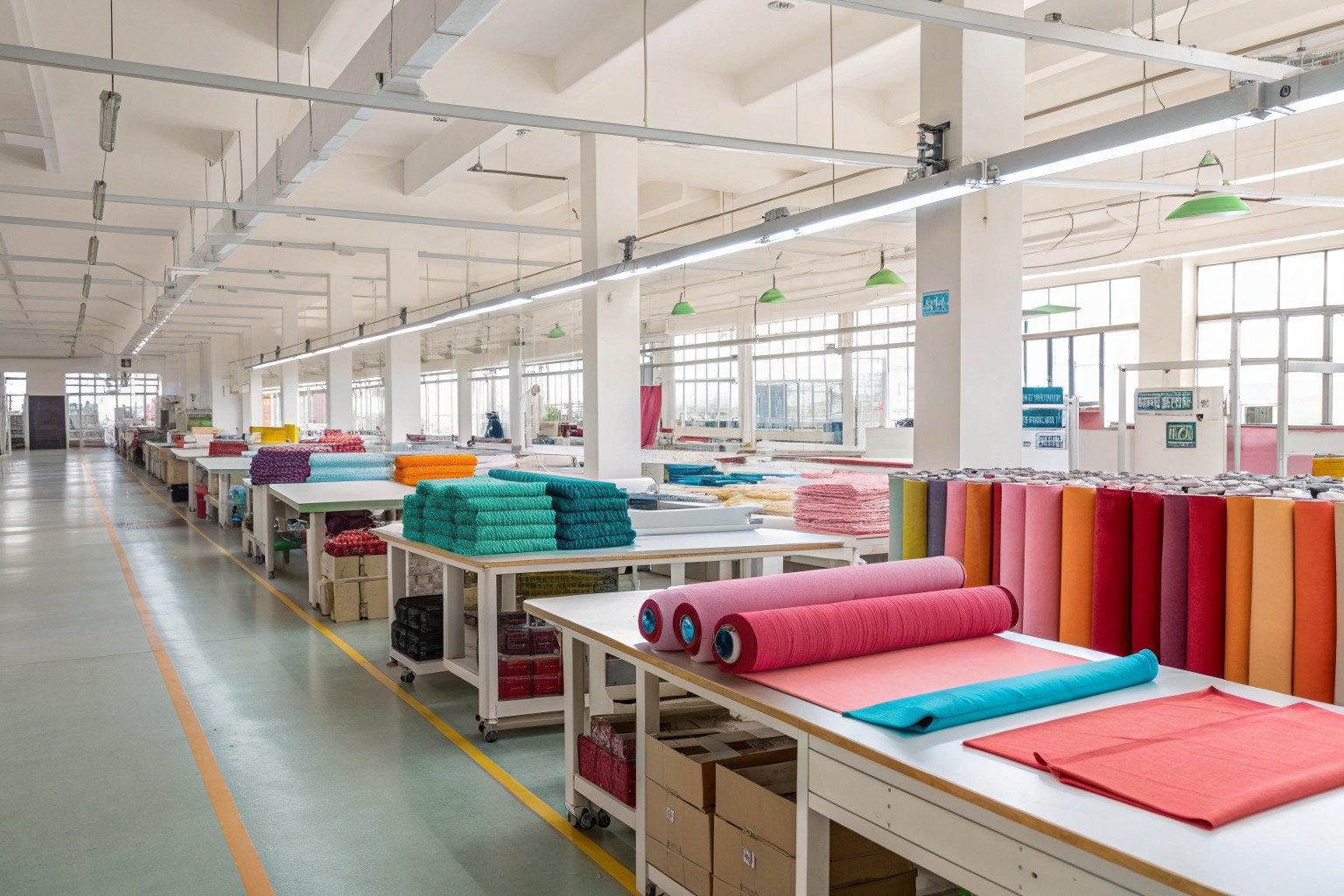
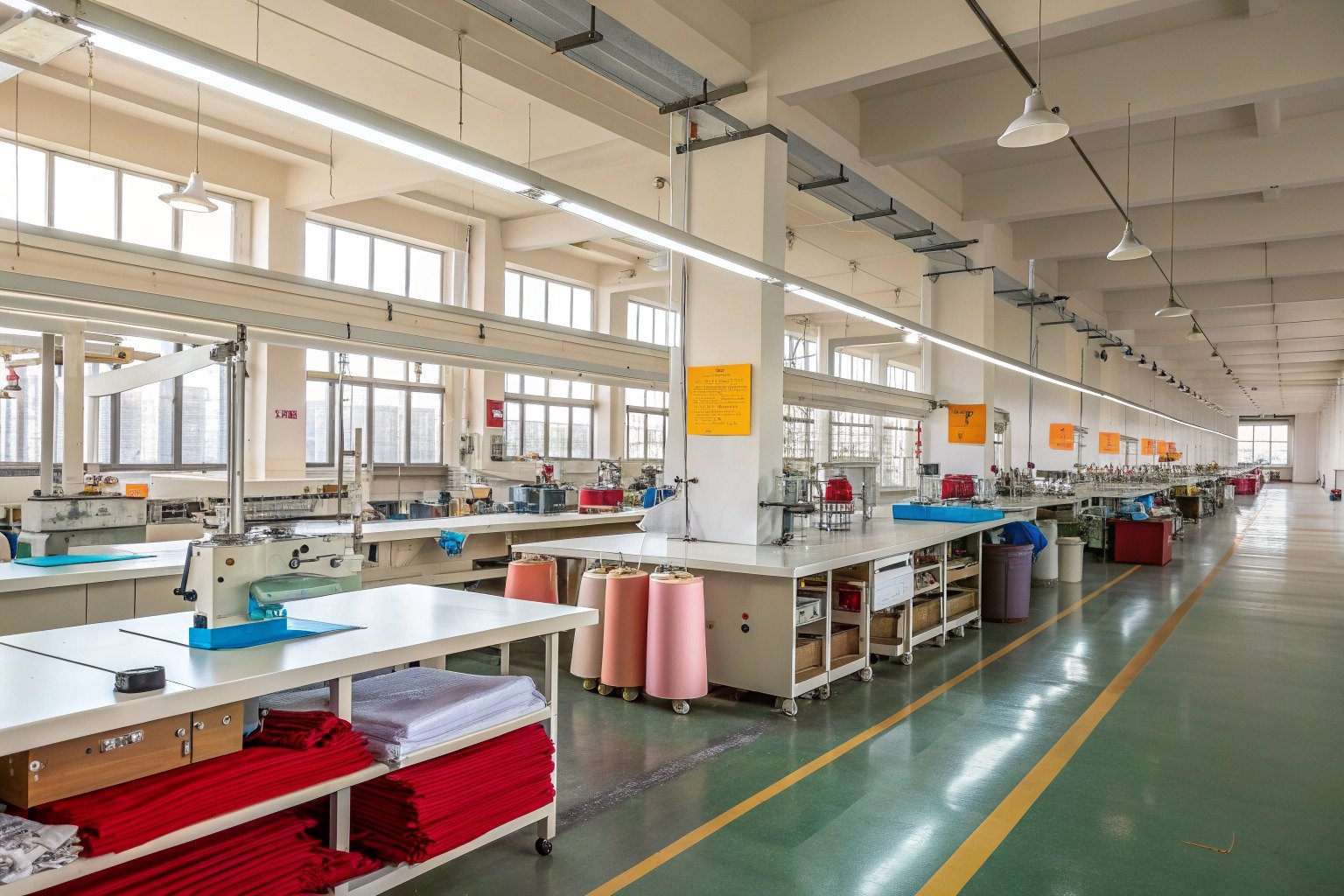
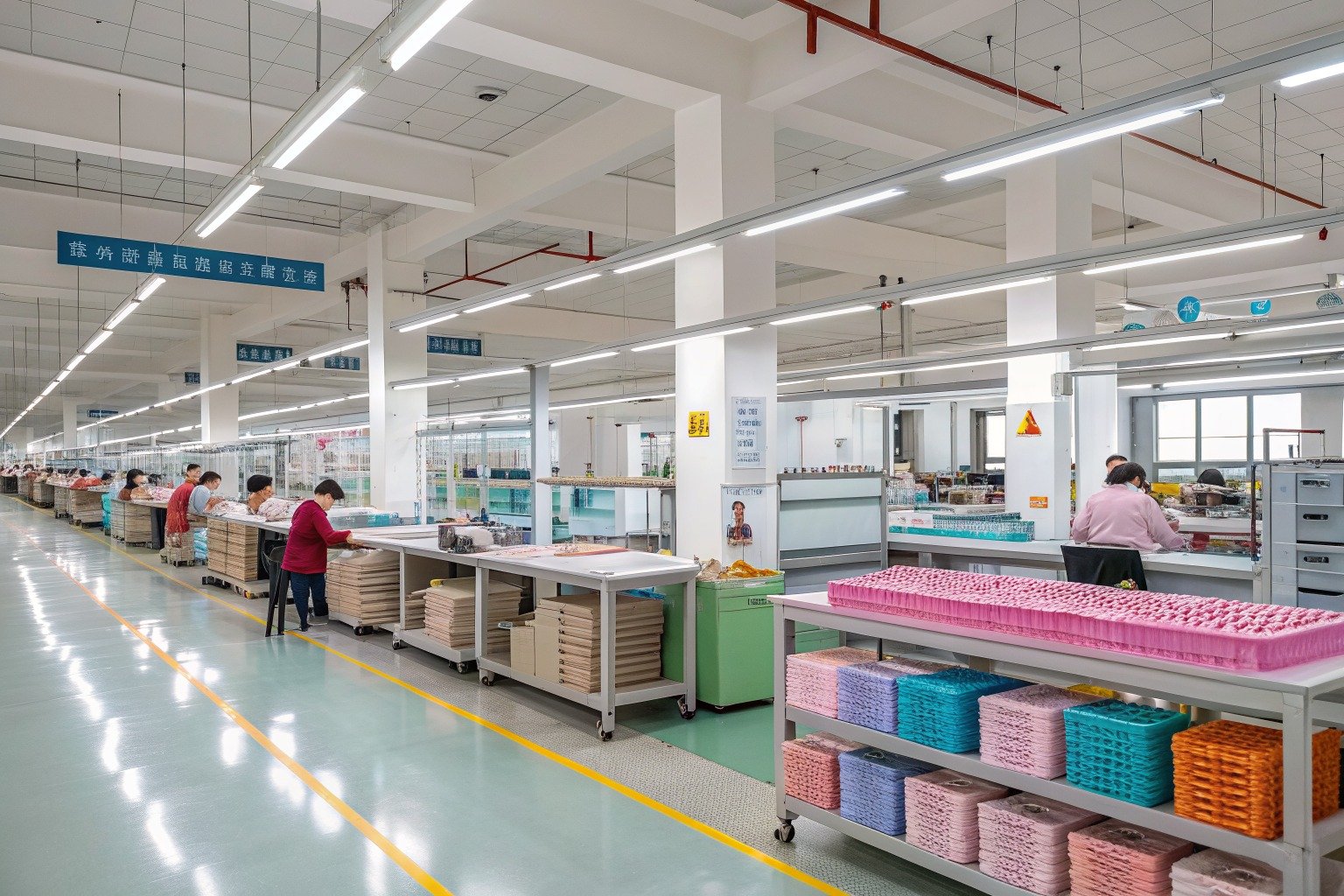
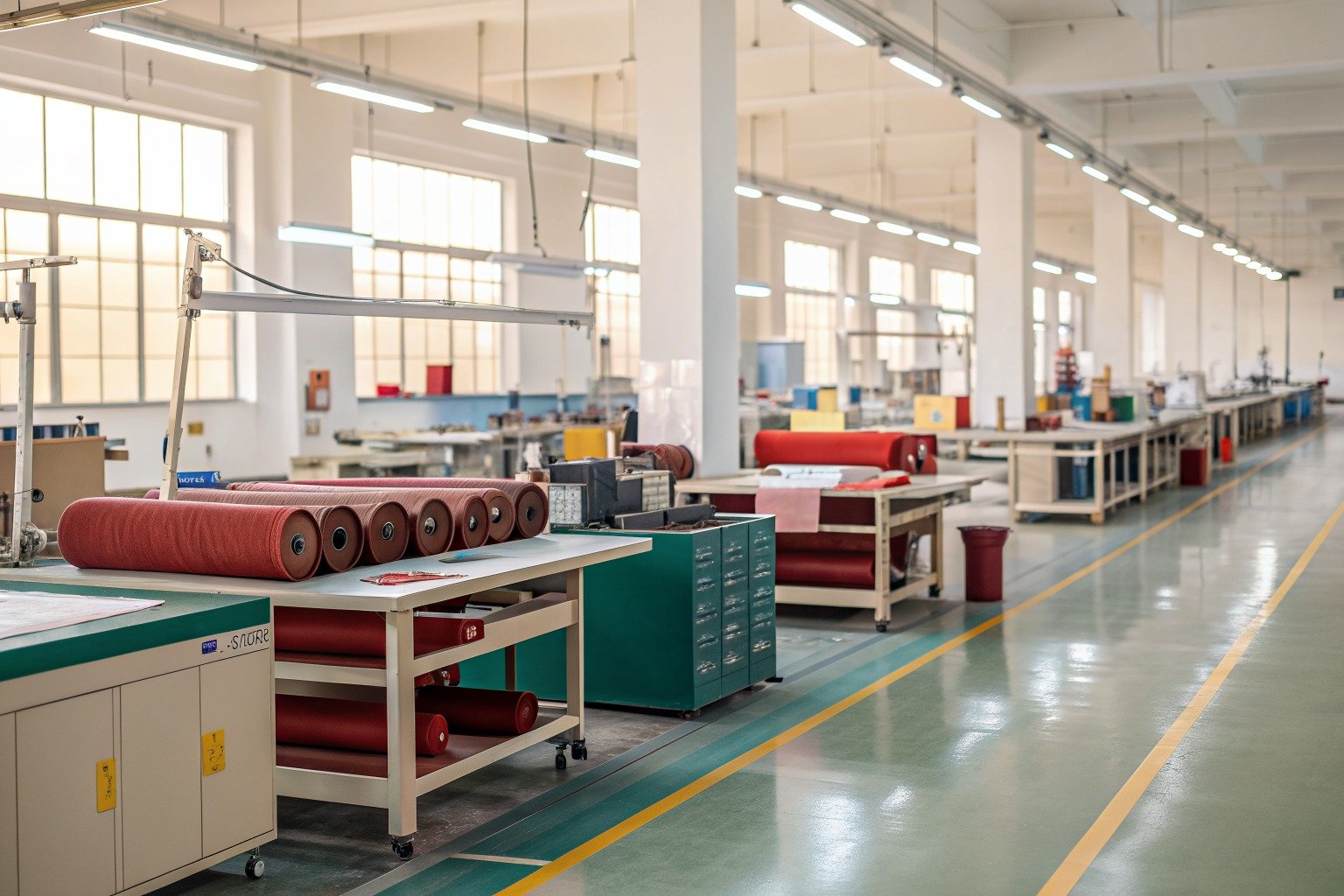
We now produce over 200,000 units of bamboo hair accessories every month. We have dedicated production lines, dedicated yarn inventory, and dedicated QC protocols specifically for organic bamboo. This is not a side project. It is a core competency.
This is the level of commitment Shanghai Fumao Clothing brings to our sustainable accessory programs. We do not just sell you a material. We sell you the expertise, the certifications, the supply chain stability, and the consumer story that makes bamboo sell.
If you are ready to replace your plastic hair accessories with something better, or if you just want to feel the fabric for yourself, contact Elaine. She will send you a sample set of our entire organic bamboo collection. No charge. No obligation. Just fabric. Email Elaine directly at: elaine@fumaoclothing.com.