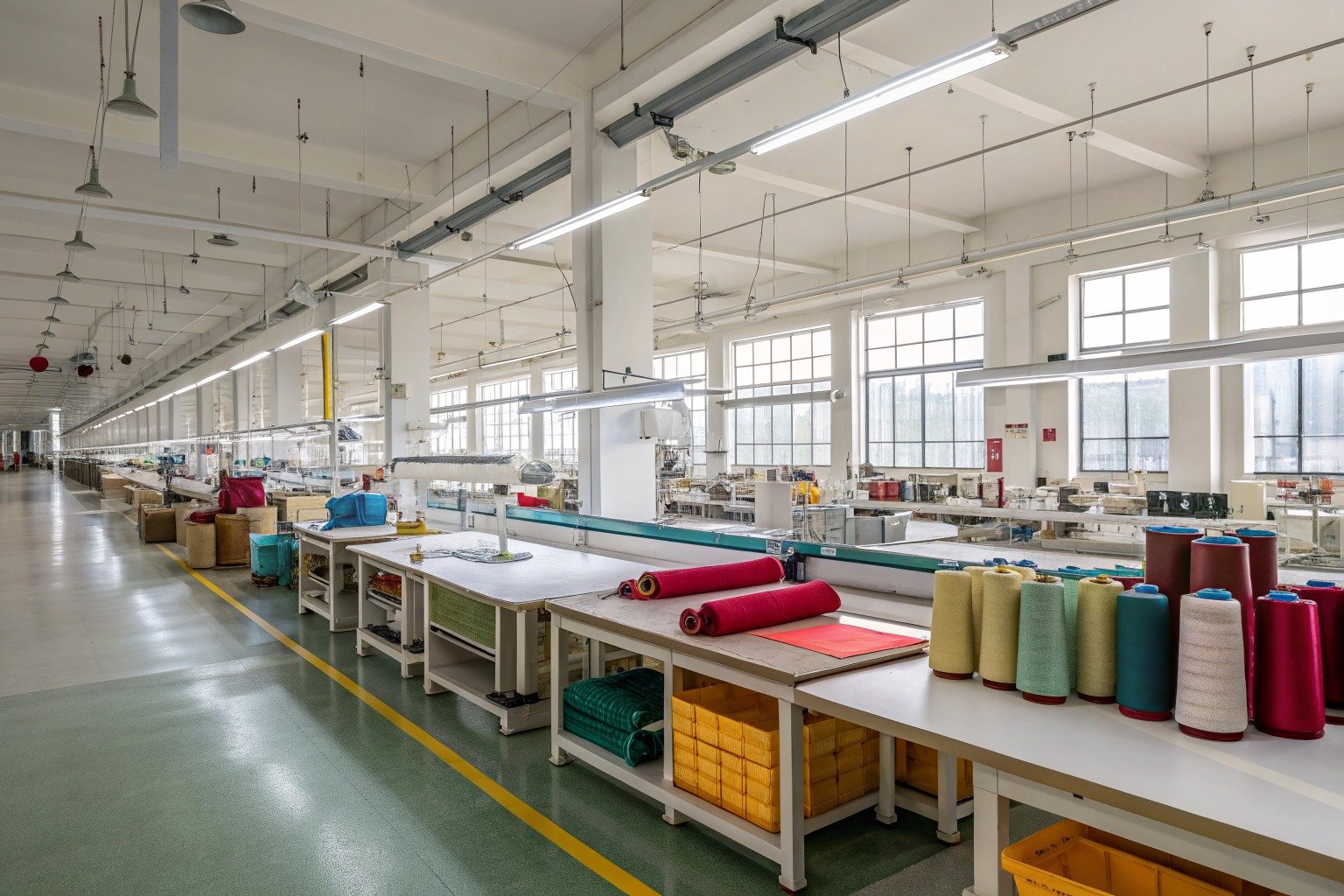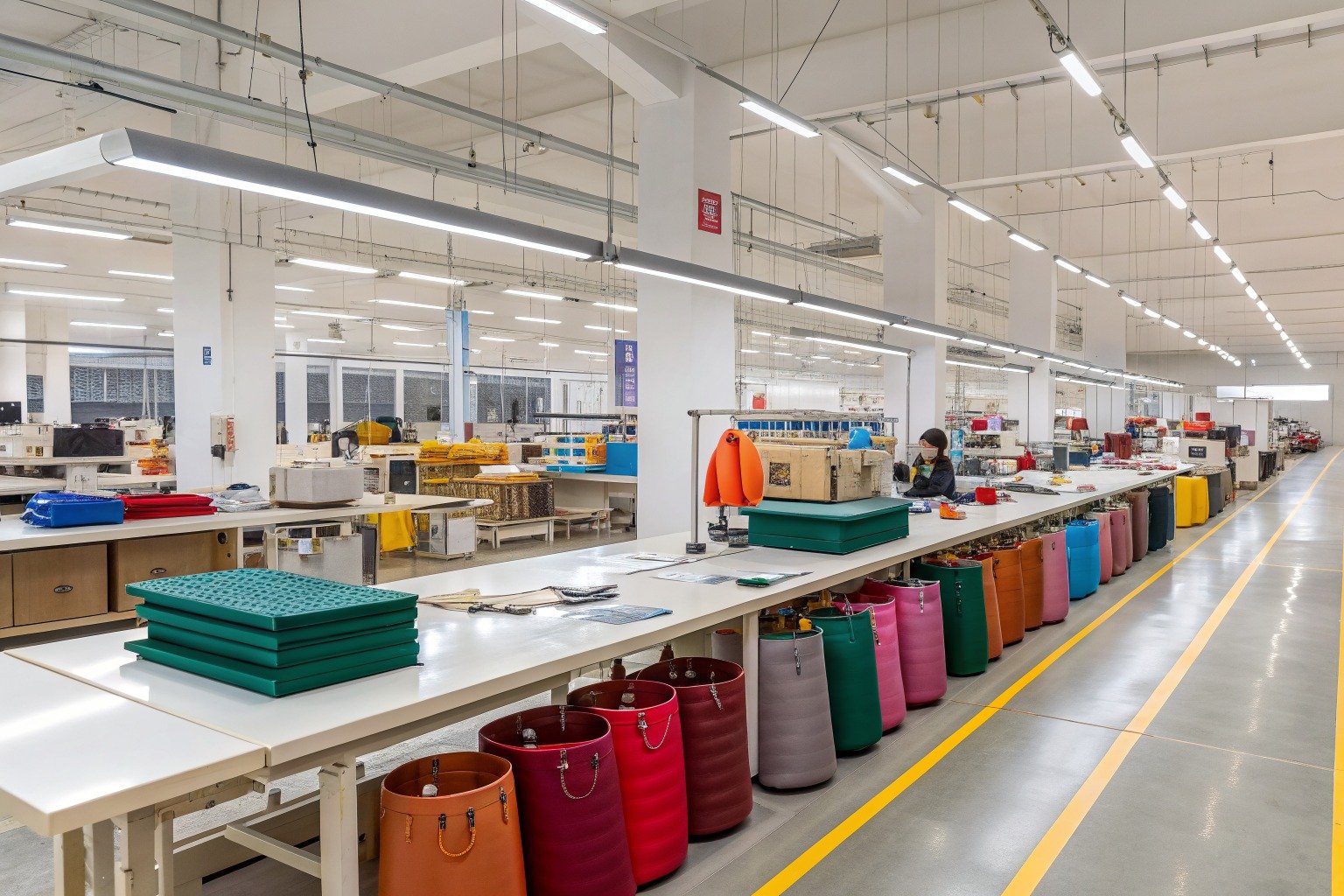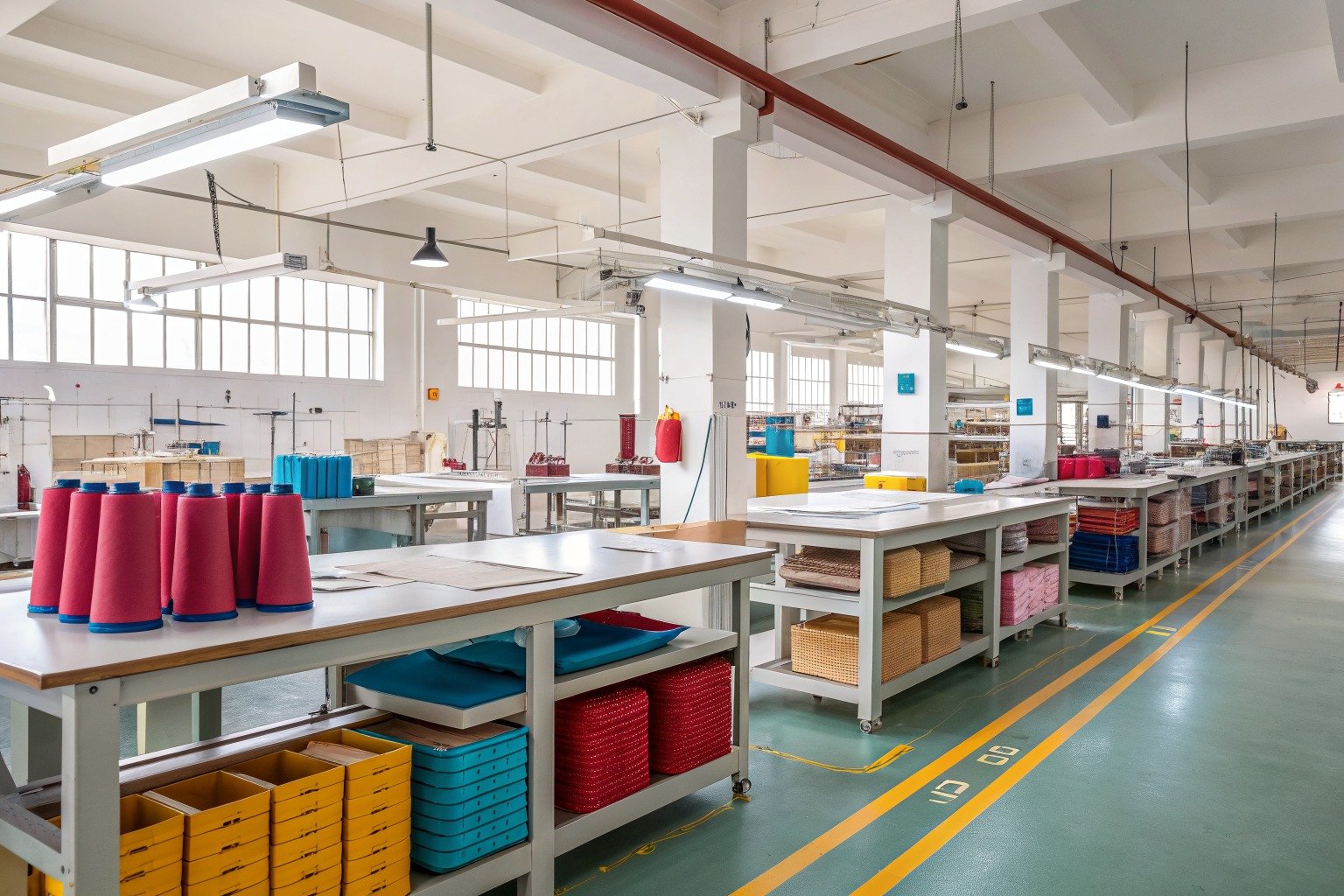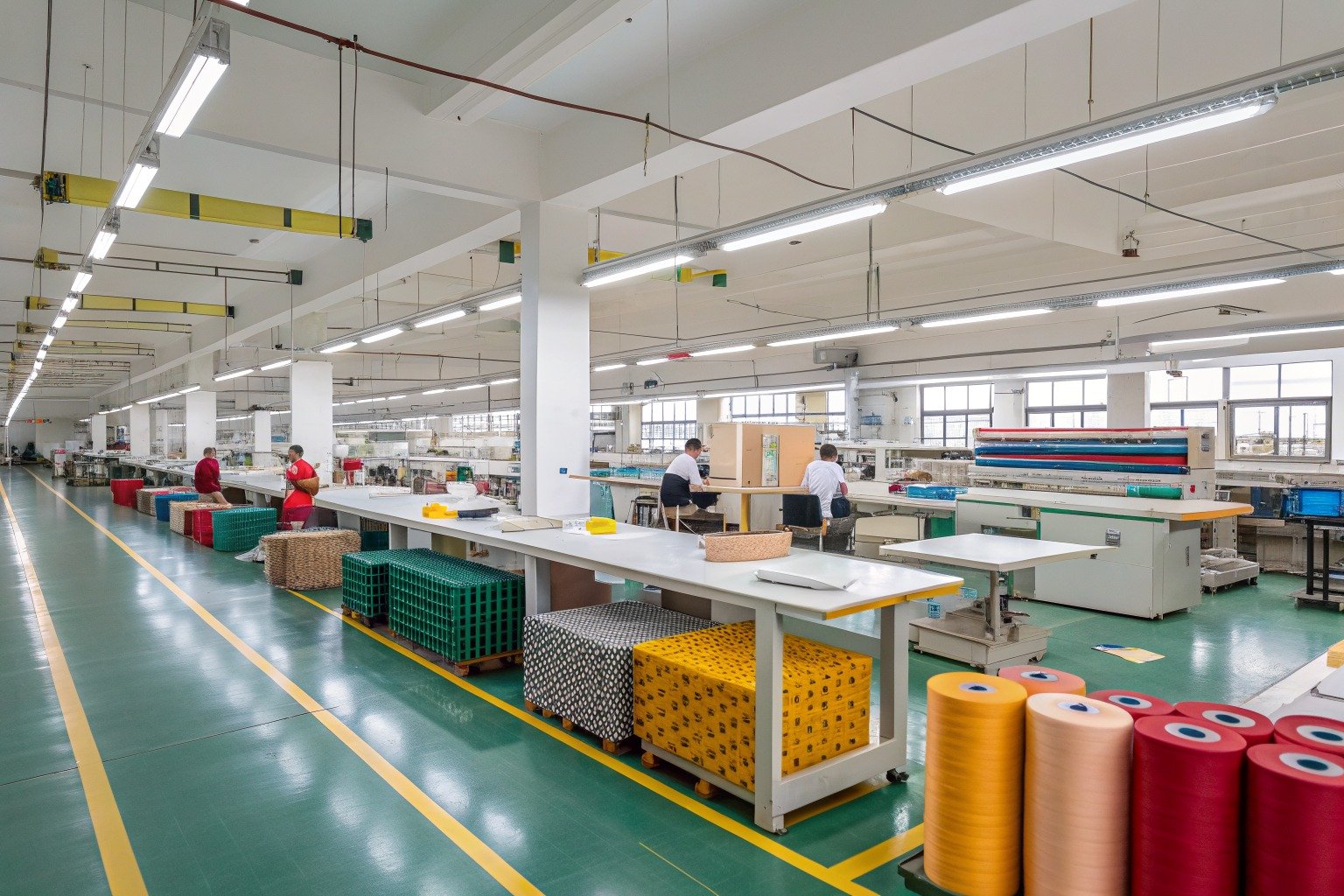
I meet buyers every month who say the same thing. "The market is flooded with cheap hair clips. Everyone sells black beanies. How do I compete?" They are right. Basic items like plain headbands or solid color scarves have become commodities. The only battle is price, and that battle is ugly. You win by losing margin. Or you lose the order. I hated this game. So we changed how we play it.
The best ways to add value to basic accessory items are through material upgrades, functional innovation, sustainable storytelling, and hybrid design. You do not need to invent a new product category. You just need to take a simple hair band or baseball cap and give the customer one powerful reason to pay more. We help our clients find that reason every day.
I learned this lesson ten years ago from a buyer in London. She wanted a plain wool scarf. I quoted my best price. She said, "Your price is good. But your competitor offered me the same scarf with an interior pocket for a hand warmer. I am buying from him." That moment changed everything. Price gets you the RFQ. Value gets you the order. Let me show you exactly how we build that value.
How Can Fabric and Material Selection Upgrade A Common Product?
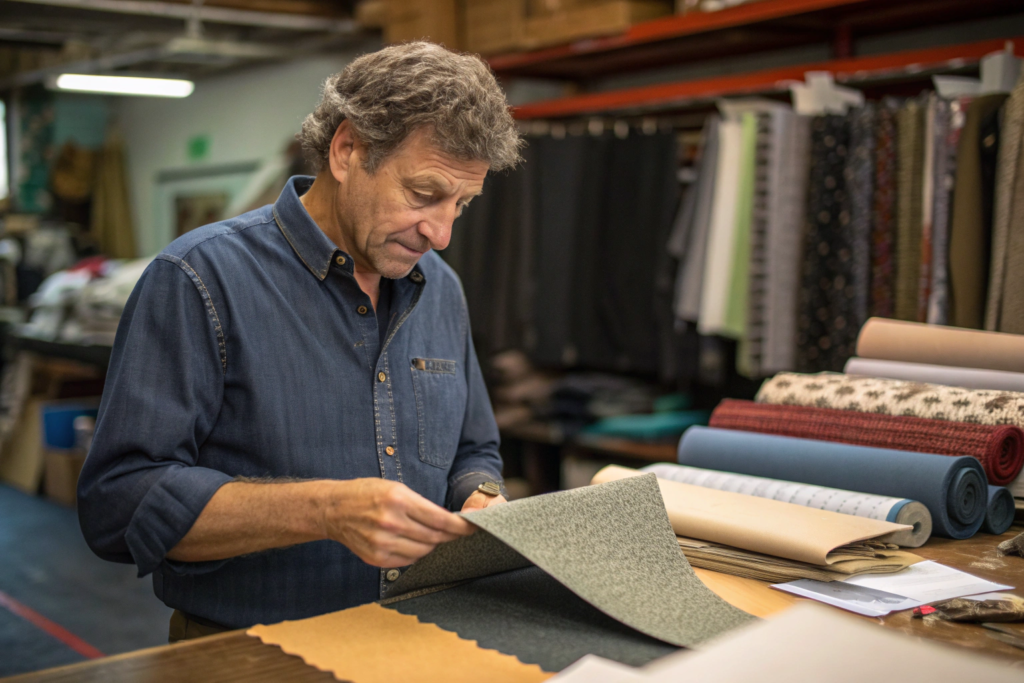
Ron knows fabric well. He has seen polyester that feels like sandpaper. He has seen acrylic that pills after one wash. He also knows that the difference between a $2.00 hair band and a $5.00 hair band is often just the touch. But he is not a textile engineer. He needs a factory that can recommend the right upgrade without blowing his budget.
We start value creation with the skin. We replace standard acrylic with modal blends. We swap basic cotton for organic Supima or bamboo viscose. These materials feel noticeably softer and drape better. The cost increase is often only 15 to 25 percent, but the perceived retail value jumps 100 percent. You feel the difference in your hand immediately.
You do not need to use cashmere on everything. Sometimes the upgrade is invisible but smart. For example, we use yarn-dyed fabrics instead of piece-dyed. The color penetrates deeper. It does not fade after three washes. For our woven belts, we suggest full-grain leather ends instead of bonded leather. It costs more upfront. But the belt lasts for years. The consumer keeps it. They remember the brand. This is not a cost. This is an investment in your reputation. We also carry certificates for Oeko-Tex Standard 100 to prove the materials are safe against skin. You can put that on your hang tag. It builds trust instantly.
Why Does Blending Natural And Synthetic Fibers Create Premium Feel?
Pure natural fibers have limitations. Cotton wrinkles. Linen is stiff. Wool shrinks. Pure synthetics can feel plastic and trap heat. The magic is in the blend. We use a Tencel and spandex mix for our hair scrunchies. It gives you the coolness of wood fiber and the stretch recovery of spandex. It does not leave a dent in the hair. That is a premium feature. Customers pay extra for it. We also use merino wool and nylon blends for our performance beanies. The nylon adds strength. The merino provides warmth without itch. This combination allows you to charge outdoor lifestyle prices for a simple hat.
How Do We Source Unique Deadstock Fabrics?
This is one of my favorite tricks. Deadstock is fabric that luxury brands ordered and never used. It sits in mills in Italy, Japan, and Korea. It is high quality. It is often limited edition. And it is usually available at a discount because the mill just wants to clear space. We have relationships with these mills. We buy small quantities of unique jacquard scarves fabric or special run velvet. You get an exclusive look. You also get a sustainability story. "Only 200 made from reclaimed fabric." This works extremely well for our European boutique clients.
How Do We Turn Slow Development Into A Competitive Advantage?
Most buyers see development as a bottleneck. You wait for sketches. You wait for samples. You wait for corrections. By the time the sample arrives, the inspiration is cold. Ron has felt this frustration. He wants to move fast. But he also wants unique products. Speed and uniqueness usually fight each other. We built a system to make them work together.
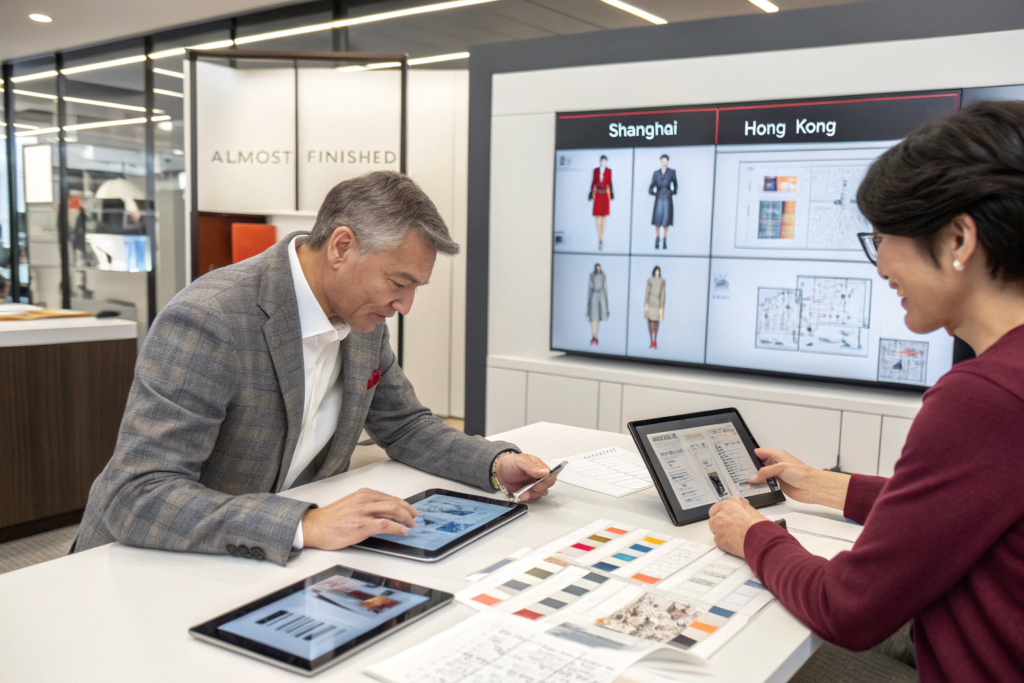
We treat development as a separate profit center, not a cost center. Our design team does not wait for you to give us a finished tech pack. We show you trends from the Shanghai and Hong Kong fashion weeks. We present you with "almost finished" designs that are 80 percent complete. You just add your logo or change the color. This cuts your development time from 6 weeks to 10 days.
We employ a full-time trend forecaster. She attends Premiere Vision in Paris and Magic in Las Vegas. She buys samples. She photographs street style. She creates monthly "color stories" specifically for the US and European mass market. She tells us, "Next winter, chocolate brown is replacing camel. And chevron stripes are coming back." We then develop our own samples in these colors and patterns. When Ron calls us, we do not say, "What do you want?" We say, "We have six new bucket hat samples in the colors that will trend next spring. I can send photos today." That is value. That is a reason to choose Shanghai Fumao Clothing over a factory that just waits for drawings.
Can You Add A "Smart" Feature Without Making It Expensive?
Yes, if the feature is simple and relevant. We do not put Bluetooth in a beanie. That is a gimmick. It breaks. It is hard to wash. Instead, we add functional hardware. For our travel umbrellas, we use a Teflon-coated canopy. Water beads off. You shake it once and it is dry. You do not drip water on the store floor. For our cold weather gloves, we add conductive thread in the thumb and index finger. You can use your phone without taking the glove off. The cost is less than 30 cents. The perceived value is huge.
What Is "Hidden Luxury" And Why Does It Work?
Hidden luxury is about details the owner discovers after purchase. The average person sees a black baseball cap. The wearer sees a contrast color under the visor. Maybe it is bright red. Maybe it is a floral print. Nobody else sees it unless the wearer tilts the cap up. It creates a private, delightful moment. We also use engraved metal tips on hoodie drawstrings or belt ends. It costs pennies to stamp our client’s logo into the metal. But the customer thinks, "They paid attention to everything." We offer this on all our custom twill caps. It separates a promotional item from a cherished accessory.
How Can Sustainable Practices Create Premium Perception?
Ron is not a tree-hugger. He cares about sales. But his buyers at major supermarkets are demanding sustainability reports. His end consumers on Instagram are checking for green claims. He cannot ignore this. However, he cannot double his prices either. He needs practical sustainability that pays for itself.
We do not ask you to pay more to save the planet. We find sustainable solutions that lower your risk and increase your margins. Recycled polyester costs about the same as virgin polyester now. Organic cotton has a stable supply chain. More importantly, products with clear eco-credentials sell faster and with fewer price objections. The data from our clients confirms this.
Greenwashing is dangerous. You cannot just say "eco-friendly" without proof. We provide the proof. We have GRS (Global Recycled Standard) certification for our recycled nylon and polyester products. We have GOTS certification for our organic cotton scarves and hats. This is not just paper. This is traceability. We can show you the batch of recycled plastic bottles that became your recycled polyester shawl. You can put that story on your hang tag. We also manufacture vegan leather belts and hair accessories using apple peel waste or cactus powder. It is not real leather. But it looks like leather. It feels like leather. And the PETA-friendly customer will pay a premium for it.
How Do We Reduce Waste To Lower Your Sample Cost?
Sample waste is a hidden tax on creativity. You order 5 samples. You approve 1. The other 4 go in the trash. You paid for the materials and the labor. We changed this process. We now use 3D prototyping software for all initial designs. You see the bucket hat on a virtual model. You approve the proportions and the pattern. Only then do we cut fabric. This has reduced our physical sample waste by 65 percent. We pass this saving to you. Your sampling budget goes further. You can test more designs for the same money.
Can We Use Recycled Materials Without Changing The Factory?
Yes, but you need a partner who understands the supply chain. Recycled yarns behave differently on knitting machines. They can be less elastic. They can break more often. Our production managers have been working with Unifi Repreve fibers for 8 years. We know the tension settings. We know the dyeing temperatures. We do not experiment on your order. We also source rPET zipper pulls and recycled paper hang tags. These small touches add up. You present a complete sustainable package. Your corporate social responsibility report looks strong. And your customer feels good about the purchase.
How Do We Package Basic Goods To Feel Expensive?
Ron once told me a story. He ordered beautiful silk scarves. The scarves were perfect. But they arrived in a thin poly bag. The bag was torn. The scarves looked like they came from a discount bin. His retail buyer rejected 30 percent of the shipment due to "poor presentation." The product was fine. The packaging failed. This broke my heart. It is such an easy fix.
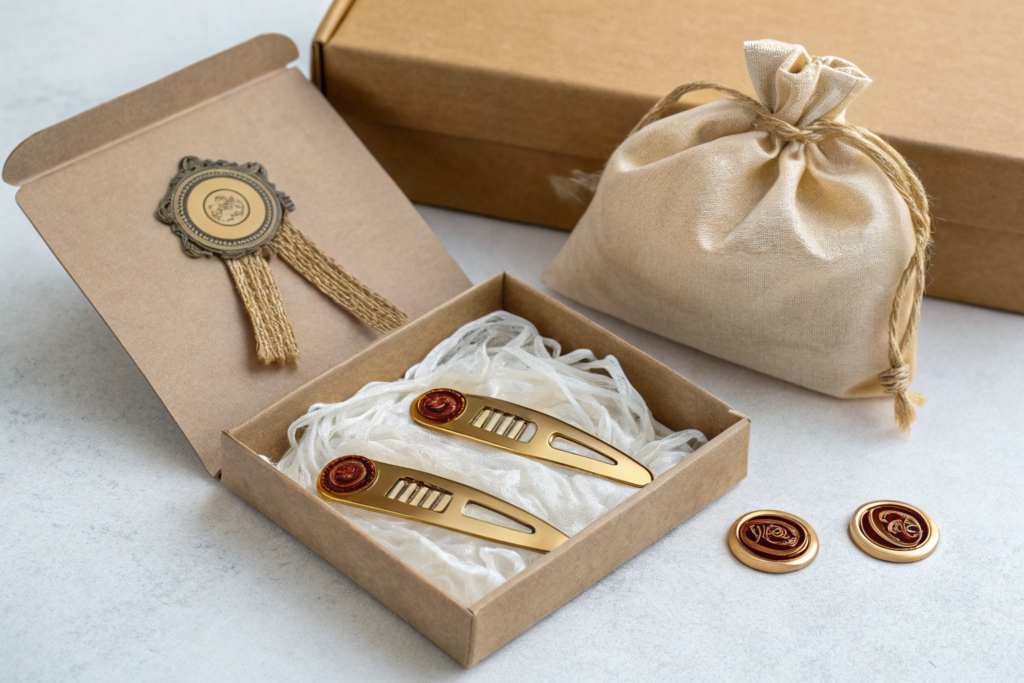
We treat packaging as part of the product. We do not just throw your hair clips in a bulk box. We design unboxing experiences. A simple cardboard box with a magnetic closure. A dust bag made of non-woven fabric. A tissue paper wrap with a wax seal. These items cost between 20 and 80 cents. They justify a $5.00 retail price increase.
You do not need crystal boxes. You need intention. For our felt hats, we use custom-shaped inserts. The hat sits on a molded form. It does not collapse during shipping. The customer opens the box and the hat is perfect. They do not need to steam it. For our hair accessories, we offer biodegradable cellulose bags that feel like plastic but dissolve in water. You get the clarity of plastic with the ethics of paper. We also print your brand story inside the lid. "This belt was hand-finished in Zhejiang by craftspeople with 20 years of experience." You cannot put that on a poly bag.
Should I Use Custom Packaging Or Stock Packaging?
It depends on your channel. For major supermarkets like Walmart or Target, stock packaging is often required. It fits their shelf dimensions. But you can upgrade the stock box quality. We offer 18pt vs 14pt paper thickness. It feels more rigid. We apply soft-touch lamination. It feels like peach skin. These are subtle changes. The buyer may not notice consciously. But they will choose your product over a competitor in a flimsy box. For online stores, custom packaging is a must. It creates user-generated content. People film themselves opening your package. That is free marketing.
How Do We Balance Packaging Cost With Product Cost?
I always tell clients to spend 5 to 7 percent of the product cost on packaging. If your beanie costs $4.00, spend $0.28 on the package. That gives you a budget for a nice cardboard tube or a woven label bag. We also help you consolidate. We order our custom cardboard boxes directly from the manufacturer in bulk. We store them in our warehouse. You do not pay for the mold. You do not pay for storage. You just pay per unit when you order. This keeps your cash flow free. And your product arrives ready for the shelf.
Conclusion
Adding value to basic accessories is not magic. It is not about finding a cheaper factory. It is about seeing the product through the eyes of the end consumer. What do they wish this hair clip had? What frustrates them about this baseball cap? How can this scarf make them feel special for 10 seconds after they open the box?
I have spent 20 years asking these questions. The answers are always the same: better materials, smarter features, honest sustainability, and thoughtful presentation. These upgrades do not require a PhD in textile engineering. They require a partner who cares enough to suggest them.
We are that partner. We will not just take your order and disappear. We will challenge you. "Why use standard polyester when recycled costs the same?" "Why put that logo on the front when it works better on the side?" "Why ship it in a bag when a box tells a better story?"
This is the service we provide. It is why Shanghai Fumao Clothing has maintained relationships with European and American brands for over a decade. We grow together.
If you are tired of competing on price and ready to compete on value, send Elaine a message. She leads our business development team. She understands the US market. She will pair you with the right project manager who speaks your language and understands your specific category. Email Elaine directly at: elaine@fumaoclothing.com.