
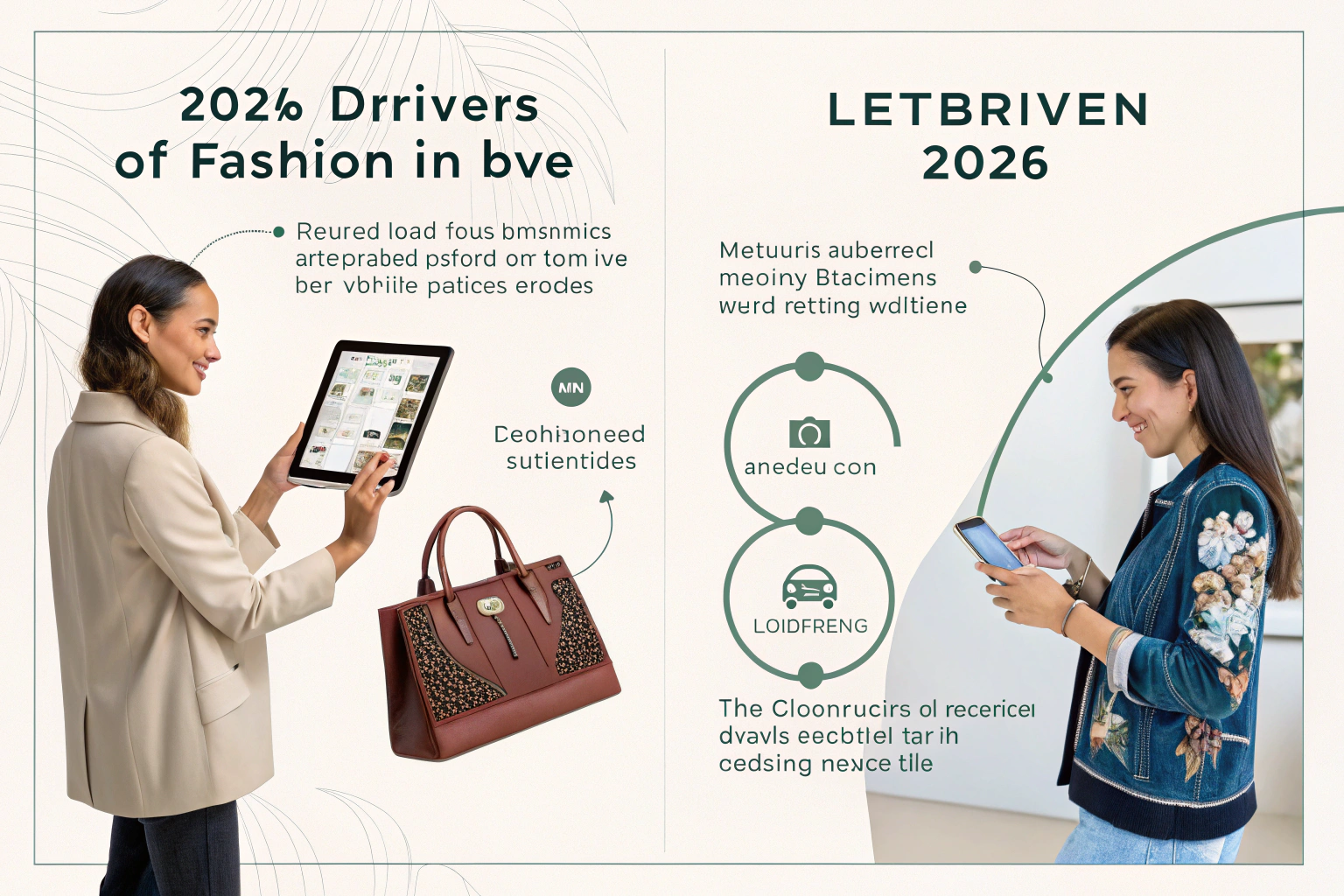
As a manufacturer and exporter of fashion accessories, my team and I are constantly analyzing the forces that shape what your customers—and by extension, you, our clients—will want to buy next. Looking ahead to 2026, the demand for fashion accessories is not being driven by a single trend but by a complex interplay of economic pressures, technological disruption, and a profound shift in consumer values.
For a buyer like Ron in North America or our partners in Europe, understanding these undercurrents is crucial. The post-pandemic consumer is more discerning, values-driven, and digitally native than ever before. They are navigating a world of economic uncertainty while simultaneously demanding that the products they buy reflect their personal identity and ethical beliefs.
At Shanghai Fumao Clothing, we see these shifts not as challenges, but as opportunities. By understanding the key drivers of demand, we can partner with you to develop accessories that are not just stylish, but also relevant, responsible, and highly desirable. Here are the most important factors that will influence demand in 2026.
How is "Principled Consumption" Reshaping Value?
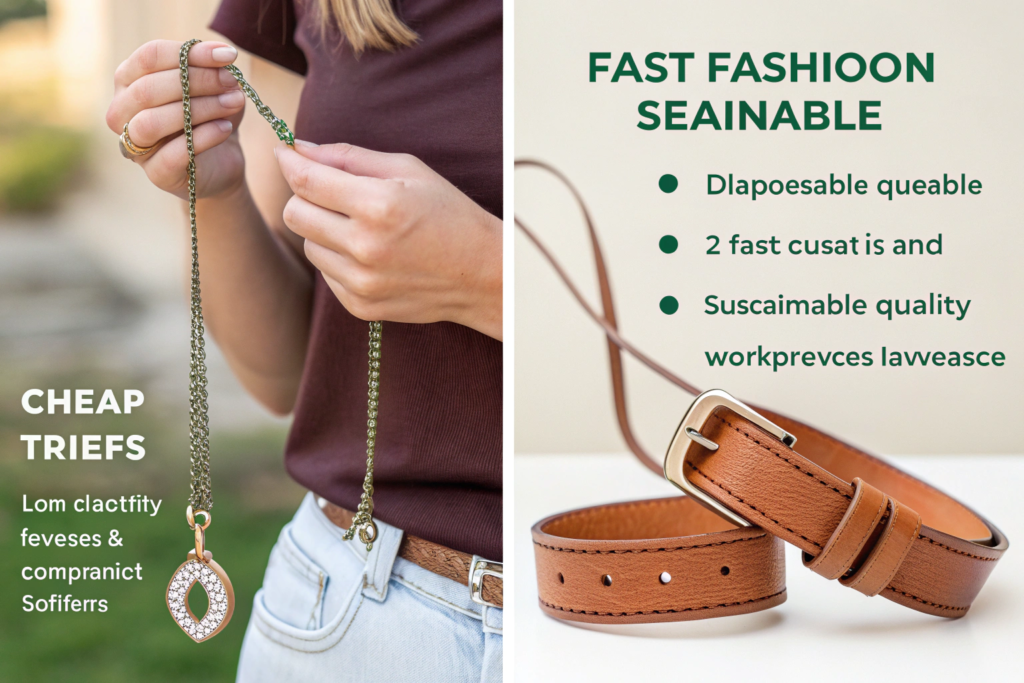
For years, the fast-fashion model trained consumers to prioritize low cost and novelty above all else. That era is ending. Today’s consumer, particularly the influential Gen Z demographic, is increasingly making purchasing decisions based on their personal values. They are asking tough questions: Is this product made to last? Is it environmentally friendly? Is the supply chain transparent and ethical? This shift towards "principled consumption" means that a low price tag is no longer enough.
In 2026, demand will be heavily influenced by a product’s perceived sustainability and durability. Consumers are moving away from disposable, trend-driven items and are instead willing to invest in accessories that offer longevity, are made from responsible materials, and come from brands that demonstrate a genuine commitment to environmental and social responsibility.
We see this every day in our client requests. There is a growing demand for accessories made from innovative, eco-friendly materials like pineapple or cactus leather, recycled fabrics, and certified organic cotton. Brands are also focusing on timeless designs that won’t go out of style in a season, encouraging a "buy less, but better" mentality. For us as a manufacturer, this means ensuring radical transparency in our supply chain, as consumers and regulators alike now demand proof of a product’s journey. The EU’s upcoming ban on the destruction of unsold goods for large brands, starting in 2026, will only accelerate this trend toward more thoughtful production.
What are the key "principled" demands?
- Material Transparency: Consumers want to know what an accessory is made of, with a preference for organic, recycled, or innovative bio-based materials.
- Durability over Disposability: There is a growing market for well-crafted, timeless pieces that are designed to last for years, reducing waste.
- Ethical Production: Brands are expected to provide evidence of an ethical supply chain, free from labor violations.
- Circular Models: The resale market is booming, and consumers are increasingly interested in accessories with good resale value, which is directly tied to quality and brand reputation.
How Many Second Chances Do Suppliers Really Get?
Buyer-supplier relationships are built on trust. Trust is built through consistency. Each quality failure erodes that trust. After three significant failures, the relationship is usually terminal.I know this because I have lost clients. Not because we could not fix the problem. Because they lost confidence that the problem would not recur.
One client, a large European accessory importer, worked with us for seven years. In year eight, we had a calibration error on a knit glove pattern. The thumb length was consistently 0.4cm short. We discovered it at final inspection. We notified the client immediately. We offered air shipment of corrected units at our cost. We implemented a new pattern approval protocol.The client accepted our corrective actions. They completed the existing orders. But they never issued a new PO. The trust deficit was too wide.
That lesson cost us a client. But it taught me what is at stake for you. When you choose a supplier, you are not just buying goods. You are buying reliability insurance. The premium is the price difference. The payout is your career stability.
How is the Creator Economy Dictating Trends?
The traditional top-down model of fashion—where trends are dictated by runway shows and glossy magazines—is being completely upended. Today, style is a conversation, and that conversation is being led by a diverse army of content creators and influencers on platforms like TikTok and Instagram.
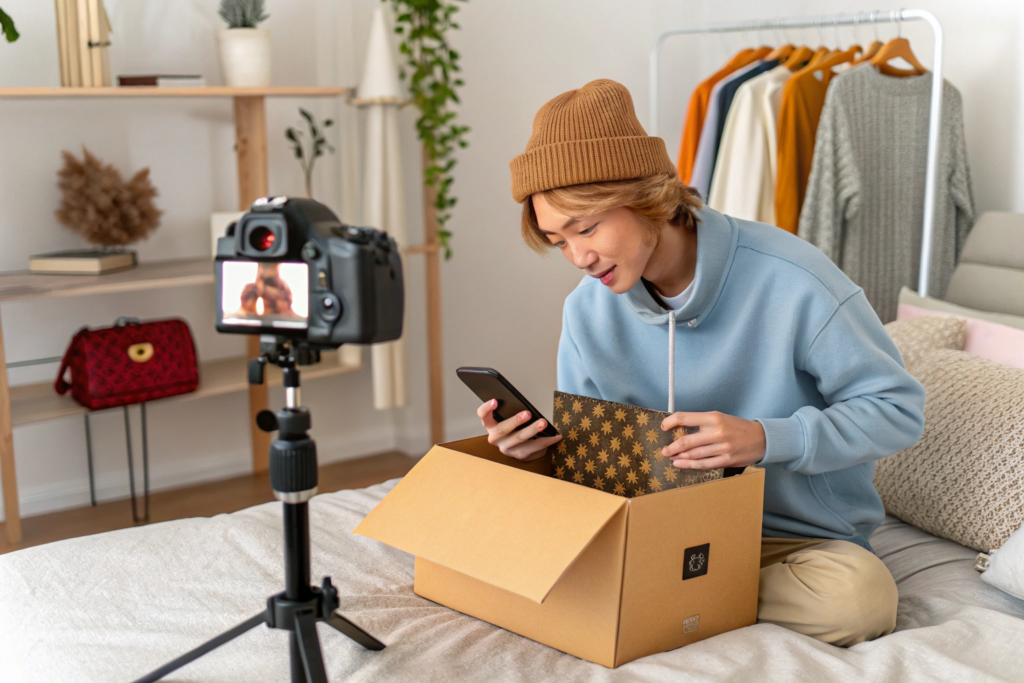
In 2026, the creator economy will be the primary engine of fashion discovery and demand. Consumers, particularly younger ones, trust the authentic recommendations of creators they follow far more than traditional advertising. These creators are not just promoting products; they are co-creating trends, launching their own lines, and turning their influence into direct sales through social commerce.
The synergy between brands and creators has evolved from simple promotions to deep partnerships. Brands are finding that collaborating with creators who have a genuine connection with their audience is the most effective way to build trust and drive conversions. This is especially true for "micro-influencers" (those with smaller, highly engaged followings), who often have higher engagement rates than mega-celebrities. For accessory brands, this means getting products into the hands of the right creators can be more impactful than a traditional marketing campaign.
Why is the Creator Economy so powerful?
- Authenticity and Trust: Creators build personal relationships with their followers, making their endorsements feel like a recommendation from a trusted friend.
- Niche Appeal: Micro-influencers can connect with highly specific communities (e.g., vintage fashion lovers, outdoor enthusiasts), allowing for targeted product placement.
- Social Commerce: Platforms like TikTok Shop have made the path from discovery to purchase seamless. A creator can showcase a belt or a bag during a livestream, and viewers can buy it without ever leaving the app.
Can One Bad Review Really Hurt a Volume Accessory Program?
Online reviews are the modern word-of-mouth. Data from PowerReviews shows that 93% of consumers read reviews before purchasing. Products with four-star ratings and above capture the majority of sales. Products with three stars or below struggle to convert. For hair accessories and seasonal hats, this is critical. These are often impulse purchases. Consumers do not deeply research a USD 20 headband. But they do glance at the star rating. If they see 3.8 stars, they scroll to the next option.
We work with a US-based online retailer who tracks review scores by SKU. They correlate review scores with return rates and reorder rates. Their data is clear: SKUs with review scores below 4.2 stars have reorder rates 60% lower than SKUs above 4.5 stars.
How is Technology Personalizing the Accessory Experience?
Technology is no longer just a back-end tool for managing supply chains; it is a core part of the customer experience. In 2026, consumers expect a level of personalization and digital convenience that was once science fiction.
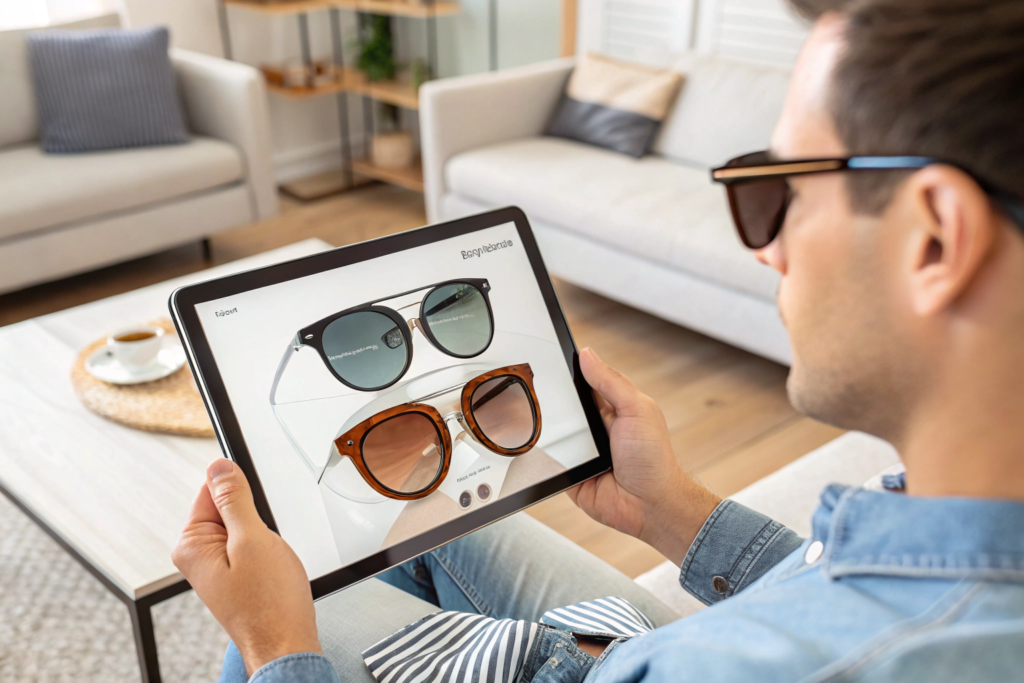
Artificial Intelligence (AI) and 3D modeling are fundamentally changing how accessories are designed, discovered, and sold. AI-powered recommendation engines and virtual try-on tools are creating hyper-personalized shopping experiences, while 3D prototyping is enabling more sustainable and efficient production.
For brands, AI is becoming essential for everything from forecasting trends to generating marketing copy. For consumers, it means a more curated and engaging shopping journey. Imagine an AI shopping agent that knows your style and budget, scouring the internet to find the perfect handbag for you. At the manufacturing level, we use 3D design tools to create digital prototypes of accessories like hats and bags. This allows us to perfect the design, fit, and material behavior before a single physical sample is made, reducing waste by over 60% and dramatically speeding up the development cycle.
What are the key technological impacts?
- Hyper-Personalization: AI algorithms will deliver product recommendations and marketing messages tailored to an individual’s specific tastes and browsing history.
- Virtual Try-On (VTO): Augmented reality will allow customers to see what a necklace, hat, or pair of sunglasses will look like on them without leaving their home.
- Sustainable Production: 3D and AI tools reduce the need for physical samples, minimize material waste, and optimize supply chains.
What Is the Difference Between "Defect Cost" and "Retailer Penalty"?
The defect cost is the product value. The retailer penalty is the punishment for failing their process.I learned this distinction painfully in 2018. We shipped 8,000 knit beanies to a major US department store. One carton got wet during transit. Mold developed on twelve hats.
Retailer compliance manuals are not suggestions. They are contracts. When you violate routing guidelines, carton labeling standards, or ASN (Advanced Shipping Notice) accuracy requirements, you incur fees. These fees are non-negotiable. They are deducted automatically from future invoices.
How Are Economic Realities Influencing Spending?
Despite the focus on values and technology, we cannot ignore the economic realities facing consumers. Persistent inflation, high interest rates, and general economic uncertainty have made people more cautious and selective with their spending.
In 2026, consumers will be operating with a "value-reinterpreted" mindset. While they are willing to pay more for products that align with their values (like sustainability), they still demand a clear return on their investment. This is driving a demand for versatile, high-quality accessories that offer both style and long-term utility.
This cautious consumerism doesn’t necessarily mean people are just buying the cheapest option. Instead, they are becoming more strategic. They might splurge on a timeless leather belt that they know will last for a decade but cut back on non-essential, trendy items. This behavior reinforces the trend away from fast fashion and towards durable, classic pieces. For brands, it means clearly communicating the quality and longevity of an accessory is a key marketing strategy. The "cost-per-wear" argument becomes more powerful than ever.
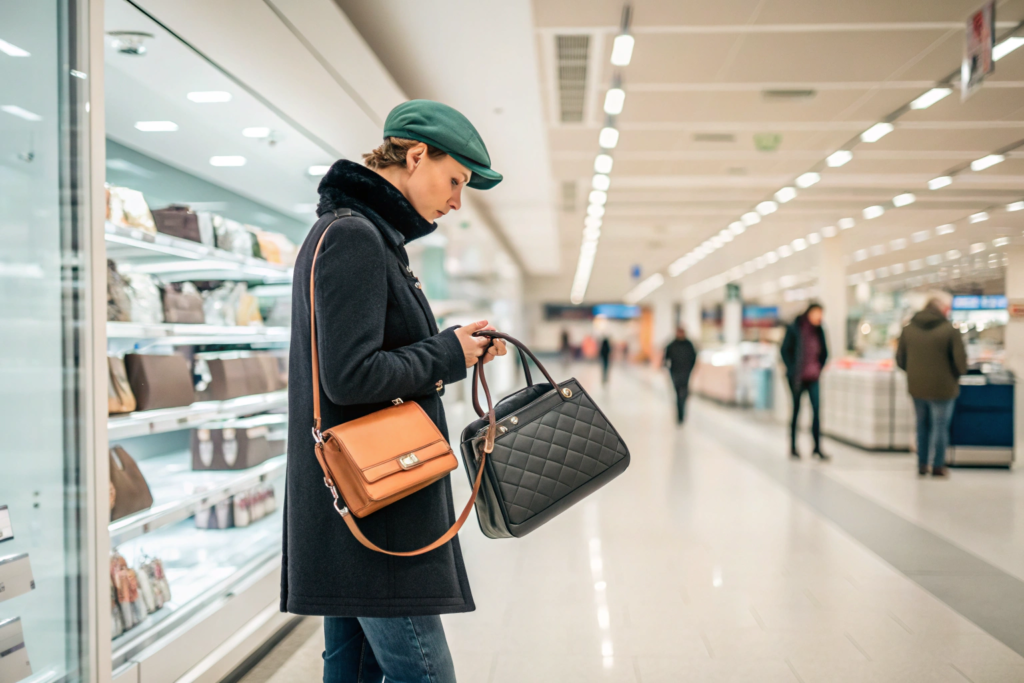
What does "Value-Reinterpreted" mean for accessories?
- Investment Pieces: Demand will be strong for classic, well-made accessories like leather goods and quality jewelry that hold their value.
- Versatility is Key: Consumers will favor accessories that can be styled in multiple ways and worn for different occasions, maximizing their utility.
- Experiences over Things: After years of pandemic-related restrictions, there is still a strong desire to spend on travel and experiences. This means accessories that are functional for travel (e.g., durable bags, packable hats) will be in high demand.
Why Is Air Freight the Most Expensive Quality Cost?
When a quality failure is detected at destination, you have two options: accept the defective goods and hope consumers do not notice, or replace them. Most reputable brands choose replacement.
But replacement means expedited production. Expedited production means overtime labor and material premiums. Then it means air freight. According to the International Air Transport Association, air freight costs 8 to 12 times ocean freight. For a 500kg shipment, this is USD 4,000 versus USD 450.
We had a client who rejected 3,000 umbrellas due to a broken rivet component. The rivets cost USD 0.08 each. The air freight to deliver replacement umbrellas was USD 6,200. The client`s sourcing director told me: "I could have bought the entire rivet factory for what I just spent on DHL."
Conclusion
The demand for fashion accessories in 2026 will be shaped by a new kind of consumer: one who is ethically conscious, digitally savvy, and economically cautious. They are looking for products that do more than just look good; they want accessories that reflect their identity, are built to last, and are recommended by people they trust.
For us at Shanghai Fumao Clothing, this is an exciting time. It’s an opportunity to move beyond mass production and focus on what we do best: creating high-quality, thoughtfully designed, and responsibly made accessories. By understanding these key drivers, we can work together to build a collection that not only meets the demands of the 2026 market but also builds a loyal and engaged customer base for your brand.
If you’re ready to navigate these trends and develop a forward-thinking accessory collection, let’s connect. Contact our Business Director, Elaine, at elaine@fumaoclothing.com to start the conversation.




