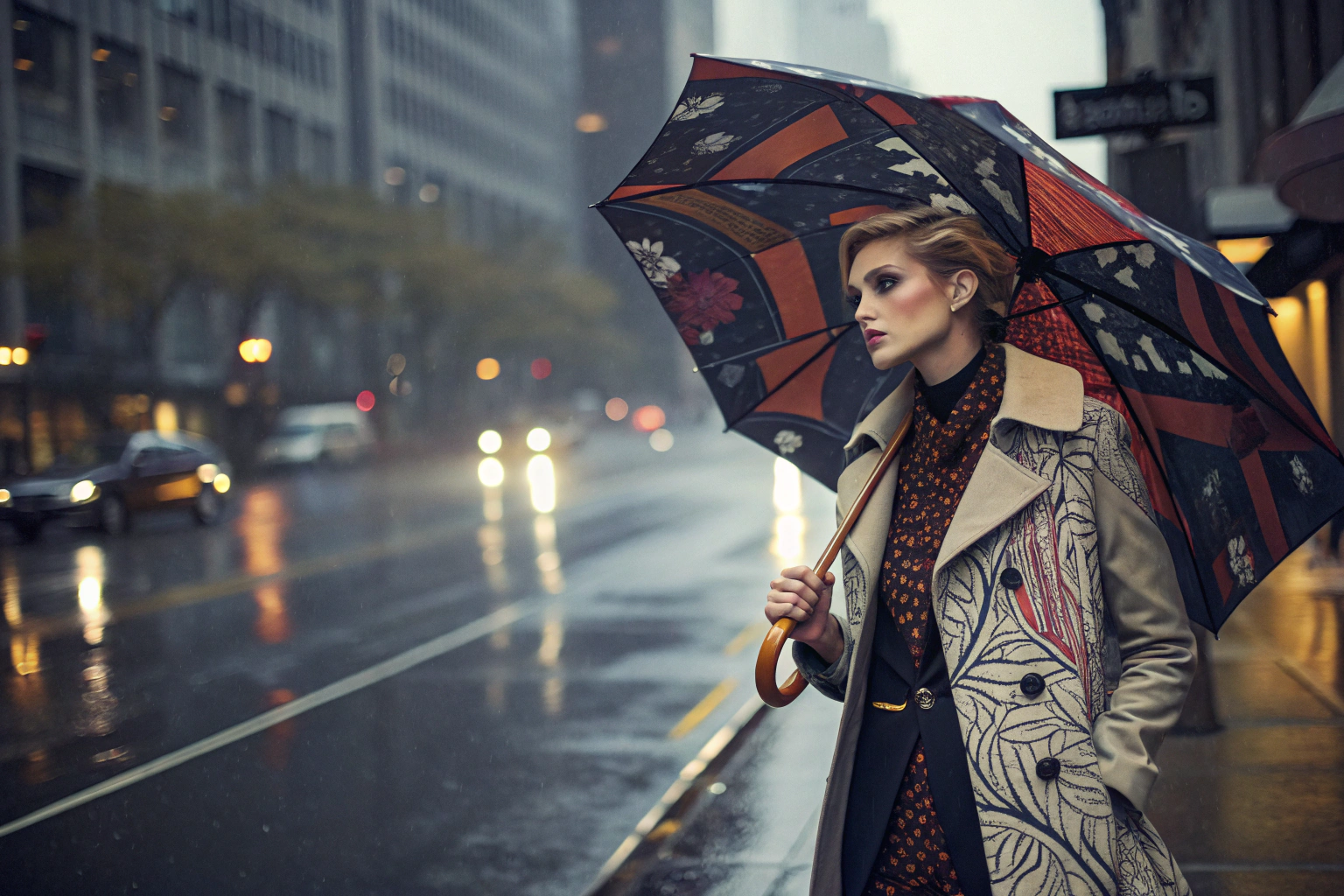
You’re Ron, a buyer for a major fashion retailer. You see umbrellas as a huge opportunity. When it rains, everyone on the street becomes a potential customer. But when you look at the market, you see a sea of boring, black, utilitarian umbrellas that are sold as a cheap afterthought. On the other end, you see flimsy, novelty umbrellas that look pretty but break in the first gust of wind. You’re facing a classic product dilemma: how do you create an umbrella that is both a reliable, waterproof tool and a desirable fashion statement?
To design a waterproof umbrella for fashion use, you must treat it as a true accessory, not just a utility item. This means focusing on three key areas: elevating the canopy into a canvas for unique prints and materials, transforming the handle into a signature design element, and engineering a durable, wind-resistant frame that communicates quality and reliability. A successful fashion umbrella is where high style meets robust performance.
As a manufacturer of a wide range of accessories at Shanghai Fumao Clothing, we’ve helped many brands enter this exact market. The secret is to stop thinking of an umbrella as a disposable item and start thinking of it as a handbag or a scarf—an extension of a person’s style. The customer isn’t just buying shelter from the rain; they’re buying an accessory that completes their look on a dreary day. Let’s break down how to design an umbrella that makes people hope for rain.
How Can the Canopy Become a Canvas for Style?
The canopy is the largest and most visible part of the umbrella, yet it’s often the most neglected. Most umbrellas are a solid, uninspired black or navy. This is a massive missed opportunity. Imagine a street full of people carrying umbrellas with the same generic patterns—it’s a sea of sameness. Your customer wants to stand out.
The canopy must be treated as a wearable piece of art. This is achieved by using sophisticated, trend-aware prints, luxurious materials, and unexpected design details like double-canopy construction. Instead of a simple shield, the canopy becomes the primary expression of the umbrella’s fashion identity.
This is where we can apply the same trend intelligence we use for scarves or apparel. The latest trends in print design—like maximalist florals or abstract digital art—can be translated directly onto an umbrella canopy. We use high-quality, waterproof pongee fabric, which provides a beautiful, smooth surface for high-resolution digital printing. This allows us to create stunning, vibrant designs that won’t fade. By making the canopy a statement, you instantly elevate the umbrella from a utility item to a must-have accessory.
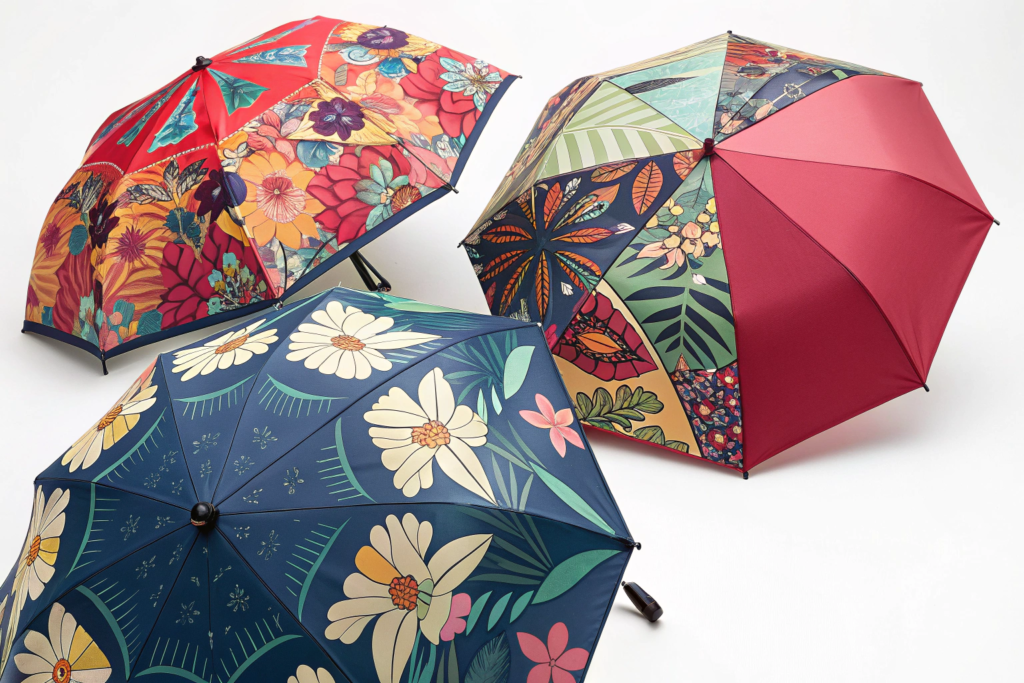
What Print Trends Work Best on Umbrellas?
- Bold Graphics and Geometrics: Large-scale stripes, color-blocking, and abstract shapes make a strong visual impact from a distance.
- Artistic and Painterly Prints: Think watercolor florals, abstract brushstrokes, or even prints that mimic famous paintings.
- "Secret" Interior Prints: A classic, solid-colored exterior canopy that opens to reveal a vibrant, unexpected print on the interior is a sophisticated and popular design choice.
- Transparent with a Twist: Clear canopies are a trend, but they can be elevated with a printed border, a scattering of small motifs, or by using a tinted, colored PVC.
What is Pongee Fabric?
Pongee is a high-density polyester fabric that is the industry standard for high-quality umbrella canopies. It’s naturally water-repellent, dries quickly, is resistant to stretching and shrinking, and provides an excellent surface for printing. A Teflon coating is often added to enhance its water-repellency, causing water to bead up and roll right off.
Why is the Handle the Signature of a Luxury Umbrella?
Think about a high-end handbag. The quality of the hardware—the clasps, the zippers, the strap attachments—is a clear indicator of its luxury status. For an umbrella, the handle serves the same purpose. It’s the primary point of physical contact with the user. A cheap, plastic handle feels flimsy and disposable. A well-crafted handle made from premium materials feels substantial, comfortable, and luxurious.
The handle is the most critical touchpoint for communicating quality and brand identity. By moving beyond basic plastic and using materials like polished wood, genuine leather, or sculptural acrylic, the handle transforms the umbrella into a premium object and provides a unique tactile experience for the user.
When we develop a premium umbrella line for a client, we spend a significant amount of time on handle design. We source different types of wood, test various leather-wrapping techniques, and even create custom-molded acrylic shapes. The shape is just as important as the material. An ergonomic J-curve in a smooth maple wood feels wonderful to hold and can be hooked over an arm or a chair. A straight, leather-wrapped handle offers a sleek, modern feel. This attention to detail in the handle is what justifies a higher price point and makes the customer feel they’ve purchased a quality, lasting item.
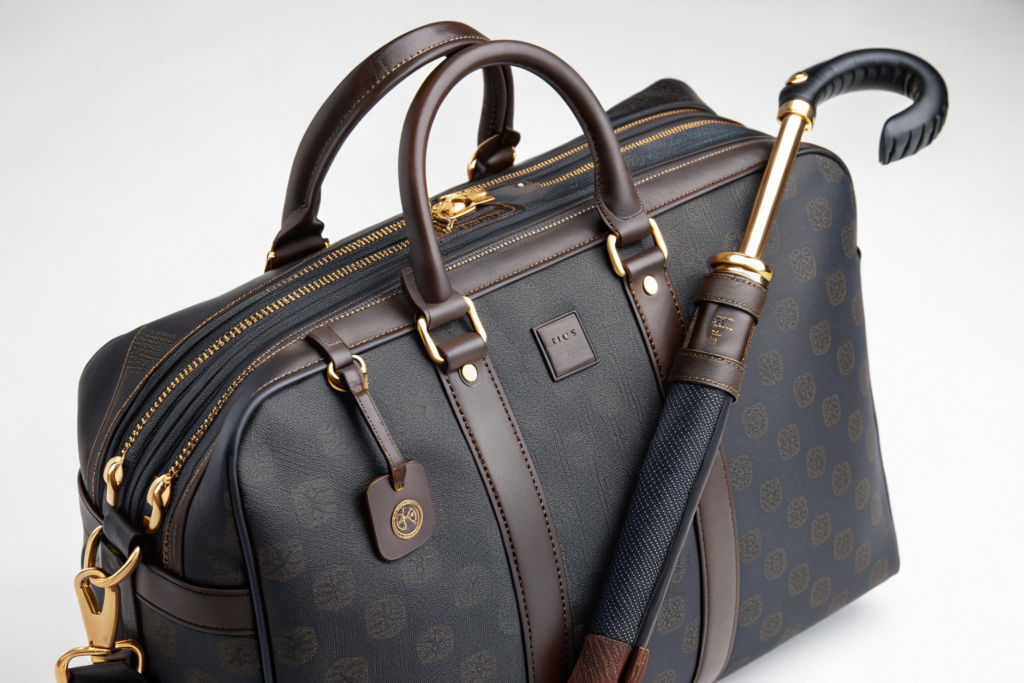
What are the Best Materials for Fashion Umbrella Handles?
- Wood: Classic and timeless. Maple, ash, and bamboo are popular choices, each offering a different look and feel. A single, steam-bent piece of wood for the shaft and handle is a hallmark of a very high-quality umbrella.
- Leather: Wrapping a handle in genuine or high-quality vegan leather adds a touch of luxury and a comfortable, secure grip. Stitching details can further enhance the look.
- Acrylic/Resin: These materials allow for endless creativity. They can be made crystal-clear, tinted in any color, or molded into unique, sculptural shapes.
- Polished Metal: A sleek, minimalist metal handle can provide a modern, industrial aesthetic.
How to balance umbrella function and fashion texture?
The art of merging practicality with style lies in the delicate dance between utility and aesthetics, where every fold, fabric choice, and design element must serve dual purposes. Imagine holding an umbrella that not only shields you from a sudden downpour but also makes a statement—its ribs crafted from lightweight yet durable carbon fiber, glinting subtly like polished silver under the sun, while its canopy is a tapestry of rich, water-resistant silk printed with abstract patterns that shift color as you move, turning a rainy day into a canvas of dynamic hues.
The handle, wrapped in smooth, grippy leather embossed with a minimalist geometric pattern, fits comfortably in your hand, its weight distributed evenly so it feels less like a burden and more like an extension of your style. Consider the details: a compact, foldable frame that tucks neatly into a sleek case made of recycled vegan leather, adorned with tiny metallic studs that catch the light when you open it. The opening mechanism, a soft click that signals readiness, is both satisfying to use and a nod to precision engineering. Even the raindrops hitting the canopy create a soothing rhythm, their sound muffled by the textured fabric, turning a potential annoyance into a gentle melody.
Why is a High-Quality Frame the Skeleton of a Fashion Umbrella?
You’ve designed a beautiful umbrella with a stunning print and a luxurious handle. A customer buys it, loves it, and takes it out on a windy, rainy day. The first strong gust of wind catches the canopy, and the cheap metal ribs snap or the whole thing inverts and is instantly destroyed. You haven’t just lost a sale; you’ve lost a customer’s trust.
A durable, wind-resistant frame is the invisible foundation that gives a fashion umbrella its value and longevity. Using superior materials like fiberglass for the ribs and a strong steel shaft ensures the umbrella can withstand real-world conditions, protecting both the user and the brand’s reputation for quality.
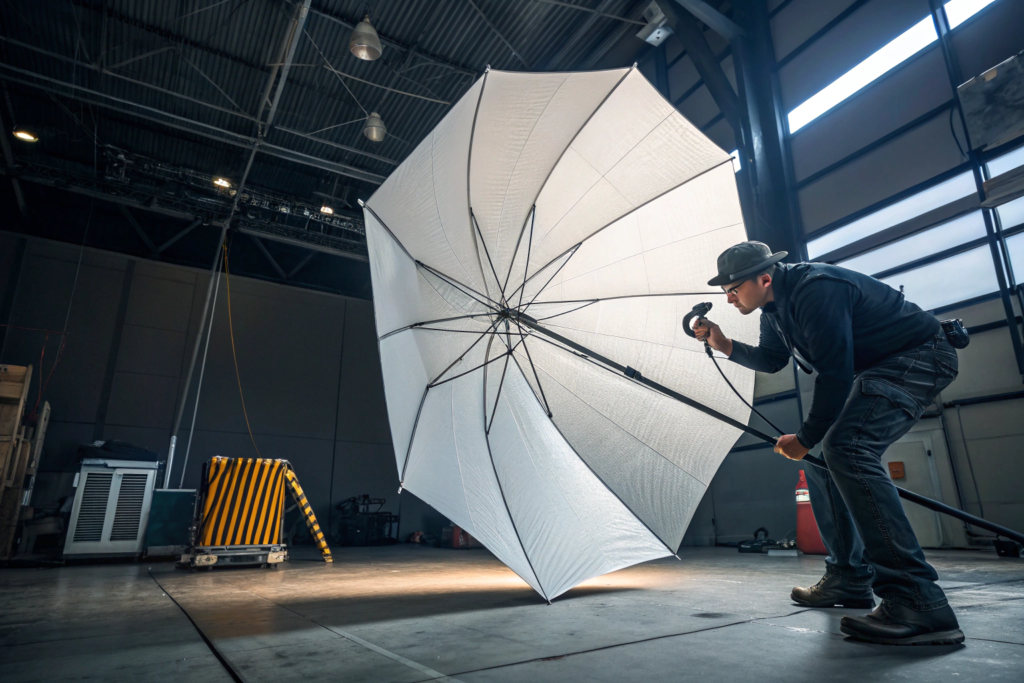
This is where technical expertise is crucial. A fashion umbrella cannot just be fashionable; it must perform its primary function flawlessly. We strongly advise our clients to invest in frames that use fiberglass ribs. Unlike traditional metal ribs, fiberglass is strong yet flexible. When a strong gust of wind hits, a fiberglass frame is designed to flex and bend, then return to its original shape without breaking. This is the single most important feature for preventing wind damage. A vented or "double canopy" design, which allows wind to pass through, is another excellent feature for enhancing wind resistance.
What Makes a Frame Wind-Resistant?
- Fiberglass Ribs: This is the key material. Fiberglass is superior to the cheap steel or aluminum used in disposable umbrellas because it is flexible and highly durable.
- Reinforced Joints: The points where the ribs connect (the runner and top-notch) should be made of strong, high-quality materials to prevent failure under stress.
- Vented Canopy: A double-canopy design with hidden vents allows wind to pass through the umbrella, reducing the pressure that can cause it to invert or break.
- Strong Shaft: The central shaft should be made of high-tensile steel or thick fiberglass to provide a rigid backbone for the entire structure.
What’s the Difference Between Automatic and Manual Open?
- Manual: Simple, reliable, and less prone to mechanical failure. Often preferred for classic, high-end "stick" umbrellas.
- Automatic Open: A push-button mechanism deploys the canopy quickly. This is a convenient feature, especially for compact, telescopic umbrellas.
- Automatic Open/Close: A single button opens and closes the canopy, making it very convenient for getting in and out of cars. This requires a more complex mechanism that must be well-engineered to be reliable.
How Do Thoughtful Details Complete the Design?
You have the canopy, the handle, and the frame. The umbrella is 95% complete. But it’s the final 5%—the small, thoughtful details—that truly separate a standard product from a luxury fashion accessory. It’s the difference between a product that is simply "good" and one that feels special and considered.
Finishing touches like custom hardware, elegant tie-wraps, and high-quality protective sleeves are what complete the luxury experience of a fashion umbrella. These small details demonstrate a commitment to quality throughout the entire product and provide additional opportunities for branding and personalization.
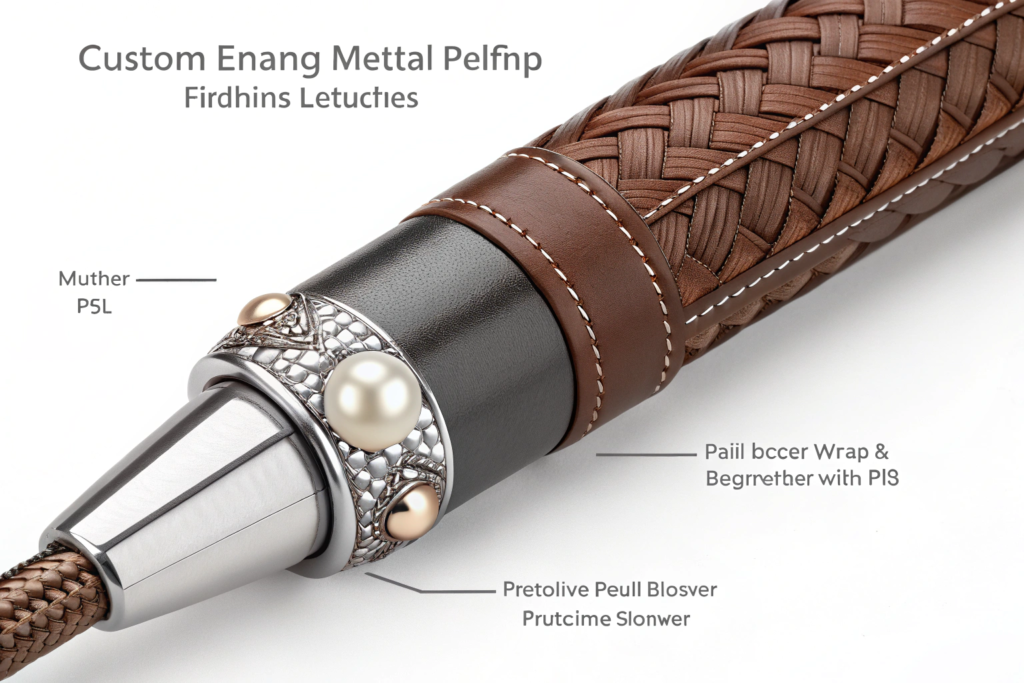
This is where a brand can really inject its personality. We can create custom-molded metal tips (ferrules) with a brand’s logo, use a unique button for the tie-wrap, or add a leather tassel to the handle. The protective sleeve shouldn’t be an afterthought; it should be made from a matching or complementary fabric, perhaps with a stylish zipper or strap. These details might seem minor, but they add up to create a cohesive and premium product that delights the customer from the moment they see it to the moment they use it.
What Details Make a Difference?
- The Tie-Wrap: Instead of a standard snap button, consider using a mother-of-pearl button, a small metal clasp, or a wide, elegant ribbon.
- The Tip (Ferrule): The metal tip at the end of the umbrella can be custom-shaped or engraved with a logo.
- The Protective Sleeve: The sleeve should be just as well-made as the umbrella itself, with a quality lining and a stylish closure.
- Branding: Subtle branding, like a small metal plaque on the handle or a woven label on the tie-wrap, feels more premium than a large, loud logo printed on the canopy.
Why is fabric density the first key to real waterproofing?
Fabric density, the measure of how closely fibers are packed together in a textile, acts as the first line of defense against moisture intrusion. When fibers are densely arranged, they create an impenetrable barrier, leaving no gaps or pores for water molecules to seep through. Think of it as a shield—each thread interlocks with the next, forming a seamless network that repels water with unwavering resolve. In contrast, a loosely woven fabric is like a sieve, allowing water to trickle through its open spaces, no matter how much coating or treatment is applied.
The higher the density, the more robust this barrier becomes, ensuring that rain, sweat, or splashes remain on the surface, sliding off like mercury on glass. This foundational property of density transforms a mere fabric into a true waterproof material, setting the stage for all other protective treatments to work effectively. It is the silent architect of dryness, the invisible guardian that keeps the elements at bay, making it the first and most critical factor in achieving genuine waterproofing.
Conclusion
Designing a successful fashion umbrella is a holistic process. It requires a designer’s eye for style, an engineer’s understanding of mechanics, and a deep appreciation for quality materials and craftsmanship. By treating the canopy as a canvas, the handle as a signature, the frame as a foundation, and the finishing touches as essential details, you can create an umbrella that transcends its basic function. You can create a desirable fashion accessory that customers will love to carry, turning a rainy day into a style opportunity.
At Shanghai Fumao Clothing, we have the integrated expertise to manage this entire process. From trend forecasting and print design to sourcing high-performance frames and crafting bespoke handles, we can help you build an umbrella collection that makes a statement.
If you’re ready to design a line of fashion umbrellas that stand out in the rain, let’s connect. Contact our Business Director, Elaine, at elaine@fumaoclothing.com to get started.