Feeling like men’s accessories are stuck in a loop of basic belts and uninspired hats? The market is evolving fast, and the traditional playbook no longer captures the attention of the modern man. If your men’s line feels predictable, you’re missing the key shifts that blend technical innovation, expressive personal style, and conscious consumption into a powerful new narrative.
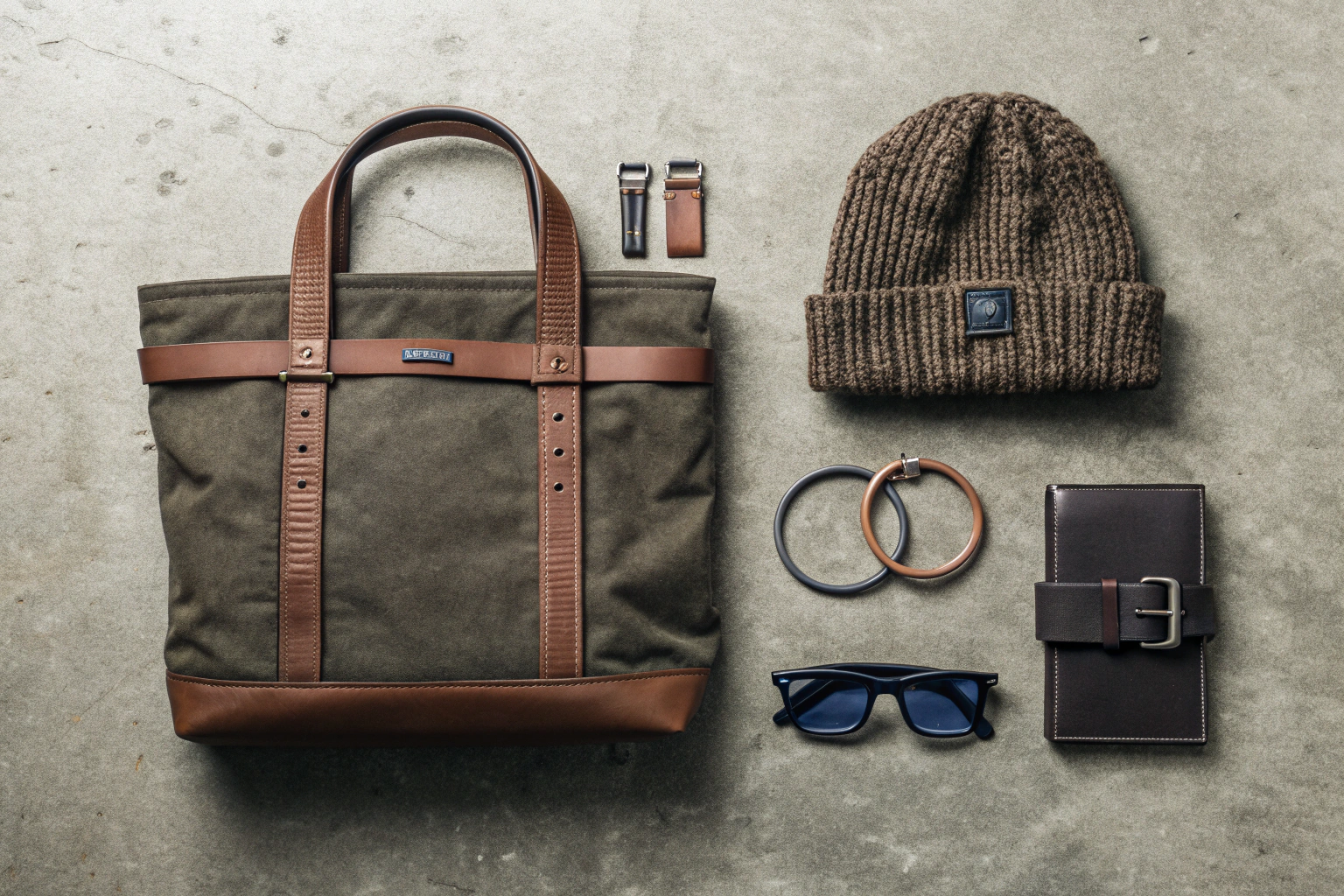
The trends for men’s fashion accessories in 2026 are defined by "Quietly Technical" aesthetics, "Remixed Heritage" storytelling, and "Purpose-Built" versatility. It’s a move away from overt logos towards intelligent design, where materials have a story, function is seamless, and personal expression is achieved through texture and craft rather than branding. The accessory is no longer an afterthought but a considered component of a holistic masculine identity.
This guide explores the specific directions in headwear, bags, jewelry, belts, and seasonal items that will define the market. For brands and retailers, understanding these nuances is critical to crafting a compelling and commercially successful men’s accessory offering.
Why is "Quietly Technical" the Leading Aesthetic for 2026?
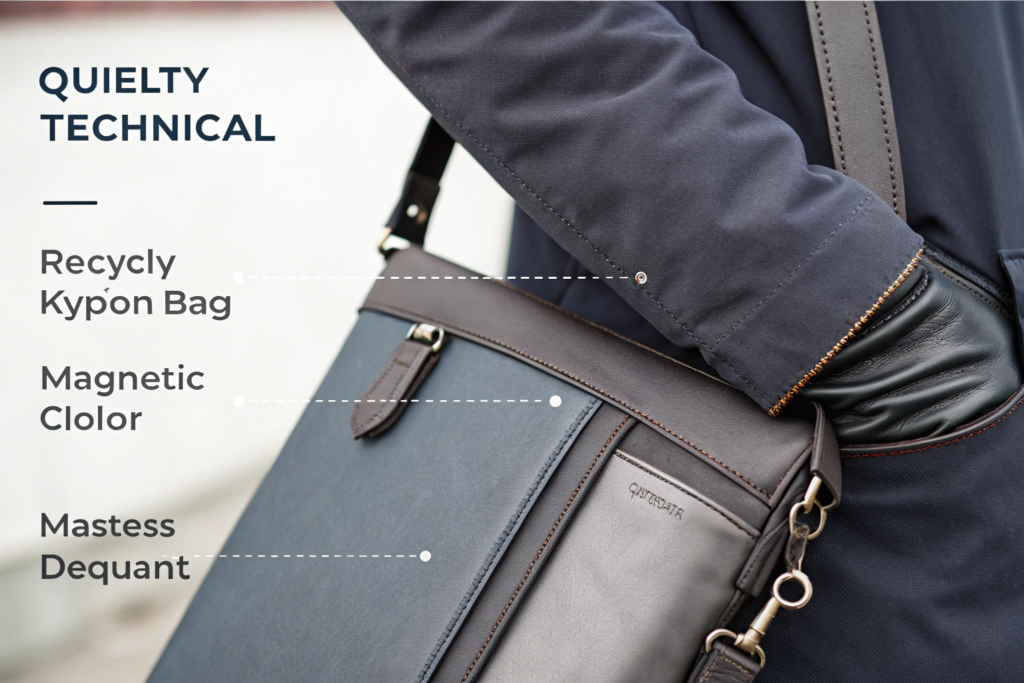
The flashy, logo-driven tech-wear of past seasons is maturing into a more refined, integrated aesthetic. "Quietly Technical" refers to accessories that incorporate high-performance materials and smart features, but with a minimalist, almost stealthy design language. The technology is felt, not shouted.
This manifests in accessories made from advanced matte-finish nylons, recycled technical fabrics with subtle sheens, and bonded leathers that are water-resistant and durable. Think of a backpack with hidden magnetic Fidlock® buckles instead of plastic clips, a baseball cap with a sweat-wicking, odor-resistant lining that looks like standard cotton, or a belt made from sailcloth or seatbelt webbing with a discrete, ultra-strong closure. The focus is on elevated utility. At Shanghai Fumao Clothing, our development is focused on sourcing these "hidden gem" materials that deliver performance while maintaining a clean, sophisticated look.
How Are Advanced Materials Replacing Traditional Ones in Everyday Items?
Traditional materials are being re-engineered. For example, the classic leather wallet is being updated with Tyvek® or X-Pac® fabric versions that are incredibly thin, lightweight, and RFID-blocking. The canvas tote is being reinvented with Cordura® or waxed canvas blends for extreme durability and weather resistance.
In headwear, expect to see merino wool blends replacing acrylic in beanies for superior temperature regulation and odor resistance, all while looking identical to a standard knit. For belts, woven elastic with leather trims or vegetable-tanned leathers treated with nano-protection sprays offer comfort and durability without the maintenance of traditional dress belts. This evolution speaks to a man who values solutions and quality but dislikes fuss. Materials science is key, and resources like Material ConneXion provide libraries of these innovations.
What Role Does "Integrated Tech" Play in Functional Accessories?
"Integrated Tech" moves beyond gimmicks to genuine utility. This includes:
- Biophilic Design Elements: Accessories with built-in compartments for air-purifying inserts (like activated charcoal) or made with copper-infused fibers for antimicrobial properties.
- Modularity: Bags with internal tech grids (like Grid-IT®) or external MOLLE/PALS webbing for attaching pouches, creating a customizable carry system.
- Power Solutions: Subtle, integrated cable management in messenger bags or backpacks, with designated battery pockets and pass-through ports.
The key is that these features are designed to be unobtrusive, enhancing the user’s daily life without making the accessory look like a piece of tactical gear. It’s about seamless support for a connected, mobile lifestyle.
How is "Remixed Heritage" Influencing Bags, Belts, and Jewelry?
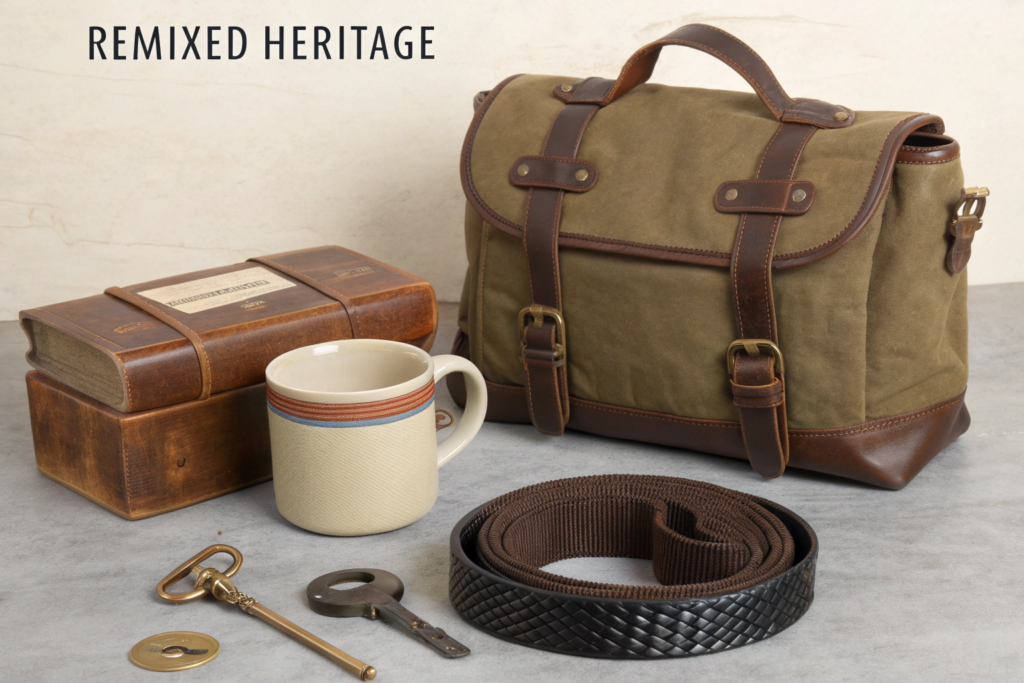
Nostalgia is being filtered through a contemporary lens. "Remixed Heritage" isn’t about literal reproduction; it’s about deconstructing classic styles, materials, and crafts, then reassembling them with modern proportions, functions, and material hybrids.
This trend is strong in bags (reimagined doctor’s bags or fishing tackle bags in technical fabrics), belts (wide webbing belts with vintage-inspired roller buckles but made from recycled materials), and especially in men’s jewelry. Jewelry is moving away from bold chains towards more personal, nuanced pieces like signet rings with abstract engravings, braided leather cords with minimalist pendants, and bead bracelets made from sustainable materials like tagua nut or recycled glass.
Why is Men’s Jewelry Moving Towards Subtlety and Meaning?
The boom in men’s jewelry is evolving from conspicuous display to personal totem. Pieces are smaller, more textured, and often carry personal or symbolic meaning. Materials like brushed silver, black zirconium, oxidized brass, and sustainable woods are favored for their muted, tactile qualities.
The manufacturing shift here is towards small-batch craftsmanship and high-quality finishing. A matte bead, a perfectly weighted ring, a clasp that feels secure—these details are paramount. For factories, this means investing in skilled artisans for finishing and assembly, and sourcing unique, small-diameter materials. It’s less about mass production and more about precision and feel, catering to a consumer buying fewer, better things. This aligns with the broader slow fashion movement.
How Are Classic Bag Silhouettes Being Updated?
The update comes through material juxtaposition and intelligent organization. A heritage-style field bag might be crafted from a mix of waxed canvas and technical nylon, feature a waterproof zipper, and include a dedicated, padded slot for a tablet.
Internally, classic loose designs are being replaced with structured compartments for tech, water bottles, and everyday carry items. Externally, details like leather-backed adjustable webbing straps or magnetic fidlock closures replace traditional buckles and snaps. This approach respects the timeless aesthetic of the original while making it perfectly relevant for 2026’s needs. It allows brands to tap into familiar, trusted shapes while delivering modern performance.
What Defines "Purpose-Built" Versatility in Modern Accessories?
The modern man seeks accessories that transition effortlessly across contexts—from work to weekend, urban to outdoor. "Purpose-Built" Versatility means each item is intentionally designed for multiple, specific use cases without being a generic jack-of-all-trades.
This is not about a bag that’s "good for everything," but a bag with a modular design that allows it to be configured for a business trip, a gym session, or a weekend hike. It’s a scarf that functions as a neck gaiter, headband, or balaclava. It’s a hat with a hidden, fold-out neck flap for sudden weather changes. The versatility is engineered, not incidental.
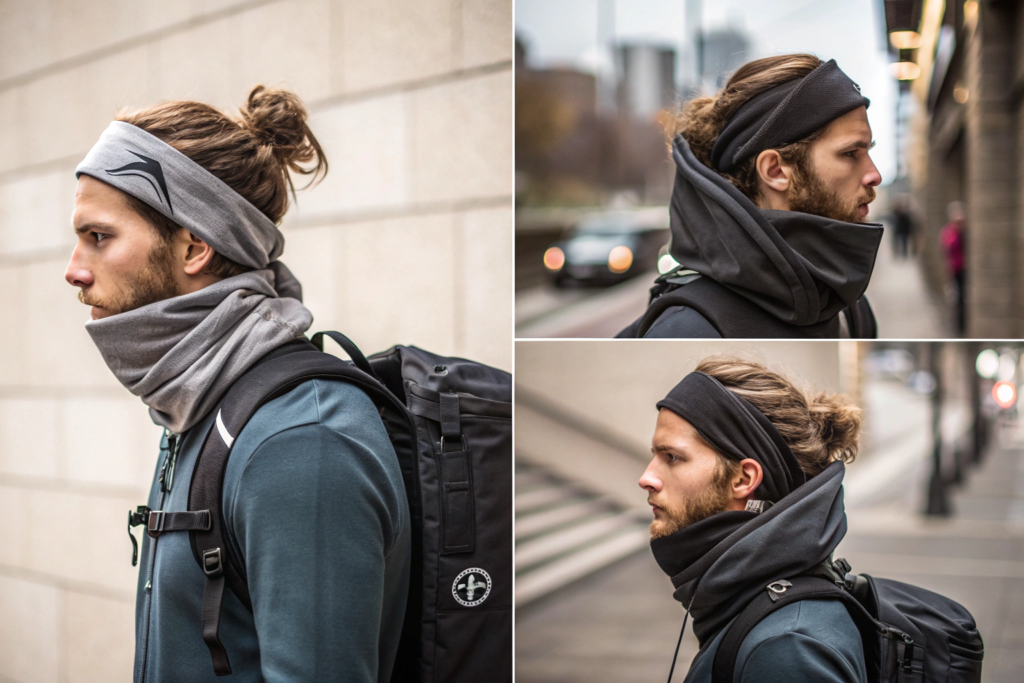
What are Key Examples of Multi-Functional Headwear and Neckwear?
Beyond the standard beanie, look for:
- The 3-Way Hat: A cap with integrated, fold-out ear flaps and a rear neck guard, often in a technical fabric.
- The Convertible Snood: A tube scarf that can be worn as a snood, pulled up as a balaclava, or folded down as a collar. Premium versions use merino wool or wool blends.
- The Packable Cap: A structured cap made from a specially woven nylon that can be rolled or folded flat without losing its shape, designed for travel.
These items solve specific problems (unexpected cold, packing light, variable weather) and thus command a higher value. Their production requires thoughtful pattern-making and often the combination of two or three different fabric types within one item, a specialty of integrated manufacturers.
How is Modularity Being Applied to Bags and Everyday Carry?
Modularity is the ultimate expression of "Purpose-Built" design. It allows the user to customize their carry based on daily needs. Key systems include:
- Internal Organizational Cubes: Sold separately, they allow a single bag to be organized for tech, photography, or toiletries.
- External Attachment Points: Robust webbing or daisy chains allow for the addition of water bottle holders, accessory pouches, or even tripods.
- Convertible Straps: A backpack that quickly converts to a shoulder bag or duffle via detachable straps.
For manufacturers, this means designing the core bag with precision attachment points, sourcing high-quality hardware (like ITW Nexus buckles), and potentially developing a complementary line of pouches and organizers. It creates a product ecosystem that encourages repeat purchases and brand loyalty.
What Role Do Sustainability and Craft Play in the 2026 Narrative?
Sustainability in 2026 is expected, not exceptional. It moves from a marketing claim to a baseline manufacturing standard, expressed through traceable materials and visible craft.
Consumers will look for accessories made from traceable recycled metals, regeneratively sourced leather, and deadstock fabrics. The story is as important as the item. Furthermore, there’s a growing appreciation for artisanal details that signal human touch and quality: hand-stitching on a leather bag, hand-turned beads on a bracelet, or the unique variations in vegetable-tanned leather.
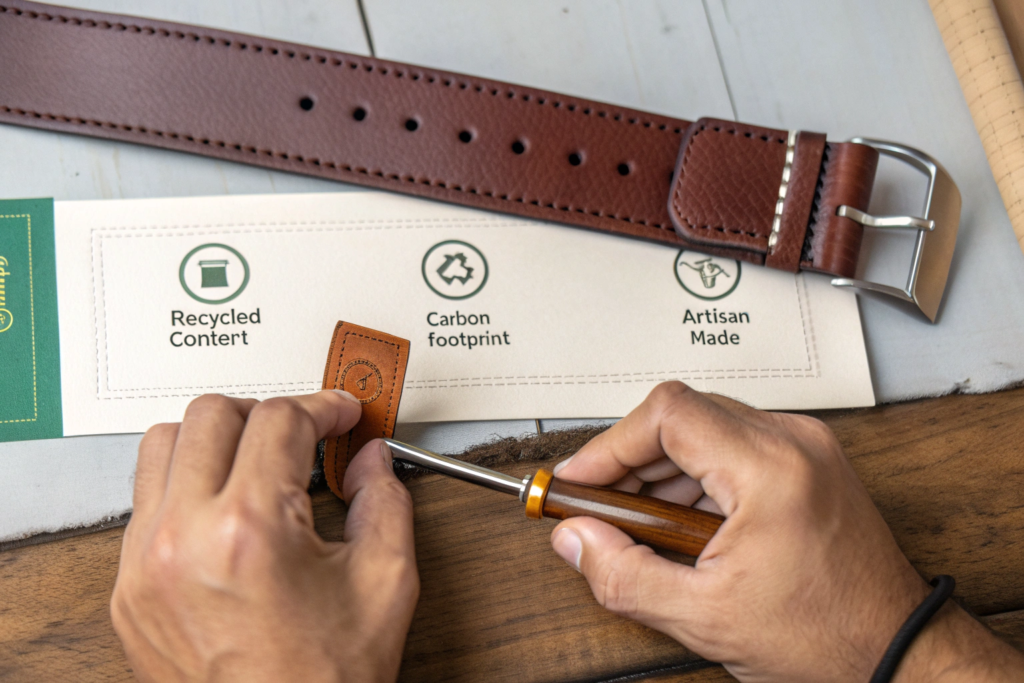
How is "Sustainable" Evolving Beyond Just Recycled Materials?
The next level involves full lifecycle consideration. This includes:
- Design for Disassembly: Creating accessories where components (like a bag’s strap, buckle, and body) can be easily separated for repair, replacement, or recycling.
- Take-Back Programs: Brands are beginning to design accessories with the end in mind, offering repair services or recycling programs, often in partnership with their manufacturers.
- Natural Material Innovation: Beyond recycled polyester, look for accessories using mushroom leather (Mylo), pineapple leaf fiber (Piñatex), or apple leather for small leather goods and trim.
Factories that can support these initiatives—through modular construction methods, access to innovative bio-materials, and reverse logistics planning—will be highly valuable partners. This represents a shift towards a circular business model.
Why is "Visible Craft" Resonating with the Male Consumer?
In a world of mass production, evidence of handcraft represents authenticity, durability, and individuality. For men, this might mean:
- Raw, unfinished edges on leather goods that develop a personal patina.
- Exposed bar-tacking on stress points of a bag, showcasing structural integrity.
- Hand-knotted or woven details on bracelets and keychains.
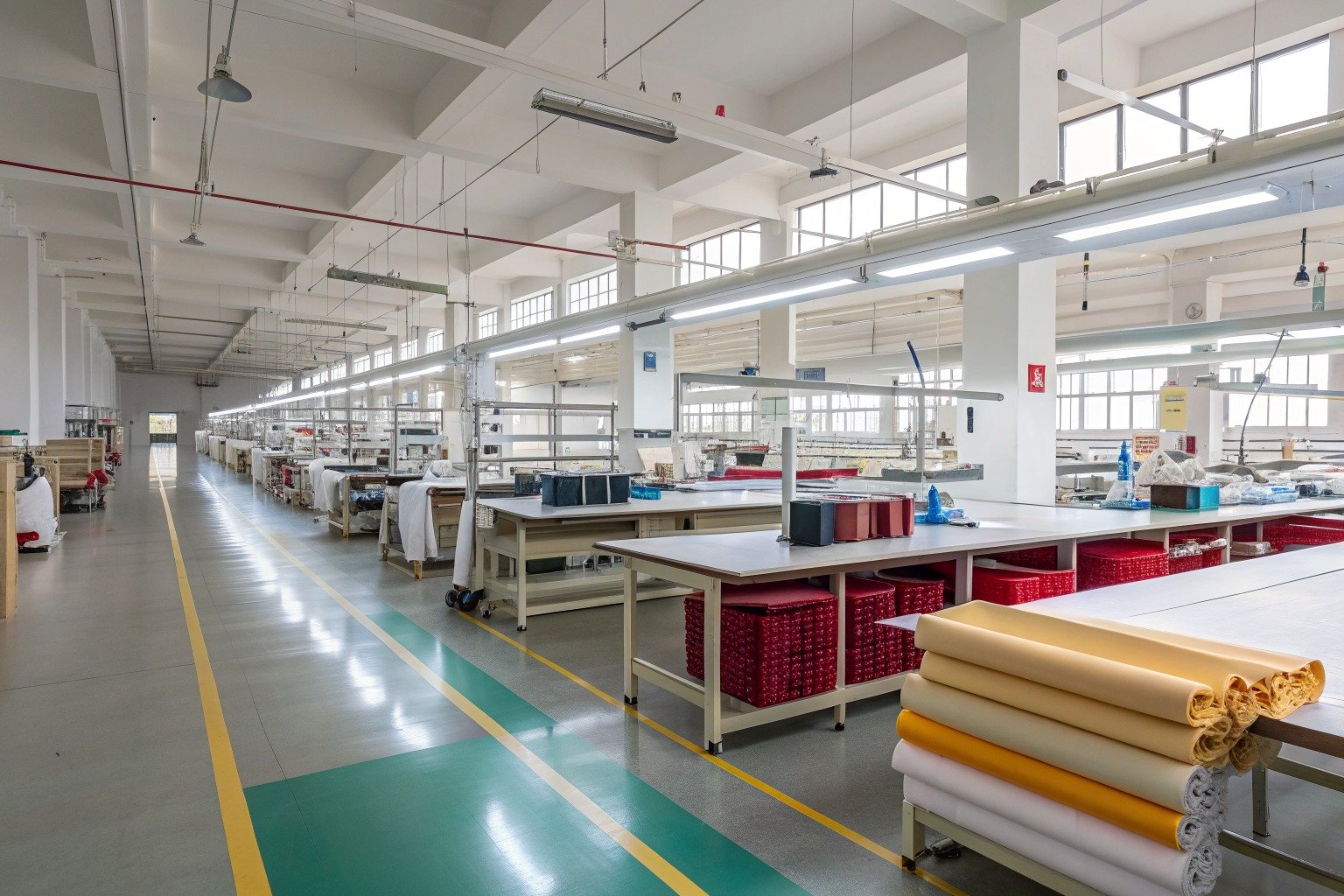
These details signal that the item was made with care and is built to last. It appeals to the collector’s mindset and the desire for items with character. For a factory like Shanghai Fumao Clothing, this means maintaining and highlighting skilled workshop capabilities alongside high-volume lines, offering clients a spectrum of production options.
Conclusion
The trends for men’s fashion accessories in 2026 paint a picture of a more discerning, versatile, and intentional male consumer. Success lies at the intersection of intelligent design ("Quietly Technical"), emotional resonance ("Remixed Heritage"), and adaptable functionality ("Purpose-Built"). Underpinning it all is an unwavering commitment to sustainable and craft-led production.
Brands that can synthesize these elements—offering accessories that are both smart and soulful, durable and desirable—will capture the loyalty and spending of this evolving market. The opportunity is to move men’s accessories from the periphery to the center of personal style.
Ready to develop a forward-thinking men’s accessory collection for 2026? Contact our Business Director, Elaine, at elaine@fumaoclothing.com to leverage our trend insights, material innovation, and manufacturing expertise. Let’s build the next generation of men’s essentials together.