Are you struggling to keep your scarf line feeling fresh and relevant? The market is saturated with generic polyester and basic wool blends that fail to capture the imagination of today’s conscious consumer. If your fabric selection feels safe but uninspired, you’re missing the key trends that drive desirability and justify premium pricing.
The latest trends in fashion scarf fabrics are defined by a powerful convergence of textural storytelling, sustainable innovation, and multi-functional performance. It’s no longer just about color and print; the fabric itself is the hero, offering unique tactile experiences, eco-credentials, and year-round versatility. The most forward-thinking brands are moving beyond traditional materials to embrace novel weaves, recycled content, and seasonless blends.
This exploration dives into the specific fabrications that are shaping the future of scarves, from lofty bouclés and airy gauzes to high-tech temperature-regulating knits. Understanding these trends is essential for designers, buyers, and brands looking to craft collections that resonate with modern values and aesthetics.
Why Are Textural and "Tactile-First" Fabrics Dominating Scarf Design?
Visual appeal is now just the entry point. Today’s consumer wants to feel the quality and story through their fingertips. Scarves are inherently tactile accessories, and the trend is towards fabrics with pronounced, three-dimensional textures that invite touch and create visual depth even in solid colors.
Leading this category are exaggerated bouclé and loop yarn constructions. These fabrics, often made from wool, mohair, or cotton blends, have a whimsical, cozy, and artisanal feel. Similarly, crinkled seersuckers, pleated textures, and slubbed linen or cotton are gaining popularity for their inherent, low-maintenance texture that adds character without bulk. These "tactile-first" fabrics elevate a simple scarf into a statement piece through their physical structure alone. At Shanghai Fumao Clothing, our sourcing specialists are constantly curating a library of these innovative yarns and weaves to provide clients with distinctive, on-trend fabric options.
What Makes Bouclé and Loop Yarn Scarves So Covetable?
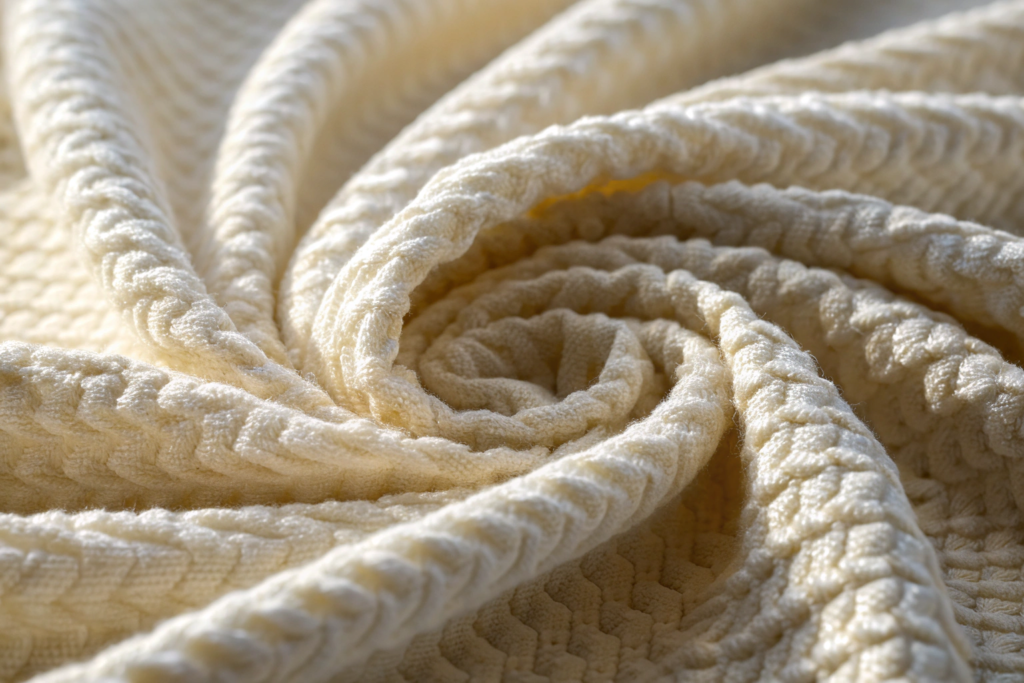
Bouclé fabric is created using yarn with looped piles, resulting in a distinctive, nubby surface. Its appeal lies in its multisensory experience—it looks intricate, feels cozy and lightweight, and often has a beautiful drape. It bridges the gap between luxury (reminiscent of classic Chanel jackets) and accessible comfort.
From a production standpoint, working with bouclé requires expertise. The looped yarn can be delicate, requiring careful handling during cutting and sewing to maintain the texture. The right lining or hemming technique is crucial to prevent unraveling while preserving the fabric’s character. When executed well, as we do at our factory, a bouclé scarf commands a higher price point due to its perceived craftsmanship and unique aesthetic. It’s a trend that caters to the desire for investment pieces with personality.
How Are Designers Using Texture to Replace Excessive Embellishment?
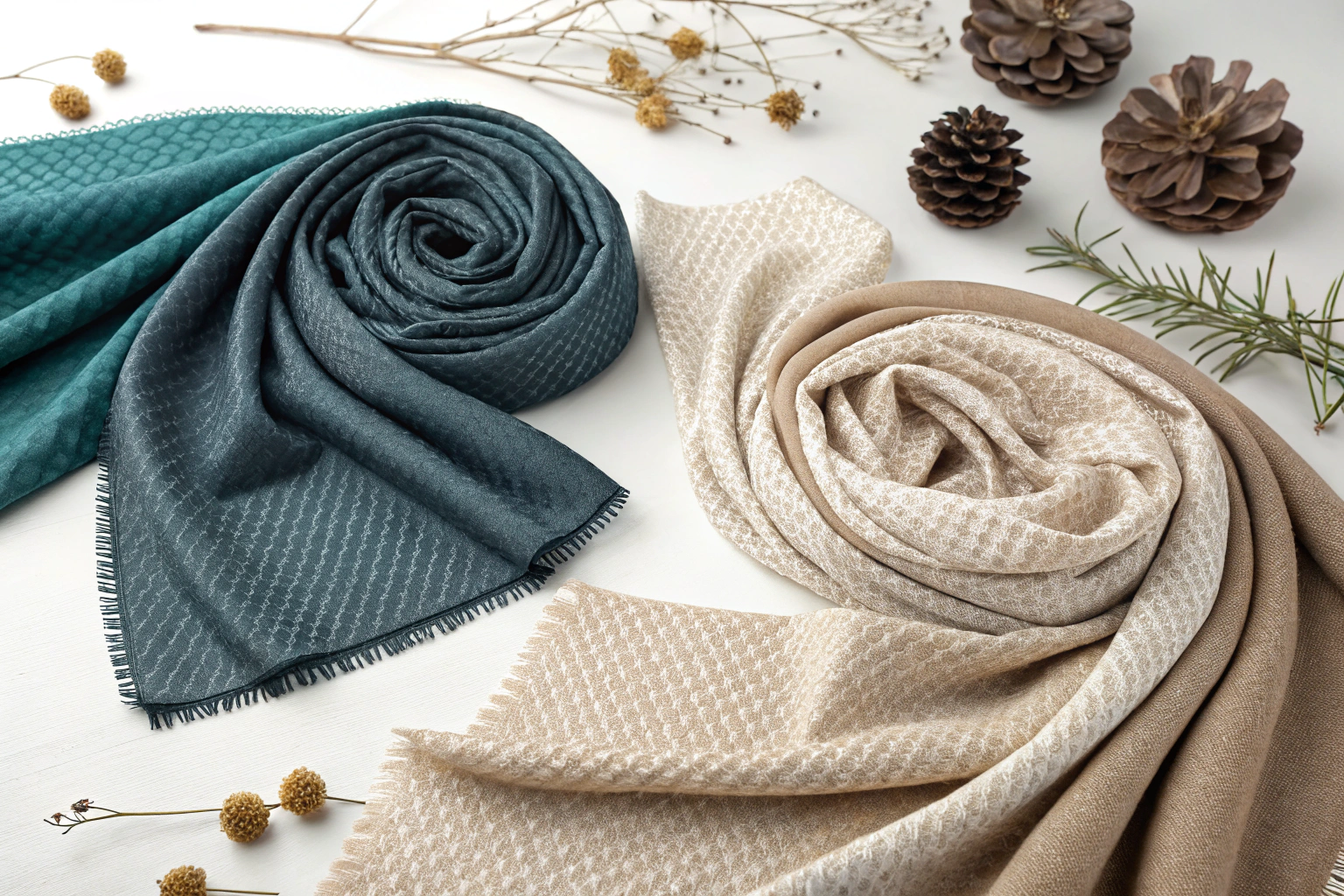
There’s a clear shift towards "quiet luxury" in accessories, where intrinsic quality trumps flashy logos or applied decorations. Textural fabrics achieve this perfectly. A scarf in a rich, undyed wool herringbone, a honeycomb piqué cotton, or a crisp cotton organdy makes a sophisticated statement through its weave alone.
This trend reduces production complexity and cost (no need for separate printing or embroidery processes) while increasing the perceived value through superior material choice. It aligns with a minimalist, enduring style that consumers are increasingly drawn to. For brands, it means focusing development resources on sourcing exceptional base fabrics rather than on surface decoration—a more sustainable and often more impactful approach. This philosophy is echoed in discussions around material-led design.
Which Sustainable and Innovative Materials Are Redefining the Category?
Sustainability is now a core design parameter, not an afterthought. The latest scarf fabrics are pioneering in their use of recycled, regenerative, and next-generation materials that minimize environmental impact while maximizing performance and beauty.
Key innovations include:
- Recycled Cashmere and Wool: Luxury fibers given a second life, offering the same softness with a compelling eco-narrative.
- TENCEL™ Lyocell and Modal: Derived from sustainably sourced wood pulp, these fibers are prized for their silky drape, breathability, and biodegradable properties.
- Recycled PET Fabrics: Advanced iterations that transform post-consumer plastic bottles into surprisingly soft, durable, and often moisture-wicking polyester filaments.
- Organic and Regenerative Cotton: Grown without harmful chemicals and with practices that improve soil health.
- Plant-based Innovations: Fabrics incorporating fibers from seaweed, orange peel, or hemp are emerging, offering unique properties and stories.
Is Recycled Cashmere Comparable to Virgin Cashmere in Quality?
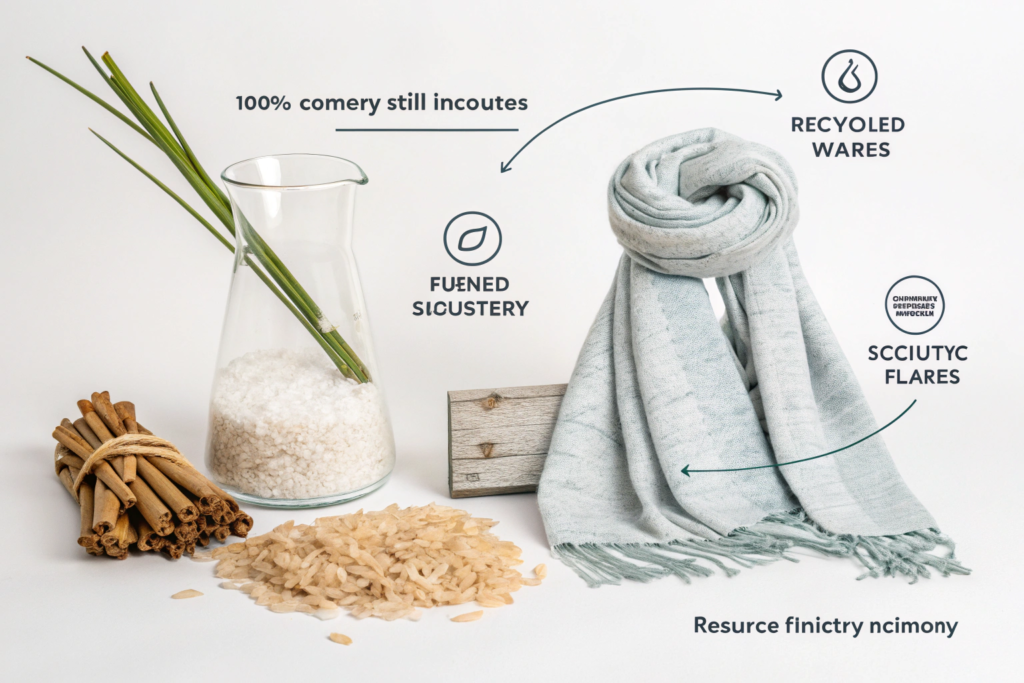
Technologically, yes. Advanced recycling processes can break down pre-consumer or post-consumer cashmere garments back to their fibrous state, which is then re-spun into new yarn. The resulting recycled cashmere retains much of the legendary softness, warmth, and lightweight feel of its virgin counterpart.
There can be a slight reduction in fiber length after recycling, which expert spinners compensate for by blending with a small percentage of longer virgin fibers (sometimes other wools or even TENCEL™) to ensure strength and spin-ability. For the consumer, the difference is often imperceptible, while the environmental benefit—reducing water use, chemical processing, and landfill waste—is substantial. Offering recycled cashmere scarves allows brands to tap into the luxury market while aligning with strong sustainability values. Resources like the Textile Exchange provide standards and data on recycled material impacts.
Why Are TENCEL™ and Other Botanicals Ideal for Year-Round Scarves?
TENCEL™ Lyocell (and its sister fiber Modal) is a superstar for modern scarf design due to its versatility. It has a beautiful, fluid drape that works for elegant silk-like styles, yet it is highly breathable and moisture-wicking—properties typically associated with performance wear. This makes it perfect for transitional seasons; it provides a light layer without overheating.
Furthermore, its production process is notably eco-friendly, using a closed-loop system that recycles water and solvents. For brands targeting the conscious consumer who values both aesthetics and ethics, TENCEL™ is a compelling choice. It can be woven into light gauzes, soft jerseys, or textured canvases, making it incredibly adaptable. Similarly, linen (from flax) remains a perennial favorite for its cool, crisp hand-feel and natural, biodegradable qualities, perfectly suited for spring and summer collections.
How Are Performance and Technical Fabrics Influencing Everyday Scarves?
The lines between activewear, outdoor gear, and everyday fashion continue to blur. Technical features once reserved for sportswear are now being demanded in fashion accessories, leading to the rise of performance-infused scarf fabrics.
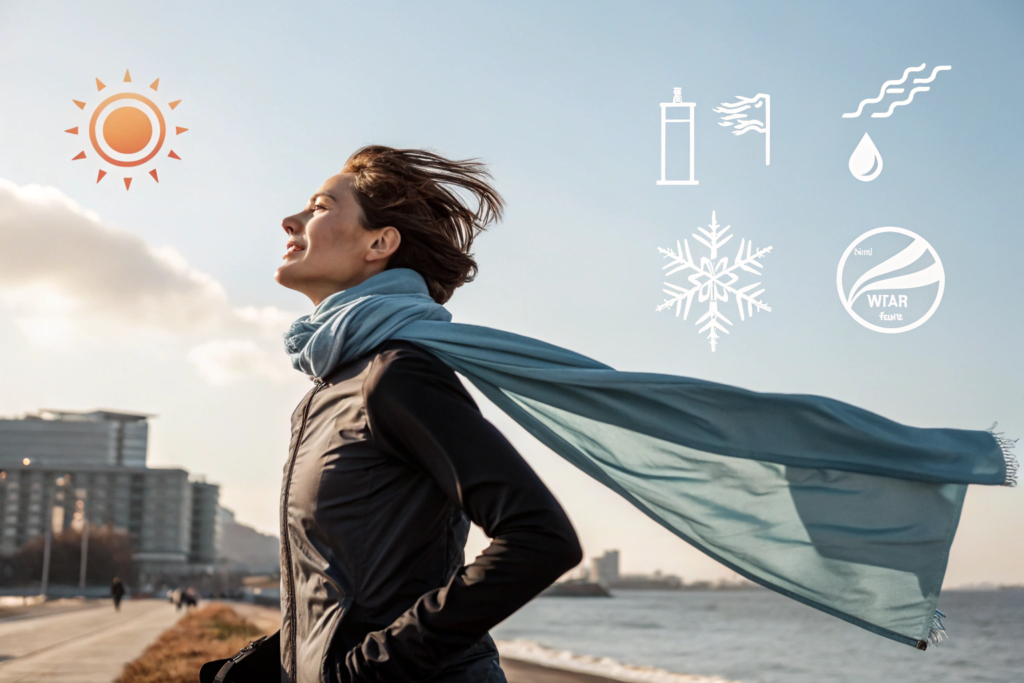
This includes lightweight knits and wovens with inherent temperature regulation (using materials like wool or specialty polyester that wick moisture and retain warmth when wet), UV protection (through fabric construction or fiber additives), and stretch recovery for a comfortable, adaptable fit. There is also a growing market for ultra-lightweight and packable fabrics, such as finely woven nylon or polyester georgette, that can be stuffed into a pocket or pouch—ideal for the travel-focused consumer.
What Does "Temperature Regulating" Really Mean for a Scarf Fabric?
True temperature regulation goes beyond simple insulation. It refers to fabrics that actively help manage microclimate. Merino wool is a natural example: its fibers can absorb moisture vapor without feeling damp and release it slowly, helping the body maintain a comfortable temperature in both cool and mild conditions.
Synthetic versions achieve this through engineered fiber cross-sections or bio-based phase-change materials (PCMs) that absorb, store, and release heat. For a scarf, this means a single style can be comfortably worn across a wider range of temperatures and activities—from a chilly morning commute to a brisk afternoon walk—enhancing its utility and perceived value. When marketing such products, clarity on the specific technology (e.g., "37.5® Technology," "Outlast®") builds credibility.
Why is Packability a Key Feature for the Modern Consumer?
The modern lifestyle is mobile. Consumers, especially frequent travelers and urban dwellers, value products that are versatile and space-efficient. A packable scarf made from a specially woven, crinkle-resistant fabric (often synthetic or synthetic blends) can be compressed into a tiny pouch, taking up minimal room in a bag.
This feature transforms the scarf from a seasonal staple into a year-round "just-in-case" accessory. It appeals to the practical, experience-driven consumer who prioritizes functionality alongside style. From a manufacturing perspective, it often involves creating a matching pouch and ensuring the fabric and construction (like rolled hems) can withstand repeated packing without looking permanently creased. This trend is a direct response to the demand for adaptable, multi-use fashion.
What Should Brands Consider When Sourcing These Trend Fabrics?
Sourcing innovative fabrics requires a partner with strong supplier relationships, technical knowledge, and quality assurance capabilities. It’s not enough to find a beautiful sample; you need to ensure it can be produced consistently, at scale, and meet relevant safety and performance standards.
Critical considerations include:
- Minimum Order Quantities (MOQs): Novel or sustainable fabrics often have higher yarn MOQs. Work with a factory that can aggregate demand across clients or suggest excellent alternatives.
- Dyeing and Finishing: Ensure the mill can achieve the desired color fastness and hand-feel (softness, drape) consistently.
- Care and Durability: Understand how the fabric performs after washing. Will the bouclé loops snag? Will the gauze shrink?
- Certifications: For sustainable claims, request documentation like GRS (Global Recycled Standard) for recycled content or Oeko-Tex® Standard 100 for safety.
A factory like Shanghai Fumao Clothing, with integrated sourcing and production, can navigate these complexities, providing samples, test reports, and realistic cost analysis to guide your decision-making.
How Important is Fabric Testing and Certification?
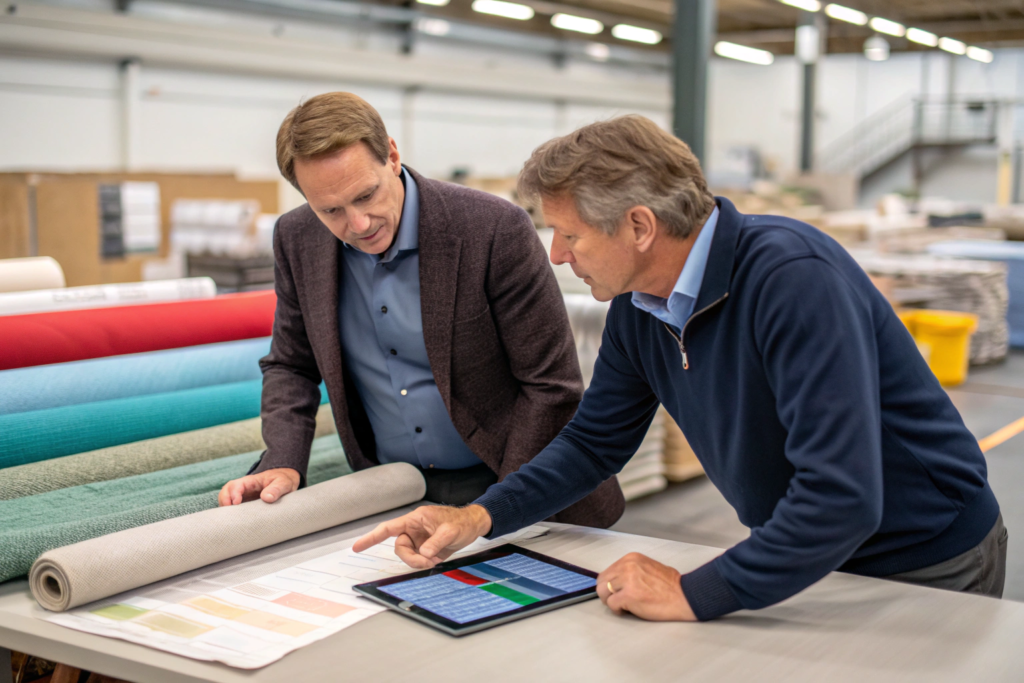
It is paramount, especially for performance and sustainable claims. Fabric testing validates key properties: pilling resistance, colorfastness to washing and light, shrinkage, and tensile strength. For performance features like UV protection (UPF rating) or moisture-wicking, specific tests provide the data needed for marketing.
Certifications provide third-party verification that builds trust with retailers and consumers. The Global Recycled Standard (GRS) verifies recycled content. Oeko-Tex® Standard 100 ensures the fabric is free from harmful levels of over 100 regulated substances. Requesting these test reports from your factory or their fabric mill is a standard and necessary part of professional sourcing, protecting your brand from liability and greenwashing accusations.
Can an Accessory Factory Handle the Complexity of Novel Fabrics?
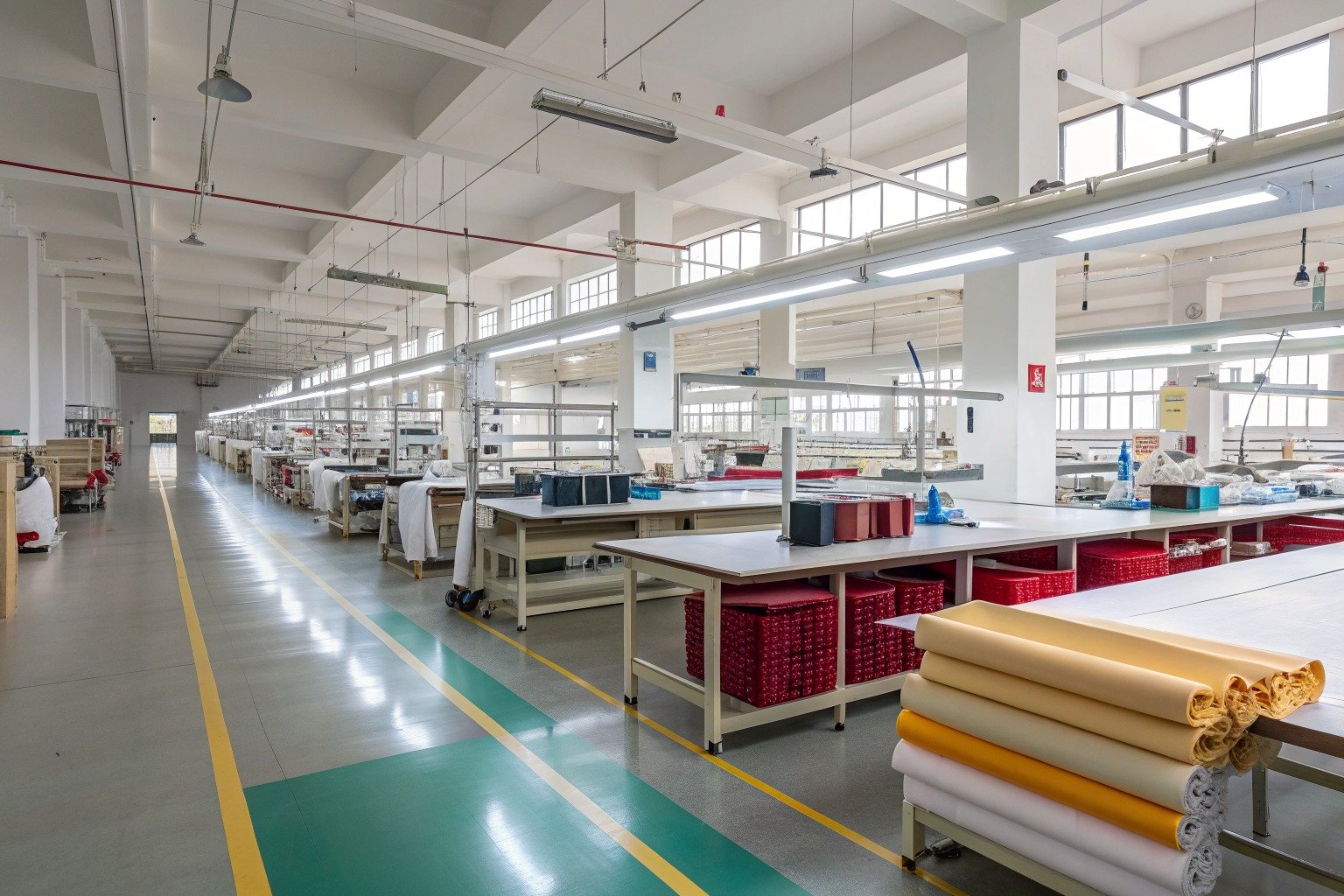
A full-service, experienced accessory factory is precisely the partner you need. They possess the technical know-how to handle delicate bouclé without damaging it, to construct scarves from slippery TENCEL™ challis with clean finishes, and to apply specialized hemming (like laser cutting or micro-rolled hems) to high-tech synthetics.
Their value lies in translating a fabric swatch into a flawless finished product. They will conduct pre-production tests, adjust machine tensions, and select the perfect thread and finishing techniques for each unique material. This expertise turns a promising fabric trend into a commercially viable, high-quality product. This end-to-end capability is what separates a true manufacturing partner from a basic assembler.
Conclusion
The latest trends in fashion scarf fabrics are weaving a new narrative for the category—one centered on sensory experience, environmental responsibility, and intelligent function. The move towards bold textures, sustainable innovations like recycled luxury fibers and botanic materials, and the integration of performance features are reshaping what consumers expect from this timeless accessory.
Success in this evolving landscape requires more than just selecting a trendy swatch; it demands a deep understanding of material properties, supply chain integrity, and the technical expertise to execute designs flawlessly. Partnering with a manufacturer that has strong sourcing relationships and specialized production capabilities is essential to bring these sophisticated fabric stories to life.
Ready to refresh your scarf line with the fabrics that define the future? To explore our curated library of trend-forward materials and discuss your next collection, contact our Business Director, Elaine, at elaine@fumaoclothing.com. Let’s craft scarves that feel as good as they look.