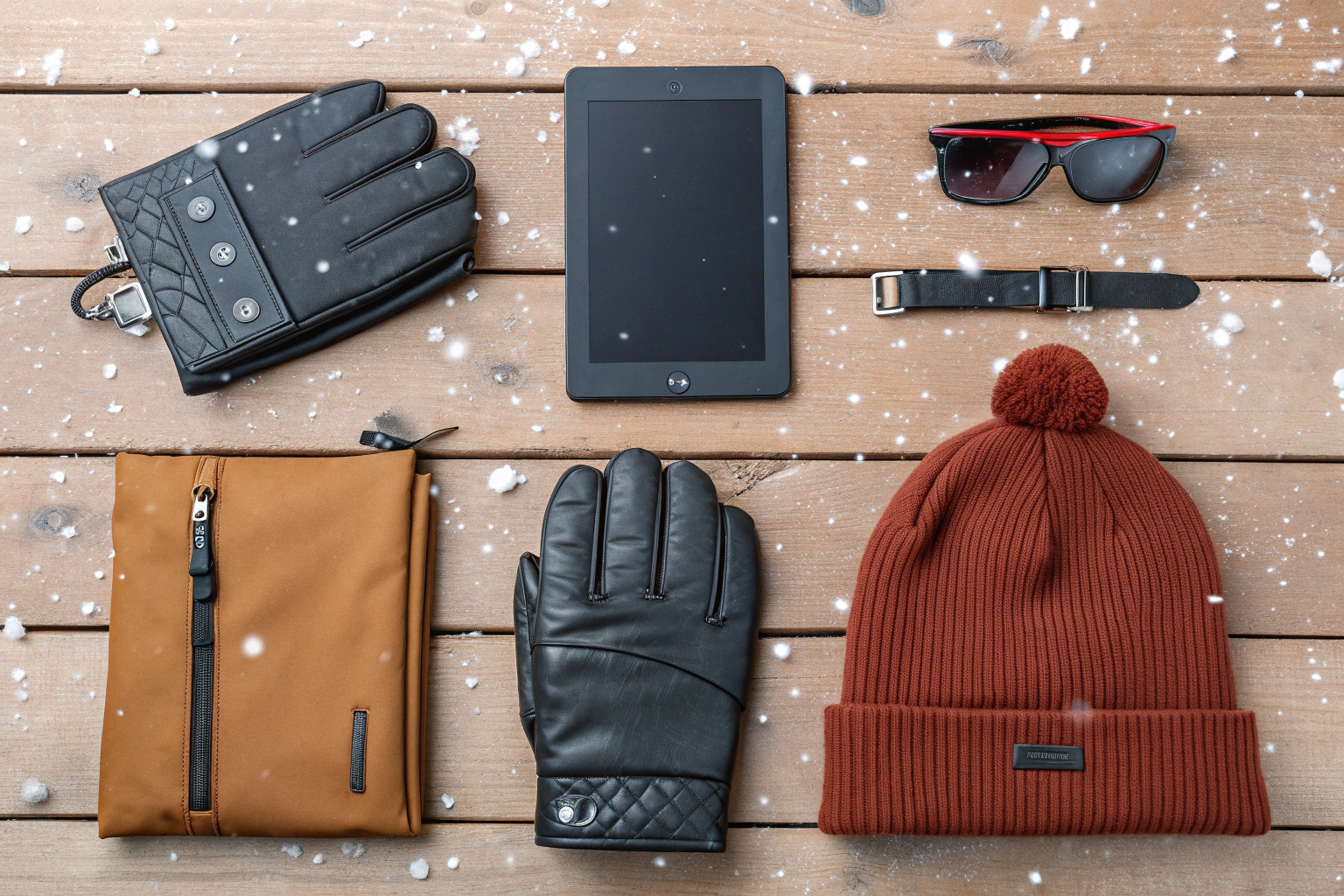
Looking for winter gloves that sell out season after season? The market is flooded with basic designs that fail to excite today’s consumers. If your glove assortment feels outdated, you’re missing key opportunities in fashion, function, and sustainability that drive modern purchasing decisions.
The latest trends in winter gloves blend high-performance technology with conscious design and versatile style. It’s no longer just about keeping hands warm; it’s about integrating smart features, using eco-materials, and creating gloves that work from the slopes to the city street. The 2024-2025 season is defined by gloves that are as thoughtful as they are functional.
From touchscreen-compatible conductive fabrics to recycled insulation and convertible designs, we break down the key trends that will dominate the market. Understanding these developments is crucial for brands, retailers, and buyers looking to curate a best-selling winter accessories lineup.
Which Technical Features Are Now Considered Standard in Modern Winter Glens?
Consumers now expect their winter gloves to be multi-functional tools, not just passive insulation. Basic knitted gloves are being passed over for designs that integrate seamless technology for daily life. The standard has risen, and gloves lacking these features are perceived as low-value.
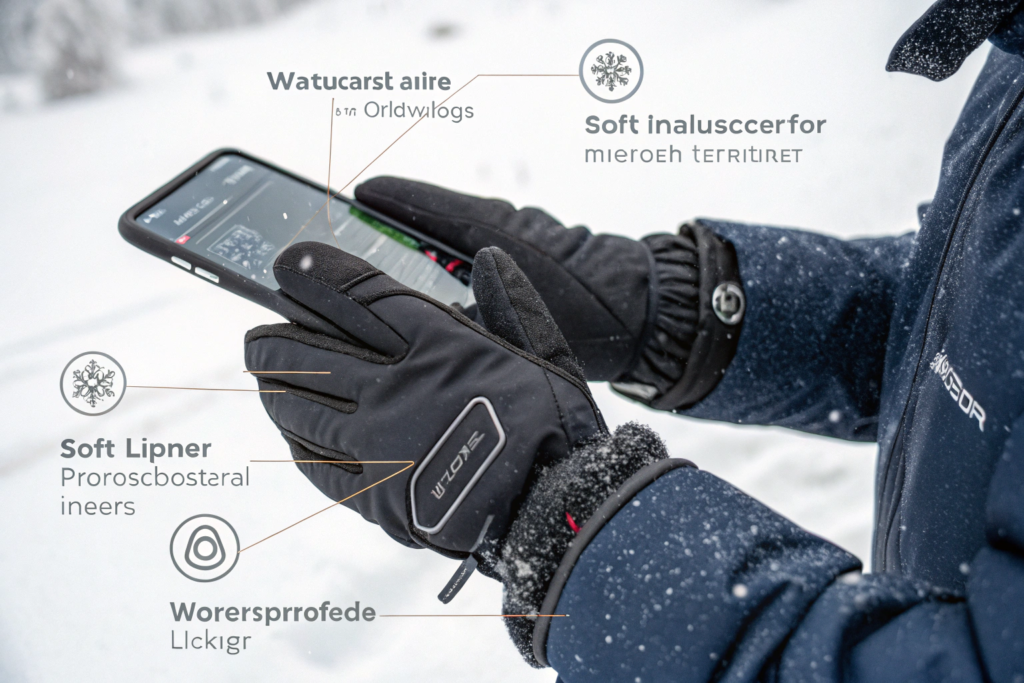
The non-negotiable technical feature is full-fingered touchscreen compatibility. This goes beyond just the thumb and index finger; premium gloves now offer conductive thread or fingertip pads on all five fingers, allowing for full smartphone use without removal. Following closely is the demand for water-resistant and windproof membranes, even in fashion-forward styles. Materials like brushed polyester with DWR (Durable Water Repellent) coatings or integrated thin windproof layers are essential for urban and casual use. At Shanghai Fumao Clothing, our development team is constantly testing new conductive yarns and membrane laminates to ensure our clients’ gloves meet these elevated performance benchmarks.
Why Has Touchscreen Compatibility Evolved Beyond a Simple Conductive Tip?
Early touchscreen gloves used a single conductive patch that often wore out or lost sensitivity. The latest technology involves knitting conductive silver or carbon-based yarns directly into the glove’s fingertip fabric. This creates a more durable, seamless, and sensitive interface that feels like a natural part of the glove.
From a manufacturing perspective, this requires specialized knitting machines and expertise in integrating different yarn types without compromising comfort or insulation. The payoff is significant: gloves with this advanced feature command a higher price point and generate positive reviews for their practicality. They cater directly to the always-connected consumer, making them a must-have for commuters, parents, and outdoor enthusiasts alike. For brands, offering this as a standard feature is no longer a premium option but a necessity to compete. Technical insights into these smart textiles are often discussed in industry resources like Techtextil.
How Are Water-Resistant Technologies Being Applied to Non-Sport Gloves?
The application of water-resistant treatments has moved from hardcore ski gloves into everyday designs. For leather gloves, this means using waxed or oiled leathers that naturally repel water. For knit and fabric gloves, the solution is applying a PFC-free DWR finish to the outer material.
More advanced styles use a 3-layer fabric construction where a breathable, waterproof membrane (like a thin PU layer) is bonded between a stylish outer fabric and a soft inner lining. This allows for fashionable textures like wool, cashmere blends, or technical nylon to become functionally weather-resistant. The key for manufacturers is sourcing these composite fabrics that balance performance with the desired hand-feel and drape. This trend reflects a broader consumer expectation that all outerwear, including accessories, should offer basic weather protection. Information on sustainable water repellency can be found through organizations like the Sustainable Apparel Coalition.
What Sustainable and Material Innovations Are Shaping the Market?
Sustainability is a powerful driver, not just a buzzword. Today’s consumers are actively seeking products that align with their values, and winter gloves are no exception. The trend is moving towards traceable, recycled, and natural material choices that reduce environmental impact without sacrificing warmth or quality.
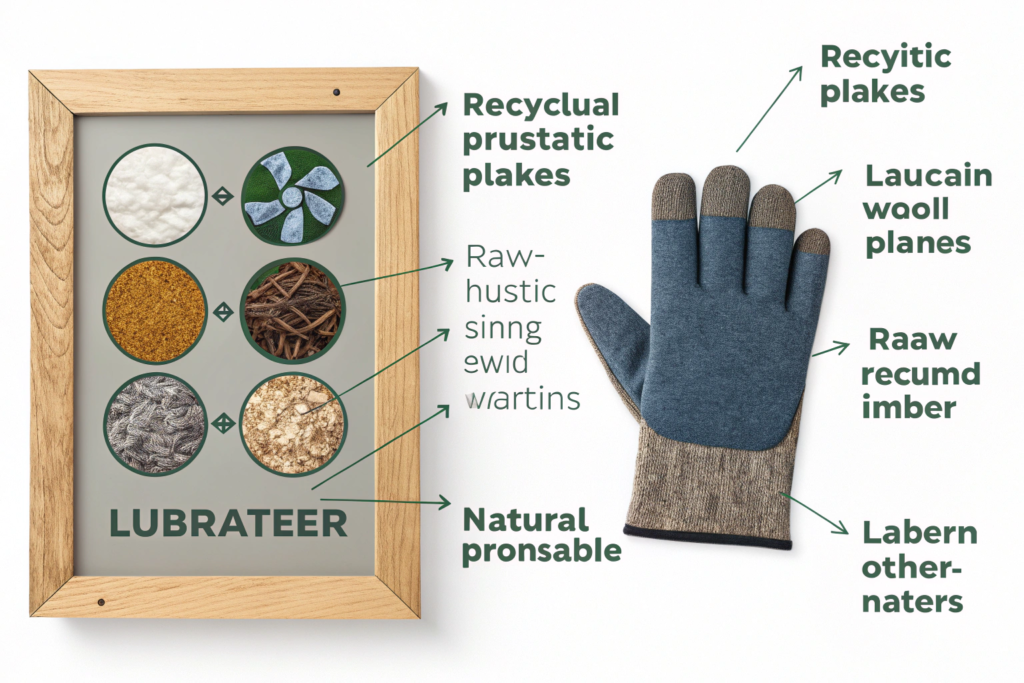
Leading material innovations include recycled polyester insulation (made from post-consumer plastic bottles) and linings made from recycled wool or cashmere. Outer shells are increasingly using recycled nylon or polyester fabrics. Furthermore, plant-based and biodegradable treatments for water resistance are replacing traditional chemical coatings. Another significant trend is the use of traceable down certified by standards like the Responsible Down Standard (RDS), ensuring ethical animal welfare. Offering gloves with these material stories adds a compelling layer to your product marketing and meets the demands of a conscious marketplace.
Is Recycled Insulation as Warm as Traditional Down or Synthetic Fill?
Absolutely. High-quality recycled polyester insulation (such as PrimaLoft® ThermoPlume or Unifi’s REPREVE® insulation) is engineered to mimic the cluster structure of down, creating lofty pockets that trap heat efficiently. It often outperforms traditional down in damp conditions, as it retains its insulating properties when wet—a critical factor for winter gloves.
From a production standpoint, working with these advanced recycled insulations requires precise quilting or box-stitching patterns to prevent shifting and ensure even warmth distribution. The result is a glove that is not only warm and practical but also carries a strong eco-friendly selling point. For brands targeting environmentally aware consumers in North America and Europe, this is a decisive factor. Detailed performance data and comparisons are available from leading insulation material manufacturers.
Why Are Natural and Regenerative Materials Gaining Traction?
Beyond recycled synthetics, there is growing interest in naturally renewable and regenerative materials. This includes gloves lined with undyed, traceable wool from regenerative farms, or using organic cotton blends for lightweight styles. Leather gloves are also being sourced from Leather Working Group (LWG) certified tanneries, which audit environmental practices.
These materials appeal to consumers seeking a connection to nature and transparency in their purchases. They often have a superior, breathable hand-feel and tell a compelling brand story about stewardship and quality. For manufacturers, it involves building relationships with certified suppliers and potentially adapting patterns to work with the unique properties of these natural fibers. This trend aligns with the broader movement towards circular fashion, as outlined by initiatives like the Ellen MacArthur Foundation.
How Are Fashion and Silhouette Trends Influencing Glove Design?
Winter gloves have become a key fashion accessory, with silhouettes and details evolving with ready-to-wear trends. The look is shifting from bulky, utilitarian shapes to more refined, streamlined, and versatile designs that complement modern outerwear.
Key silhouette trends for 2024-2025 include:
- The Cuffless "Beanie" Glove: A shorter, rib-knit or seamless glove that sits at the wrist, perfect for layering under jacket cuffs for a clean look.
- Extended Cuffs: Conversely, dramatic funnel cuffs or long, slouchy ribbed cuffs that can be worn over jacket sleeves for a cozy, statement look.
- Convertible Glove-Mittens: Practical styles with a flip-top cap that converts fingers from a mitten for warmth to a glove for dexterity.
- Color and Texture: Bold, saturated colors (deep greens, bright oranges) and mixed textures (leather accents on knit, faux shearling detailing) are replacing basic black.

What Makes the Convertible Glove-Mitten a Perennial Best-Seller?
The convertible glove-mitten (or "glitten") solves a universal winter problem: the trade-off between warmth and dexterity. Its enduring popularity is due to its unmatched practicality for activities like driving, photography, or using a phone, where instant finger access is needed.
From a design and manufacturing perspective, creating a successful convertible style requires careful engineering. The flip-top cap must be secure when closed, easy to manipulate with one hand, and must not compromise the insulation of the mitten compartment. The hinge point is a critical area for durability. At our factory, we reinforce this stress point and ensure the cap integrates seamlessly with the overall design. This style is a perfect example of function-driven fashion that has massive appeal across demographics, from hikers to city dwellers.
How Are Designers Incorporating Fashion Details Without Sacrificing Function?
The integration is smart and strategic. For example, quilting patterns are not just decorative; they secure insulation in place. Leather or suede palm patches add a luxury aesthetic while providing enhanced grip and durability. Contrasting stitching or embroidered logos offer branding opportunities without adding bulk.
A key trend is the use of contrasting materials on different parts of the hand. A glove might have a windproof nylon shell on the back for protection, with a stretchy, touchscreen-compatible knit on the fingers and a durable leather palm. This "zone construction" allows each part of the glove to perform its best function while creating a visually interesting, technical look. This approach to design is prevalent in performance apparel and is expertly executed by manufacturers with strong technical outerwear capabilities, like Shanghai Fumao Clothing.
What Should Buyers Look for in a Winter Glove Supplier for 2025?
Sourcing trendy, high-quality winter gloves requires a supplier that is more than just an order fulfiller. You need a partner with proactive trend intelligence, material sourcing expertise, and the technical skill to execute complex constructions. Price is important, but value—defined by quality, innovation, and reliability—is paramount.
Look for a supplier with a proven in-house design and development team that can provide trend forecasts and custom design services. They should have a diverse material library showcasing the latest sustainable insulations, conductive fabrics, and water-resistant membranes. Crucially, their quality control process must be rigorous, with testing for seam strength, insulation consistency, and touchscreen functionality. Finally, ensure they have experience in the specific construction techniques your designs require, whether it’s precision leather cutting, advanced knitting, or seam sealing.

How Important is a Supplier’s Ability to Provide Full-Package Service?
For most importers and brands, it is critical. Full-package service (or FOB service) means the supplier manages the entire process from material sourcing and production to quality control, packaging, and shipping logistics. This simplifies your operations dramatically.
A full-package supplier like Shanghai Fumao Clothing saves you time and reduces risk. You work with a single point of contact who coordinates everything, ensuring consistency and accountability. They can also advise on cost-saving optimizations during the development phase and ensure the final product is packaged correctly for your retail or e-commerce needs. This end-to-end capability is a hallmark of a mature, reliable manufacturing partner and is essential for scaling your business efficiently. Industry best practices for this model are often discussed in global trade publications.
Why is Sampling and Prototyping Capability a Deal-Breaker?
The ability to iterate quickly from a tech pack or sketch to a physical sample is what separates good suppliers from great ones. A strong supplier will not just make a sample; they will provide development samples with material options and saleable samples that are production-ready.
This process allows you to feel the materials, test the fit (via a size set), and verify all technical features work as intended before you commit to a large order. It’s your primary risk mitigation tool. Ask potential suppliers about their sampling timeline, cost structure, and how many revisions are included. A transparent and efficient sampling process indicates a well-organized factory that values getting the product right, which directly protects your investment and brand reputation. Resources on effective sourcing and sampling strategies can provide additional frameworks for buyers.
Conclusion
The latest trends in winter gloves are defined by a powerful convergence of smart technology, sustainable materials, and considered design. Touchscreen functionality and weather resistance are now baseline expectations, while innovative recycled insulations and natural materials answer the call for eco-conscious products. Silhouettes are becoming more versatile and fashion-forward, with details that serve both form and function.
Successfully navigating this landscape requires a strategic partnership with a manufacturer that possesses both the technical expertise to execute these advanced features and the creative vision to anticipate style trends. It’s about building a glove collection that is as responsible and intelligent as it is warm and stylish.
Ready to develop a winter glove line that captures the 2024-2025 trends and exceeds market expectations? For a partnership that combines trend-forward design with rigorous manufacturing excellence, contact our Business Director, Elaine, at elaine@fumaoclothing.com. Let’s create the gloves your customers will be searching for.