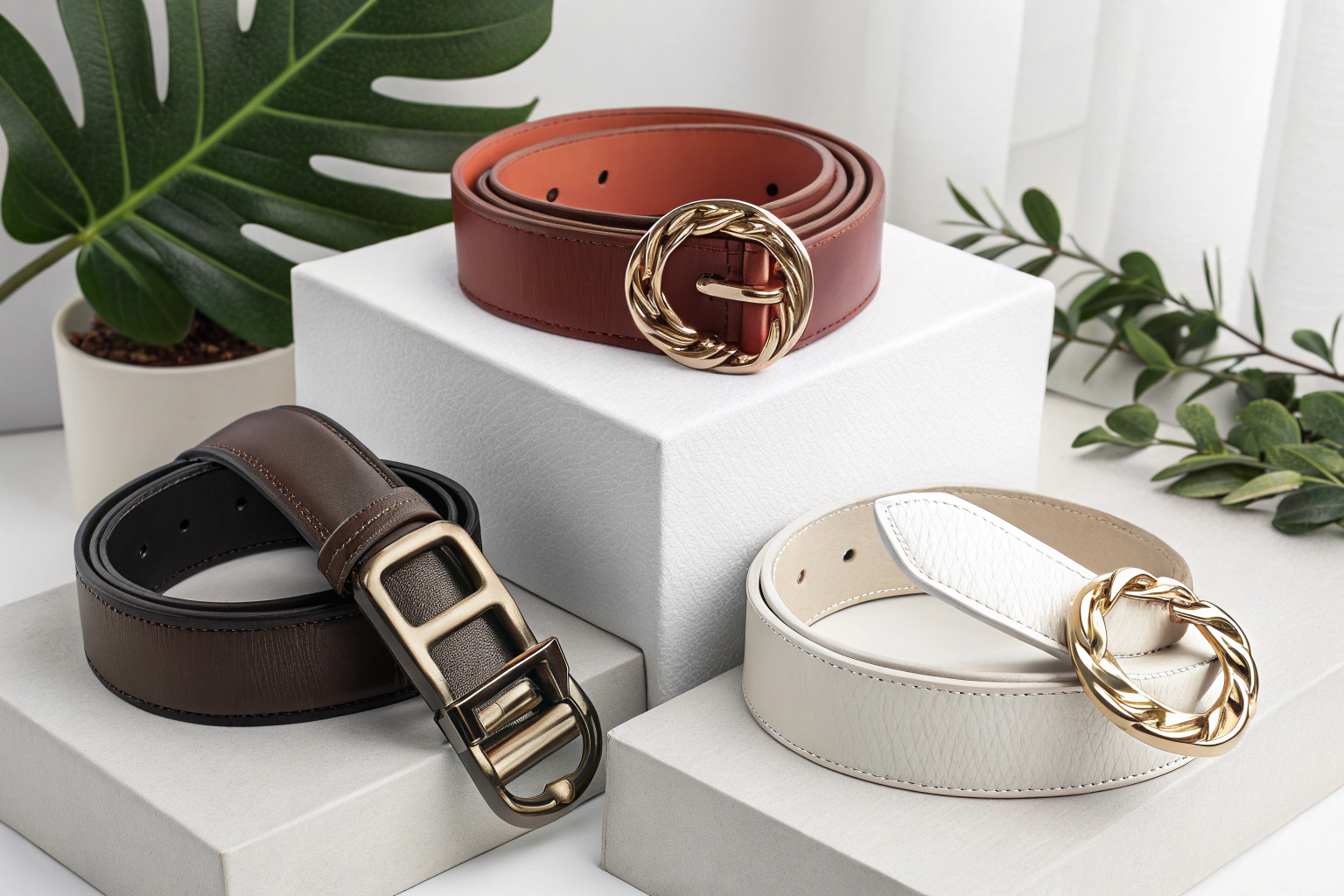
As a manufacturer deeply embedded in the fashion accessory supply chain, I see the question of future trends not as guesswork, but as reading the signals from our brand clients, material suppliers, and global retail data. If you’re planning your 2026 inventory now, you’re right on time. The belts that will dominate are those that answer growing consumer demands for versatility, sustainability, and personal expression, moving beyond mere function to become a focal point of an outfit.
Based on our ongoing development projects and insights from our design team collaborating with European and American brands, high-demand belt designs for 2026 will converge on three key themes: innovative sustainable materials, bold sculptural silhouettes, and intelligent multifunctional designs. These trends respond to a market that values eco-consciousness, statement-making accessories, and practical versatility.
Let’s break down the specific belt designs you should consider sourcing to stay ahead of the curve and meet the evolving expectations of your customers.
Why Will Sustainable and Innovative Materials Dominate Belt Design?
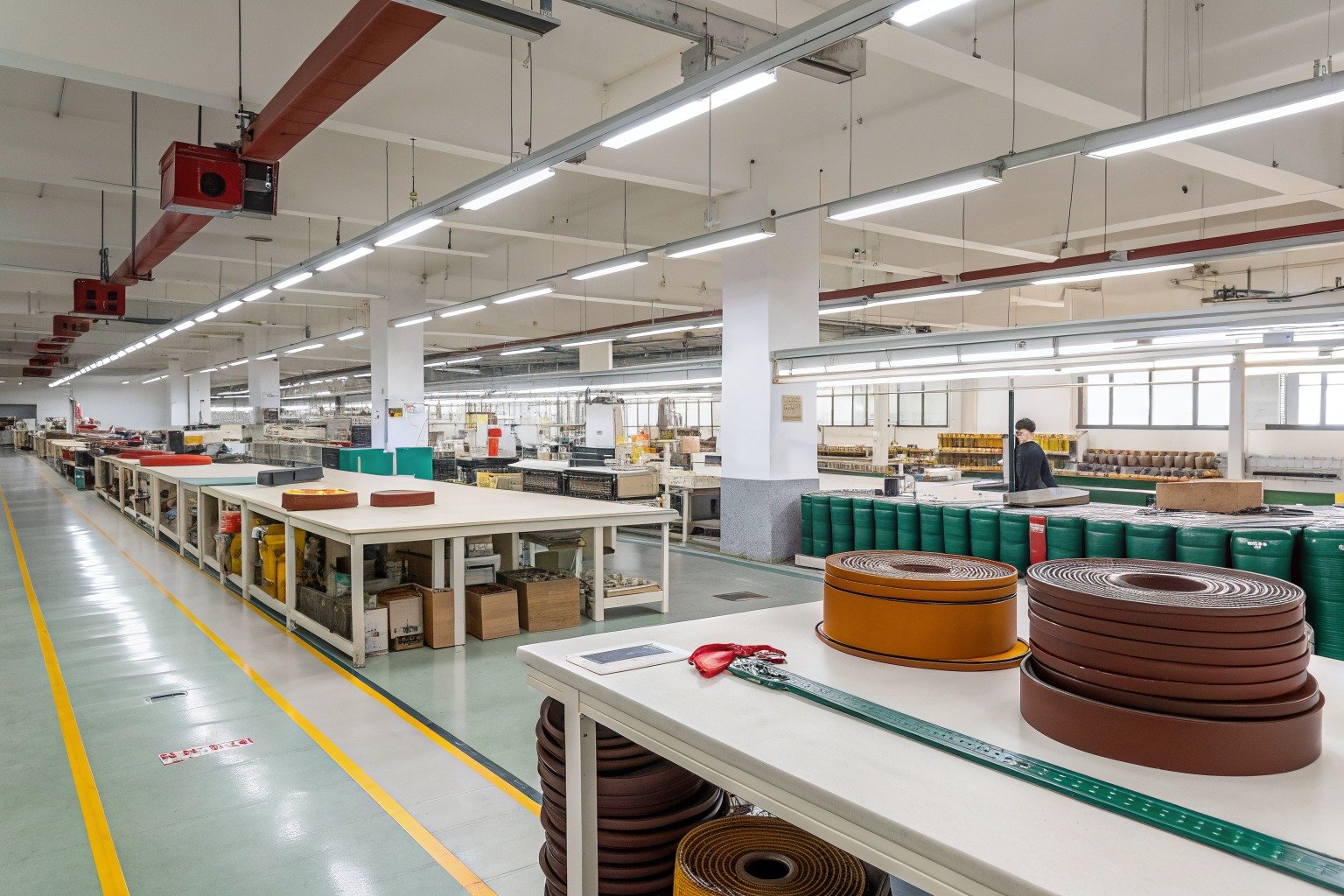
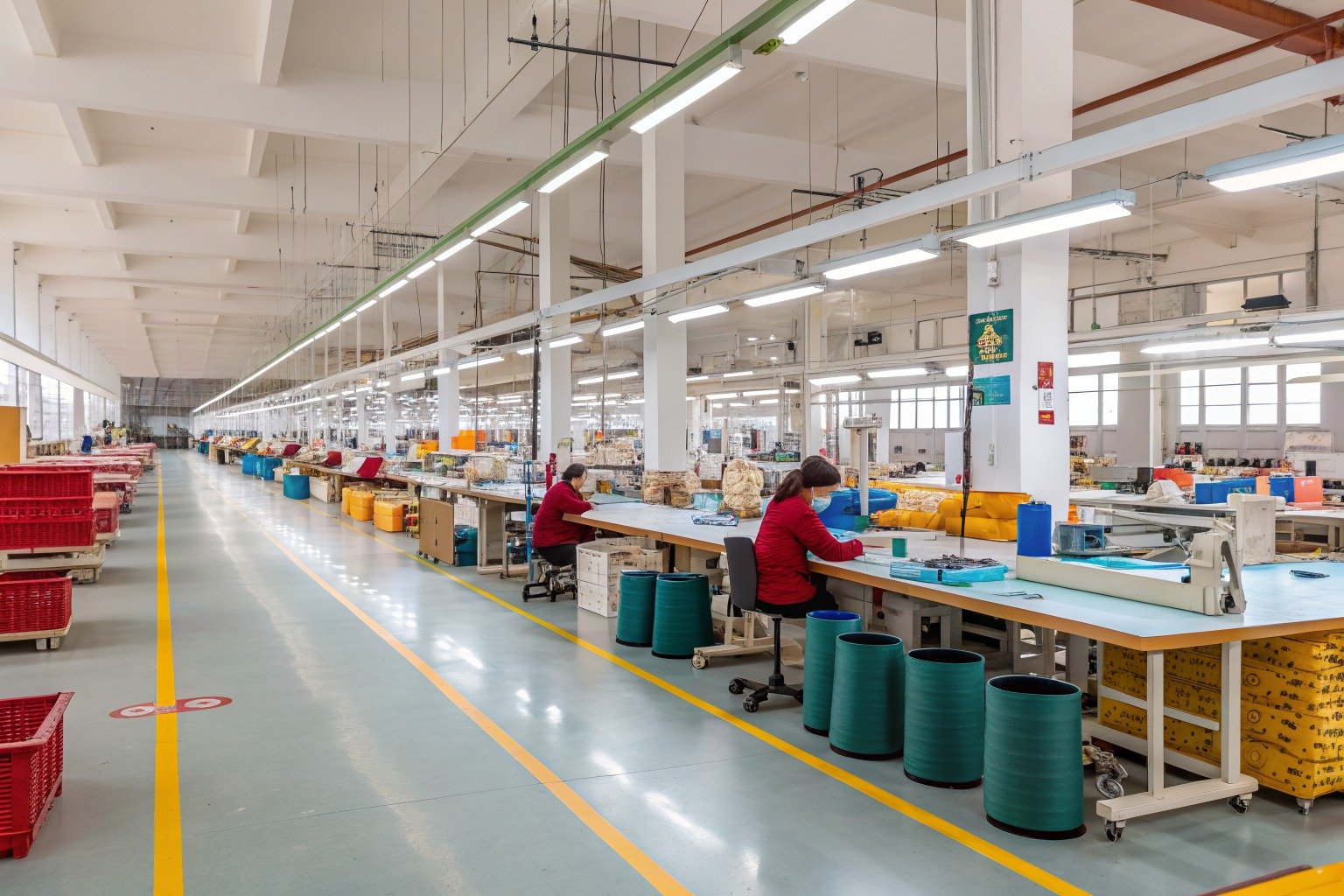
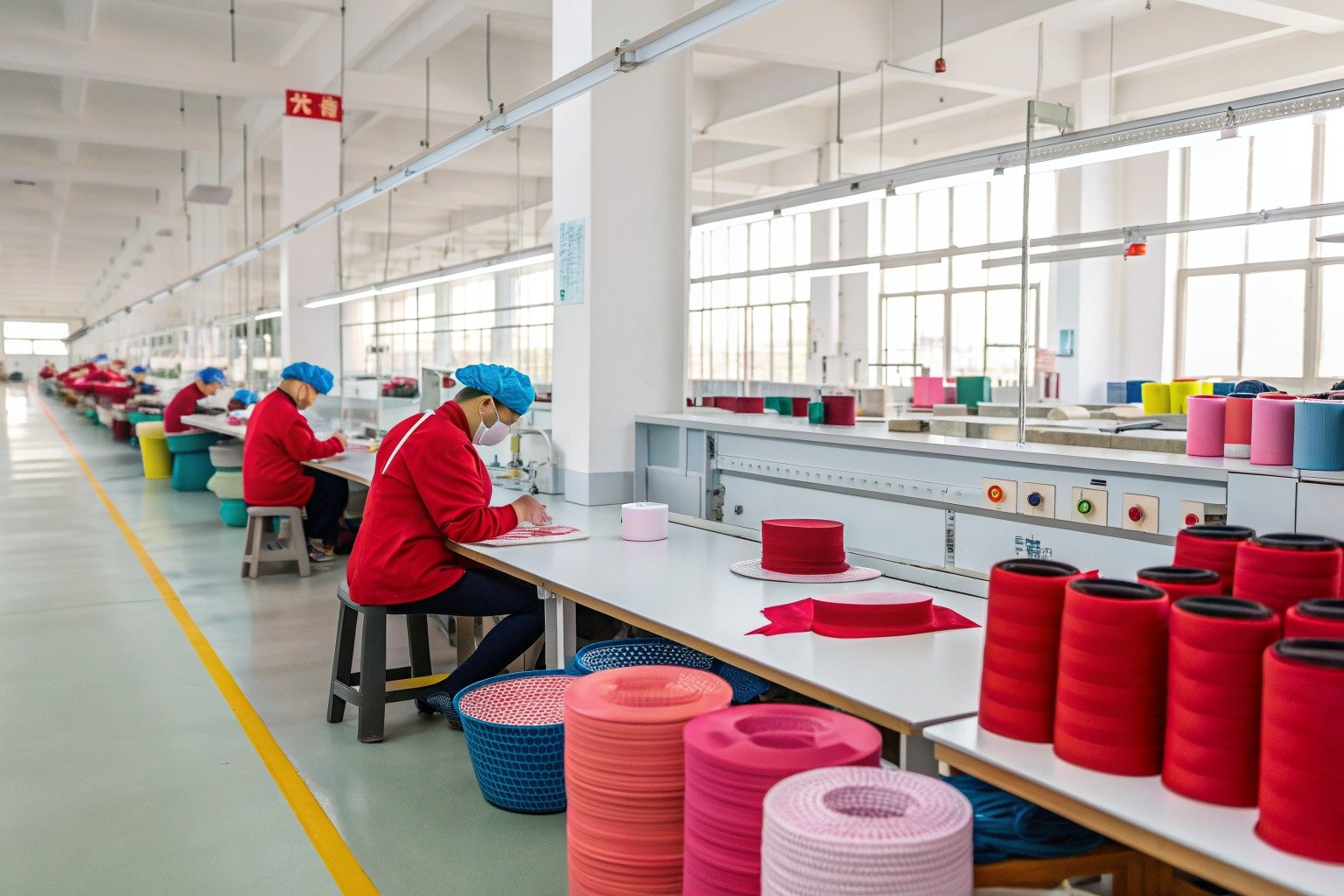
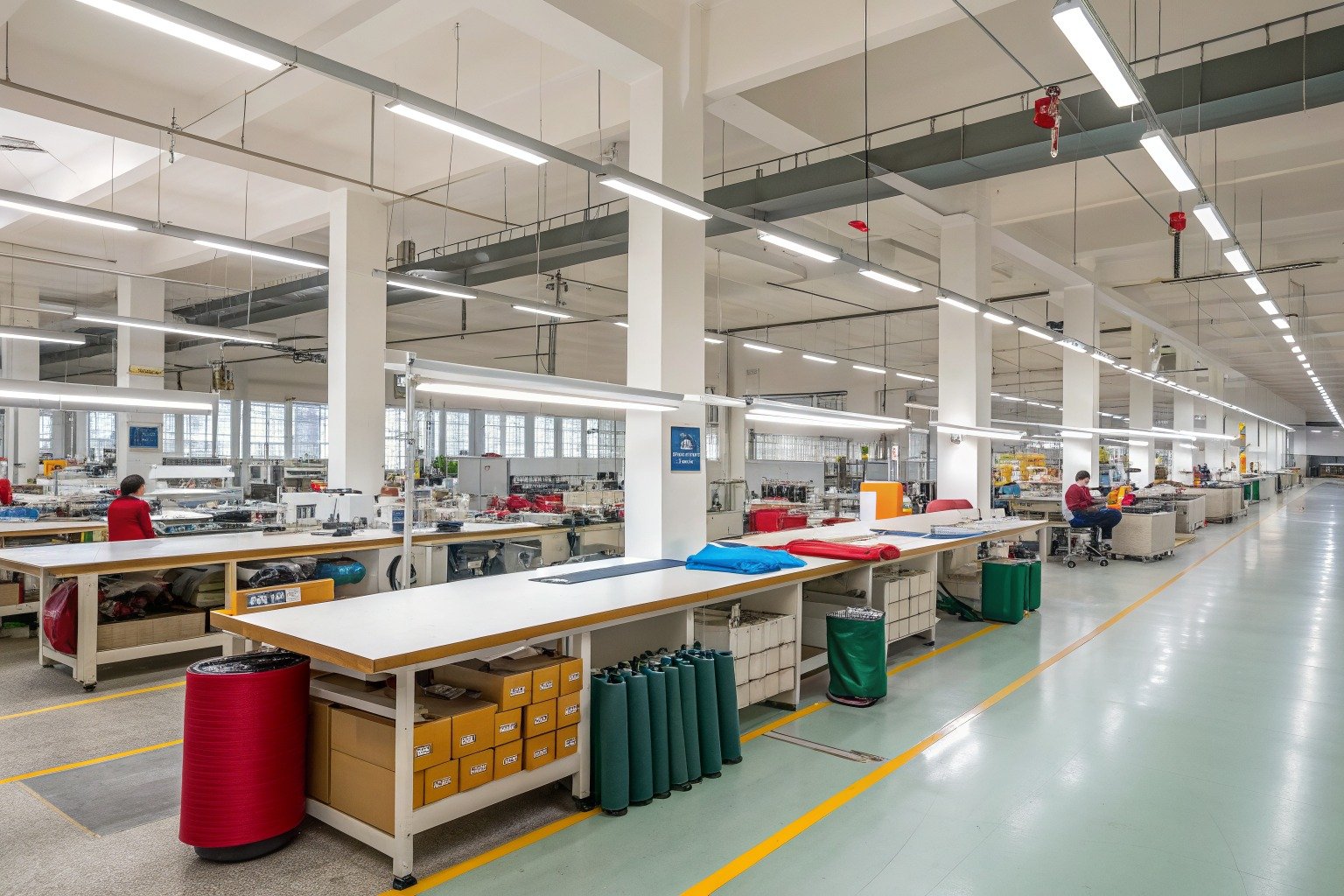
The shift toward responsible fashion is accelerating from a niche preference to a core market requirement. By 2026, the narrative around a belt won’t just be about how it looks, but about what it’s made of and its life cycle. Brands, especially those targeting major supermarkets and eco-conscious consumers in Europe and America, are mandating material innovation. This is a primary focus in our sampling room at Shanghai Fumao Clothing.
Belts made from next-generation materials will lead demand. These materials offer compelling stories—lower environmental impact, novel textures, and ethical credentials—without compromising on quality or aesthetics. They allow consumers to make a style statement that aligns with their values.
Are Bio-Based and Lab-Grown Leathers the Future of Belts?
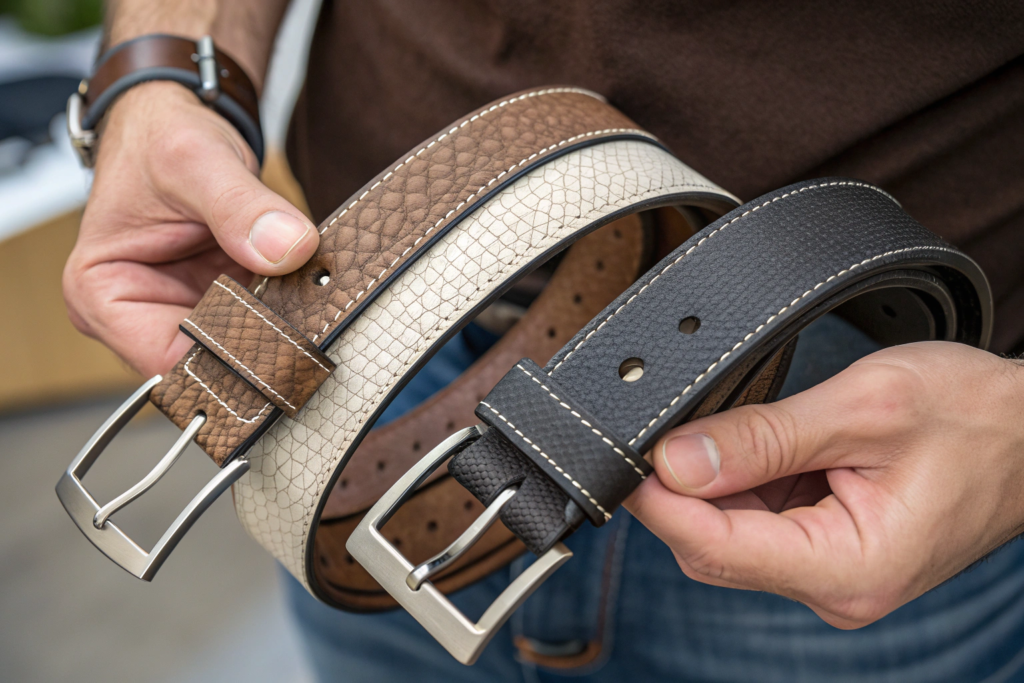
Yes, they are transitioning from novelty to commercial viability. While traditional leather has durability, its environmental and ethical footprint is under scrutiny. For 2026, look for belts made from materials like Mylo™ (mycelium-based leather), Piñatex (pineapple leaf fiber), and other plant-based alternatives that offer unique textures. These innovative materials provide a distinctive, often more matte and natural finish that appeals to a modern aesthetic. For us as manufacturers, working with these materials requires adjustments in cutting and finishing techniques, which we are already mastering. Their growing importance is highlighted by resources like the Material Innovation Initiative, which tracks their development.
How is Recycled Content Being Reimagined in Belt Production?
Recycled materials are moving beyond basic polyester webbing. High-demand designs will feature belts made from post-consumer recycled ocean plastics transformed into sleek, technical webbing, or upcycled leather scraps remolded into durable, patchwork-style statement pieces. The key for 2026 is premium application—using recycled content not as a compromise, but to create high-fashion textures and finishes. This aligns perfectly with the circular economy model that large retailers are increasingly adopting. Ensuring these materials meet durability standards for belts—like buckle attachment strength and colorfastness—is a critical part of our quality control process.
How Are Sculptural and Bold Silhouettes Redefining the Belt Category?
The belt is shedding its purely utilitarian role. In 2026, it will be worn as a central piece of jewelry for the waist. This trend is driven by the continued influence of fashion media and social platforms, where visual impact is key. Brands are asking us for designs that command attention and transform a simple dress or pants into a high-fashion look.
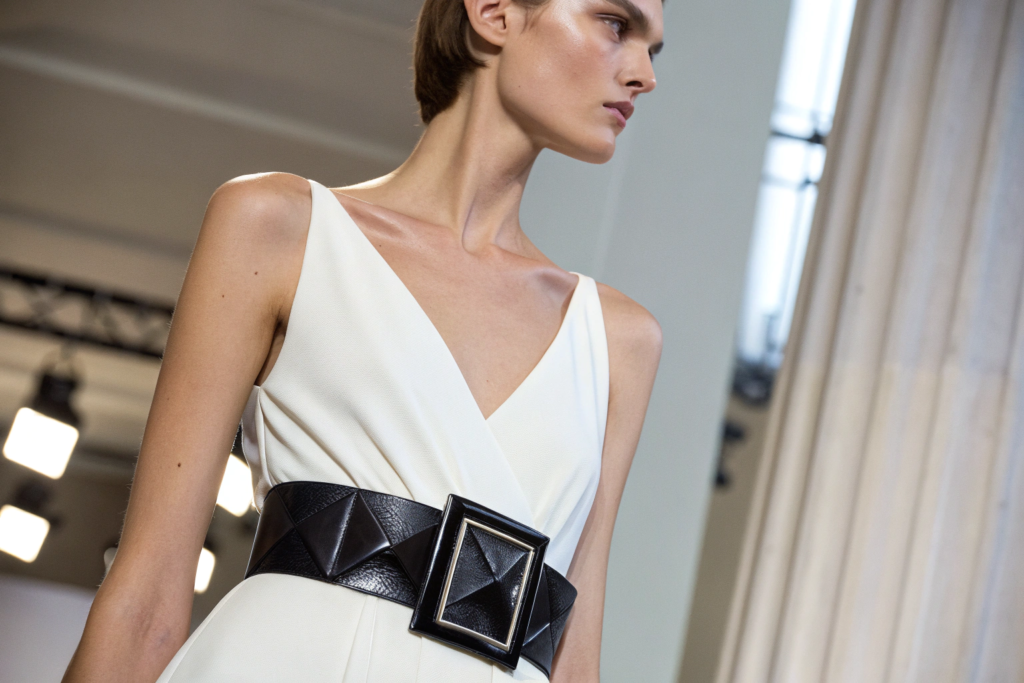
This trend encompasses extreme widths, unconventional proportions, and artistically designed buckles that serve as wearable art. These pieces are less about holding up trousers and more about defining the silhouette and expressing individuality.
What Makes an "Architectural" Buckle Design Trending?
The buckle becomes the sculpture. Think beyond circles and rectangles. Trending buckles for 2026 feature asymmetric geometric forms, organic fluid shapes reminiscent of liquid metal, or abstract minimalist art. Materials will mix metals with polished resin, ceramic, or even sustainable woods. These buckles are often larger in scale, making them the undeniable focal point. For importers, this requires close collaboration with factories on mold development and finishing (like PVD plating for color) to ensure these complex pieces are produced with precision and consistency. The emphasis on artistic hardware aligns with broader fashion accessory trends reported by trend forecaster WGSN.
Why are Ultra-Wide and Contoured Belt Shapes Gaining Popularity?
Inspired by both retro nostalgia and futuristic fashion, ultra-wide belts (3 to 4 inches) that cinch the waist are making a strong comeback. The 2026 twist is in the shaping—belts that are pre-contoured to fit the body’s curve, or that feature strategic tapering. These designs create a powerful, hourglass silhouette. They work exceptionally well over blazers, coats, and dresses. For manufacturers, producing these requires expertise in working with stiffer materials or incorporating internal structuring to maintain the shape without discomfort. This trend directly supports the need for strong design and development partners to perfect the pattern and fit.
What Role Does Versatility and Tech Integration Play in Future Belt Demand?
Today’s consumer seeks value through versatility and clever functionality. A belt that can be worn in multiple ways or that integrates seamlessly with a tech-enhanced lifestyle has a higher perceived value and meets the demand for practical, multi-use items. This is especially relevant for brands targeting a broad audience through online and supermarket channels.
The winning belts for 2026 will be chameleons—adaptable to different occasions and needs. This trend also nods to minimalist consumption, where one well-designed, multifunctional item replaces several single-purpose ones.
Can a Single Belt Design Truly Offer Multiple Wearing Styles?
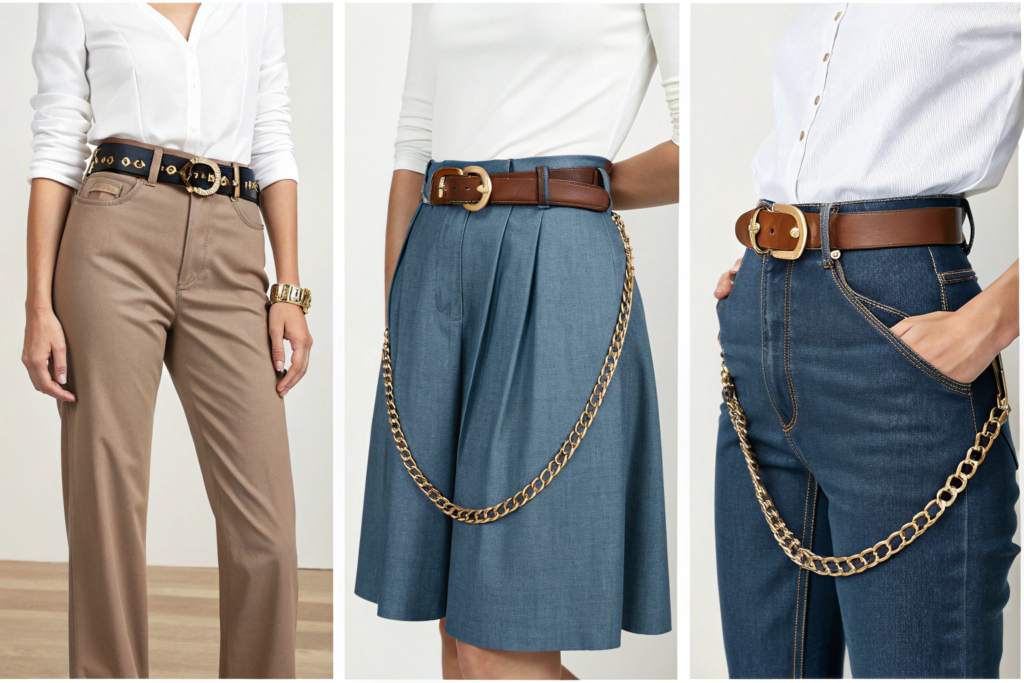
Absolutely, and this will be a major selling point. High-demand designs will include:
- Convertible Chain Belts: A leather or fabric belt that can be detached to reveal a standalone statement chain belt.
- Adjustable-Length Styles: Belts with multiple buckle holes or a sliding knot design that can be worn as a standard waist belt or a loose, hip-slung accent.
- 2-in-1 Buckles: Interchangeable buckle systems allowing the wearer to switch between a classic and a statement look.
For importers, this means paying close attention to the durability of connectors and mechanisms—a key point in our factory’s quality inspection. This versatility also simplifies inventory, as one SKU serves multiple market segments.
How is "Quiet Tech" Being Integrated into Belt Design?
"Quiet tech" refers to subtle, practical integrations, not gimmicky electronics. For 2026, look for:
- Magnetic Closures: Sleek, seamless closing mechanisms that are easy to use and offer a modern look.
- Stretch Panel Integration: Hidden elastic sections on the back of a leather belt for all-day comfort without sacrificing the front’s rigid aesthetic.
- Water-Resistant and Easy-Clean Coatings: Especially for belts made from innovative materials, enhancing their practicality and longevity.
These features address everyday pain points like comfort and convenience, making the product more user-friendly. Sourcing belts with these integrations requires a manufacturer with strong technical development capabilities to ensure reliability.
Which Niche Aesthetics Will See Rising Demand in the Market?
Beyond the broad macro-trends, specific micro-aesthetics cultivated online will translate into tangible demand by 2026. These niches often start in online communities and are quickly picked up by fast-fashion and accessory brands. A savvy importer can capitalize on these early waves.
These styles are often characterized by distinct material mixes, color palettes, and cultural references. They offer a way for brands to connect with specific, highly engaged consumer tribes.
Is the "Quiet Luxury" Aesthetic Influencing Belt Design?
The "old money" or quiet luxury trend emphasizes quality, heritage, and understated elegance over logos. For belts, this translates to:
- Exquisite Leathers: Supple, full-grain leathers in rich, neutral tones (espresso, brandy, black).
- Refined Hardware: Buckles in polished, unlacquered brass or silver that develops a patina, often with simple, elegant engravings.
- Perfect Proportions: Focus on the ideal width (around 1.5 inches) and a flawless finish.
This trend demands exceptional craftsmanship and material quality, which is where a factory with a strong quality control team proves its value. It’s about the precision of the stitch, the feel of the leather, and the weight of the buckle.
How are "Gothic Prep" and "Utility" Styles Merging in Belts?
A fascinating blend is emerging between dark academia and utilitarian workwear. This creates demand for belts that are both stylish and rugged. Key features include:
- Wide Webbed Belts: In dark colors like charcoal, navy, or black, with robust, brushed metal buckles (like a modified D-ring or a classic pin buckle).
- Detailed Hardware: Buckles with a tactical or vintage-inspired look, but made with modern, lightweight materials.
- Mixed Materials: Leather accents on webbing, or canvas with leather trim.
This trend caters to a younger demographic and aligns well with the rise of unisex accessory designs. It requires a good understanding of both fashion and durable material sourcing.
Conclusion
Forecasting for 2026 points to a dynamic and segmented belt market. Success won’t come from a single style, but from a curated range that addresses material innovation, bold design, smart functionality, and distinct aesthetics. The common thread is added value—whether through a sustainable story, transformative design, or versatile wear.
For importers and brands, this means partnering with a manufacturer that is agile, deeply embedded in material trends, and capable of executing both simple and complex designs with high quality. It’s about moving faster from trend identification to sample, and finally to reliable bulk production.
To develop a best-selling belt collection for 2026, you need a partner who understands these layers. Shanghai Fumao Clothing is already working with clients on prototypes that capture these very trends—from sculptural buckles to belts made from next-gen materials. Let’s translate these insights into your next successful product line. Contact our Business Director, Elaine, at elaine@fumaoclothing.com to start designing the belts your customers will be searching for next year.