
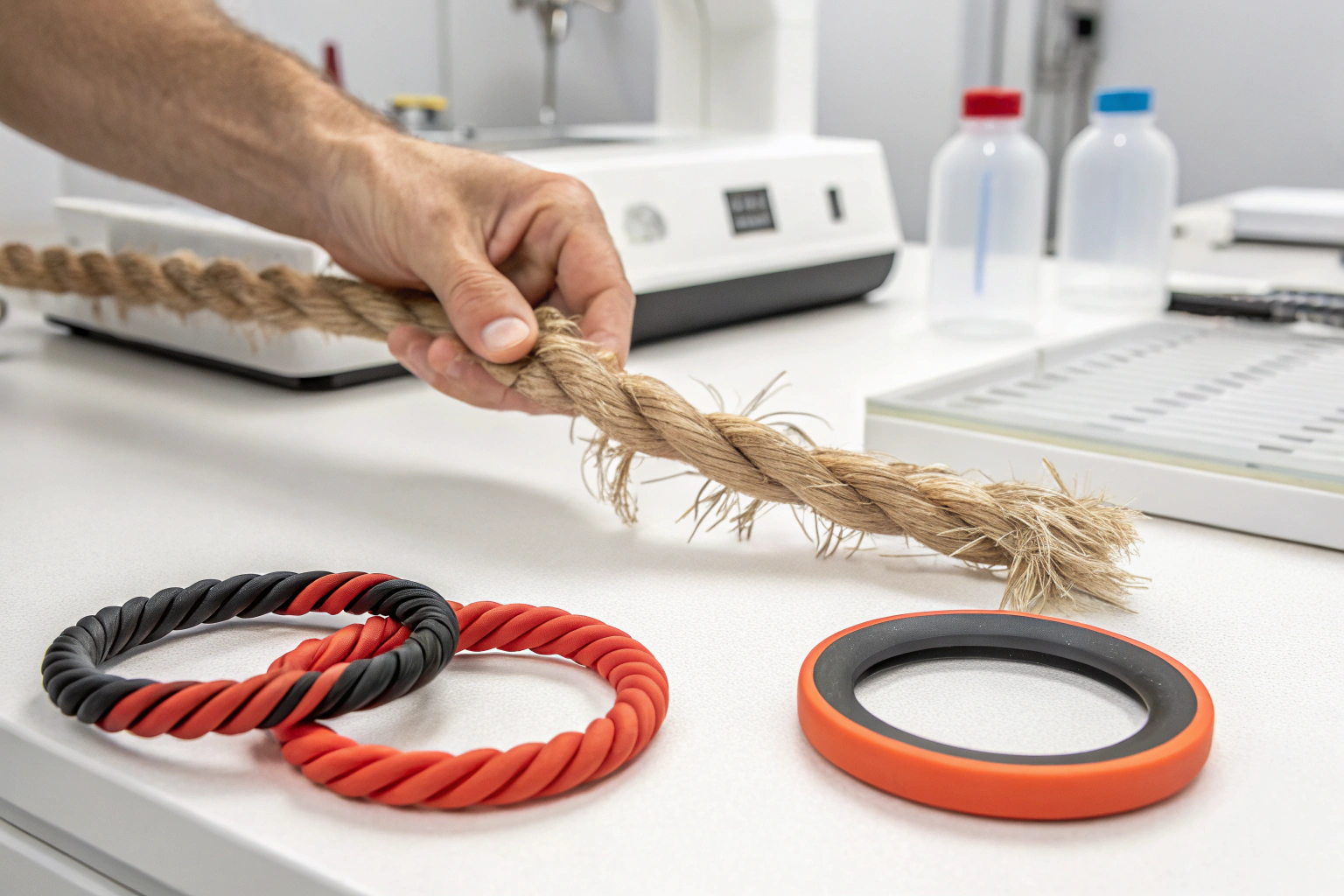
For retailers, gyms, salons, or brands catering to active lifestyles, sourcing hair ties that don’t snap, stretch out, or lose elasticity after a few uses is a constant challenge. Consumers are tired of flimsy products that fail when needed most. The key is moving beyond generic suppliers to manufacturers who engineer durability into the core of the product.
To find durable hair ties for heavy daily use, you must target specialized elastomer or hair accessory manufacturers who focus on material science and stress-testing, not just basic sewing. This requires sourcing factories with expertise in high-performance elastic materials, robust construction methods (like seamless bonding), and rigorous quality control for longevity. At Shanghai Fumao Clothing, we understand that durability is a technical specification, not a marketing claim, and it requires specialized production knowledge.
This guide will outline the specific sourcing strategies and evaluation criteria to identify a manufacturer capable of producing hair ties that withstand the rigors of daily, active use.
How to Identify Manufacturers Specializing in Performance Elastics?
The first step is to look beyond general hair accessory suppliers. You need partners who understand polymers, tensile strength, and fatigue resistance—the science behind durability.
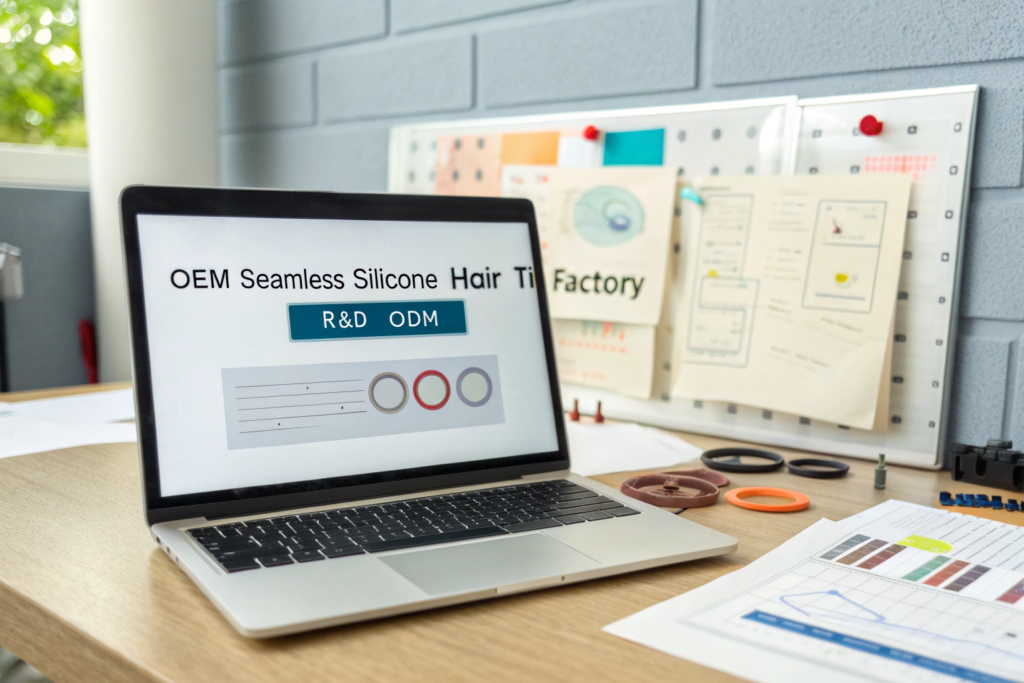
Identify specialized manufacturers by searching for suppliers of "sport hair ties," "no-damage elastics," or "seamless elastic bands" on B2B platforms, attending trade shows for sports accessories or performance textiles, and targeting regions known for rubber and silicone product manufacturing. This focuses your search on factories with the right material expertise.
What are the Key Sourcing Keywords and Channels?
Use technical and application-specific keywords:
- "High-tensile elastic hair tie manufacturer"
- "Seamless bonded hair elastic factory"
- "Silicone grip hair band supplier"
- "Athletic hair accessory ODM"
Platforms like Alibaba or Global Sources should be filtered for suppliers with Trade Assurance and those highlighting in-house molding or bonding technology. Additionally, explore industry directories for silicone product manufacturers or sports accessory suppliers, as these companies often have the material science background required.
Why are Material and Construction Specialists Crucial?
A factory that primarily sews fabric scrunchies may not have the equipment for injection molding of silicone or the technology for ultrasonic welding to create seamless, durable bonds. Specialist manufacturers invest in this machinery and the chemical knowledge to compound durable, skin-safe elastomers. They understand parameters like elongation at break and cyclic fatigue testing, which are the true metrics of durability.
What Material and Construction Features Define Durability?
Durability in hair ties is a combination of the base material’s inherent properties and the construction method that eliminates weak points. Understanding these features allows you to specify and evaluate effectively.
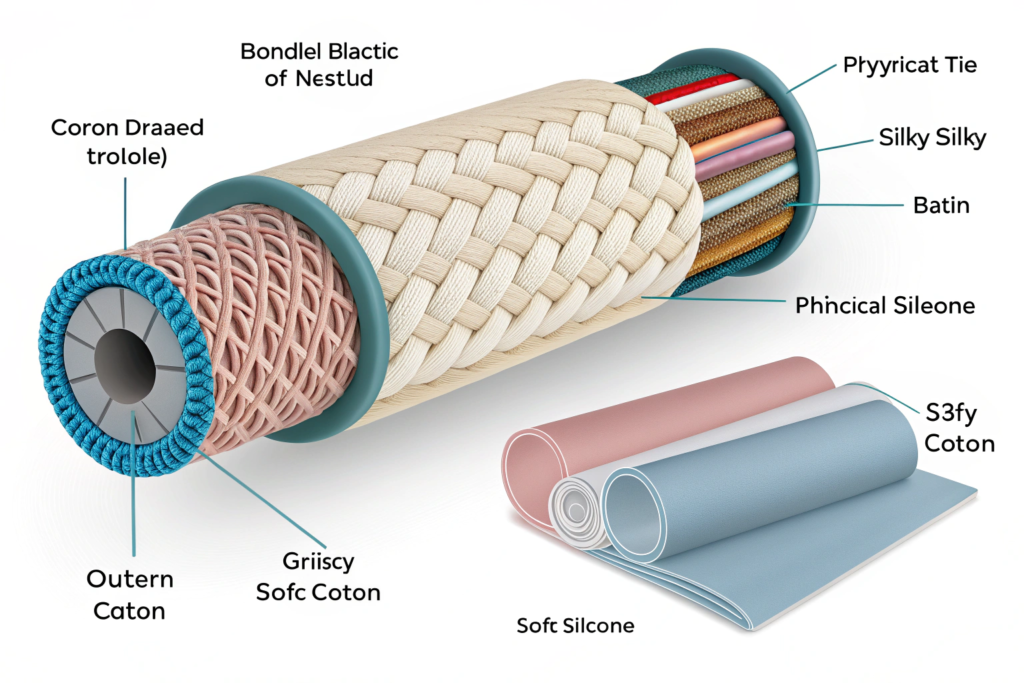
Durability is defined by high-quality, latex-free elastic cores, protective outer wraps (like fabric or silicone), and seamless, bonded construction methods that prevent unraveling. The focus must be on both tensile strength and resistance to repeated stretching (fatigue resistance). Always demand material specifications.
Which Core Materials Offer the Best Longevity?
- Natural Rubber/Latex Elastic: Offers excellent stretch but can degrade with oils, cause allergies, and lose elasticity over time. Not ideal for the highest durability.
- Synthetic Elastomers (TPE, TPU, Silicone): These are superior for heavy use. Thermoplastic Elastomers (TPE) and Silicone are often used for seamless, "invisible" or grippy ties. They are non-allergenic, maintain elasticity, and resist oils and sweat.
- Bundled Elastic Thread Cores: High-quality ties often use many fine, latex-free elastic threads bound together, distributing stress and preventing a single point of failure.
How Does Construction Prevent Failure?
The weakest point is usually the join. Key constructions include:
- Seamless Bonding (Ultrasonic or Thermal Welding): Creates a smooth, continuous loop with no seam to split. This is the gold standard for durability.
- Double-Stitched and Reinforced Seams: For fabric-wrapped ties, look for bar-tacking or multiple lines of stitching at the join.
- Encased Core Design: Where the elastic core is fully protected within a fabric or silicone sleeve, preventing direct exposure to hair, oils, and UV light which can degrade it.
A manufacturer should be able to explain and demonstrate their construction method’s superiority.
How to Vet a Manufacturer’s Quality and Testing Protocols?
Any factory can claim durability. The proof is in their testing protocols and quality control data. You must verify that they empirically test the product to failure.
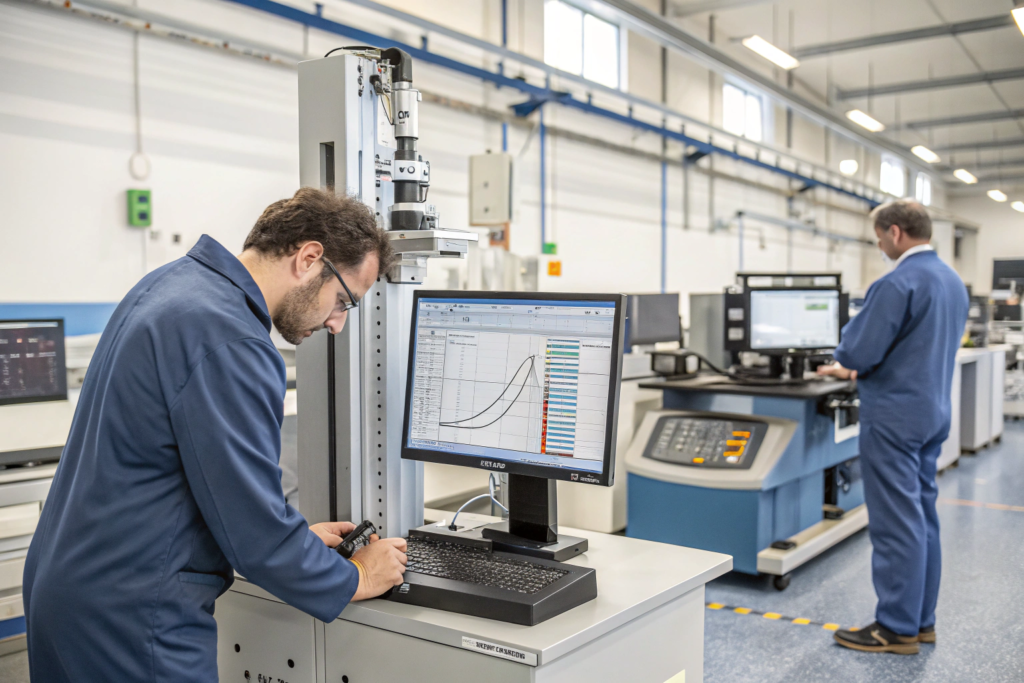
Vet a manufacturer by requesting material safety data sheets (MSDS) for elastomers, asking for results of tensile strength and cyclic stretch testing, and reviewing their in-process QC checks for consistency in elasticity and seam integrity. Your due diligence should be as rigorous as their testing.
What Performance Tests Should a Factory Conduct?
Ask for evidence of:
- Tensile Strength Test: Measures the force required to break the tie. A high breaking force indicates strong materials.
- Cyclic Fatigue Test: Simulates repeated use by stretching and relaxing the tie hundreds or thousands of times. This predicts real-world lifespan.
- Elasticity Recovery Test: Measures how well the tie returns to its original size after stretching.
- Colorfastness & Wash Test: Ensures the product won’t bleed dye or degrade in the wash.
Reputable manufacturers will have these tests standardized and should provide test reports or even allow you to define pass/fail criteria.
What Certifications are Essential for Safety and Trust?
For products in constant contact with skin and hair, safety is paramount. Require:
- OEKO-TEX Standard 100: Certifies that the textiles and elastics are free from harmful substances.
- REACH / CPSIA Compliance: Ensures compliance with EU and US chemical safety regulations.
- FDA-Compliant Materials: For silicone or other polymers, FDA compliance for food-grade or skin-contact materials is a strong indicator of quality.
A professional factory like Shanghai Fumao Clothing will have these certifications readily available and understand their importance to global brands.
How to Develop and Source a Custom Durable Hair Tie?
Once you’ve found a qualified manufacturer, the next step is collaboration to develop a product that meets your specific brand and performance needs.
Develop a custom product by providing clear technical requirements (target stretch dimensions, breaking force, material preferences), collaborating on multiple sample iterations for fit and feel, and establishing strict AQL standards for bulk order inspection that include functional durability checks. Development is an iterative partnership.
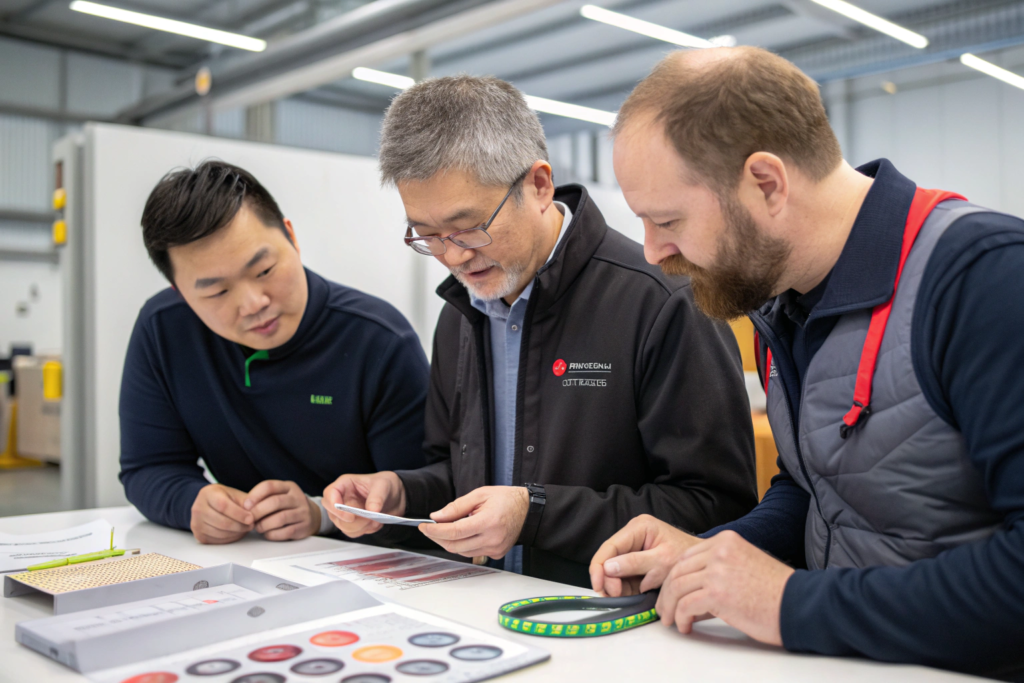
What Should Be in Your Technical Brief?
Provide a manufacturer with a clear brief including:
- Target Dimensions: Unstretched and fully stretched diameter.
- Material Specification: e.g., "Latex-free TPE core with brushed polyester outer wrap."
- Performance Requirement: e.g., "Must withstand a minimum of 500 cyclic stretches to 150% elongation without failure."
- Finish & Packaging: Color, printing, and packaging details.
This clarity enables the factory to provide an accurate feasibility assessment and cost.
How to Ensure Bulk Production Matches the Sample Quality?
The pre-production sample is your binding quality standard. Before bulk production begins:
- Approve the Material: Sign off on the exact elastomer and fabric from physical swatches.
- Test the Sample Rigorously: Perform your own stress tests. Does it meet your defined benchmarks?
- Set Inspection Standards: The Pre-Shipment Inspection (PSI) must include pulling tests on a random sample of finished ties to check for weak seams or breaks. This should be part of the agreed AQL (Acceptable Quality Level) inspection.
Conclusion
Finding a source for truly durable hair ties requires a targeted search for material and construction specialists, a deep dive into their testing and certification protocols, and a collaborative approach to product development. It’s a process that prioritizes engineering and verification over aesthetics alone.
By following this strategic approach, you secure a supply of hair ties that will earn customer loyalty through reliable performance, reduce returns, and build your brand’s reputation for quality.
If you are seeking a manufacturing partner with the technical expertise and systematic approach to produce hair ties built for heavy daily use, we have the capabilities and commitment to be your ideal partner.
To discuss developing a line of high-performance, durable hair ties for your brand, feel free to contact our Business Director Elaine. Her email is: elaine@fumaoclothing.com.




