
Have you ever received an order of scarves where one batch is cherry red and the next is burgundy? Or a shipment of hats where the blue doesn’t match the blue of the belts? Color inconsistency is one of the most common and damaging quality failures in the fashion accessory industry. It leads to rejected shipments, delayed launches, and a tarnished brand reputation.
Ensuring consistent color across your fashion accessories requires a systematic, science-based approach throughout the production chain: from establishing a precise digital color standard and rigorous fabric/component approvals to implementing controlled dyeing processes, standardized lighting for inspection, and final batch-to-batch comparisons. At Shanghai Fumao Clothing, we treat color consistency not as an art, but as a measurable, repeatable science critical to delivering professional quality.
This guide will walk you through the exact steps a professional manufacturer takes to lock in color, ensuring your scarves, hats, bags, and hair accessories look perfect every time, in every unit.
How to Set a Precise and Communicable Color Standard?
The first and most critical step happens before any material is sourced. Ambiguity in color definition is the root cause of inconsistency. Saying "navy blue" is a recipe for disaster.
You must set a precise color standard using a universal numerical system like Pantone (PMS) for solids or a physical approved lab dip for fabrics. This objective standard, not a photo or verbal description, becomes the single source of truth for all suppliers and production stages. It removes subjectivity and ensures everyone is aiming for the exact same color target.

Why is Pantone or a Lab Dip Non-Negotiable?
A Pantone Matching System (PMS) code provides a specific formula. For dyes and plastics (like in hair clips or bag hardware), it gives the ink/plastic manufacturer exact ratios. For textiles, while the final dyed fabric may not match a paper Pantone chip perfectly, it provides the closest starting point. The gold standard for fabrics is the approved lab dip. Your manufacturer dyes small swatches in several formulas to match your standard. You physically approve the closest one under correct lighting. This approved swatch, with its unique dye formula, is the master for bulk production. Relying on "as per sample" from a previous season is risky, as dye lots vary.
How Do You Communicate Color to Your Supplier?
Communication must be formal and documented. Provide your supplier with:
- The physical Pantone chip or approved lab dip swatch.
- The Pantone number in writing on all tech packs and purchase orders.
- The agreed color tolerance (e.g., Delta E less than 2.0 under D65 light).
- Specify the light source for evaluation (e.g., "Must match under north daylight and LED store lighting").
This clarity is part of the professional customer energy we bring to every project, ensuring no detail is lost in translation.
How to Control the Dyeing and Material Sourcing Process?
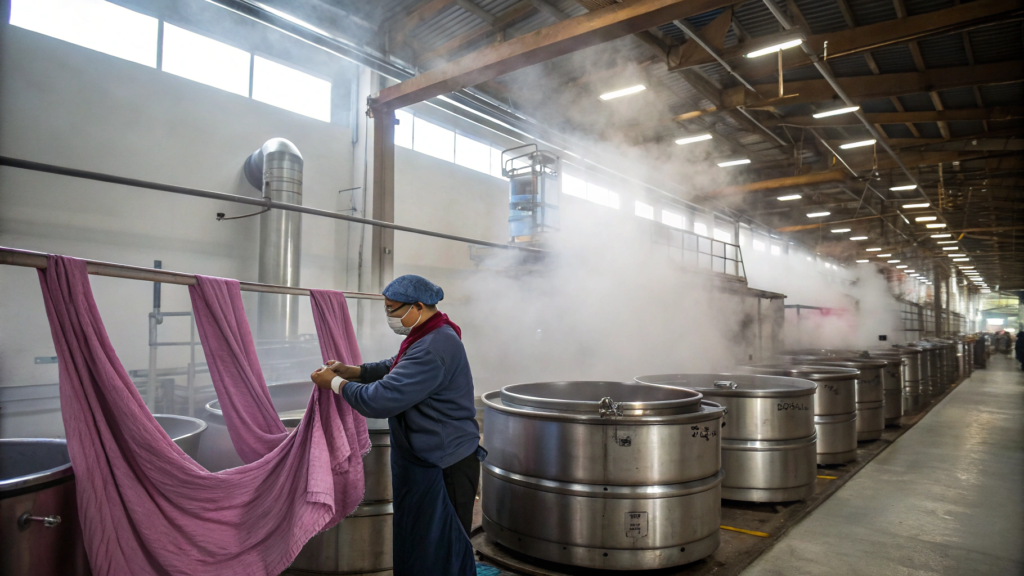
Consistency is born in the dye house and the raw material warehouse. Even with a perfect standard, variations in fabric composition, dye batches, and processing will cause shifts.
Color is controlled by sourcing consistent base materials, working with certified dye houses that use computer-controlled systems, and enforcing strict procedures for lot matching and first-article approval before full production runs. This stage requires technical oversight and a trusted manufacturing partner.
What Makes a Dye House Reliable?
A reliable dye house has standardized procedures. They use computer color matching (CCM) systems to formulate dyes based on your lab dip. They maintain tight control over temperature, time, pH levels, and chemical concentrations in the dye bath. They perform batch testing on each dye lot before running the full order. For natural materials like cotton for tote bags or wool for beanies, this control is even more critical due to fiber absorption variations. We partner with dye houses that provide batch certifications for our orders.
Why is Base Material Consistency Key?
You cannot get a consistent color on an inconsistent base. A polyester ribbon from one mill and another from a different mill, even with the same specification, may dye differently. The solution is to mandate that the manufacturer uses fabric from the same mill roll or yarn from the same lot for an entire production order. This applies to all components: the main fabric for a scarf, the webbing for a belt, the thread for stitching, and even the plastic pellets for molded hair accessories. Our project managers track these material lot numbers meticulously.
How to Implement Effective In-Production and Pre-Shipment Checks?
The final defense against color inconsistency is a multi-layered inspection protocol. Relying on a final random check is too late. Checks must happen at key production stages.
Effective color control is implemented through in-process checks during cutting and assembly, and a formal pre-shipment inspection that includes batch-to-batch comparison and viewing under multiple standard light sources to identify metamerism (color shift under different lights). This catches issues while production can still be adjusted.

What is a Light Booth and Why is it Essential?
A professional light booth (or cabinet) is the only way to objectively judge color. It simulates different standardized light sources: D65 (average north daylight), TL84 (cool white fluorescent, common in European stores), CWF (cool white fluorescent, common in US stores), and Incandescent (home lighting). A fabric might match under daylight but look different under store lights—this is metamerism. Checking under all lights ensures your accessories will look consistent in any retail environment. This tool is as vital as a sewing machine in our QC room.
What Should a Color Inspection Checklist Include?
A proper color inspection goes beyond a glance. It should involve:
- Batch Comparison: Lay out units from the beginning, middle, and end of the production run side-by-side.
- Component Matching: Check that all parts match. For example, does the leather strap on a bag match the leather logo patch? Does the embroidered logo on a cap match the fabric color?
- Against Standard: Compare random units directly to the approved lab dip or Pantone chip in the light booth.
- Documentation: Record any deviations using a color spectrophotometer (measuring Delta E) or a detailed pass/fail log.
This level of scrutiny is what separates a true quality-focused manufacturer like Shanghai Fumao Clothing from an average factory.
How to Handle Inevitable Batch Variations and Build a Contingency Plan?
Despite best efforts, slight variations can occur between production runs ordered months apart. Managing this reality is part of professional supply chain planning.
Handle batch variations by planning inventory strategically, ordering buffer stock for best-selling colors, and being transparent with your manufacturer about future needs so they can reserve dyed fabric. For unavoidable new lots, require and approve a new lab dip against the original standard before proceeding. Proactivity is key.

What is the Smart Way to Plan Inventory for Color-Critical Items?
For core accessory items in signature colors (e.g., a classic red silk scarf, a black leather belt), consider ordering a 10-15% overrun in the initial production to be kept as buffer stock. This allows you to fulfill re-orders for 6-12 months from the exact same dye lot, guaranteeing perfect consistency. Communicate your long-term sales forecast to your manufacturer so they can reserve raw materials (like undyed fabric) from the same source for your future orders.
What is the Protocol for Approving a New Production Lot?
When a new dye lot is inevitable, the protocol must restart. Your manufacturer should:
- Produce a new lab dip using the original standard as the target.
- Send this new lab dip to you for physical approval under your lighting conditions.
- Only upon your written approval should they proceed with bulk dyeing and production of the new lot.
This disciplined process ensures that even across years, your brand’s colors remain iconic and recognizable.
Conclusion
Ensuring consistent color in fashion accessories is a rigorous discipline that blends science, communication, and meticulous process control. It moves from defining color with absolute precision, to mastering the dyeing chemistry, to inspecting with industrial objectivity, and finally, to planning for long-term continuity.
Mastering this process is what allows brands to build trust with their customers, who expect the quality and hue they fell in love with, season after season. It transforms color from a common production headache into a reliable brand asset.
If you are looking for a manufacturing partner with the systems, technology, and relentless attention to detail needed to lock in perfect color for your accessory line, we have the expertise to be that partner.
For a reliable partnership in manufacturing your color-perfect fashion accessories, from scarves to hats and beyond, feel free to contact our Business Director Elaine. Her email is: elaine@fumaoclothing.com.