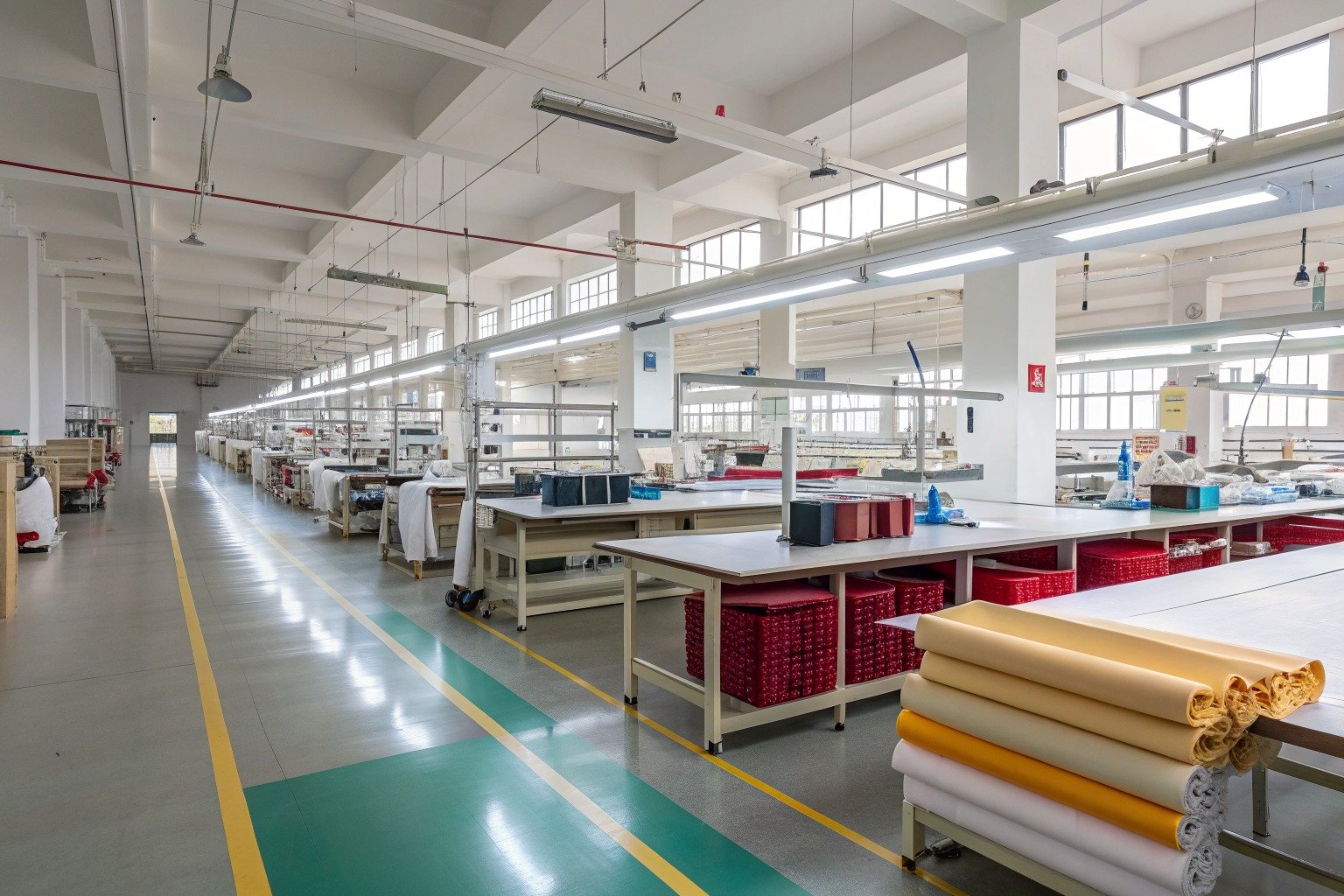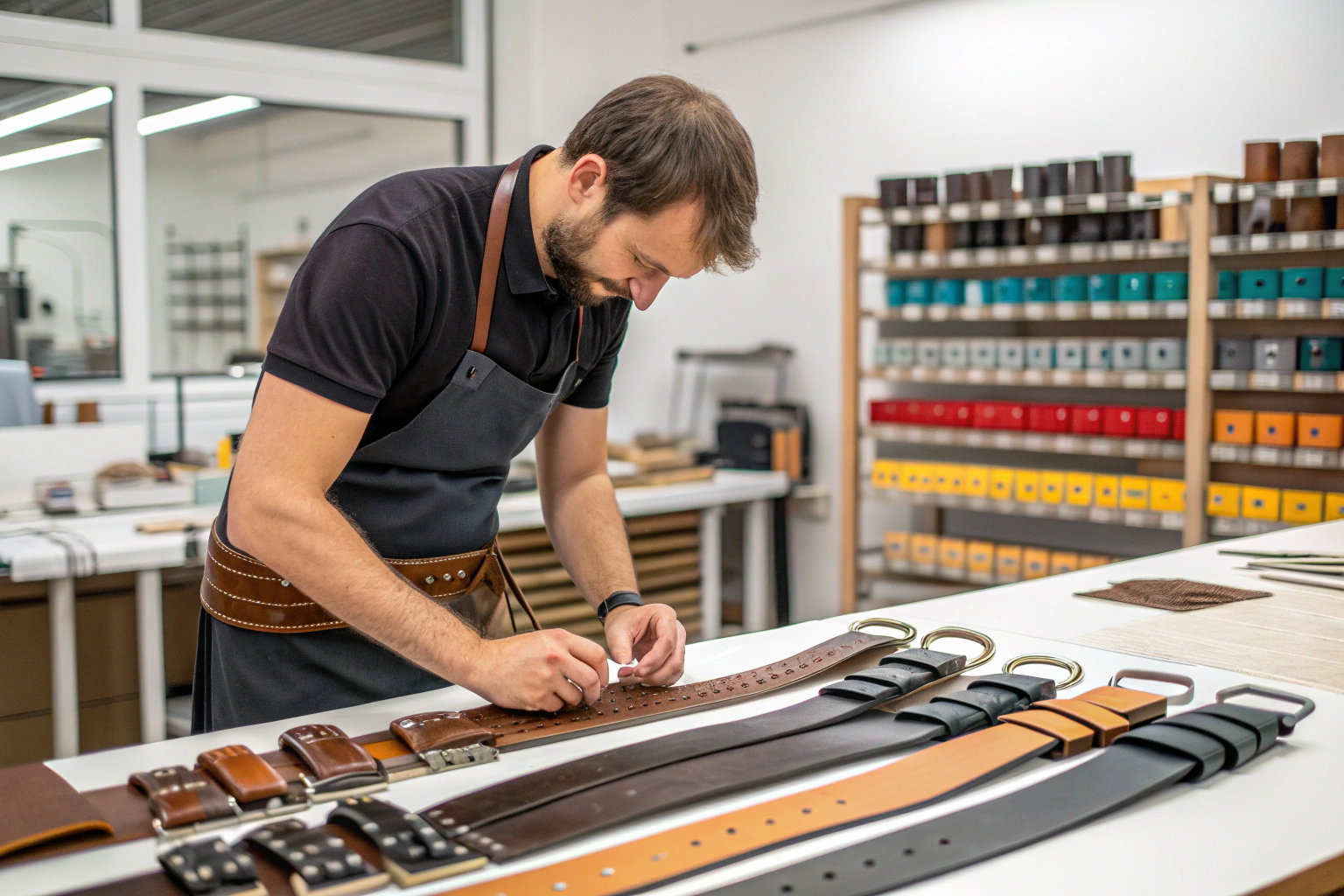
For emerging designers, niche brands, and startups, launching a fashion accessory line often begins with the critical challenge of small batch production. Finding a factory willing to accommodate low Minimum Order Quantities (MOQs)—typically ranging from 50 to 500 pieces per style—can feel like searching for a needle in a haystack in an industry optimized for scale. However, with a targeted strategy and clear understanding of factory economics, it is entirely possible to secure a reliable manufacturing partner that aligns with your startup needs and growth ambitions.
The key to finding a factory for small batch production is to target specialized small-batch or sample-room factories, leverage platforms that filter for low MOQs, and clearly communicate a professional, scalable vision to potential partners. Success hinges on demonstrating that your small order is the beginning of a promising, long-term business relationship, not just a one-time project.
At Shanghai Fumao Clothing, we operate a dedicated small-batch and sample production division precisely to serve this market. We understand that a designer’s first production run is a test of concept, market, and partnership. Our approach is to provide transparency on MOQs, offer guidance on material sourcing for smaller quantities, and assign a dedicated project manager to ensure the process is smooth and educational for our startup clients.
Where to search for factories open to small orders?
Your search must be highly strategic, moving away from the crowded, impersonal landscapes of mass-market B2B platforms—where algorithms prioritize quantity over quality and your inquiry might get lost in a sea of generic inquiries—towards specialized networks and directories that pulse with the energy of designers and small businesses. These are not just databases; they are curated ecosystems where collaboration thrives on shared vision rather than sheer transactional volume. The goal is to find partners whose business model is built on flexibility rather than volume: imagine suppliers who relish the challenge of custom orders, who see your unique brand story as an opportunity to craft something extraordinary, not just another item on a production line.
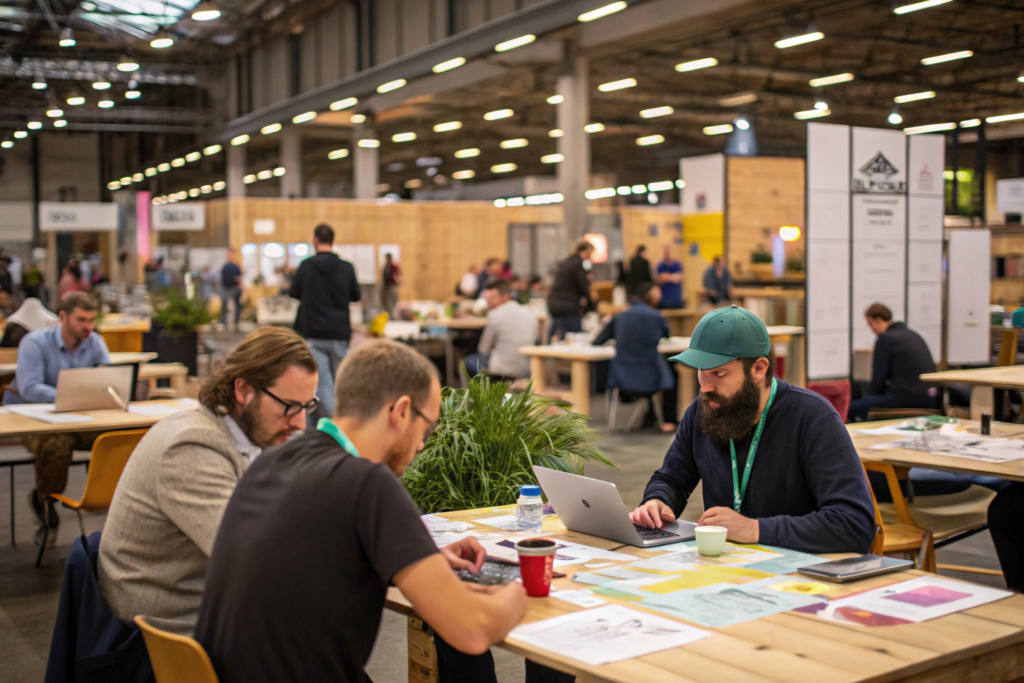
Focus on vibrant communities like design collectives, where members share resources and trust, or niche trade shows for independent designers—think bustling halls filled with the hum of creative conversations, the clink of sample materials, and the scent of fresh ideas in the air. Platforms that vet suppliers for their willingness to work with emerging brands are goldmines here; these are gatekeepers who have already sifted through the noise to identify those who value innovation, who understand that small-scale partnerships can lead to big, meaningful growth.
Which online platforms specialize in small-batch manufacturing?
- Maker’s Row: A US-focused platform that connects brands with domestic and overseas manufacturers, many of whom explicitly state their MOQs and specialize in small production runs.
- Alibaba.com with Advanced Filters: While known for bulk, you can use the "MOQ" filter and set it to a low number (e.g., 1-100). Crucially, look for suppliers labeled "Gold Supplier" who have "Small Order Accepted" badges. Verify this through direct communication.
- Kompass & Thomasnet: These global B2B directories allow for detailed searches; you can target smaller, specialized factories by employee size or annual revenue.
- Industry-Specific Forums & Social Media: LinkedIn groups for fashion entrepreneurs, Reddit communities (e.g., r/streetwearstartup, r/Entrepreneur), and Instagram hashtags like #smallbatchmanufacturing can yield recommendations and direct contacts.
Why are local workshops and trade shows valuable?
- Local/Regional Workshops: Searching for "sample room," "prototyping studio," or "cut-and-sew workshop" in your region or in manufacturing hubs can uncover small, agile operations. Visiting in person builds immediate trust.
- Trade Shows for Independent Designers: Events like Texworld USA, Première Vision (with its "Smart Creation" area), or Coterie often have exhibitors or sourcing sections dedicated to smaller-scale production services. The face-to-face interaction is invaluable for assessing fit.
- Design School Networks: University fashion departments often have lists of local manufacturers who work with student designers on thesis collections, making them ideal for very small runs.
How to approach and vet a potential small-batch factory?
First impressions are crucial. Your initial communication must convey professionalism and a clear understanding of your own product, which builds confidence that you are a serious partner worth accommodating.
The vetting process for a small-batch factory focuses as much on communication style and willingness to collaborate as it does on technical capabilities.
What should your initial inquiry include?
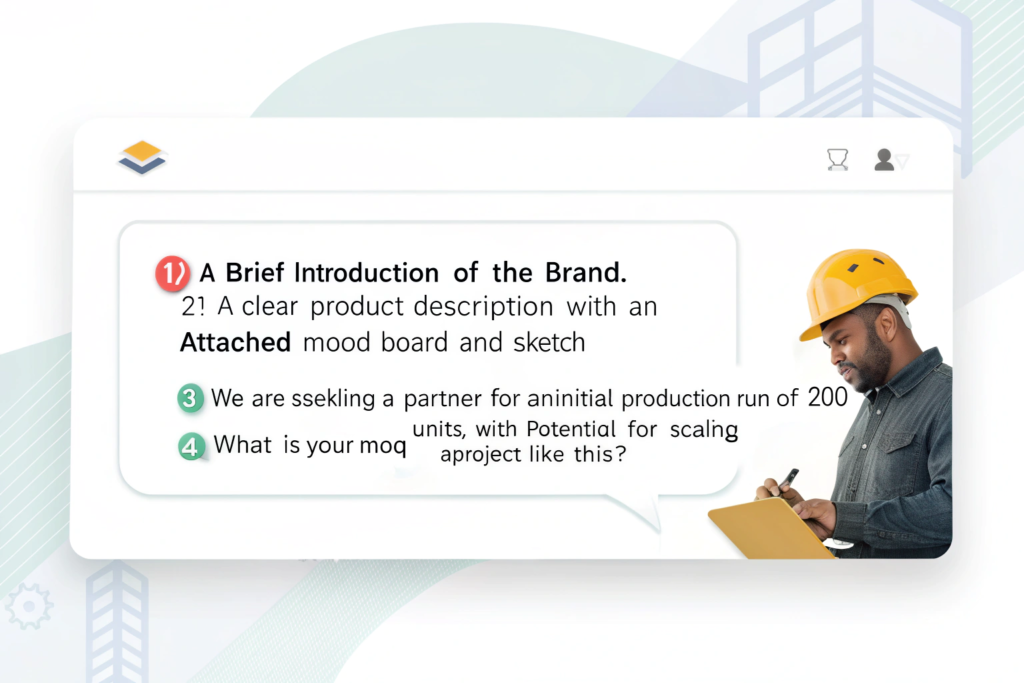
A strong first contact minimizes back-and-forth:
- Brand Introduction: A concise overview of your brand and vision.
- Clear Product Details: Provide a tech pack or at minimum, clear sketches, material swatches (digital or physical references), and dimensions.
- Transparent Quantities: State your desired quantity upfront: "We are looking to produce an initial run of 150 pieces."
- Key Questions: Ask directly: "What is your MOQ for this type of accessory?" and "Do you have experience with small batch production for emerging brands?"
This preparation shows you respect their time and are not just window-shopping.
How to assess their suitability during vetting?
- Communication Responsiveness: Do they reply promptly and answer questions thoroughly? Slow, vague communication at this stage will only worsen later.
- Sample Policy: Inquire about their sampling process and costs. A factory accustomed to small batches will have a clear, often streamlined, sampling procedure. Be willing to pay fairly for this critical step.
- Portfolio & References: Ask for examples of work with similar brands or products. Can they provide a reference (with permission)?
- Visit or Virtual Tour: If possible, a factory visit (or a detailed video tour) reveals their organization, scale, and working conditions. Look for cleanliness, order, and appropriate machinery for your product.
A factory that asks you thoughtful questions about your market and materials is often a good sign—it indicates engagement and a desire to build a proper partnership.
What are the realistic cost and MOQ structures?
Understanding the economic drivers behind MOQs and pricing for small batches is essential for negotiation and setting realistic expectations. Your unit cost will be higher than bulk, but a good factory will explain why transparently.
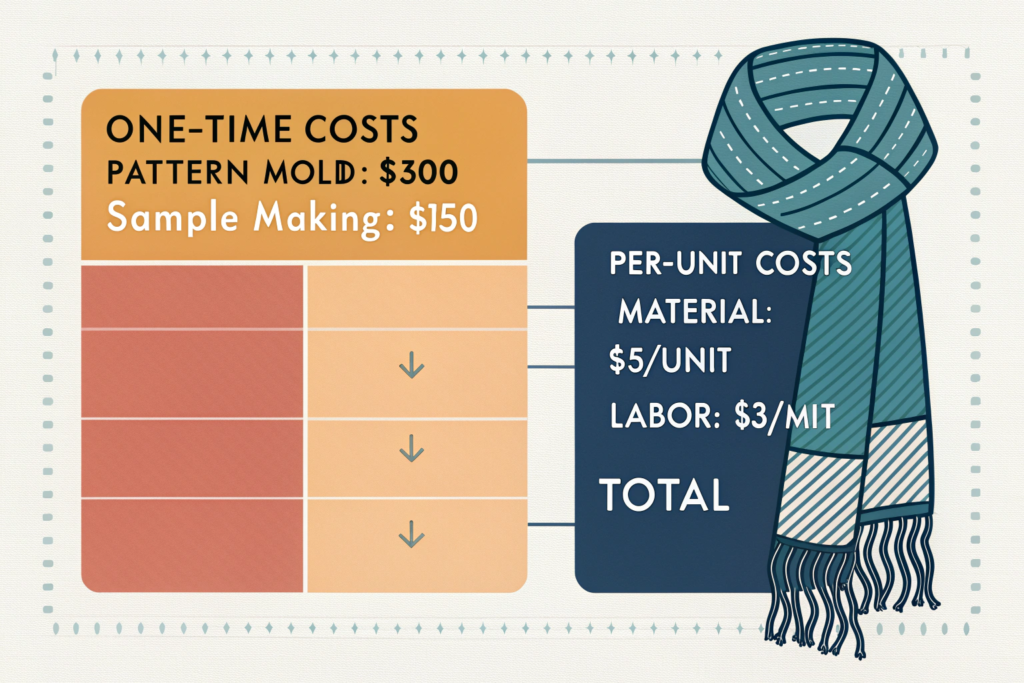
Costs are typically broken into one-time setup costs and per-unit production costs. For small batches, the setup cost is a significant portion of the total.
Why are MOQs set, and can they be negotiated?
MOQs exist primarily to cover fixed setup costs:
- Pattern/Mold Making: Creating a specific pattern for cutting or a mold for casting metal components.
- Machine Setup: Time and labor to calibrate machines for your unique design, which is the same whether you run 50 or 5,000 units.
- Material Minimums: Fabric, leather, or components are often sold in minimum quantities (e.g., by the roll or by the kilo).
Negotiation is possible: You can often negotiate a lower MOQ by: - Using Stock Materials/Components: Agreeing to use the factory’s existing stock of fabrics, ribbons, or hardware.
- Paying a Higher Setup Fee: Offering to cover a larger portion of the setup cost upfront can make a lower MOQ palatable for the factory.
- Commitment to Future Orders: Demonstrating a realistic growth plan and intent for repeat business.
How should you budget for a small production run?
Budget for these line items:
- Sampling Cost (Non-negotiable): This is your R&D. Expect to pay for 1-3 rounds of samples.
- Setup/ Tooling Fee: A one-time charge.
- Material Cost: Will be higher per unit than bulk pricing.
- Labor & Production Cost: Also higher per unit due to less optimized workflow.
- Shipping & Duties: For international orders, don’t forget these final costs.
Request a detailed cost breakdown sheet from any factory you are seriously considering. Transparency here is a sign of a professional partner.
How to build a successful long-term partnership?
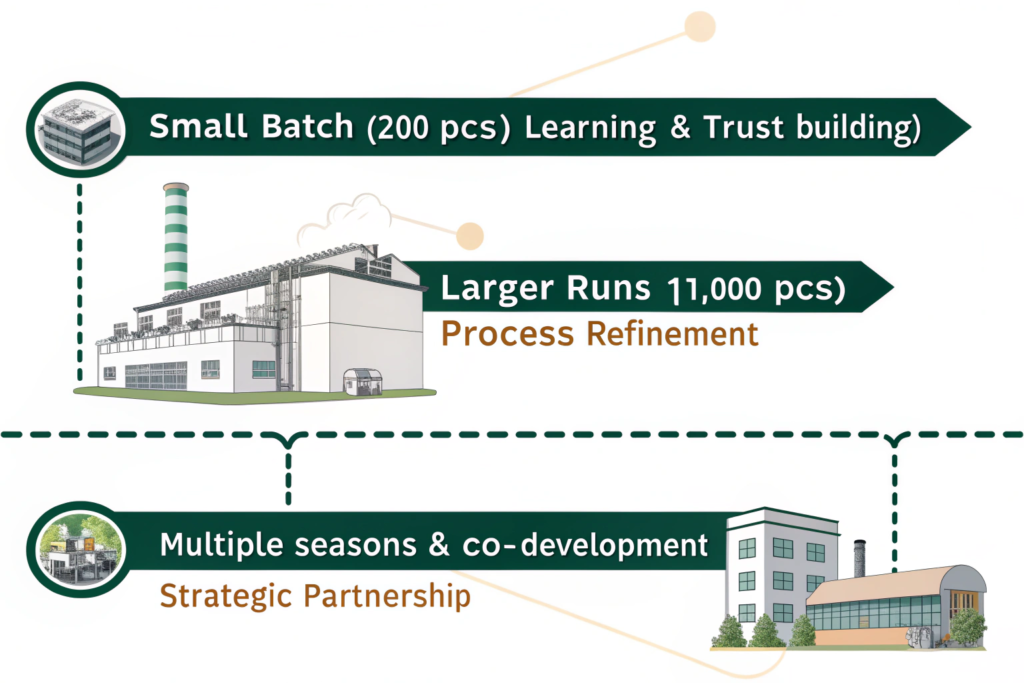
Your first small batch is the foundation of a relationship, a delicate seedling that, when nurtured with care, can grow into a towering tree of mutual trust and prosperity. It is the initial handshake in a dance of collaboration, where every detail—from the precision of the materials to the timeliness of delivery—whispers volumes about your commitment to quality and reliability. Managing this partnership effectively is akin to tending a garden; it requires patience, attentiveness, and a willingness to invest time in understanding the rhythms and needs of your counterpart.
As you cultivate this connection, the benefits unfurl like petals in spring: better terms that reflect the value of your growing bond, priority scheduling that positions your orders at the forefront of their production line, and collaborative problem-solving that transforms challenges into opportunities for innovation. Treat the factory as a strategic partner, not just a vendor—a fellow architect in your journey of growth, whose expertise and insights can elevate your products from mere commodities to exceptional offerings. In this symbiotic relationship, you share not just orders and payments, but visions, goals, and the collective drive to succeed, creating an atmosphere where creativity thrives and success becomes a shared triumph.
What are the best practices for working with a small-batch factory?
- Be Organized: Provide complete, clear tech packs. Inconsistencies and changes mid-stream are costly and frustrating at any scale.
- Communicate Proactively but Respectfully: Establish a regular update schedule. Avoid sending dozens of emails with minor questions; batch them.
- Understand Lead Times: Small batches don’t always mean faster. Your order may be scheduled between larger runs. Agree on a realistic timeline upfront.
- Pay on Time: Adhere to the agreed payment terms (often 50% deposit, 50% before shipment). This builds tremendous trust.
- Provide Feedback: After receiving the goods, provide constructive feedback on what went well and what could be improved.
How can you position yourself as a valuable client?
Even as a small client, you can be a "good" client by:
- Showing Appreciation: Acknowledge their work in making your vision real.
- Being Realistic: Understand the constraints of small-scale production and budget accordingly.
- Planning Ahead: Give as much lead time as possible for quotes, samples, and production.
- Exploring Value-Adds: Ask if they offer services like inventory storage for your batch or fulfillment assistance, which can streamline your operations.
A factory like Shanghai Fumao Clothing values clients who show potential for growth and who treat the manufacturing process as a collaborative effort.
Conclusion
Finding a fashion accessory factory for small batch production is a deliberate process of targeting the right partners, communicating with professionalism, and understanding the economic realities of low-volume manufacturing. By leveraging specialized platforms, preparing thorough project briefs, and approaching the relationship as a collaborative partnership, emerging brands can successfully navigate this critical phase.
The right factory for your small batch is one that sees your vision and potential, not just your initial order quantity. This foundational partnership can become the most valuable asset in your supply chain as you scale, providing the reliability and expertise needed to grow your brand with confidence.
If you are an emerging brand seeking a manufacturing partner experienced in guiding small batch accessory production with an eye toward future growth, we are structured to support your journey. Contact our Business Director Elaine at elaine@fumaoclothing.com to discuss your project and how we can help you bring your first collection to life.