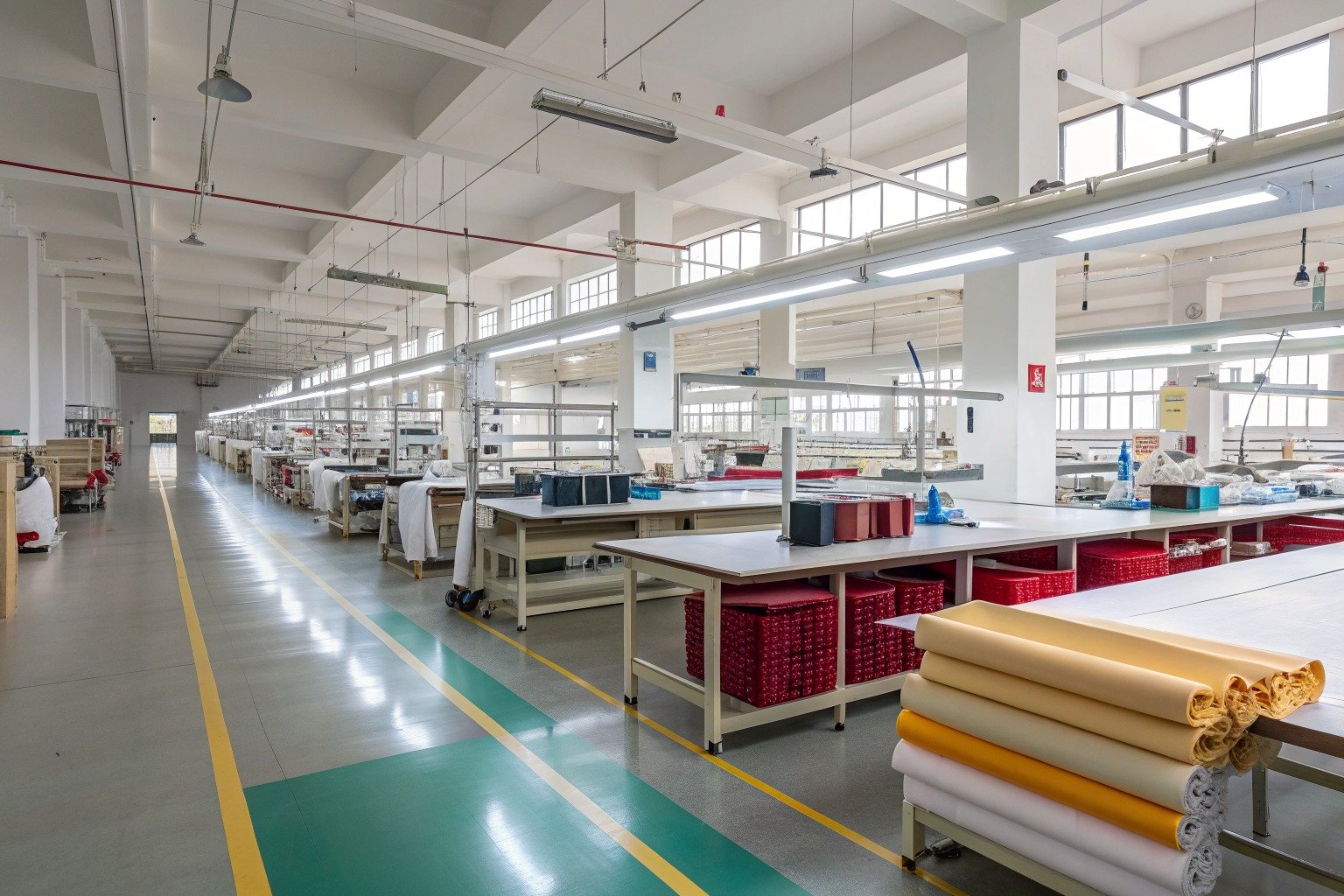
Finding a factory that provides genuine dropshipping services is a common goal for e-commerce entrepreneurs, small brands, and online retailers. The promise of a streamlined supply chain—where you handle sales and marketing while the factory manages production, inventory, and direct-to-customer shipping—is highly appealing. However, this specific service requires factories to operate beyond traditional manufacturing, integrating e-commerce logistics and fulfillment capabilities.
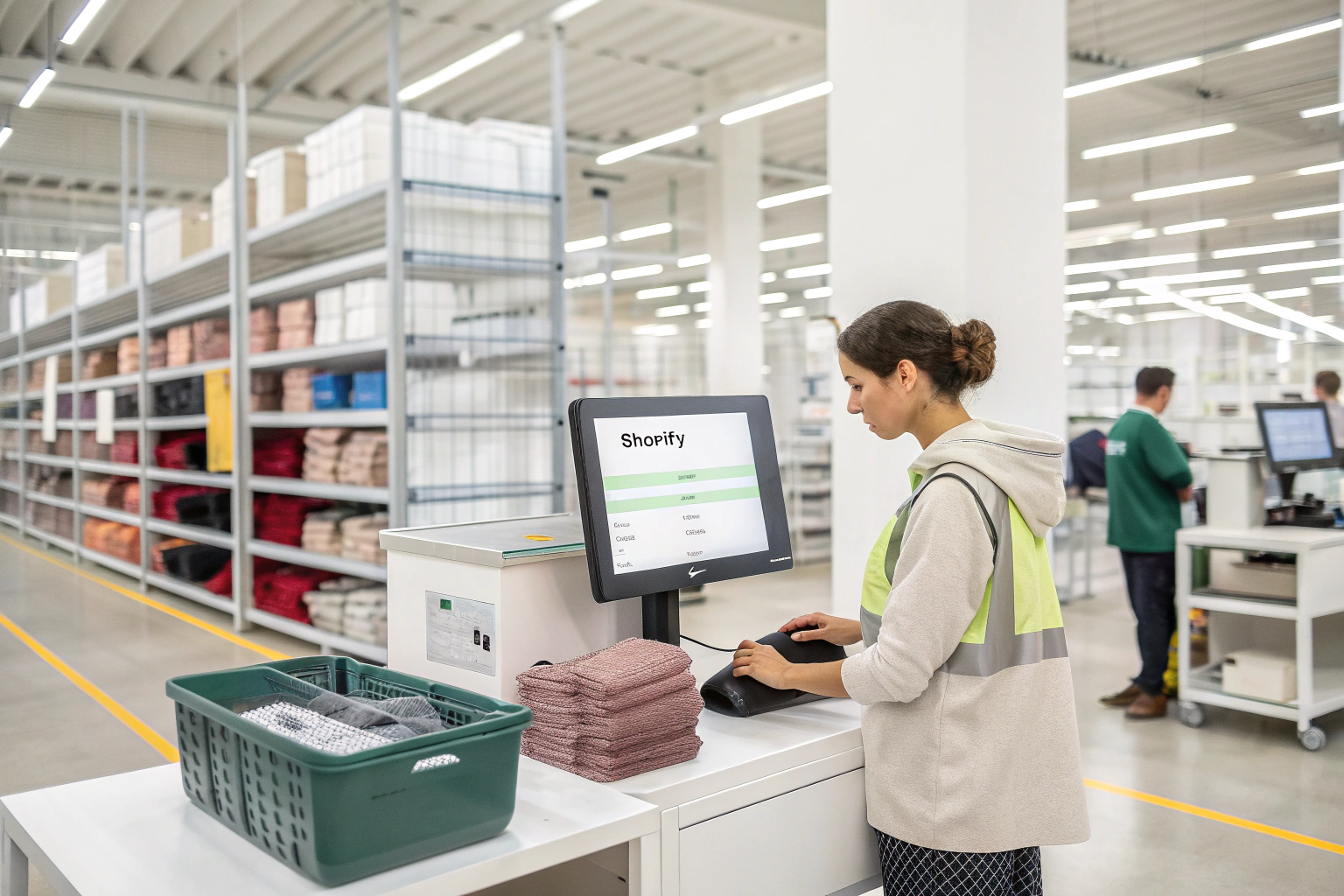
A factory offering true dropshipping services typically functions as an integrated manufacturer-fulfillment partner. They produce goods, store inventory in their warehouse, integrate with your e-commerce platform to receive orders, pick and pack individual shipments with your branding, and handle global shipping and tracking. This model requires sophisticated systems and a shift from bulk production thinking to individual order fulfillment.
At Shanghai Fumao Clothing, we recognize the growing demand for this model, particularly for standardized accessories. While our core strength is in bulk manufacturing and custom projects, we have developed partnerships with specialized fulfillment centers and can facilitate integrated dropshipping solutions for established brand partners on select product lines. The key is finding a manufacturer whose operational structure aligns with this service-oriented model.
What are the key characteristics of a dropshipping-capable factory?
Not all factories are equipped for dropshipping. The ones that are have evolved into hybrid operations, combining production with third-party logistics (3PL) capabilities. Look for signs of a modern, tech-savvy supplier focused on B2B2C (business-to-business-to-consumer) models.
Key characteristics include an active e-commerce focus, demonstrated fulfillment infrastructure, transparent communication about processes, and services tailored to online retailers rather than just bulk buyers.
What technological systems must the factory have?
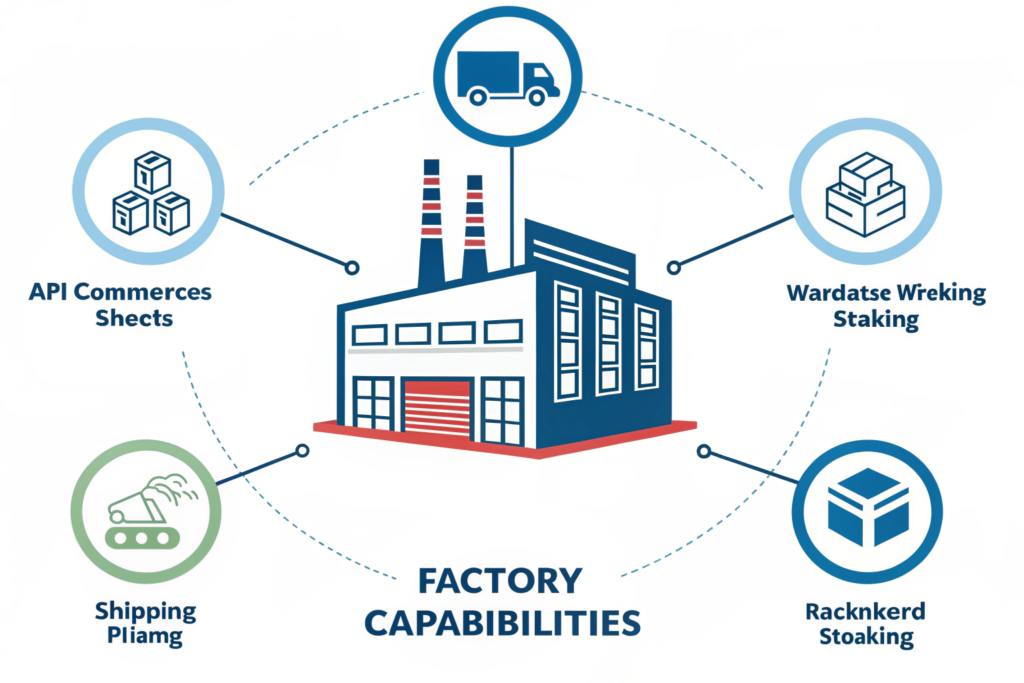
A legitimate dropshipping factory invests in technology:
- Platform Integration: Ability to connect via API with major e-commerce platforms (Shopify, WooCommerce, BigCommerce) or accept orders via CSV/email with automated processing.
- Real-Time Inventory Management: A system that syncs stock levels with your online store to prevent overselling.
- Order Management Dashboard: Provides you with visibility into order status, tracking numbers, and inventory reports.
- Shipping & Tracking Automation: Automatically assigns carriers, generates labels, and uploads tracking info to your store and customers.
These systems distinguish a professional operation from a factory that manually handles a few small orders. Look for mentions of "ERP system integration" or "e-commerce fulfillment software" in their communications.
How does their business model differ from a standard factory?
Their revenue model often includes fees beyond the unit product cost. They may charge:
- Monthly Storage Fees: For holding your dedicated inventory.
- Per-Order Fulfillment Fees: Covering picking, packing, and materials.
- Account Management Fees: For maintaining your integration and service.
They are also more likely to have lower Minimum Order Quantities (MOQs) for production runs to build your initial inventory, as their profitability is partially in the ongoing fulfillment service. Transparency about this fee structure is a positive sign.
Where can you reliably search for these specialized factories?
Your search strategy must be precise. General B2B directories are filled with traditional manufacturers. You need to target platforms and communities where factories advertise their value-added services.
Focus on suppliers who explicitly market to online sellers, dropshippers, and global e-commerce brands, using the specific terminology of the trade.
Which online B2B platforms have effective filters?
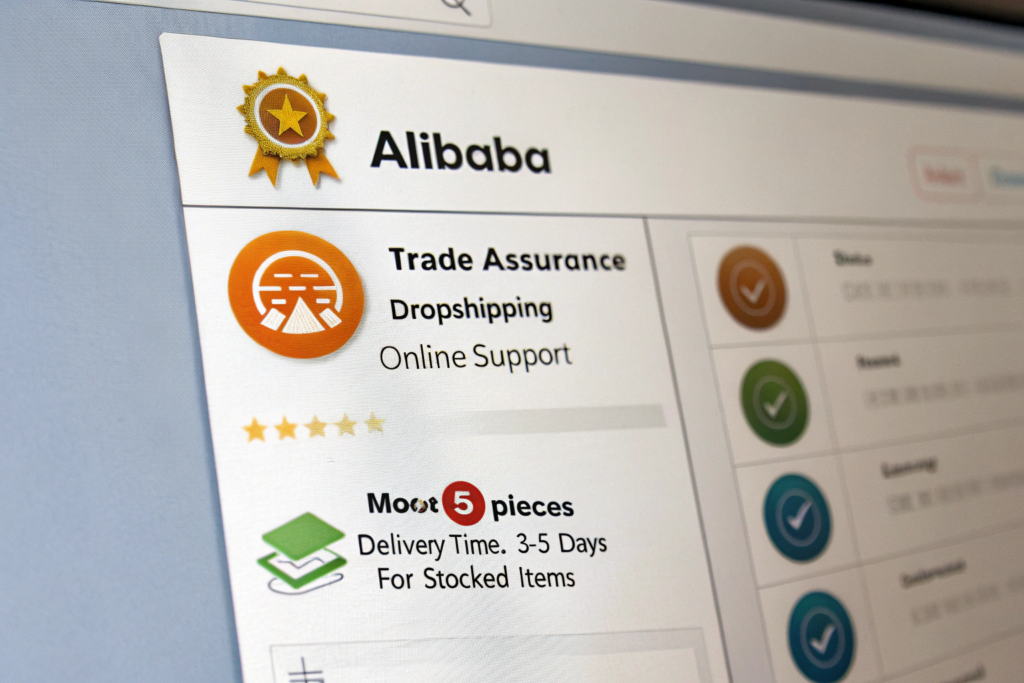
- Alibaba.com: This is a primary starting point. Use the "Supplier Capabilities" filter and select "Dropshipping." Also, use keywords in your search like "dropshipping factory," "private label fulfillment," "e-commerce ready," or "ready to ship." Carefully review supplier profiles; those with detailed descriptions of their fulfillment process, photos of their warehouse, and clear MOQ policies are more credible.
- Global Sources: Similar to Alibaba, use its advanced search to filter for suppliers offering dropshipping. Suppliers here often cater to more established businesses.
- Thomasnet.com: While more industrial, it can be useful for finding US-based manufacturers with fulfillment services.
- Industry-Specific Sourcing Platforms: For fashion accessories, platforms like Makersrow or Kompass might list factories with advanced service models. Also, explore resources from the National Retail Federation for insights into supply chain trends.
Why are industry networks and referrals crucial?
Online directories show potential, but verified experience is gold.
- Trade Shows: Attend major sourcing fairs like the Canton Fair or Magic Show in Las Vegas. Speak directly with factory representatives. Ask, "Do you offer integrated dropshipping or work with a fulfillment partner for my customers?" Their on-the-spot answer and knowledge level are telling.
- Professional Networks & Forums: LinkedIn groups for e-commerce entrepreneurs, subreddits like r/ecommerce or r/dropship, and niche forums are invaluable. Post a specific query: "Looking for a reliable factory for custom scarves that handles fulfillment to the EU." Peer recommendations can shortcut months of vetting.
- Competitor Analysis: Research where successful direct-to-consumer brands in your niche manufacture. Sometimes this information is in "About Us" pages or through investigative networking.
What are the essential questions to vet a potential partner?
Vetting a dropshipping factory is a multi-layered process. You must assess not only product quality but also their logistical reliability, technological competence, and customer service ethos for your customers.
Create a structured questionnaire. Their willingness to provide detailed, clear answers is your first filter.

What questions reveal their operational integrity?
Ask these process-focused questions:
- "Walk me through your order fulfillment process from the moment my customer clicks ‘buy’ to delivery." (Listen for clarity and systemization).
- "What is your standard order processing time (from order receipt to hand-off to carrier)? What is your current on-time fulfillment rate?" (Target: 24-48 hours processing, >95% on-time rate).
- "How do you handle inventory sync and prevent overselling? Can I see a screenshot of your inventory management dashboard?"
- "What happens if an item is out of stock? What is your protocol?" (A good system should prevent this, but a clear backup plan is essential).
- "Can you complete a test order for me with my branded packaging?" (This is non-negotiable to assess the unboxing experience).
What questions uncover hidden costs and logistics?
These questions protect your margins and customer satisfaction:
- "Please provide your complete fee schedule: product cost, MOQ, setup fees, monthly storage, per-order fulfillment fee, and packaging options."
- "Which shipping carriers and service levels do you use to my primary markets (US, EU, etc.)? What are the typical landed costs and delivery times?"
- "How are customs declarations handled? Is the declared value the wholesale cost (recommended) or the retail price?" (Declaring retail price can cause customs issues and fees for your customer).
- "What is your returns and defective item policy? Where are returns sent, and who bears the cost?" Have a written agreement on this.
What are the major challenges and risk mitigation strategies?
While powerful, the factory dropshipping model comes with inherent risks. Proactive management and a strong partnership agreement are your best defenses.
Primary challenges include quality control at a distance, longer shipping times impacting customer satisfaction, communication barriers, and dependency on a single partner for critical operations.

How can you ensure consistent product quality?
You cannot inspect every unit. Mitigate this by:
- Rigorous Pre-Production Sampling: Do not skip this. Approve not just the product but also the packaging sample.
- Define Quality Standards (AQL): Agree on an AQL (Acceptable Quality Level) standard for production runs and for random checks of packed orders. You can hire a third-party inspection service like SGS or Intertek to conduct audits periodically.
- Order Your Own Samples Regularly: Place test orders to your own address to monitor the end-to-end customer experience and product condition upon arrival.
How do you manage customer expectations and service?
- Set Realistic Shipping Times: Be transparent on your website. State "Ships from our fulfillment partner in [Country]. Delivery in 10-21 business days to the US."
- Implement Proactive Communication: Use email/SMS to update customers at key stages: order confirmation, shipping notification with tracking, and delivery follow-up.
- Create a Clear FAQ & Returns Page: Detail your shipping and returns policy clearly, managing expectations before purchase.
- Maintain Open Communication with Your Factory: Schedule regular check-ins. Use project management tools (Slack, Trello) if possible to keep communication organized and accountable.
Conclusion
Finding a factory that offers integrated dropshipping is about identifying a forward-thinking manufacturing partner that has successfully embraced the logistics of direct-to-consumer commerce. It requires targeted searching, rigorous vetting of both product and process capabilities, and a clear-eyed understanding of the challenges involved.
The payoff is significant: a scalable, asset-light business model with direct access to production. The right partnership allows you to focus on brand building and marketing while your manufacturing partner ensures reliable execution.
If you are developing a line of fashion accessories and seek a manufacturing partner with the sophistication to discuss tailored production and potential fulfillment solutions, we are here to explore the possibilities. Contact our Business Director Elaine at elaine@fumaoclothing.com to begin a conversation about your brand’s specific needs and growth trajectory.