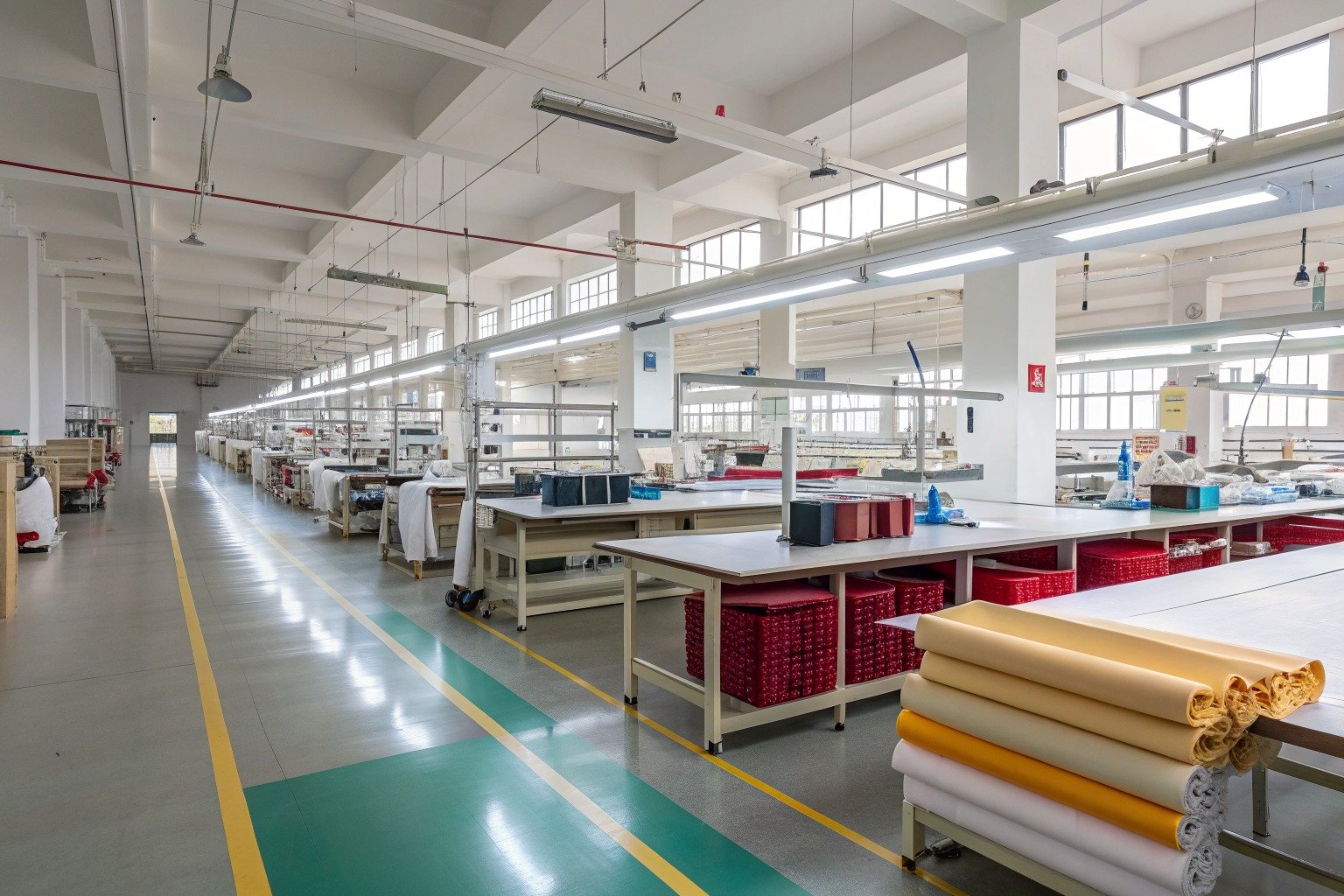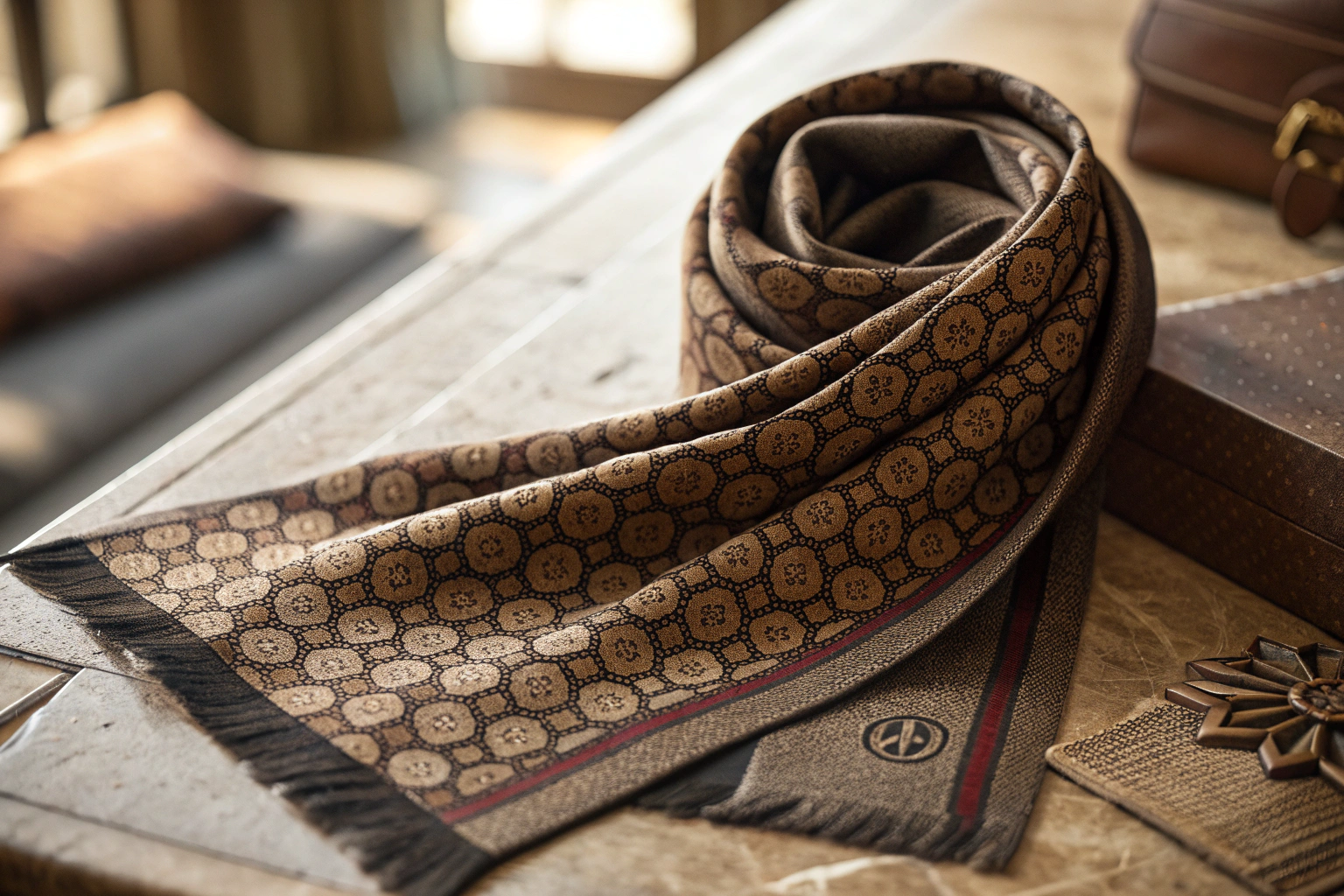
For a brand looking to create a truly distinctive and luxurious accessory, custom jacquard woven scarves represent the pinnacle of personalization. This isn’t about printing a logo on fabric; it’s about weaving your brand’s identity—its motifs, colors, and ethos—directly into the structure of the textile. As a manufacturer specializing in custom woven accessories, we guide brands through transforming their vision into a tangible piece of wearable art.
Customizing scarves using brand jacquard weaving involves creating a unique, permanent woven pattern that integrates your logo, monogram, or signature design directly into the fabric. The process requires close collaboration on design adaptation, yarn selection, and loom programming to produce a scarf with exceptional detail, texture, and durability that stands as a premium brand emblem.
At our facility, when a brand like yours approaches us for a custom jacquard project, we begin a collaborative journey. It’s more than an order; it’s a development partnership. The result is a product that cannot be replicated off-the-shelf, offering unparalleled brand recognition and perceived value. From high-fashion houses to corporate gift programs, a jacquard scarf becomes a signature piece.
What is the jacquard weaving process for scarves?
Jacquard weaving is a specialized technique that allows for the creation of complex, detailed patterns directly in the fabric. Unlike printed scarves, where the design sits on the surface, a jacquard weave is the design, offering a rich, textured, and reversible finish.
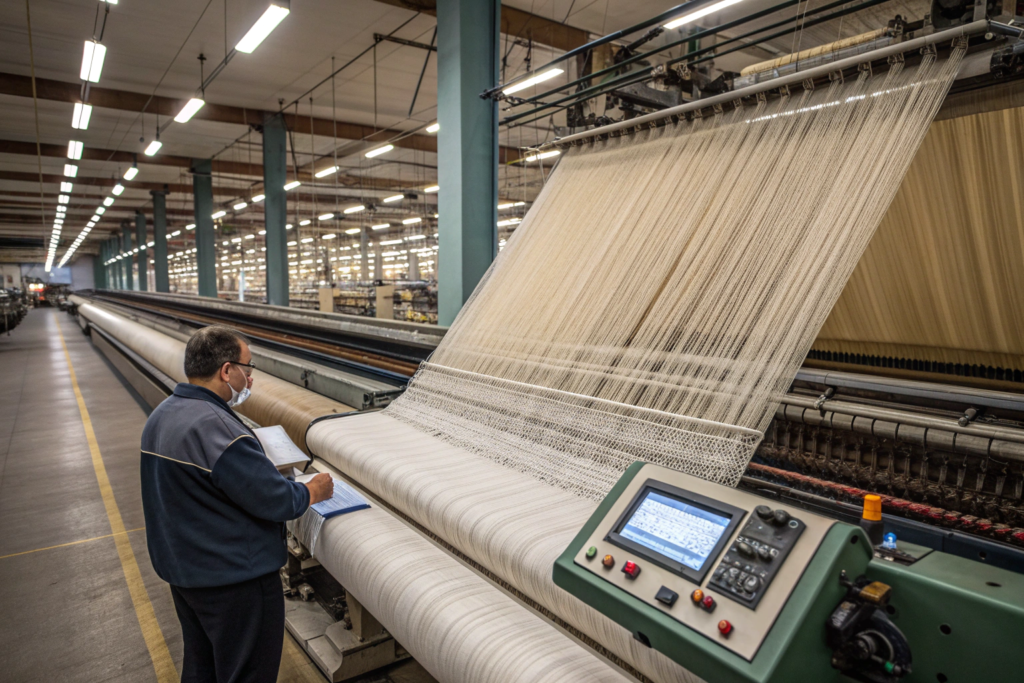
The process uses a jacquard loom, which controls each warp yarn individually via a computerized head. This enables the weaving of intricate designs, from detailed logos to elaborate pictorial scenes, by selectively raising and lowering thousands of yarns.
How does a jacquard loom create complex designs?
The magic lies in the loom’s ability to control individual warp threads. Each thread passes through an eye on a harness. In a jacquard system, these harnesses are controlled independently by a computer program (derived from your design file). As the weft yarn is passed through, only the specific warp threads needed to form the design are raised, creating a "shed." This allows for an immense degree of detail, as the pattern is not limited to simple repeats or stripes. The resulting fabric has a pronounced texture, with areas of the design appearing raised. This technology is a direct descendant of the historic punch-card system invented by Joseph Marie Jacquard, now revolutionized by digital precision.
What are the key advantages over printing?
The advantages are both tangible and perceptual:
- Durability: The design is integral to the fabric, so it won’t fade, crack, or peel with washing or wear.
- Texture and Depth: It creates a luxurious, tactile feel with a raised, three-dimensional quality that printing cannot achieve.
- Reversibility: Designs can be woven to be fully or partially reversible, increasing versatility.
- Prestige: It signifies a higher level of quality, craftsmanship, and investment, enhancing brand perception.
For brands, this means the scarf becomes a long-lasting brand ambassador. Resources like The Textile Institute provide deep insights into the technical and historical significance of jacquard weaving.
How to prepare your brand design for jacquard weaving?
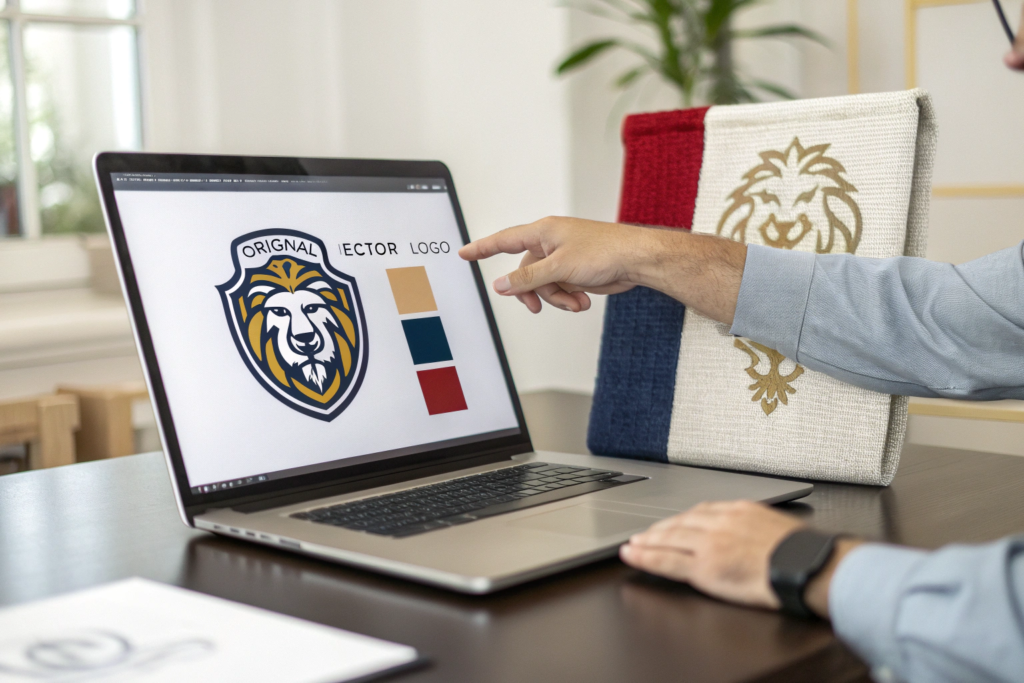
Not every graphic design translates perfectly to a woven medium. Successful jacquard customization requires adapting your 2D logo or artwork for the technical and aesthetic constraints of weaving.
This stage is a collaborative translation exercise. Our design team works with your artwork to optimize line thickness, simplify overly intricate details, and define color areas to ensure the final woven product is crisp, clear, and beautiful.
What are the design format and detail requirements?
We begin with your artwork in a vector format (AI, EPS, or high-resolution PNG). Key considerations include:
- Simplify Details: Very fine lines (thinner than 1mm in the final product) may not weave clearly. Our designers suggest consolidating tiny elements.
- Define Color Blocks: Jacquard weaving typically uses a defined palette of yarn colors. Gradients or photorealistic images must be converted to distinct color areas. We help determine the optimal number of colors to balance detail with cost.
- Create a Repeat: If the design is an all-over pattern, we engineer a seamless, aesthetically pleasing repeat tile.
This technical design service is a core part of our offering at Shanghai Fumao Clothing, ensuring your brand’s visual identity is honored and enhanced through the weaving medium.
How are colors selected and matched?
Color matching is both an art and a science. We provide physical yarn color cards for you to select from. Because yarn dye absorbs light differently than ink on a screen, physical samples are crucial. We work within standard dye lots but can also create custom-dyed yarns for exact brand color matching (Pantone TPX/TCX), though this may affect MOQ and lead time. The interaction of warp and weft yarn colors also creates subtle visual depth, which our experts will preview for you in a digital simulation before weaving begins.
What are the material and customization options?
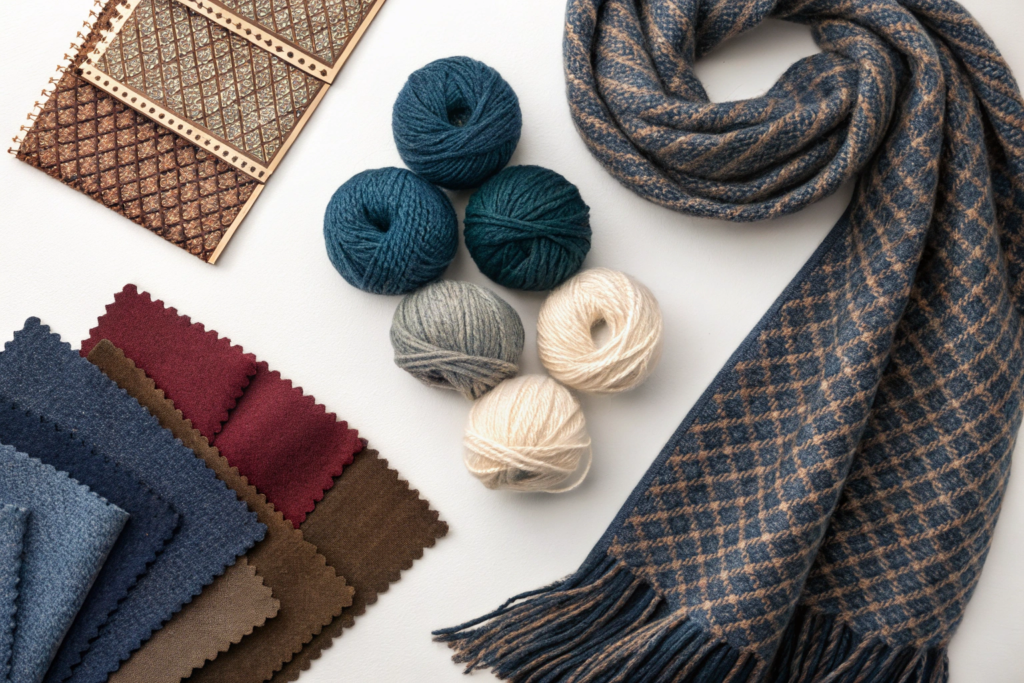
The choice of yarn determines the scarf’s hand-feel, drape, weight, and overall character. This is where you define the sensory experience of your branded product.
From sumptuous natural fibers to high-performance blends, the material selection directly communicates your brand’s quality standards and the scarf’s intended use (e.g., lightweight fashion vs. warm winter wrap).
Which yarns are best for luxury jacquard scarves?
For premium positioning, natural fibers are unparalleled:
- Silk: Offers a luminous sheen, incredible drape, and a lightweight, luxurious feel. Ideal for high-end fashion and gift items.
- Merino Wool & Cashmere: Provide exceptional softness, warmth, and a refined, matte texture. Perfect for winter accessories.
- Cotton & Linen: Offer a crisp, breathable, and durable option for spring/summer scarves or a more casual aesthetic.
We also work with blended yarns (e.g., silk-wool) to combine beneficial properties. The yarn weight (thickness) will determine the final fabric weight (gsm) of the scarf.
What are the key customization specifications?
Beyond the woven pattern, you have full control over:
- Dimensions: Standard sizes (e.g., 70x180cm) or custom dimensions.
- Hemming: Choice of hand-rolled hems for a luxury finish, machine-stitched hems, or fringe.
- Labeling: Options to weave a care label directly into the fabric or attach custom woven brand labels.
- Packaging: Development of tailored packaging that completes the unboxing experience.
Each choice is an opportunity to reinforce brand consistency. For instance, a hand-rolled hem on a silk scarf adds a final touch of artisanal quality that discerning customers notice and appreciate.
What is the typical development timeline and cost structure?
Embarking on a custom jacquard project is an investment in time and resources. Transparency here is key to planning and expectation management.
The timeline is front-loaded with development, followed by production. Costs are influenced by design complexity, material choice, and order quantity, with significant economies of scale.
What are the stages and timeline from design to delivery?
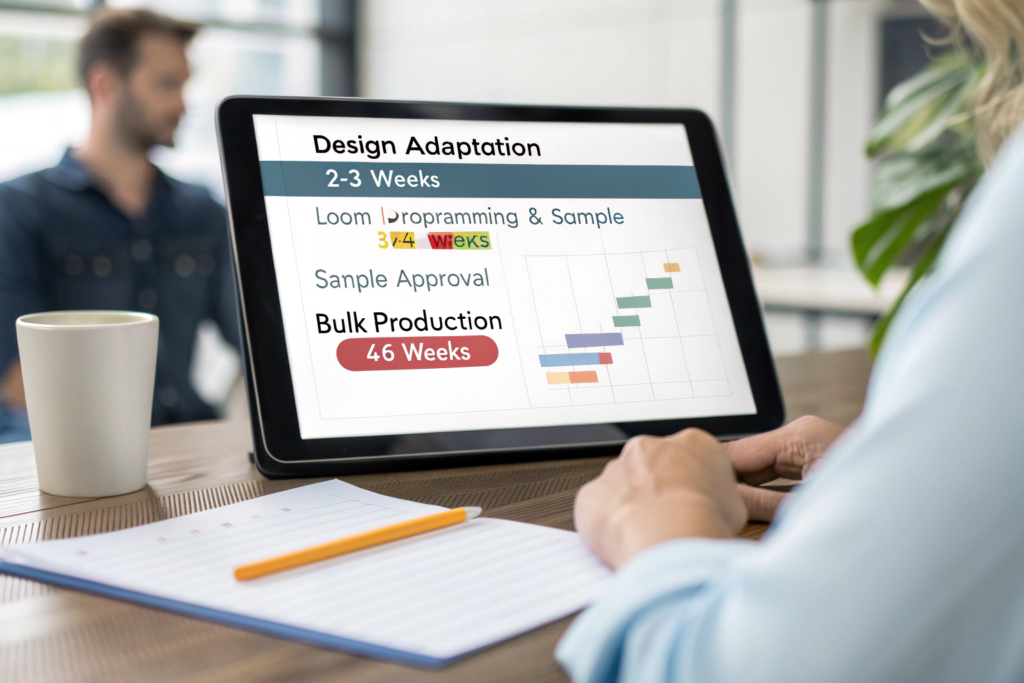
A typical project flow includes:
- Design Adaptation & Quotation: 1-2 weeks.
- Yarn Sourcing & Loom Programming: Once deposit is received, 2-3 weeks.
- Sample Weaving & Approval: A strike-off or first sample is produced for your approval. This stage is critical and takes 3-4 weeks.
- Bulk Production: Upon sample sign-off, 4-8 weeks depending on quantity and complexity.
- Finishing, QC, and Shipping: 1-2 weeks.
The entire process from finalized design to shipped goods typically takes 12-16 weeks. Rushing any stage risks compromising the result.
How are costs calculated, and what drives the MOQ?
Cost is driven by:
- Setup/Loom Fee: A one-time cost for programming the complex design into the loom. This is fixed regardless of quantity.
- Yarn Cost: Based on fiber type, quality, and quantity.
- Weaving Cost: Based on the time and complexity of the weave; more intricate patterns weave slower.
- Finishing & Making: Hemming, washing, labeling, and packaging.
The Minimum Order Quantity (MOQ) exists primarily to amortize the substantial setup fee. MOQs can range from 200 to 500 pieces for a standard design on common yarns. Higher quantities drastically reduce the per-unit cost. We provide transparent cost breakdowns to help you make informed decisions.
Conclusion
Customizing scarves through jacquard weaving is the ultimate method for creating a proprietary, high-value brand asset. It transcends conventional merchandising to offer customers a piece of craftsmanship that tells your brand’s story through texture, color, and intricate detail. The process, while involved, builds a deep partnership between brand and manufacturer, resulting in a product that stands apart in a crowded marketplace.
The investment yields a timeless accessory that elevates brand perception, fosters customer loyalty, and serves as a powerful tool for corporate gifting, retail collections, or brand milestones.
If you are ready to explore creating a signature jacquard woven scarf that embodies your brand’s essence, our team of technical designers and weaving experts is here to guide you through every step. Contact our Business Director Elaine at elaine@fumaoclothing.com to begin the conversation about bringing your unique vision to the loom.