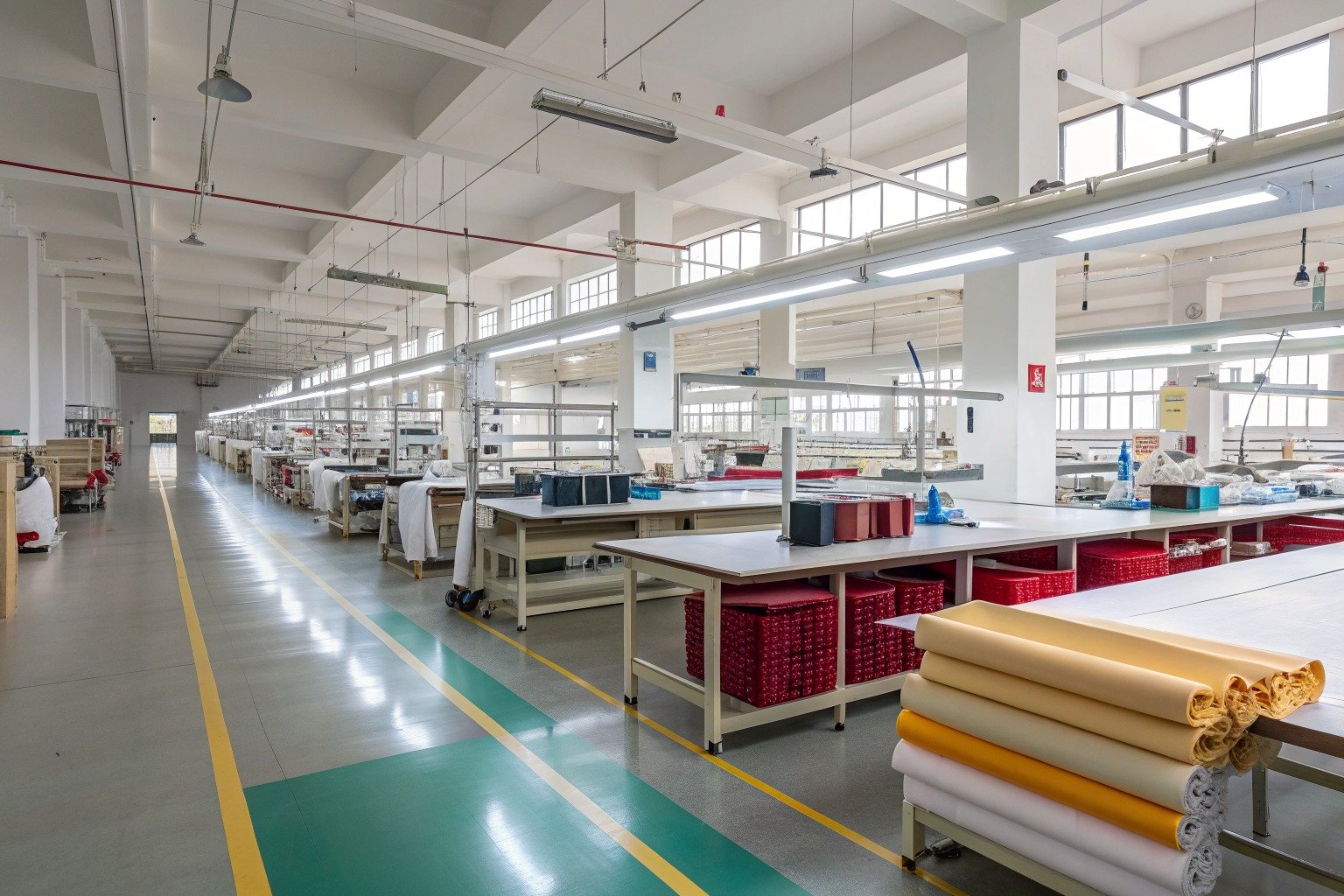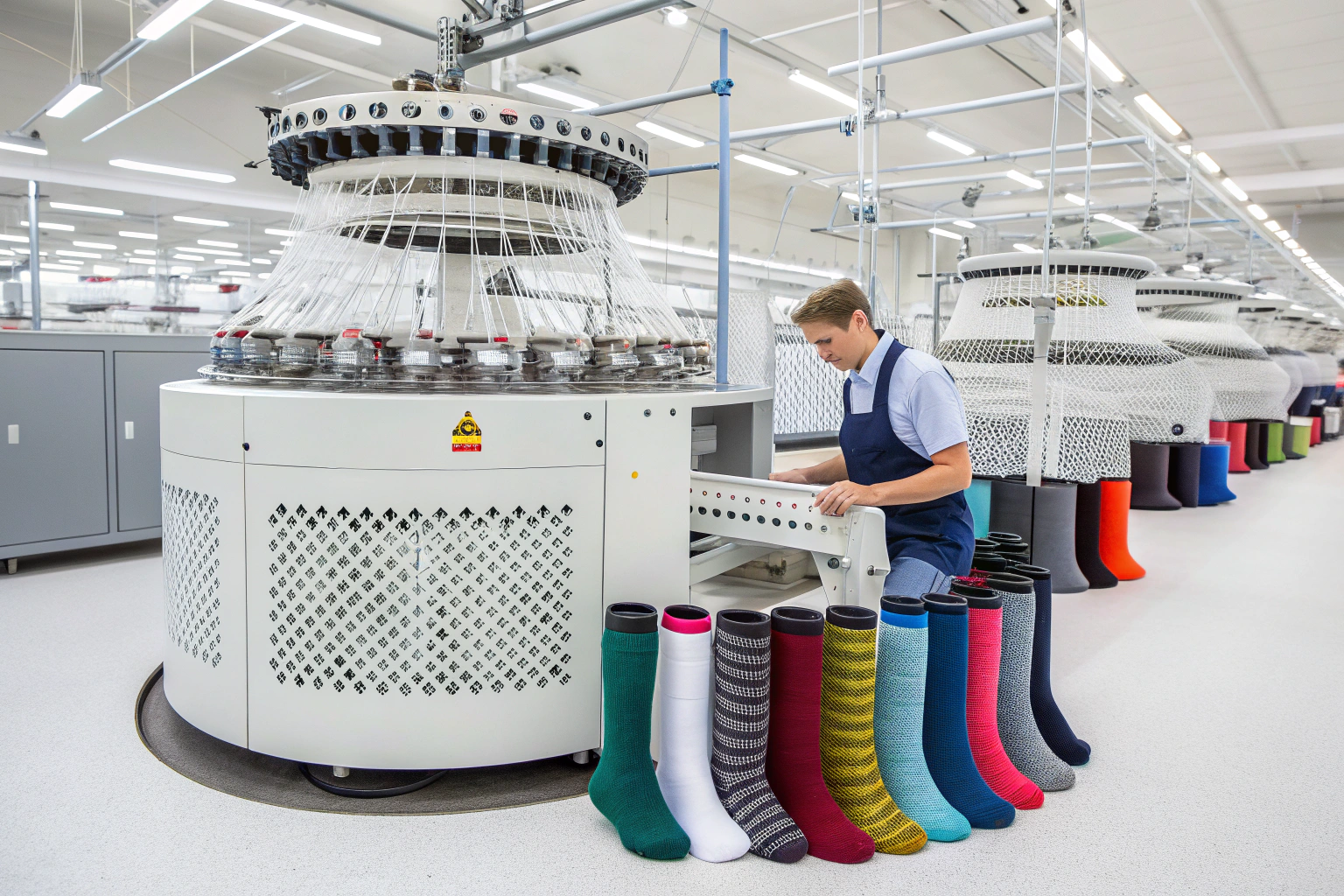
Finding the right manufacturer for custom socks and tights can feel like searching for a needle in a haystack. You have a brilliant design idea, a target market ready to buy, but the path from concept to finished product is filled with unknowns. How do you locate a reliable partner who can translate your vision into high-quality, comfortable, and profitable hosiery? The process involves more than just a Google search; it requires a strategic evaluation of capabilities, communication, and compliance.
The most effective way is to target manufacturers with proven expertise in knitwear and seamless garment production, then vet them through a structured process focusing on sampling, material libraries, and quality control systems. For custom socks and tights, the machinery (like circular knitting machines) and technical knowledge for fit, elasticity, and durability are specialized. The right partner will not just accept your order but will collaborate on fabric selection, sizing, and construction to ensure a product that looks good, feels great, and lasts.
Many brands start by looking at unit price alone, but the true cost includes sample accuracy, minimum order quantities (MOQs), and the risk of receiving a subpar bulk order. Partnering with a factory that has a dedicated development process for custom legwear is the key to mitigating these risks and ensuring a successful launch.
At Shanghai Fumao Clothing, while our core range includes a wide array of fashion items, our approach to manufacturing partnerships applies directly to specialized products like socks and tights. We understand that buyers, from activewear brands to fashion retailers, need a supplier who masters both the art of design and the science of production. The journey involves clear steps: identifying suppliers with the right equipment, evaluating their development process, understanding their compliance standards, and finally, establishing a communication rhythm with a dedicated project manager. Let’s break down this process to turn your custom legwear idea into a tangible, market-ready product.
Where to search for reliable sock and tight manufacturers?
Your search should be multi-channel, moving beyond basic directories to platforms and events where serious manufacturers showcase their specialized capabilities. The goal is to find partners who actively want and are equipped for custom, collaborative projects, not just those offering generic catalog items.
Start with B2B platforms that allow for detailed filtering, attend trade shows focused on textiles and sourcing, and leverage professional networks. Each channel offers different advantages for verifying a manufacturer’s legitimacy and specialization.
Is Alibaba a good platform for finding custom knitwear factories?
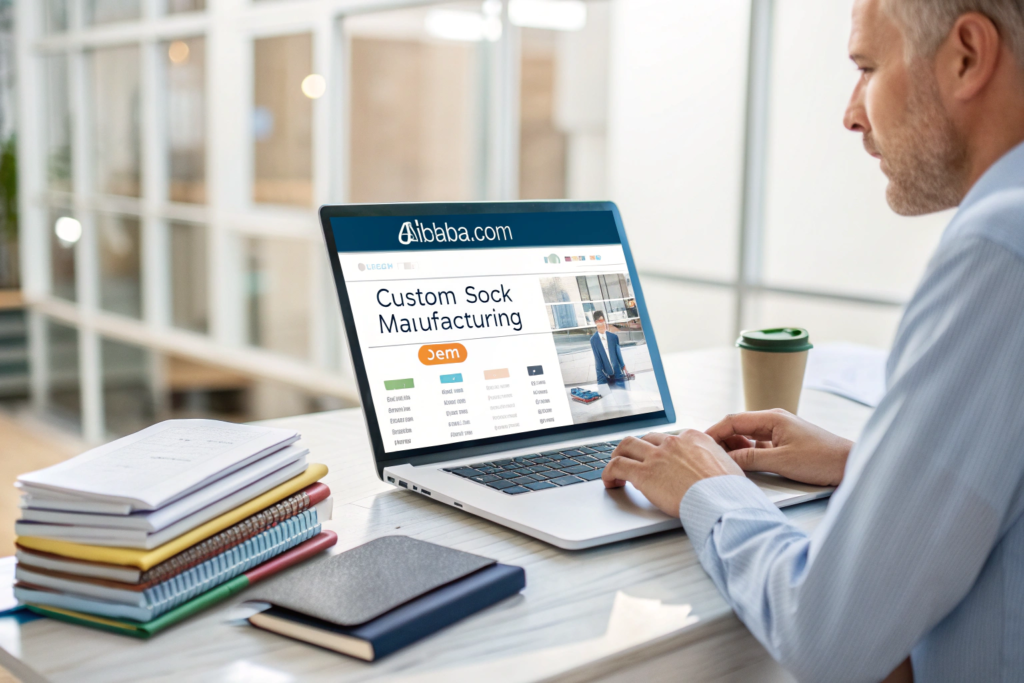
Alibaba can be a starting point, but it requires skillful navigation. Use precise keywords like "custom sock OEM factory," "seamless tight manufacturer," or "compression sock production." Look for suppliers with "Gold Supplier" or "Assessed Supplier" verification. Crucially, prioritize factories that showcase their own knitting machinery in video or photo tours, not just finished products. Check their transaction history and read reviews specifically about custom order communication. However, Alibaba is a vast marketplace. To deepen your vetting, cross-reference findings with industry-specific platforms like Maker’s Row or Kompass, which may offer more curated lists of textile producers. Always remember that a platform profile is a self-presentation; the next critical step is direct inquiry and sample evaluation.
How effective are trade shows for sourcing specialized manufacturers?
Trade shows are exceptionally effective for sourcing products like socks and tights. Events such as ISPO Munich (for sports and performance wear) or Première Vision Paris (for fabrics and components) attract specialized manufacturers. The key advantage is the ability to see and feel sample quality firsthand, discuss technical details face-to-face with engineers, and gauge the factory’s professionalism instantly. You can examine the stitch quality of a compression tight, test the elasticity of a sock cuff, and discuss yarn dyeing options in real-time. This tactile verification is invaluable and far surpasses online communication in the early stages. It also allows you to assess potential partners like Shanghai Fumao Clothing on their understanding of trends and technical challenges in legwear.
What questions to ask a potential hosiery manufacturer?
Asking the right questions separates serious manufacturing partners from order-takers. Your questions should probe their technical expertise, process transparency, and commitment to your project’s success, moving beyond price and MOQ.
Focus your questions on their development cycle, material sourcing, quality control points, and their experience with products similar to your design. The answers will reveal their depth of knowledge and operational maturity.
What are your capabilities in sample development?
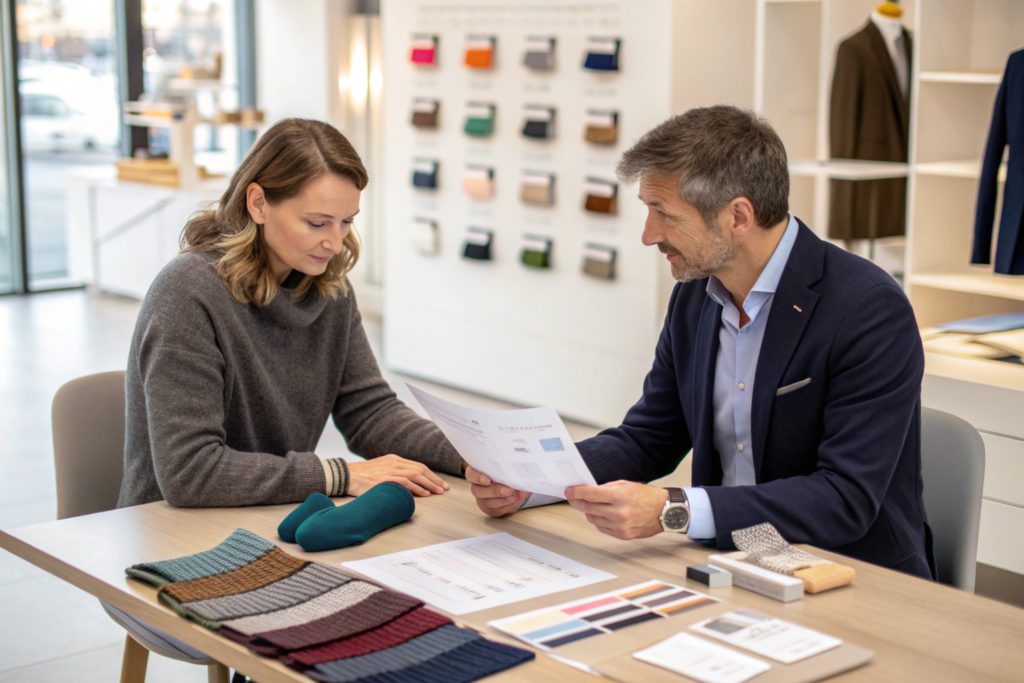
This question tests their responsiveness and investment in your project. A strong manufacturer will have a clear, staged sample process: a preliminary prototype (often in substitute yarn), a fit sample for sizing, a pre-production sample (PP sample) in correct materials, and a production sample for final approval. Ask about the timeline and cost for each stage. Crucially, inquire if they have an in-house design and technical team that can help refine your sketch for manufacturability—for example, advising on the best knitting structure for a specific pattern on a sock. Their answer should demonstrate a structured, client-focused development path, not just a willingness to copy a provided sample. Resources like the Footwear Distributors and Retailers of America (FDRA) often emphasize the importance of a rigorous sampling phase in apparel production.
Can you provide details on your quality control for knitwear?
Listen for specifics, not generalities. A proficient manufacturer will describe checkpoints at the yarn incoming stage (for weight, color consistency), during knitting (for dropped stitches or pattern alignment), during sewing (for toe closures on socks or gussets on tights), and a final random inspection based on AQL standards. Ask how they test for critical performance aspects like fabric tensile strength (for durability) and colorfastness (to washing and perspiration). Do they have lab equipment or partner with third-party labs? Their quality protocol should be built for the unique stresses that socks and tights endure. This level of detail shows a factory, such as Shanghai Fumao Clothing, is committed to delivering consistent, reliable quality that protects your brand reputation.
How to evaluate MOQs and pricing structures?
MOQ and pricing are often the first things asked about, but they should be evaluated in the context of value, not in isolation. A low price with high MOQ or hidden costs can be more detrimental than a transparent, slightly higher price with manageable quantities and full service.
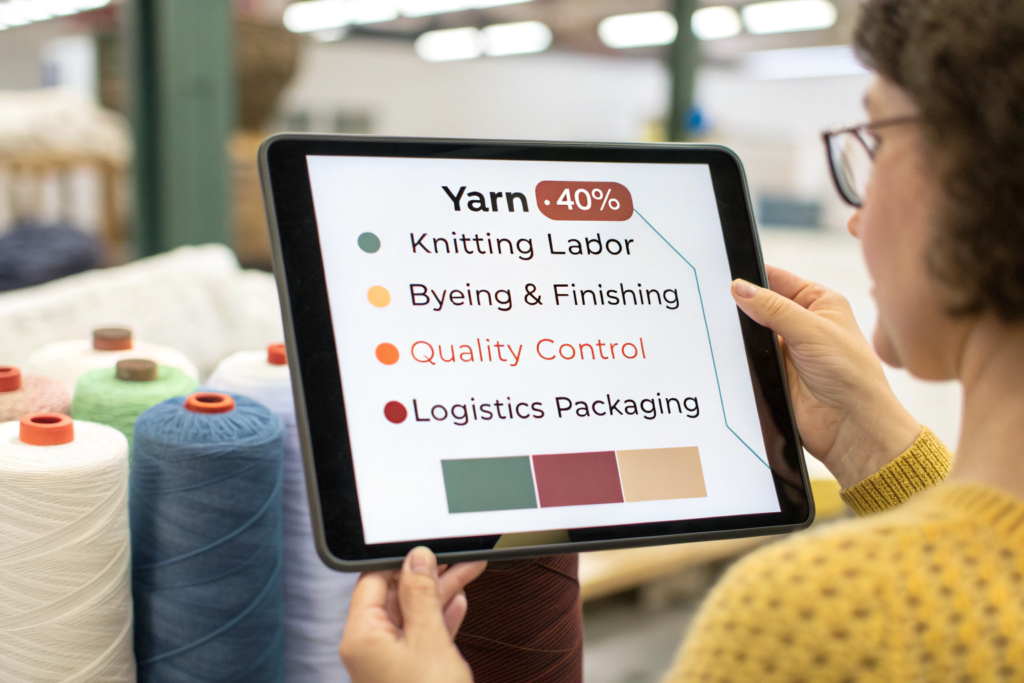
Understanding the cost drivers—yarn type, complexity of knitting, packaging, and testing—allows for a smarter conversation. Negotiate based on a clear breakdown rather than a single unit price.
What factors influence the Minimum Order Quantity (MOQ)?
MOQs are primarily set by the cost and time of setting up the knitting machines. A complex pattern with multiple colors requires a longer and more expensive machine setup, leading to a higher MOQ to amortize that cost. Ask if the factory can group your order with others using similar base yarns or simple structures to lower your MOQ. For tights, the MOQ might be based on the kilogram quantity of a specific yarn dye lot to ensure color consistency. A transparent factory will explain these technical reasons rather than just stating a number. Understanding this can help you design for production efficiency—perhaps simplifying a pattern for the first order. Industry analyses from Just-Style often discuss strategies for managing MOQs in global sourcing.
How is the final FOB price calculated for custom legwear?
Request a detailed cost breakdown sheet. The main components are: 1) Material Cost: Based on yarn type (e.g., combed cotton, nylon, spandex blend), dyed to your specific pantone. 2) Production Cost: Includes knitting, linking toes, boarding (shaping), and packaging. Complex techniques like seamless knitting or embroidery add cost. 3) Trims & Packaging: Cost of labels, hangtags, and polybags. 4) Testing & Certification: Fees for any required lab tests (e.g., OEKO-TEX® certification). 5) Factory Profit. The FOB price (Free On Board) includes all these costs up to loading the goods onto the ship at the Chinese port. A clear breakdown allows you to see where costs can be optimized without compromising quality, perhaps by choosing a different, equally good yarn supplier recommended by the factory.
Why is compliance and logistics support critical?
For socks and tights, especially those in direct contact with skin, material safety and ethical production are non-negotiable for major markets. Furthermore, the logistics of shipping lightweight, voluminous products require planning to optimize cost and ensure timely delivery.
Compliance ensures your product is safe and admissible to your market. Logistics expertise ensures it arrives efficiently, preserving your margin and meeting sales deadlines.

What certifications should a sock manufacturer have?
At a minimum, look for OEKO-TEX® Standard 100, which certifies that the textiles are free from harmful levels of regulated substances. For the US market, compliance with the Consumer Product Safety Commission (CPSC) regulations, particularly concerning flammability (though less critical for most socks/tights) and lead content, is essential. If you market with performance claims (e.g., moisture-wicking, compression), the factory should support you with relevant test reports from accredited labs like SGS or Intertek. For European brands, REACH compliance is crucial. A reputable manufacturer will not only hold these certificates but will also understand the testing process and help you procure the necessary documentation for your customs clearance. This support is a key part of the service from established partners like Shanghai Fumao Clothing.
How can a manufacturer assist with shipping and import logistics?
A strong manufacturer acts as a logistics partner. They should guide you on the best Incoterm for your needs—EXW, FOB, or even CIF to a main port. For lightweight, low-value shipments, they can advise on consolidating orders or using de minimis clearance methods. They must provide professionally prepared commercial invoices, packing lists, and certificates of origin—all with accurate HS codes (e.g., 6115 for tights and socks). For bulky sock orders, they can recommend compression packaging to reduce shipping volume. By managing these details expertly, the factory prevents costly delays at customs and ensures you receive your goods as planned, directly addressing the pain points of timeliness and security that importers face.
Conclusion
Finding the ideal manufacturer for custom socks and tights is a deliberate journey of research, vetting, and partnership building. It requires looking for specialized technical capabilities, asking probing questions about development and quality, understanding the true cost structure, and ensuring robust compliance and logistics support. The goal is to move from a simple vendor relationship to a collaborative partnership where the manufacturer acts as an expert extension of your team.
By following this structured approach, you significantly reduce the risks of product failure, delayed launches, and unexpected costs. You gain a partner invested in translating your unique designs into comfortable, high-quality legwear that stands out in the market and builds customer loyalty.
If you are looking for a professional, reliable, and communicative manufacturing partner to develop your next line of custom socks, tights, or other fashion accessories, we are here to help. Our systematic approach ensures clarity and quality at every step. Please feel free to contact our Business Director Elaine at elaine@fumaoclothing.com to discuss your project requirements and how we can bring them to life.