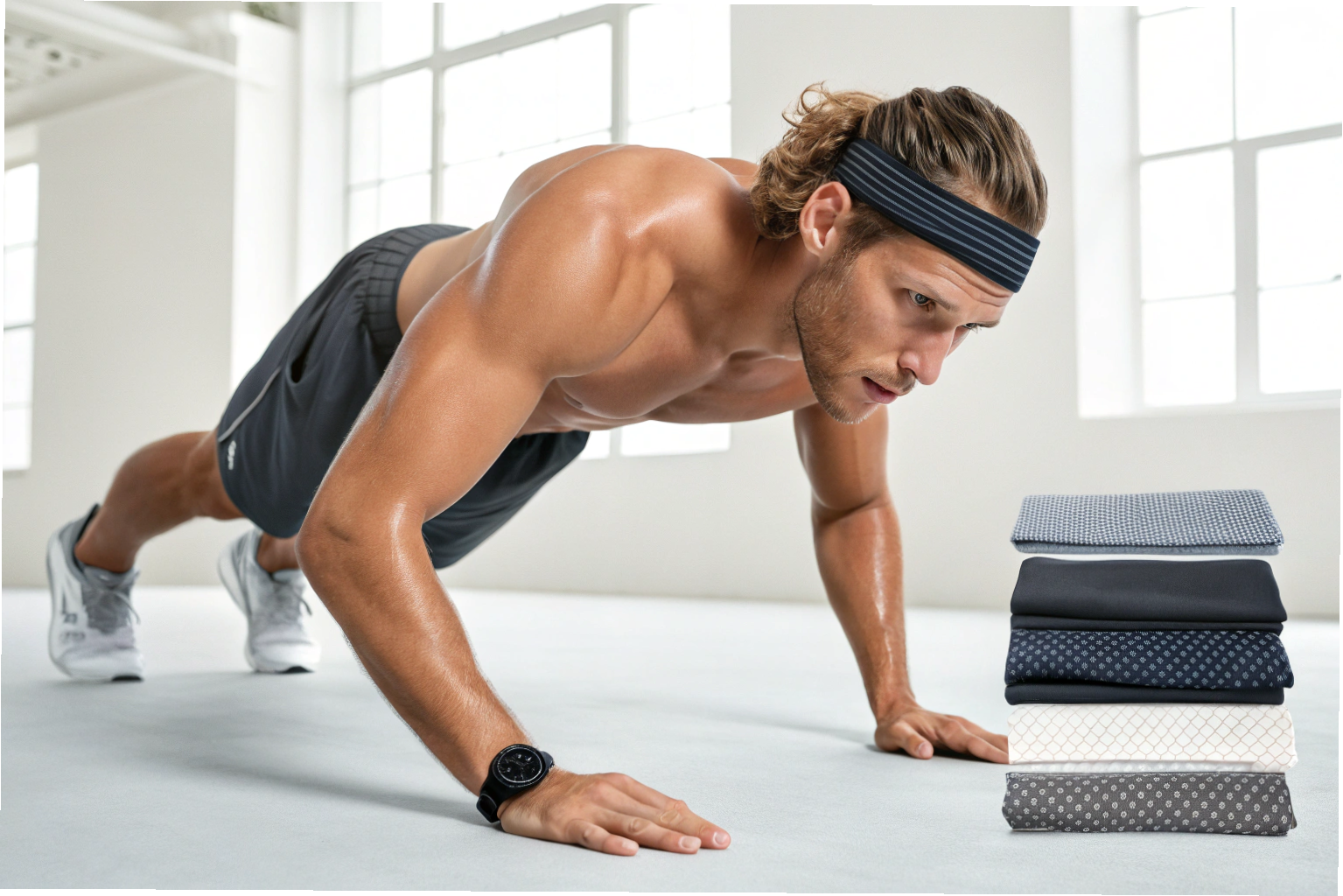
You’re in the middle of a high-intensity workout, and your headband starts to sag. It becomes soaked, heavy, and irritating, distracting you from your performance. Or worse, it causes a skin breakout. The problem often isn’t the headband’s design, but its core component: the material. Choosing the wrong fabric can turn a functional accessory into a frustrating liability.
The right material is the single most important factor in a gym headband’s performance. It dictates moisture management, comfort, durability, and even hygiene. The ideal fabric acts as a high-performance partner, keeping sweat out of your eyes, staying securely in place, and feeling comfortable against your skin through your entire routine. It’s the difference between a product that works for you and one you have to constantly work around.
Let’s break down the essential properties of gym headband materials and how to match them to specific workout needs, ensuring you select or manufacture a product that truly performs under pressure.
What Are the Key Functional Properties of a Gym Headband Material?
When evaluating materials, you must look beyond basic aesthetics. A gym headband material needs to be a multi-tasker. Its primary job is moisture-wicking—pulling sweat away from the skin to the fabric’s surface where it can evaporate quickly. However, wicking alone isn’t enough. The material must also be quick-drying to prevent it from becoming a heavy, waterlogged band. Breathability is crucial to allow heat to escape, and elasticity with memory ensures it stays snug without being constrictive.
For manufacturers and brands, understanding these properties is key to product development. The material choice directly impacts the user’s experience and their perception of your brand’s quality. A headband that fails during a workout creates a negative association that goes far beyond the accessory itself. Therefore, the selection process must be driven by technical performance data and an understanding of athletic needs.
How Does Moisture-Wicking Technology Actually Work?
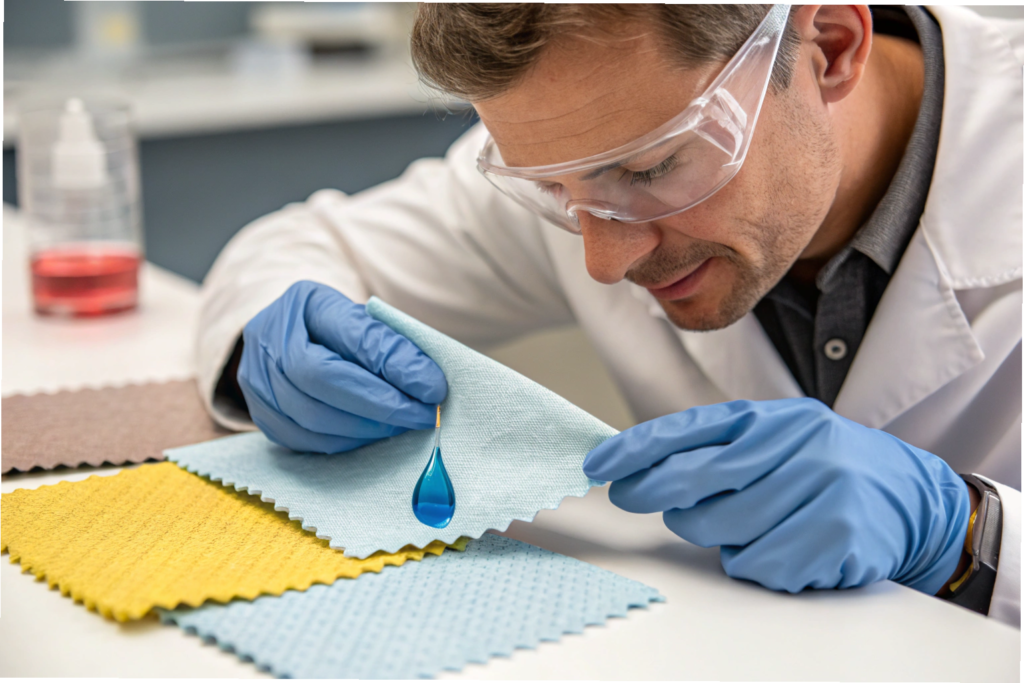
True moisture-wicking is a function of capillary action within synthetic fibers like polyester, nylon, or specialized blends. These fibers are engineered with hydrophobic (water-repelling) and hydrophilic (water-attracting) properties. They pull moisture along the tiny channels between fibers to the outer surface of the fabric, spreading it thinly for rapid evaporation. This keeps the skin relatively dry. In contrast, natural fibers like cotton are absorbent; they hold moisture against the skin, which can lead to chafing, a clammy feel, and slower drying. Organizations like the American Society for Testing and Materials (ASTM) have standardized tests, such as ASTM D6701, to quantitatively measure a fabric’s moisture management performance, which reputable manufacturers should utilize.
Why is Breathability and Elastic Recovery Critical?
Breathability refers to a fabric’s ability to allow air and water vapor to pass through. This is often achieved through specific knit structures (like mesh panels) or micro-perforations. Without it, heat builds up under the headband. Elastic recovery is the fabric’s ability to return to its original shape after stretching. A headband must stretch to fit various head sizes but must not become loose and slide during movement. Materials with spandex (Lycra) blended in (typically 5-20%) provide this essential four-way stretch and memory. A manufacturer’s expertise lies in sourcing fabrics where the wicking, breathable, and elastic properties are balanced perfectly for the application, a core strength of Shanghai Fumao Clothing’s development process.
Which Specific Fabrics Are Best for Different Types of Workouts?
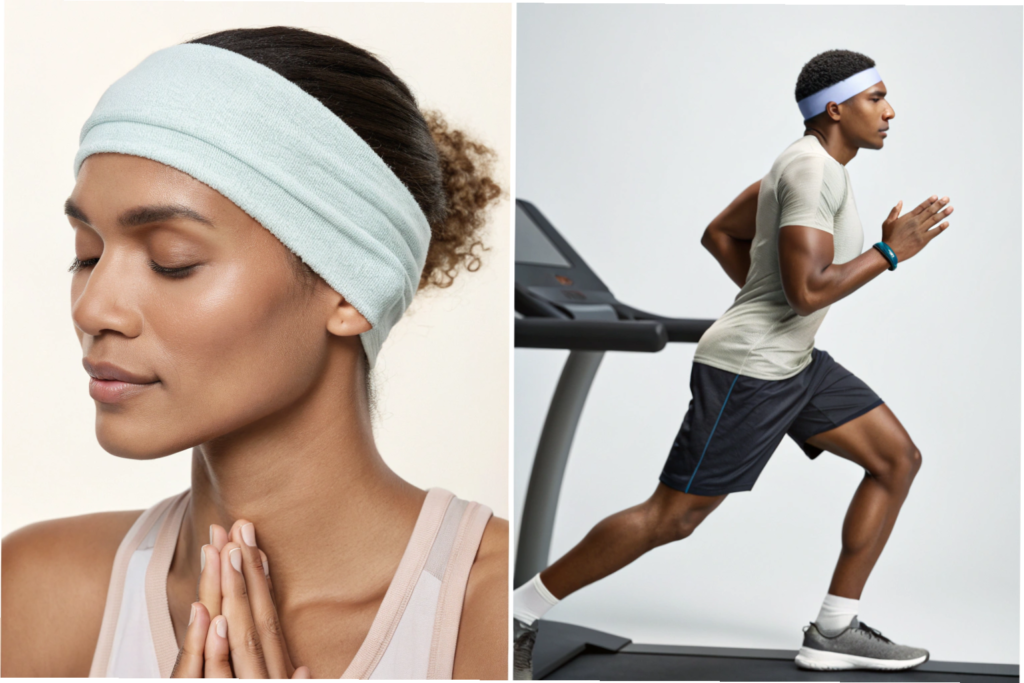
Not all workouts are created equal, and neither should all headbands be. The ideal material varies significantly between low-sweat activities like yoga and high-intensity, profuse-sweat sessions like CrossFit or long-distance running. Matching the fabric to the activity’s intensity and sweat profile is the mark of a specialized product.
For brands, this segmentation is a powerful marketing and development strategy. Offering a "Yoga Series" and a "HIIT Series" headband, each with material optimized for that use case, demonstrates deep understanding of your customer’s needs and allows for tiered product lines. It moves beyond a generic accessory to a purpose-built piece of gear.
What Material is Ideal for High-Intensity, High-Sweat Activities?
For HIIT, spinning, running, and competitive sports, the demands are extreme. The material must be a top-tier technical fabric.
- Primary Choice: Polyester/Spandex Blends. Look for fabrics labeled as "performance," "quick-dry," or with specific technology names (e.g., Coolmax®, Dri-FIT). These are often lightweight, exceptionally wicking, and dry incredibly fast. They lay flat against the skin without bulk.
- Advanced Feature: Micro-Mesh. Incorporating mesh panels, especially over the forehead, maximizes breathability and cooling. These fabrics should feel slick and smooth.
- Key Consideration: Seamless Construction. To prevent chafing during repetitive, high-motion activities, headbands made from seamless knitted tubes are ideal. Our production team at Shanghai Fumao Clothing often recommends and sources these advanced technical knits for performance lines to eliminate irritation points entirely.
What Fabric Works for Low to Medium-Intensity or Style-Focused Wear?
For yoga, Pilates, weightlifting, or casual athletic wear, comfort and style can take precedence over maximal wicking.
- Primary Choice: Cotton Blends (e.g., Cotton/Spandex or Cotton/Polyester). These offer superior softness and a more natural feel against the skin. They are absorbent, which is acceptable for lower sweat volumes. A blend with polyester improves wicking and drying time over pure cotton.
- Popular Option: Terry Cloth or French Terry. This fabric is thicker, ultra-absorbent, and provides a classic, retro athletic look. It’s excellent for mopping up sweat but will take longer to dry than a technical fabric.
- Key Consideration: Width and Bulk. Softer fabrics often work better in wider, folded styles that offer more absorption and a fashion statement. The Fashion Institute of Technology (FIT) highlights how material choice directly influences both the function and the fashion silhouette of activewear accessories.
How Do Material Choices Impact Skin Health and Hygiene?
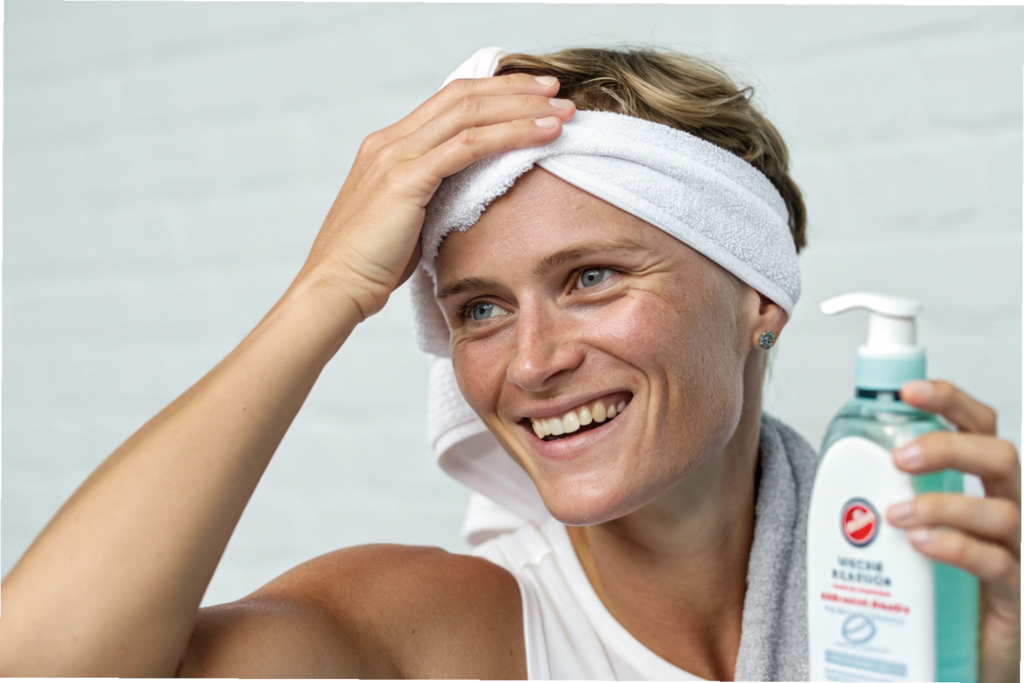
A headband sits against the forehead, one of the body’s most acne-prone areas (the T-zone). The wrong material can trap sweat, oil, and bacteria, leading to breakouts, irritation ("headband acne"), or allergic reactions. Hygiene is not just about odor; it’s about skin health. Therefore, the material must be non-comedogenic (doesn’t clog pores), antimicrobial, and easy to clean.
For consumers with sensitive skin or those prone to acne, this is a major purchasing decision factor. For brands, promoting the skin-friendly and hygienic properties of your headband material is a strong value proposition that builds trust. It shows you care about the wearer’s well-being beyond just performance.
What Makes a Fabric "Skin-Friendly" and Non-Irritating?
Skin-friendly fabrics are characterized by:
- Smooth, Seamless Texture: Avoids abrasive rubbing. Brushed or microfiber interiors can enhance softness.
- Moisture-Wicking Ability: As discussed, keeping moisture away from the skin is the first defense against irritation.
- Antimicrobial Treatment: Some fabrics are treated with silver ions (e.g., Polygiene®) or other technologies that inhibit the growth of odor- and acne-causing bacteria. This is different from just adding a fragrance.
- Hypoallergenic Fibers: High-quality, OEKO-TEX certified synthetics or organic cotton ensure no harmful chemicals or dyes are present that could cause reactions. Sourcing fabrics with this certification is a priority for responsible manufacturers.
How Does Material Affect Washing and Long-Term Hygiene?
The ease of cleaning is a direct function of material. Technical polyesters are generally machine washable, dry quickly, and are resistant to odor retention and pilling if of high quality. Cotton blends are also easy to wash but may hold onto odors more over time if not treated. A key specification to check is colorfastness—the ability to withstand frequent washing without bleeding or fading. Providing clear, material-specific care instructions (e.g., "Machine wash cold, lay flat to dry") enhances the customer experience and product longevity. A factory’s quality control should include testing for colorfastness and shrinkage.
What Are the Cost and Durability Considerations for Manufacturers?
For brands sourcing headbands, the material cost is a primary driver of the final product’s price point and margin. However, the cheapest fabric often leads to higher long-term costs through customer returns, poor reviews, and brand damage. The goal is to find the optimal balance between performance, durability, and cost that aligns with your brand positioning.
Durability is measured by the fabric’s ability to maintain its wicking properties, elasticity, shape, and color after repeated stress, sweat exposure, and washing cycles. Investing in a slightly more expensive, higher-quality fabric from a reliable supplier like Shanghai Fumao Clothing usually results in a superior product that retains its functionality and appearance, justifying a higher retail price and building customer loyalty.

How to Balance Performance Specifications with Budget?
Creating a tiered product line is an effective strategy:
- Premium Line: Uses top-tier, branded technical fabrics (e.g., with Coolmax®, X-Static® silver) for maximum performance and hygiene. Targets serious athletes.
- Core Line: Uses high-quality, un-branded polyester/spandex or cotton/polyester blends that offer excellent performance at a mid-range cost. Targets general fitness enthusiasts.
- Value Line: Uses basic polyester or cotton blends for adequate performance in low-sweat activities. Targets casual users or promotional/bulk orders.
Being transparent with your manufacturer about your target Final Factory Cost (FFC) allows them to propose the most appropriate fabric options from their sourcing network to meet your performance goals.
What Fabric Tests Predict Long-Term Durability?
Before committing to a bulk order, request that your manufacturer perform and share results from key durability tests:
- Pilling Test (ASTM D4970): Measures the fabric’s tendency to form little balls of fiber on the surface.
- Stretch and Growth Test: Measures how much the fabric stretches under tension and if it returns to its original state.
- Colorfastness to Wash (AATCC 61) & Perspiration (AATCC 15): Ensures the dye won’t run or stain.
- Dimensional Stability (Shrinkage): Measures how much the fabric shrinks after washing.
A manufacturer invested in quality control will have these protocols in place. This data-driven approach minimizes risk and ensures the material you choose on day one will perform consistently in the finished product, shipment after shipment.
Conclusion
Choosing the right material for a gym headband is a nuanced decision that sits at the intersection of biomechanics, textile science, and user experience. It requires moving beyond generic descriptions to understand specific properties like capillary wicking efficiency, elastic recovery, and antimicrobial efficacy. The optimal choice always depends on the target workout intensity, skin sensitivity, and desired brand position.
By carefully matching fabric technology to end-use, brands can develop headbands that are not just accessories, but essential, trusted pieces of workout gear. This focus on material intelligence leads to superior products, fewer returns, and customers who feel understood and supported in their fitness journeys.
Ready to develop a line of high-performance gym headbands with the perfect technical materials? Our team has extensive experience in sourcing, testing, and manufacturing active accessory fabrics tailored to your specific needs. Contact our Business Director, Elaine, to start the conversation. Email her at: elaine@fumaoclothing.com.