As you plan your 2026 accessory collections, you might wonder: are hair clips just a nostalgic throwback, or are they evolving into a serious fashion category with staying power? The answer is a definitive yes to their evolution. The hair clip has transformed from a simple functional item into a key expressive accessory, and for 2026, the trends are leaning towards bold statements, artisanal craft, and a playful blend of futuristic and nostalgic design.
For 2026 in Western fashion, the trending hair clip styles are defined by three dominant themes: Oversized Architectural Shapes (geometric claws and abstract sculptural forms), New Victorian Ornamentation (intricate cameos, pearl embellishments, and dark romantic details), and Y2K-Inflected Maximalism (butterfly motifs, colorful resin, and kitschy charm accents). These styles emphasize wearability as art, personal expression, and a move away from minimalist hair accessories towards pieces that command attention and tell a story.
These trends are more than just aesthetics; they reflect a broader cultural shift towards individuality, self-care as ritual, and a yearning for tangible beauty in a digital world. To successfully source or design for this market, it’s crucial to understand the specific materials, silhouettes, and styling contexts that define each trending style. Let’s break down the key looks that will dominate shelves and social media in 2026.
What Defines the "Oversized Architectural" Trend?
The minimalist bobby pin is out; the architectural statement clip is in. This trend is all about scale, clean lines, and sculptural forms that transform the hair clip into a wearable piece of modern art.
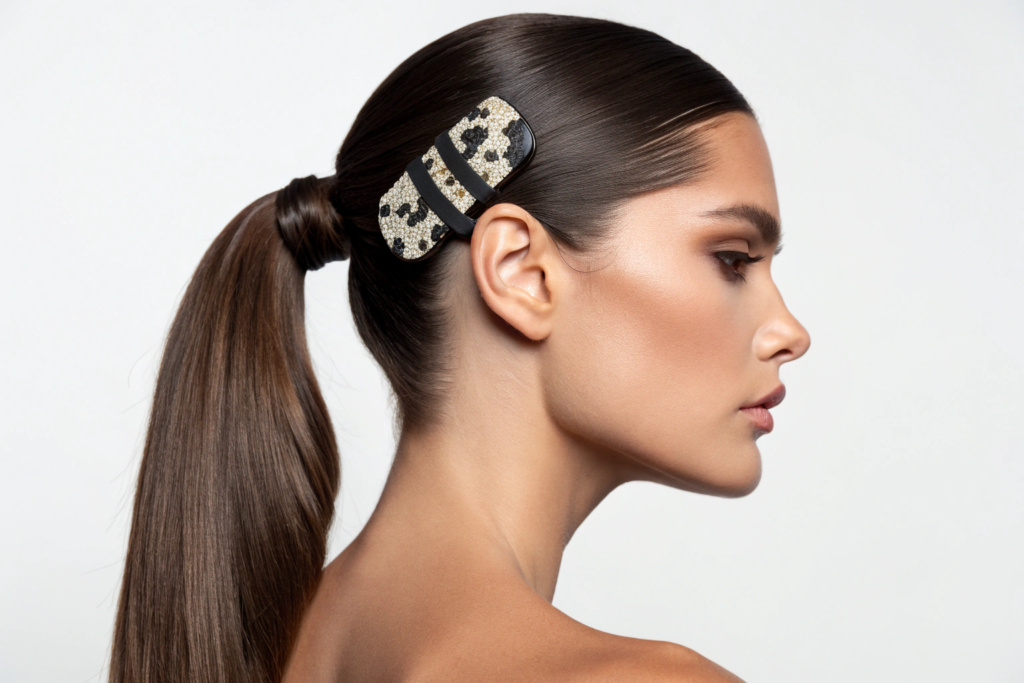
Think beyond the basic claw. The 2026 iteration features exaggerated sizes—clips that are intentionally large and visible, meant to hold substantial hair but also to be seen as a primary accessory. Silhouettes are inspired by modern architecture and abstract art: sharp angles, curved organic forms, and asymmetrical shapes. Materials are key, favoring marbled acrylics, polished wood, matte metals, and textured resins that feel substantial and high-quality. These clips are designed to be the focal point of an outfit, often styled with simple, sleek hairstyles like low buns, ponytails, or half-up looks to let the clip shine.
What materials and finishes are driving this trend?
The materiality is as important as the shape. Tortoiseshell acrylic (in both classic and updated colorways) remains a staple for its warmth and organic pattern. Recycled and bio-based acrylics with speckled or terrazzo effects are rising for their sustainable appeal and unique look. Brushed and anodized metals (like gunmetal or brushed gold) offer a more minimalist, industrial edge. For a high-end feel, polished horn or vegetable ivory alternatives provide natural, luxurious texture. A factory with a strong R&D team, like Shanghai Fumao Clothing, can source and test these innovative materials to ensure they are durable, colorfast, and can be molded or cut into the desired sharp, clean shapes.
How does this trend balance size with functionality?
A common pitfall of oversized clips is that they are heavy or don’t grip well. The 2026 trend prioritizes engineered functionality. This means using strong, spring-loaded mechanisms with a wide grip, designing the interior teeth or grip pattern to hold thick hair securely, and balancing the weight distribution so the clip feels substantial but not burdensome. The goal is a piece that is as reliable as it is beautiful—a hallmark of quality that prevents returns and builds brand loyalty through superior product development.
Why is "New Victorian" Making a Comeback?
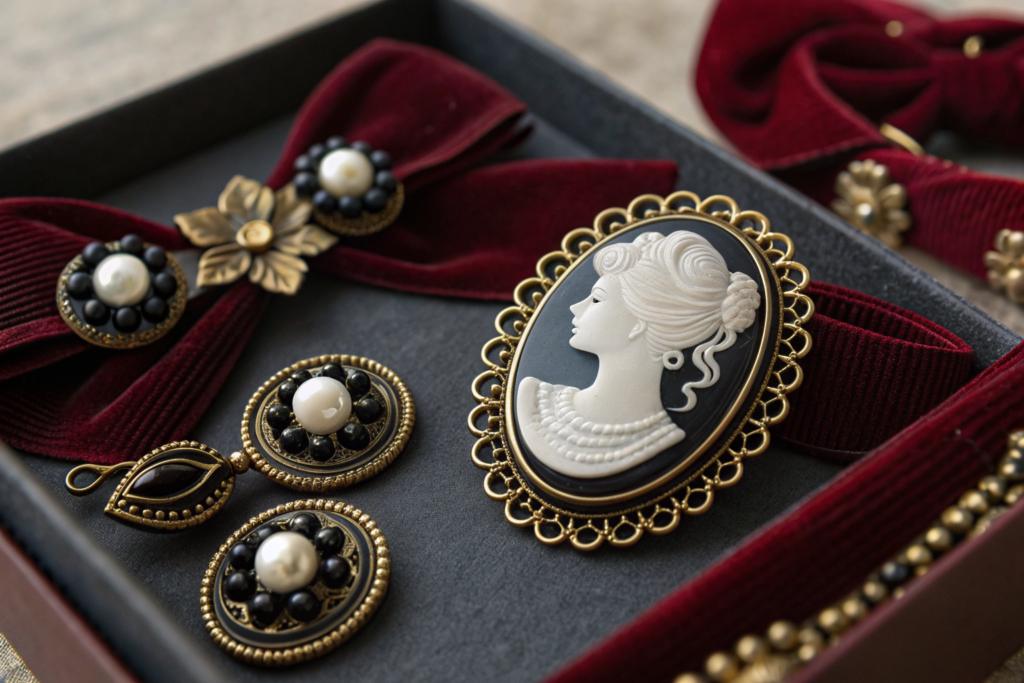
In direct contrast to architectural minimalism, the "New Victorian" or "Dark Romance" trend draws from 19th-century aesthetics, reinterpreted with a contemporary, slightly gothic or romantic edge. It’s about intricate detail, narrative, and a sense of heirloom beauty.
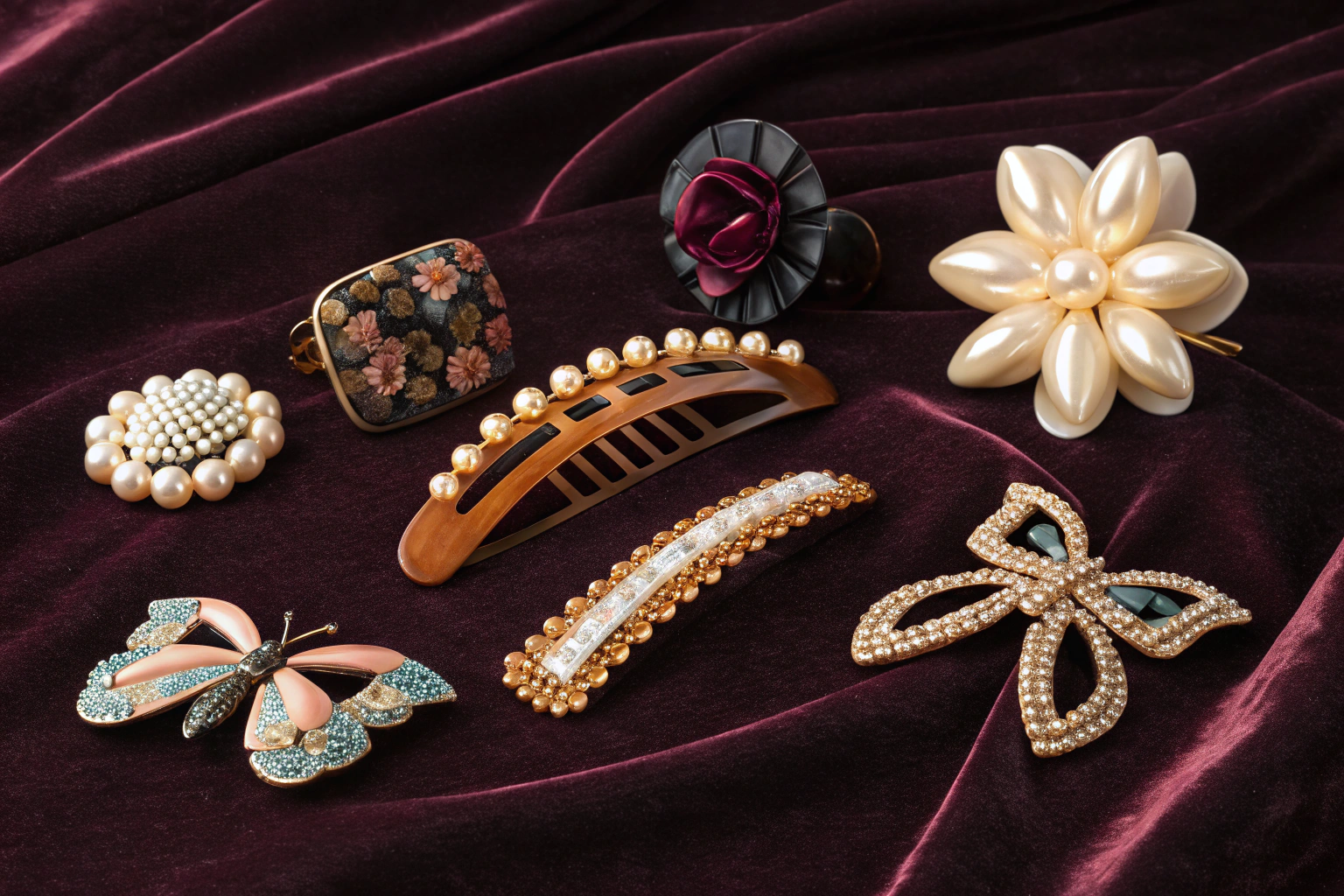
This trend is characterized by ornate embellishment. Think cameo silhouettes (with both classic profiles and modern abstract designs), scattered pearl accents, intricate filigree metalwork, and motifs like mourning lockets, forget-me-not flowers, and butterflies. The color palette is moody: jet black, deep burgundy, forest green, and antique gold. These clips are less about holding all your hair and more about adornment—used to pin back small sections, decorate a braid, or add a touch of drama to a chignon. They appeal to the consumer seeking individuality, storytelling, and a connection to craft.
How are modern manufacturing techniques enabling this ornate style?
Achieving this look at a scalable production level requires advanced techniques. Laser-cutting allows for precise, intricate metal filigree. Injection molding with dual materials can create detailed cameos with contrasting colors. Hand-setting of small pearls or crystals, often done in specialized workshops, adds an artisanal touch. The trend favors mixed media: combining metal, resin, enamel, and textile (like small velvet bows). This complexity requires a manufacturer with expertise in multi-material assembly and meticulous quality control to ensure every delicate detail is perfectly executed.
Is this trend leaning towards genuine or faux materials?
Given the price point and fashion-driven nature, high-quality faux materials dominate this trend. Resin cameos that mimic carved shell, glass pearls with a beautiful luster, and alloy metals with antique plating (like oxidized silver or Roman gold) allow for the aesthetic without the prohibitive cost of real gemstones, ivory, or solid gold. The challenge and opportunity lie in sourcing and finishing these materials so they feel luxurious and convincing to the discerning consumer.
How is Y2K Maximalism Being Reinterpreted?
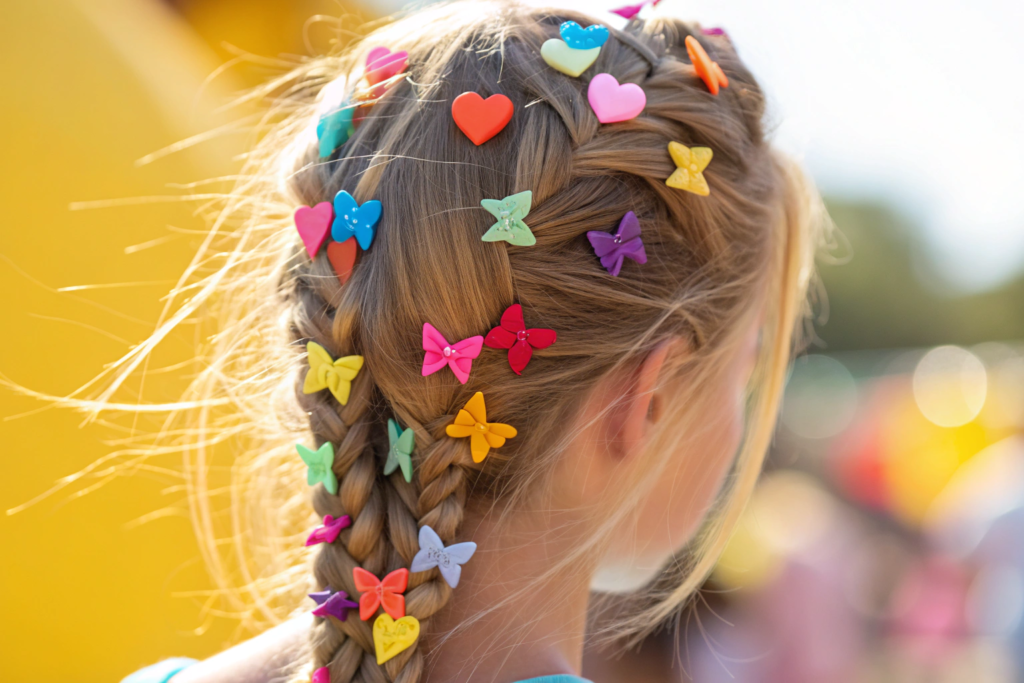
The Y2K revival is not slowing down; it’s maturing. For 2026, the hair clip manifestation is "Kitsch Core" maximalism—a playful, intentional embrace of nostalgia, bright colors, and childlike charms, but with a more curated and sophisticated execution than the original era.
This trend is joyfully excessive. Key items include the butterfly clip (a forever icon), but now in chunky, translucent resin or with holographic finishes. Other motifs include smiley faces, fruit shapes (cherries, strawberries), heart charms, and plastic gemstones. The styling is "more is more": clustering multiple small clips along a part, mixing colors and shapes asymmetrically, or using a single large, whimsical piece as a statement. The mood is optimistic, playful, and deeply connected to the "Dopamine Dressing" movement, using accessories as a direct source of fun.
What makes the 2026 version of Y2K clips different from the originals?
The update lies in material quality and design intention. Where original Y2K clips were often made of flimsy plastic, the 2026 versions use denser, more durable resins with better color saturation and no flashing (excess plastic from molds). The shapes are more considered—perhaps a butterfly with a geometric wing pattern, or a heart with an art-deco line. It’s nostalgia, refined. Furthermore, they are often styled in a more intentional, "art-directed" way rather than the chaotic throw-on of the early 2000s, aligning with the modern consumer’s desire for cohesive, Instagram-ready looks.
How can brands avoid this trend looking cheap or juvenile?
The key is in elevated presentation and pairing. Offering these clips in sophisticated color palettes (like pastels or neon-accented neutrals) alongside the primary colors helps. Packaging them as curated sets (e.g., a set of three complementary butterfly clips) positions them as a thoughtful purchase. Crucially, in marketing and styling imagery, show them paired with elegant, adult clothing—a silk slip dress, a tailored blazer—to cement their status as a fashionable accent, not a child’s toy. This contextualization is vital for successful market positioning.
What Are the Cross-Category Influences and Styling Tips?
These trending styles do not exist in a vacuum. They are influenced by and should be coordinated with broader fashion movements. The successful integration of hair clips into a full accessory line requires this holistic view.
The Architectural trend aligns with the "Quiet Luxury" and minimalist fashion movement—it’s about investment in a few, perfect pieces. The New Victorian trend dovetails with the "Cottagecore" and "Dark Academia" aesthetics, as well as the broader return to craft and detail. The Y2K Maximalist trend connects directly to the bright color trends and the celebration of individual quirkiness seen on platforms like TikTok.
How should retailers merchandise and bundle these trends?
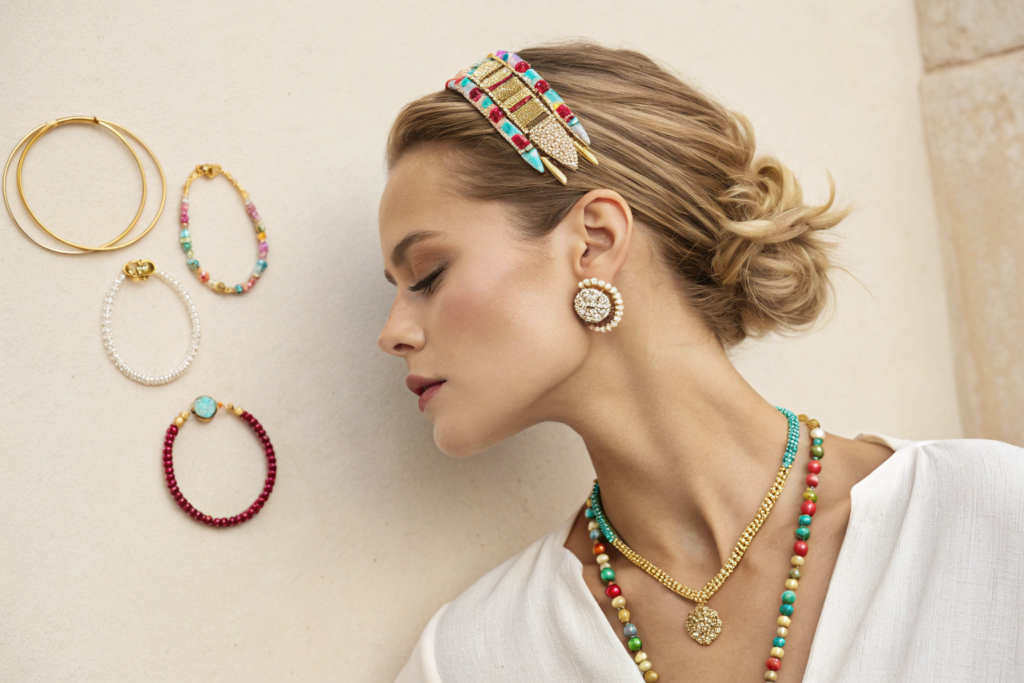
Smart merchandising can boost average order value. Consider creating "Style Kits":
- The Modernist Kit: One oversized architectural clip + a pair of simple geometric studs.
- The Romantic Kit: A cameo clip + a pearl necklace + a lace-trimmed handkerchief.
- The Playful Kit: A set of 3 mixed Y2K clips + matching colorful socks or a beaded bag.
This approach helps the customer visualize the complete look and positions your brand as a style authority.
What are the universal quality benchmarks for all 2026 clips?
Regardless of style, consumers in 2026 will demand:
- Secure Hold: Mechanisms must work flawlessly and not snag hair.
- Comfort: No sharp edges; weight must be considered.
- Durability: Coatings must not chip; resins must not easily crack.
- Colorfastness: Especially critical for bright Y2K colors and dark Victorian hues.
Building these benchmarks into your sourcing and quality control agreements is non-negotiable for building a reputable brand in this competitive space.
Conclusion
The hair clip trends for Western fashion in 2026 are diverse, expressive, and rich with opportunity. They move decisively away from the invisible accessory towards the intentional statement piece. Whether through bold architecture, romantic ornamentation, or playful maximalism, the common thread is a desire for accessories that add personality, joy, and a point of view to everyday style.
For brands and retailers, success will come from understanding these nuanced categories, investing in quality materials and construction, and presenting these clips within a compelling, cohesive lifestyle story. The hair clip is no longer an afterthought—it’s a central player in the fashion accessory landscape.
If you are looking to develop a forward-thinking, trend-accurate hair clip collection for 2026, partnering with a manufacturer that understands design, material innovation, and quality is essential. We specialize in bringing these detailed, style-driven accessories from concept to production. To discuss your next collection, contact our Business Director Elaine. She can connect you with our design team. Email: elaine@fumaoclothing.com.