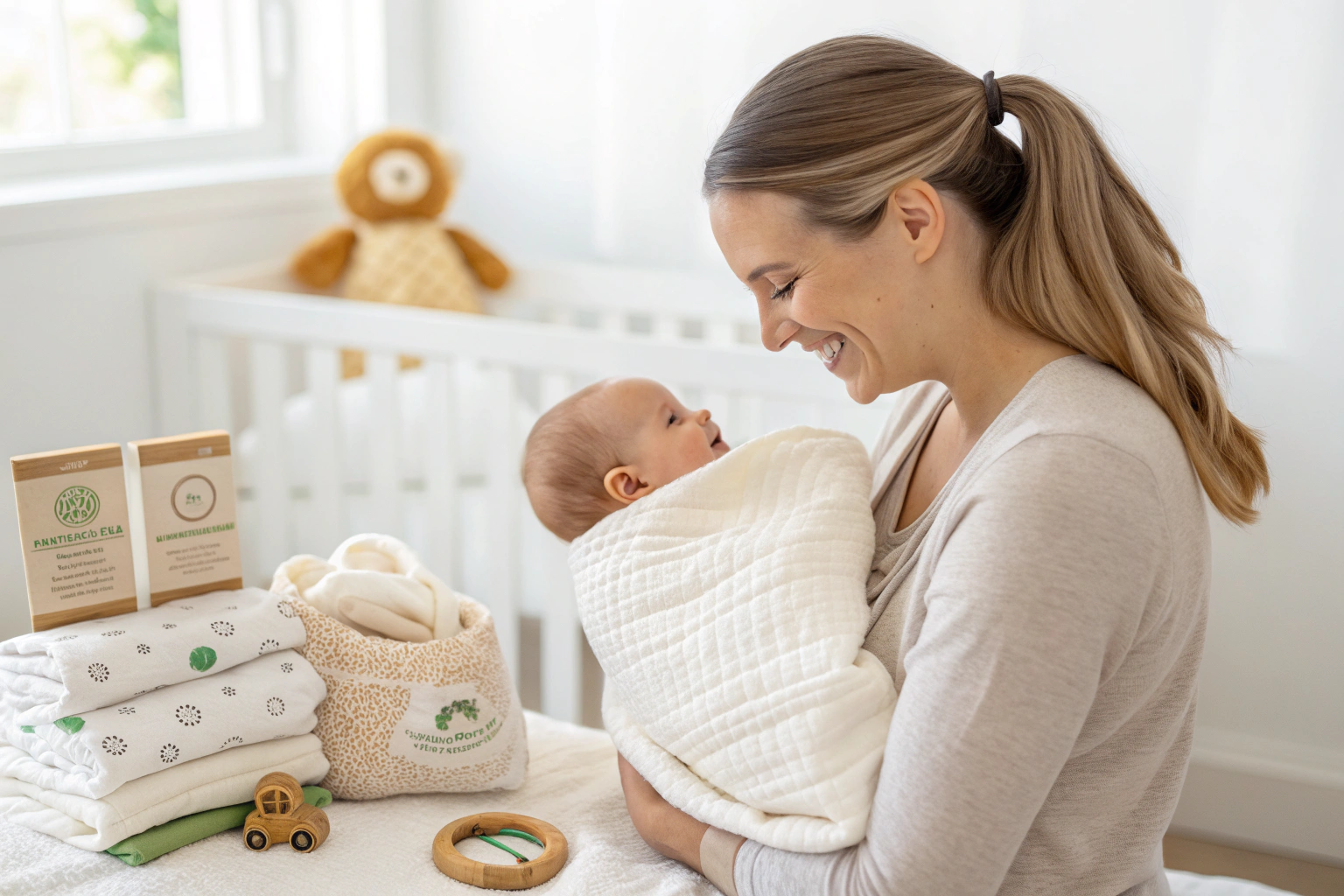
The demand for safe, non-toxic, and sustainable products for babies is booming, driven by conscious parents. You see the market potential for organic baby accessories—think swaddles, bibs, hats, and soft toys—but the idea of sourcing these sensitive items feels daunting. How can you be sure the "organic" label is authentic and not just a marketing claim? Finding the right supplier is the most critical step in building a trustworthy brand in this space.
To find a reliable supplier for organic baby accessories, you must prioritize verifiable certifications, transparent supply chains, and ethical manufacturing practices over price alone. The process involves identifying factories with valid GOTS (Global Organic Textile Standard) or OEKO-TEX® STANDARD 100 certifications, conducting thorough audits of their material sourcing and dyeing processes, and ensuring their entire production ecosystem—from farm to finished product—aligns with the integrity your brand promises. This requires a diligent, document-driven approach to vetting potential partners.
The journey from a simple online search to onboarding a certified, ethical supplier involves several layers of verification. It’s not just about who can make a cute bib, but who can provide a chain of custody for the organic cotton inside it. Let’s navigate the key checkpoints, questions, and red flags to ensure your supplier partnership upholds the highest standards of safety and sustainability from day one.
What Certifications Are Non-Negotiable for Authenticity?
In the world of organic textiles, certifications are your objective proof and risk mitigation tool. They are not optional; they are the foundation of your product’s credibility and legal compliance.
The gold standard is the Global Organic Textile Standard (GOTS). This is a comprehensive certification that covers the entire supply chain. It ensures the organic status of textiles from harvesting of raw materials through environmentally and socially responsible manufacturing all the way to labeling. A supplier holding a GOTS certificate means they are audited annually. For baby items, the OEKO-TEX® STANDARD 100 is equally crucial. It is a product certification that tests for a list of over 100 harmful substances (like pesticides, heavy metals, allergens) to ensure the final textile product is safe for human ecology, making it perfect for baby’s sensitive skin.
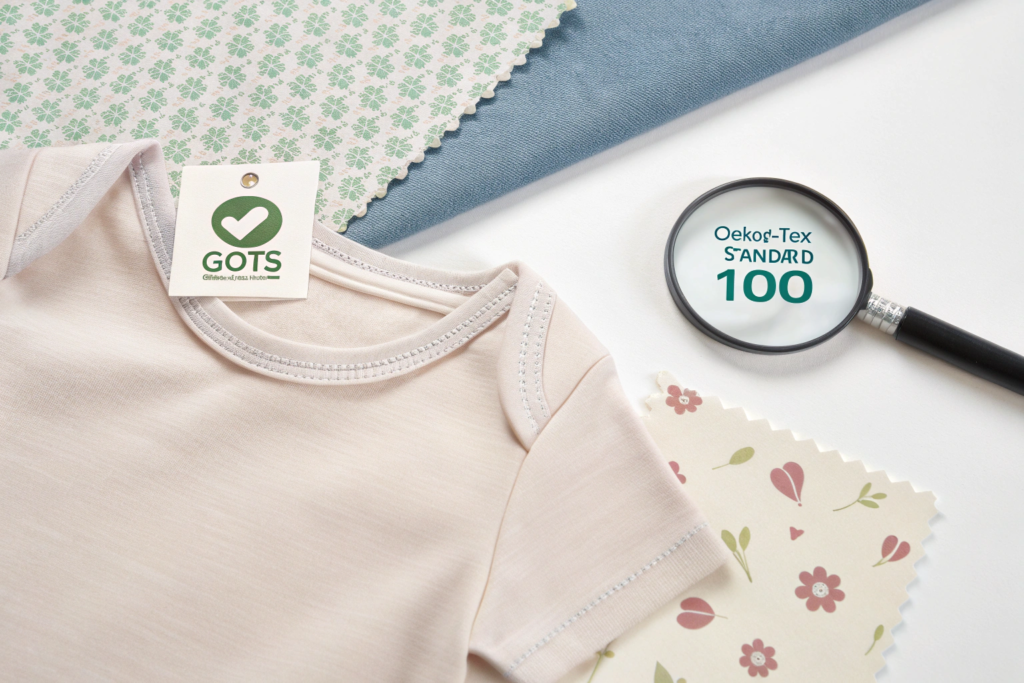
Why is GOTS certification more comprehensive than just "organic cotton"?
Many suppliers claim to use "organic cotton," but this often refers only to the raw fiber. GOTS certification covers the critical post-harvest stages: spinning, knitting, dyeing, finishing, and manufacturing. It mandates strict environmental criteria for chemical inputs (banning toxic dyes and bleach) and social criteria for worker welfare. When you source from a GOTS-certified factory like Shanghai Fumao Clothing, you are assured that the organic integrity is maintained throughout production, not just at the farm. Always ask for the supplier’s GOTS scope certificate and transaction certificate for your specific order, which traces the organic content.
How do you verify the validity of a supplier’s certifications?
Certificates can be falsified. You must verify them. Both GOTS and OEKO-TEX® maintain public, online certification databases. Ask the supplier for their unique certificate number and the name of the certifying body (e.g., Control Union, Ecocert). Use these details to look them up on the official GOTS or OEKO-TEX website. Confirm that the certification is current, covers the product categories you need (e.g., baby wear, accessories), and includes the manufacturing facility you are visiting. This 5-minute check can save you from catastrophic greenwashing scandals.
How to Vet a Supplier’s Ethical and Safety Standards?
Beyond paper certifications, the operational reality of the factory must reflect a genuine commitment to safety and ethics. This is especially vital for products destined for babies.
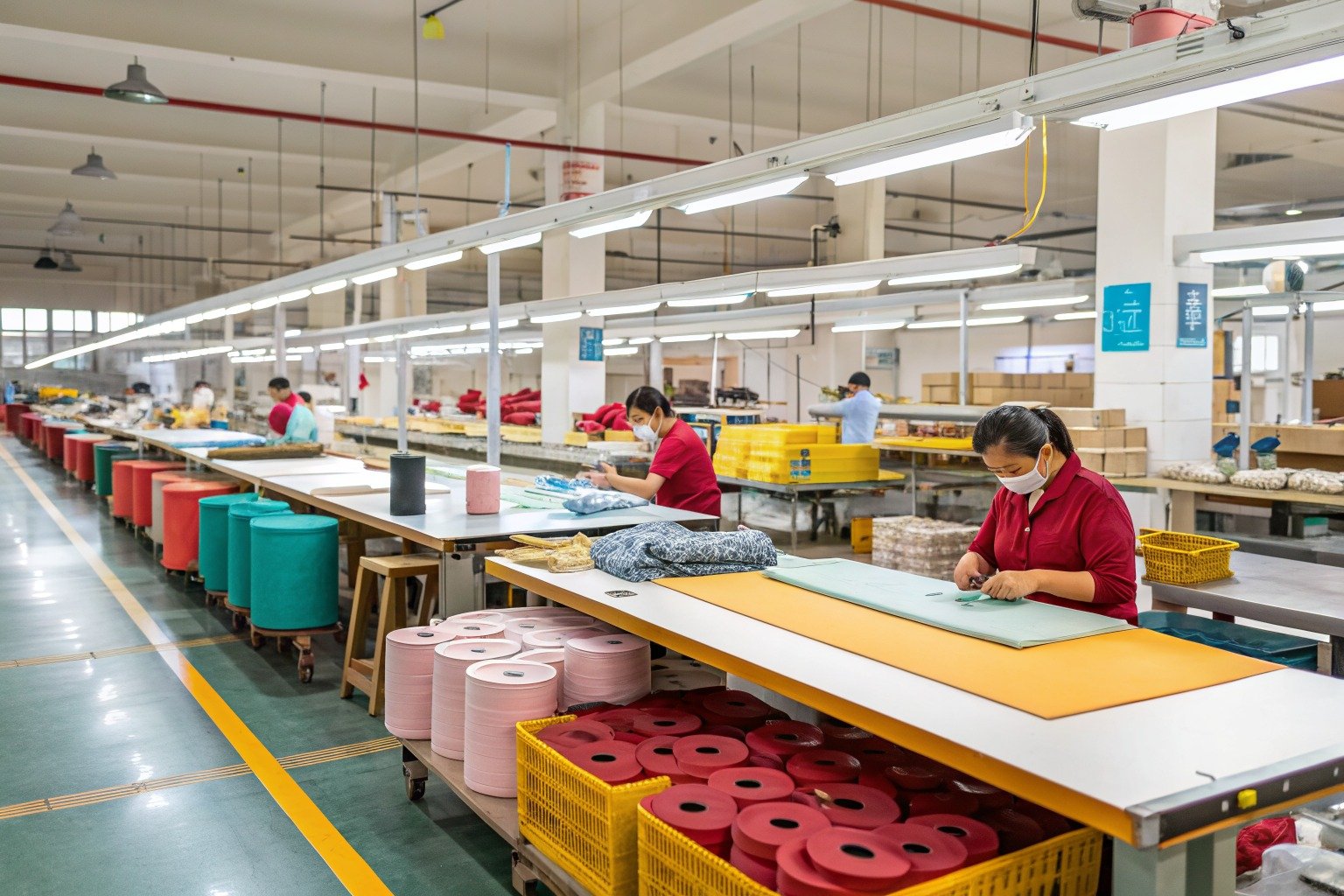
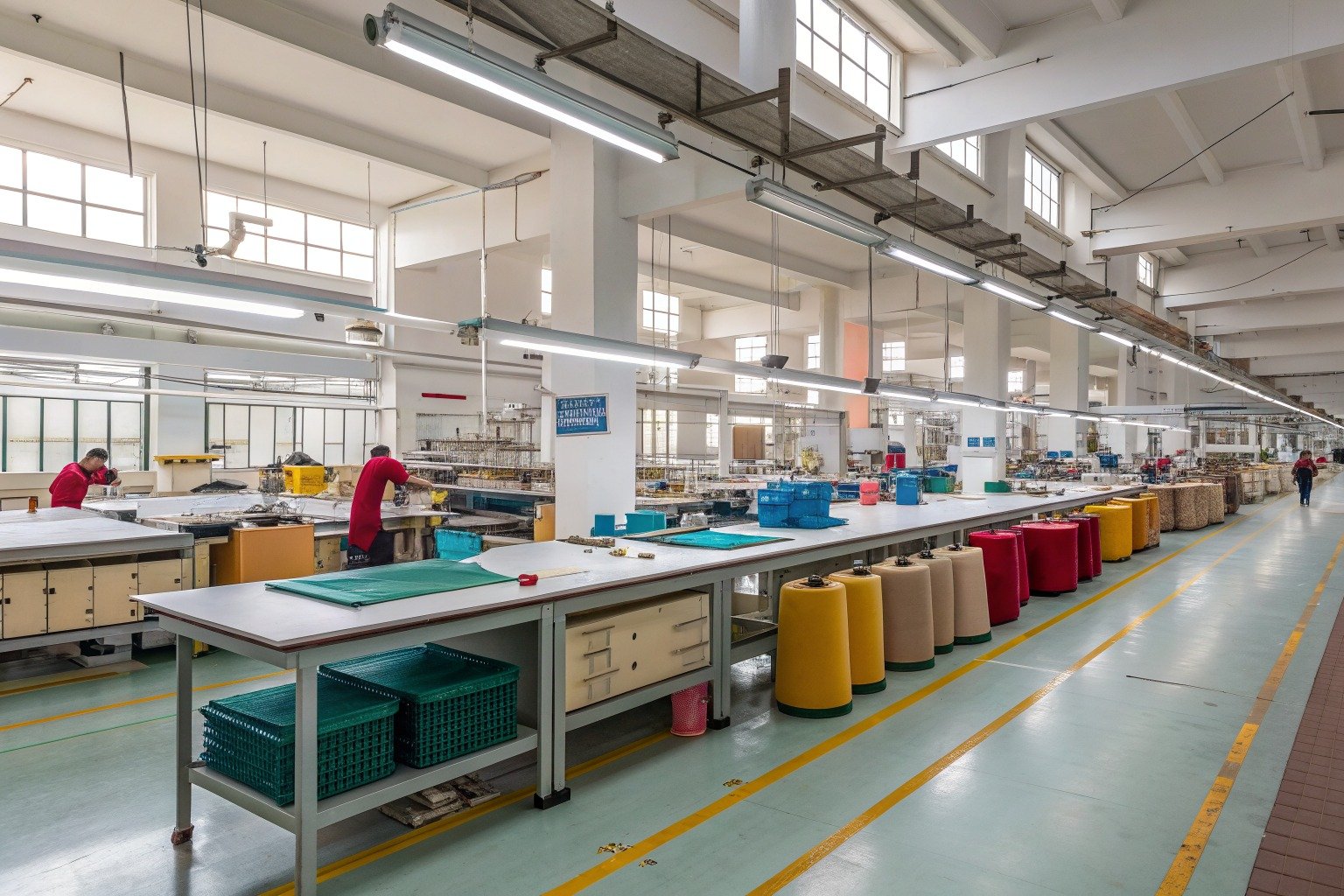
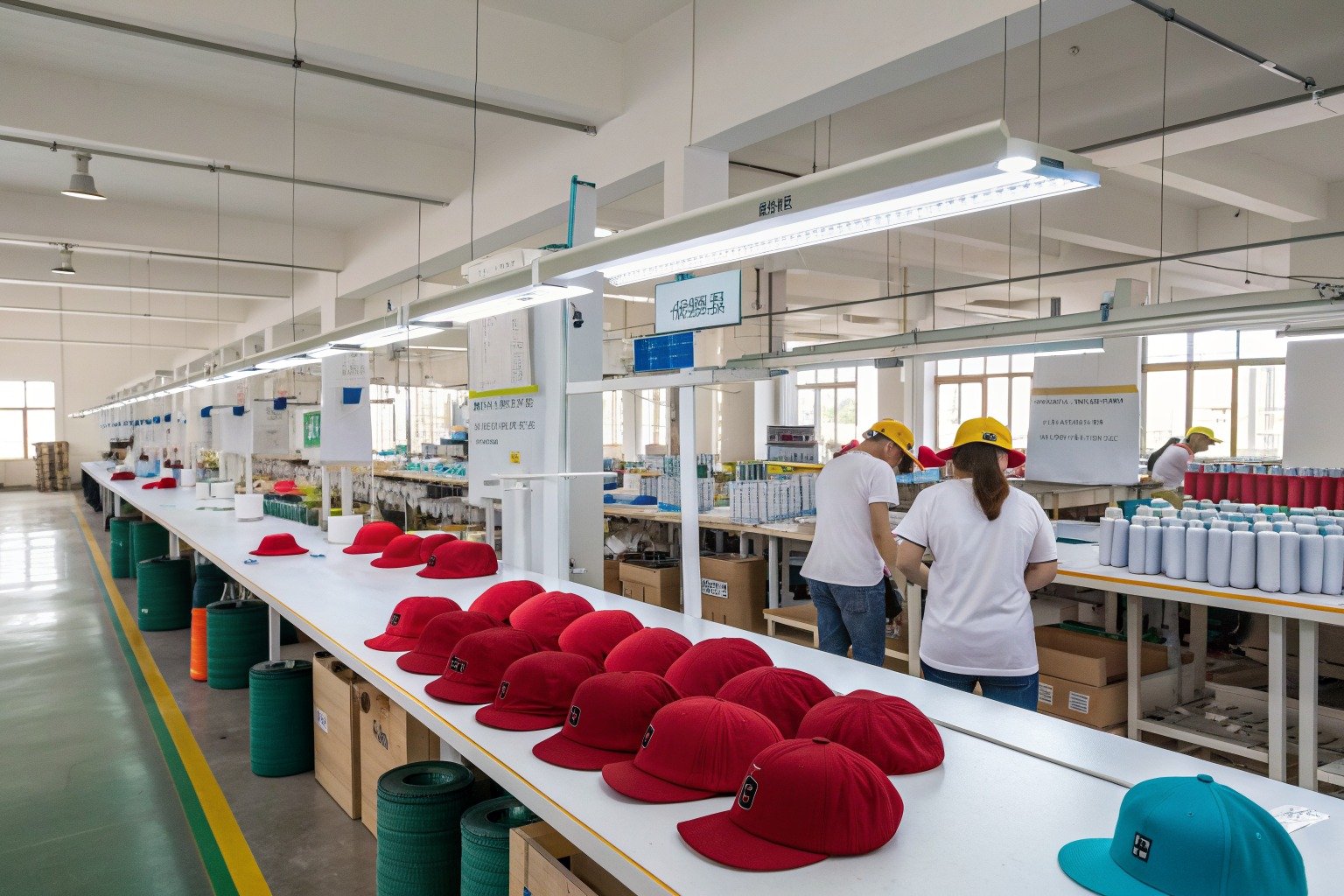
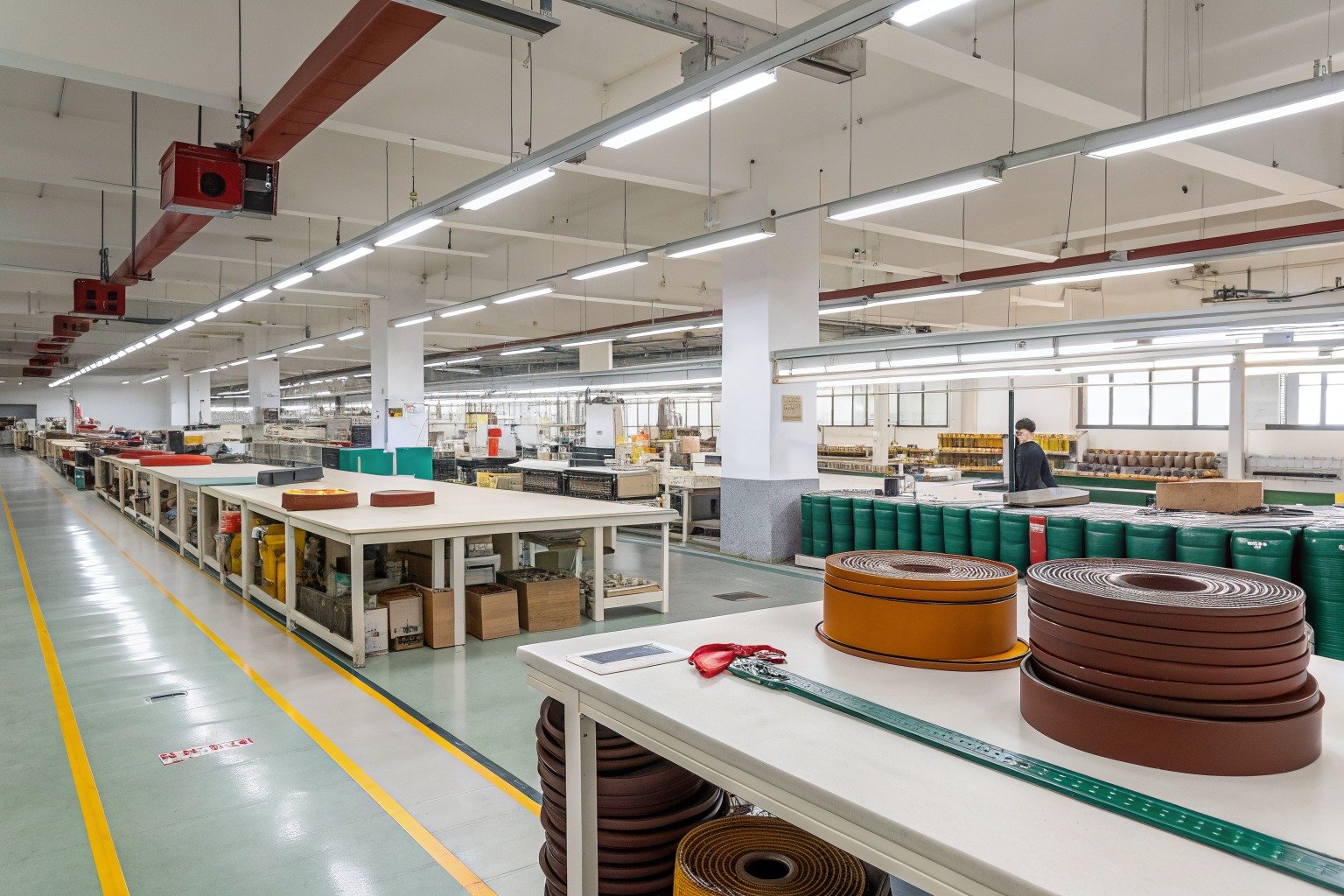
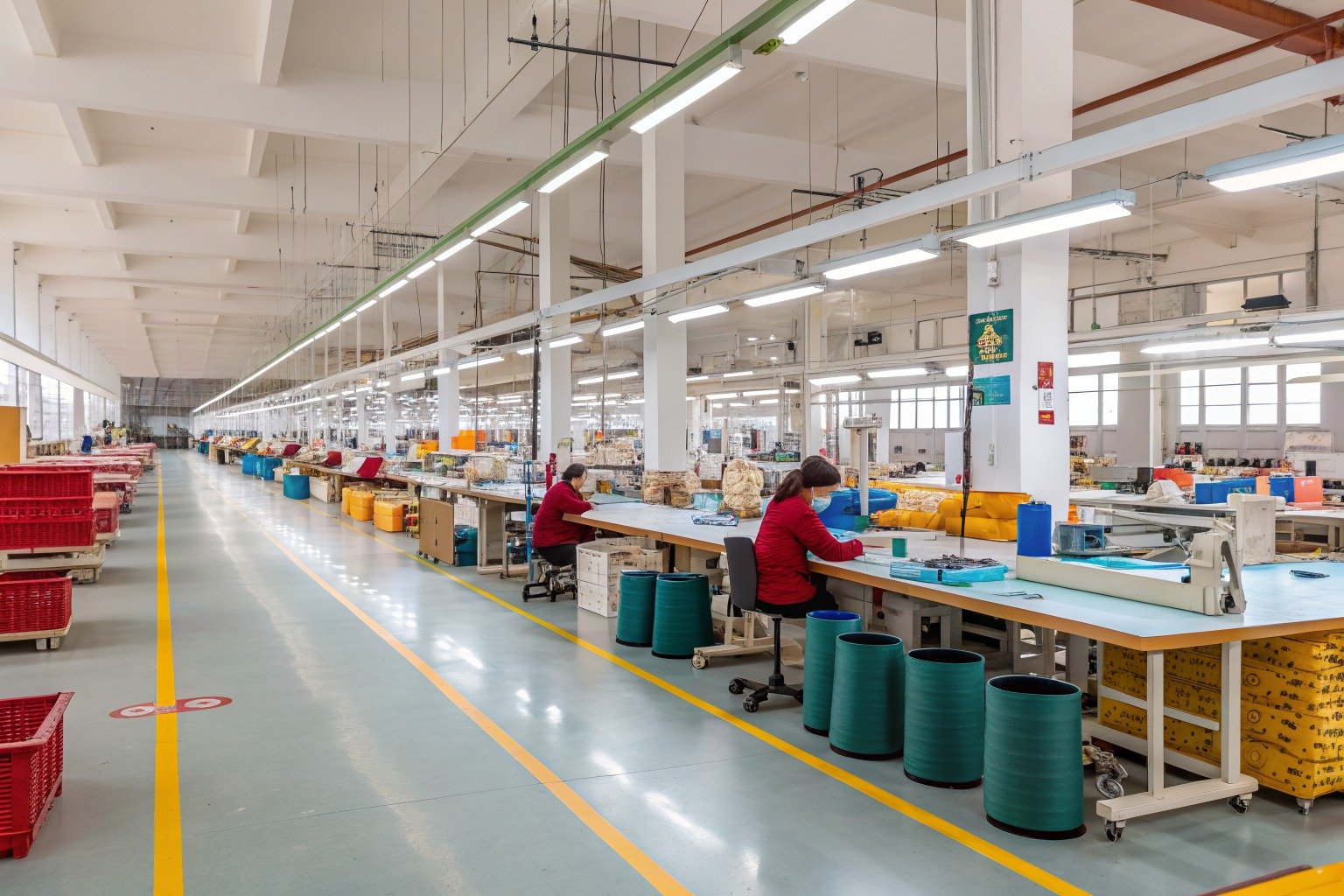
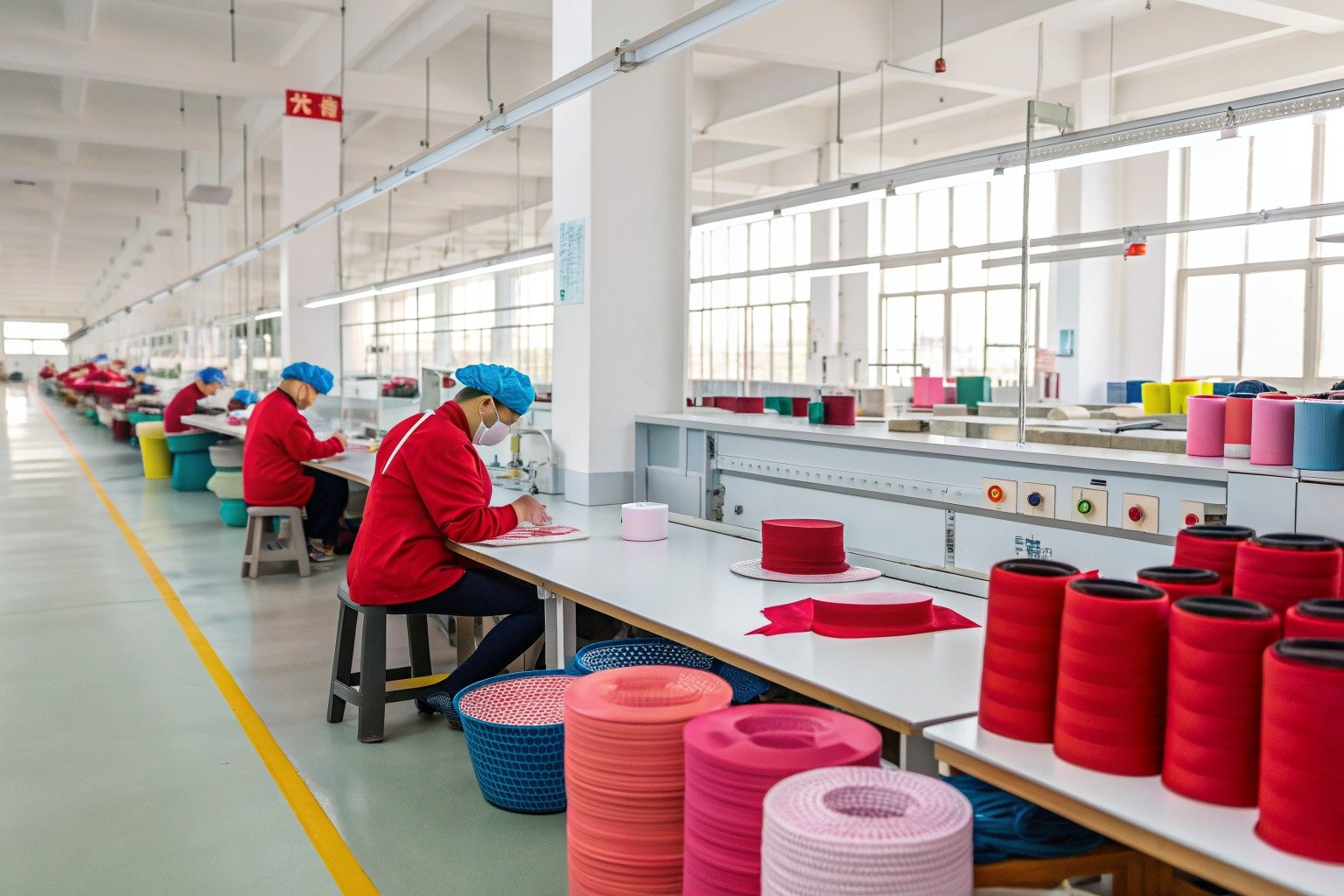
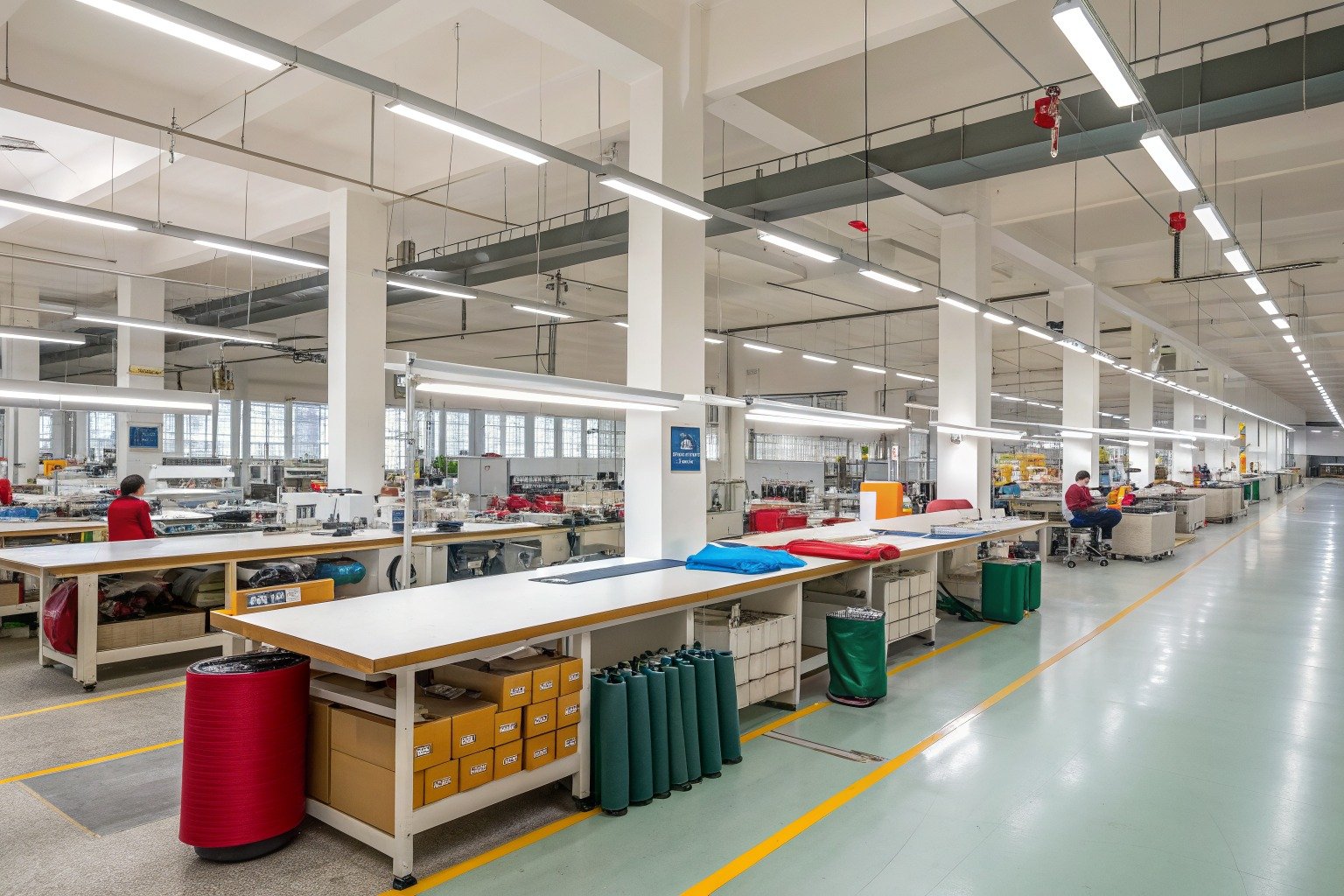
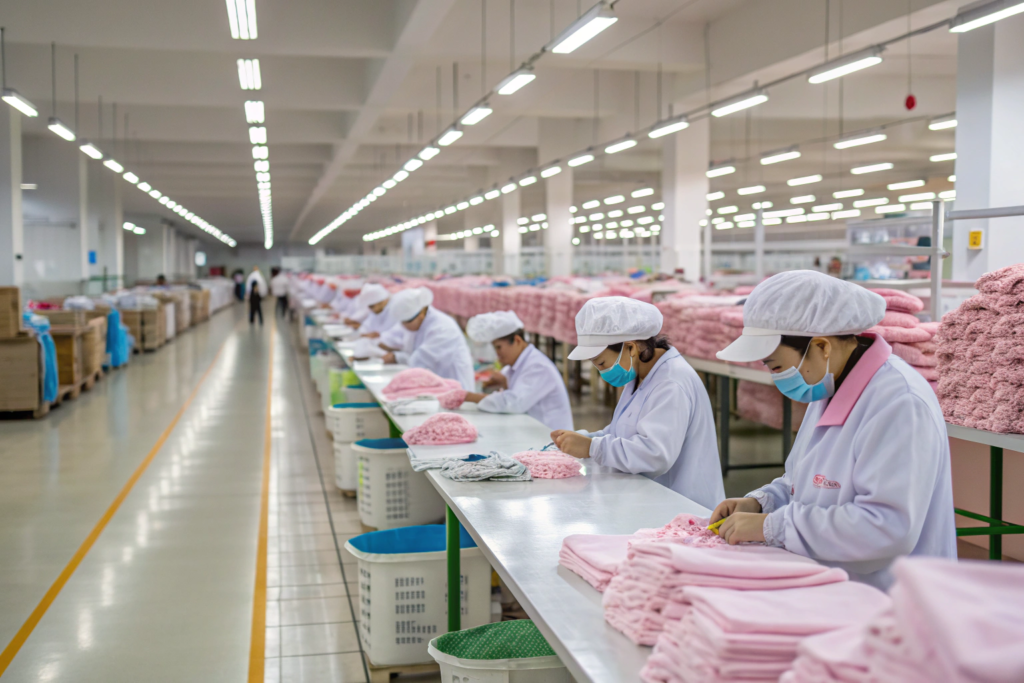
Your vetting should include a virtual or physical factory audit. Look for clean, well-ventilated, and organized production areas. Inquire about their quality control processes specifically for baby products: how do they test for colorfastness, stitch strength, and secure attachment of small parts (like snaps on bibs)? Ask for their Social Compliance audit reports, such as Sedex (SMETA) or BSCI, which evaluate working conditions, hours, and fair wages. A supplier that is transparent and proud of their working conditions is a positive sign.
What specific safety tests should be required for baby items?
Baby accessories are regulated as children’s products in most markets. Your supplier must understand and provide testing for:
- Chemical Safety: Tests for lead, phthalates (in PVC or prints), formaldehyde, and AZO dyes.
- Physical Safety: Small parts tests to ensure no choking hazards, strength tests for seams and attachments, and flammability tests for sleepwear items.
- Mechanical Safety: For items with cords or ties, ensuring they are not a strangulation risk.
A reliable supplier will have a relationship with an accredited third-party lab and can provide test reports compliant with your target market’s standards (e.g., CPSIA for USA, EN 71 for EU). This is a core part of their development capability for the juvenile product sector.
How important is the supplier’s own material sourcing network?
A truly responsible supplier has control and knowledge of its upstream supply chain. Ask: "Who is your organic cotton yarn supplier? Can you provide their GOTS certificate?" The best factories have long-term relationships with certified mills and can trace the origin of their core materials. They should also be knowledgeable about low-impact dyes and GOTS-approved trims (like organic thread and safe snap buttons). This deep supply chain integration is what separates a true specialist from a general factory that occasionally works with organic fabric.
Where to Look for Certified Organic Accessory Suppliers?
The search channels for ethical baby product suppliers are more specialized than general B2B platforms. You need to go where certified manufacturers congregate and showcase their credentials.
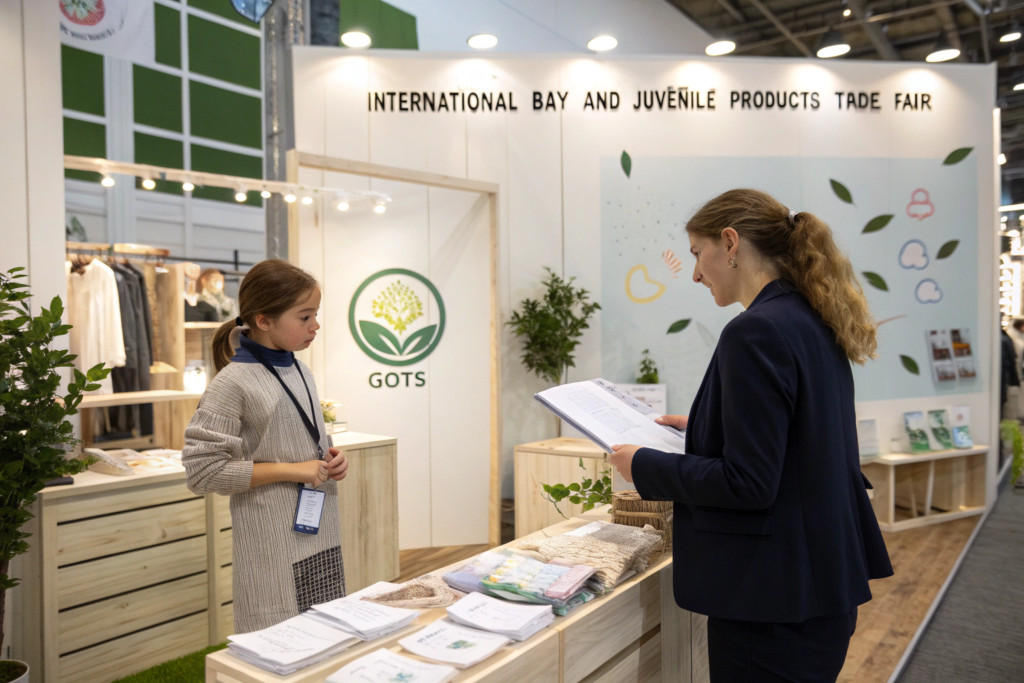
Start with the official channels. The GOTS website has a publicly accessible ‘Find Supplier’ database. This is a prime source for verified, certified facilities worldwide. Attend trade shows focused on organic, green, or juvenile products, such as the Kind + Jugend fair in Cologne. These events attract serious, vetted suppliers. You can also use specialized sourcing platforms that filter for certifications, though due diligence is still required. Referrals from other trusted brands in the eco-friendly baby space can also be invaluable.
Are B2B marketplaces like Alibaba reliable for finding organic suppliers?
Platforms like Alibaba host many suppliers claiming organic capabilities. They can be a starting point for discovery, but require extreme caution. Use the platform’s filters to search for suppliers with "GOTS Certified" or other verification badges. However, treat these as leads, not proof. You must follow up with the full verification process described earlier—requesting and checking certificate numbers in the official databases. Be wary of trading companies posing as factories; aim to connect directly with the certified manufacturing unit to ensure transparency and cost efficiency.
What are the advantages of partnering with a specialized manufacturer?
A factory that specializes in baby and organic products brings immense value. They have pre-vetted supply chains for compliant materials. Their R&D team understands the specific design and safety requirements for baby items (e.g., flat-lock seams for comfort, safe print techniques). Their quality control is calibrated for the higher scrutiny of the juvenile market. While their unit cost may be slightly higher, the reduced risk of compliance failures, recalls, or brand damage offers a far better return on investment. This specialization translates into a smoother, more secure product development journey for you.
How to Structure Sampling and Negotiations?
The sampling and negotiation phase with an organic supplier has unique dimensions. Cost is influenced by certified materials and ethical labor, and samples must be made with the correct, certified inputs.
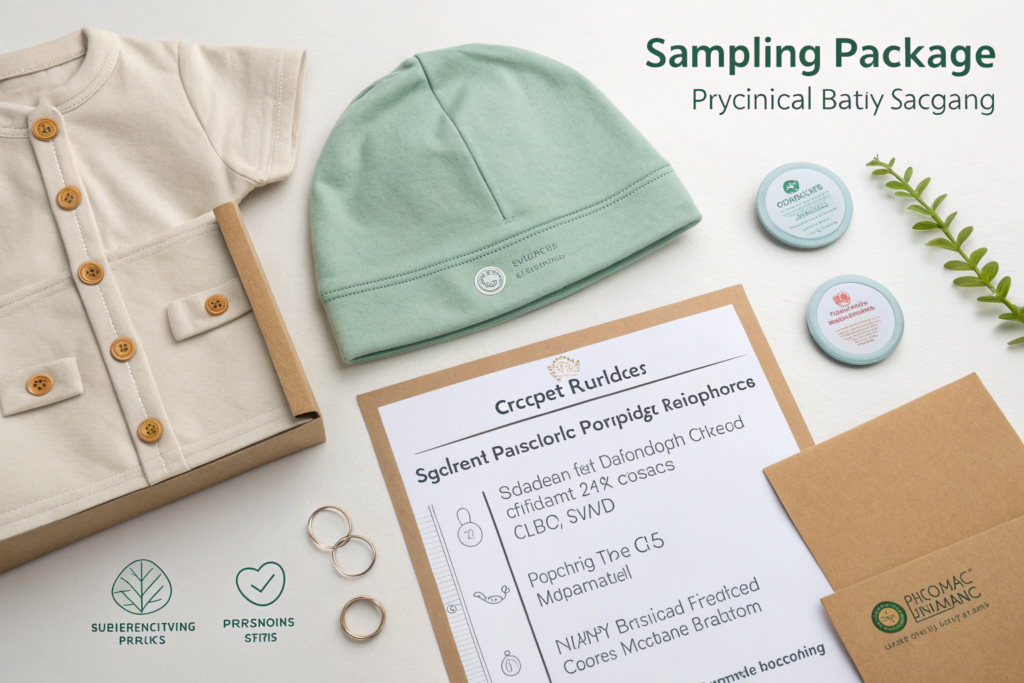
When requesting a quote, expect it to be itemized, showing costs for GOTS-certified fabric, certified trims, low-impact dyeing, and ethical manufacturing labor. The Minimum Order Quantity (MOQ) may be higher due to the minimum batch requirements of certified fabric dye lots. For sampling, insist that proto samples are made with the actual certified organic fabrics and dyes you plan to use, not substitute materials. This is the only way to accurately assess quality, hand-feel, and color.
What key documents must be part of the supplier agreement?
Your purchase agreement should mandate the provision of specific compliance documentation with each shipment. This includes:
- GOTS Transaction Certificate: For the specific order, tracing the organic content.
- Mill Certificates: For the organic fabric and other materials.
- Third-Party Lab Test Reports: For all required safety standards (CPSIA, EN 71).
- Certificate of Conformity (CoC): Stating the products meet all applicable regulations.
Clarifying these deliverables upfront protects your brand legally and gives you the evidence needed for retail compliance and customer trust.
How do you assess the supplier’s commitment to sustainability beyond materials?
Probe deeper into their operational ethics. Ask about their water treatment and recycling systems, especially important in dyeing processes. Inquire about energy use and waste reduction initiatives. Do they use recycled or plastic-free packaging? A holistic view of sustainability shows a supplier whose values are integrated, not just a sales feature. This alignment is crucial for building a brand narrative that is authentic and resilient.
Conclusion
Finding a supplier for organic baby accessories is a mission-critical process built on verification, transparency, and shared values. It transcends typical sourcing by demanding rigorous proof of organic integrity, safety compliance, and ethical production at every stage.
The right partner does not just provide a product; they provide peace of mind. They become an extension of your brand’s promise to deliver the safest, purest, and most responsibly made items for the most vulnerable consumers.
If you are looking to develop a line of certified organic baby accessories with a partner who embodies these principles, we invite you to evaluate our certified facility and expertise. We combine GOTS-certified production with a deep understanding of juvenile product safety and design. To begin a conversation about your project, please contact our Business Director Elaine. She can arrange a review of our certifications and portfolio. Email: elaine@fumaoclothing.com.